


Tanking creates a solid, waterproof layer that stops water from penetrating basements and below-ground walls, protecting your structure from damp and damage.





Protect your project from moisture damage with our tanking service for basements and below-ground walls in Luton. We understand the unique challenges posed by damp conditions in this area.
Get a free quote
 Quick, no-obligation quote!
Tanking is essential for anyone facing moisture issues in cellars or basements. Without effective tanking, water can infiltrate walls and floors, resulting in damp and structural problems. Our tanking services in Luton create a strong waterproof barrier, keeping your basement dry and safe before any finishing work starts.
Builders involved in new projects or renovations rely on tanking to protect below-ground structures. Our tanking process includes detailed surface preparation and careful application, preventing water ingress that can jeopardize the integrity of the build. This approach integrates smoothly into the construction schedule, ensuring results that stand the test of time.
Homeowners in Luton facing damp issues need effective tanking to avoid mold and water damage. We offer services designed for existing properties, applying a waterproof layer directly to concrete or masonry to tackle problem areas. This approach targets moisture at its source, safeguarding your home's value and comfort.
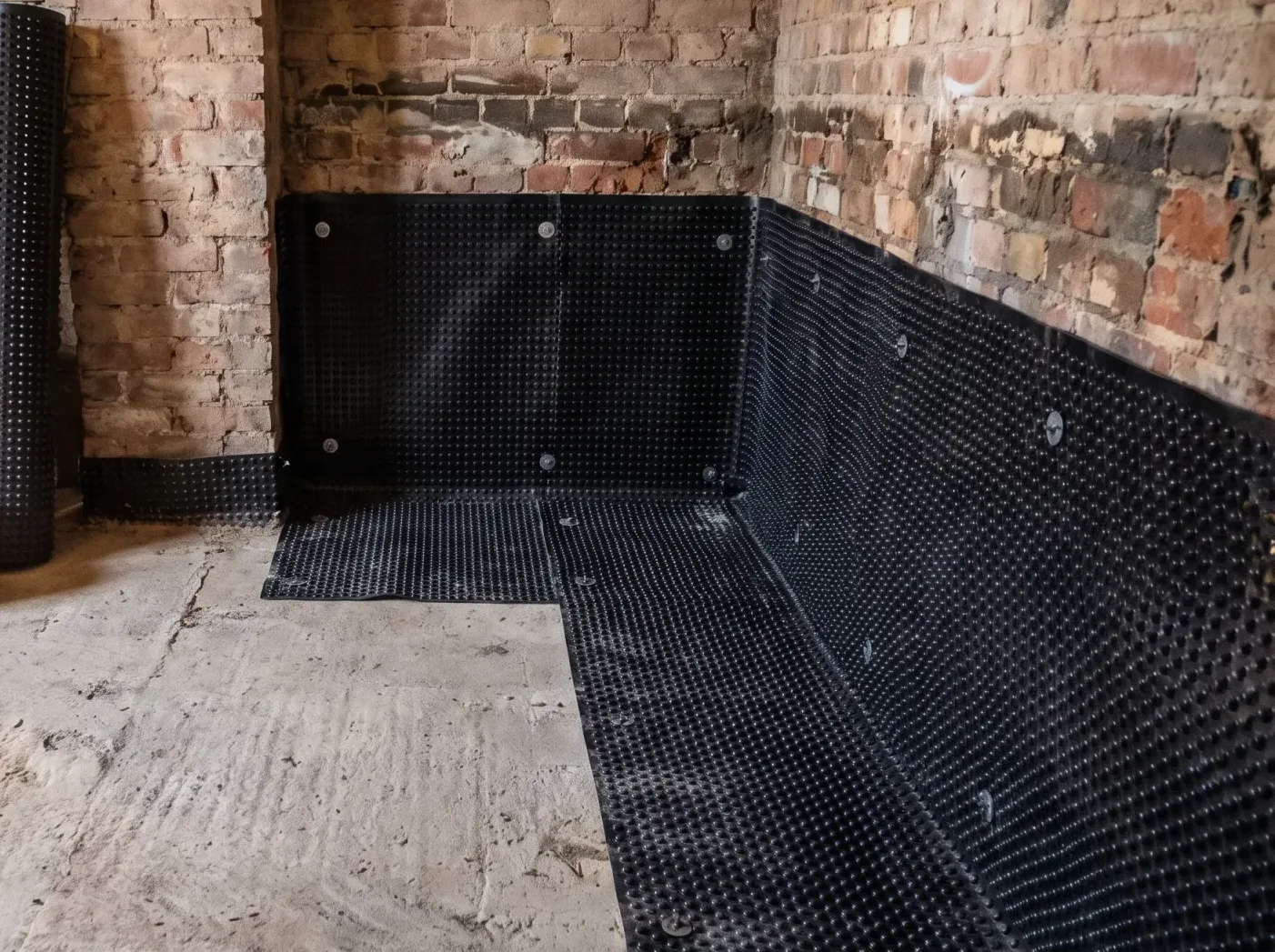
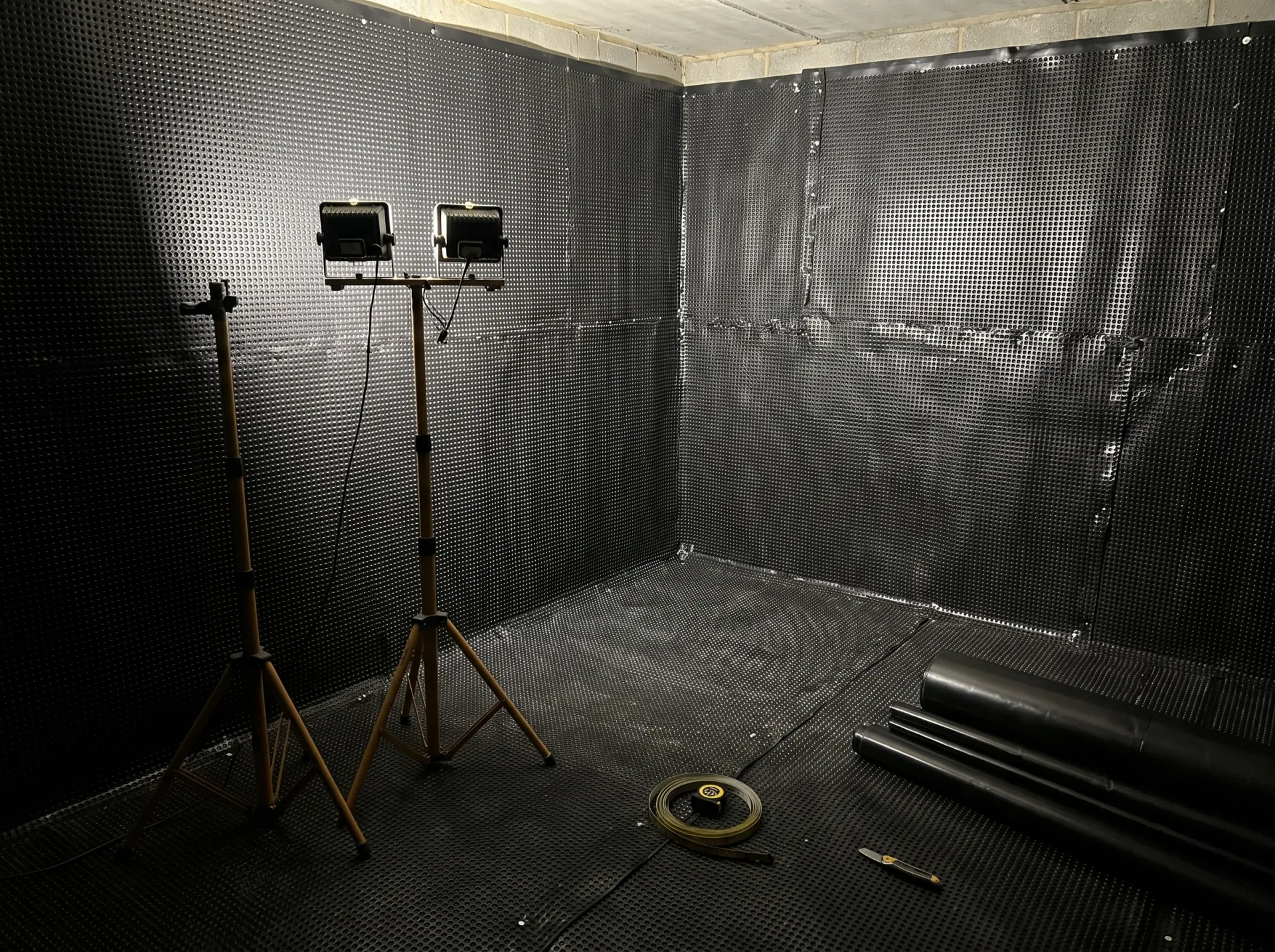
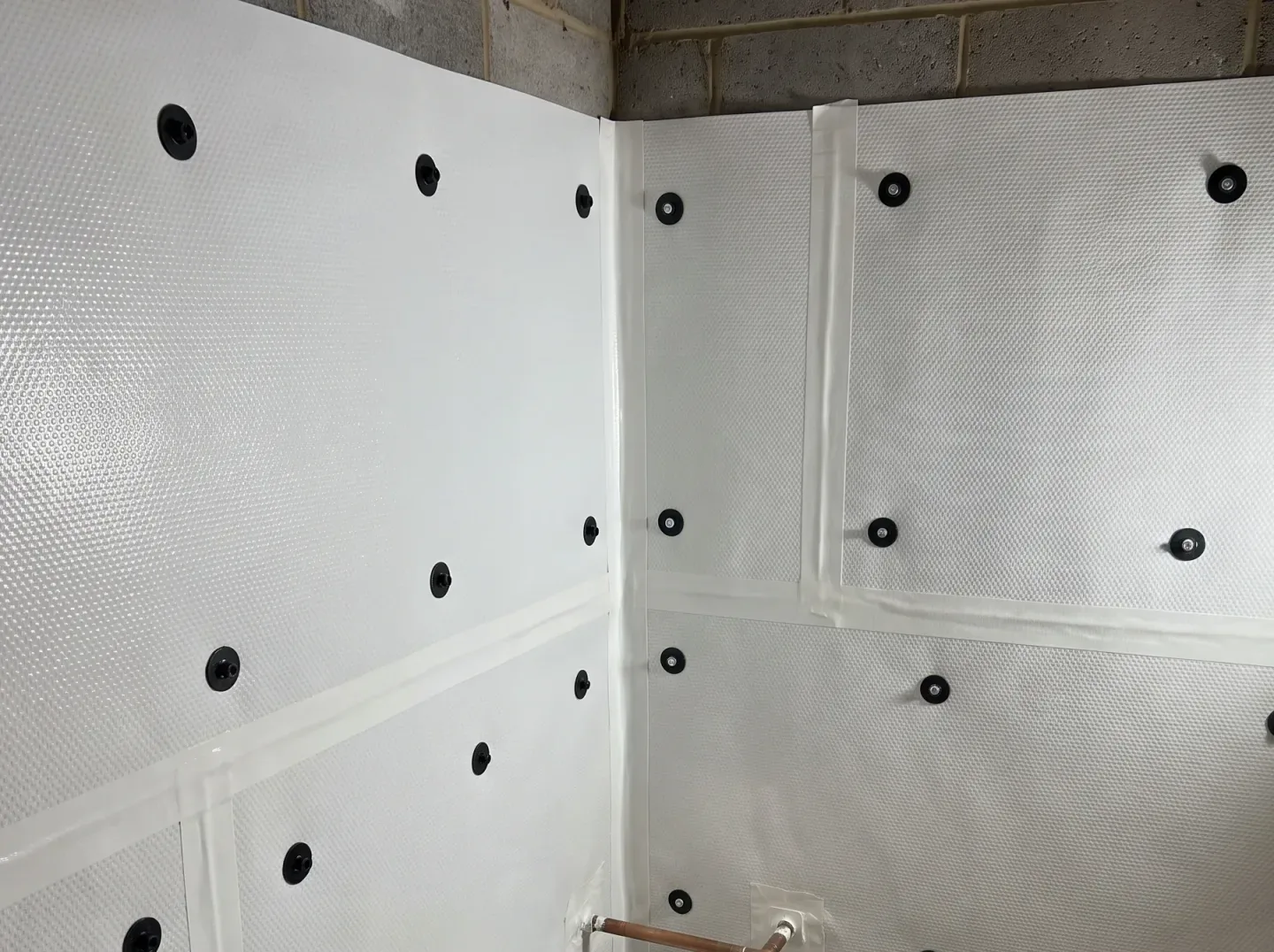
Our tanking services focus on protecting basements, cellars, and all below-ground walls from water ingress. We apply waterproof layers in Luton before any finishing work, ensuring surfaces are thoroughly sealed against moisture. This method effectively prevents dampness and structural problems arising from water penetration.
We begin our tanking service with a comprehensive site inspection and surface preparation, confirming that the waterproof barrier will adhere properly. The tanking membrane is applied in precise layers, paying special attention to corners and joints where leaks often occur. The result is a durable, watertight seal that integrates seamlessly with any subsequent plastering or finishing tasks.
Tanking creates a solid, waterproof layer that stops water from penetrating basements and below-ground walls, protecting your structure from damp and damage.
With our precise application, tanking ensures lasting resistance to water ingress, reducing the need for costly repairs down the road.
By preventing moisture accumulation, tanking helps preserve the strength of concrete and masonry, avoiding cracks and deterioration over time.
Effective tanking eliminates moisture sources that foster mold growth, improving indoor air quality and creating a healthier living environment.
Tanking is done before any finishes, allowing for the continuous application of plastering or other surface treatments without compromising waterproofing.
We meticulously check and repair surfaces before tanking, ensuring the waterproof layer sticks properly and performs effectively.
From initial measurement to project completion, we keep you updated every step of the way, delivering tanking services on schedule and to specifications.
Drilling through fresh barriers ruins everything. When planning tanking in Luton, you must map every heating pipe, electrical conduit, and drain run beforehand so sleeves are bedded into the masonry directly. Mistakes happen quickly. We secure every collar securely with flexible sealants around cold copper supply pipes before applying coats to the surrounding bare brickwork.
Wash walls with plain water. Aggressive chemical cleaners and bleach will degrade surface coatings over time. You should check the lowest junction where the slab meets the wall twice every twelvemonth for dusting or minor salt efflorescence. If you spot grit accumulating near the floor flange, wipe it away gently using a soft cotton towel.
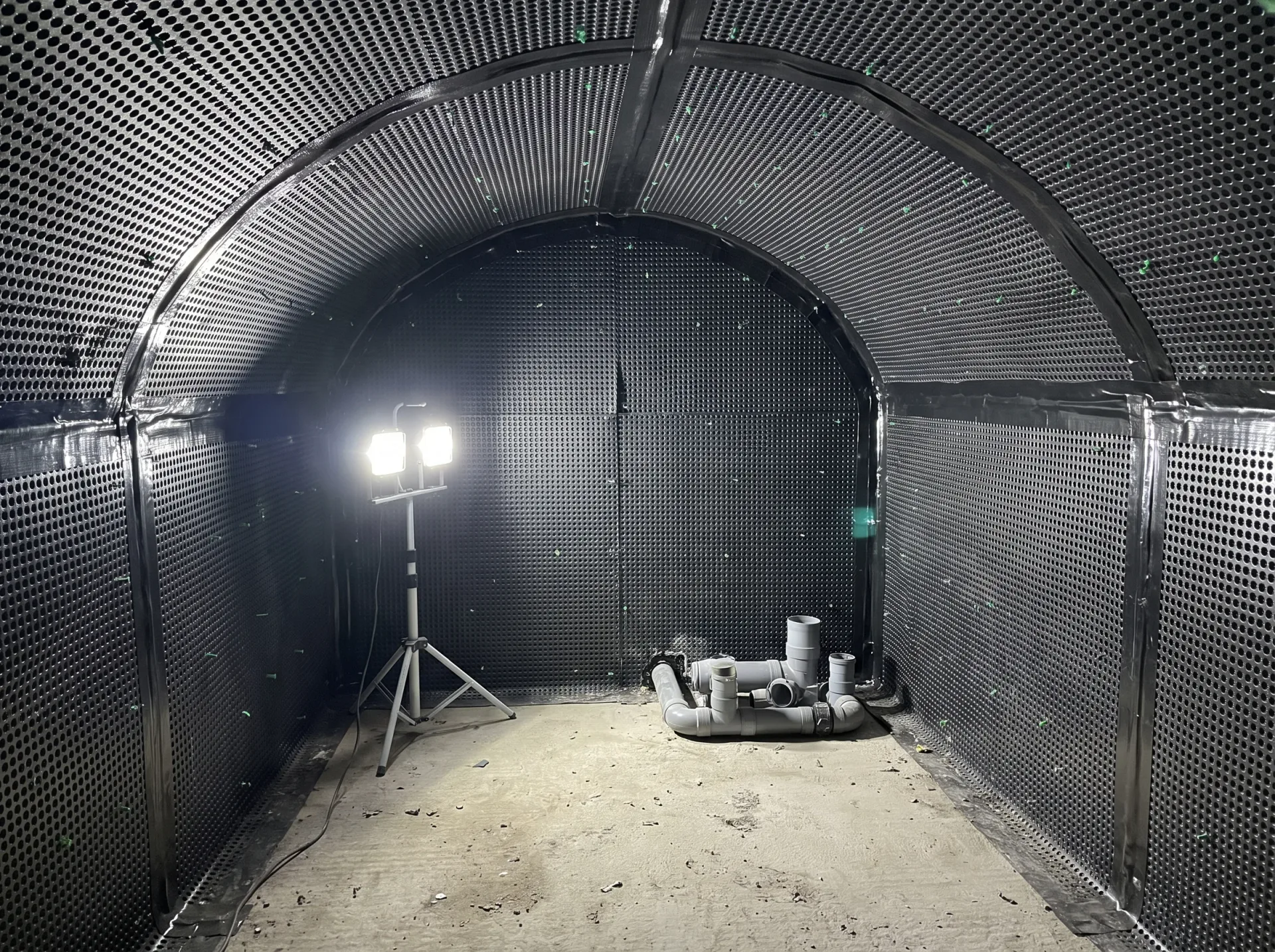
We start by inspecting the site to evaluate moisture levels and identify the areas needing tanking, ensuring clarity before we begin.
Next, we clean and repair all surfaces, addressing cracks and defects to ensure the tanking membrane adheres effectively and forms a solid barrier.
We apply the waterproof coating in layers, focusing on corners and joints vulnerable to leaks, achieving a continuous seal.
After application, we allow the tanking membrane to cure fully, then conduct a detailed inspection to verify that the waterproofing is successful and effective.
Once the tanking is verified and complete, we maintain clear communication with the client, providing necessary documentation and ensuring the site is ready for the next finishing stage.
Mortar will not set in freezing weather. Undertaking tanking in Luton during sustained winter downpours demands heated blowers on site because chilly, saturated brickwork repels water-resistant bonding agents and slows drying to a crawl. Moisture meters guide us. If frost creeps into the external foundations, we wait until the cold snap passes rather than risk soft spots.
Heat brings tricky challenges. Very dry masonry pulls water out of slurry mixes far too rapidly, which results in brittle crusts that craze and flake away under pressure. We spray the brickwork with cold water several times while working in direct summer sunlight to prevent powdery base patches.
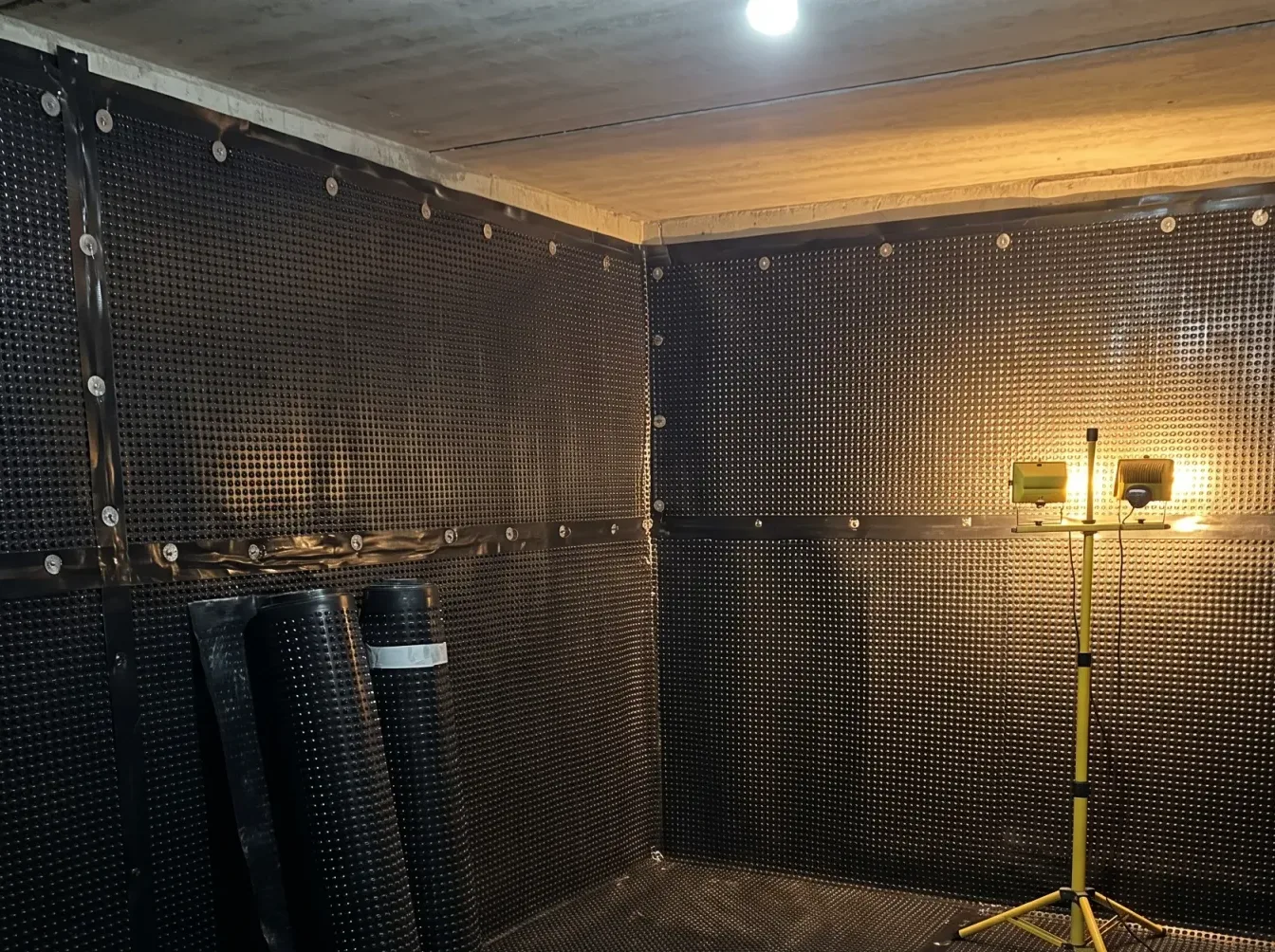
Soot and lime ruin bonds. Skipping mechanical grinding over old black coal cellar whitewash means fresh slurries will detach under backpressure, peeling away like wallpaper within weeks. Take time to chip away crumbling mortar joints. A wire wheel on an angle grinder exposes sound brick, clearing out decayed lime mortar that would otherwise turn to mush.
Subsoil shifts after heavy rainfall. While scheduling tanking in Luton, homeowners frequently forget that uphill garden flowerbeds push continuous hydrostatic weight against low brick walls. That pressure demands thicker coats. Without sufficient thickness along external corners, subterranean water finds cracks and runs straight across your concrete floor towards the storage racks.
Standard rawlplugs cause persistent leaks. Driving raw steel screws through newly treated walls tears internal barriers, allowing dark seepages to creep behind skirting boards. Use specialized expanding plugs instead. Rubberised sleeves compress against the brick perimeter, stopping wet patches from staining your new plasterboards around socket backboxes.
With over 20 years in plastering and finishing, we bring practical experience to every tanking project. We begin by thoroughly assessing the site for moisture risks before applying the waterproof barrier. Our approach emphasizes precision cleaning, crack repair, and joint sealing to ensure a lasting waterproof layer. This practical method helps prevent damp and structural issues from the ground up.
We handle tanking as part of our complete service, managing every step from measurement to inspection. We communicate systematically throughout the process to prevent surprises and stick to deadlines. The tanking membrane we use is built to endure pressure, protecting basements and walls before finishing work commences. Our straightforward execution delivers dependable results.
We work in Luton and the surrounding area, completing tanking projects efficiently. Reach out for a phone consultation or to schedule a site visit.
approx. 25 milesDistance from our base · Cheshunt
Call us07465266721Email uscontact@topplastering.ukWe serve your areaLuton and the surroundings
The Google map loads after you accept marketing cookies.


Maksymilian Mazur
Very satisfied with the service! Excellent communication, clean workmanship, and everything completed professionally. Highly recommended!
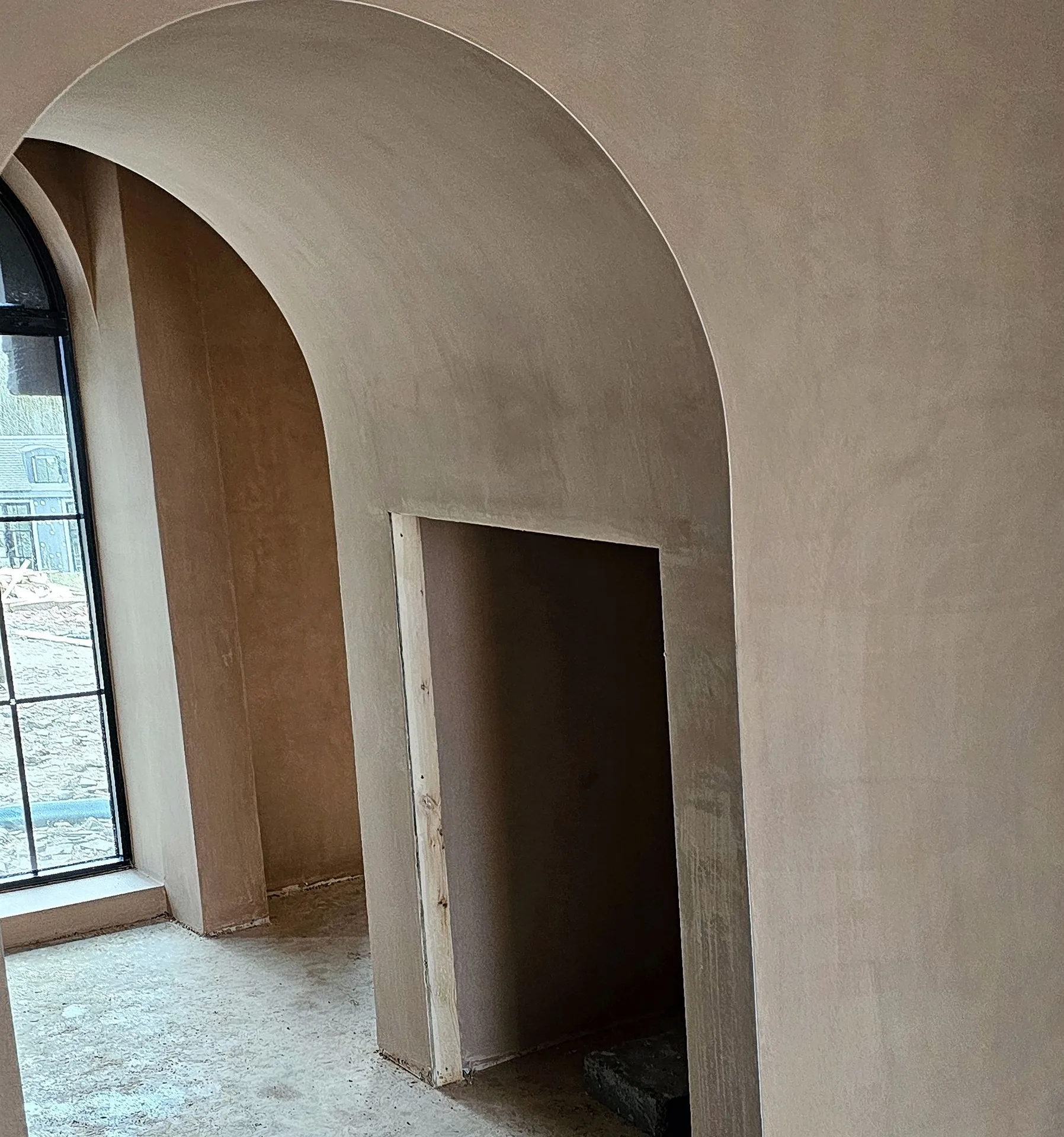
Tired walls and ceilings get a second life with skimming, giving you a flawless, durable finish every time.
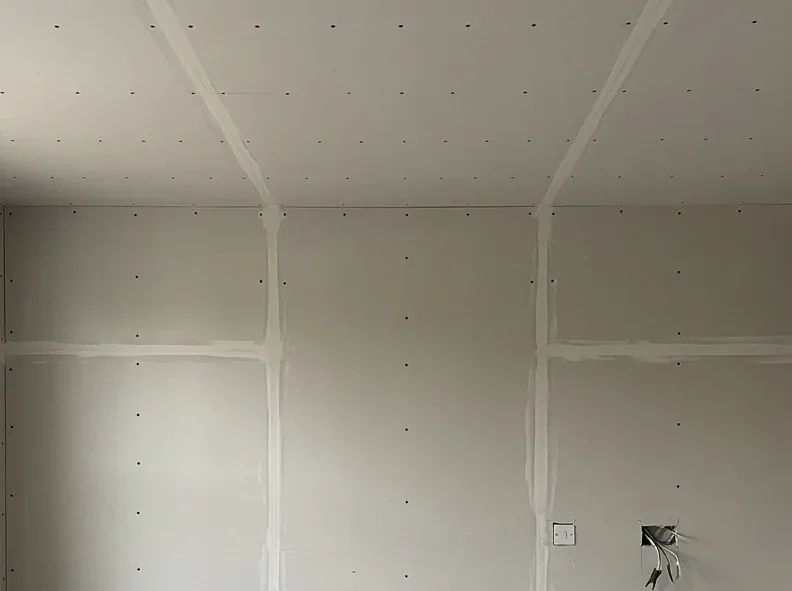
Experience matters-Topplastering handles plasterboarding for walls and ceilings so you get a truly solid finish.
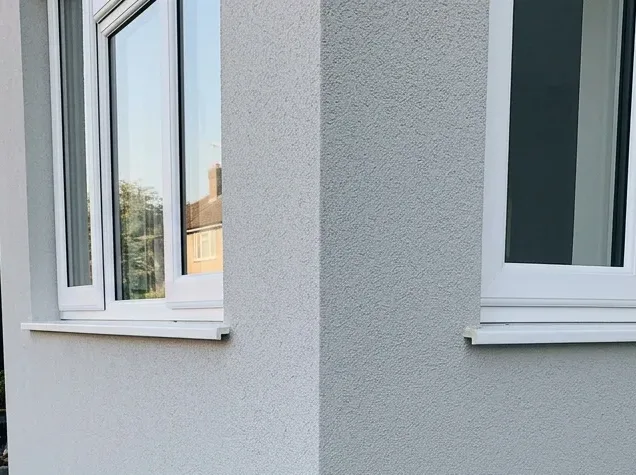
Rendering covers exterior and interior walls with a solid, even coat, protecting surfaces from weather and everyday wear.
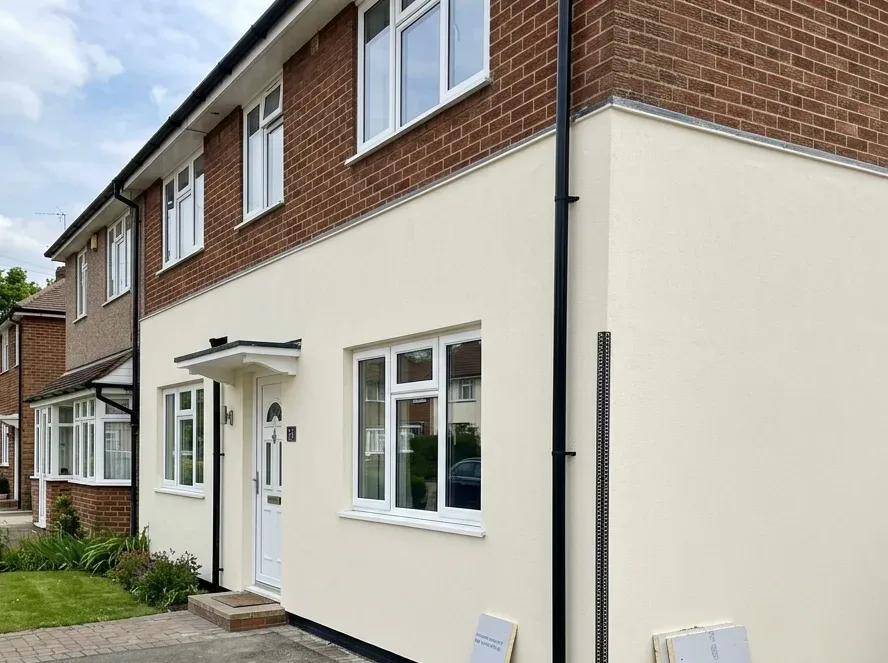
Upgrade your property with external wall insulation from Topplastering-cutting heating costs and improving your building’s appearance permanently.
Craftsmanship you can see
Every plastering project we complete leaves walls smooth, durable, and ready for whatever comes next.
Costs fluctuate based on previous surface coatings, brick decay, and access difficulty. If one cellar has stubborn bitumen paint requiring diamond grinding while the other is bare brick, the labour hours increase considerably, because removing old coatings takes several days of hard mechanical prep.
Measure the perimeter floor length, wall height, and note any standing puddles after rain. Check where soil sits against outside walls, and tell us if you have timber joists embedded directly into the damp stone so we can assess structural moisture transfer accurately.
Basic quotes cover masonry preparation and barrier application, but exclude rerouting copper gas mains, rewiring sockets, or fitting motorized sump pumps. Hauling away heavy demolition rubble from rotted subfloors and installing final plasterboard lining are usually quoted as distinct, separate works during tanking in Luton.
Slurry mixes bond directly to the masonry to physically hold ground pressure out, which suits solid brick where you cannot add drainage. Studded cavity membranes let water seep behind plastic sheets into floor channels, making them better for porous stone walls that cannot bear high external pressure.