


Tanking creates a solid, waterproof layer that stops water from penetrating basements and below-ground walls, protecting your structure from dampness and damage.





Protect your property from moisture damage with our tanking service for basements and below-ground walls in Dunstable.
Get a free quote
 Quick, no-obligation quote!
Tanking is crucial for anyone dealing with moisture-prone basements or cellars in Dunstable. Without effective tanking, water can seep through walls and floors, leading to dampness and structural problems. We apply tanking solutions that create a reliable waterproof barrier before any finishing work commences, ensuring the space remains dry and secure.
Builders engaged in new constructions or refurbishments in Dunstable depend on tanking to protect below-ground structures. Our tanking process includes meticulous surface preparation and exact application, preventing water ingress that can compromise the integrity of the build. This approach integrates naturally into the construction timeline, resulting in durable outcomes.
Homeowners facing damp issues in Dunstable need effective tanking solutions to prevent mold and damage. We offer tanking services tailored to existing properties, applying a waterproof layer directly to masonry or concrete. This service stops moisture at its source, preserving the home's value and comfort.
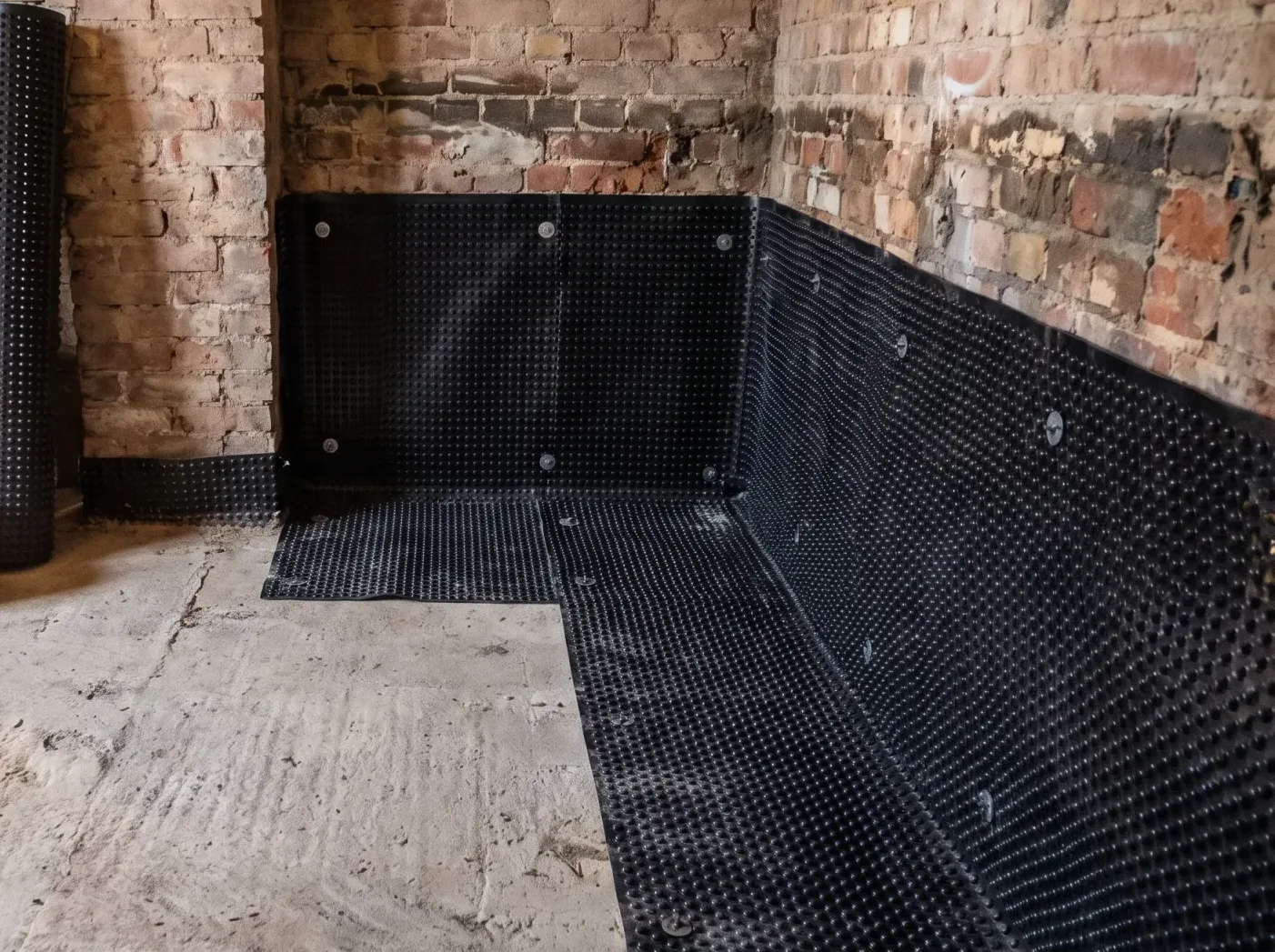
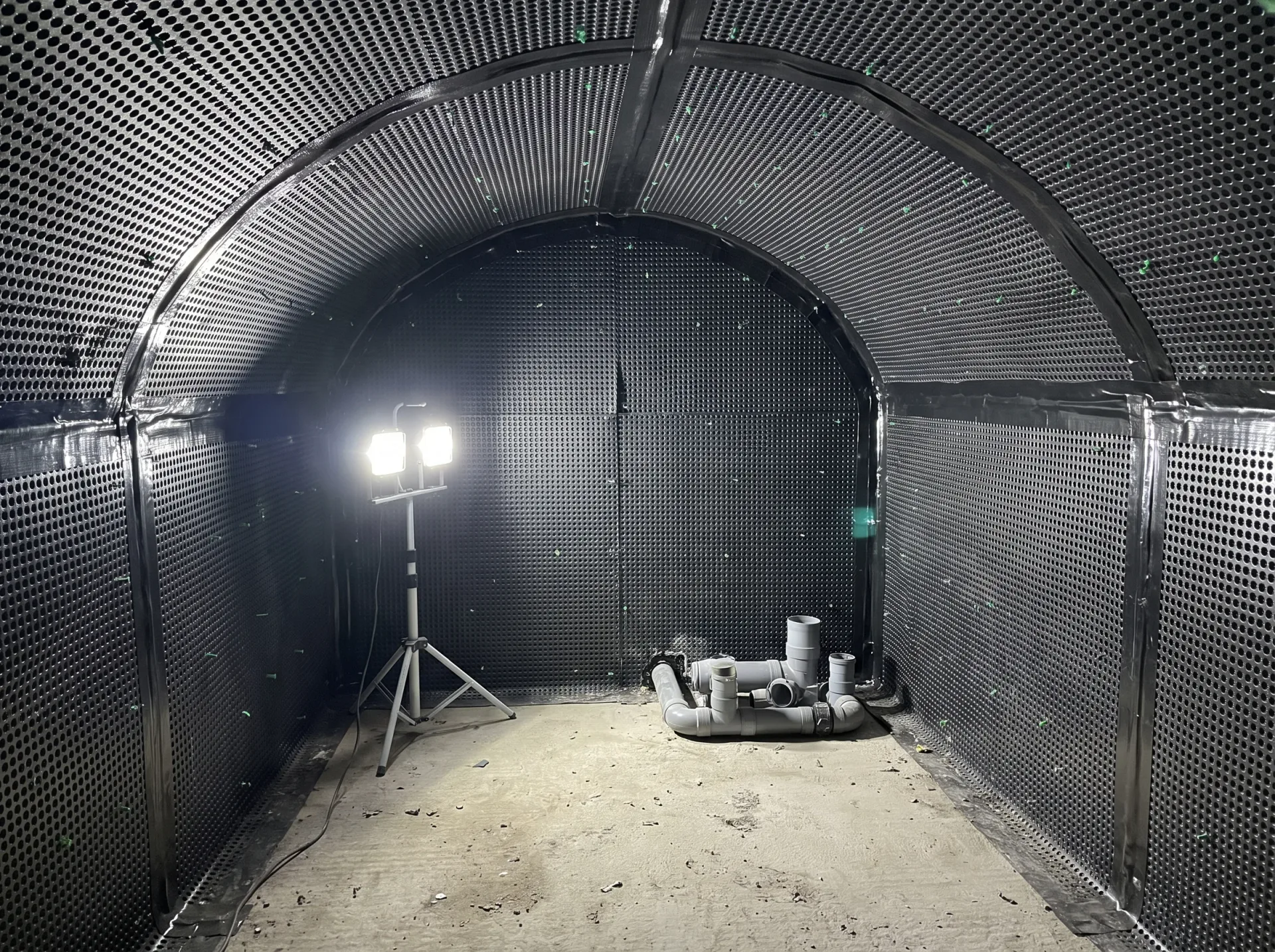
Tanking at Topplastering focuses on basements, cellars, and all below-ground walls requiring water ingress protection in Dunstable. We apply waterproofing layers before any finishing work begins, ensuring these surfaces are fully sealed against moisture. This method prevents dampness and structural problems commonly associated with water penetration in these critical areas.
Our tanking service starts with a comprehensive site inspection followed by surface preparation. This guarantees the waterproof barrier adheres properly. We apply the tanking membrane in careful layers, with special attention to corners and joints where leaks are likely to occur. The result is a durable, watertight seal that integrates effectively with subsequent plastering and finishing tasks.
Tanking creates a solid, waterproof layer that stops water from penetrating basements and below-ground walls, protecting your structure from dampness and damage.
With our precise application in Dunstable, tanking ensures lasting resistance to water ingress, significantly reducing the need for expensive repairs later.
By preventing moisture buildup, tanking helps preserve the strength of concrete and masonry, avoiding cracks and potential weakening over time.
Effective tanking cuts off moisture sources that cause mold growth, enhancing indoor air quality and promoting a healthier living environment.
Tanking is applied before any finishing touches, allowing for smooth continuity of plastering without compromising waterproofing.
We thoroughly inspect and repair surfaces before tanking in Dunstable, ensuring the waterproof layer adheres properly and performs effectively.
From measurement to completion, we keep you informed at each step, delivering tanking services on time and according to specifications.
Old shelving must come down. When preparing for tanking in Dunstable, you need to strip the space back completely so bare masonry stays visible, allowing us to spot hollow mortar beds or fractured brickwork across the perimeter. Cardboard boxes absorb damp from floor slabs quickly. Move everything into the main hallway upstairs.
Dry timber snaps off easily. Stud framing fixed directly against porous damp brickwork traps condensation behind plasterboard, so we prise away every corroded steel screw and rusted nail to prevent hidden voids behind the fresh coatings. Dust settles over concrete walkways. We scrape off decaying lime render right down to hard stone.
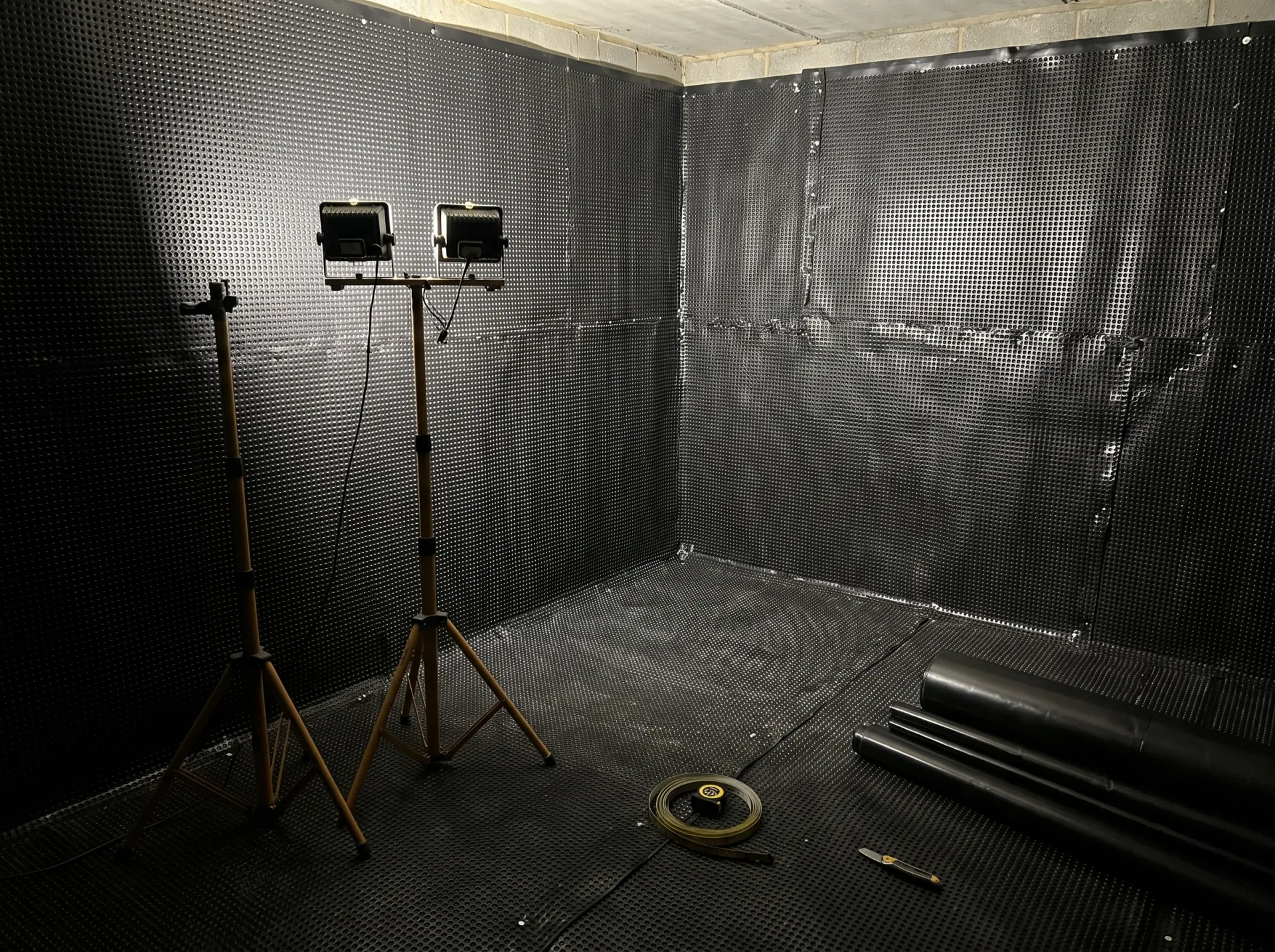
We start by inspecting the site to assess moisture levels and identify the areas needing tanking, ensuring we understand the scope before commencing work.
Next, we clean and repair all surfaces in Dunstable, fixing cracks and defects to ensure the tanking membrane will adhere effectively and create a solid barrier.
We apply the waterproof coating in layers, paying close attention to corners and joints where leaks are most likely, securing an uninterrupted seal.
After application, we allow the tanking membrane to cure fully before conducting a thorough inspection to confirm the waterproofing is intact.
Once tanking is completed and verified, we clearly communicate with you, provide necessary documentation, and ensure the site is ready for the next finishing stage.
Copper supply lines often vibrate. Water pressure from saturated ground forces liquid straight through sleeve gaps where incoming mains enter below the street, so our tanking in Dunstable seals closely around brass valves and waste pipes without pinning them rigid. Cold metal sweats during damp autumn mornings. We fit flexible collars right against external brickwork.
Grey junction boxes need clearance. Trapping live power conduits behind waterproof layers makes future wiring changes messy, so we work around clip points while leaving the main fuse box reachable. Electricians prefer visible surface trunking. Bare wires never touch wet slurry coats.
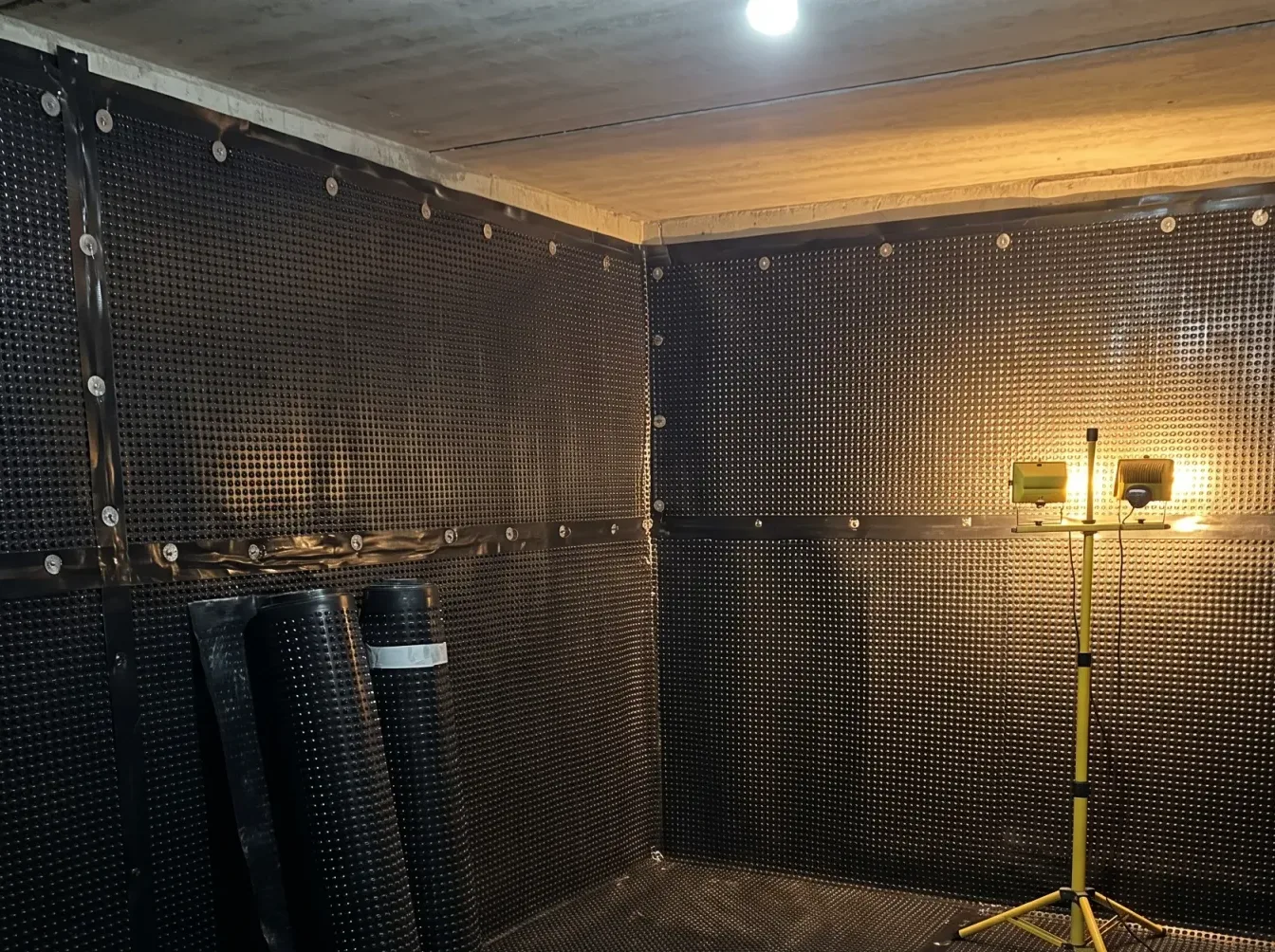
Passive wall vents stay open. Leaving basement hoppers latched during wet winter months causes stale moisture to linger on chilled wall corners, so running an extract fan pulls heavy air out while keeping relative humidity down across the floor. Air movement stops stagnant mist. Clothes horses should dry outside.
Avoid heavy hammer drills here. Driving long rawlplugs straight through treated masonry punctures sealed surfaces, so tanking in Dunstable works best alongside freestanding metal racking units or timber stands placed against the skirting. A single loose screw creates pathways for seepages. Use structural adhesive instead.
Lift plastic inspection lids occasionally. Silt from sub-base soil collects at the bottom of drainage wells after relentless downpours, so washing away grit stops pump impellers from jamming. Float switches click clearly. Clean chambers keep underground rooms dry.
With over 20 years in plastering and finishing, we bring practical experience to every tanking project in Dunstable. We begin with a complete site assessment to identify moisture risks before applying the waterproof barrier. Focusing on precision cleaning, repairing cracks, and sealing joints, we ensure a durable layer that prevents damp and structural damage from the ground up.
We handle tanking as part of a complete service, coordinating each step from measurement to final inspection. Clear communication throughout the project helps avoid surprises and meet deadlines. The tanking membrane we guarantee can withstand pressure, protecting basements and below-ground walls before finishing work starts. Our straightforward execution delivers results you can depend on.
We work in Dunstable and the surrounding area, providing expert tanking services. Contact us for a free estimate, and we’ll visit your location for a consultation.
approx. 30 milesDistance from our base · Cheshunt
Call us07465266721Email uscontact@topplastering.ukWe serve your areaDunstable and the surroundings
The Google map loads after you accept marketing cookies.


Maksymilian Mazur
Very satisfied with the service! Excellent communication, clean workmanship, and everything completed professionally. Highly recommended!
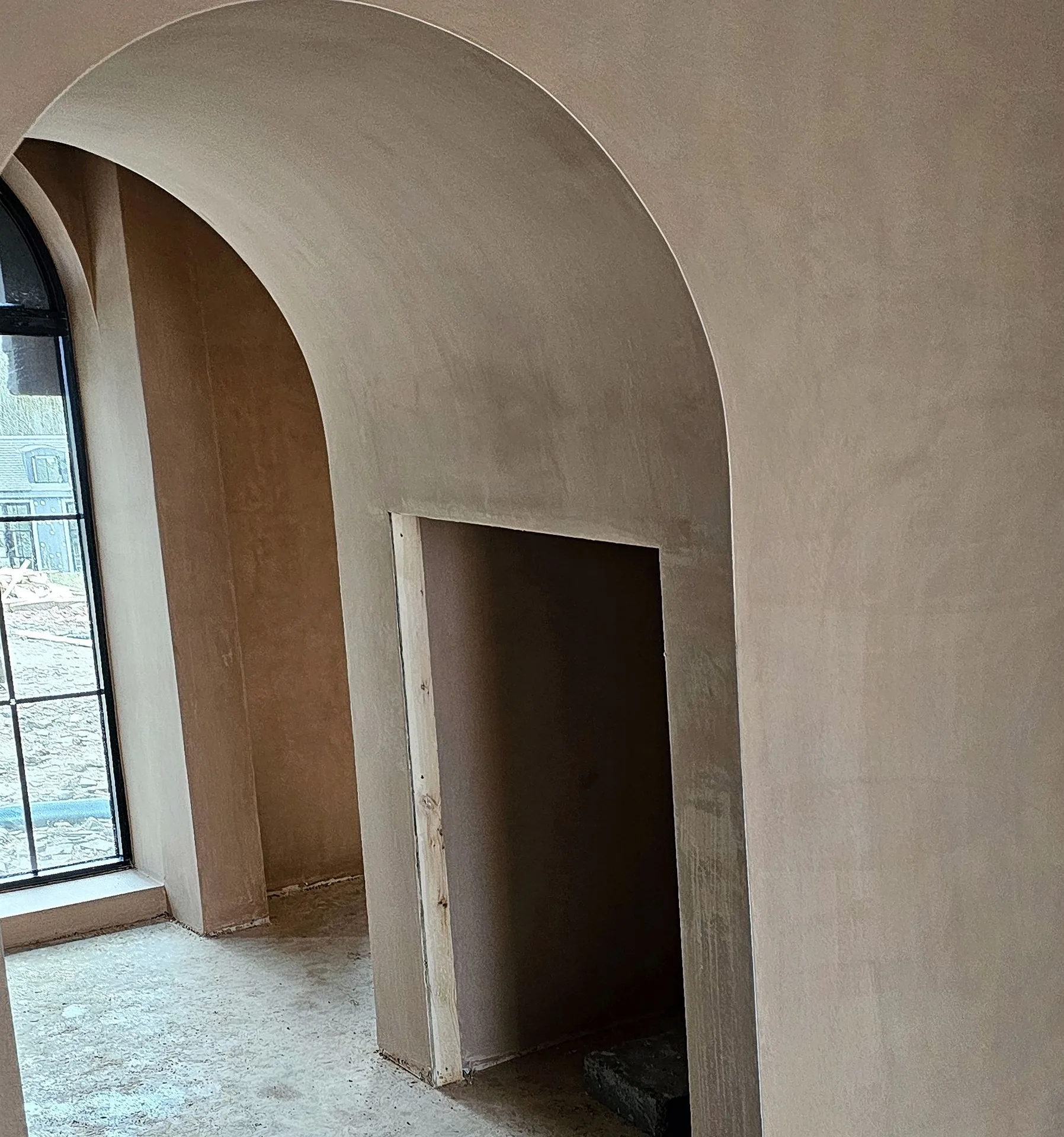
Tired walls and ceilings get a second life with skimming, giving you a flawless, durable finish every time.
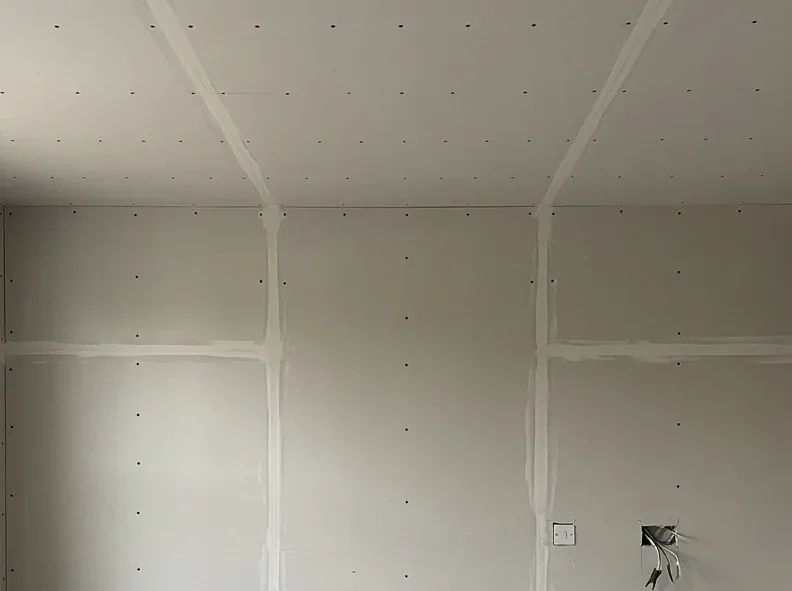
Experience matters-Topplastering handles plasterboarding for walls and ceilings so you get a truly solid finish.
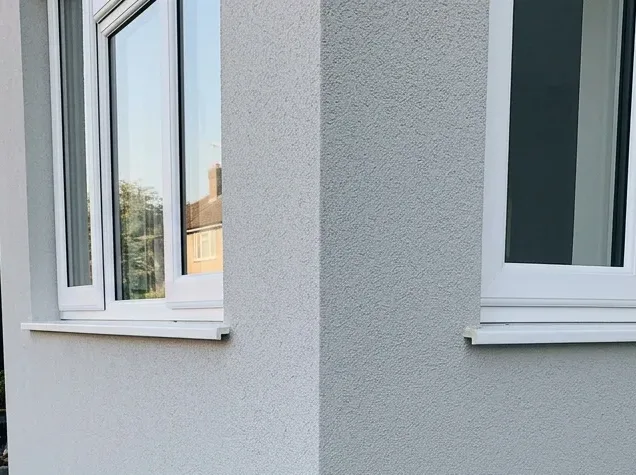
Rendering covers exterior and interior walls with a solid, even coat, protecting surfaces from weather and everyday wear.
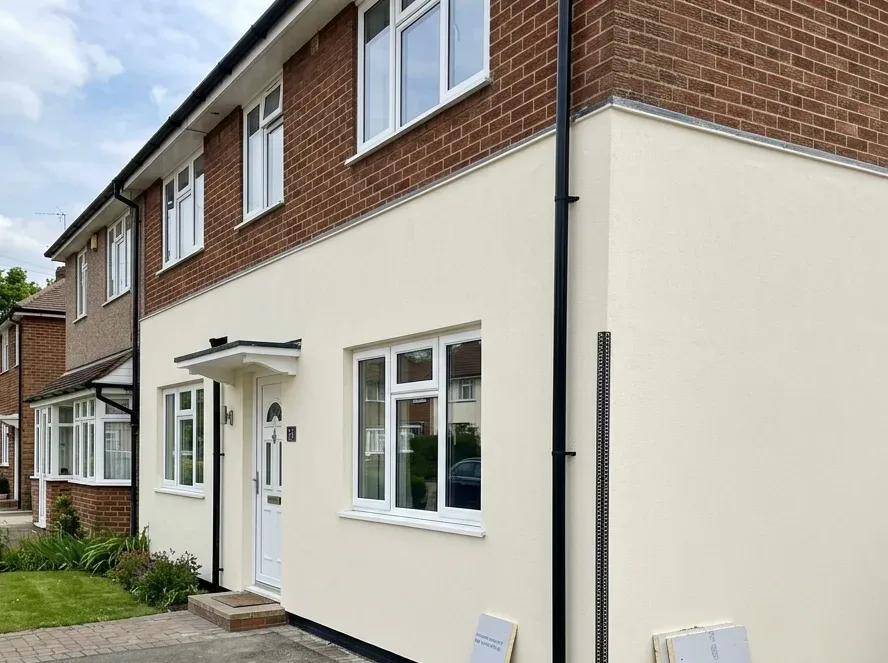
Upgrade your property with external wall insulation from Topplastering-cutting heating costs and improving your building’s appearance permanently.
Craftsmanship you can see
Every plastering project we complete leaves walls smooth, durable, and ready for whatever comes next.
The state of the original masonry drives costs more than room dimensions. A wall covered in crumbling lime requires extensive hacking off before tanking in Dunstable, while clean engineering brick needs minimal preparation before treatment begins.
Cold downpours increase groundwater pressure against sub-ground masonry. While indoor work continues regardless of rainfall outside, saturated brickwork takes longer to dry between coat applications, extending curing intervals until surfaces accept new bonding coats properly.
We inspect every joint and perimeter seal across the floor together. You will see dry, uniform plaster surfaces without wet dark patches, and you can contact us later if pipe penetrations need review after plumbing adjustments.
People often drill deep masonry bolts into treated walls to hang heavy wall cupboards or timber frameworks. Piercing the treated layer breaks the continuous barrier, letting damp seep through small screw holes over subsequent wet months.