


Tanking forms a robust, waterproof layer that halts water from entering basements and below-ground walls, safeguarding your structure from dampness and damage.





Shield your property against moisture damage with our tanking service for basements and below-ground walls in Cheshunt.
Get a free quote
 Quick, no-obligation quote!
Tanking is crucial for anyone dealing with basements or cellars where moisture is a concern. If not addressed, water can seep through walls and floors, leading to dampness and structural problems. We apply effective tanking solutions to create a dependable waterproof barrier before finishing work starts, keeping spaces in Cheshunt dry and secure.
Builders involved in new constructions or renovations count on tanking to protect below-ground structures against water damage. Our tanking process includes meticulous surface preparation and precise application, preventing water ingress that could jeopardize the build. This fits perfectly into the construction timeline, producing lasting results that safeguard project integrity.
Homeowners facing damp basements or rising water tables require effective tanking measures to avert mold and damage. We provide tanking services specifically designed for existing properties in Cheshunt, addressing vulnerable areas with a waterproof layer directly on concrete or masonry. This approach tackles moisture at the source, protecting the value and comfort of your home.
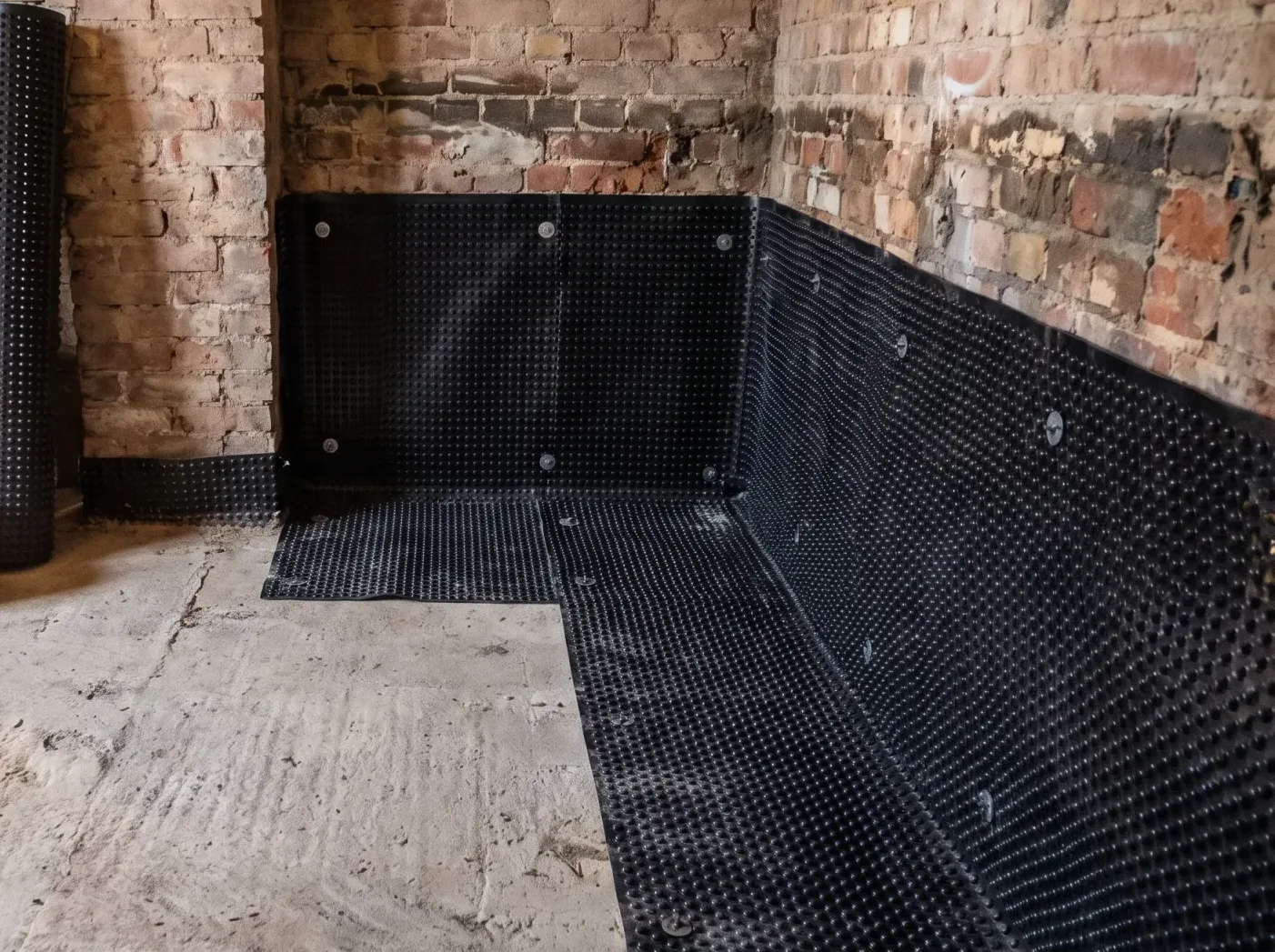
Move timber off the masonry. When scheduling tanking in Cheshunt, clear every crawl space or low cellar wall down to bare brickwork before our crew walks through your front door with heavy mixing paddles. Loose boxes soak up damp. We must swing trowels freely along every skirting line.
Old salts cause bond failure. Scraping crumbly lime wash from damp rubble stones exposes hidden pockets where subsoil pressure pushes groundwater directly into lower cellar corners behind boiler piping. Fix leaking copper tails first. A solid foundation mortar gives our slurries firm grip across gritty joins without any bubbling.
Tanking forms a robust, waterproof layer that halts water from entering basements and below-ground walls, safeguarding your structure from dampness and damage.
With our careful application, tanking provides enduring resistance to water ingress, reducing the likelihood of expensive repairs later on.
By hindering moisture accumulation, tanking contributes to the durability of concrete and masonry, helping to prevent cracks and weakening over time.
Efficient tanking eliminates moisture sources that foster mold growth, enhancing indoor air quality and establishing a healthier environment.
Tanking is executed before any finishes, allowing for smooth continuation of plastering or other surface treatments without undermining waterproofing.
We carry out a thorough inspection and repair of surfaces prior to tanking, ensuring the waterproof layer adheres effectively and performs as expected.
From measurement to completion, we maintain clear communication at each stage, delivering tanking services punctually and as specified.
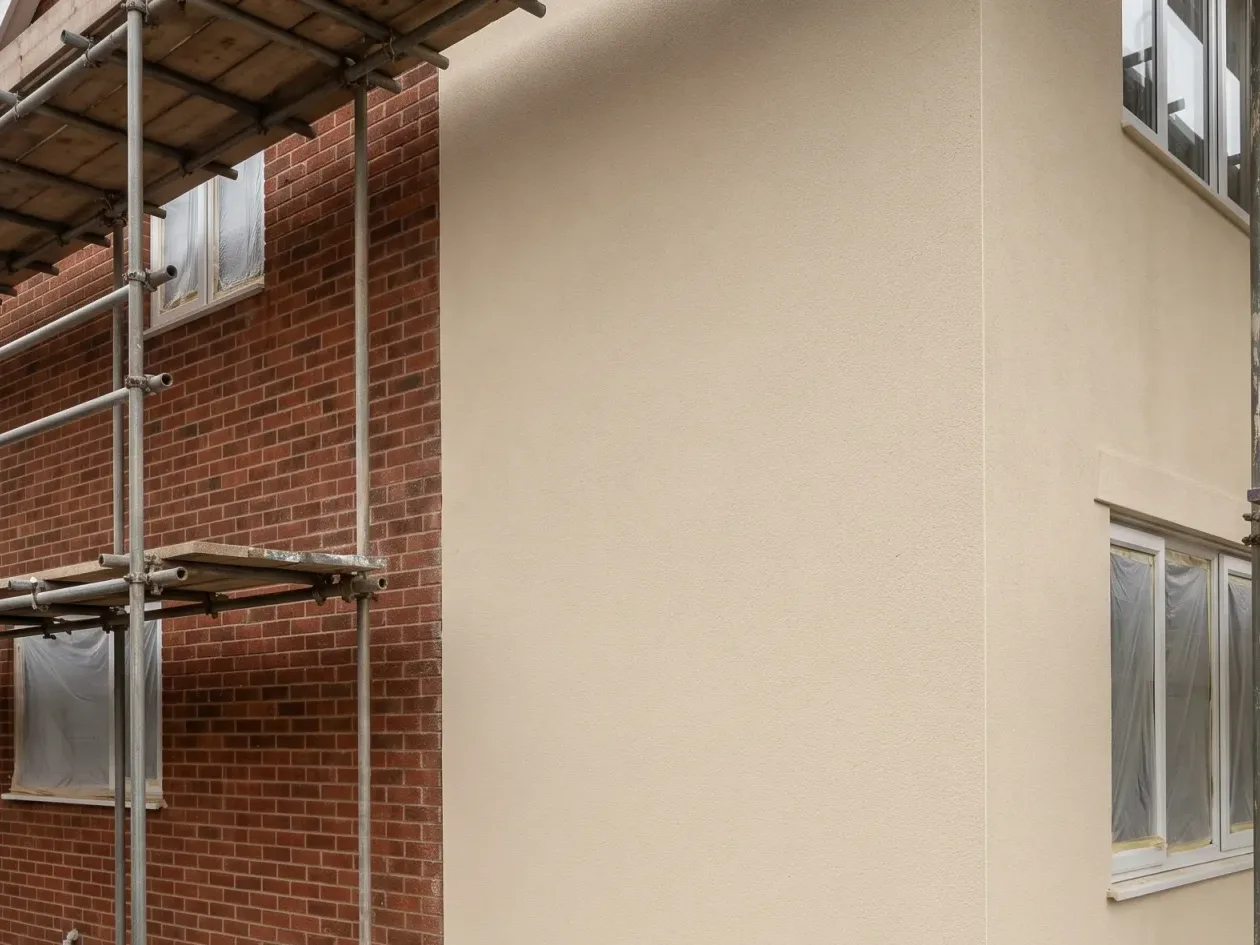
Prior to initiating any tanking work, we perform a comprehensive inspection to determine where moisture is breaching basements or below-ground walls in Cheshunt. This crucial step guarantees that the tanking system addresses the actual problem areas. Surfaces are cleaned, and any cracks or defects are repaired to ensure the waterproof barrier adheres effectively and functions properly.
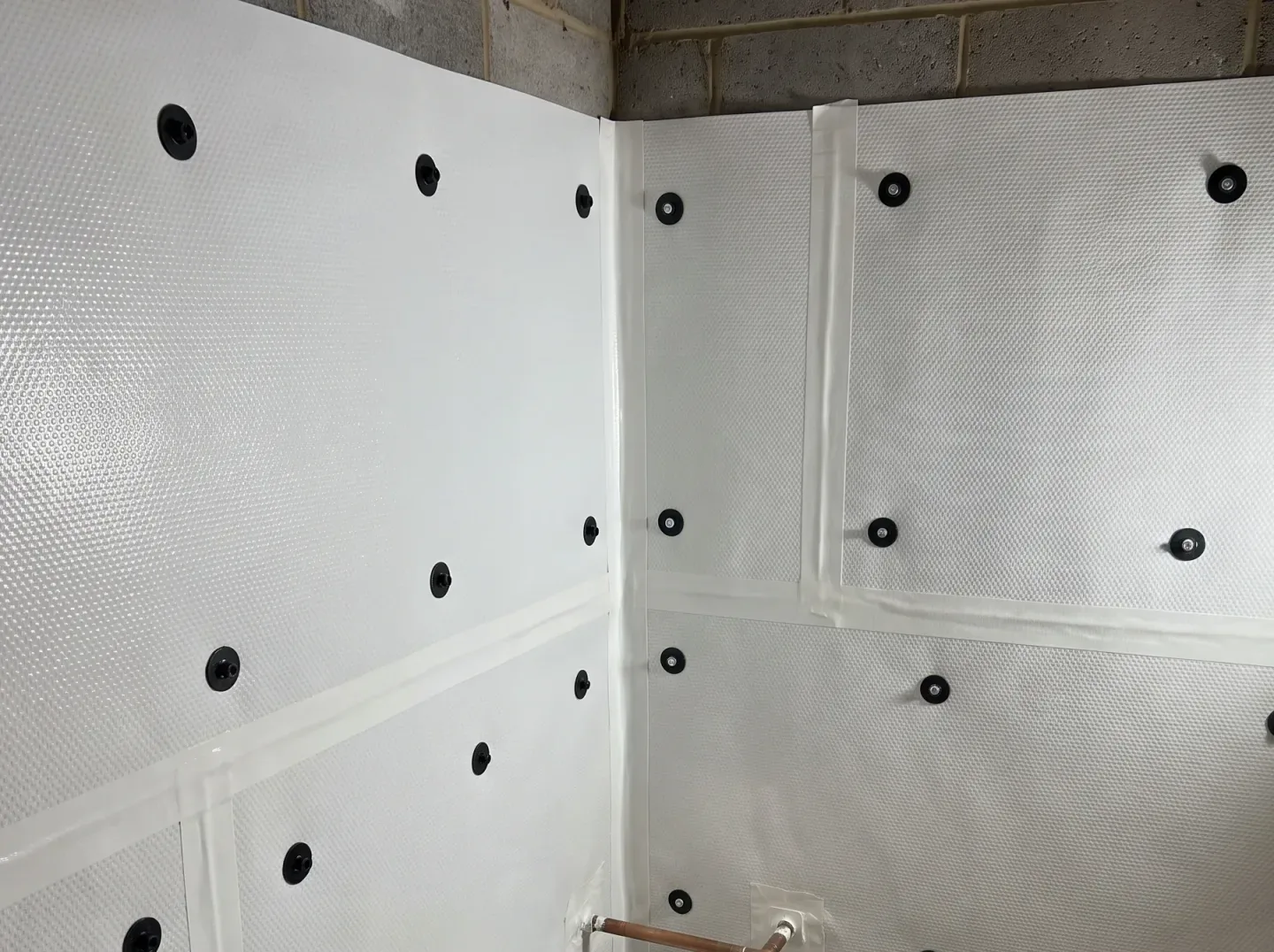
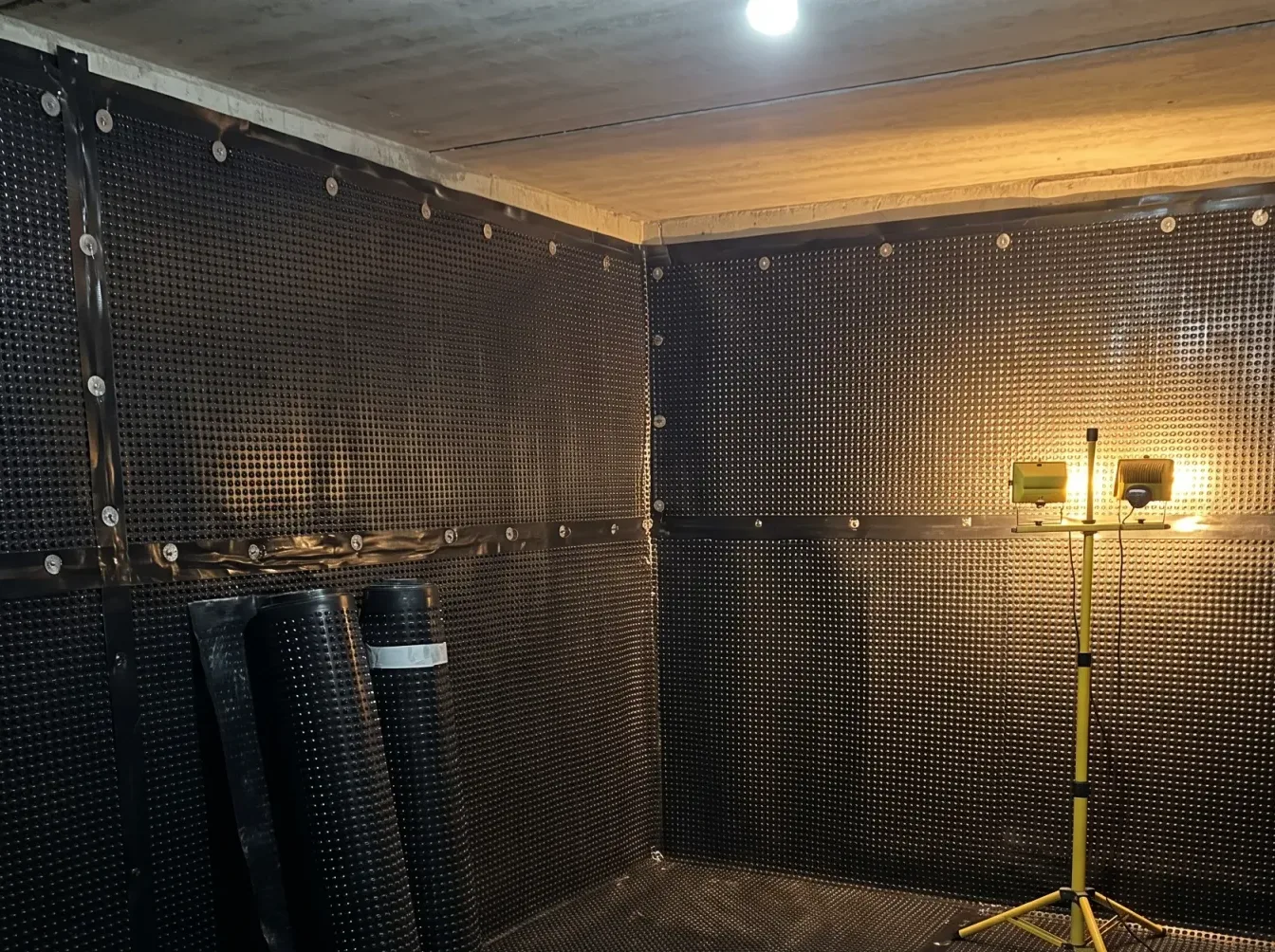
Tanking consists of applying a waterproof membrane directly onto prepared surfaces, crafting a seal that inhibits water ingress. We meticulously apply this membrane, especially at corners and joints where leaks are most likely to happen. The outcome is a long-lasting, watertight layer that protects the structure and facilitates all finishing work on a dry, stable base.
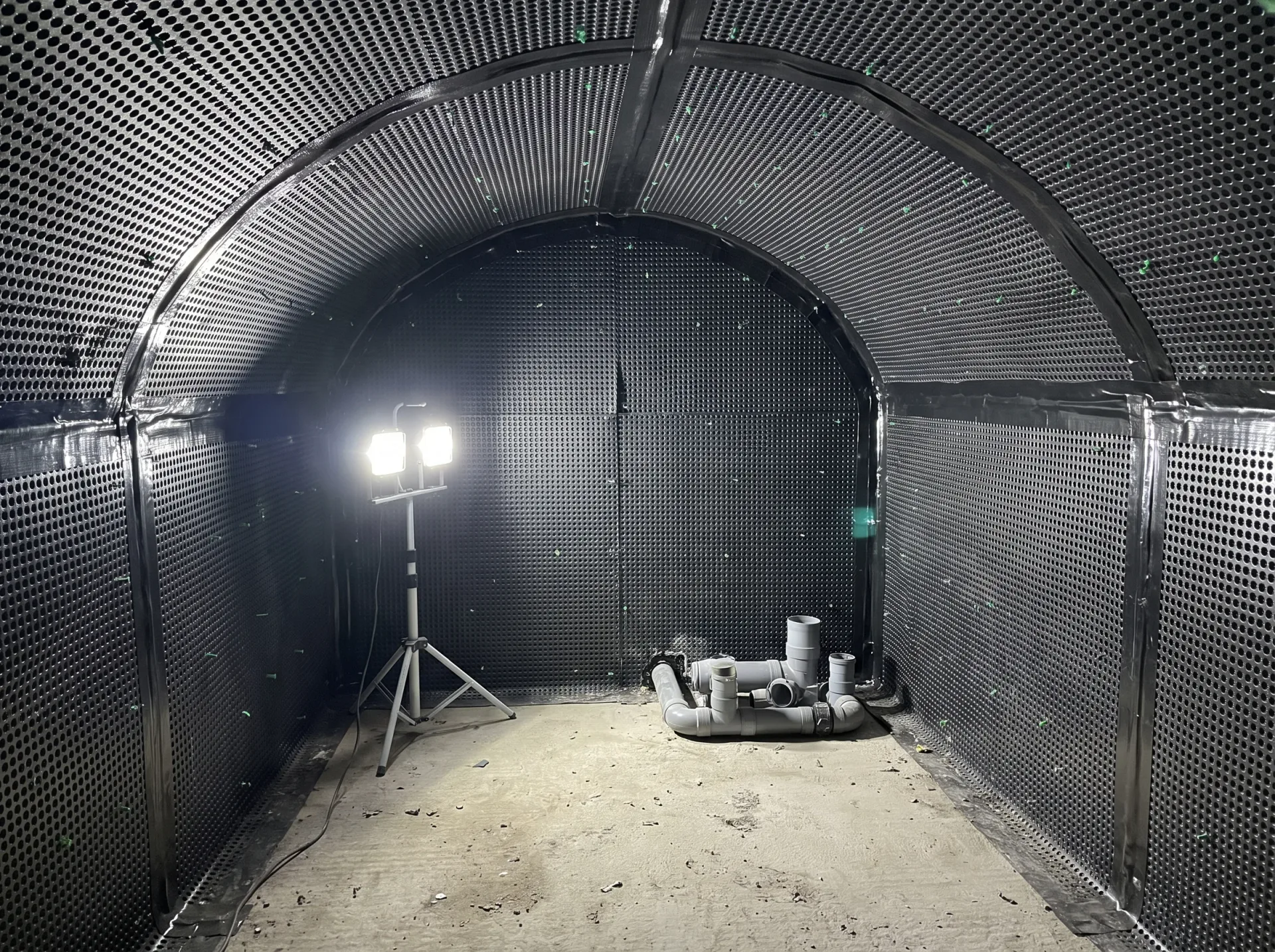
We kick off by examining the site to gauge moisture levels and pinpoint areas requiring tanking, ensuring we grasp the full scope before any work commences.
Next, we clean and mend all surfaces, addressing cracks and defects to confirm that the tanking membrane adheres correctly and establishes a solid barrier.
We apply the waterproof coating in layers, giving careful attention to corners and joints where leaks often emerge, ensuring a continuous seal.
Following the application, we allow the tanking membrane to cure completely, then carry out a detailed inspection to verify that the waterproofing is intact and effective.
Once the tanking is completed and confirmed, we maintain clear communication with the client, supply any necessary documentation, and ensure the site is prepared for the subsequent finishing stage.
Main drains breach exterior masonry. Carrying out tanking in Cheshunt means detailing sleeve joints around cast iron soil stacks and lead intake mains before applying wet barrier coats across low skirting courses. Water creeps along plastic conduit. We seal those gaps tight with dense waterproof plugs around every sleeve.
Never plaster behind live supply fuses. Isolate consumer units so we can brush slurry coats behind mounting timber, avoiding gaps where damp can bridge onto bare joists. Damp skips around unsealed switchgear. Sparkies return afterwards to bolt frames back down over dry renders.

Winter slows evaporation inside unheated pits. Delivering tanking in Cheshunt during freezing rain means managing ambient cellar temperatures with gentle indirect heaters, keeping damp brick substrates from freezing solid before synthetic mineral binders cure into stone. Airflow matters. Wet walls sweat continuously when ventilation shuts completely.
Rapid heat steals essential hydration. Draughty cellars in hot spells draw moisture out of freshly troweled layers too fast, leaving weak chalky crusts over structural brickwork instead of dense barriers. Mist walls with clean water. Steady curing preserves bond strength against hydrostatic ground pressure.
Heavy downpours raise surrounding groundwater tables. Mud pushes against external brick foundations, revealing active weeping through mortar joints while tradespeople prepare coats. We plug active leaks before coating. Wet brick requires careful handling.
With more than 20 years in plastering and finishing, we offer hands-on experience for every tanking project in Cheshunt. Initially, we assess the site thoroughly to identify moisture risks before installing the waterproof barrier. Our tanking approach focuses on cleaning surfaces, repairing any cracks, and sealing joints to provide a lasting waterproof layer. This practical method eliminates damp and structural issues from the ground up.
We handle tanking as part of a complete service, coordinating each phase from measurement to final inspection. Clear communication throughout the project helps avoid surprises and meet set deadlines. The tanking membrane we use is designed to withstand pressure, protecting basements and below-ground walls before any finishing work takes place. Our methodical, straightforward execution delivers dependable results.
We provide tanking services in Cheshunt and surrounding areas. Contact us by phone for a free estimate or to schedule a site visit.
< 10 milesDistance from our base · Cheshunt
Call us07465266721Email uscontact@topplastering.ukWe serve your areaCheshunt and the surroundings
The Google map loads after you accept marketing cookies.


Maksymilian Mazur
Very satisfied with the service! Excellent communication, clean workmanship, and everything completed professionally. Highly recommended!
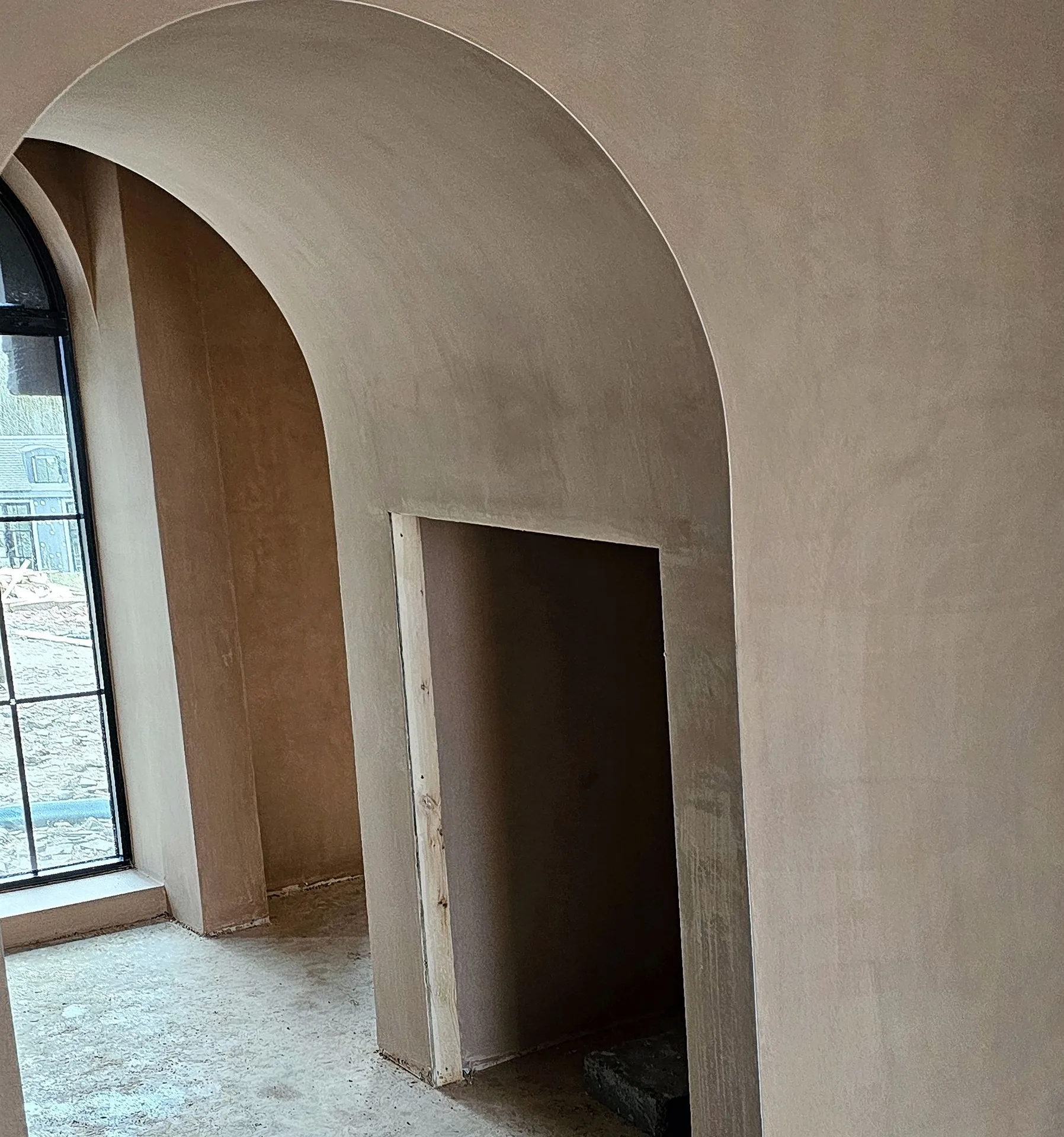
Tired walls and ceilings get a second life with skimming, giving you a flawless, durable finish every time.
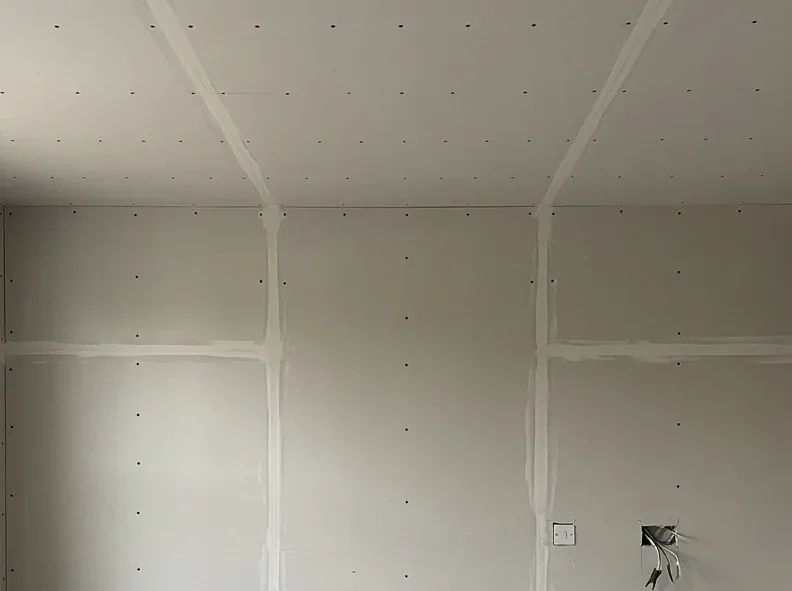
Experience matters-Topplastering handles plasterboarding for walls and ceilings so you get a truly solid finish.
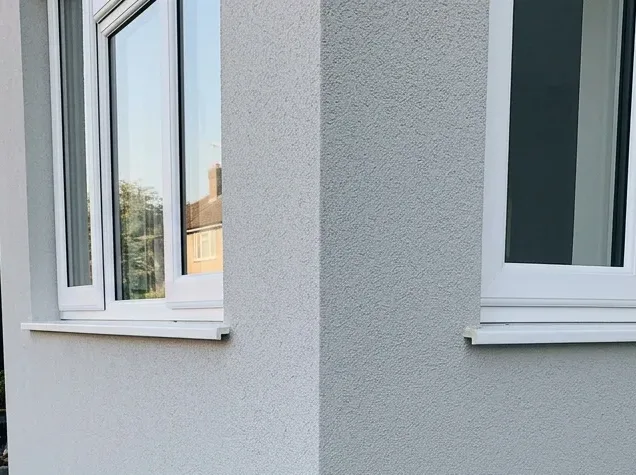
Rendering covers exterior and interior walls with a solid, even coat, protecting surfaces from weather and everyday wear.
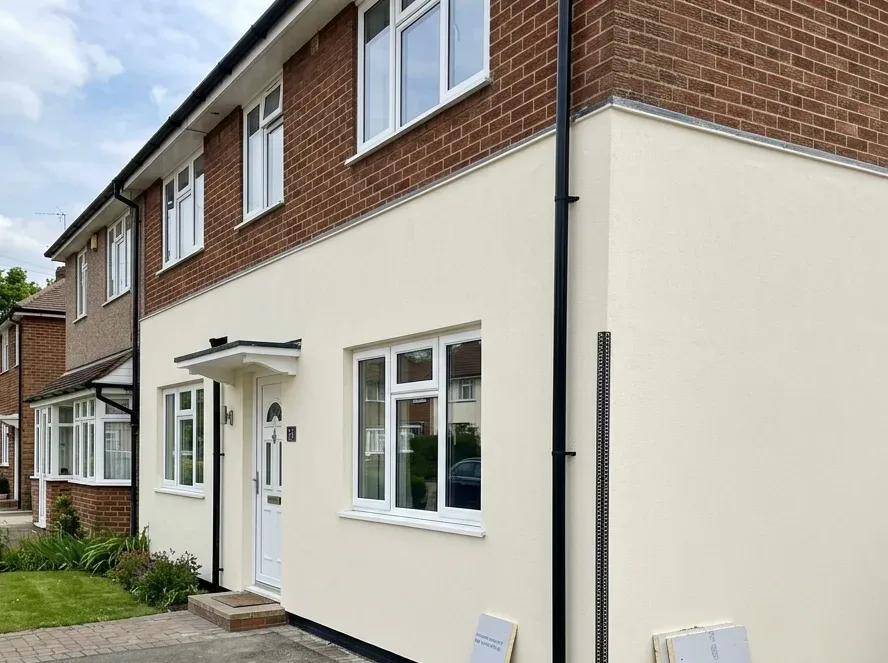
Upgrade your property with external wall insulation from Topplastering-cutting heating costs and improving your building’s appearance permanently.
Craftsmanship you can see
Every plastering project we complete leaves walls smooth, durable, and ready for whatever comes next.
Yes, running water through cracks stops fresh slurry coats from setting. High water tables force us to stem active squirts using rapid chemical plugs before applying continuous base layers, because water pressure pushes uncured paste straight off the brickwork.
Ask how they handle floor-to-wall junctions and service pipes entering from outside. Competent tradespeople inspect external ground levels and describe specific joint fillets rather than just promising to paint a wet wall with bitumen.
Covering damp masonry with plasterboard or timber battening before sealing the wall traps moisture behind the frame. Rot spreads quickly into floor joists overhead, ruining joinery across properties in Cheshunt before the underlying leak gets sorted properly.
Work starts by taking walls back to bare masonry and chasing out floor joints. After forming fillet angles, crews apply multiple continuous barrier coats, ending with bonded protective renders once the substrate has dried through completely.