


Tanking creates a solid, waterproof layer that stops water from penetrating basements and below-ground walls, safeguarding your structure from dampness and damage.





Protect your property from moisture damage with our tanking service for basements and below-ground walls in Enfield.
Get a free quote
 Quick, no-obligation quote!
Tanking is crucial for anyone dealing with basements or cellars susceptible to moisture. In Enfield, without proper tanking, water can seep through walls and floors, leading to dampness and structural issues. We apply tanking solutions that create a reliable waterproof barrier before any finishing work commences, ensuring the space remains dry and intact.
Builders engaged in new constructions or renovations depend on tanking to protect below-ground structures. Our tanking process includes meticulous surface preparation and exact application, preventing water ingress that can undermine the build. This method fits smoothly into your construction schedule, guaranteeing durable results that uphold the project's integrity.
Homeowners in Enfield facing damp basements or rising water tables require practical tanking solutions to avert mold and damage. We offer tailored tanking services for existing properties, addressing trouble spots with a waterproof layer applied directly to concrete or masonry. This approach halts moisture at its source, preserving your home's value and comfort.
Take everything away from damp corners. When planning tanking in Enfield, we ask you to shift bulky timber boxes and stacked garden tools clear of the wet bricks, so our team can access the mortar line without tripping over clutter. Strip back loose skirting boards beforehand. Wet timber rots anyway under blocked airflow.
Cables need careful repositioning early on. Old lead water pipes or heavy copper gas conduits pinned to cold masonry must be unclipped by your plumber before we brush slurry coats onto bare stone surfaces, because pinning fresh fixings later punches fresh leaks through the barrier. Have the trades isolate live fuse boards.
Tanking creates a solid, waterproof layer that stops water from penetrating basements and below-ground walls, safeguarding your structure from dampness and damage.
With our precise application, tanking guarantees lasting resistance to water ingress while reducing the likelihood of expensive repairs in the future.
By preventing moisture accumulation, tanking helps maintain the strength of concrete and masonry, avoiding cracks and weakness over time.
Effective tanking eliminates moisture sources that promote mold growth, enhancing indoor air quality and creating a healthier living space.
Tanking gets applied before any finishes, allowing for a smooth continuation of plastering or other surface treatments without affecting waterproofing.
We inspect and repair surfaces comprehensively before tanking, ensuring the waterproof layer adheres effectively and performs as intended.
From measuring to completion, we keep you up to date at every stage, delivering tanking services promptly and to specification.
Before starting any tanking work, we thoroughly inspect the site to determine where moisture enters basements or below-ground walls. This essential step ensures the tanking system addresses actual problem areas. We clean surfaces and repair any cracks or defects, making sure the waterproof barrier adheres correctly and functions effectively.
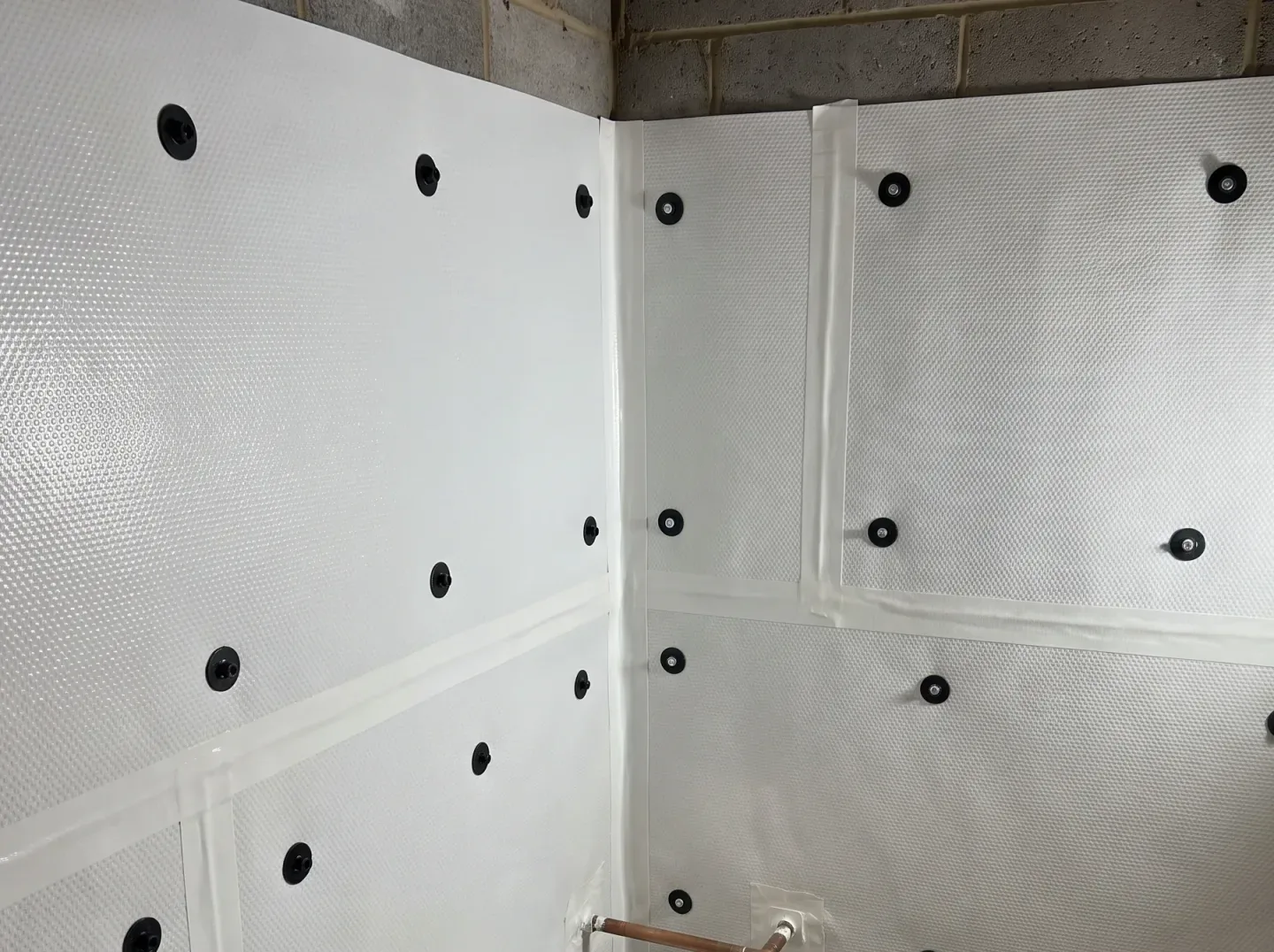
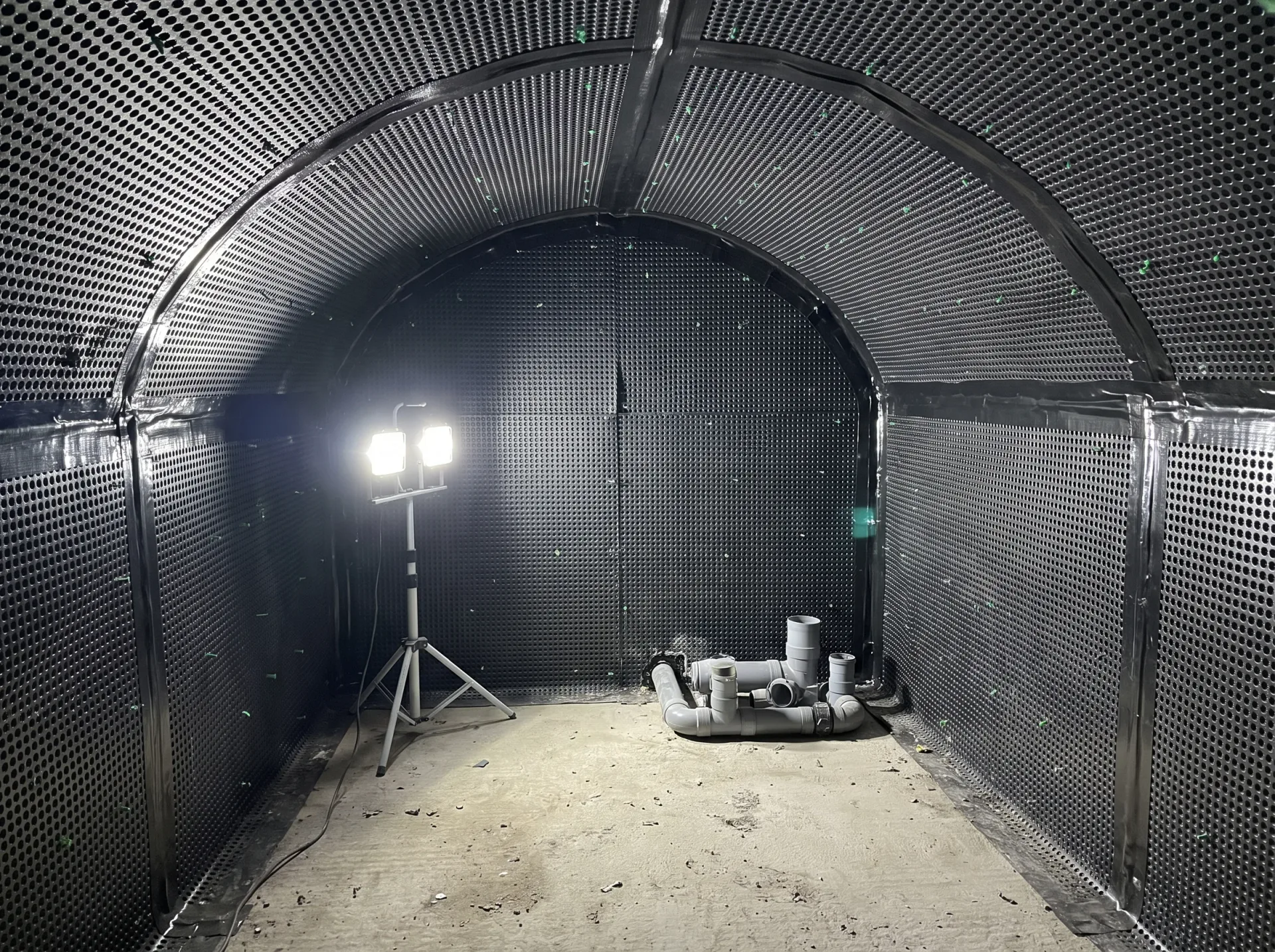
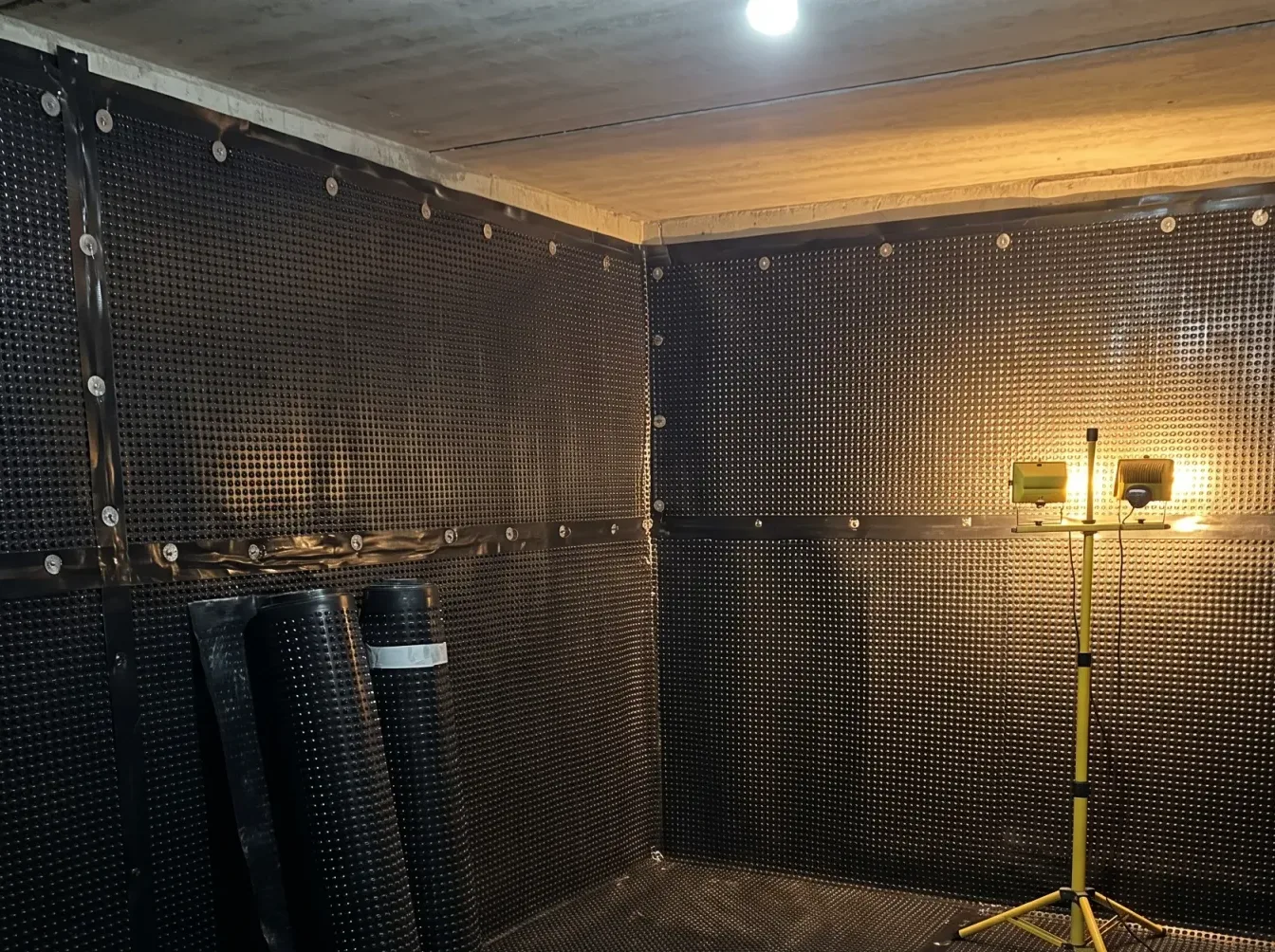
Tanking includes placing a waterproof membrane directly onto prepared surfaces, creating a seal that halts water ingress. We apply this membrane meticulously, especially around corners and joints where leaks frequently occur. The outcome is a long-lasting, watertight layer that protects the structure, allowing subsequent finishing work to proceed on a dry, stable base.
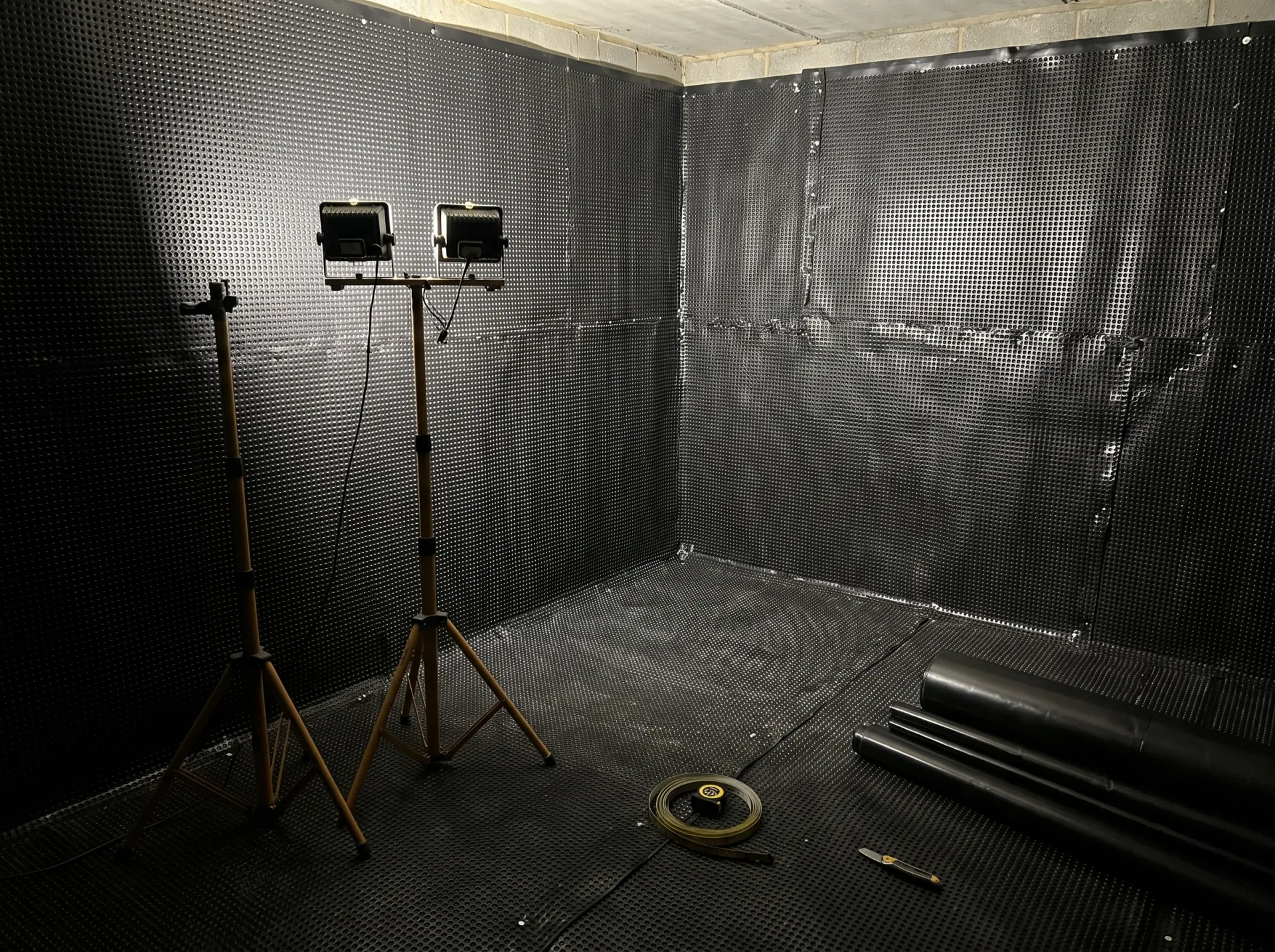
We start by evaluating the site to measure moisture levels and identify areas needing tanking, ensuring we comprehend the scope before any work commences.
Next, we clean and repair all surfaces, addressing cracks and defects to ensure the tanking membrane adheres properly and establishes a solid barrier.
We apply the waterproof coating in layers, focusing on corners and joints, where leaks are most likely to occur, ensuring a continuous seal.
After applying the tanking membrane, we allow it to cure fully, then conduct a detailed inspection to confirm the waterproofing remains intact and effective.
Once the tanking is finished and verified, we communicate clearly with you, provide any necessary documentation, and ensure the site is ready for the next stage of finishing.
Cold months push groundwater upward against brick foundations. Booking tanking in Enfield during persistent autumn downpours means external soil remains thoroughly soaked, which demands patience while heaters dry internal salt deposits so our bonding slurries latch tight onto clean substrate without lifting. Never rush damp walls. Moisture trapped behind fresh coats will blow.
Warm air creates hidden condensation. Opening small basement windows on muggy days pulls heavy outdoor vapor directly onto chilled cellar masonry, creating false puddles on fresh render that look like leaks. Keep those hopper vents firmly closed until indoor relative humidity balances against external summer heat.
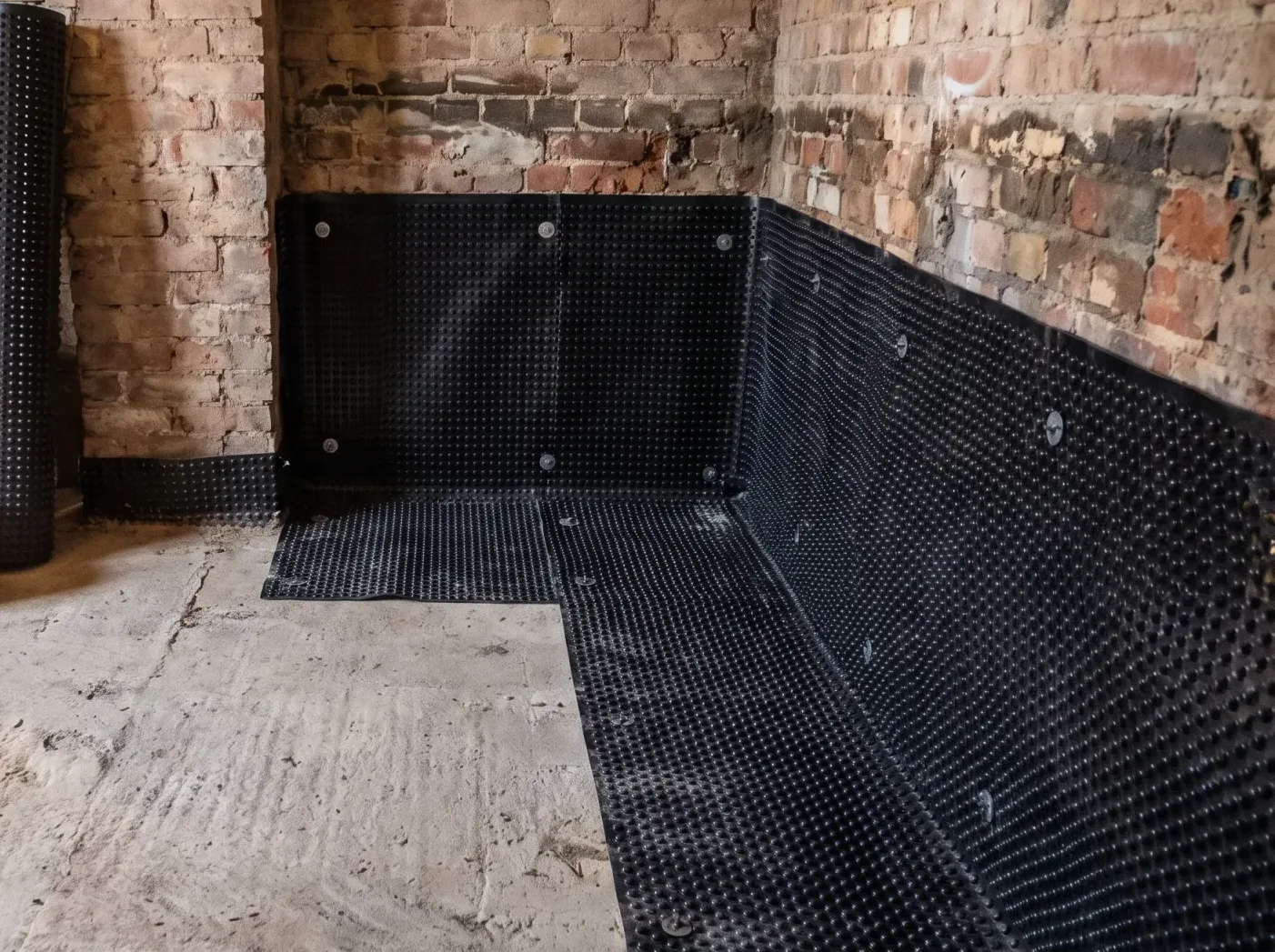
Never nail untreated laths directly into coated walls. After applying tanking in Enfield, build independent timber studding slightly off the rendered surface so carpenter screws do not puncture the newly sealed masonry skin when hanging plasterboard or kitchen cabinets. Small puncture holes ruin entire barriers. Keep timber clear.
Electricians must rethink chase depths. Chopping deep channels into treated brickwork destroys the waterstop coat, so specify surface-mounted galvanized conduit boxes or run domestic power feeds through floating ceiling joists above the waterline. Chasing walls breaks waterproof seals. Plan socket positions early.
Do not anchor radiators into damp floors. Heavy floor bolts driven through screed puncture the perimeter joint, allowing liquid to wick into skirting timber when winter water tables climb. Use freestanding column radiators or hang frames from solid overhead joists.
With over 20 years in plastering and finishing, we bring practical experience to every tanking project. We begin by thoroughly assessing the site to identify moisture risks before installing the waterproof barrier. Our tanking process emphasizes cleaning surfaces, repairing cracks, and sealing joints to guarantee a lasting waterproof layer that prevents damp and structural damage from the ground up.
We handle tanking as part of a full service, coordinating every step, from measurement to final inspection. Clear communication throughout the project keeps surprises at bay and helps us meet agreed deadlines. The tanking membrane we apply withstands pressure, protecting basements and below-ground walls before any finishing work begins. Our methodical approach delivers dependability you can count on.
We work locally in Enfield and the surrounding areas, offering our tanking services. Reach out for a phone consultation or a free estimate based on your needs.
< 10 milesDistance from our base · Cheshunt
Call us07465266721Email uscontact@topplastering.ukWe serve your areaEnfield and the surroundings
The Google map loads after you accept marketing cookies.


Maksymilian Mazur
Very satisfied with the service! Excellent communication, clean workmanship, and everything completed professionally. Highly recommended!
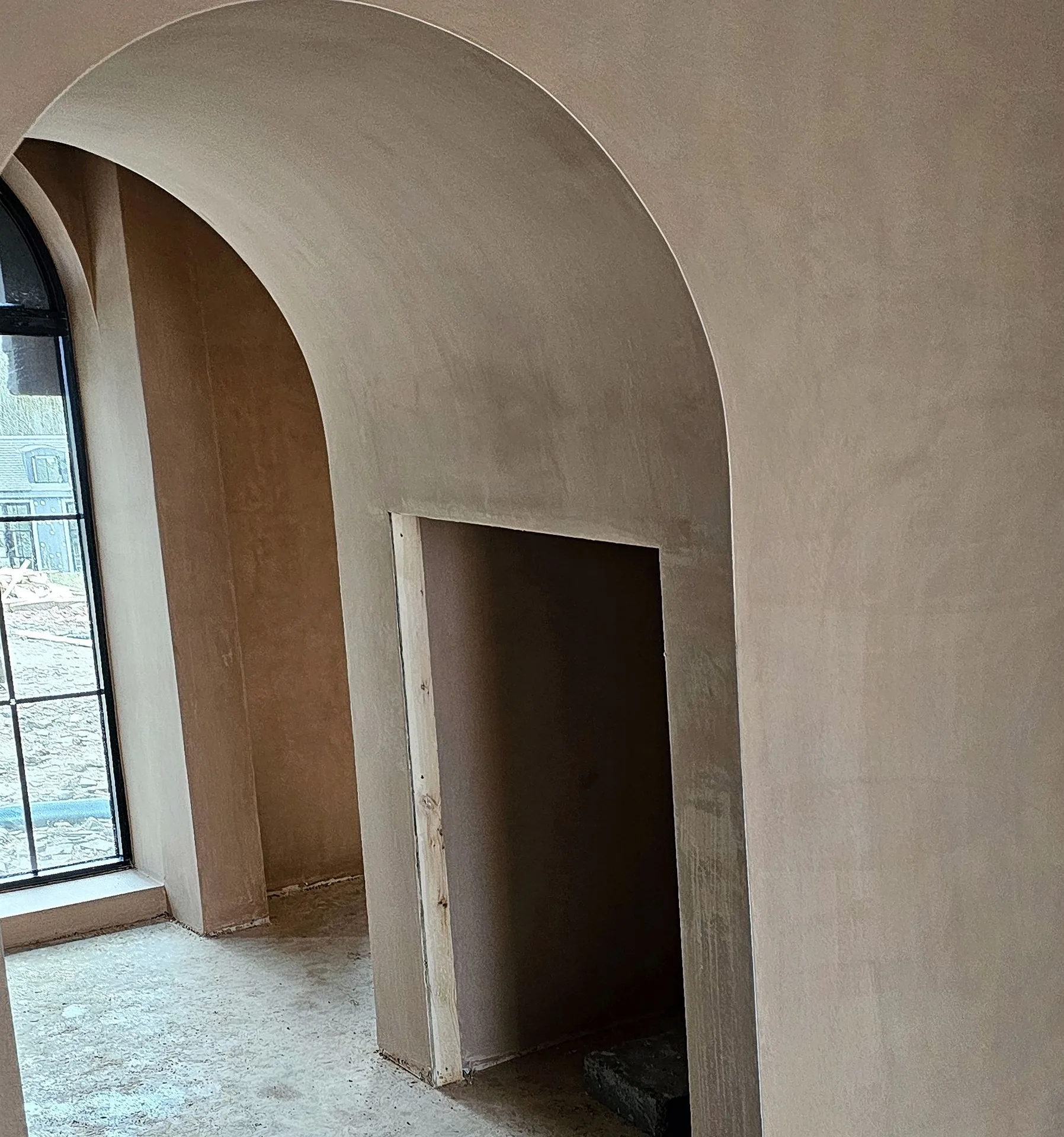
Tired walls and ceilings get a second life with skimming, giving you a flawless, durable finish every time.
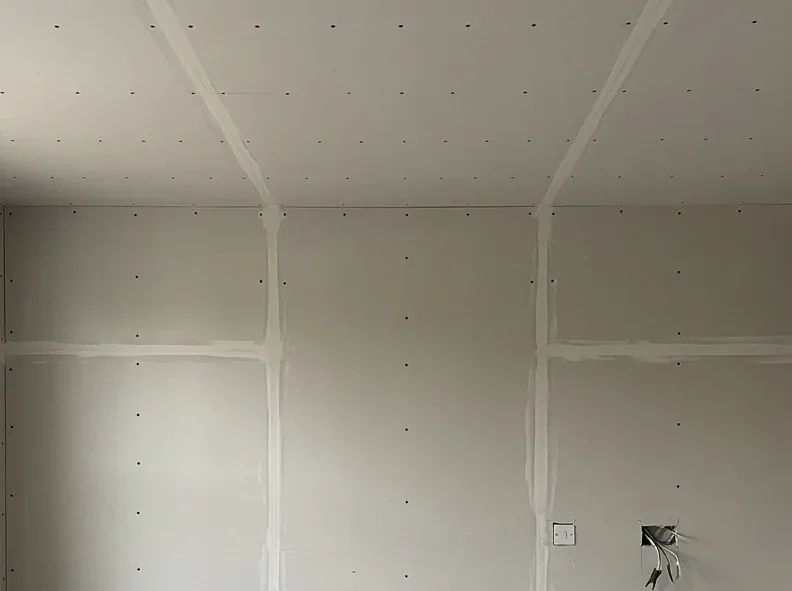
Experience matters-Topplastering handles plasterboarding for walls and ceilings so you get a truly solid finish.
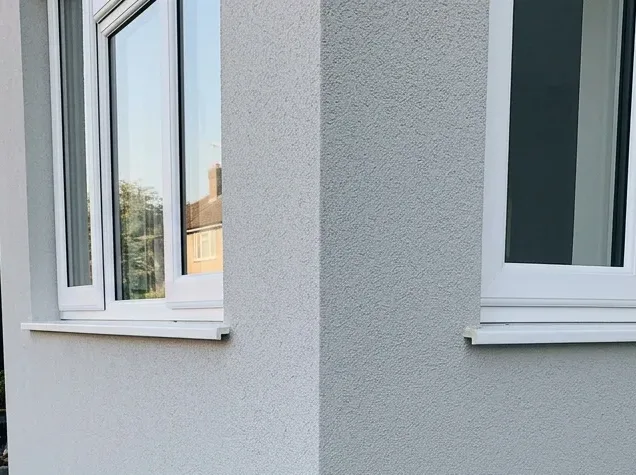
Rendering covers exterior and interior walls with a solid, even coat, protecting surfaces from weather and everyday wear.
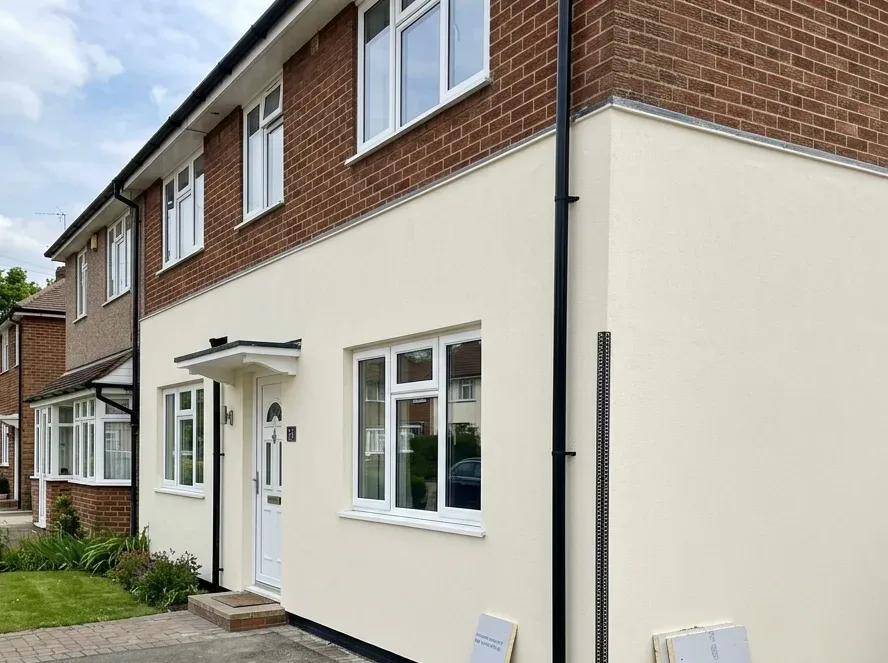
Upgrade your property with external wall insulation from Topplastering-cutting heating costs and improving your building’s appearance permanently.
Craftsmanship you can see
Every plastering project we complete leaves walls smooth, durable, and ready for whatever comes next.
Snap wide pictures of the entire floor space, showing water tidemarks, paint bubbling along brickwork, and any low ceilings. Include close photos around gas meters or incoming copper pipes, because awkward pipe clusters change the labor involved.
Ask how they handle joints between the floor slab and exterior walls. A capable specialist explains the physical cove detail clearly, rather than relying solely on chemical washes, and readily shows recent jobs handling tanking in Enfield basements.
Sudden ground pressure can push water through active weeping cracks faster than fresh mortar bonds. When liquid streams actively across substrate surfaces, trades must arrest the flow using rapid setting plugs before resuming ordinary application coats.
You can knock off loose lime render using a flat bolster chisel to save money on site hours. Removing degraded plaster down to bare, porous brickwork allows the crew to inspect pointing faults immediately upon arriving on site.