


Tanking establishes a firm, waterproof layer that prevents moisture from entering basements and below-ground walls, safeguarding your structure from damp problems.





Protect your property from moisture damage with our tanking service for cellars and below-ground walls in Finchley.
Get a free quote
 Quick, no-obligation quote!
Tanking is crucial for those managing basements or cellars subject to water issues. Without adequate tanking, moisture can invade walls and floors, resulting in dampness and potential structural complications. We apply tanking solutions to create a dependable waterproof barrier before any finishing work gets underway, ensuring your space remains dry and secure.
Builders engaged in new constructions or renovations in Finchley depend on tanking to protect below-ground structures. Our tanking method includes meticulous surface preparation and accurate application, preventing water penetration that could jeopardize the integrity of the build. This approach fits smoothly into the construction timeline, ensuring durable outcomes that uphold your project’s quality.
Homeowners experiencing damp cellars or rising groundwater levels need effective tanking methods to avert mold and property damage. Our services in Finchley focus on existing buildings, dealing with vulnerable areas by applying a waterproof barrier directly to concrete or masonry. This process halts moisture at its source, safeguarding the home’s value and comfort.
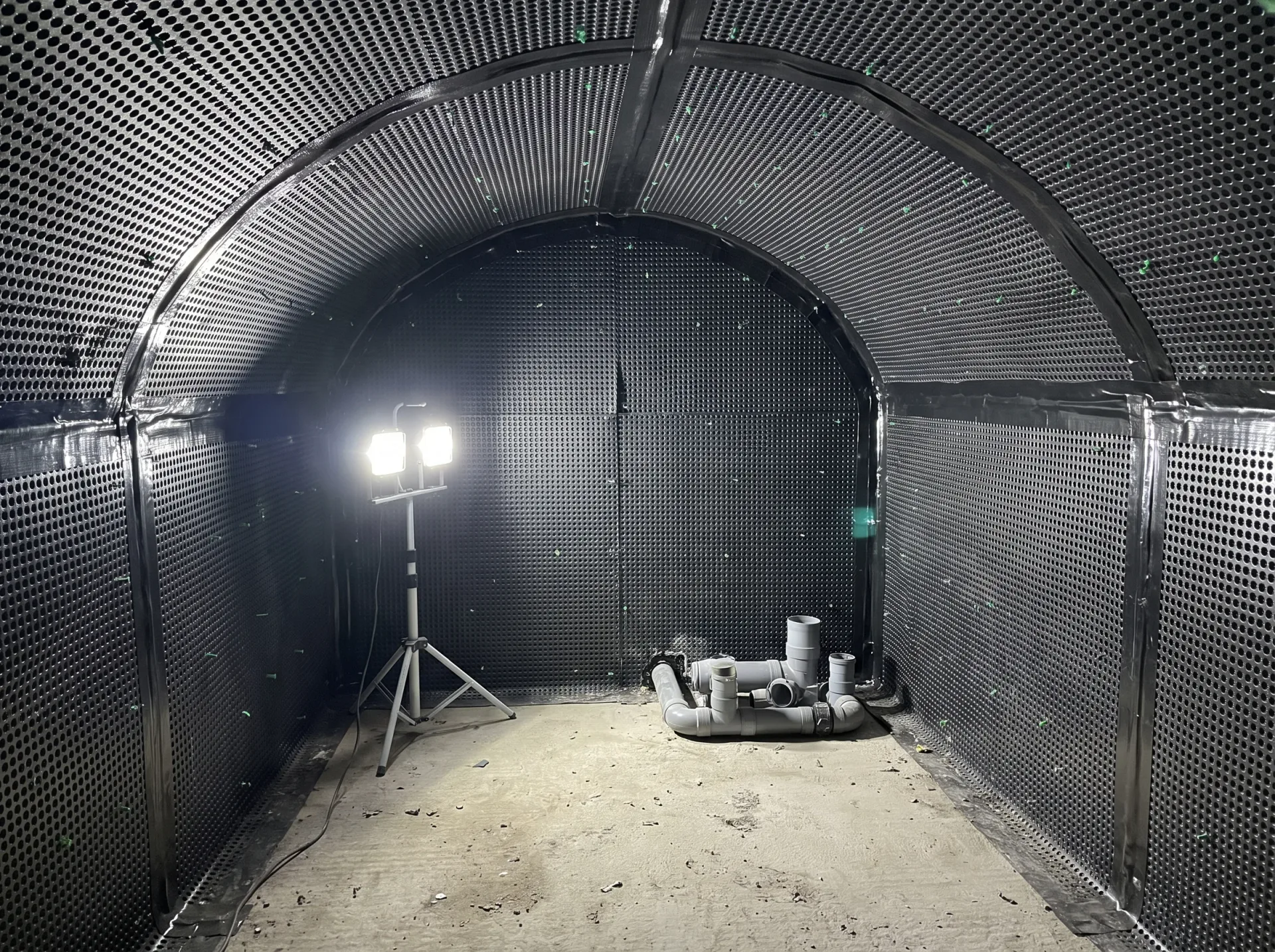

Our tanking services target cellars, basements, and all below-ground walls that need protection against water intrusion. We install waterproofing layers prior to any finishing work, ensuring surfaces are completely sealed against moisture. This strategy mitigates dampness and structural issues that frequently result from water exposure in these vital areas.
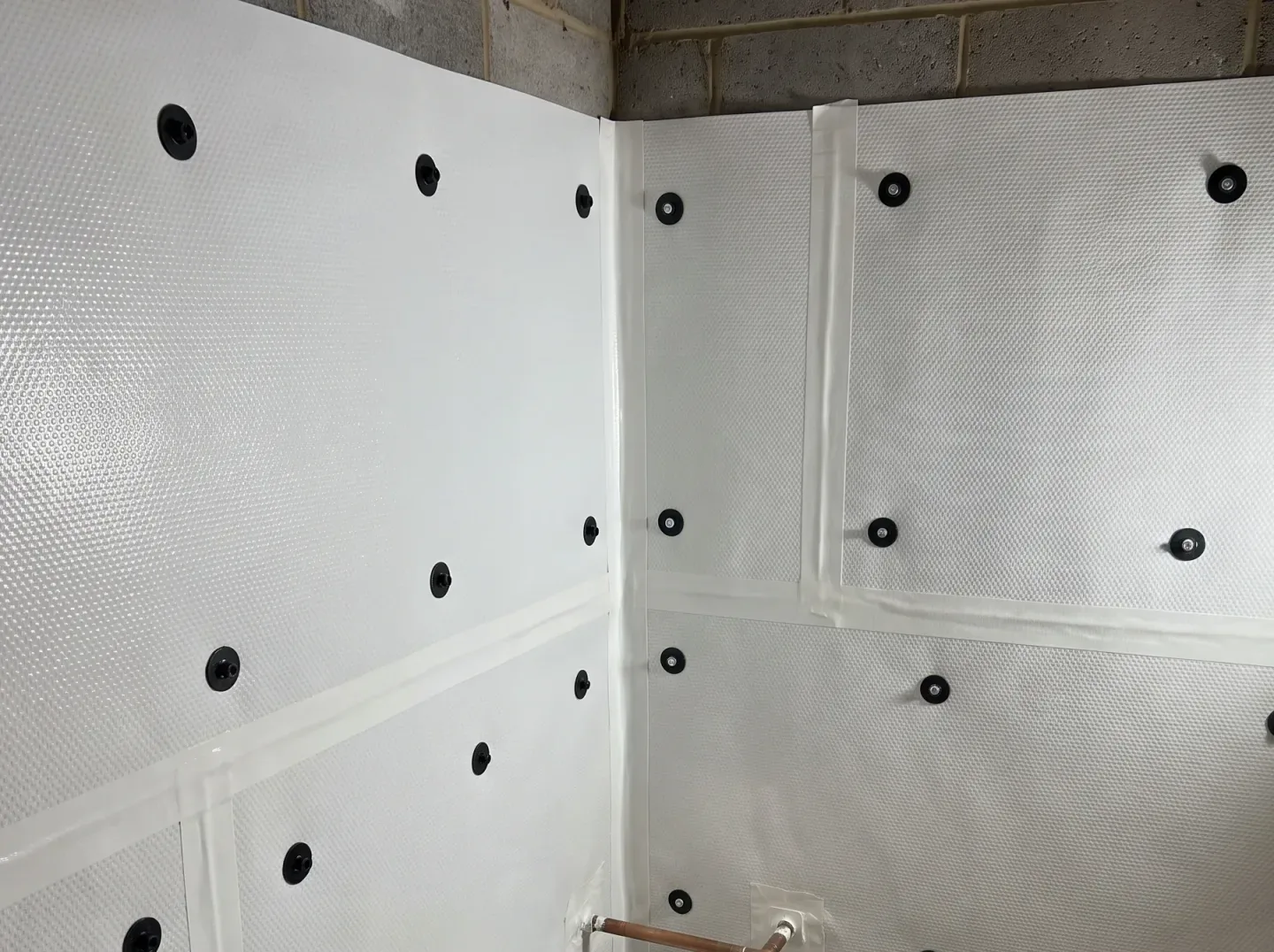
Our tanking services begin with a comprehensive site evaluation and surface prep to ensure proper adhesion of the waterproof barrier. We apply the tanking membrane in distinct layers, focusing on corners and joints where leaks are likely. The outcome is a robust, watertight seal that integrates seamlessly with future plastering and finishing activities.
Tanking establishes a firm, waterproof layer that prevents moisture from entering basements and below-ground walls, safeguarding your structure from damp problems.
With our meticulous application methods, tanking provides enduring resistance to water ingress, minimizing the need for expensive repairs later on.
By prohibiting moisture accumulation, tanking helps maintain the strength of concrete and masonry, avoiding fractures and degradation over the years.
Effective tanking eliminates moisture sources that lead to mold growth, enhancing indoor air quality and fostering a healthier atmosphere.
Tanking is implemented prior to any finishes, allowing for unimpeded progress on plastering or other surface treatments without compromising waterproofing.
We conduct a thorough inspection and repair of surfaces before tanking, guaranteeing that the waterproof layer bonds effectively and performs to your expectations.
From initial measurement to project completion, we keep clients informed every step of the way, providing tanking services punctually and according to specifications.
Old coatings cause problems. We frequently strip crumbled bitumen layers or loose screed with heavy floor breakers so the raw substrate can take the new layers properly. When preparing for tanking in Finchley, clearing timber battens and rusted fixings from the perimeter channel prevents moisture from bridging across the barrier later.
Plumbing entries demand careful isolation. We chip away the crumbly perimeter around cast-iron waste stacks and cold supply mains, bedding in pliable seals around every joint. Leaving these pipe sleeves untouched allows groundwater to push through unseen gaps around sleeves, flooding dry rooms after heavy downpours soak the soil.
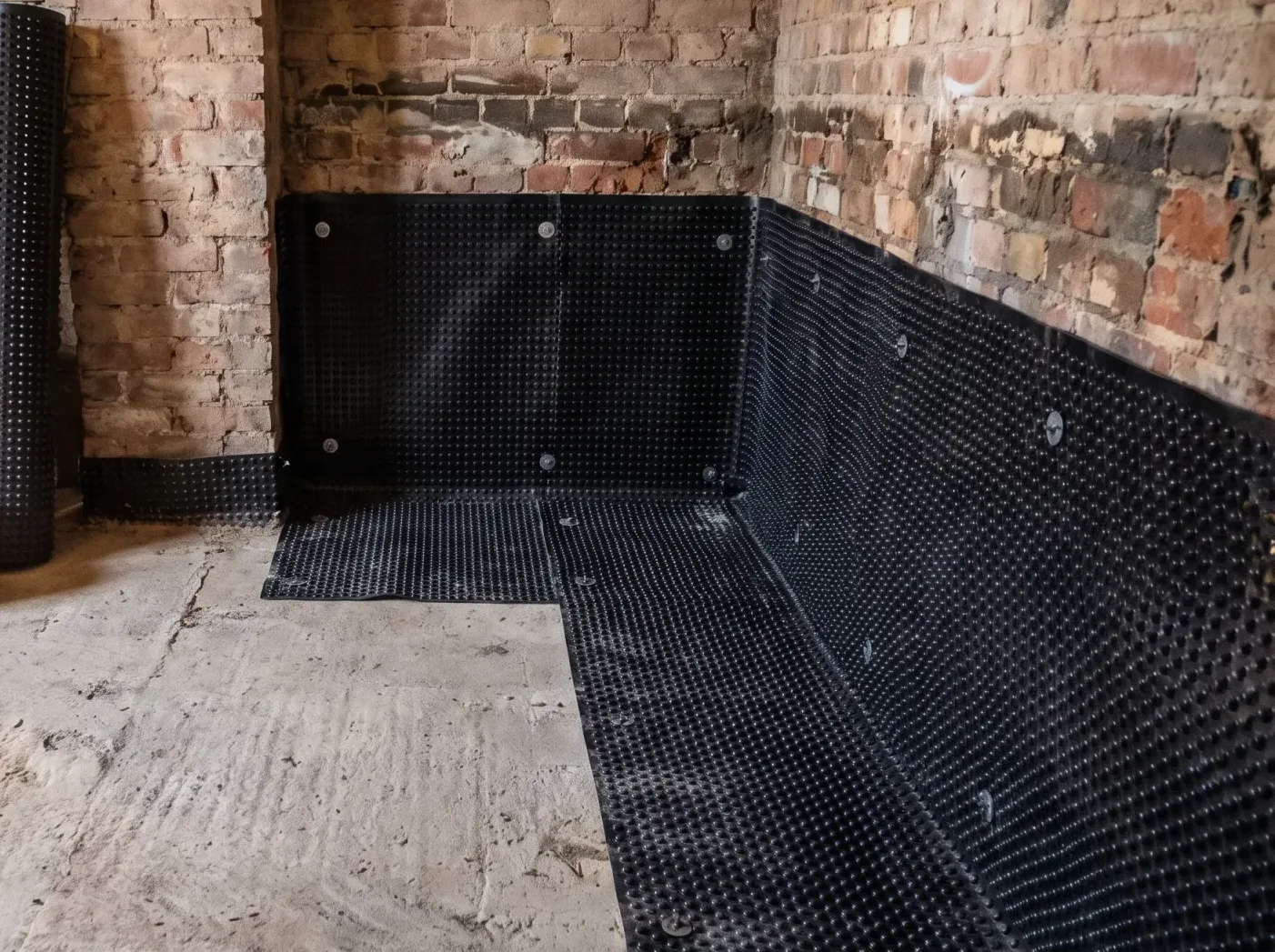
We begin by assessing the site to gauge moisture levels and pinpoint areas requiring tanking, ensuring we grasp the entire scope before starting any work.
Then, we clean and repair surfaces, addressing cracks and flaws to assure that the tanking membrane adheres properly, forming a strong barrier.
The waterproof coating is applied in layers, with careful attention to corners and joints where leaks are often detected, ensuring a continuous seal.
Post-application, we allow the tanking membrane to cure thoroughly, followed by a detailed inspection to verify that the waterproofing remains intact and effective.
After completing and confirming the tanking, we communicate clearly with the client, providing necessary documentation and ensuring the site is prepared for subsequent finishing stages.
Never puncture treated masonry blind. Pushing rawlplugs or timber screws past the interior skim into brickwork creates a direct path for damp to track indoors. When completing tanking in Finchley properties, we explain that heavy shelving or radiators need independent batten frameworks rather than direct wall anchors that pierce the barrier.
Ventilation stops surface condensation. We advise against pushing broad wardrobes directly against external retaining brickwork, leaving a gap for indoor airflow. Condensation otherwise collects behind timber backs, staining decorated plasterboard surfaces that people falsely mistake for ground leaks entering through the barrier.
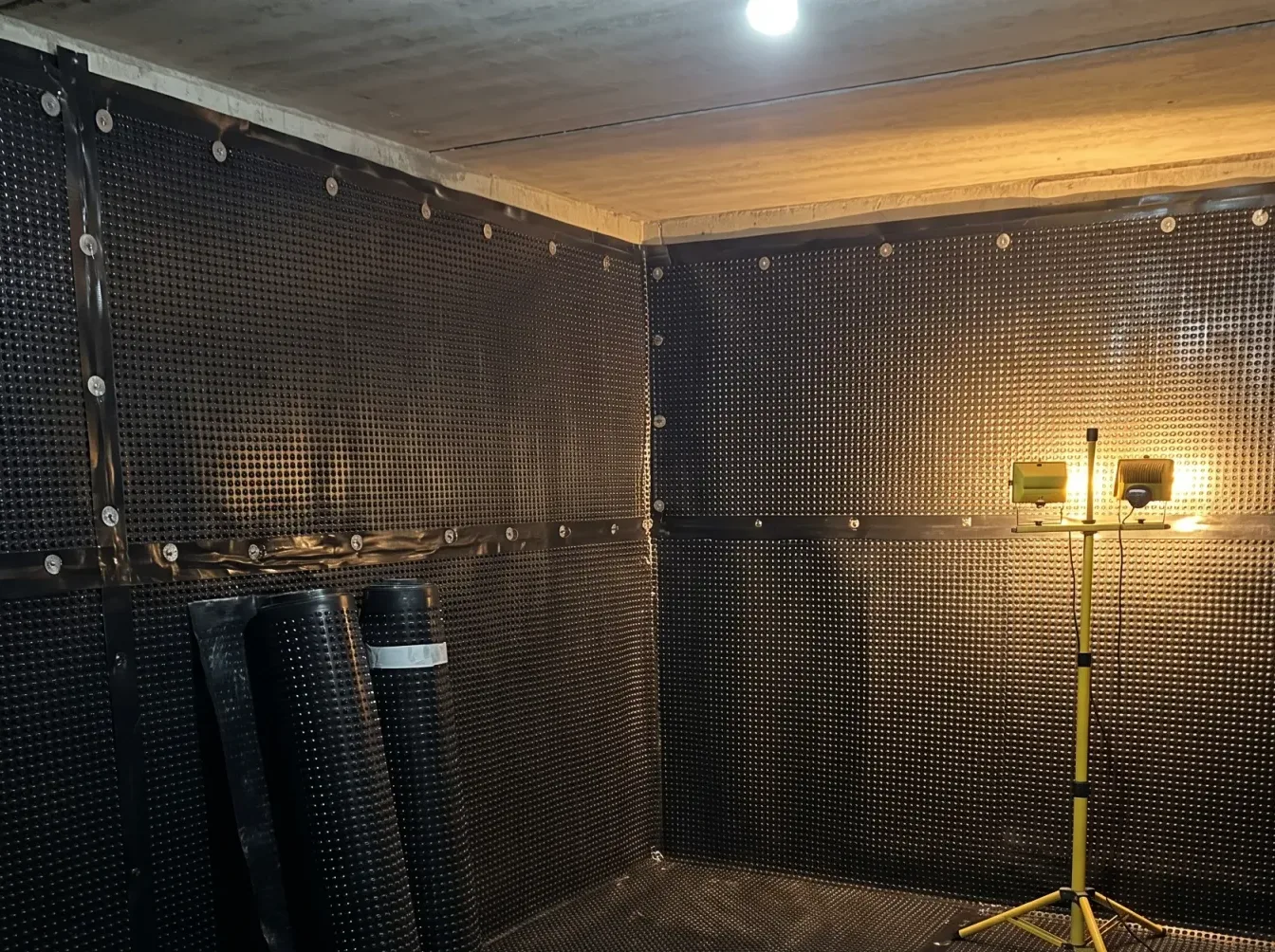
Wet seasons change subterranean pressure. Prolonged autumn rain saturates the surrounding ground, building hydrostatic pressure that searches out every hairline gap in low masonry joints. During tanking in Finchley projects, we test how quickly moisture wicks upward across lower courses, checking that cold foundation mortar can take waterproof compounds without flaking away.
Cold weather slows curing. In unheated underground rooms, slurry coats dry sluggishly, demanding quiet air movers rather than intense heat blowers that crack plaster. Rapid forced heat draws out moisture too fast, leaving hairline cracks along internal angles where walls meet solid floor slabs.
Dry soil shrinks back. As clay subsoils dry out during hot summer weeks, hairline shifts open up between external brick skins and footings. Flexible fillets applied along wall-floor joints handle that natural seasonal shift without tearing apart the barrier.
With over 20 years of plastering expertise, we approach each tanking project with hands-on experience. We start by thoroughly assessing the site to identify moisture risks before applying the waterproof barrier. Our tanking process emphasizes cleaning surfaces meticulously, repairing cracks, and sealing joints, ensuring a lasting protective waterproof layer. This practical approach prevents dampness and structural issues from the ground up.
We manage tanking as part of an integrated service, coordinating every phase from measurement through to final inspection. Continuous communication throughout the project prevents surprises and keeps us on track with deadlines. The tanking membrane we utilize is designed to withstand pressure, safeguarding basements and below-ground walls before any finishing work proceeds. Our systematic, straightforward execution yields dependable results.
We serve Finchley and surrounding areas, providing tanking services with a focus on quality. Reach out via phone for a free estimate or to arrange a site visit.
approx. 10 milesDistance from our base · Cheshunt
Call us07465266721Email uscontact@topplastering.ukWe serve your areaFinchley and the surroundings
The Google map loads after you accept marketing cookies.


Maksymilian Mazur
Very satisfied with the service! Excellent communication, clean workmanship, and everything completed professionally. Highly recommended!
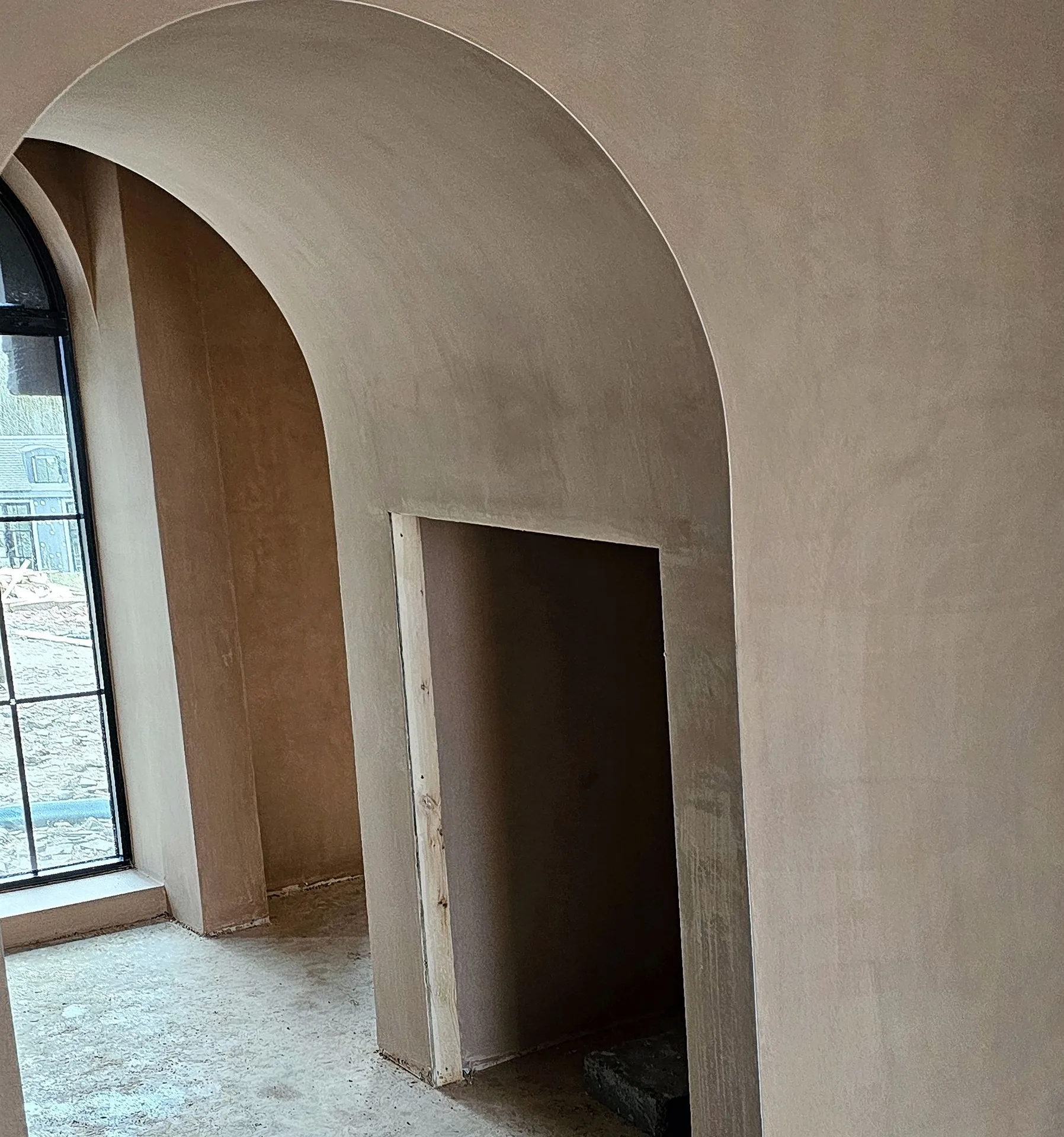
Tired walls and ceilings get a second life with skimming, giving you a flawless, durable finish every time.
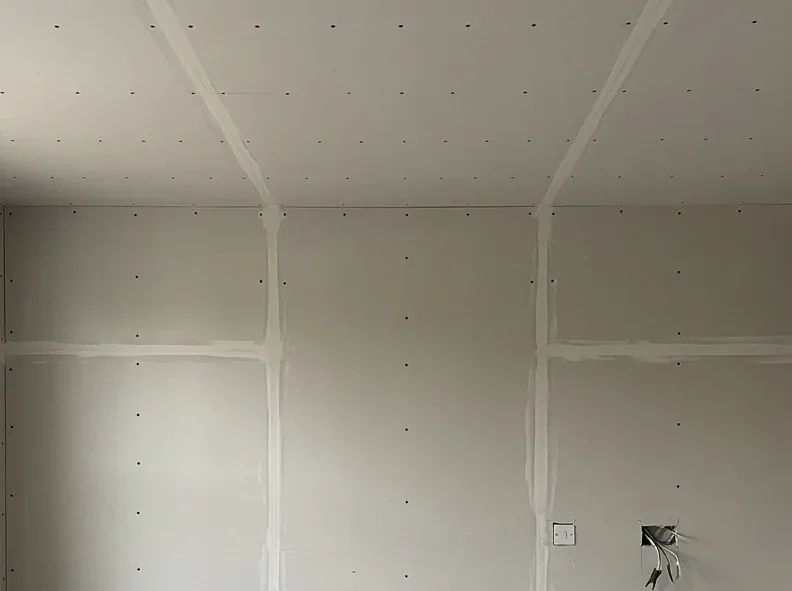
Experience matters-Topplastering handles plasterboarding for walls and ceilings so you get a truly solid finish.
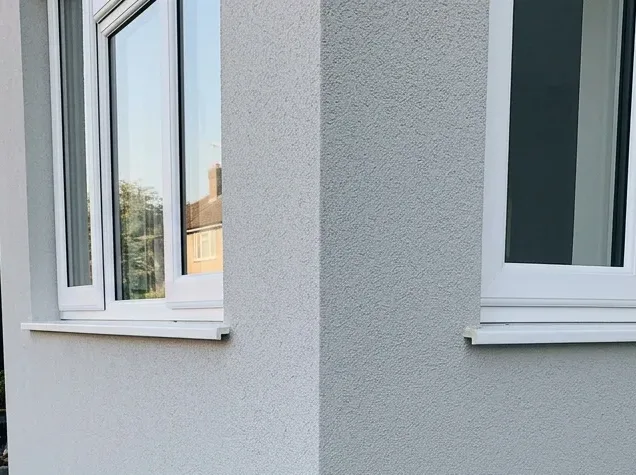
Rendering covers exterior and interior walls with a solid, even coat, protecting surfaces from weather and everyday wear.

Upgrade your property with external wall insulation from Topplastering-cutting heating costs and improving your building’s appearance permanently.
Craftsmanship you can see
Every plastering project we complete leaves walls smooth, durable, and ready for whatever comes next.
Ask if they carry specific contractor insurance for below-ground waterproofing rather than basic painting coverage. Ask them to explain how they tie wall seals into floor slabs. A competent tradesperson describes that junction immediately without hesitation.
Active water running through loose brick joints halts application right away. We must stop live leaks with fast-setting plugging mortar before continuing. Unrecorded electric cables buried under old plaster also slow down wall preparation while isolation takes place.
We visit the property, inspect brick joints, and take damp meter readings. Next, we strip old plaster, apply barrier slurries across masonry, seal the joint between floor and wall, and let each coat cure before applying the protective skim coat.
Differences come down to substrate condition and subterranean wall depth. A cellar in Finchley set fully below street level requires heavier multi-coat applications than a semi-retaining room, and crumbling mortar beds require extensive repointing before coatings adhere.