


Tanking creates a solid, waterproof layer that stops water from penetrating basements and below-ground walls in St Albans, protecting your structure from damp and damage.





Protect your property from moisture damage with our tanking service for basements and below-ground walls in St Albans.
Get a free quote
 Quick, no-obligation quote!
Tanking is crucial for anyone in St Albans dealing with basements or cellars susceptible to moisture. Without effective tanking, water can seep through walls and floors, leading to dampness and structural challenges. We apply tanking solutions that create a robust waterproof barrier before any finishing work begins, ensuring the space remains dry and sound.
Builders working on new constructions or refurbishments in St Albans rely on tanking to protect below-ground structures. Our tanking process includes meticulous surface preparation and precise application, which prevents water ingress that can jeopardize the build. This method integrates smoothly into the construction timeline, delivering lasting results that maintain the project’s integrity.
Homeowners in St Albans facing damp basements or rising water tables need effective tanking approaches to prevent mold and damage. Our tanking services are designed for existing properties, directly addressing problem areas with a waterproof layer applied to concrete or masonry. This process halts moisture at the source, preserving your home’s value and comfort.
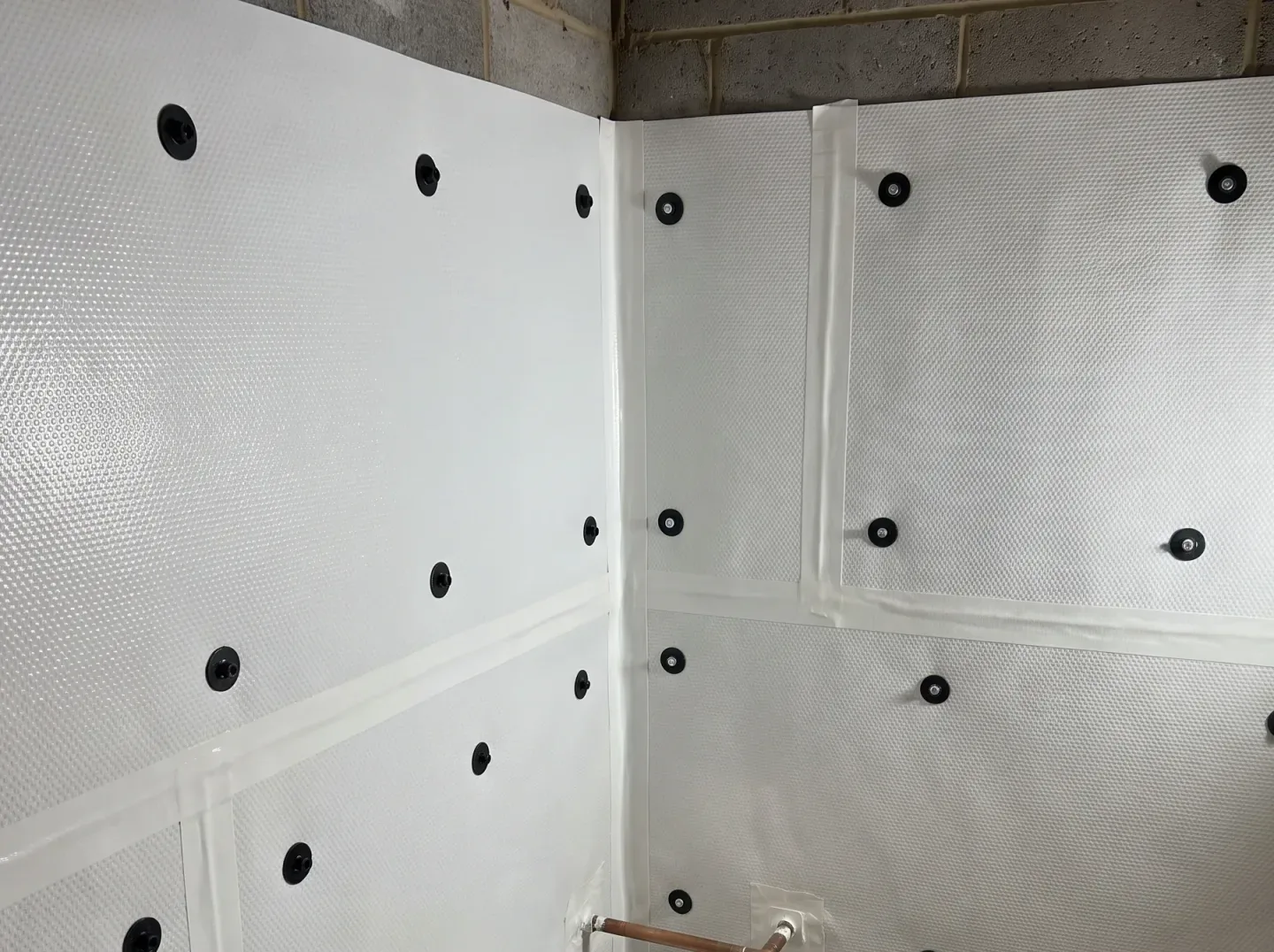
Old shelving must come down first. If timber battens or rusty metal brackets stay bolted into brickwork, moisture simply creeps around them during tanking in St Albans. We pull out old rawlplugs and sweep back loose grit until the bare masonry shows, leaving exposed brick ready for bonding.
Copper pipework often runs low along cold masonry. When copper pipework sits too close to damp brickwork, we ask you to isolate valves early so crews can clean right behind brackets. Loose mortar joints crumble fast around pipe penetrations, creating weak spots that require filling before any fresh slurry touches the substrate.
Tanking creates a solid, waterproof layer that stops water from penetrating basements and below-ground walls in St Albans, protecting your structure from damp and damage.
With our precise application, tanking provides enduring resistance to water ingress, minimizing the need for costly repairs down the line.
By preventing moisture buildup, tanking helps maintain the strength of concrete and masonry, avoiding cracks and weakening over time.
Effective tanking cuts off moisture sources that encourage mold growth, enhancing indoor air quality and fostering a healthier environment.
Tanking is applied prior to any finishes, allowing for smooth continuation of plastering or other surface treatments without jeopardizing waterproofing.
We inspect and repair surfaces thoroughly before tanking, ensuring the waterproof layer adheres properly and performs as intended.
From measurement to completion, we keep you informed at every stage, delivering tanking services on schedule and to specifications.
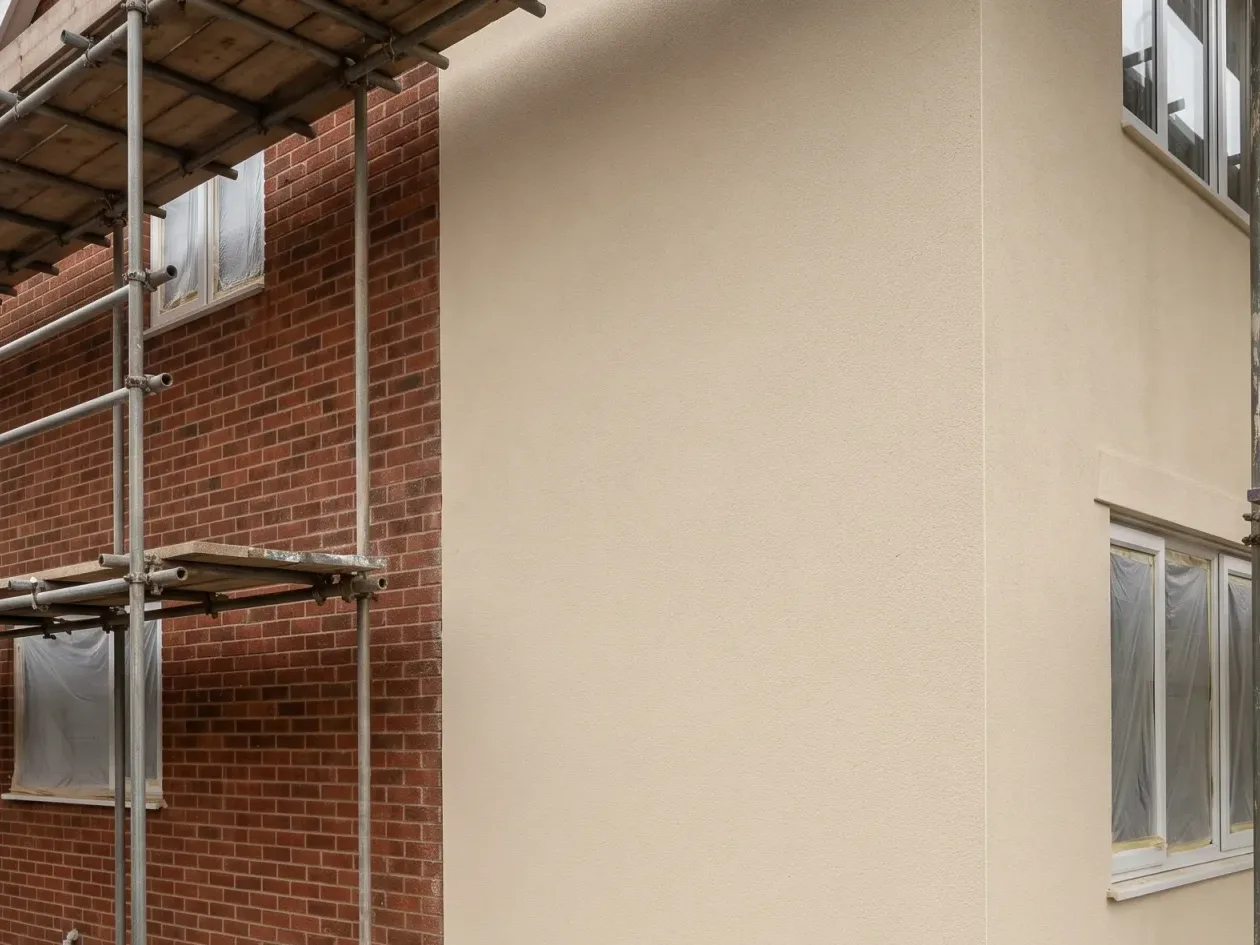
Heavy winter rainfall raises water tables beneath shallow foundations. When water builds behind garden soil, active hydrostatic pressure pushes hard against external brickwork, making tanking in St Albans necessary to prevent liquid from seeping through porous mortar joints. The colder air also slows drying times inside unheated cellars.
Dry spells bake surrounding ground until soil shrinks away. You might spot hairline gaps between external soil and footings, which then swallow autumn rain in sudden downpours. That sudden rush of water catches weak brickwork out, forcing groundwater through cracked basement joints before surrounding earth has even had time to rehydrate properly.

We begin by inspecting the site in St Albans to evaluate moisture levels and pinpoint areas that require tanking, making sure we comprehend the scope before any work proceeds.
Next, we clean and repair all surfaces, addressing cracks and defects to ensure the tanking membrane adheres properly and provides a solid barrier.
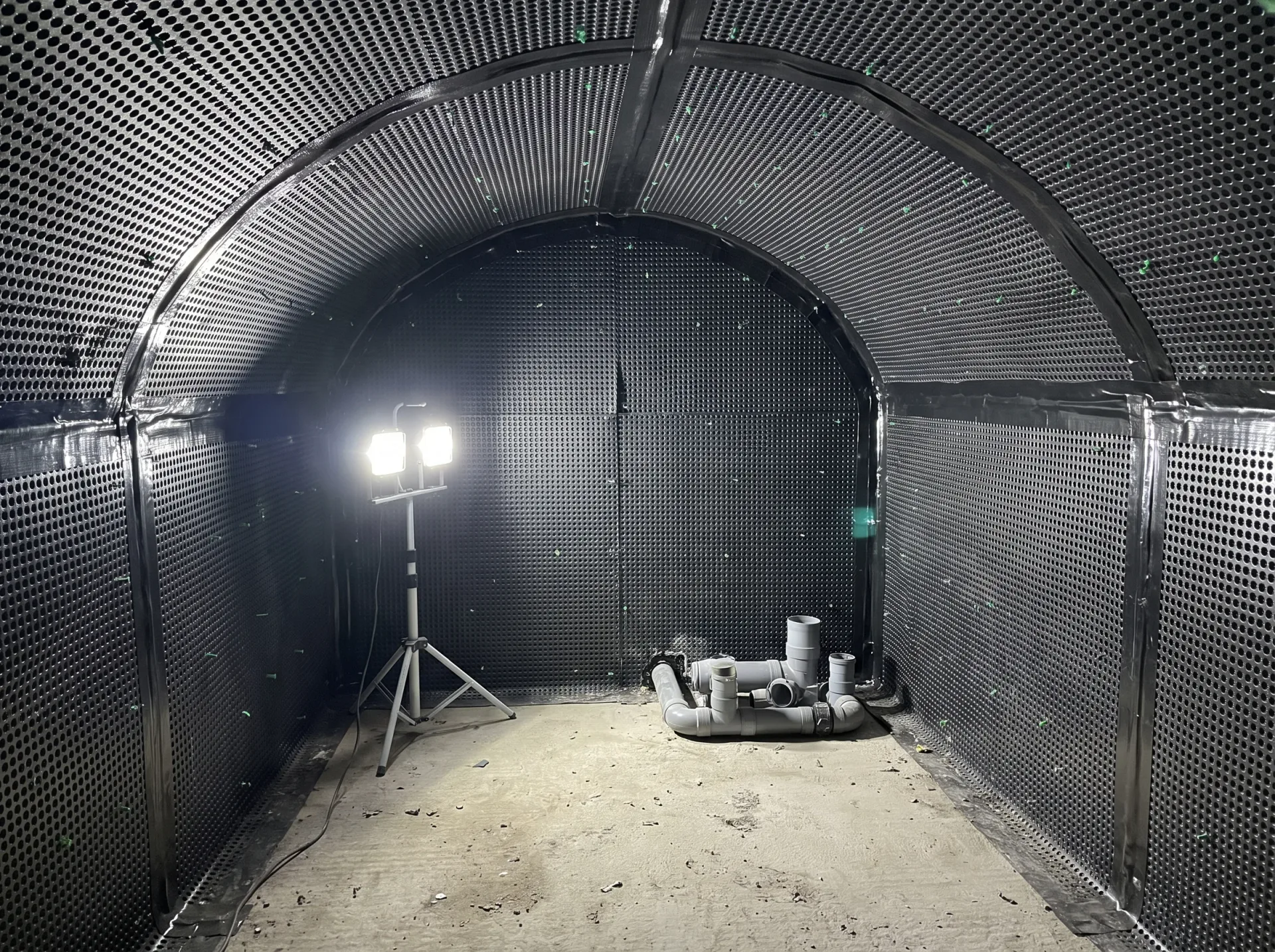
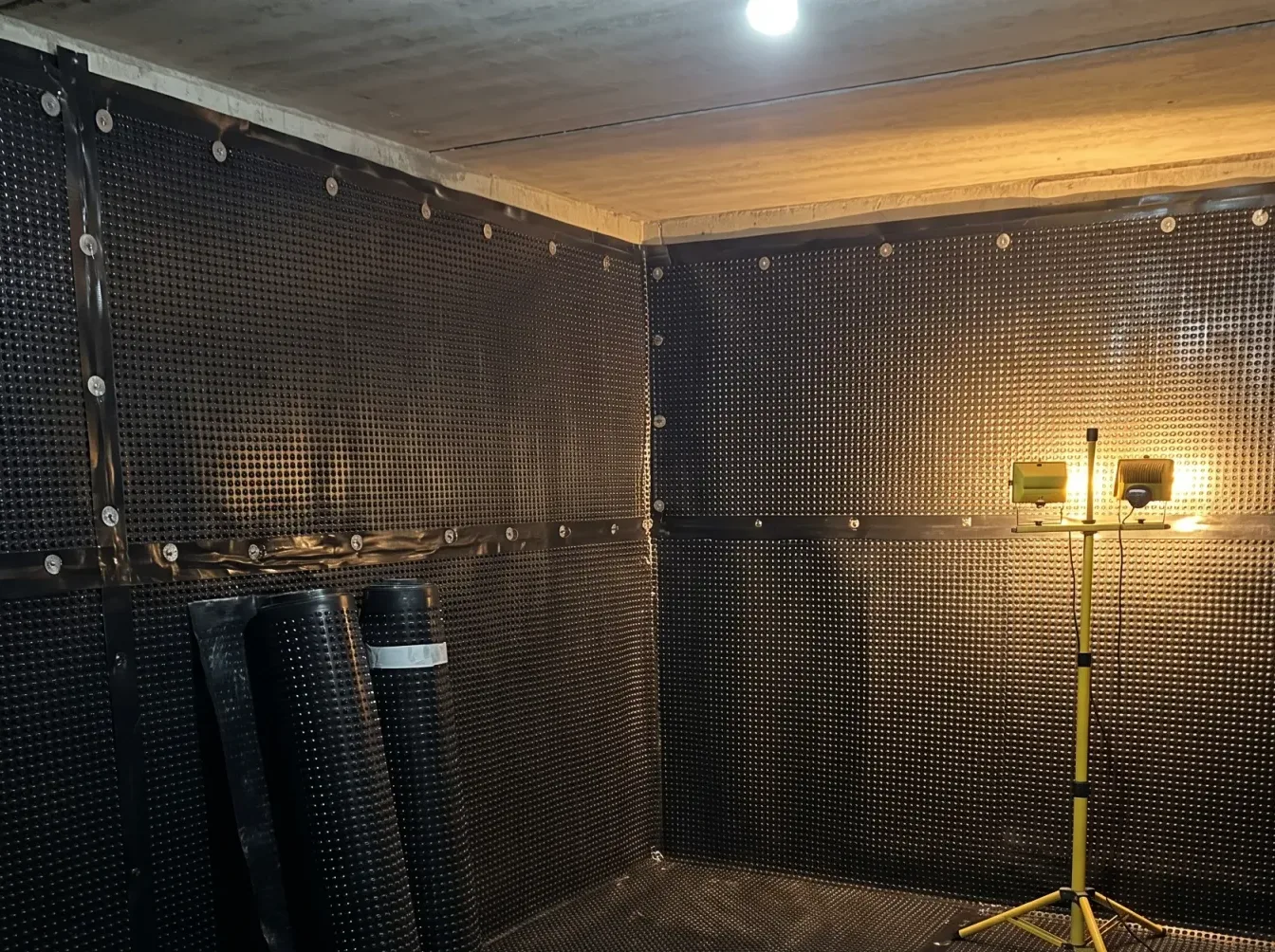
We apply the waterproof coating in layers, paying particular attention to corners and joints where leaks are most likely to occur, securing a continuous seal.
After application, we allow the tanking membrane to cure fully, followed by a thorough inspection to confirm the waterproofing remains intact and effective.
Once the tanking is complete and verified, we communicate clearly with the client, provide any necessary documentation, and ensure the site is ready for the next stage of finishing.
Tanking creates a solid waterproof barrier on basements and below-ground walls in St Albans, stopping moisture before it penetrates the structure. We apply tanking meticulously over cleaned and repaired surfaces to ensure full adhesion and coverage. This prevents dampness and water ingress that can lead to mold or damage, safeguarding your build’s integrity from the ground up.
With tanking from us, you receive enduring protection that withstands the test of time. Our method seals vulnerable areas like corners and joints where leaks often begin, reducing future maintenance needs. This approach keeps basements dry and walls intact, enhancing the overall lifespan of your property without surprises later on.
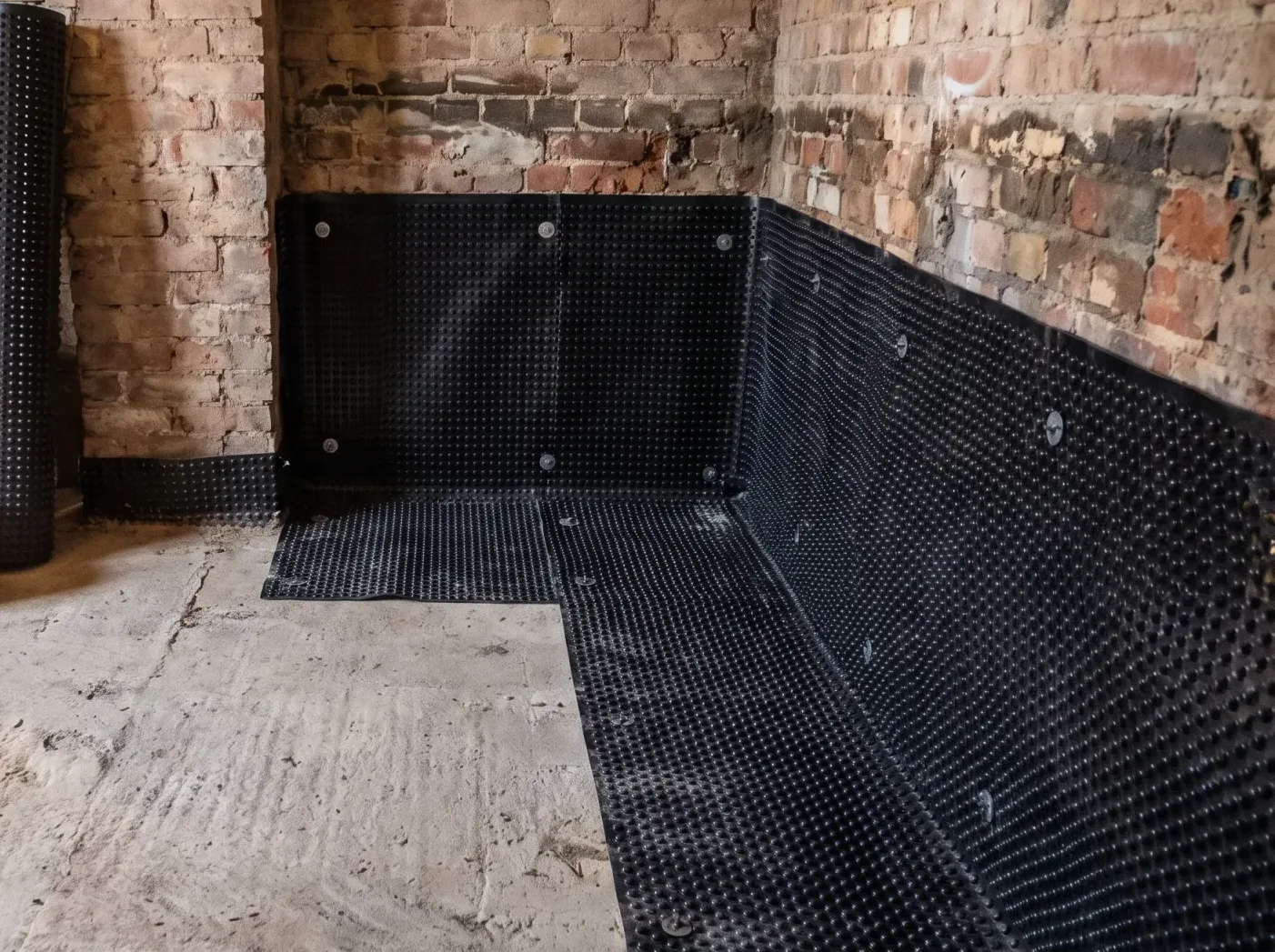
Cables need surface mounting. Drilling rawlplugs through fresh layers punctures the barrier instantly, which is why coordinating your electrician with our tanking in St Albans prevents ruined work. We mark clear zones across cured masonry where battens can fix safely without penetrating the continuous waterproof coat underneath.
Waste pipes demand flexible collars. Rigid mortar around a vibrating waste pipe cracks after months of washing machine cycles, letting seepage track straight inside. Sleeving pipes loosely before waterproofing cures keeps vibration away from brittle joints.
Timber base plates require specialized adhesive instead of masonry pins. Ramming steel fixings into damp-proof layers invites damp patches right along skirtings. We show your carpenters where adhesives grip securely on finished render without piercing base coats.
With over 20 years in plastering and finishing, we bring hands-on experience to every tanking project. We start by thoroughly assessing the site in St Albans to identify moisture risks before applying the waterproof barrier. Our tanking process emphasizes precision-cleaning surfaces, repairing cracks, and sealing joints to ensure a durable waterproof layer. This practical approach prevents damp and structural damage from the ground up.
We handle tanking as part of a complete service, coordinating every step from measurement to final inspection. Clear communication is maintained throughout the project to avoid any surprises and meet agreed deadlines. The tanking membrane we apply is designed to withstand pressure, protecting basements and below-ground walls in St Albans before any finishing work starts. Our systematic, straightforward execution delivers results you can rely on.
We're available for tanking services in St Albans and surrounding areas like Hemel Hempstead. Call for a free estimate or a site visit.
approx. 15 milesDistance from our base · Cheshunt
Call us07465266721Email uscontact@topplastering.ukWe serve your areaSt Albans and the surroundings
The Google map loads after you accept marketing cookies.


Maksymilian Mazur
Very satisfied with the service! Excellent communication, clean workmanship, and everything completed professionally. Highly recommended!
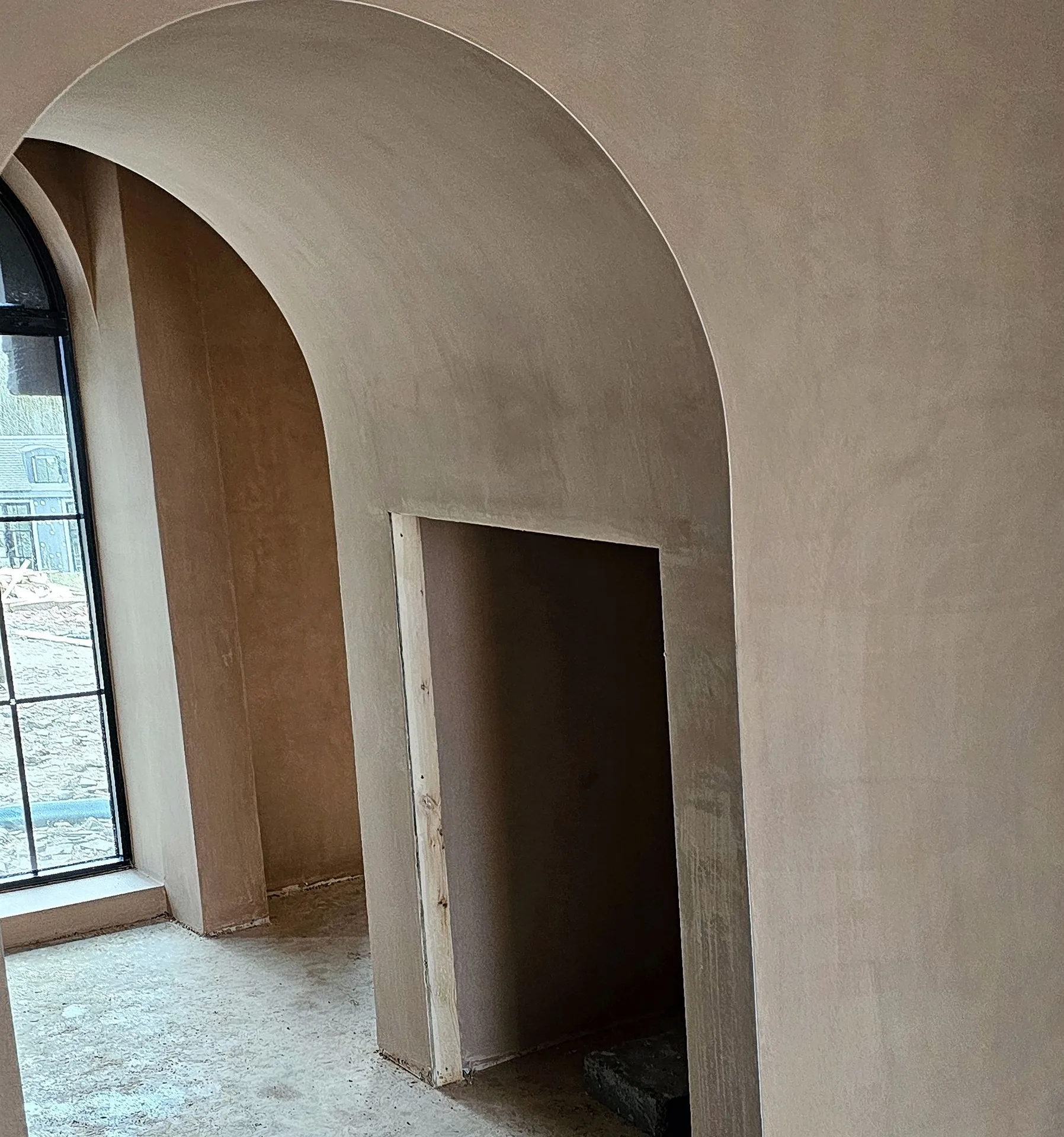
Tired walls and ceilings get a second life with skimming, giving you a flawless, durable finish every time.
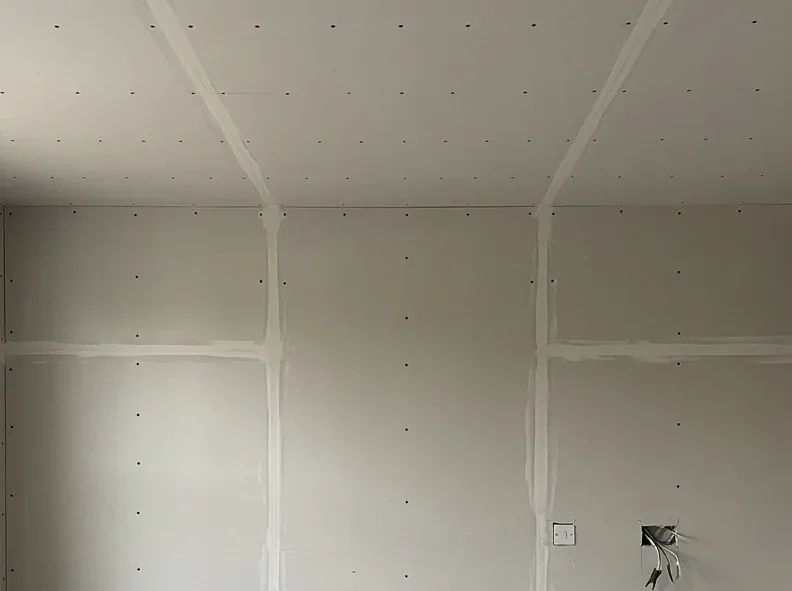
Experience matters-Topplastering handles plasterboarding for walls and ceilings so you get a truly solid finish.
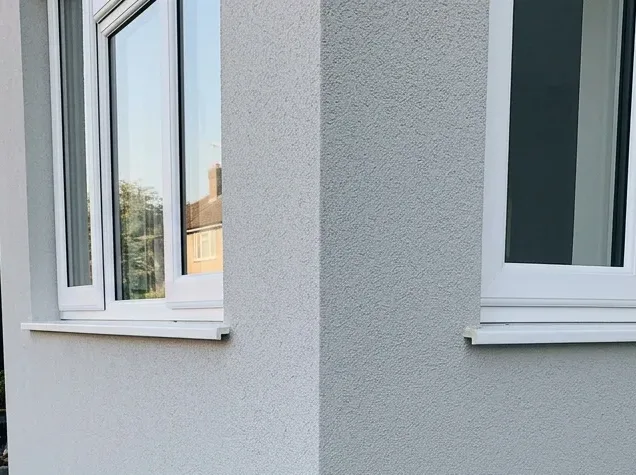
Rendering covers exterior and interior walls with a solid, even coat, protecting surfaces from weather and everyday wear.

Upgrade your property with external wall insulation from Topplastering-cutting heating costs and improving your building’s appearance permanently.
Craftsmanship you can see
Every plastering project we complete leaves walls smooth, durable, and ready for whatever comes next.
Ask how they handle joints between floors and walls. A reliable contractor explains surface priming and joint fillets rather than just promising a quick coat of slurry, because poor corner detailing is where water pushes through first when ground pressure builds.
Substrate condition changes everything. An old cellar with crumbling lime mortar, heavy salt staining or awkward pipe runs takes days of careful descaling before any barrier can stick, while clean concrete blocks need far less prep work before application.
Clear all storage boxes, wall brackets and loose wiring from the floor in St Albans. Trades need clear access to every square foot of masonry, because missed patches behind boilers or under timber stairs ruin the continuous seal across the whole room.
Check whether water actually pools on your floor or only dampens the walls after rain. Note any pipes entering from the garden and clear photos of masonry defects, which helps trades gauge preparation time accurately before setting foot on site.