


Tanking establishes a strong, waterproof layer that halts water from penetrating basements and below-ground walls, safeguarding your structure from damp and deterioration.





Protect your property from moisture damage with our tanking service for basements and below-ground walls in London.
Get a free quote
 Quick, no-obligation quote!
Tanking is crucial for anyone managing basements or cellars that are susceptible to moisture. Without effective tanking, water can infiltrate walls and floors, causing damp issues and structural damage. We implement tanking solutions that form a dependable waterproof barrier before finishing touches are applied, making sure the area remains dry and sound.
Builders engaged in new constructions or refurbishments require tanking to protect below-ground structures. Our tanking process entails thorough surface preparation and precise application, which prevents water ingress that could jeopardize the construction. This method integrates well into the construction timeline, providing long-lasting results that maintain the integrity of the project.
Homeowners experiencing damp basements or rising water tables need effective tanking solutions to prevent mold and damage. We provide tanking services specifically designed for existing properties, targeting problem zones with a waterproof layer applied straight to concrete or masonry. This approach halts moisture at its source, protecting both the home’s value and comfort.
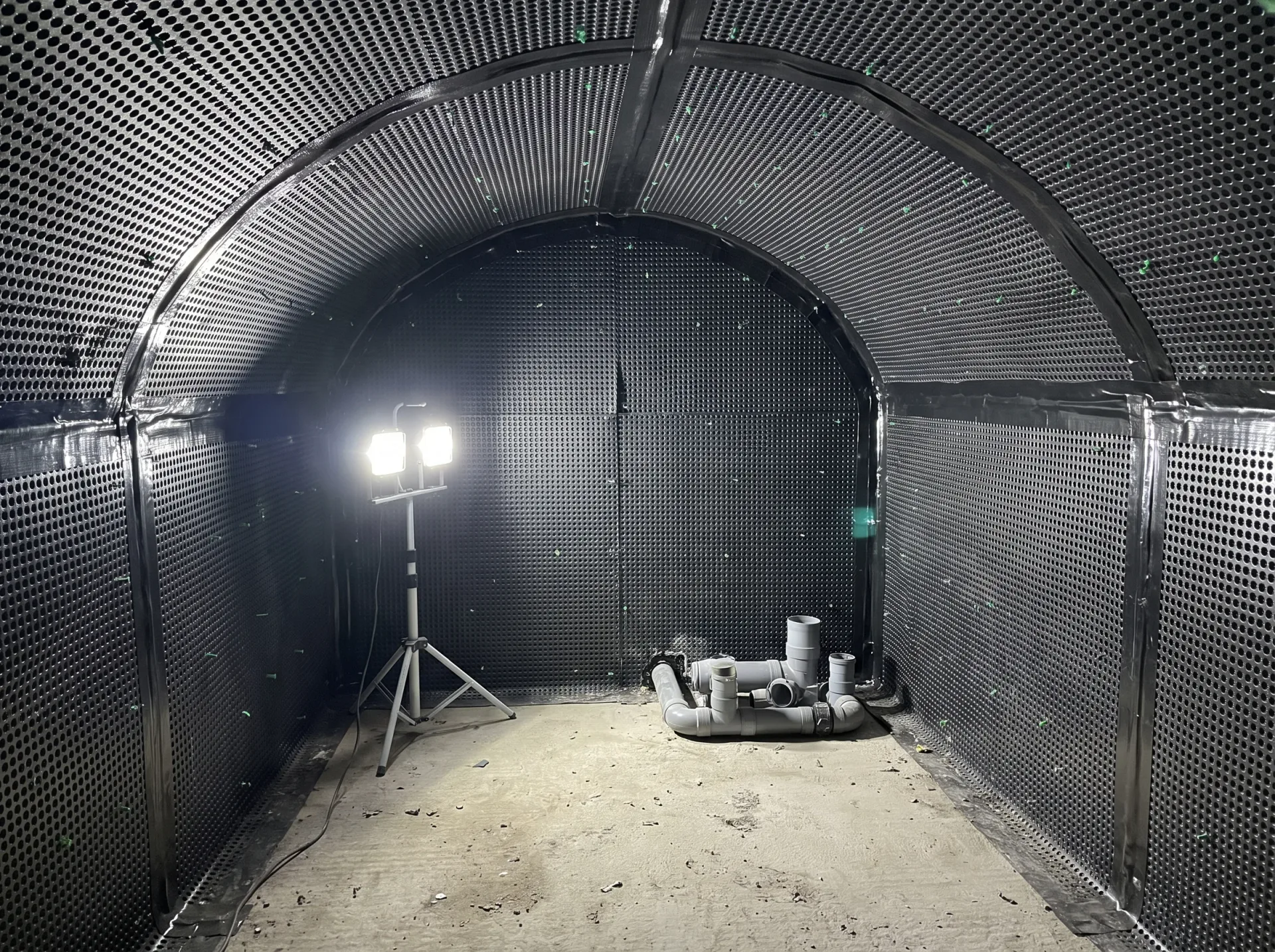
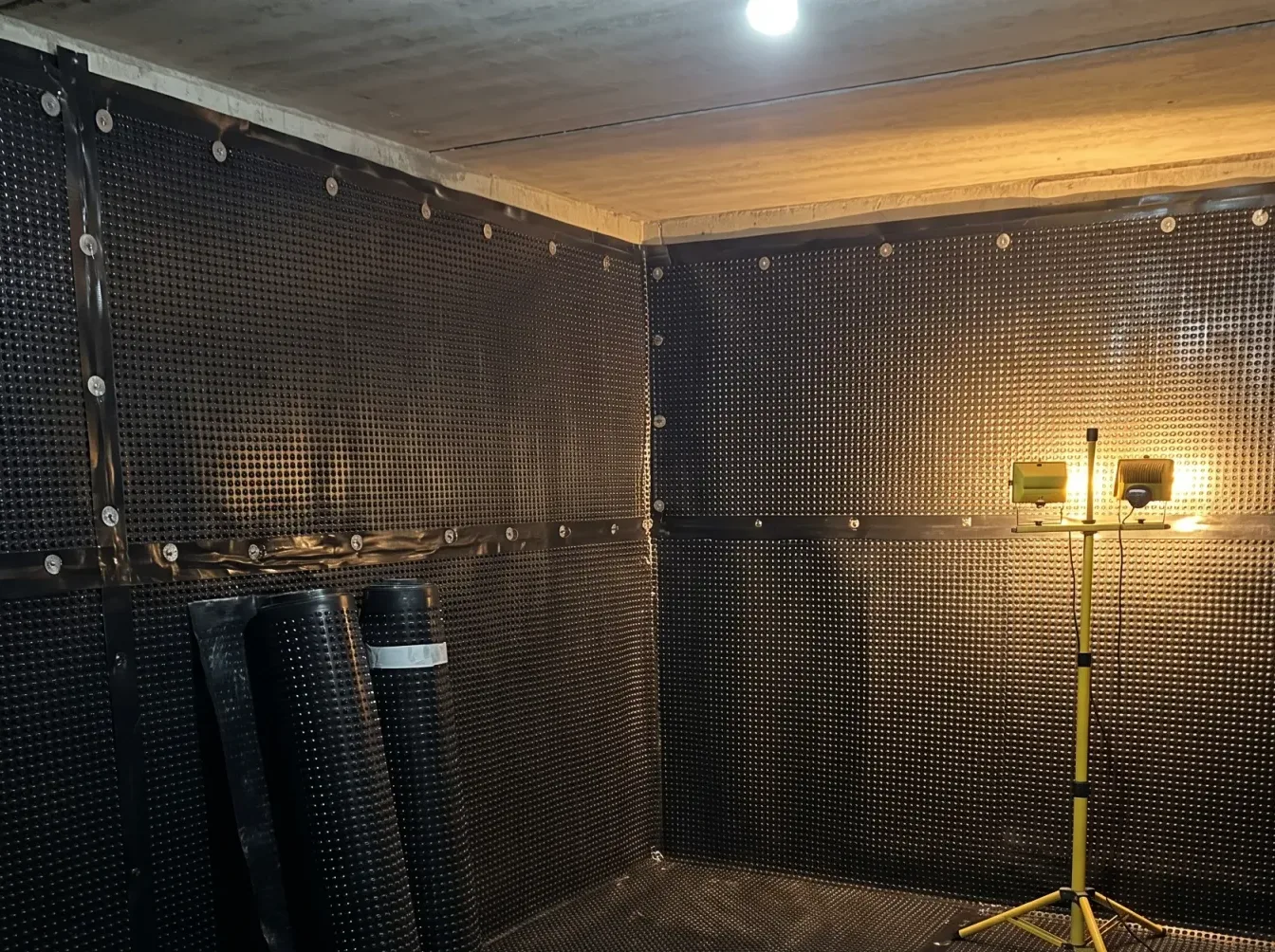
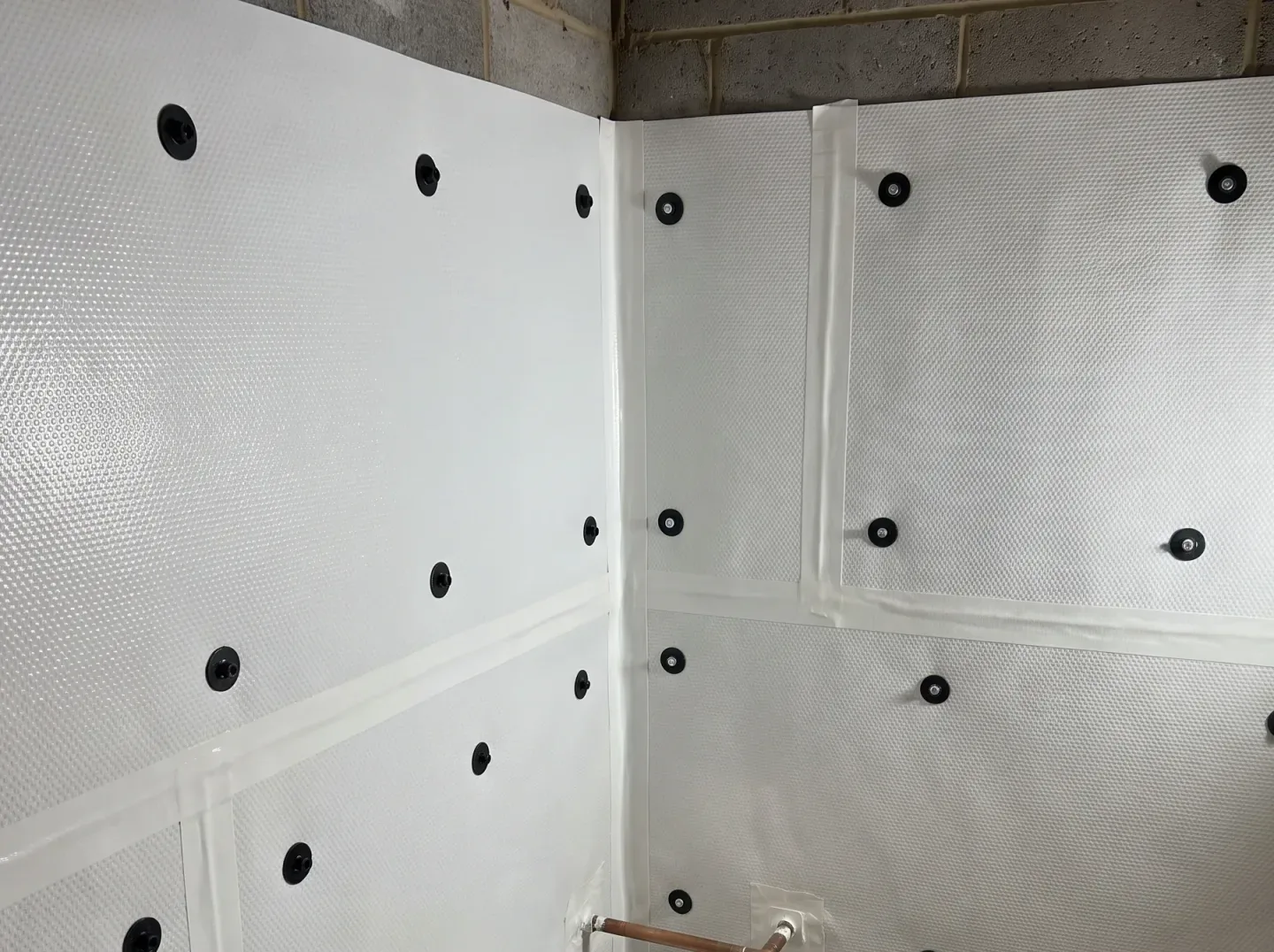
Strip everything off masonry walls. Timber shelving, old skirting boards, and corroded wall plugs must go before our team arrives to deliver tanking in London. If cables run across bare brickwork, an electrician should unclip them first, leaving clean surfaces for bonding coats.
Efflorescence ruins fresh plaster. When mineral deposits push through damp brickwork, wire brushes clear away loose crusts, and neutralising washes stop nitrates from destroying fresh layers. Skipping this stage leaves hidden pockets where hygroscopic salts continue pulling water right into your newly applied tanking barrier behind baseboards.
Tanking establishes a strong, waterproof layer that halts water from penetrating basements and below-ground walls, safeguarding your structure from damp and deterioration.
With our careful application, tanking guarantees lasting resistance to water ingress, minimizing the need for costly repairs over time.
By curtailing moisture buildup, tanking helps maintain the strength of concrete and masonry, preventing cracks and degradation as time goes by.
Efficient tanking cuts off moisture sources that lead to mold growth, improving indoor air quality and fostering a healthier environment.
Tanking is applied before any finishing work, allowing for a smooth continuation of plastering or other surface treatments without compromising waterproofing.
We inspect and repair surfaces meticulously before tanking, ensuring the waterproof layer sticks effectively and performs as expected.
From the first measurement to final completion, we keep you updated every step of the way, delivering tanking services promptly and according to specifications.
Water pipes vibrate constantly. When performing tanking in London, we seal every copper tube or cast-iron soil stack with flexible collars rather than rigid sand mixes. Otherwise, microscopic gaps open up around vibrations, letting groundwater bypass the structural barrier directly beside your main shut-off valve.
Never drill cured membranes. Sockets should sit on treated timber battens secured before finishing coats go on. Puncturing finished tanking with rawlplugs invites ground moisture into dry plaster, so every chase gets mapped out alongside your consumer unit before wet trades start.
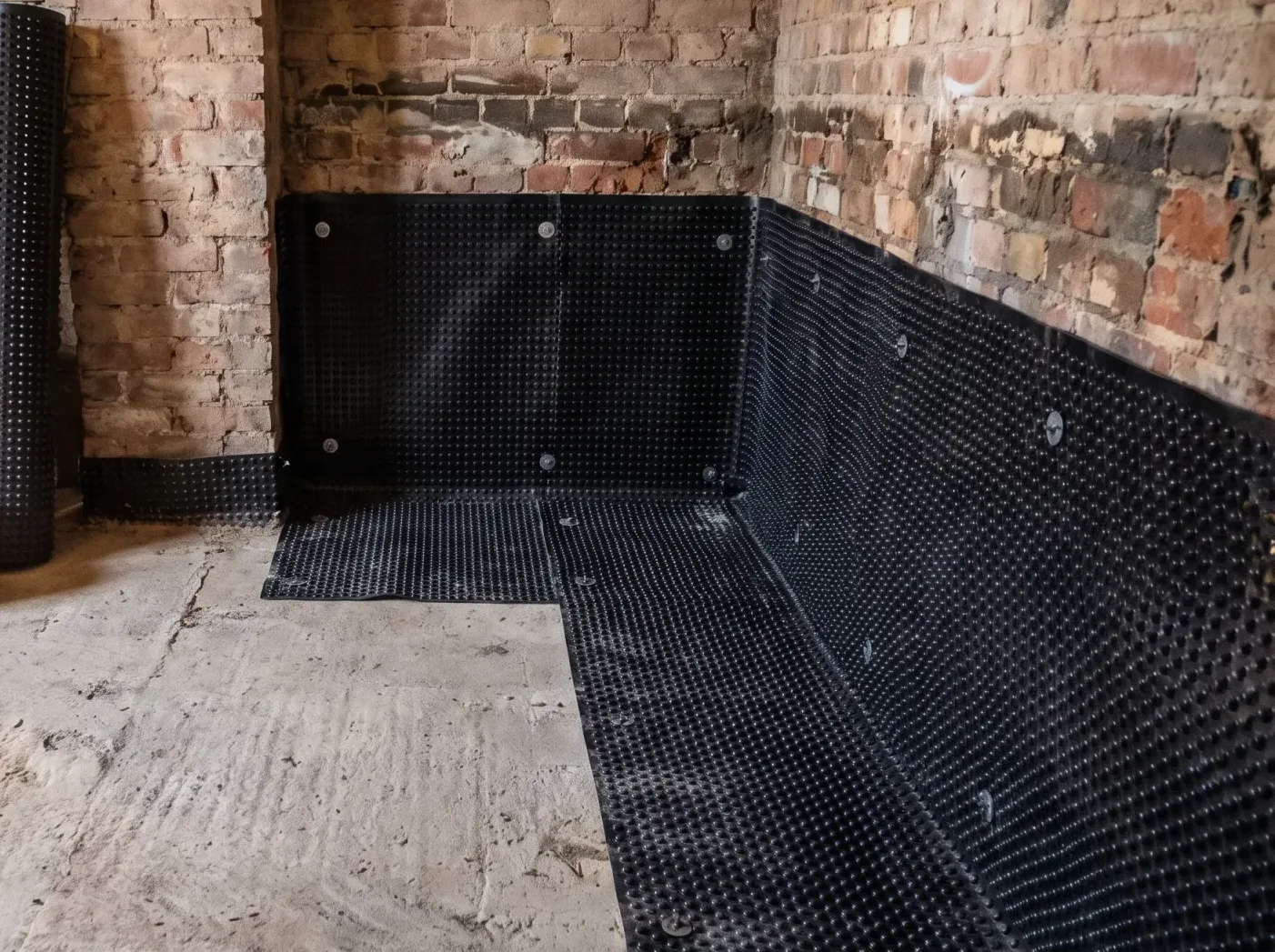
We begin by examining the site to measure moisture levels and pinpoint areas needing tanking, ensuring we grasp the situation before starting work.
Next, we clean and mend all surfaces, addressing cracks and defects to assure the tanking membrane adheres well and forms a solid barrier.
We layer the waterproof coating, focusing closely on corners and joints where leaks tend to occur, to ensure a solid seal.
After application, we let the tanking membrane cure fully, followed by a thorough inspection to confirm the waterproofing is intact and effective.
Upon completion and verification of the tanking, we clearly communicate with the client, provide any needed documentation, and confirm the site is ready for the next finishing stage.
Heavy rain lifts ground pressures. While executing winter tanking in London, hydrostatic force pushes against foundations through microscopic lime mortar fractures, demanding heavier multi-coat applications that cure slowly under controlled fan ventilation. Cold brick draws moisture inward faster, altering how slurry coats bond against porous Victorian stock bricks.
Warm air pulls water out too quickly. Quick evaporation causes thin bonding slurries to crack before developing strength. We mist damp backgrounds repeatedly to prevent premature shrinkage across mortar beds.
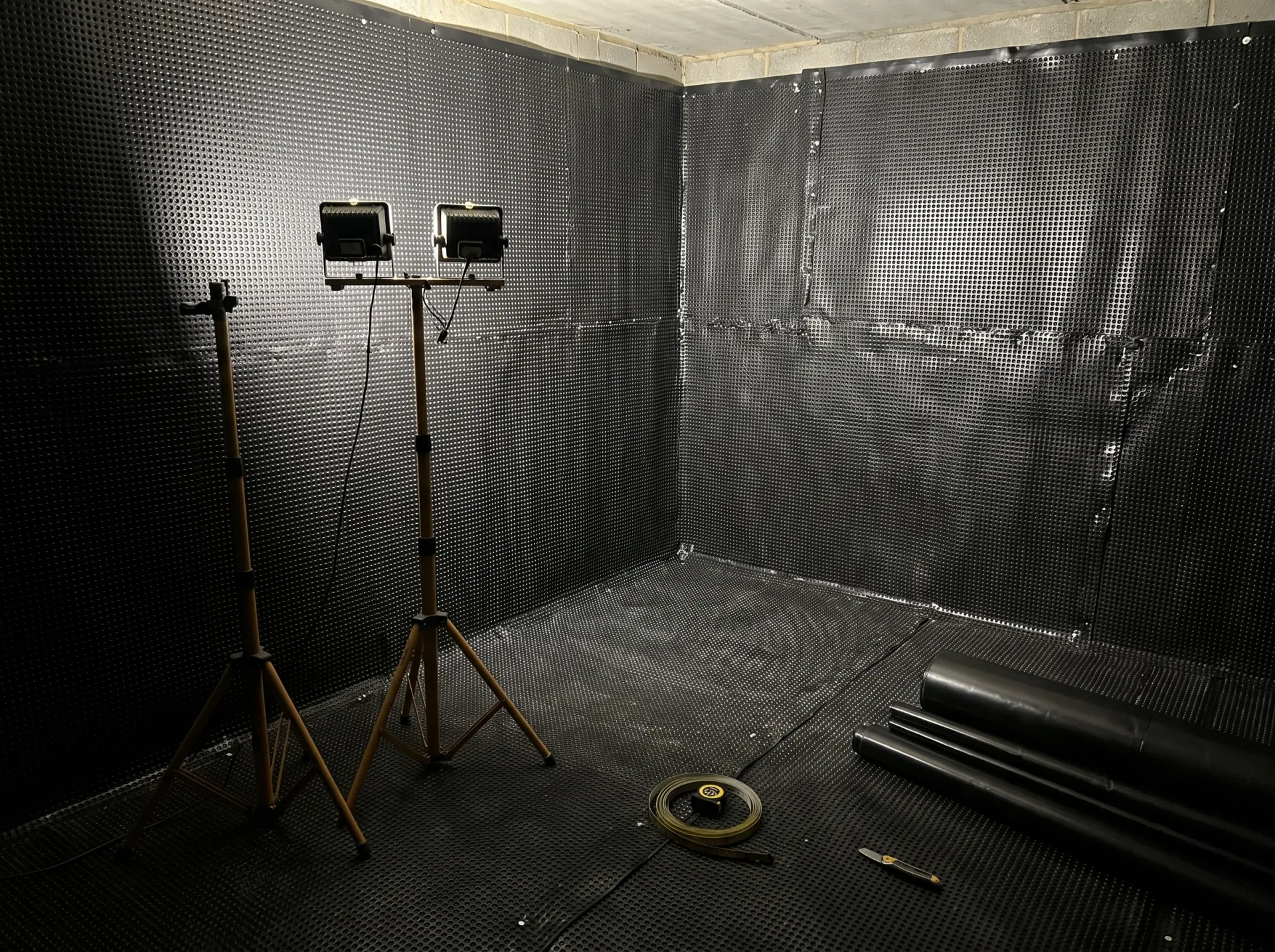
We have over 20 years of practical experience in tanking, delivering waterproofing services that withstand the test of time. Understanding the significance of a properly executed tanking layer to prevent water ingress in basements and below-ground walls is essential. Each project showcases our dedication to thorough surface preparation and precise application, ensuring optimal tanking performance.
Tanking requires careful examination and meticulous execution, particularly around corners and joints where leaks may form. We prioritize cleaning, correcting cracks, and applying multiple layers for a durable seal. This focus on detail curtails future issues and assures that the waterproofing barrier remains intact before any finishes are applied.
From the initial measurement through to project completion, we sustain transparent communication with both builders and clients. Our tanking service blends seamlessly into project timelines, averting delays and making certain waterproofing is completed on schedule. This straightforward methodology fosters a smooth building process and dependable defense against moisture.
With more than 20 years in plastering and finishing, we bring real-world experience to each tanking task. We first assess the site to recognize moisture risks before putting on the waterproof barrier. Our tanking process emphasizes cleaning surfaces, repairing cracks, and properly sealing joints to create a lasting waterproof layer. This practical method prevents damp and structural problems at their source.
We approach tanking with a comprehensive mindset, coordinating each step from measurement to final inspection. Maintaining clear communication throughout the process helps to eliminate surprises and stick to deadlines. The tanking membrane we use is designed to endure pressure, protecting basements and below-ground walls before any finishing work occurs. Our systematic, straightforward approach provides results you can trust.
We work in London and surrounding areas, offering direct communication for site visits and free estimates. Contact us to discuss your tanking needs and how we can assist you.
approx. 15 milesDistance from our base · Cheshunt
Call us07465266721Email uscontact@topplastering.ukWe serve your areaLondon and the surroundings
The Google map loads after you accept marketing cookies.


Maksymilian Mazur
Very satisfied with the service! Excellent communication, clean workmanship, and everything completed professionally. Highly recommended!
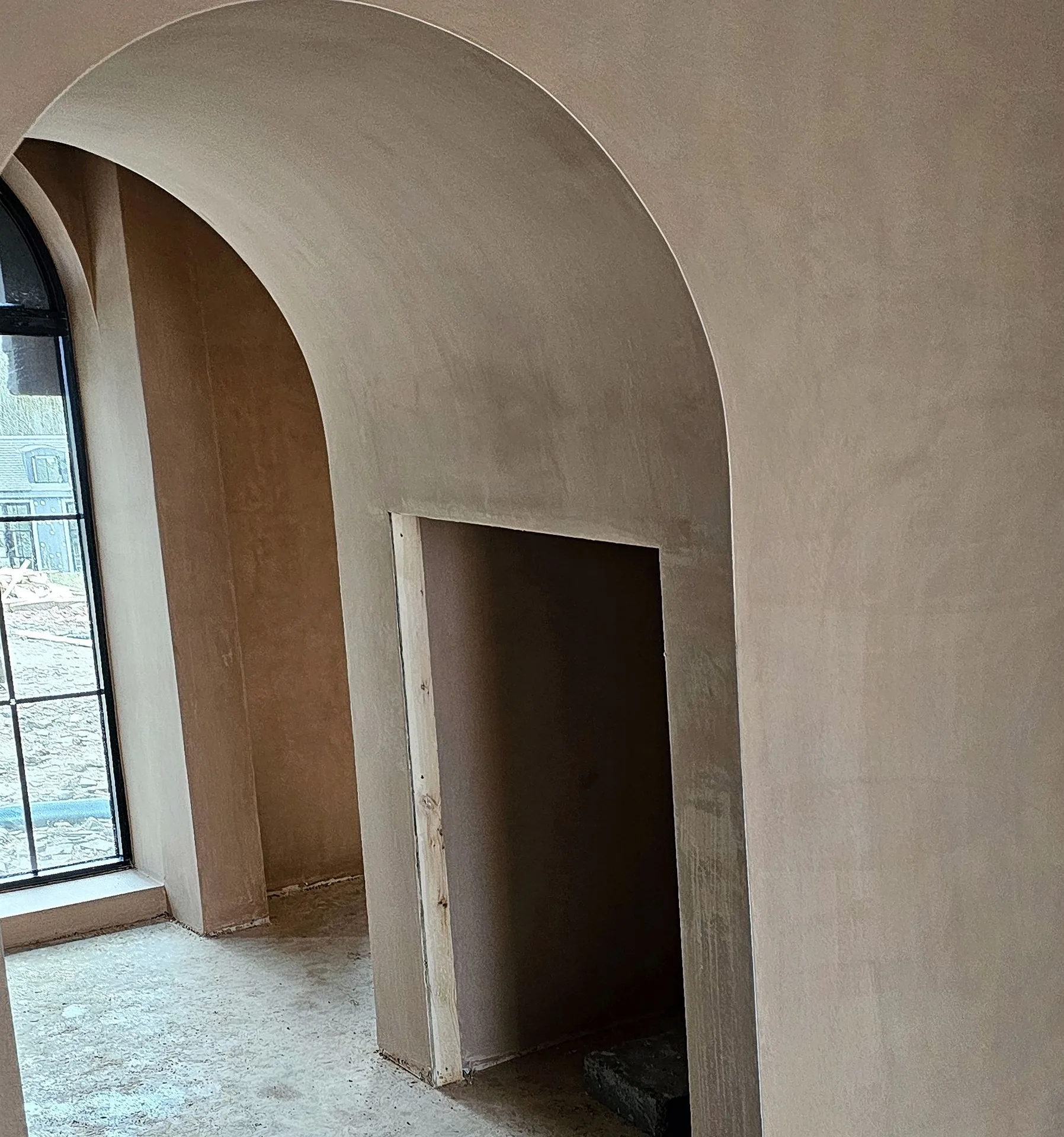
Tired walls and ceilings get a second life with skimming, giving you a flawless, durable finish every time.
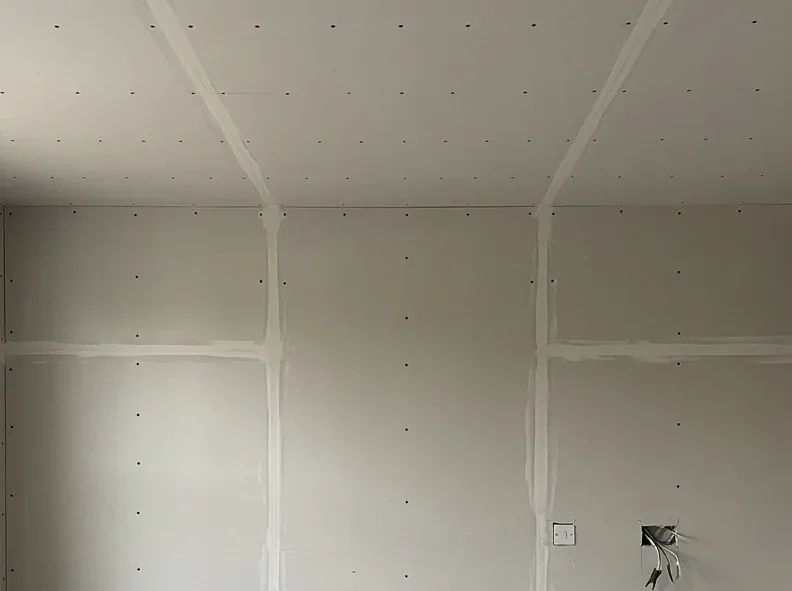
Experience matters-Topplastering handles plasterboarding for walls and ceilings so you get a truly solid finish.
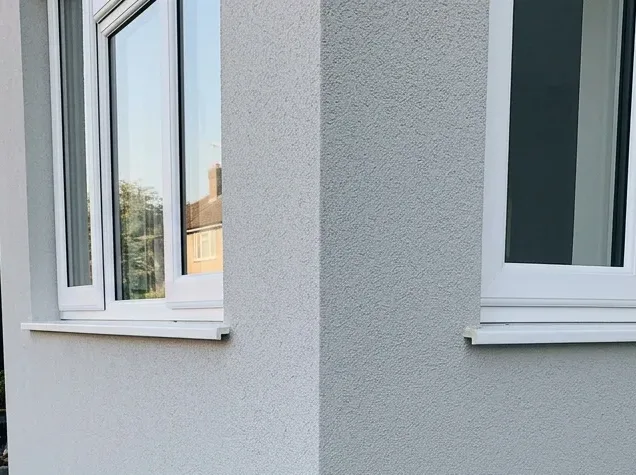
Rendering covers exterior and interior walls with a solid, even coat, protecting surfaces from weather and everyday wear.
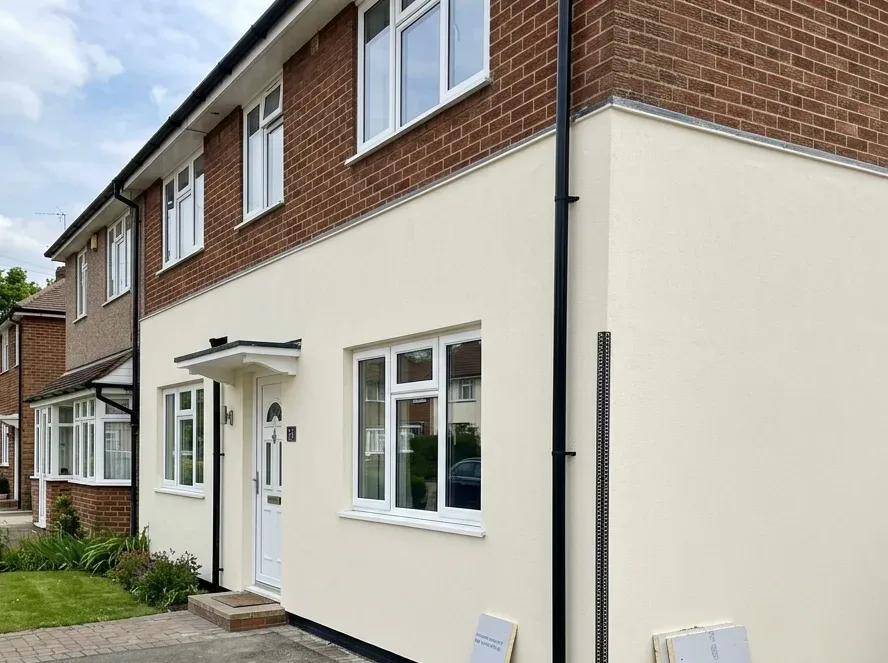
Upgrade your property with external wall insulation from Topplastering-cutting heating costs and improving your building’s appearance permanently.
Craftsmanship you can see
Every plastering project we complete leaves walls smooth, durable, and ready for whatever comes next.
No. Piercing the treated surface allows groundwater to exploit tiny screw holes and seep inward. Use self-supporting shelving units instead, or fix heavy storage frames into ceiling joists so the barrier beneath stays completely intact.
Ask how they handle joints between the floor and the wall, because that joint suffers the most hydrostatic strain. Also check what chemical salts they expect to find in your masonry and how their chosen system prevents salt migration.
Costs depend heavily on wall substrate conditions. One property might have stable modern brickwork, while another in London requires chipping away crumbling lime, removing stubborn bitumen coats, or rebuilding broken mortar courses before any waterproofing slurry adheres.
Slurries hold water back through structural adhesion directly on sound brick, which suits solid masonry without sump pumps. Studded membranes let incoming moisture trickle behind walls into perimeter channels, suiting sites where exterior pressure is too intense for direct bonding.