


Tanking establishes a robust, waterproof layer that prevents water from penetrating basements and below-ground walls, safeguarding your structure against dampness and damage.





Protect your project from moisture damage with our tanking service for basements and below-ground walls in Stratford.
Get a free quote
 Quick, no-obligation quote!
Tanking is crucial for anyone dealing with basements or cellars susceptible to moisture. Without adequate tanking, water can seep through walls and floors, resulting in dampness and potential structural issues. We apply tanking solutions that create a dependable waterproof barrier before any finishing work commences, ensuring your Stratford space stays dry and sound.
Builders participating in new constructions or refurbishments depend on tanking to protect below-ground structures. Our tanking process involves meticulous surface preparation and accurate application, preventing water ingress that might jeopardize the build. This method fits into the construction timeline, delivering lasting results to uphold the project's integrity.
Homeowners facing damp conditions in basements or rising water tables require effective tanking methods to prevent mold and damage. We offer tanking services tailored specifically for properties like yours, addressing problem areas with a waterproof layer directly applied to concrete or masonry. This technique halts moisture at the source, maintaining your home's value and comfort.
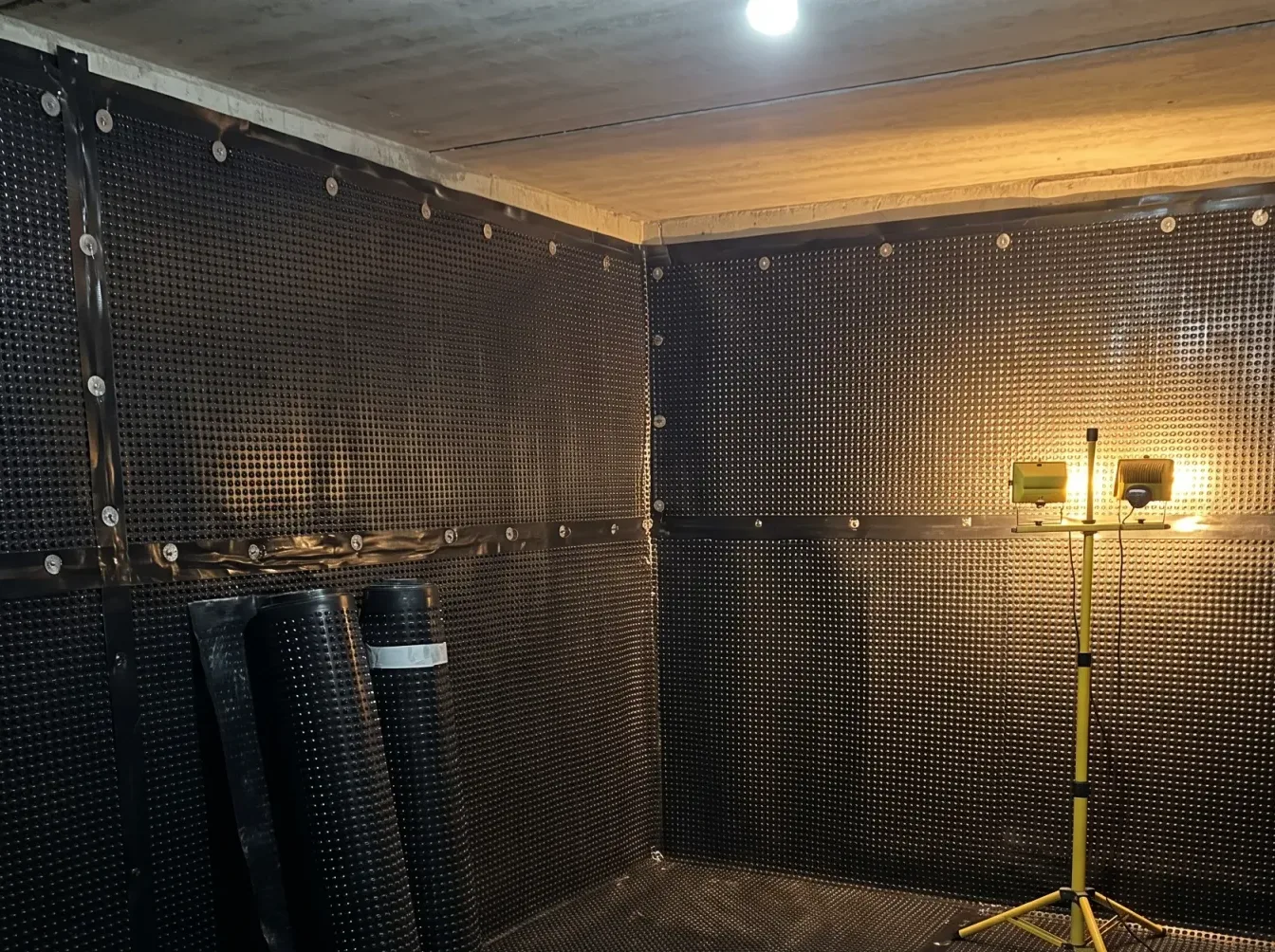
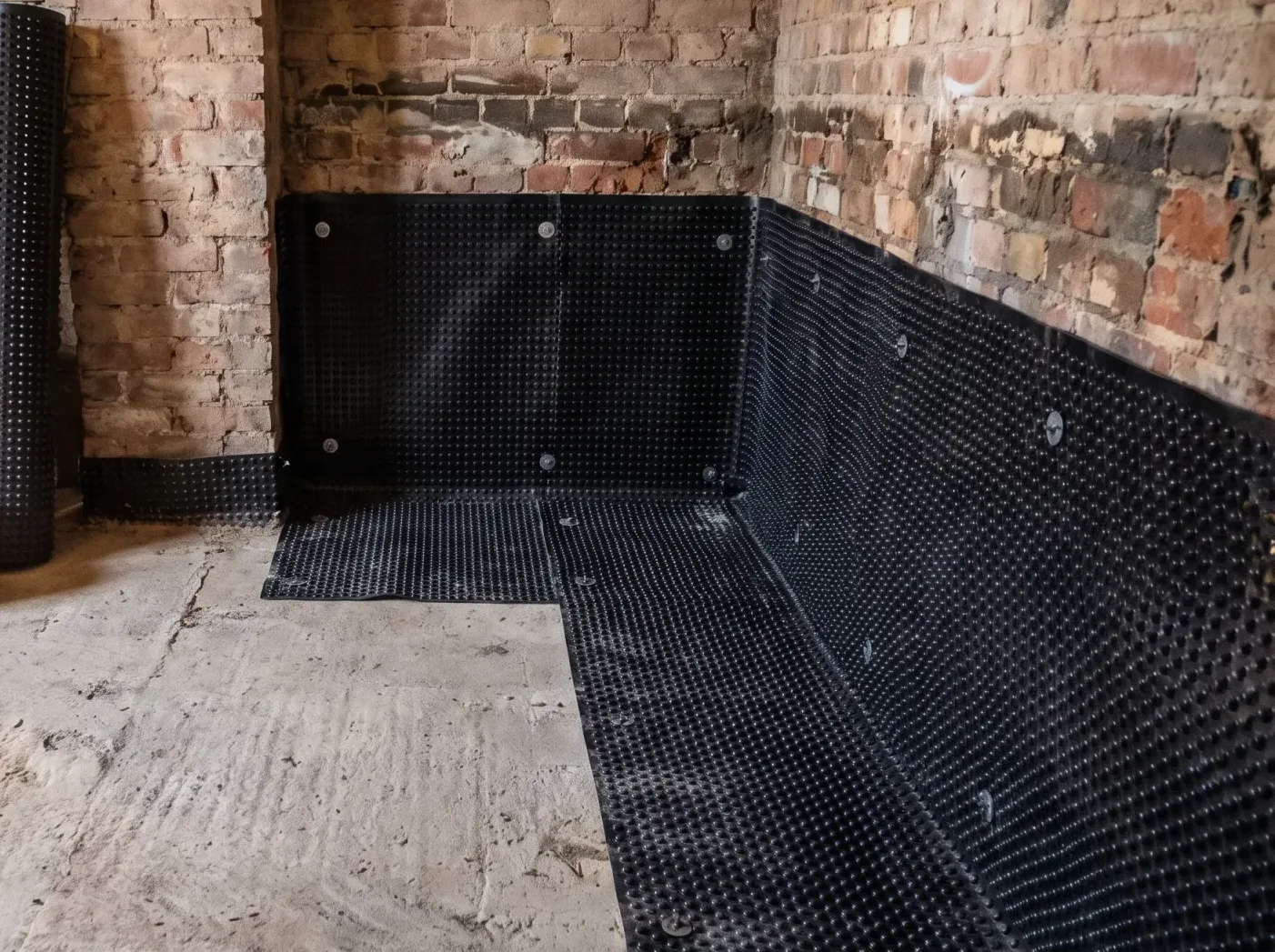
Cold months push groundwater upward through garden soil. When undertaking tanking in Stratford during soggy autumn weeks, we watch how liquid pools behind porous brickwork before any slurry dries. Freezing nights expand hidden pockets behind old mortar beds. Wet brick behaves very differently from bone-dry masonry indoors.
Warm spells make garden clay shrink away from external footings. That movement creates tiny gaps where later downpours rush straight toward the cellar base. We check hairline fractures along foundation corners while managing indoor ventilation carefully, especially since humid air can make fresh coatings sweat rather than set firmly against the substrate.
Tanking establishes a robust, waterproof layer that prevents water from penetrating basements and below-ground walls, safeguarding your structure against dampness and damage.
With our accurate application, tanking provides enduring resistance to water ingress, minimizing the need for expensive repairs later.
By avoiding moisture accumulation, tanking plays a key role in preserving the strength of concrete and masonry, preventing cracks and deterioration over time.
Effective tanking eliminates moisture sources conducive to mold growth, enhancing indoor air quality and fostering a healthier living environment.
Tanking is executed prior to any finishing, allowing for smooth continuation of plastering or other surface treatments without risking waterproofing.
We thoroughly inspect and repair surfaces ahead of tanking, ensuring the waterproof layer adheres correctly and operates as intended.
From initial measurement to completion, we keep you updated at every stage, providing tanking services on schedule and to your specifications.
Pack everything away from damp corners. Shifting heavy timber shelving, cardboard archives and rusted workbenches gives our trowels enough swing space across the entire brick run. When executing tanking in Stratford basements, leaving old nails or rotten battens anchored into masonry will compromise the barrier right where cold water presses hardest.
Copper pipework and consumer units cannot remain boxed inside wet timber casings during plastering work. Turn off power feeds to exposed cellar sockets so crews can safely scrape crumbly lime back to solid substrate without snagging hidden cabling. A tidy crawl space allows smooth application around awkward waste pipes.
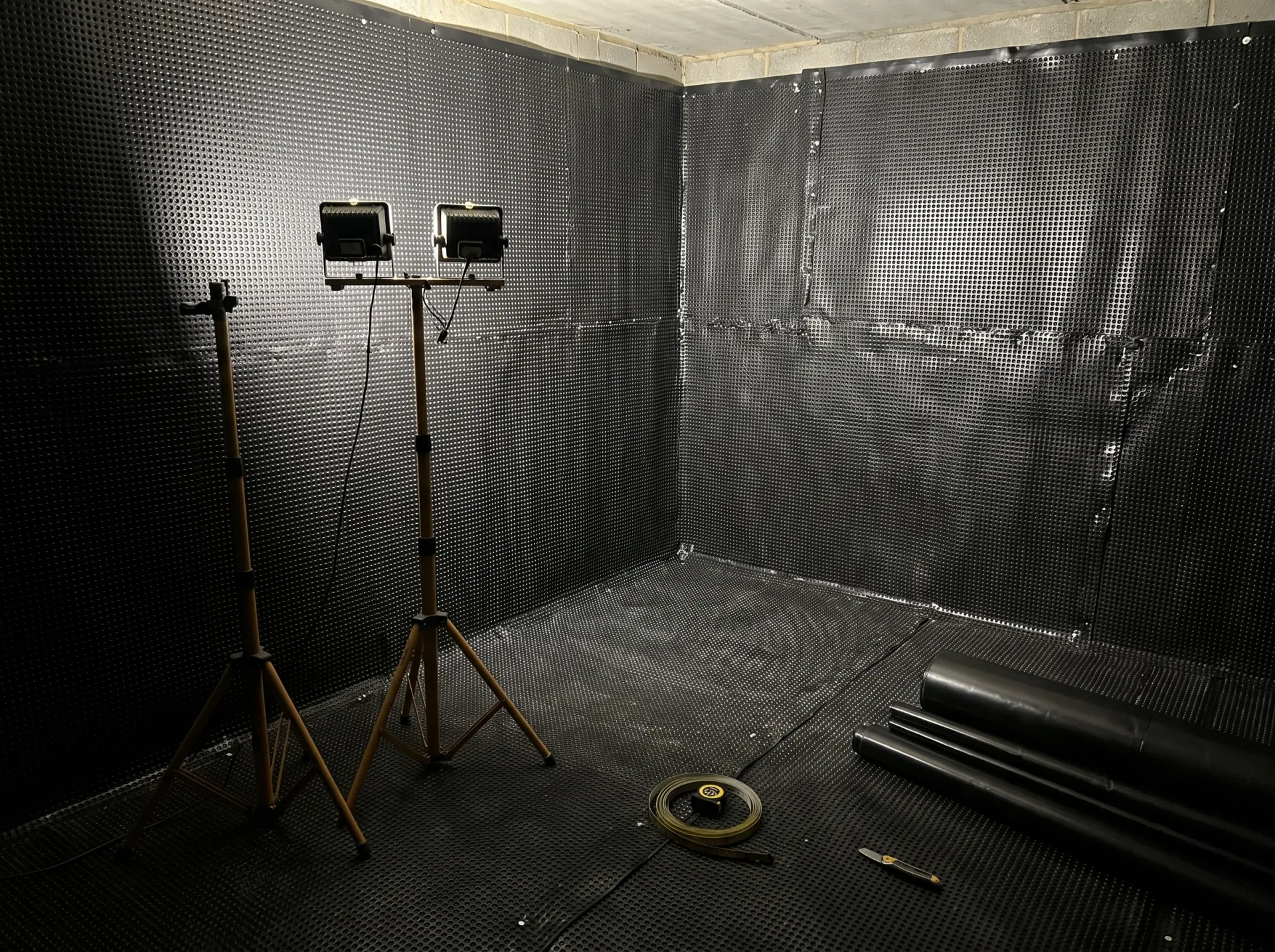
We start by examining the site to assess moisture levels and pinpoint areas requiring tanking, ensuring a clear understanding before starting work.
Next, we clean and repair all surfaces, addressing cracks and flaws to guarantee the tanking membrane bonds effectively and creates a solid barrier.
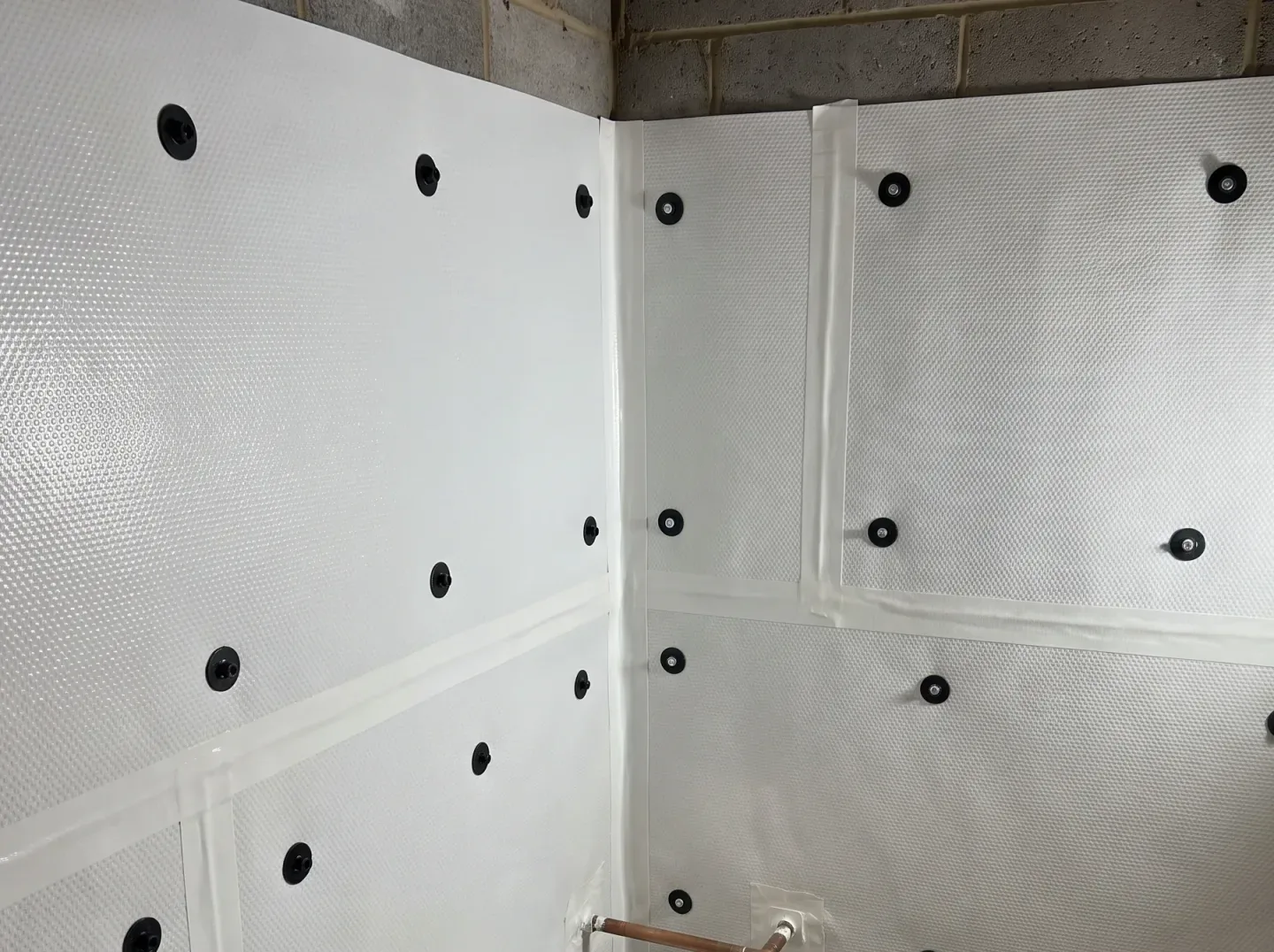
We apply the waterproof coating in layers, paying close attention to corners and joints where leaks are likely, establishing a continuous seal.
Once applied, we allow the tanking membrane to cure completely, then conduct a thorough inspection to ensure the waterproofing is intact and effective.
After completing and verifying the tanking, we clearly communicate with you, provide necessary documentation, and ensure the site is ready for subsequent finishing.
Tanking forms a solid waterproof barrier on basements and below-ground walls, stopping moisture before it penetrates the structure. We undertake tanking carefully over cleaned and mended surfaces to ensure maximum adhesion and coverage. This action prevents dampness and water ingress that can lead to mold or damage, securing your build's integrity from the ground up.
With tanking from us, you receive lasting protection that withstands the test of time. Our approach seals vulnerable areas like corners and joints where leaks commonly start, lessening future maintenance requirements. This method maintains dry basements and stable walls, enhancing your property's lifespan without unwanted surprises.
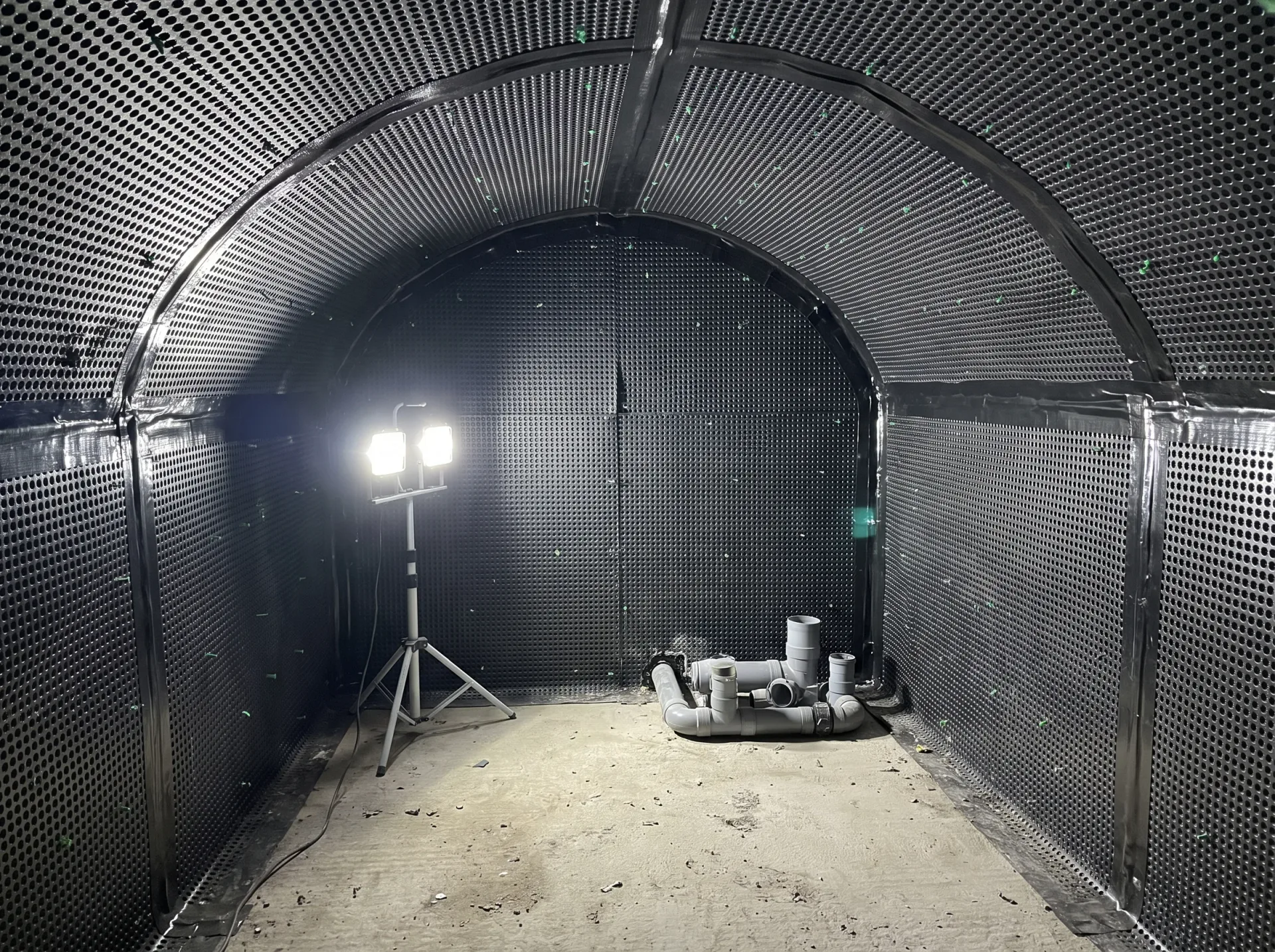
Warm pipe coils must never rest directly against freshly coated masonry. When coordinating tanking in Stratford with plumbing sub-contractors, we verify that edge insulation strips sit correctly between screed borders and treated wall returns. Heat drives residual dampness sideways into neighboring timber joints if the barrier margin stops short beneath timber skirting boards.
Stale air traps humidity. Ducted fans must extract humid air without pulling moisture through unsealed ceiling voids. We check that extract cowls penetrate treated masonry through sealed sleeves, preventing rainwater from tracking along the galvanized ductwork directly onto newly finished wall surfaces.
Heavy cables need proper spacing. Fixings for distribution boxes must not pierce waterproof coats after application. We mount timber grounds before barrier coats bond to raw brickwork, so electricians screw meter backboards into place without drilling through fresh damp seals.
With over two decades in plastering and finishing, we bring hands-on experience to every tanking assignment. We begin by thoroughly assessing the site to identify moisture risks before putting down the waterproof barrier. Our tanking process emphasizes precision in cleaning surfaces, mending cracks, and sealing joints to ensure a lasting waterproof layer. This practical technique prevents dampness and structural damage from the ground up.
We handle tanking as part of an overall service, coordinating every phase from measurement to final inspection. Clear communication throughout the project avoids surprises and ensures deadlines are met. The tanking membrane we apply is designed to endure pressure, protecting basements and below-ground walls before any finishing work begins. Our systematic approach delivers results you can depend on.
We proudly serve Stratford and its surrounding areas. Reach out for a free estimate via phone or online. We are just about 15 miles from our base.
approx. 15 milesDistance from our base · Cheshunt
Call us07465266721Email uscontact@topplastering.ukWe serve your areaStratford and the surroundings
The Google map loads after you accept marketing cookies.


Maksymilian Mazur
Very satisfied with the service! Excellent communication, clean workmanship, and everything completed professionally. Highly recommended!
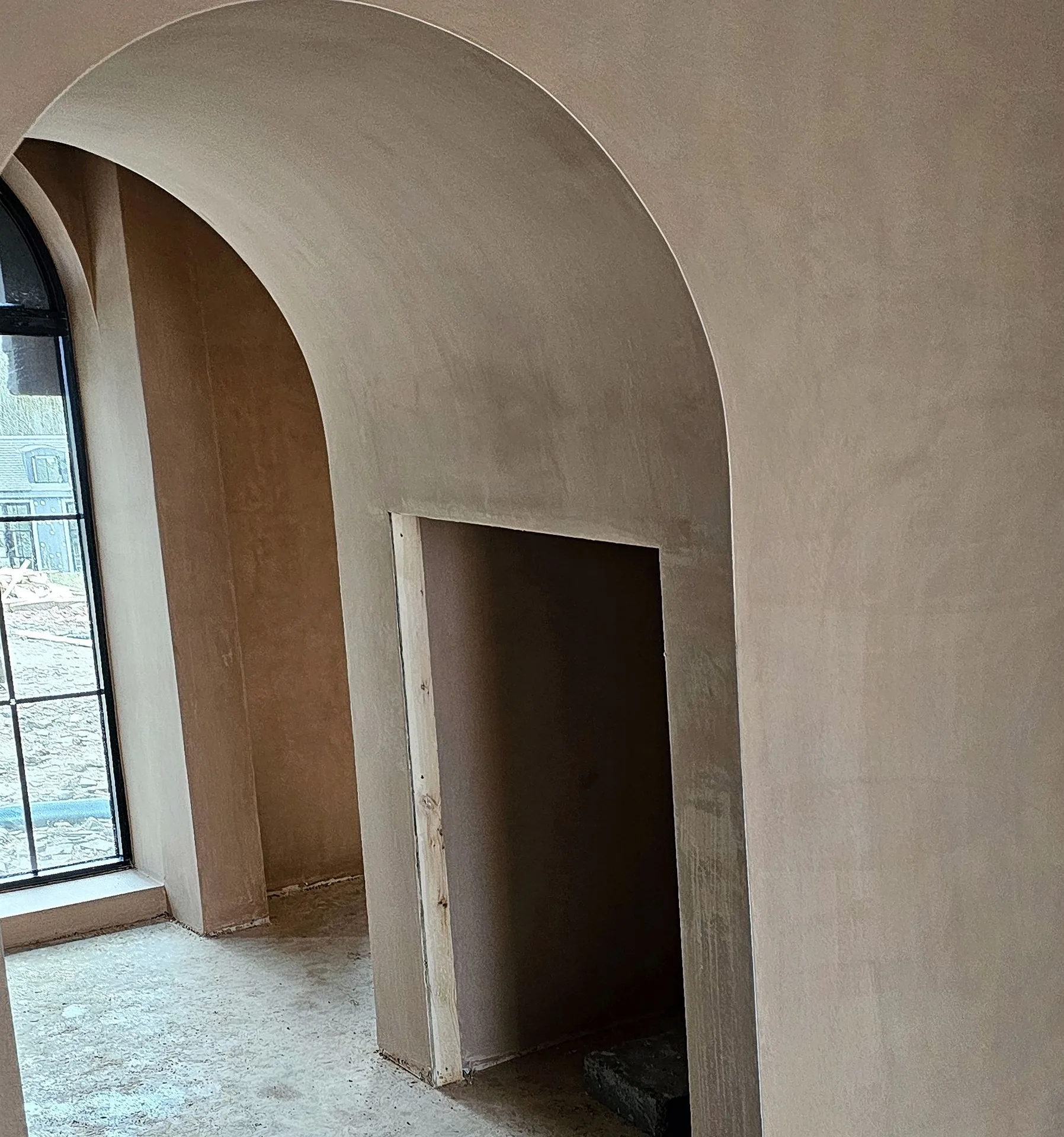
Tired walls and ceilings get a second life with skimming, giving you a flawless, durable finish every time.
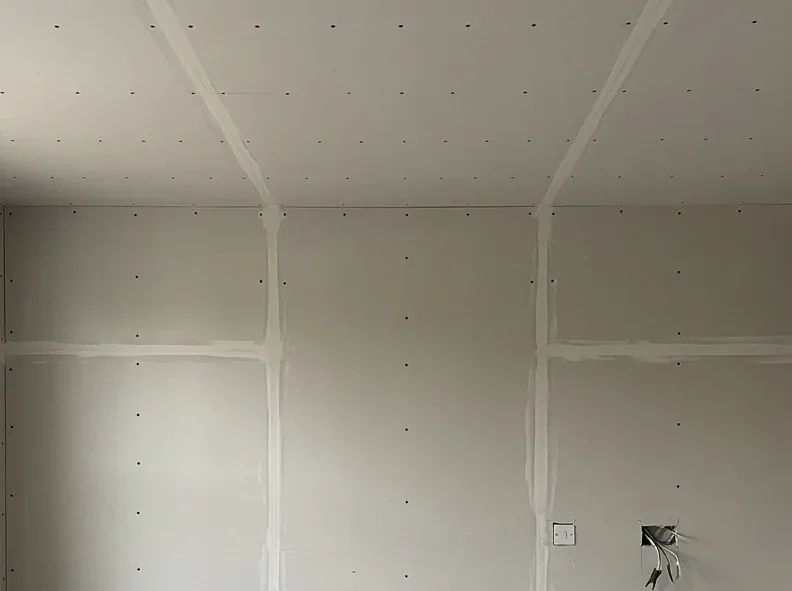
Experience matters-Topplastering handles plasterboarding for walls and ceilings so you get a truly solid finish.
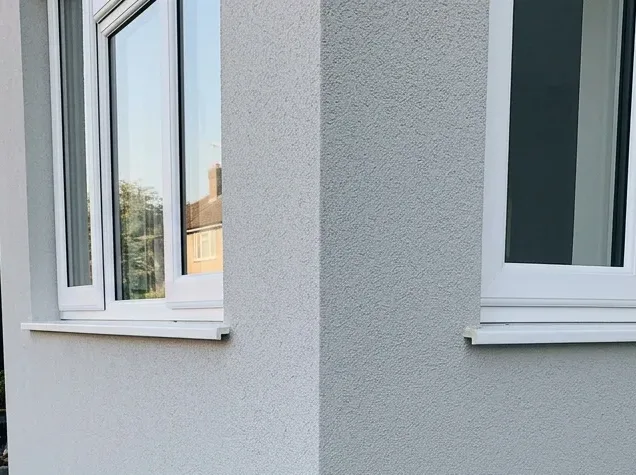
Rendering covers exterior and interior walls with a solid, even coat, protecting surfaces from weather and everyday wear.

Upgrade your property with external wall insulation from Topplastering-cutting heating costs and improving your building’s appearance permanently.
Craftsmanship you can see
Every plastering project we complete leaves walls smooth, durable, and ready for whatever comes next.
Selection depends on how much water pushes through soil behind external walls. Slurry bonds directly onto solid masonry where ground pressure stays low, whereas studded plastic sheets drain water behind panels into sumps when brick faces show crumbling lime or heavy salt contamination.
Yes, because coatings fail if applied over flaky paint or rotten timber battens. Stripping surfaces back to bare masonry lets bonding agents sink into joints properly. Moving loose belongings outside saves setup time and keeps stored possessions free from dust while specialists scrape brickwork.
Ask how they handle floor joints and wall junctions, because water always tracks toward room perimeters. Reliable contractors discuss surface preparation and salt contamination immediately rather than rushing to cover problems with plasterboards, and they explain clearly how drainage ties into tanking in Stratford basements.
Pricing hinges on wall condition, ease of access, and contamination levels across old masonry. A clean brick room costs less to prepare than a cellar coated in bituminous paint, oil residue, or powdery mortar that requires extensive mechanical removal before application can begin.