


Tanking creates a solid, waterproof layer that prevents water from penetrating basements and below-ground walls, thereby safeguarding your structure against damp and decay.





Protect your property from moisture damage with our tanking service in Romford for basements and below-ground walls.
Get a free quote
 Quick, no-obligation quote!
Tanking is crucial for anyone facing wet basements or cellars susceptible to moisture. Without effective tanking, water can seep into walls and flooring, resulting in dampness and potential structural problems. In Romford, we apply our tanking systems to form a waterproof barrier before any finishing work, ensuring the space remains dry and secure.
Contractors working on new builds or renovations depend on tanking to protect below-ground elements. Our tanking procedures involve meticulous surface preparation and careful application, which helps mitigate water ingress that could damage the structure. This method fits neatly into the construction schedule, providing lasting protection that maintains the project’s integrity.
Homeowners dealing with damp basements or rising water levels require effective tanking solutions to prevent mold and structural damage. Our services in Romford cater to existing properties, addressing trouble spots with a waterproof layer directly on concrete or masonry. This work halts moisture at its source, helping to maintain the home’s comfort and value.
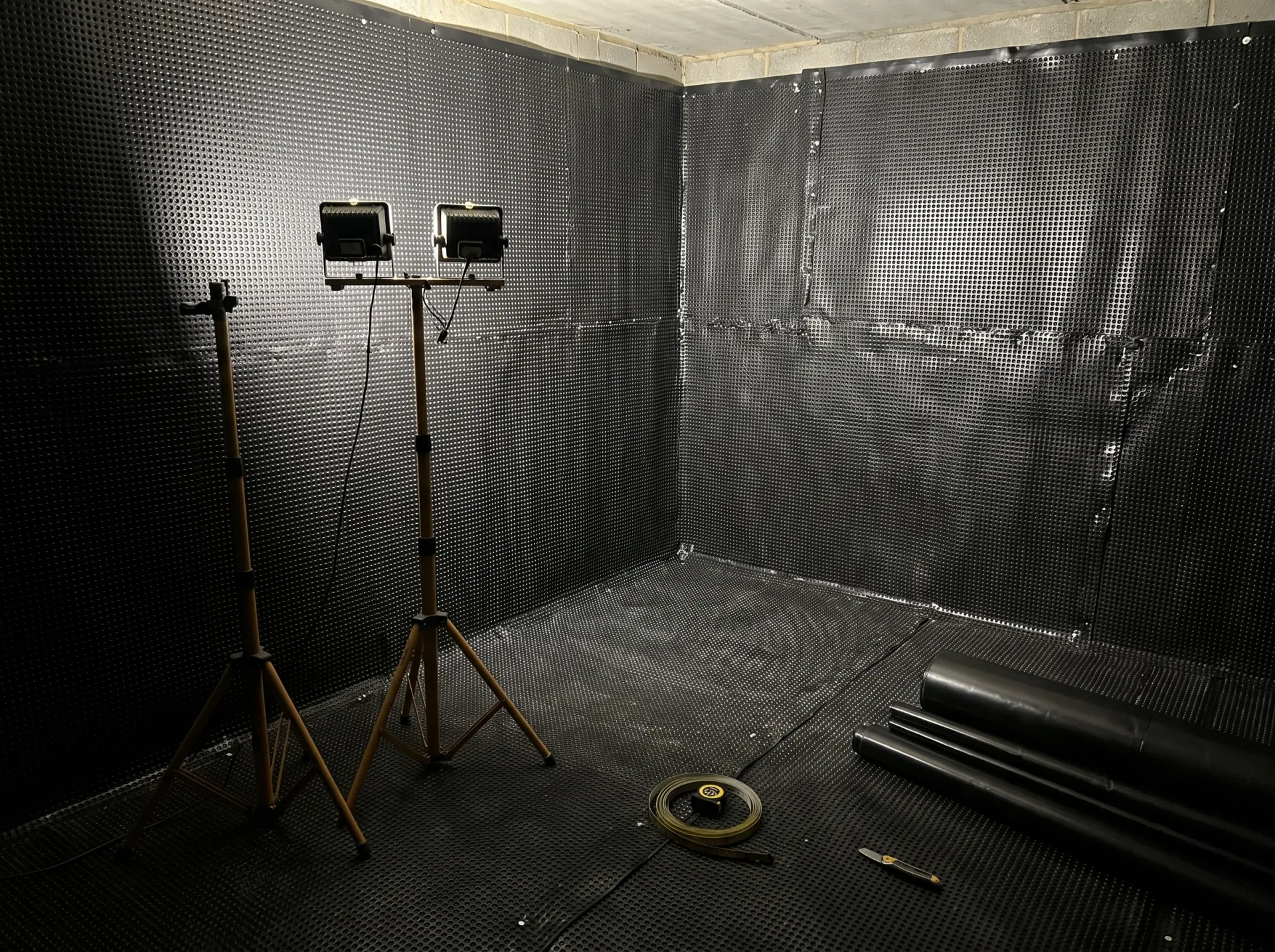
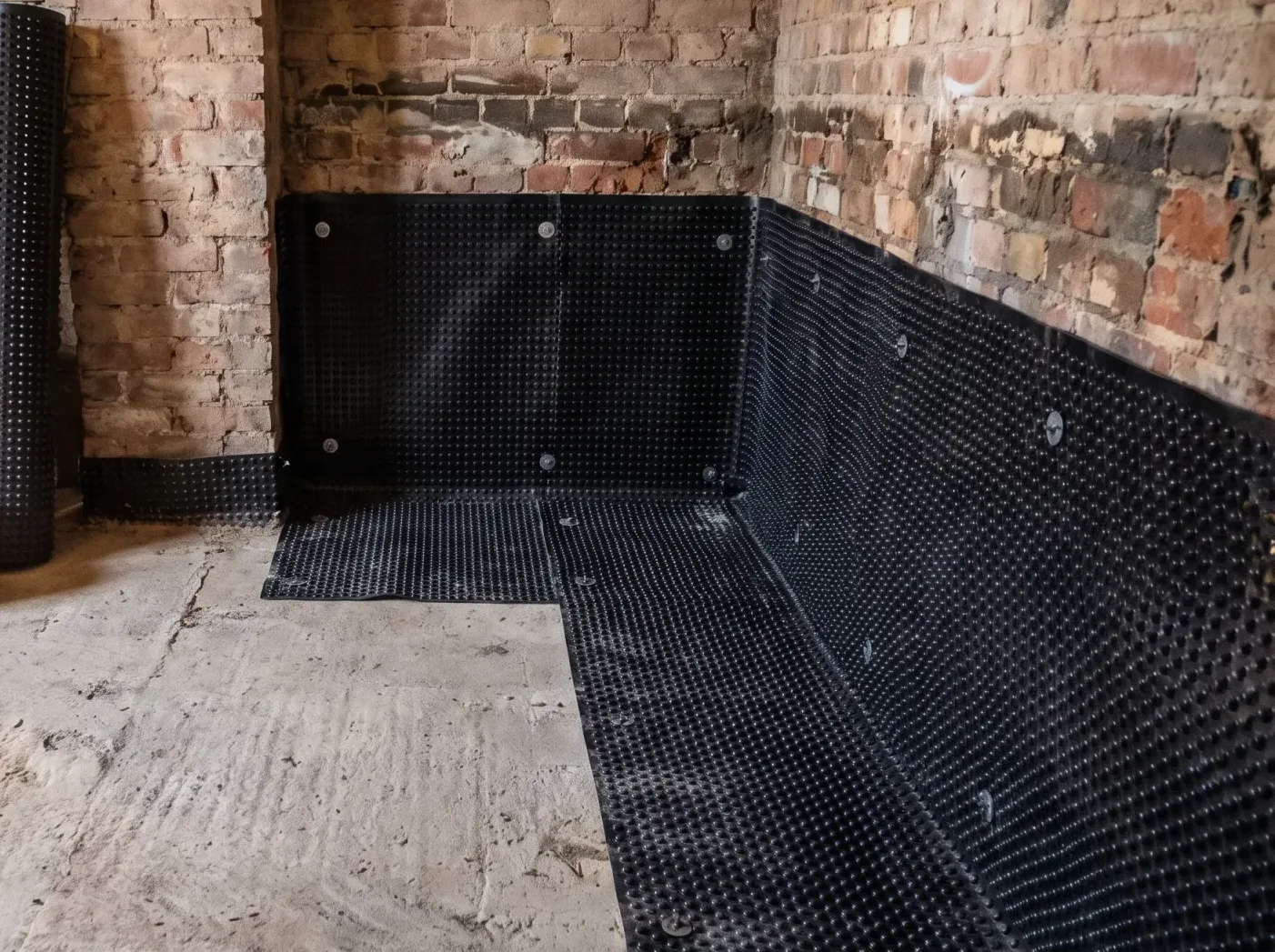
Tanking from our team in Romford concentrates on basements, cellars, and all underground walls that need safeguarding from water entry. We put waterproof layers in place before finishing work commences, ensuring that surfaces are entirely sealed against moisture. This approach prevents the dampness and structural issues often associated with water leakage in these key areas.
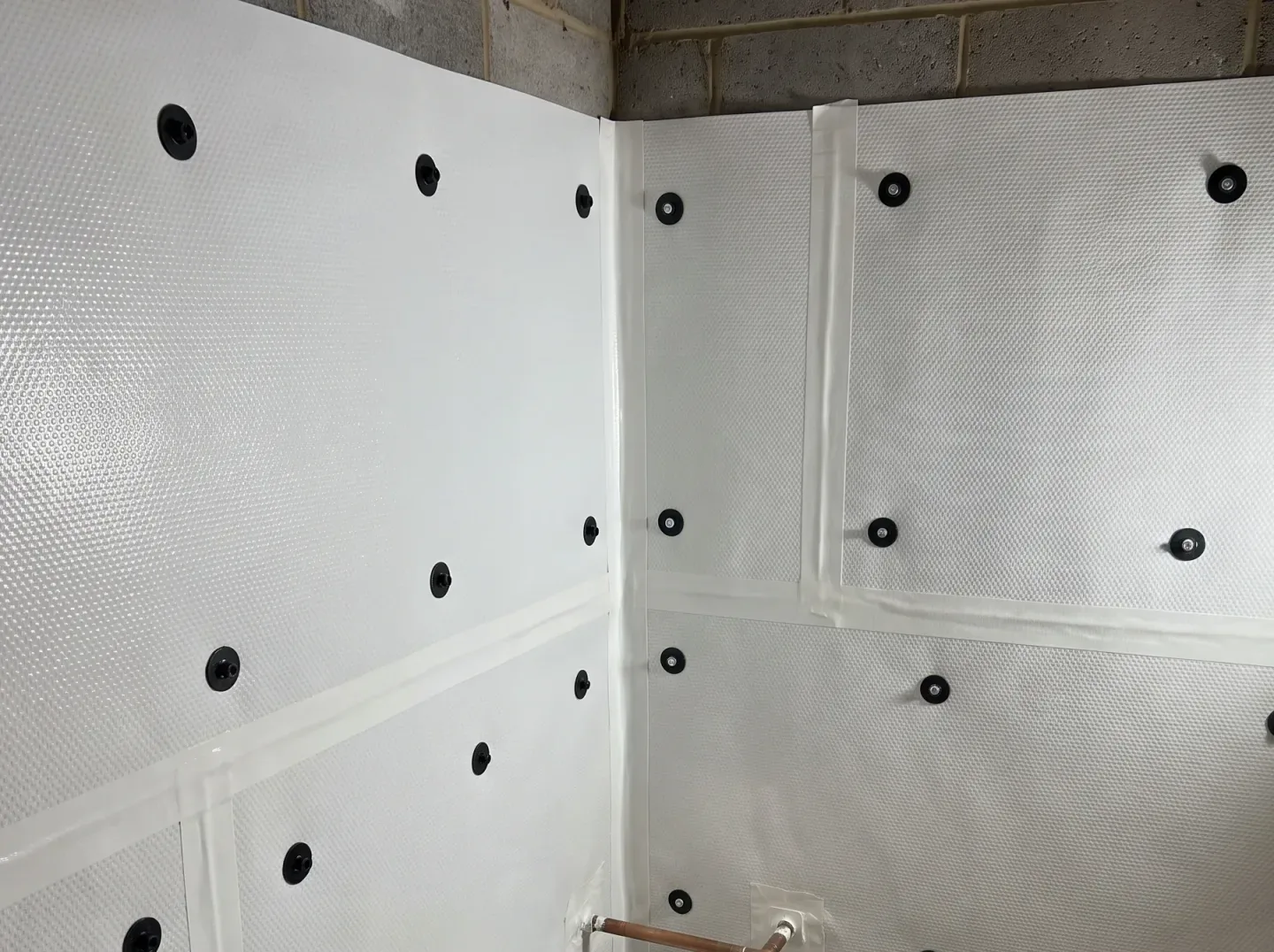
Our tanking service begins with a thorough site assessment and surface preparation to ensure optimal adhesion of the waterproof barrier. We meticulously apply the tanking membrane in layers, watching corners and joints closely where leaks might occur. The end result is a robust, watertight seal that integrates smoothly with subsequent finishing tasks.
Tanking creates a solid, waterproof layer that prevents water from penetrating basements and below-ground walls, thereby safeguarding your structure against damp and decay.
With our careful application, tanking provides lasting protection from water entry, diminishing the need for expensive repairs in the future.
By blocking moisture build-up, tanking helps retain the strength of concrete and masonry, preventing cracks and degradation over time.
Effective tanking removes moisture sources that encourage mold development, enhancing indoor air quality and fostering a healthier environment.
Tanking is done prior to finishing touches, allowing for uninterrupted plastering or other surface treatments while keeping waterproofing intact.
We conduct a thorough assessment and repair of surfaces before tanking to ensure that the waterproof layer adheres properly and functions effectively.
From initial measurements to project completion, we keep you updated at every stage, delivering tanking services on schedule and adhering to specifications.
Move loose boxes first. When delivering tanking in Romford, we need uninterrupted access to every brick joint, meaning timber shelving, old boilers, and clutter against external walls must be completely shifted outwards so technicians can inspect substrate conditions without hidden corners. Emptying these lower spaces prevents dust damage to household items while trades walk through.
Plumbing lines complicate access. Surface-mounted copper pipes, gas meters, and electrical conduits sitting tightly across masonry prevent proper bonding coats from gripping bare surfaces beneath, requiring temporary unfastening or bracket extensions before application crews begin hacking away defective pointing. Stripping loose fittings early prevents unexpected project delays.
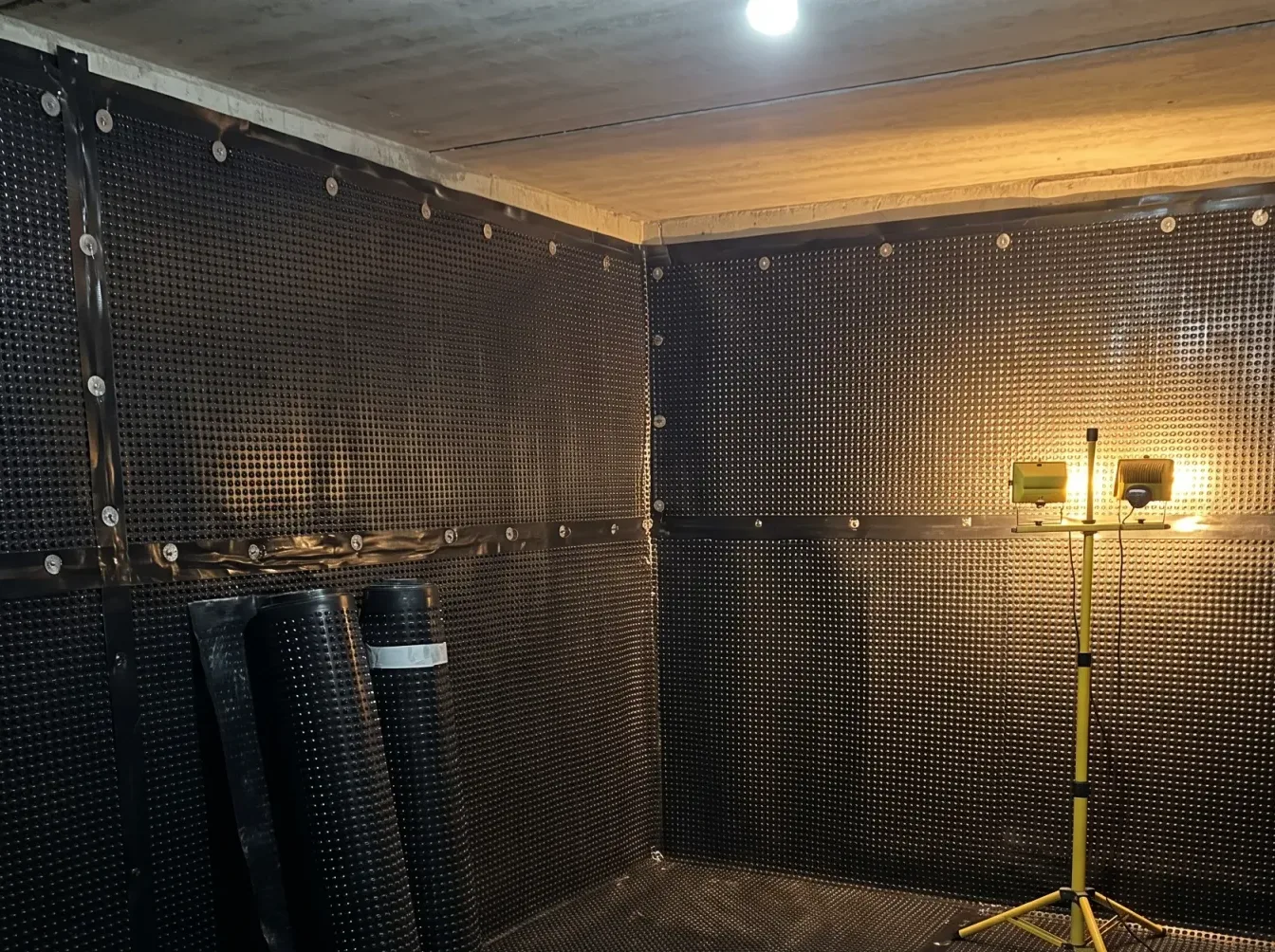
We kick off by assessing the site to gauge moisture levels and pinpoint areas that require tanking, ensuring we grasp the scope before starting any work.
Next, we clean and fix all surfaces, addressing any cracks and flaws to guarantee that the tanking membrane adheres properly and forms a solid barrier.
We layer the waterproof coating meticulously, focusing on corners and joints where leaks may form, establishing a continuous seal.
Following application, we allow the tanking membrane to cure effectively, then carry out a detailed inspection to ensure that the waterproofing is intact and functioning correctly.
Once tanking is finished and confirmed, we communicate clearly with you, providing any necessary documentation and readying the site for subsequent finishing.
Frost ruins fresh slurry. During bitter cold snaps, liquid-applied compounds struggle to dry properly and can crystallise before setting, which is why when organising tanking in Romford during winter periods we monitor internal brick warmth rather than air temperatures. Space heaters help warm damp cellar footings. Avoid starting coatings on frozen bricks entirely.
Humid summer storms create problems. When thick outside humidity meets subterranean cold masonry, condensation pools on bare vertical blocks, diluting specialized coats while they cure and causing bubbling across lower courses. Steady airflow using extraction fans resolves this surface sweating before compound spreads.
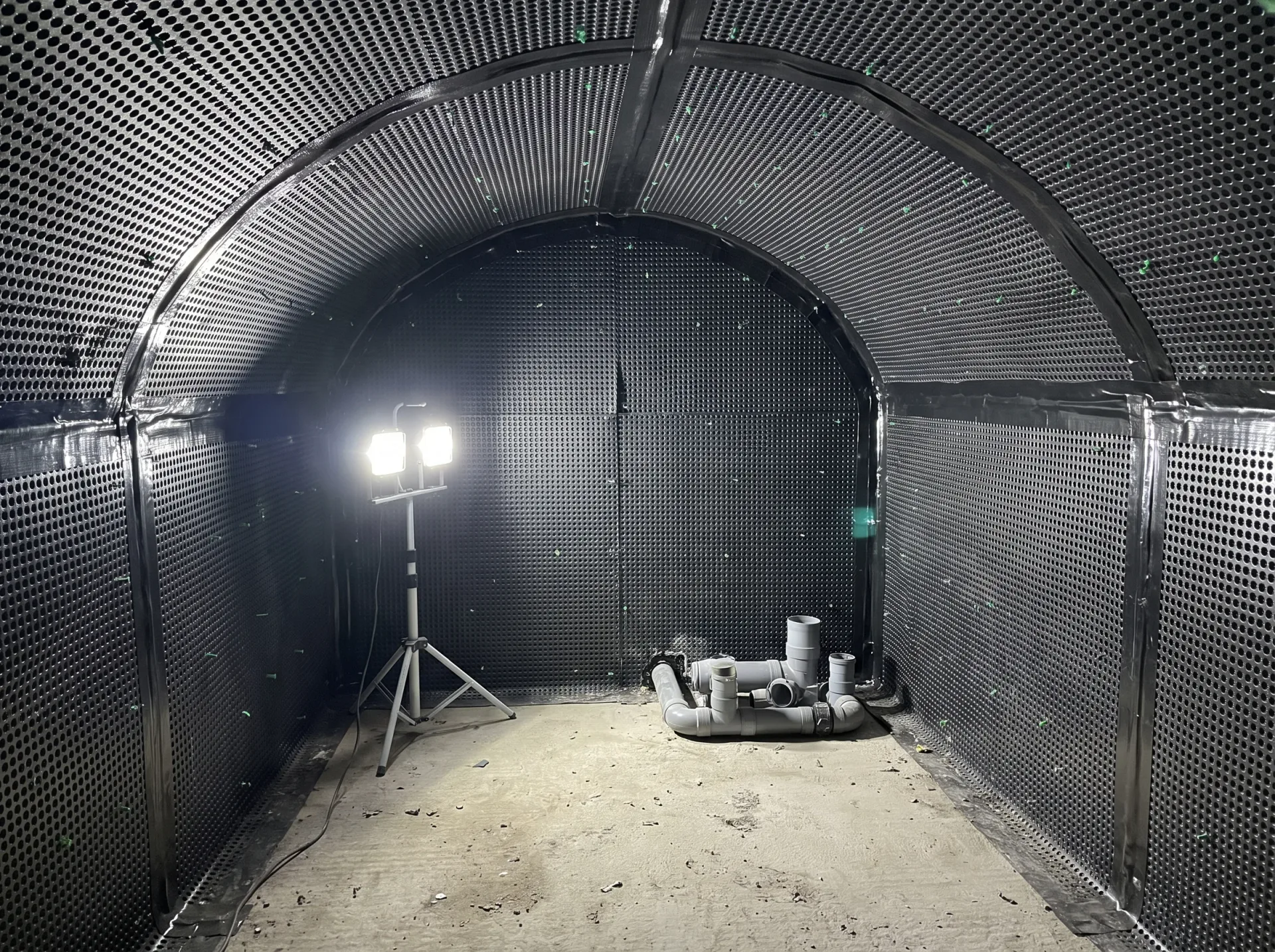
Never puncture treated brickwork. Homeowners often install heavy shelving by driving standard masonry screws straight through the finished lining, which instantly punctures waterproof seals and invites groundwater back into dry rooms, making tanking in Romford completely ineffective at those precise drill penetrations. Use free-standing storage racks instead of wall brackets.
Do not rush drying. Cranking central heating radiators directly after trades finish plaster coatings causes rapid shrinkage cracking across perimeter junctions, pulling waterproof layers away from mortar joints. Gentle background ventilation dries rooms safely. Rushing drying creates hairline gaps along floor edges.
Air must circulate constantly. Covering low air vents with storage cupboards traps warm ambient humidity against coated cellar walls, encouraging patchy surface condensation that looks like incoming structural leaks. Keep grilles completely open year round.
With two decades in plastering and finishing, we bring hands-on knowledge to each tanking project. Our process begins with a thorough site evaluation to identify moisture risks prior to installing the waterproof barrier. We focus on meticulously cleaning surfaces, repairing cracks, and sealing joints, ensuring a lasting waterproof layer to prevent damp and structural issues.
We manage tanking as part of our holistic service, coordinating each step from measurements to final checks. Clear communication throughout the process helps avoid surprises and ensures we meet deadlines. The tanking membranes we use are designed to withstand pressure, safeguarding basements and below-ground walls before any finishing work begins. Our structured, straightforward execution leads to dependable results.
We operate in Romford and surrounding areas. Contact us by phone for a free estimate, or we can arrange a site visit to assess your needs accurately.
approx. 15 milesDistance from our base · Cheshunt
Call us07465266721Email uscontact@topplastering.ukWe serve your areaRomford and the surroundings
The Google map loads after you accept marketing cookies.


Maksymilian Mazur
Very satisfied with the service! Excellent communication, clean workmanship, and everything completed professionally. Highly recommended!
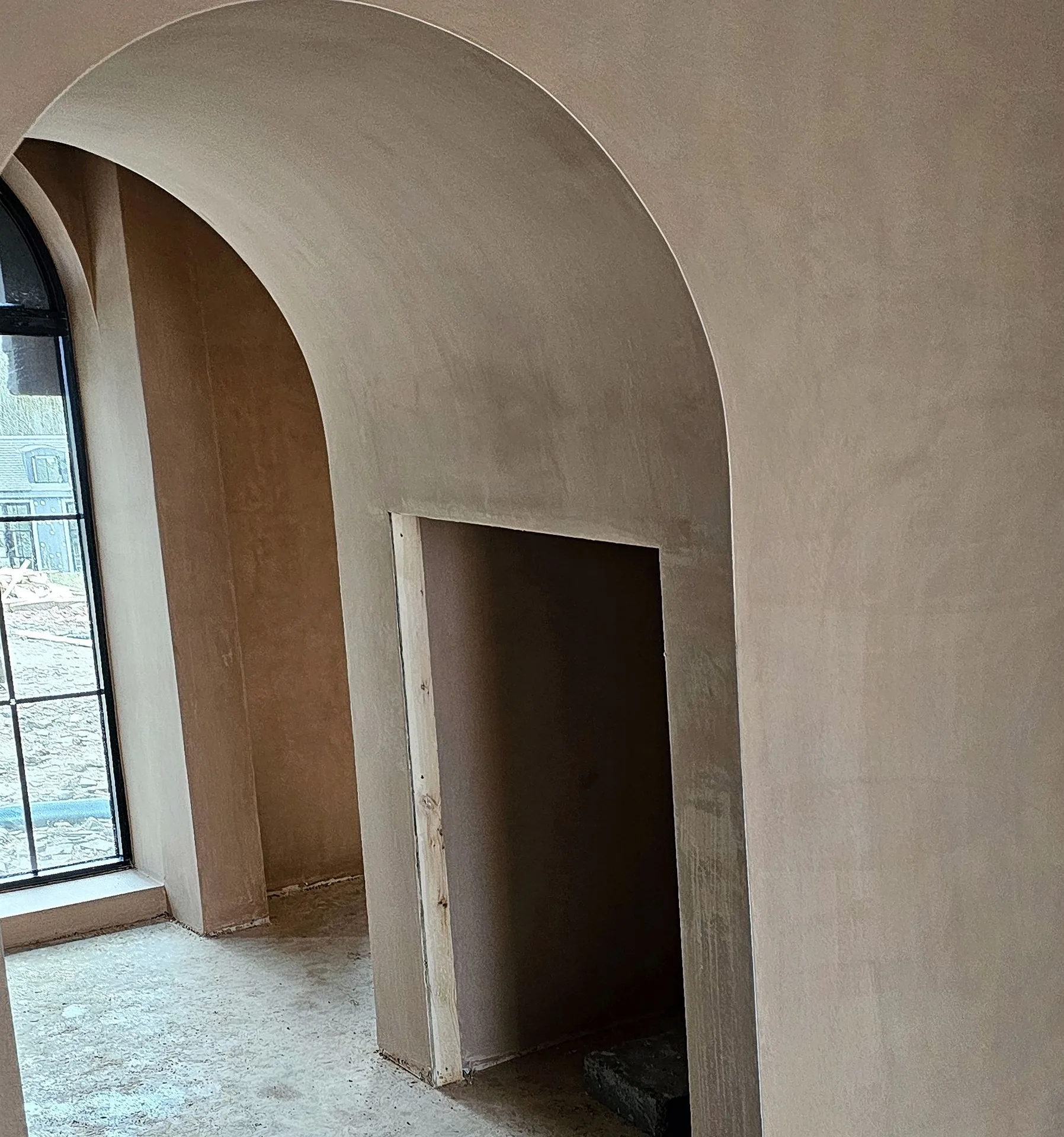
Tired walls and ceilings get a second life with skimming, giving you a flawless, durable finish every time.
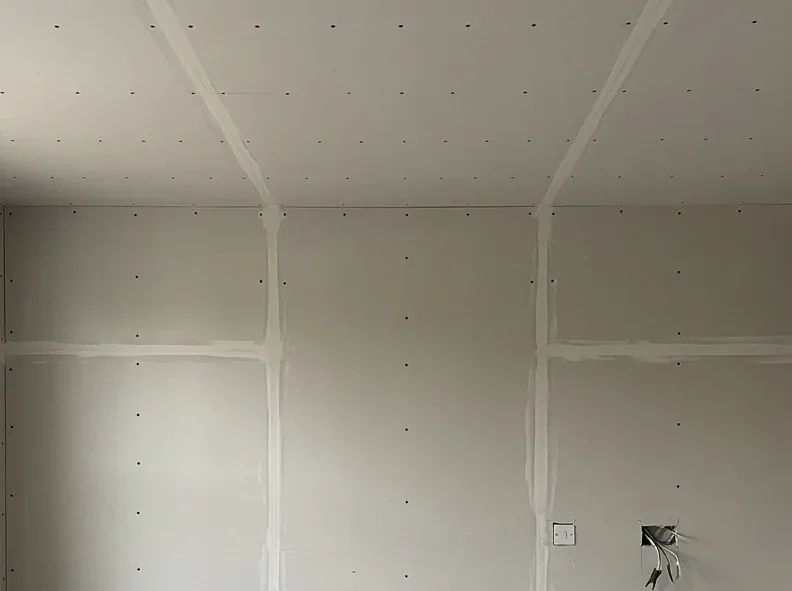
Experience matters-Topplastering handles plasterboarding for walls and ceilings so you get a truly solid finish.
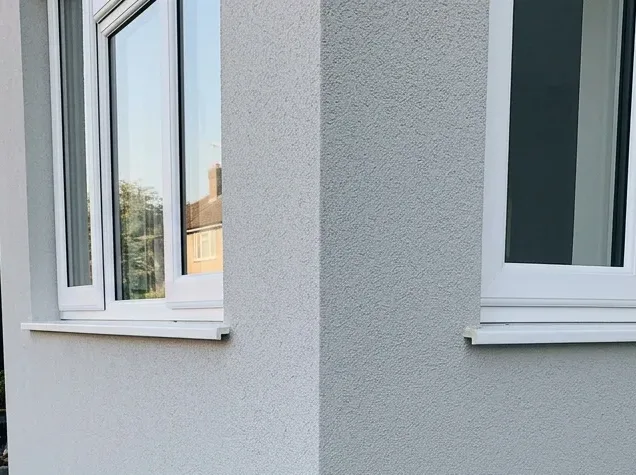
Rendering covers exterior and interior walls with a solid, even coat, protecting surfaces from weather and everyday wear.

Upgrade your property with external wall insulation from Topplastering-cutting heating costs and improving your building’s appearance permanently.
Craftsmanship you can see
Every plastering project we complete leaves walls smooth, durable, and ready for whatever comes next.
A technician inspects wall substrates, measures room moisture, prepares surface areas by removing decayed lime coatings, applies bonded barriers, and finishes with protective coats before conducting final damp meter readings.
Mention whether salt deposits show, if water pools across concrete floors, where pipes penetrate external walls, and take clear photographs of damp brickwork corners before calling.
Hidden structural cracks behind old plasterboards or active water streams gushing under hydrostatic pressure pause works because masonry must be stabilised with rapid plugs before coating tanking in Romford properties.
Clear all personal belongings from walls, remove fitted timber skirting boards, isolate wall electrical sockets, and ensure trades have clear corridors from entry doors right down to basements.