


Tanking establishes a sturdy, waterproof layer that stops water from penetrating basements and below-ground walls, safeguarding your structure from dampness and damage.





We protect your project from moisture damage with our tanking service for basements and below-ground walls in Leatherhead.
Get a free quote
 Quick, no-obligation quote!
Tanking is vital for those dealing with moisture-prone basements or cellars in Leatherhead. Without adequate tanking, water can seep through walls and floors, resulting in dampness and issues with structural integrity. We apply tanking solutions that create a dependable waterproof barrier before finishing work begins, ensuring your space remains dry and sound.
Builders involved with new constructions or refurbishments in the Leatherhead area depend on tanking to protect below-ground structures. Our tanking process includes meticulous surface preparation and accurate application, preventing water ingress that can jeopardize the build. This strategy aligns perfectly with the construction timeline, providing durable results to maintain the project’s integrity.
Homeowners grappling with damp basements or rising water tables in Leatherhead require practical tanking solutions to avert mold and damage. We offer tanking services tailored for existing properties, tackling problem areas with a waterproof layer directly applied to concrete or masonry. This effectively halts moisture at the source, preserving the home’s value and comfort.
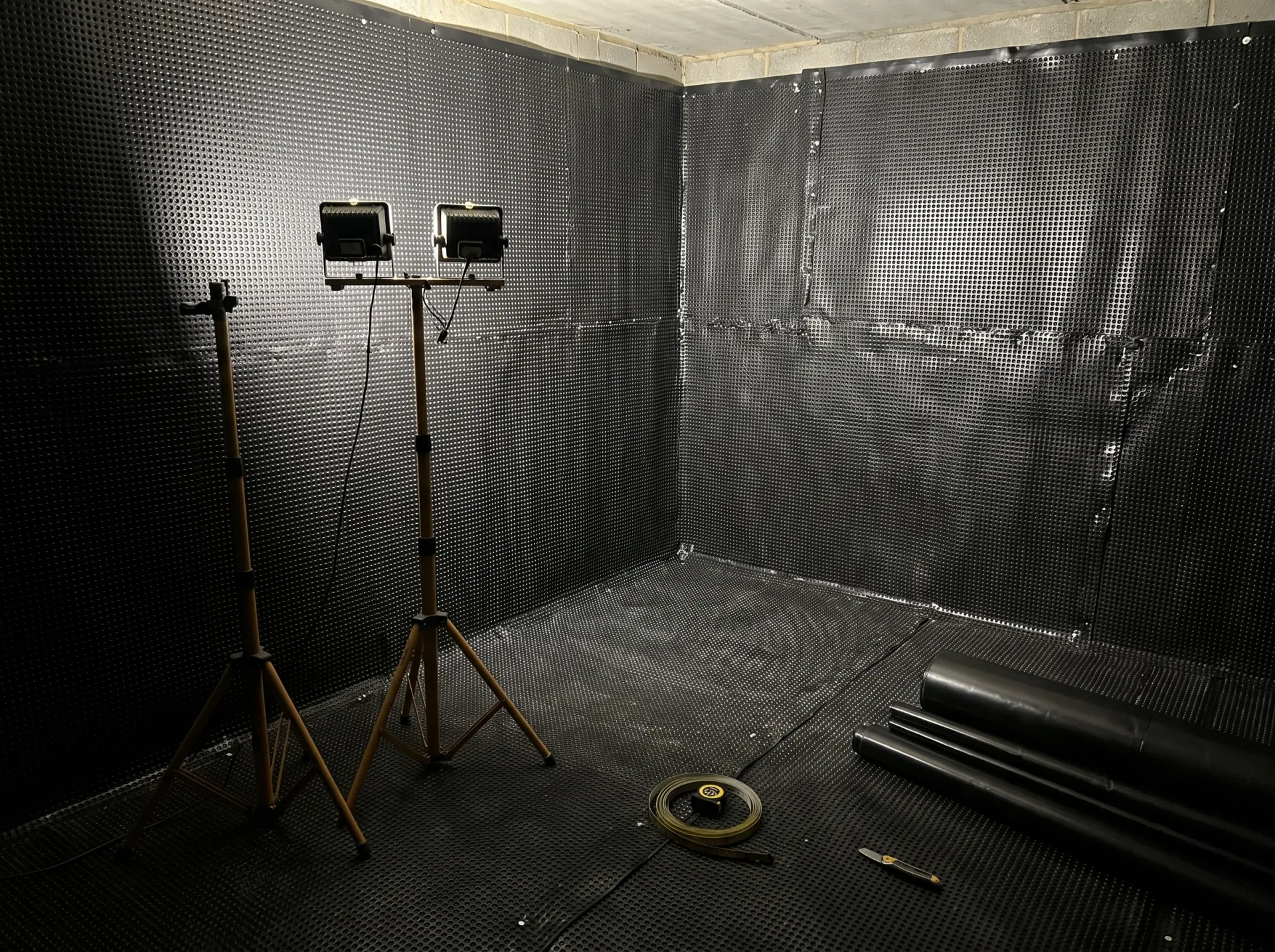
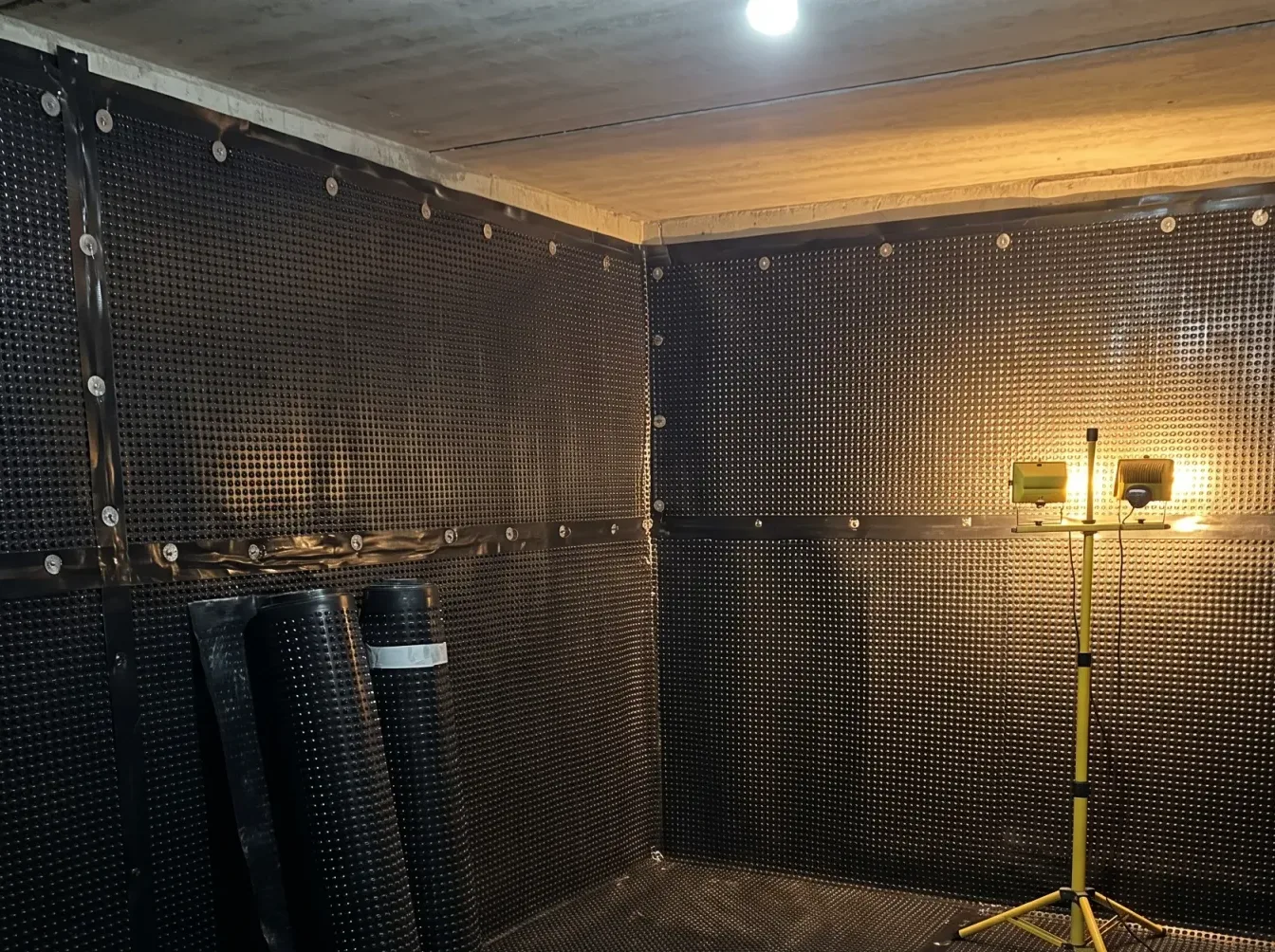
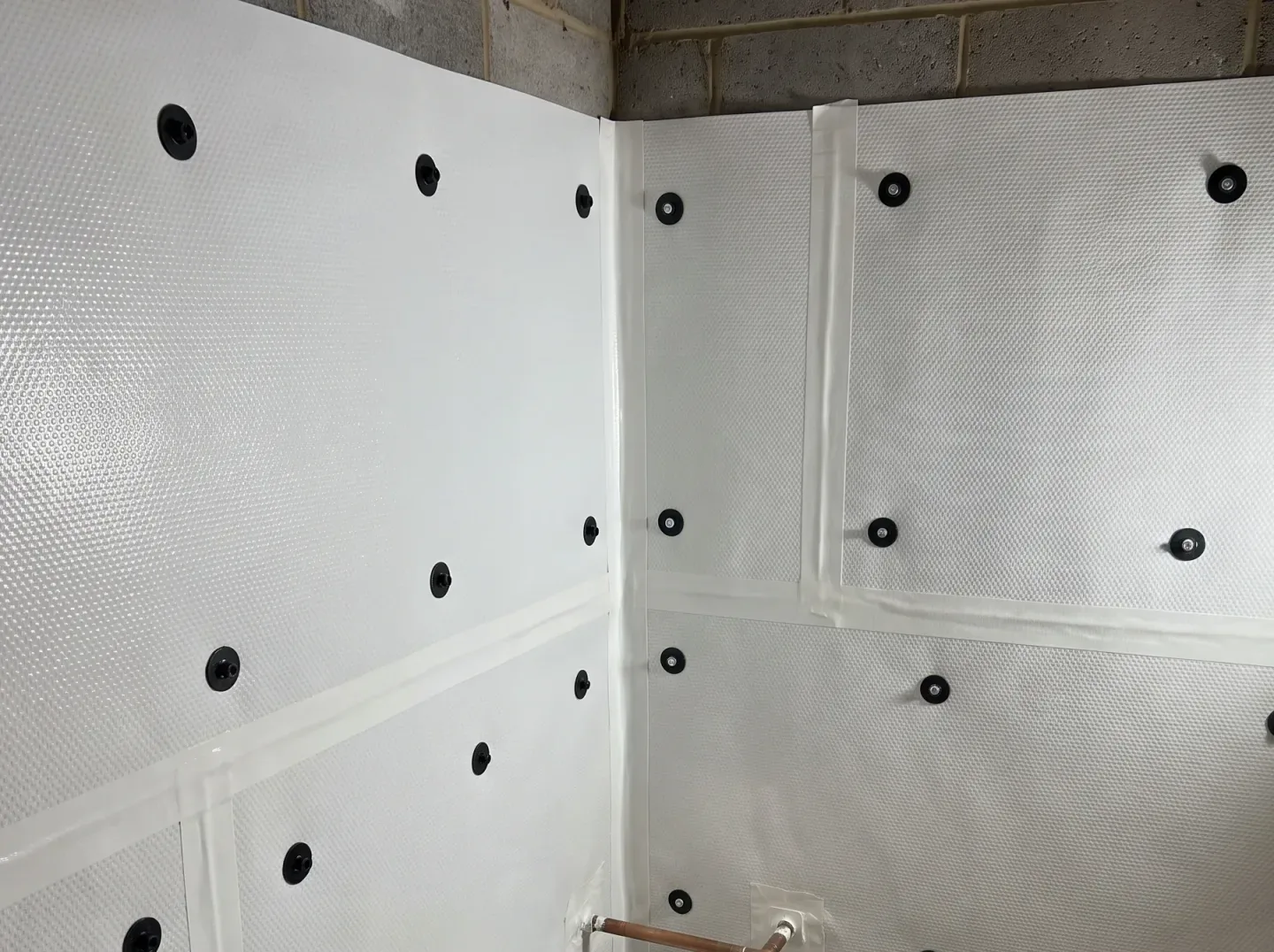
Old shelving must come down. When we plan tanking in Leatherhead, timber battening left pinned against brickwork traps damp, so taking away decayed racking, forgotten cardboard and redundant copper pipes exposes bare wall joints. We need unobstructed masonry across every square yard before washing surfaces.
Efflorescence ruins fresh plaster coats. If white minerals push through crumbling lime mortar, chipping loose residue away stops the binder from unseating under sudden ground pressure, which keeps future decorative finishes intact without bubbles or peeling emulsion behind your skirting boards.
Tanking establishes a sturdy, waterproof layer that stops water from penetrating basements and below-ground walls, safeguarding your structure from dampness and damage.
With our precise application, tanking provides enduring resistance to water ingress, helping to minimize costly repairs in the future.
By preventing moisture buildup, tanking aids in preserving the strength of concrete and masonry, preventing cracks and weakening over time.
Effective tanking eliminates moisture sources that promote mold growth, enhancing indoor air quality and ensuring a healthier environment.
Tanking is completed before any finishes are applied, allowing for smooth continuation of plastering or other surface treatments without compromising waterproofing.
We thoroughly inspect and repair surfaces before applying the tanking, ensuring the waterproof layer adheres properly and functions as needed.
From measurement to completion, we keep you informed at every step, delivering tanking services on schedule and to specification.
Incoming cast iron mains leak behind flanges. Tight sleeves around wet gas sleeves or black waste conduits stop seepages, which is central to tanking in Leatherhead where older terraced dwellings still hide rusty lead pipework penetrating masonry below the pavement.
Never drill barrier membranes later. Electricians running thick grey twin cabling must install surface trunking onto designated mounting blocks beforehand, because puncturing the coated barrier with a single rawlplug lets wet soil water seep through onto your fuse box board.
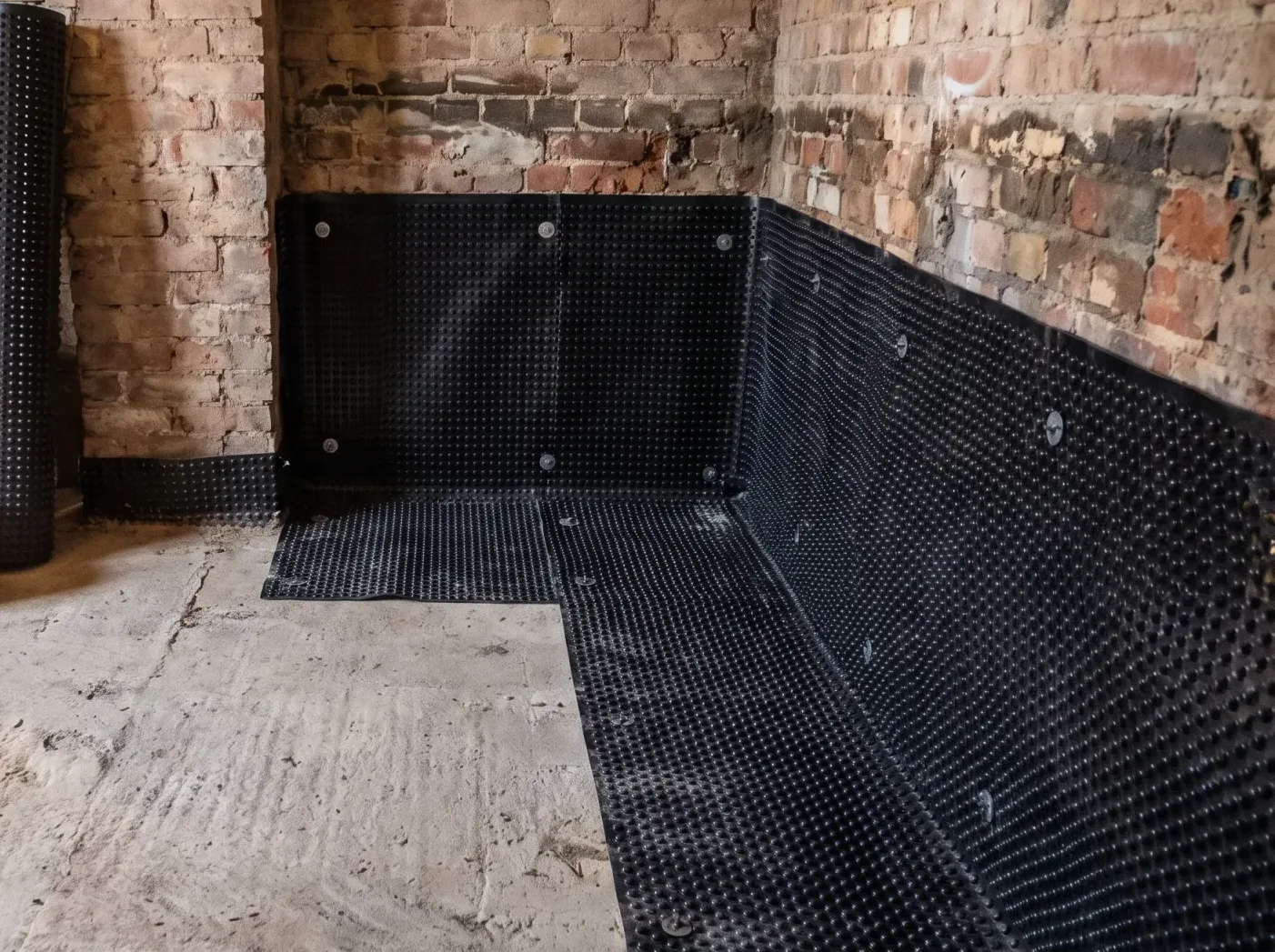
We begin by evaluating the site to assess moisture levels and identify areas needing tanking, ensuring we fully understand the scope before any work starts.
Following the assessment, we clean and repair all surfaces, fixing cracks and defects to guarantee that the tanking membrane adheres properly and establishes a solid barrier.
We apply the waterproof coating in layers, paying close attention to corners and joints where leaks are most likely to occur, securing a continuous seal across the area.
After application, we allow the tanking membrane to cure fully and then conduct a thorough inspection to verify that the waterproofing is intact and effective.
Once the tanking is complete and confirmed, we maintain clear communication with the client, provide necessary documentation, and ensure the site is ready for the finishing stage.
Direct slurry coatings bond straight to sound bricks. If earth sits high against an external retaining wall, hydraulic pressure pushes hard, making tanking in Leatherhead demand dense slurry coatings that lock water behind solid brickwork instead of redirecting it into internal channels.
Plastic studded profiles suit shifting stonework. Old lime structures move naturally through warm summers and damp winters, so hanging studded sheets lets water trickle behind studs straight into a sump unit without building hydrostatic stress against crumbly mortar joints.
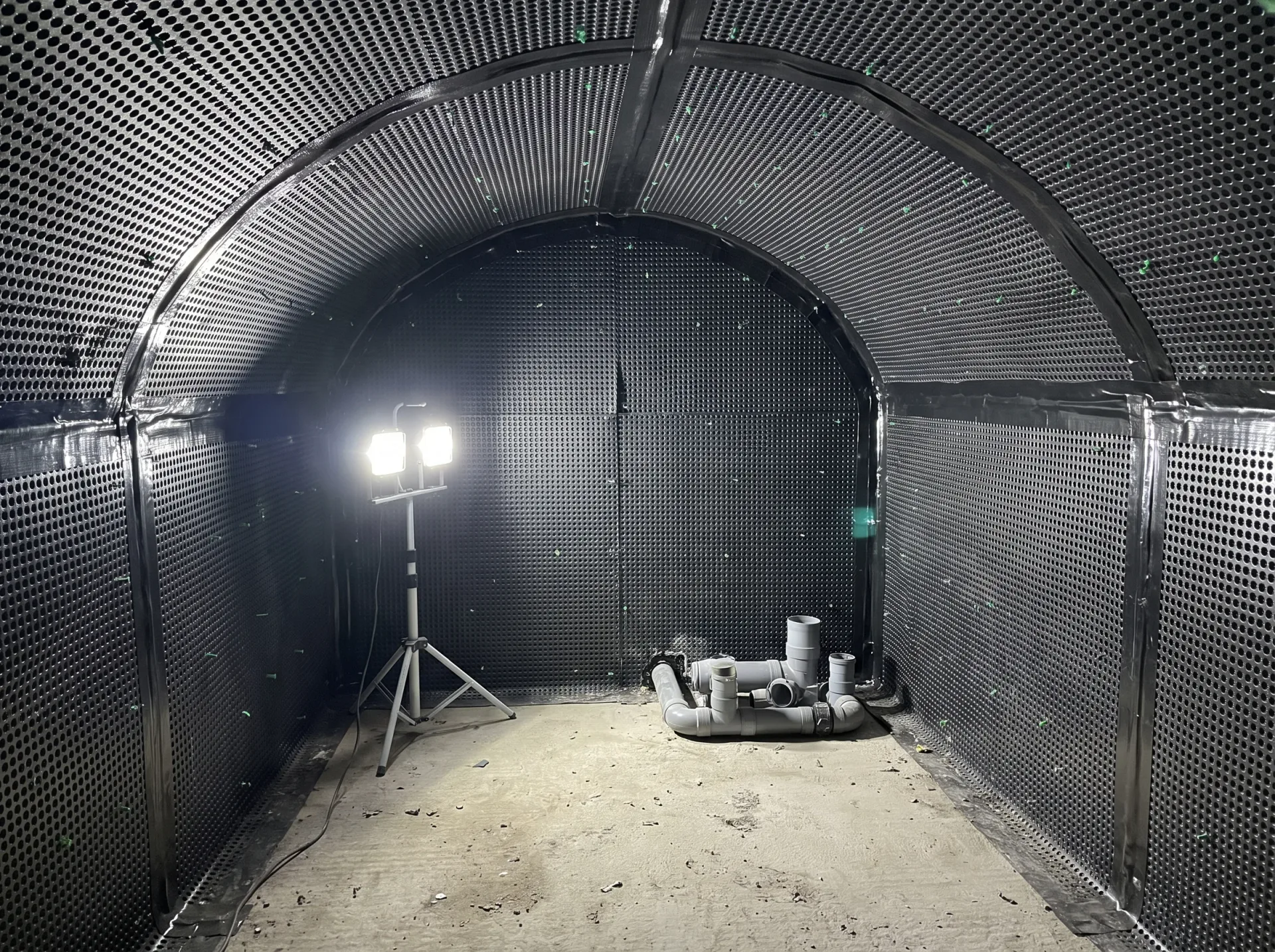
With over 20 years of hands-on experience in tanking, we deliver waterproofing solutions that endure the test of time. Our understanding of the necessity for a properly executed tanking layer is crucial in preventing water ingress in basements and below-ground walls. Each project demonstrates our commitment to thorough surface preparation and precise application, guaranteeing the tanking performs as intended.
Tanking requires careful inspection and meticulous execution, especially around corners and joints where leaks are most frequent. We focus on cleaning, repairing cracks, and applying multiple layers for a lasting seal. This careful attention to detail reduces future issues and guarantees the waterproof barrier remains intact before any finishes are applied.
From the initial measurement through to the final handover, we maintain open communication with builders and clients. Our tanking service integrates seamlessly into project schedules, avoiding delays and ensuring that waterproofing is completed punctually. This practical approach supports a smooth build process and dependable protection against moisture.
With over 20 years in plastering and finishing, we bring practical experience to every tanking project in Leatherhead. We start by thoroughly assessing the site to pinpoint moisture risks before applying the waterproof barrier. Our tanking procedure centers on precision-cleaning surfaces, repairing cracks, and sealing joints to ensure a lasting waterproof layer. This hands-on method prevents damp and structural damage from the ground up.
We manage tanking as part of a complete service, coordinating every phase from measurement to the final inspection. Clear communication throughout the project helps avoid surprises and meet deadlines. The tanking membrane we apply is designed to withstand pressure, preserving basements and below-ground walls before any finishing work begins. This methodical execution yields results you can depend on.
We provide reliable tanking services in Leatherhead and the surrounding areas. Contact us by phone to schedule a free estimate or set up a site visit. We also serve nearby towns such as Esher and Surbiton.
approx. 35 milesDistance from our base · Cheshunt
Call us07465266721Email uscontact@topplastering.ukWe serve your areaLeatherhead and the surroundings
The Google map loads after you accept marketing cookies.


Maksymilian Mazur
Very satisfied with the service! Excellent communication, clean workmanship, and everything completed professionally. Highly recommended!
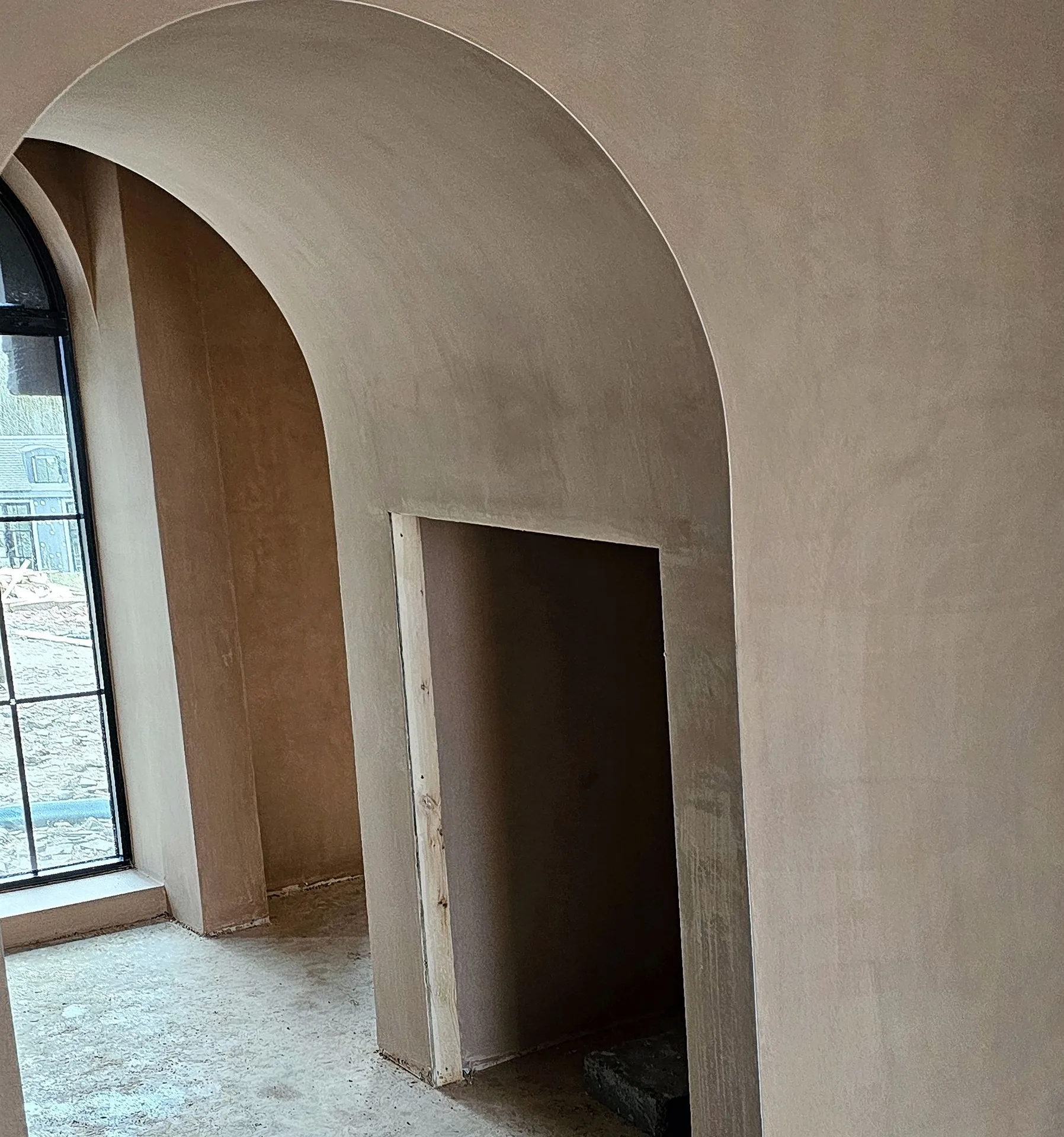
Tired walls and ceilings get a second life with skimming, giving you a flawless, durable finish every time.
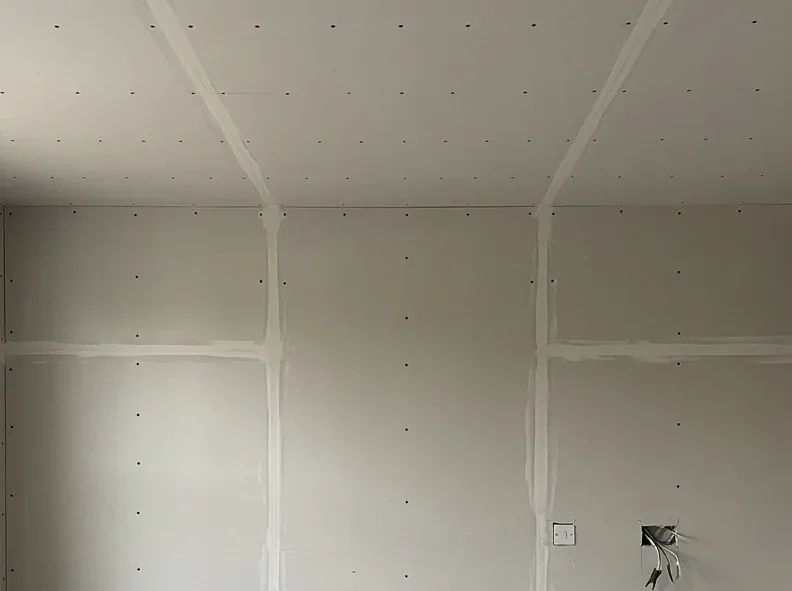
Experience matters-Topplastering handles plasterboarding for walls and ceilings so you get a truly solid finish.
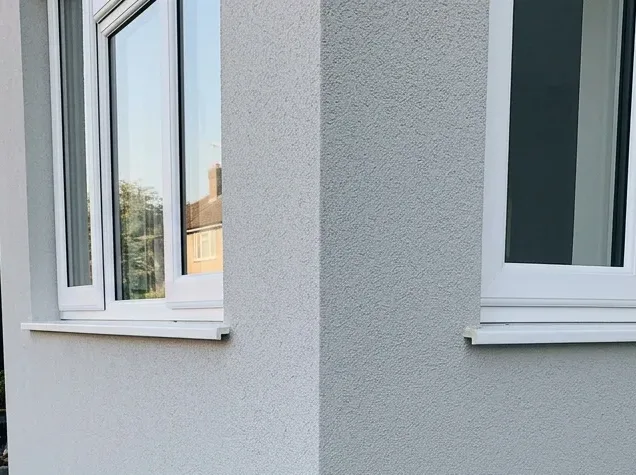
Rendering covers exterior and interior walls with a solid, even coat, protecting surfaces from weather and everyday wear.
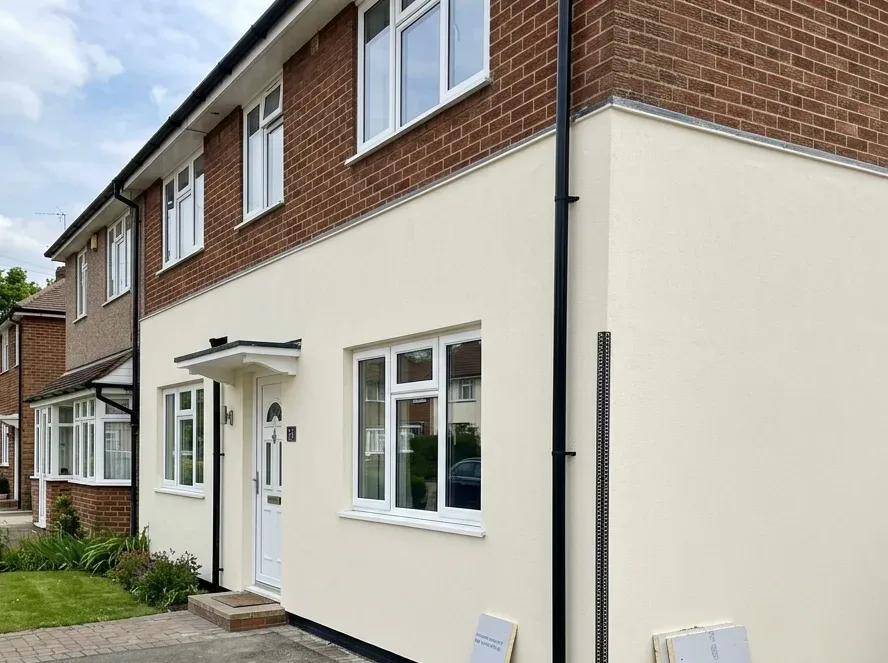
Upgrade your property with external wall insulation from Topplastering-cutting heating costs and improving your building’s appearance permanently.
Craftsmanship you can see
Every plastering project we complete leaves walls smooth, durable, and ready for whatever comes next.
Shared boundary walls usually require written consent from adjoining owners because cutting chases, removing deep plaster or drilling pins affects common masonry. If neighbours share that damp foundation, serving statutory notices avoids disputes before hammer drills start on site.
Freezing conditions prevent cement mixes from curing, while damp air slows drying times. We watch wall temperatures closely, because unheated sub-ground cellars take much longer to cure during January frost compared with dry autumn weeks.
It depends on substrate strength and movement risk. Solid engineering brick accepts direct slurry barriers under water pressure, but crumbling Victorian brickwork in Leatherhead often prefers studded membranes that guide moisture down toward drainage points instead.
Standard work excludes rerouting hidden plumbing, rewiring live electrical meters, fitting mechanical extract fans and replacing rotten structural floor joists. Builders or carpenters must tackle those timber or wire issues separately before or after wall treatments.