


Our tanking creates a strong, waterproof layer that prevents water from penetrating basements and below-ground walls, shielding your structure from damp and decay.





Safeguard your project against moisture damage with our tanking service for basements and underground walls in Harrow.
Get a free quote
 Quick, no-obligation quote!
Anyone managing basements or cellars prone to moisture requires effective tanking. In Harrow, without proper tanking, water can infiltrate your walls and floors, leading to dampness and serious structural problems. We utilize tanking methods that install a dependable waterproof barrier before finishing work, ensuring the space remains dry and sturdy.
Builders engaged in new constructions or renovations in Harrow depend on tanking to protect underground structures. Our detailed tanking process involves extensive surface prep and precise application, preventing any water ingress that might jeopardize the build. This method integrates smoothly into the construction workflow, delivering reliable outcomes that uphold project integrity.
Homeowners in Harrow dealing with damp basements or elevated water tables need effective tanking options to prevent mold and further damage. Our tanking services are specifically designed for existing properties, applying a waterproof layer directly to your concrete or masonry surfaces. This procedure halts moisture at the source, maintaining the value and comfort of your home.

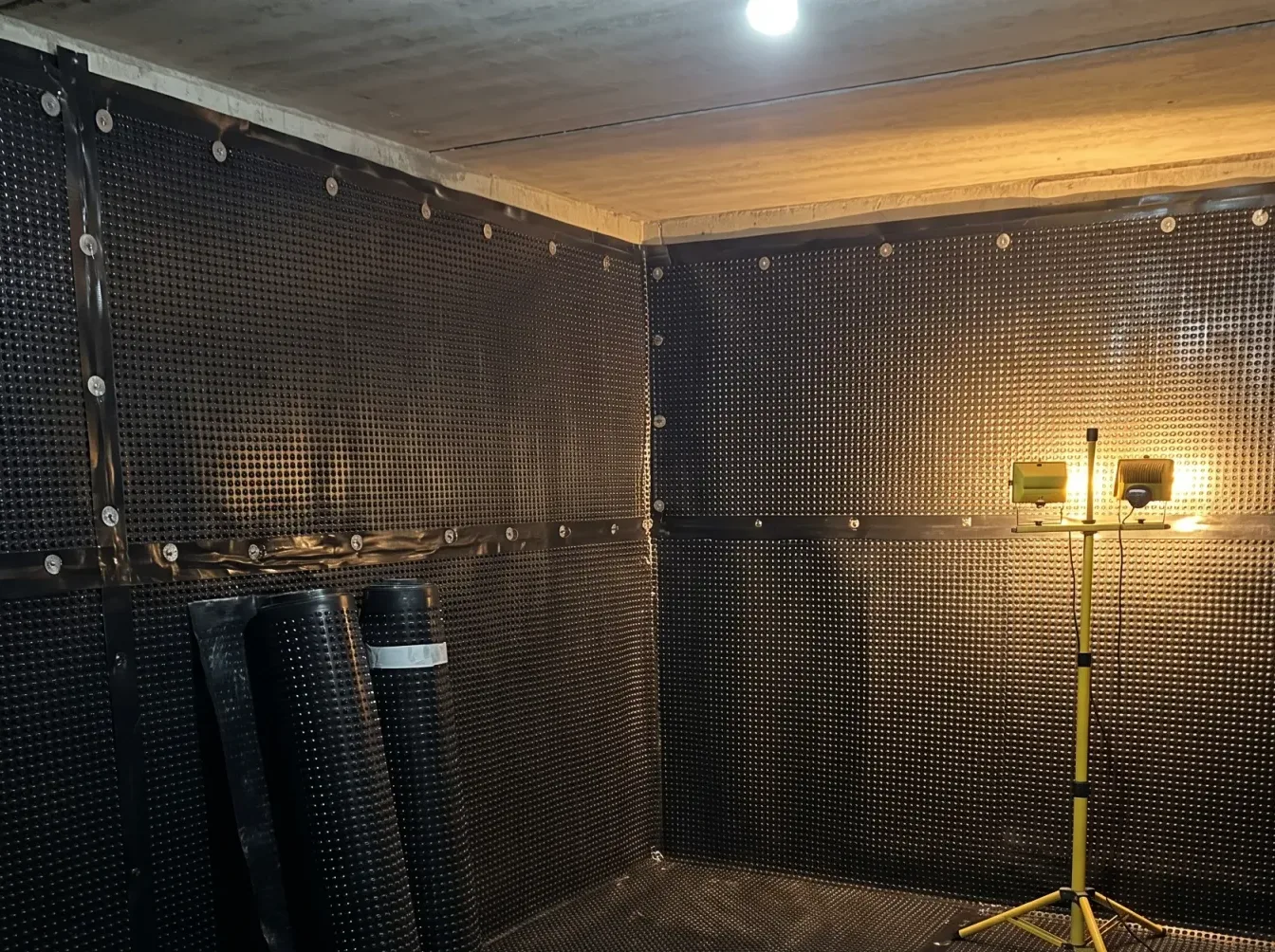
Our focus for tanking includes basements, cellars, and all underground walls needing protection from water ingress. In Harrow, we install waterproofing layers before finishing tasks begin, ensuring surfaces are sealed against moisture. This strategy curtails dampness and structural challenges that typically arise due to water infiltration in these essential areas.
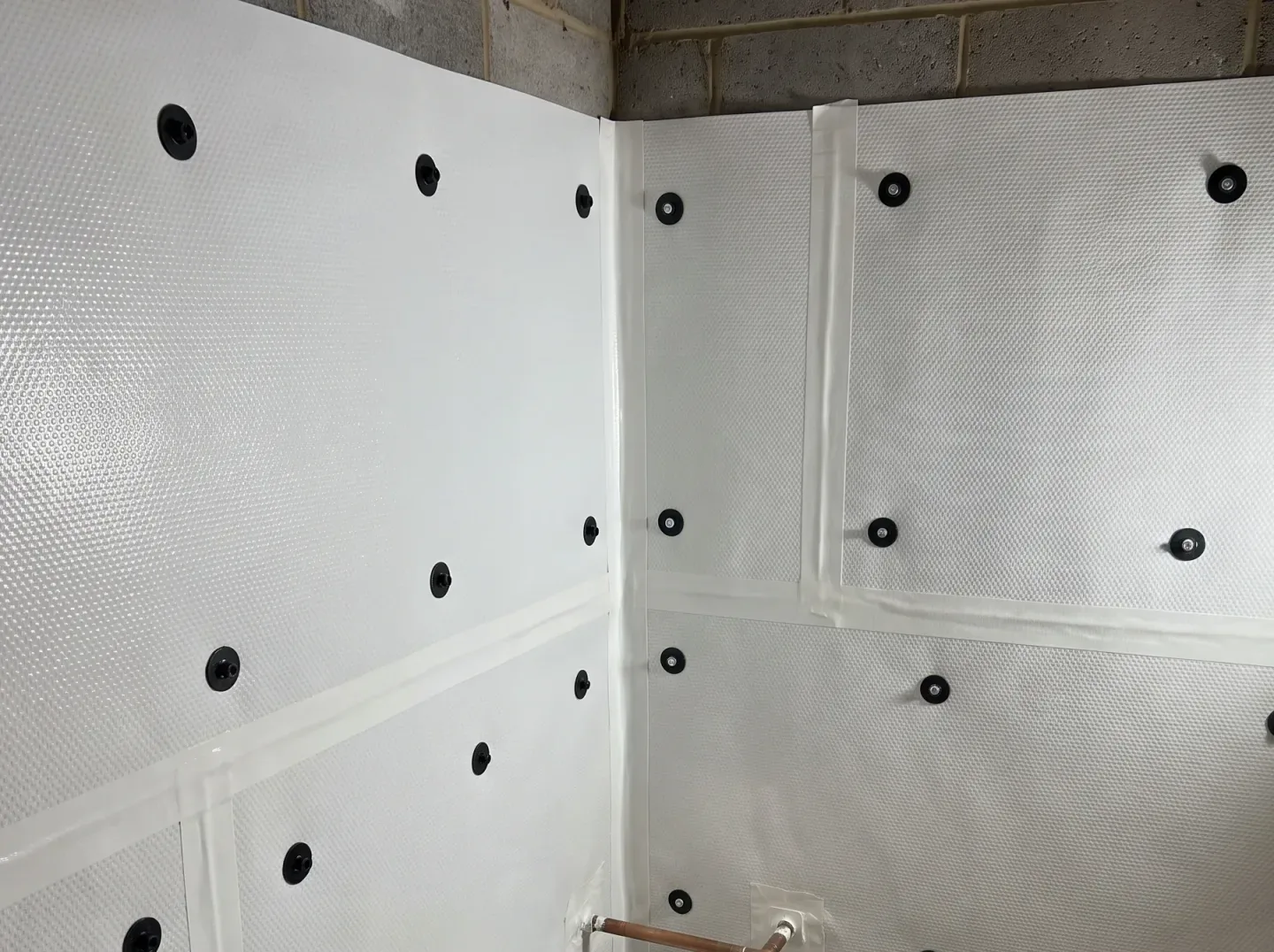
Our tanking service kicks off with a thorough site inspection and surface preparation, ensuring the waterproof barrier adheres correctly. We apply the tanking membrane with attention to detail, especially at corners and joints where leaks tend to happen. The end result is a resilient, watertight seal that works well with subsequent plastering and finishing jobs.
Our tanking creates a strong, waterproof layer that prevents water from penetrating basements and below-ground walls, shielding your structure from damp and decay.
With our precise tanking application, you achieve enduring resistance to water ingress, minimizing the likelihood of expensive repairs in the future.
By inhibiting moisture accumulation, our tanking helps maintain the strength of concrete and masonry, avoiding cracks and weakening over time.
Effective tanking eliminates sources of moisture that cause mold growth, enhancing indoor air quality and creating a healthier living space.
We apply tanking before any finishes, enabling a smooth continuation of plastering or other surface treatments without risking waterproofing.
Prior to tanking, we inspect and repair surfaces meticulously, ensuring the waterproof layer adheres effectively and meets performance expectations.
From measurement to completion, we keep you informed at every stage, delivering our tanking services on schedule and according to specifications.
Boxes must go first. You need to clear every paint tin, timber offcut, and old trunk away from the cold exterior masonry so we can inspect bare substrate. When planning tanking in Harrow, home owners often forget that damp masonry behind old shelves stays soaked for days after clearing.
Check your copper pipework. If a gas meter or a copper heating feed sits bolted tight against crumbling brickwork, our crew cannot spread the compound properly without brackets being loosened by a plumber. Cables clipped straight into soft mortar joints also pull loose during mechanical wire brushing.
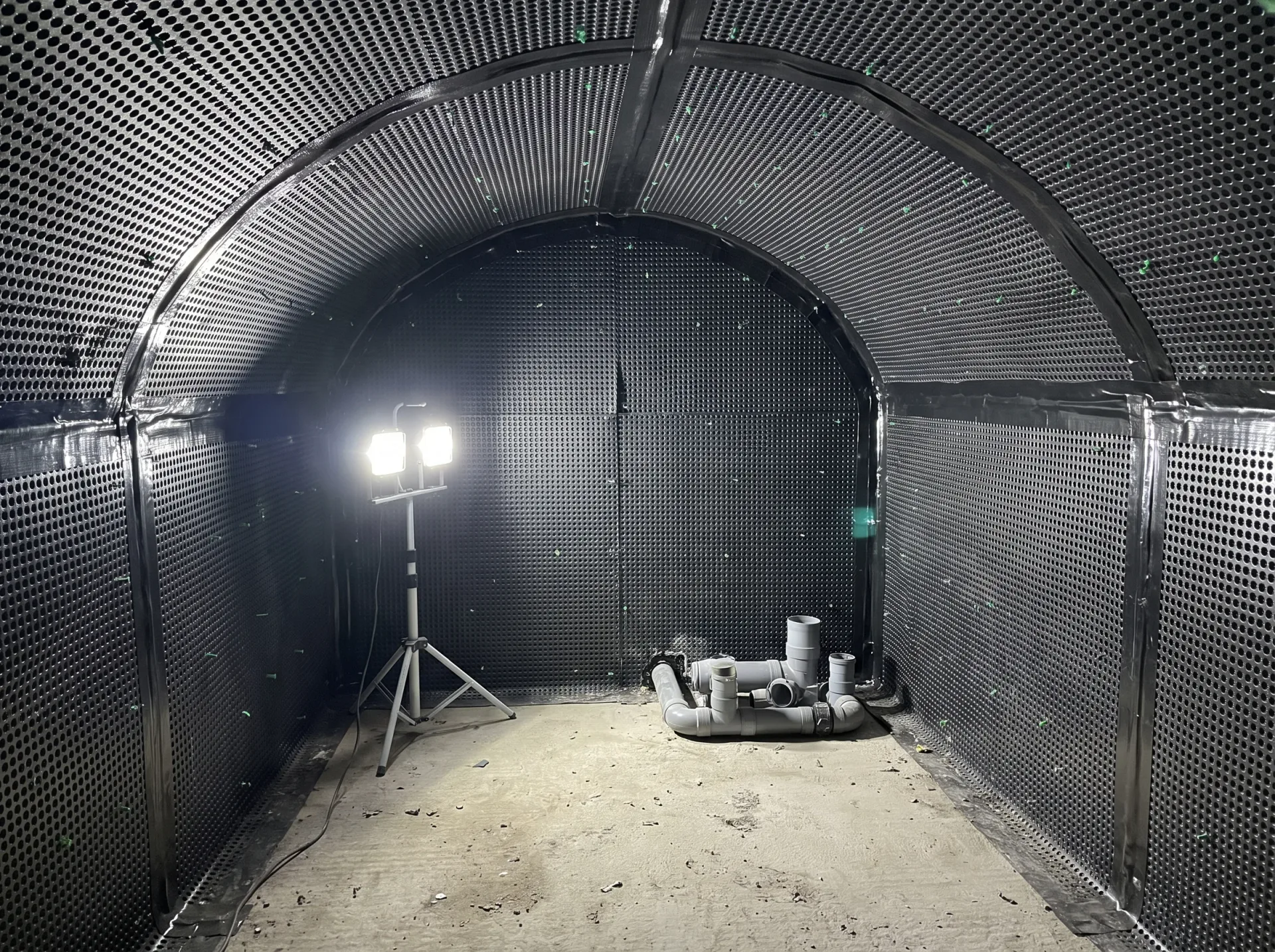
We begin with a thorough inspection of the site to assess moisture levels and pinpoint areas that require tanking, making sure we grasp the scope before we start.
Next, we clean and repair all surfaces, addressing cracks and defects to ensure the tanking membrane adheres properly and forms a robust barrier.
The waterproof coating is applied in layers, with careful attention to corners and joints where leaks commonly occur, securing a continuous seal.
After application, we allow the tanking membrane to cure completely, then conduct an in-depth inspection to confirm the waterproofing is intact and functions effectively.
Once tanking is finished and verified, we communicate clearly with you, provide any necessary documentation, and ensure the site is prepared for the next phase of finishing.
Flanges need careful detailing. When dirty waste pipes punch through external walls below garden level, water seeps along the plastic sleeve unless sealed with elastic collars. Carrying out tanking in Harrow properties with older clay soil often reveals hidden damp tracks right where the main drain exits under the timber floor plates.
Timber ends rot quickly. We seal the masonry recesses before wooden joists touch wet external bricks, stopping capillary action from rotting the grain. Skipping this barrier leaves dry rot spores free to travel up into skirting boards, floorboards, and staircase strings within a few damp winter months.
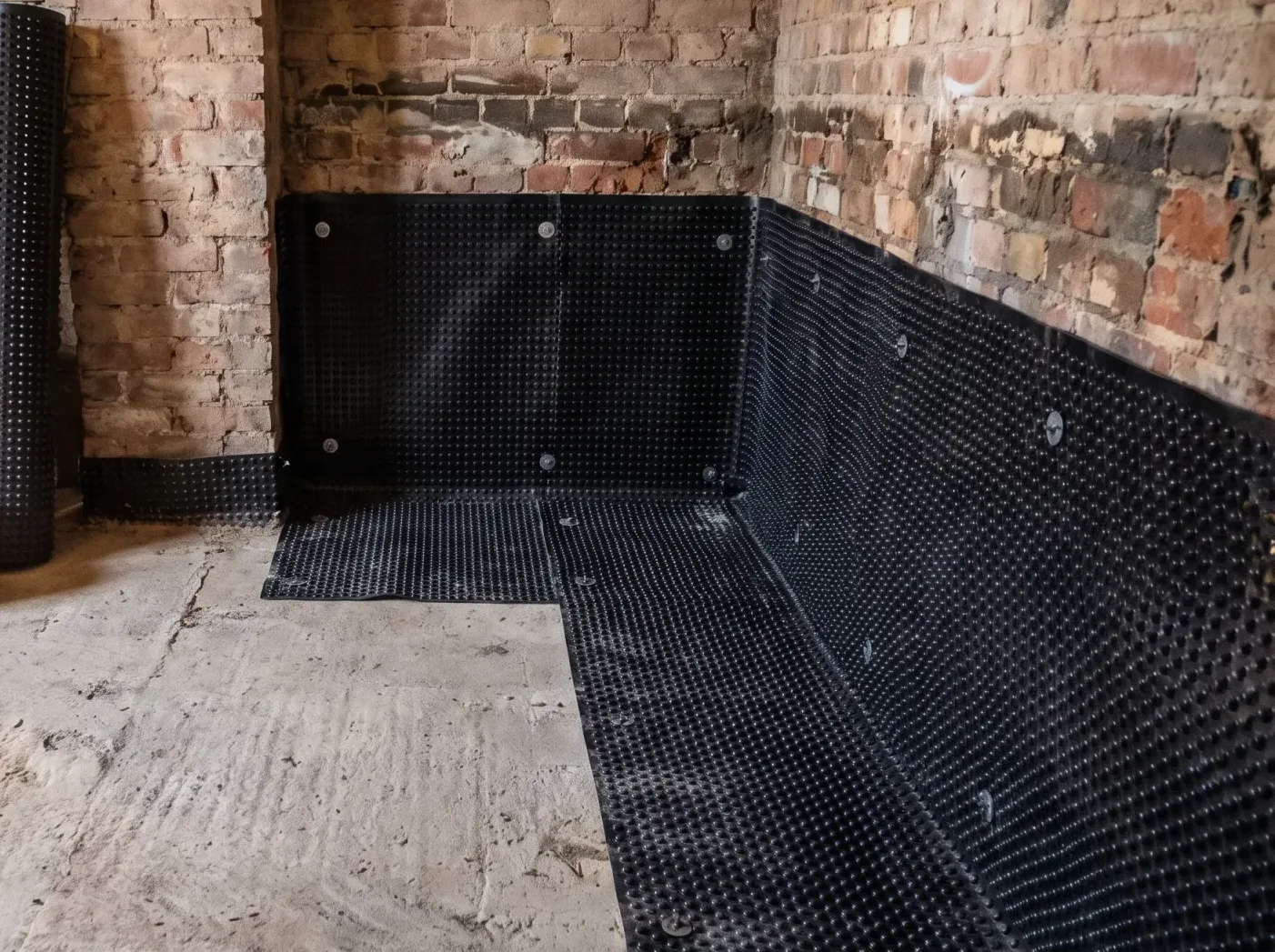
Running water ruins fresh slurries. Liquid barriers cannot stick to brickwork when pressurized water is physically washing the compound away into floor puddles. If you book tanking in Harrow while water actually trickles across the cellar slab, that pressure must be stopped with rapid-setting plug mortar beforehand.
Flaking whitewash causes failures. Slurry bonds directly into masonry pores, which means applying it over loose lime paint causes the whole skin to bubble and peel away. Grinding the face back to rough red brick takes extra labour, but skipping it ruins adhesion.
Internal angles need fillets. Spreading liquid mix into sharp square corners causes shrinking cracks along wall-to-floor junctions. Creating a curved cement cove along the bottom edge prevents hydrostatic push from splitting the coats apart when garden soil gets waterlogged after heavy downpours.
Bringing over 20 years of plastering and finishing experience to the table, we tackle every tanking project with hands-on knowledge. We assess the site meticulously to pinpoint moisture threats before installing the waterproof barrier. Our tanking procedure centers on thoroughly cleaning surfaces, repairing cracks, and sealing joints to guarantee a long-lasting waterproof layer. This practical method protects against dampness and structural damage from the ground up.
We manage tanking as part of a thorough service, orchestrating each step from measurement to the final inspection. Communication is key throughout the process to prevent surprises and ensure agreed timelines are met. The tanking membrane we apply is designed to withstand pressure, safeguarding basements and below-ground walls before any finishing work takes place. Our systematic, straightforward execution yields results you can trust.
We work in Harrow and the nearby areas. Contact us through our phone or website for a free estimate or site visit to assess your needs.
approx. 20 milesDistance from our base · Cheshunt
Call us07465266721Email uscontact@topplastering.ukWe serve your areaHarrow and the surroundings
The Google map loads after you accept marketing cookies.


Maksymilian Mazur
Very satisfied with the service! Excellent communication, clean workmanship, and everything completed professionally. Highly recommended!
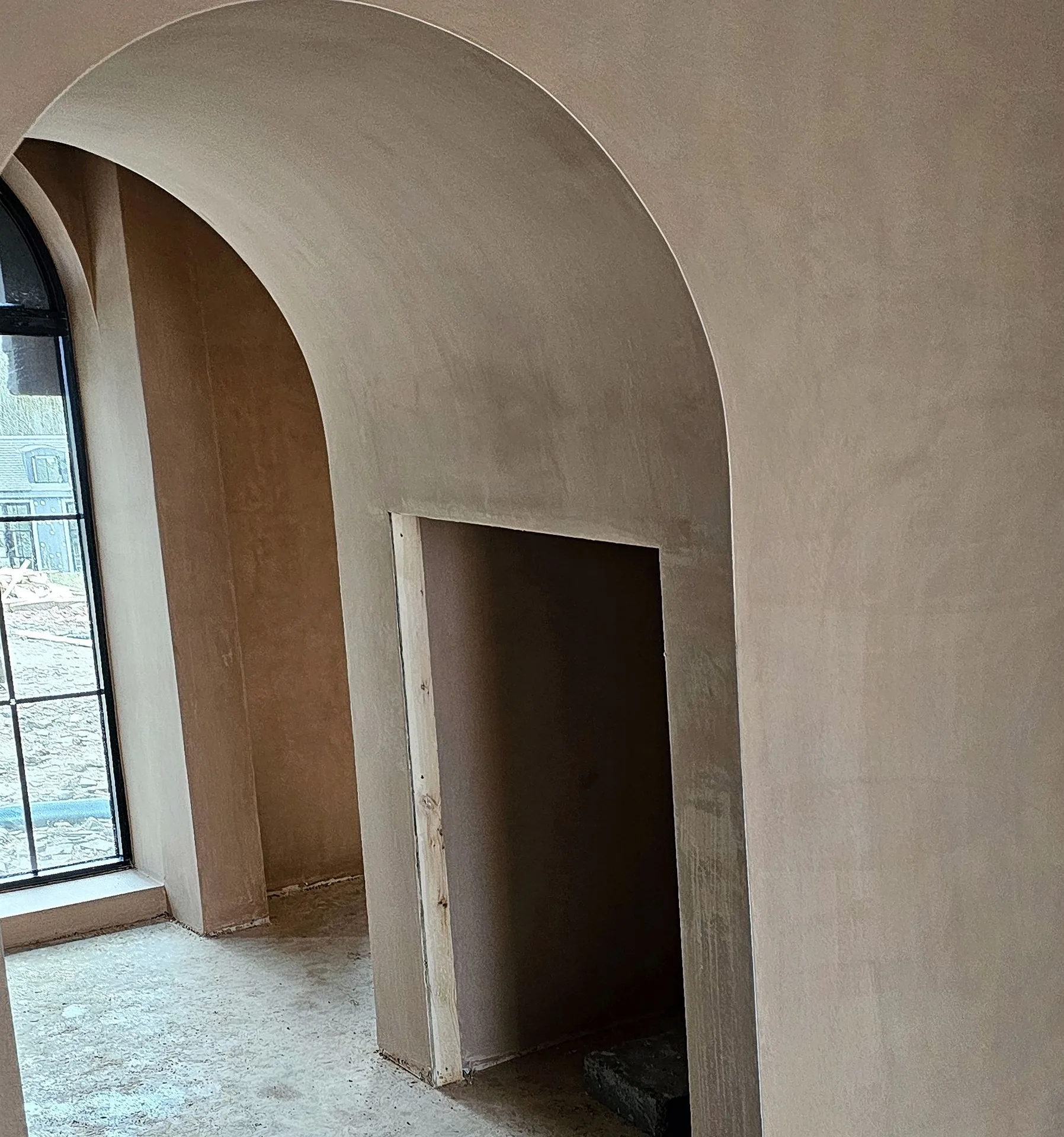
Tired walls and ceilings get a second life with skimming, giving you a flawless, durable finish every time.
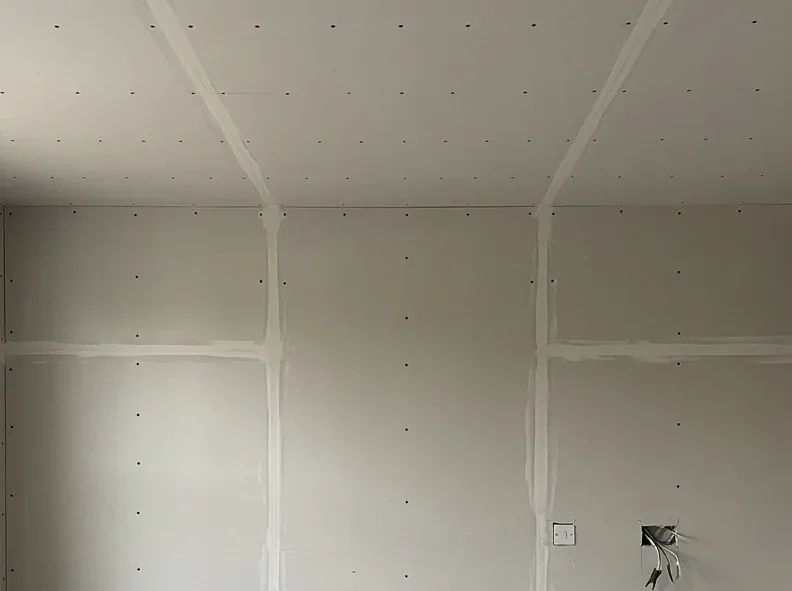
Experience matters-Topplastering handles plasterboarding for walls and ceilings so you get a truly solid finish.
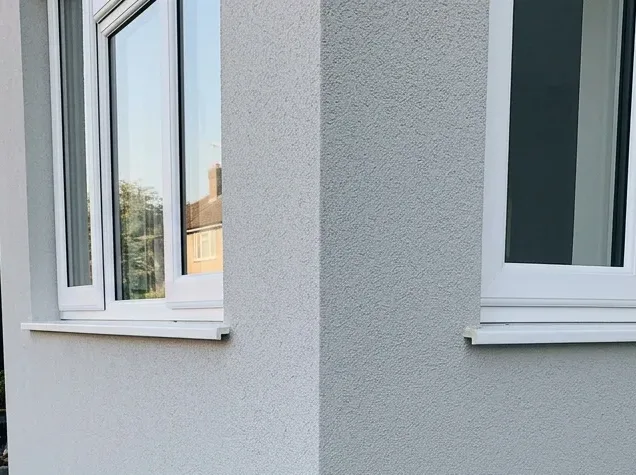
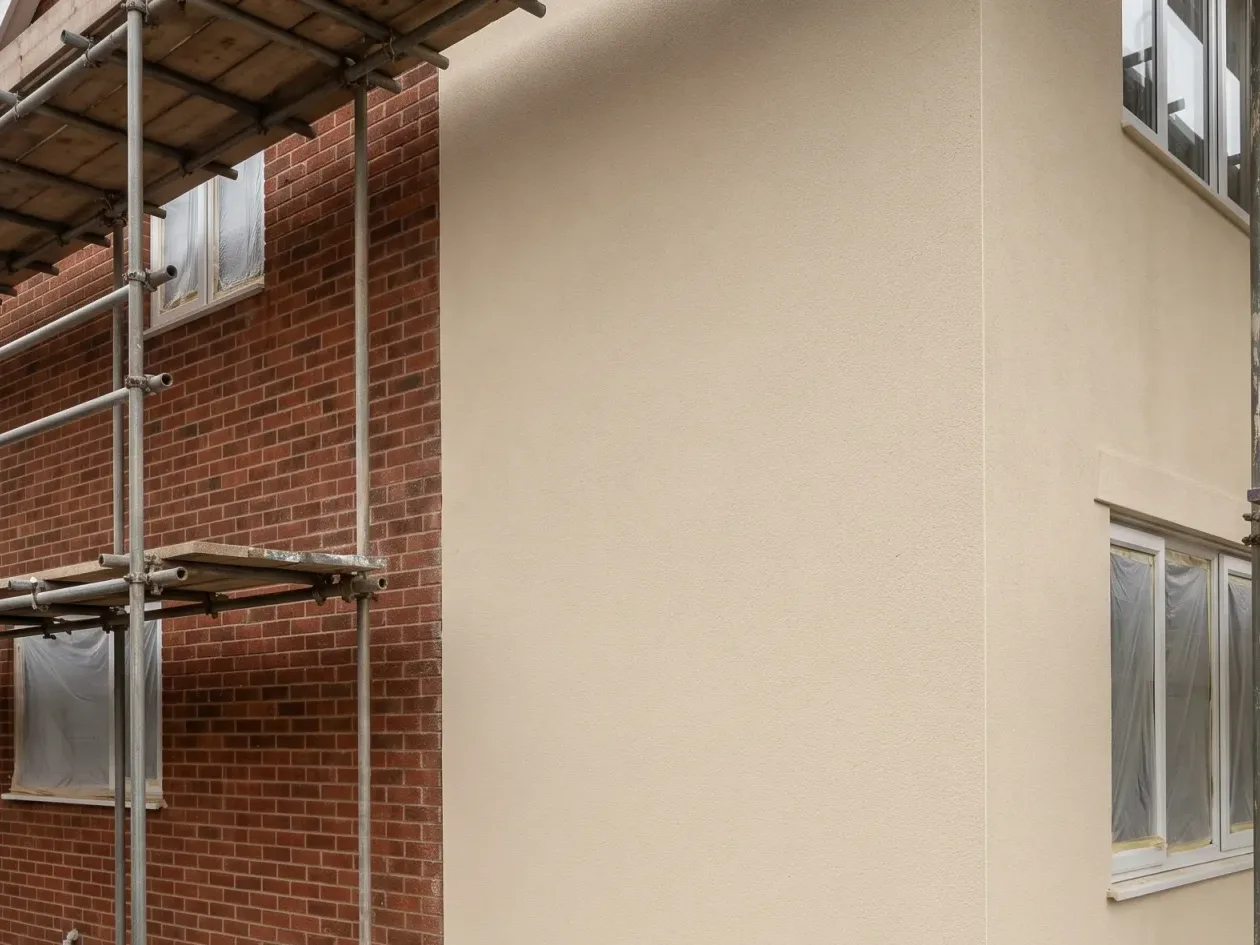
Rendering covers exterior and interior walls with a solid, even coat, protecting surfaces from weather and everyday wear.
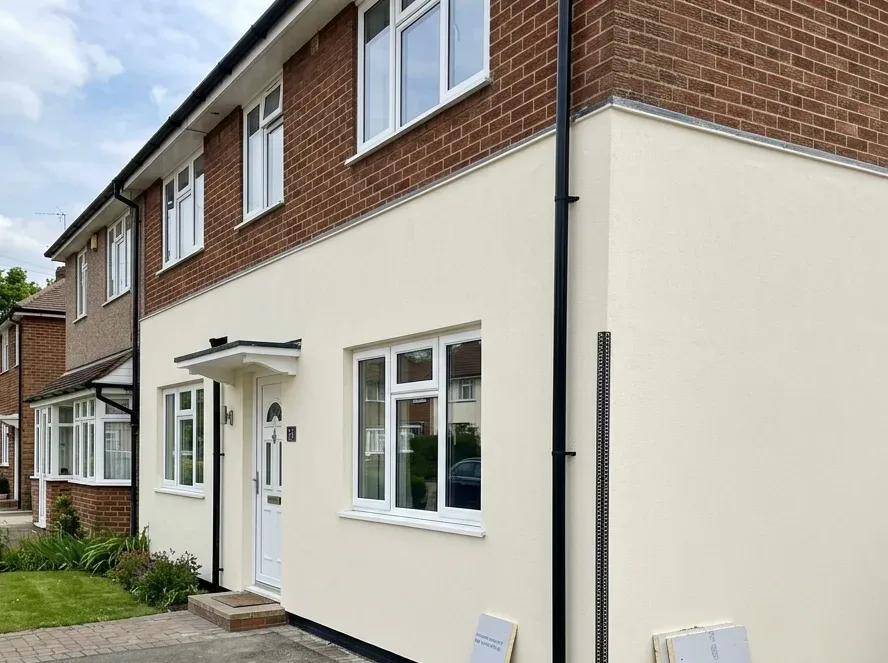
Upgrade your property with external wall insulation from Topplastering-cutting heating costs and improving your building’s appearance permanently.
Craftsmanship you can see
Every plastering project we complete leaves walls smooth, durable, and ready for whatever comes next.
It depends on the masonry condition and water pressure behind it. Dense brick walls usually take mineral slurry coats directly, because the paste crystallises inside the pores. Friable stone or leaking rubble walls often require studded drainage membranes instead, directing seepage away through channels beneath the floor slab.
Yes, heavy downpours can raise ground pressure suddenly and force active leaks through bare joints. If water pours through the brickwork during preparation, we must stop the flow using rapid setting plug compound and let the substrate settle before applying bonded slurry coats to damp walls in Harrow.
The surface needs adequate drying time before any plasterboard or timber battens touch it. We inspect the cured coating across cold corners with a moisture meter. If damp patches linger, the plasterer checks for bridging from salts or condensation, correcting any pinpoint spots before you decorate.
Ask how they handle floor junctions and wall penetrations like pipe sleeves. A competent tradesperson explains how they prepare flaky brick surfaces, create curved floor fillets, and seal around structural joist pockets, rather than simply promising to brush a single coat over dirty cellar walls.