


Tanking creates a solid, waterproof layer that blocks water from penetrating basements and below-ground walls, safeguarding your property from damp and damage.





Protect your space from moisture damage with our tanking service for basements and below-ground walls in Bracknell.
Get a free quote
 Quick, no-obligation quote!
Tanking is crucial for anyone in Bracknell dealing with basements or cellars that are susceptible to moisture. Without effective tanking, water can penetrate walls and floors, resulting in dampness and structural problems. We apply tanking solutions that establish a dependable waterproof barrier before any finishing work begins, ensuring that your space remains dry and secure.
Builders working on new builds or renovations in the area rely on tanking to protect below-ground structures. Our tanking process includes thorough surface preparation and meticulous application, preventing water ingress that could threaten the integrity of the development. This method integrates well into the construction timeline, yielding durable outcomes that maintain the project's stability.
Homeowners in Bracknell confronting damp basements or rising water tables require effective tanking measures to prevent mold and damage. We provide tanking services specifically designed for existing homes, tackling problem areas with a waterproof layer applied directly to concrete or masonry. This approach stops moisture at its source, preserving your home's value and comfort.
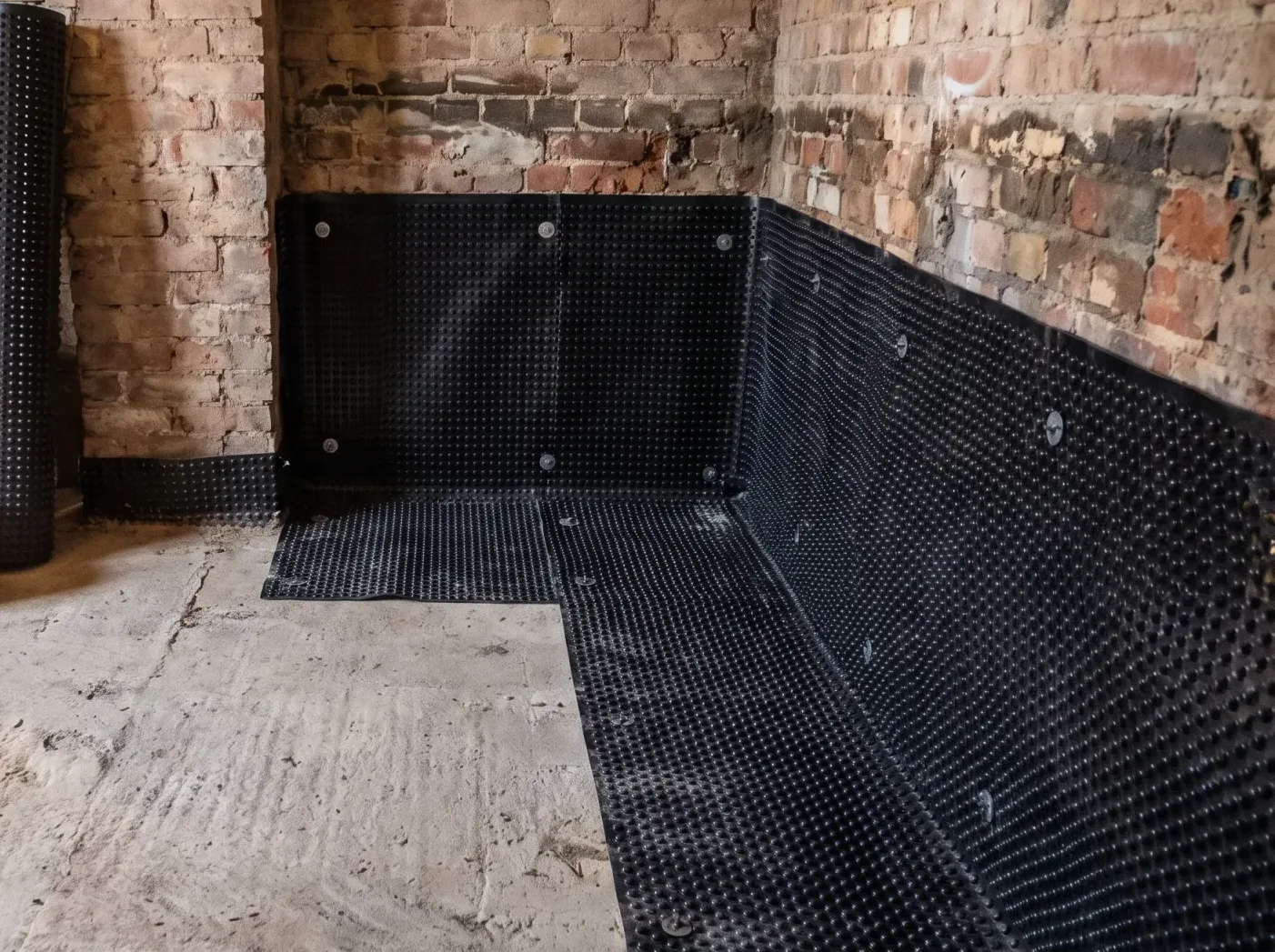
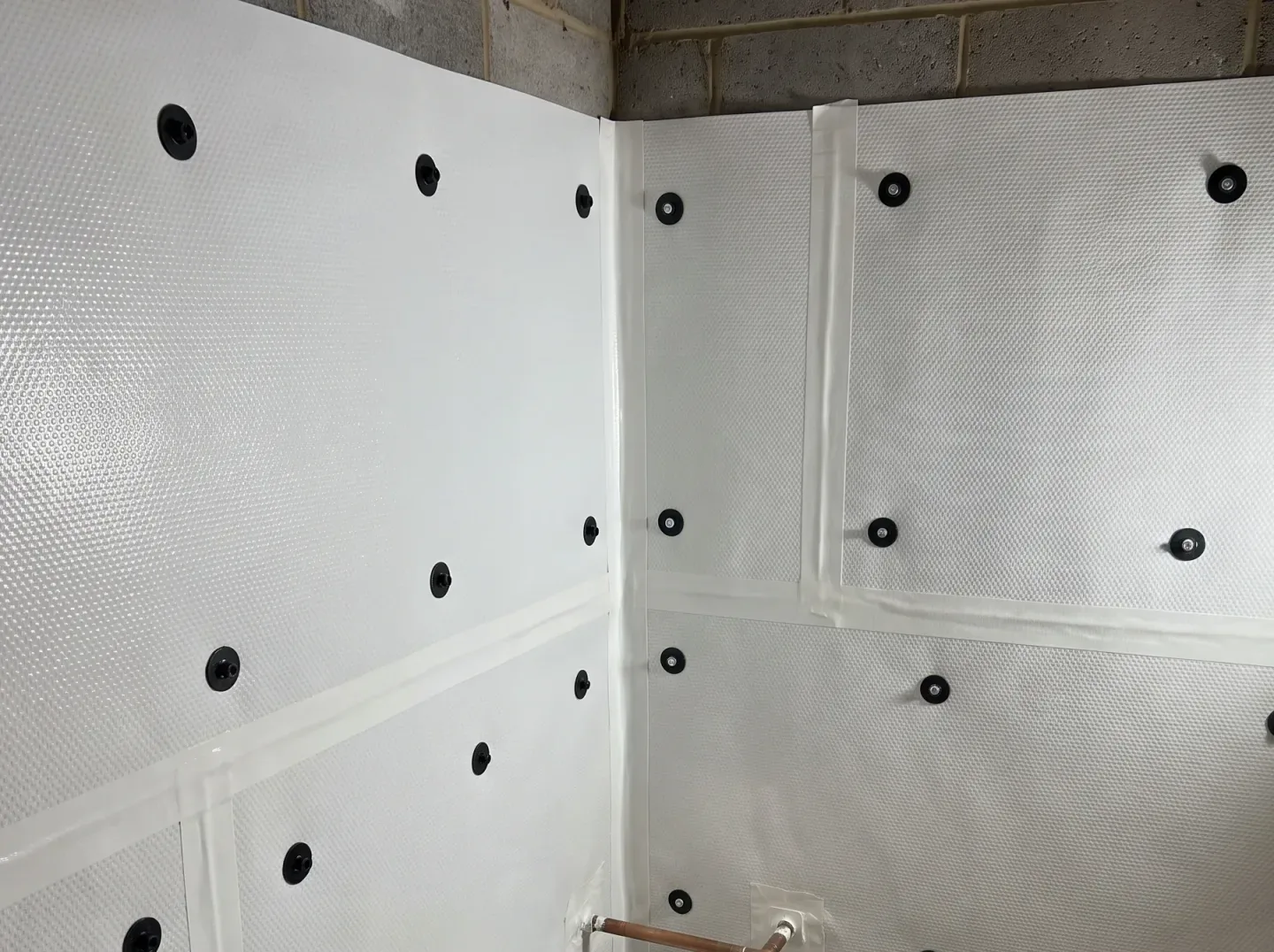
Old storage boxes collect dust. When you schedule tanking in Bracknell, every single item stacked against exterior brickwork must move toward the centre of the room or upstairs. We need clean skirting zones, clear mortar joints, and unobstructed access to floor edges where moisture tends to pool behind redundant timber shelving.
Radiators often block corners. Plumbers must isolate these heating pipes early because applying a barrier requires raw masonry exposure behind all brackets, copper pipe runs, and surface conduit boxes. Leftover wallpaper paste or gloss paint on low baseboards will ruin the bond, so scraping off flaky coatings remains vital before any trowel touches wall.
Tanking creates a solid, waterproof layer that blocks water from penetrating basements and below-ground walls, safeguarding your property from damp and damage.
With our precise application, tanking guarantees lasting resistance to water ingress, decreasing the likelihood of expensive repairs in the future.
By halting moisture accumulation, tanking helps maintain the strength of concrete and masonry, preventing cracks and deterioration over time.
Effective tanking eliminates moisture sources that lead to mold growth, enhancing indoor air quality and fostering a healthier living space.
Tanking is applied prior to any finishes, allowing for the smooth continuation of plastering or other surface treatments without jeopardizing the waterproofing.
We conduct thorough inspections and repairs of all surfaces before tanking, ensuring the waterproof layer adheres properly and functions as intended.
From initial measurement to project completion, we keep you informed at every stage, delivering tanking services on time and according to specifications.
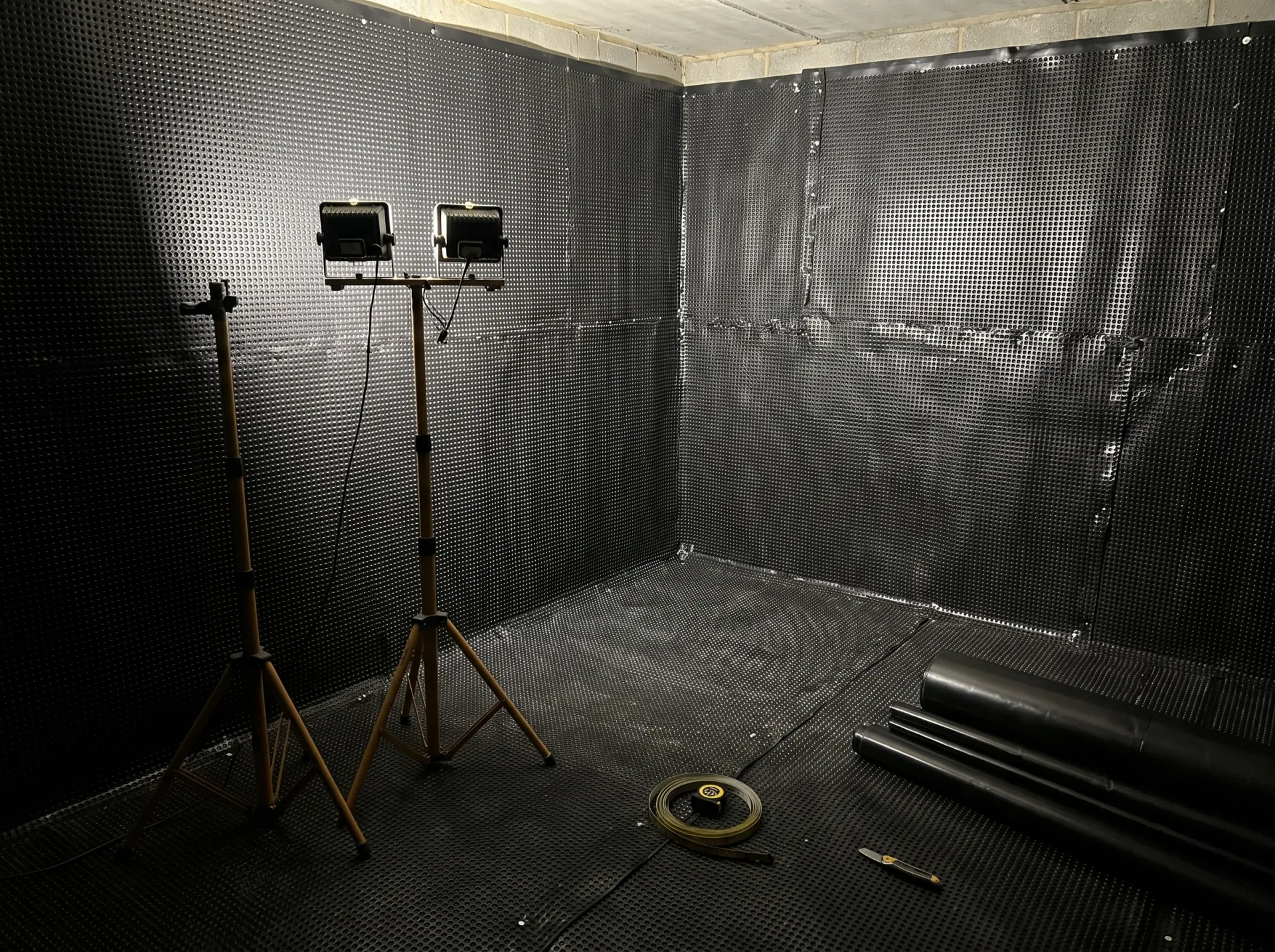
Trapped air causes trouble. Once masonry stops taking in ground moisture through tanking Bracknell properties require steady passive airflow across basement zones to balance internal humidity from washing machines. Warm air hitting cold coated brick condenses instantly, which means small trickle vents or extractor units become essential partners to your dry walls.
Never drill heavy fixings blindly. Hanging a heavy mirror or securing a metal shelf with long expansion anchors will puncture the waterproof barrier and bring water seepage back into the brickwork. We advise using specialist adhesive brackets or independent timber batten stud frames positioned slightly away from the cured barrier coats.
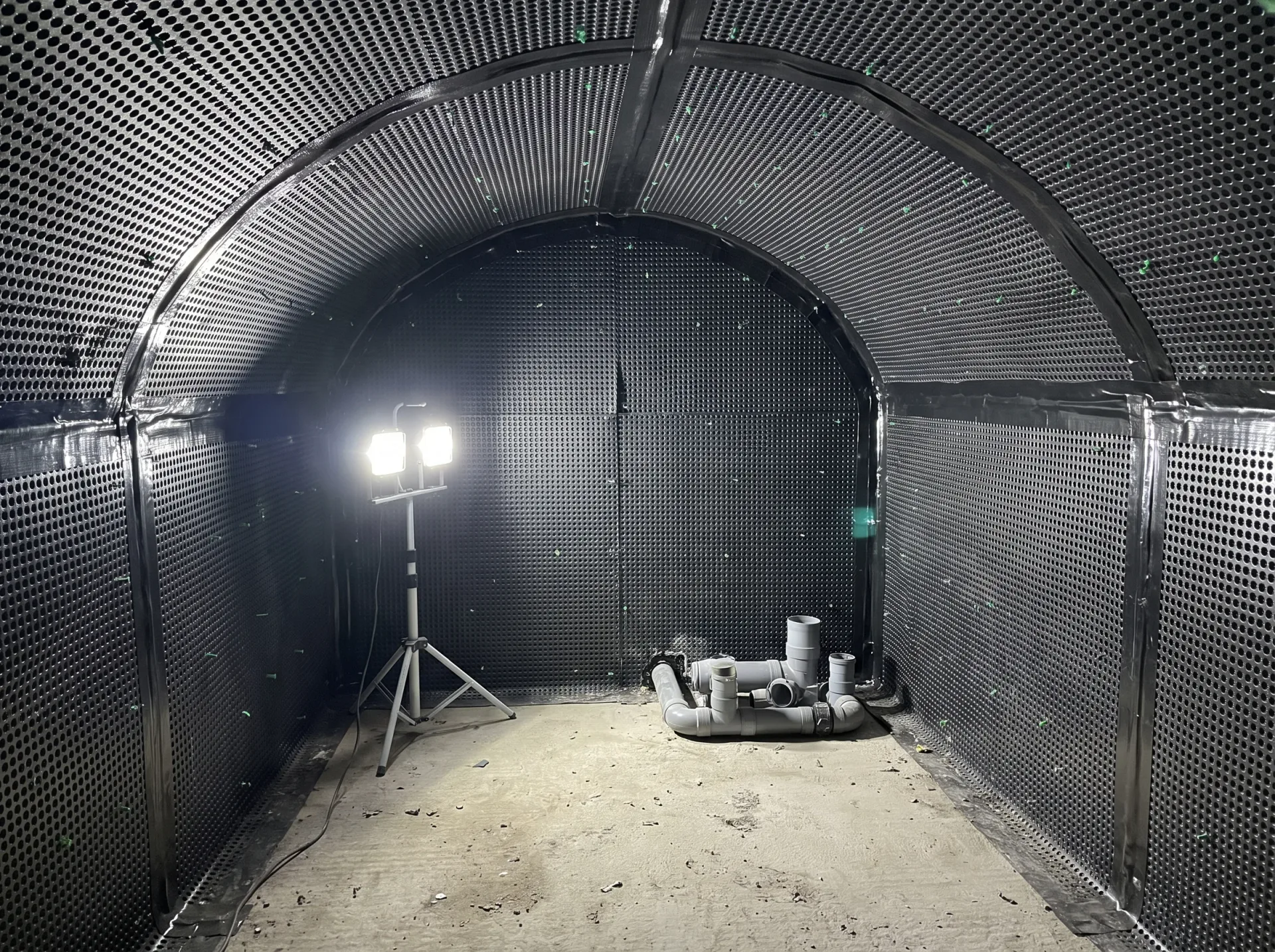
We begin by assessing the site to determine moisture levels and pinpoint areas that require tanking, ensuring a clear understanding of the scope before commencement.
Next, we clean and repair all surfaces, addressing any cracks or defects to guarantee the tanking membrane adheres correctly and forms a robust barrier.
We apply the waterproof coating in multiple layers, focusing on corners and joints where leaks are most likely, securing a continuous seal.
After application, we allow the tanking membrane to cure completely, then conduct a comprehensive inspection to confirm the waterproofing is effective and intact.
Once the tanking process is complete and verified, we communicate clearly with the client, provide necessary documentation, and prepare the site for the next finishing stage.
Sparks run wiring early. Any backbox chased into external cellar bricks after tanking Bracknell projects creates a direct path for ground moisture to bypass the whole barrier system. Sockets belong on surface trunking or independent stud walls built inward from the finished compound, keeping the continuous protective skin entirely free of cuts or deep screw holes.
Skirting boards rot fast. Untreated pine fixings must never bridge the damp barrier to touch cold foundation stone directly. Joiners fix treated grounds using damp-proof strips between wood and cured compound, preventing ground damp from creeping around the edge of fresh floorboards or decorative architraves during winter periods.
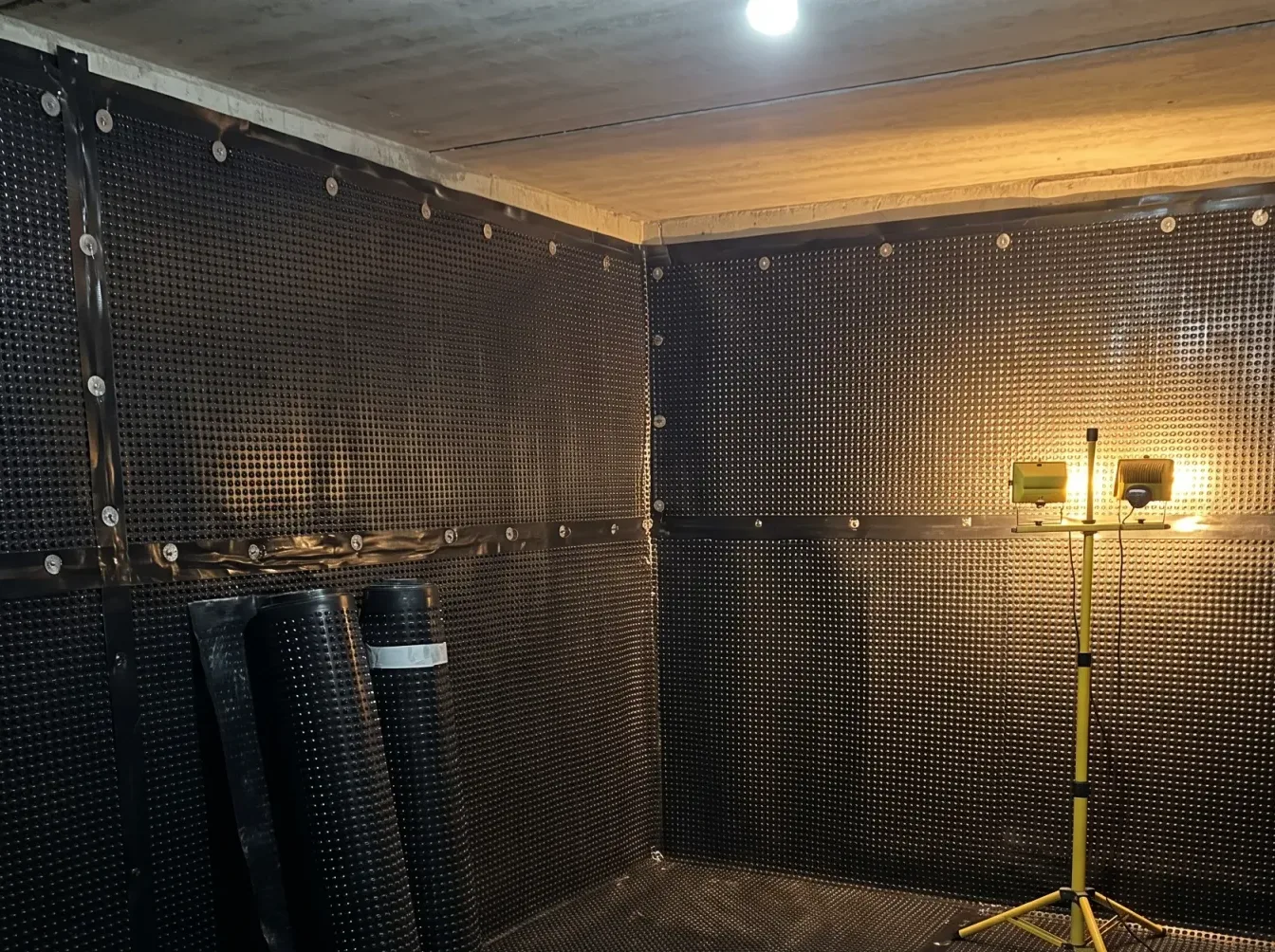
We bring over 20 years of practical experience in tanking, providing waterproofing measures that endure. Understanding the necessity of an efficiently executed tanking layer to prevent water ingress in basements and below-ground walls, each project showcases our dedication to meticulous surface preparation and application that ensures the tanking works as expected.
Tanking requires thorough inspection and careful execution, especially at corners and joints where leaks tend to occur. We prioritize cleaning, repairing cracks, and applying multiple layers for a robust seal. This focused attention minimizes future issues and guarantees the waterproofing barrier remains effective before any finishes are applied.
From the first measurement to final settlement, we maintain open lines of communication with builders and clients. Our tanking service integrates smoothly into project schedules, avoiding delays and ensuring timely completion of waterproofing. This practical method supports an efficient build process and dependable moisture protection.
With over 20 years in plastering and finishing, we bring extensive experience to every tanking project. We start by thoroughly assessing the site to identify moisture risks before installing the waterproof barrier. Our tanking process emphasizes precision-cleaning surfaces, repairing cracks, and sealing joints to provide a lasting waterproof layer. This practical approach prevents dampness and structural damage from the ground up.
We handle tanking as part of our full range of services, coordinating each step from measurement to final inspection. Our clear communication throughout the project prevents surprises and ensures we meet deadlines. The tanking membrane we implement is designed to withstand pressure, protecting basements and below-ground walls before any finishing work begins. Our straightforward, efficient execution guarantees results you can rely on.
We operate in Bracknell and the surrounding area, providing tanking services with thorough site assessments and free estimates. Contact us to discuss your requirements and ensure your basement is safe.
approx. 45 milesDistance from our base · Cheshunt
Call us07465266721Email uscontact@topplastering.ukWe serve your areaBracknell and the surroundings
The Google map loads after you accept marketing cookies.


Maksymilian Mazur
Very satisfied with the service! Excellent communication, clean workmanship, and everything completed professionally. Highly recommended!
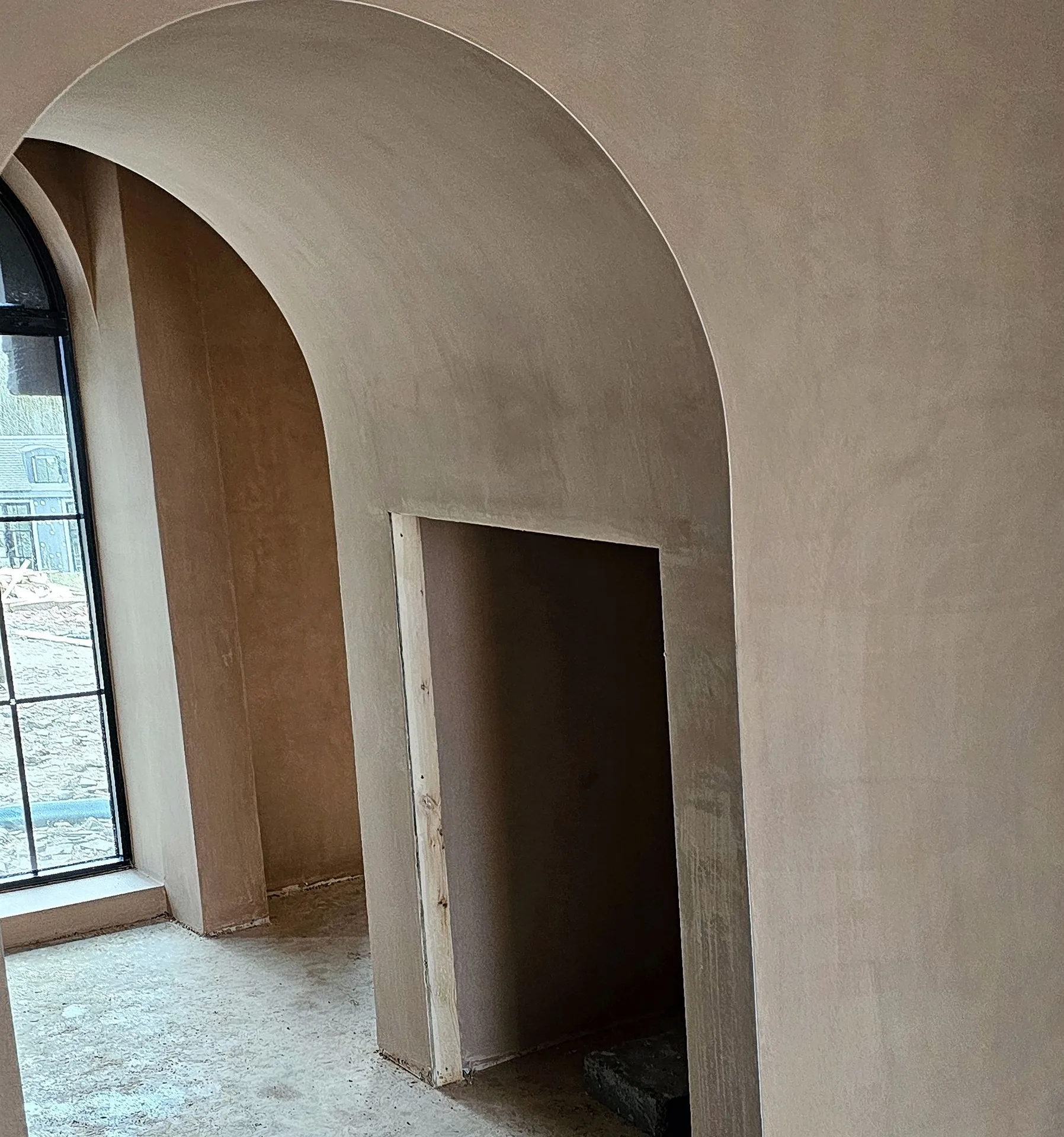
Tired walls and ceilings get a second life with skimming, giving you a flawless, durable finish every time.
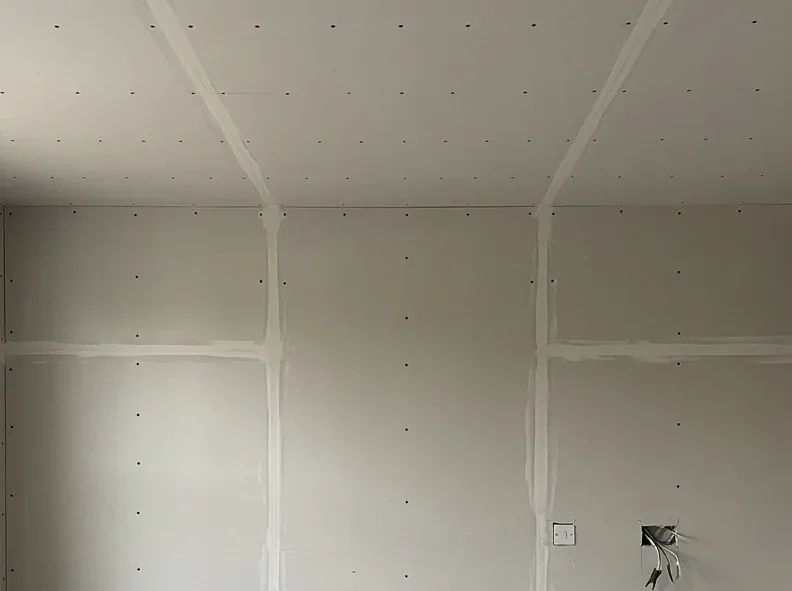
Experience matters-Topplastering handles plasterboarding for walls and ceilings so you get a truly solid finish.
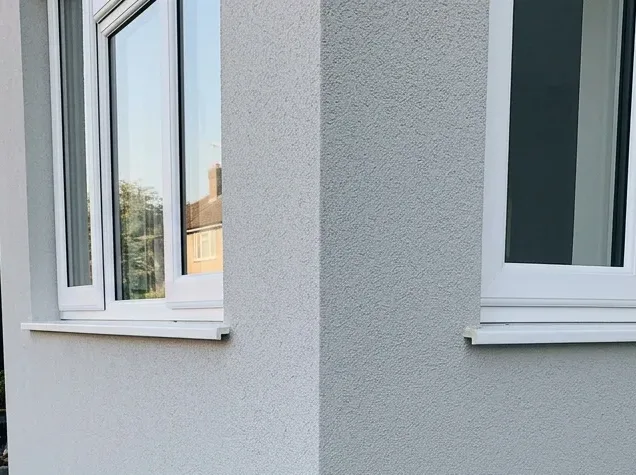
Rendering covers exterior and interior walls with a solid, even coat, protecting surfaces from weather and everyday wear.
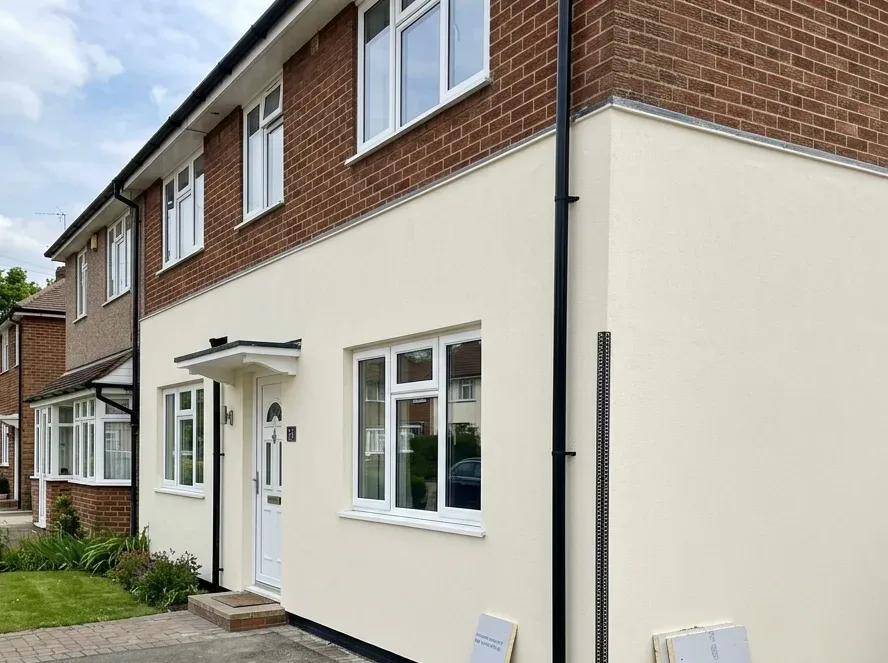
Upgrade your property with external wall insulation from Topplastering-cutting heating costs and improving your building’s appearance permanently.
Craftsmanship you can see
Every plastering project we complete leaves walls smooth, durable, and ready for whatever comes next.
Heavy running leaks stop work immediately because liquid compounds cannot bond against active water pressure. When gushing cracks appear during stripping, we must pause, insert rapid-setting plugging compounds to stem flow, and wait for masonry pressure to drop before proceeding with regular coats.
First comes an on-site inspection of base walls, followed by stripped plaster and salt removal. Then we apply multiple coats over raw masonry, allow drying between passes, and complete a final visual inspection across joints before any plaster skim or stud frame touches the surface.
Drilling into treated walls shortly after handover is the most common mistake. People fix radiator brackets, shelving, or picture hooks straight through the barrier, puncturing the seal and letting ground damp track directly into surrounding rooms, which ruins internal finishes completely.
Cold conditions in Bracknell slow chemical curing significantly because compounds require ambient temperatures above freezing to dry properly. During cold snaps, heaters or extended drying intervals between coats become necessary to prevent the wet mix from slumping off cold foundation masonry.