


Tanking establishes a robust, waterproof layer that prevents water from entering basements and below-ground walls, shielding your structure from dampness and damage.





Protect your project from moisture damage with our tanking service for basements and below-ground walls in Bedford. We ensure that your property is safeguarded against water infiltration.
Get a free quote
 Quick, no-obligation quote!
Tanking is crucial for anyone managing basements or cellars susceptible to moisture in Bedford. Without correct tanking, water can seep through walls and floors, leading to dampness and structural problems. We create a reliable waterproof barrier that keeps these areas dry and sound, ensuring no issues arise during further work.
Builders engaged in new constructions or remodels in Bedford count on tanking to protect below-ground structures. Our tanking involves careful surface preparation and precise application to prevent water ingress that might compromise the building's integrity. This method integrates smoothly into the construction timeline and provides lasting durability.
Homeowners encountering damp problems in basements or high water tables in Bedford require effective tanking solutions to prevent mold and damage. Our services focus on applying a waterproof layer directly onto existing concrete or masonry to address critical points of moisture. This treatment stops the water at its source, maintaining both the home's value and comfort.
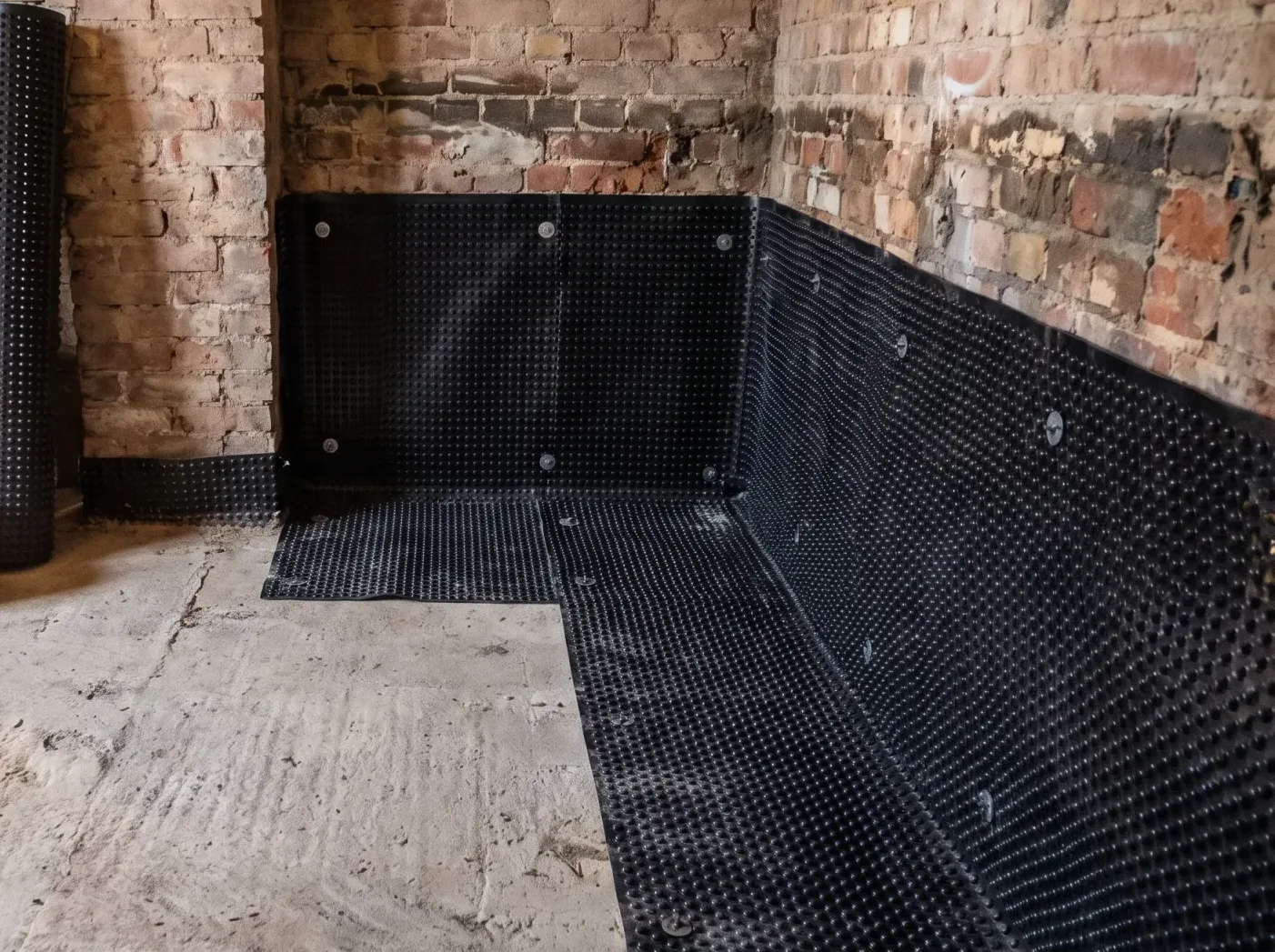
Old storage boxes hide masonry defects. You need to strip timber shelves, pull stored garden tools away from perimeters, and clear any heavy workbenches so we can inspect brickwork joints clearly. We require direct access right down to bare footings when planning tanking in Bedford to spot crumbling lime mortar early.
Cables and copper runs often obstruct masonry faces. Relocating these fixtures prevents punctures later. If a redundant lead waste pipe runs right across the lowest brick course, an electrician or plumber must isolate that run before our crew enters the basement with heavy surface grinding tools, protective sheeting, and mixing buckets.
Tanking establishes a robust, waterproof layer that prevents water from entering basements and below-ground walls, shielding your structure from dampness and damage.
With our careful application, tanking provides enduring resistance to moisture ingress, which minimizes future expensive repairs.
By inhibiting moisture accumulation, tanking helps preserve the strength of concrete and masonry, preventing cracks and degradation over time.
Effective tanking eliminates moisture sources that foster mold growth, enhancing indoor air quality and contributing to a healthier living environment.
Tanking is performed prior to finishing, facilitating the smooth continuation of plastering or other surface treatments without compromising the waterproof layer.
We meticulously inspect and prepare surfaces before tanking, ensuring the waterproof layer bonds effectively and functions as intended.
From the initial measurement to completion, we keep you updated at every stage, delivering tanking services on schedule and to your specification.
Before commencing any tanking in Bedford, we execute a comprehensive inspection to identify where moisture is infiltrating basements or below-ground walls. This step is vital for ensuring that the tanking system effectively targets the actual problem spots. Surfaces are cleaned, and any cracks or faults are rectified to ensure the waterproof barrier adheres properly.
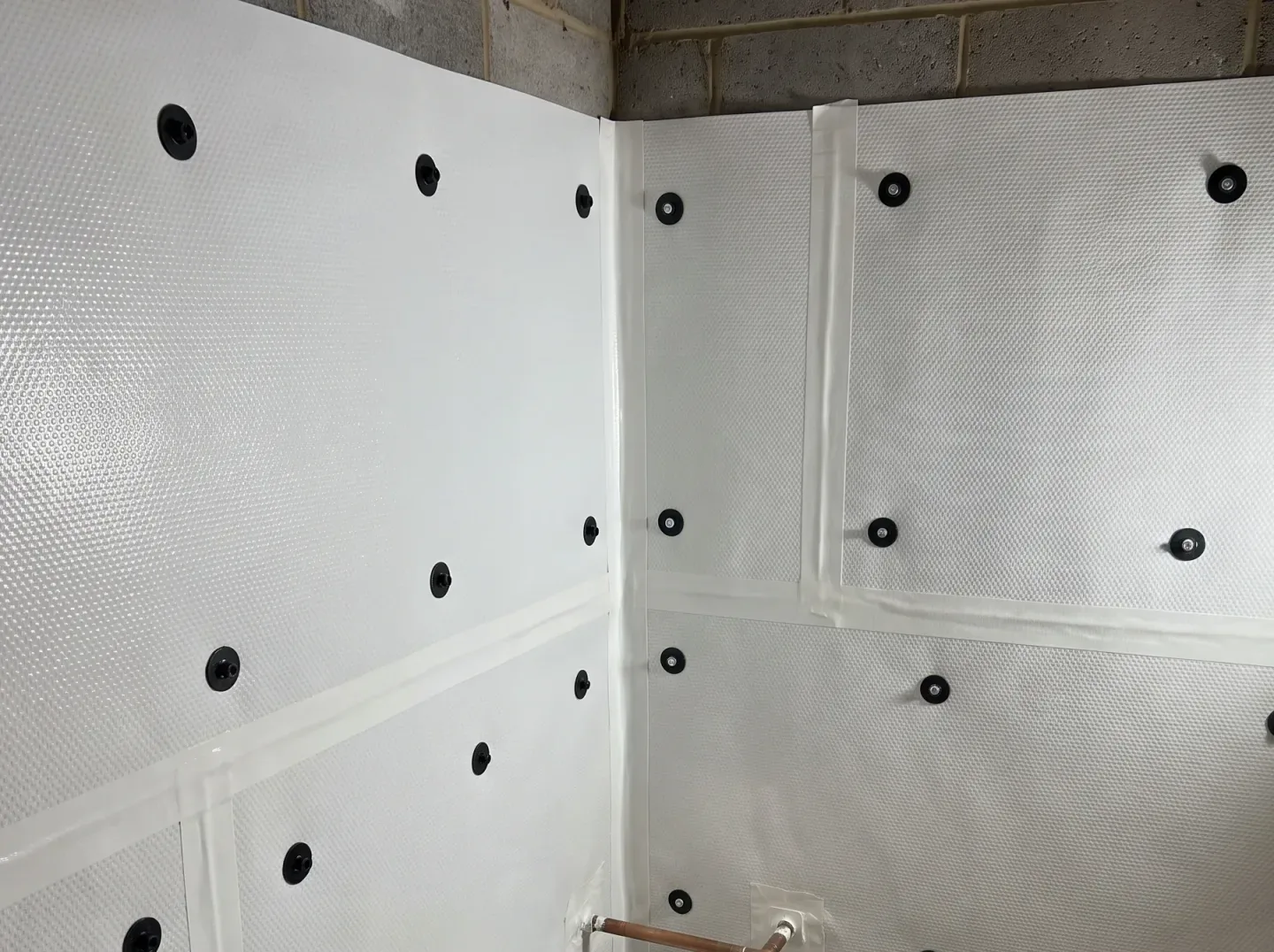
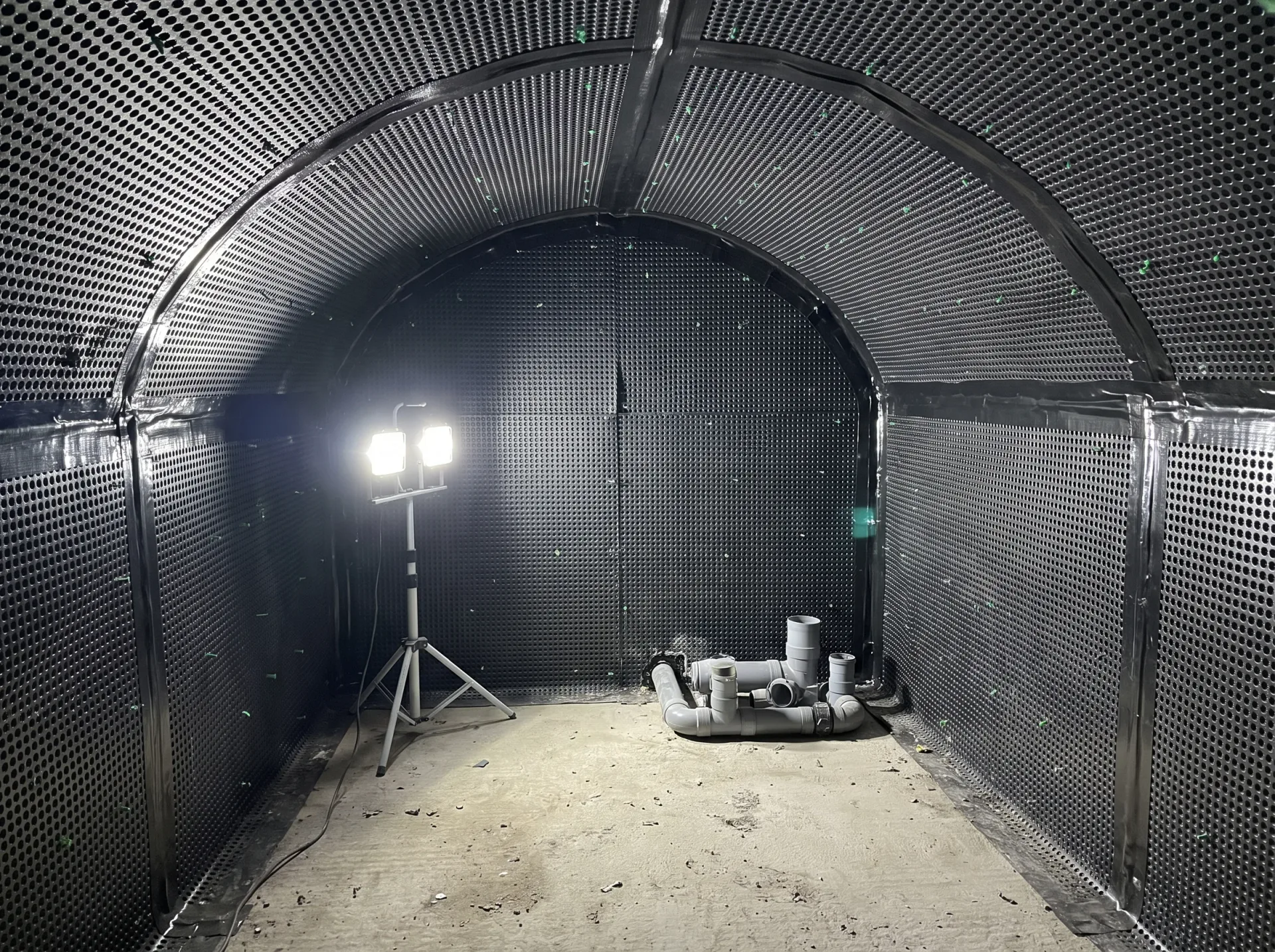
Tanking involves placing a waterproof membrane directly onto prepared surfaces, establishing a seal that blocks water ingress. We apply this membrane with great care, focusing on corners and joints where leaks frequently occur. The outcome is a long-lasting, watertight layer that safeguards the structure, allowing all finishing work to proceed on a dry, stable foundation.
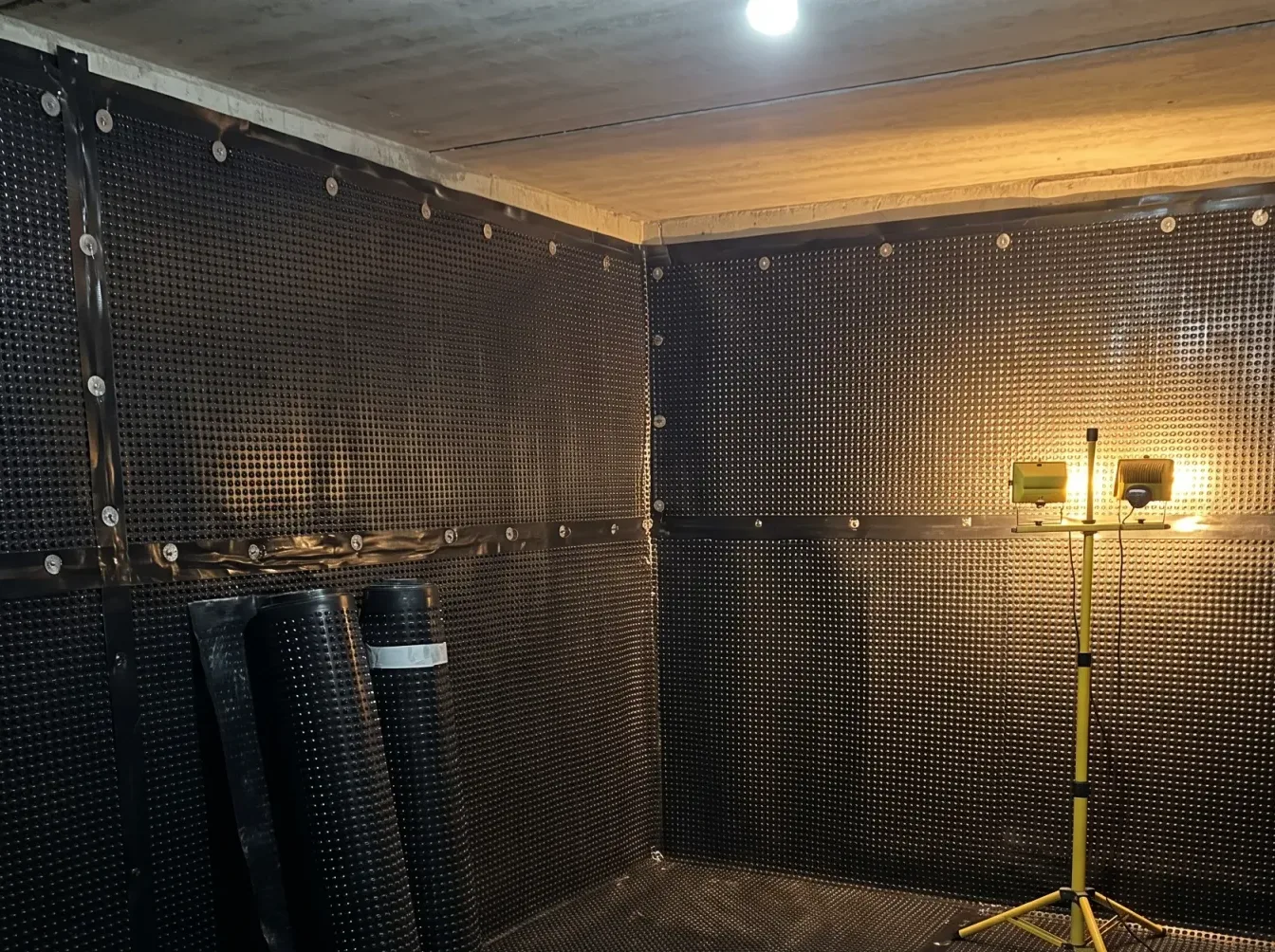
We start by examining the site to assess moisture levels and determine areas needing tanking, ensuring we understand the full scope before any work begins.
Next, we clean and repair all surfaces, addressing cracks and defects to guarantee that the tanking membrane adheres effectively, creating a solid barrier.
We layer the waterproof coating, paying close attention to corners and joints where leaks are most likely, ensuring a continuous seal.
After applying the tanking membrane, we allow it to cure completely, then conduct a thorough review to verify that the waterproofing remains intact and effective.
Once the tanking is finalized and confirmed, we communicate clearly with you, provide any required documentation, and ensure the site is prepared for the next finishing stage.
Ground saturation peaks after cold downpours. High external water pressure easily finds loose mortar joints behind cellar steps, so arranging tanking in Bedford during winter requires careful control of active trickles with fast-setting plugs before applying regular coatings. Heavy rains push mud against foundation footings. Cold walls slow evaporation drastically.
Warm air often causes tricky condensation issues. Unvented subterranean rooms stay humid while outside brick dries out fast. Rapid surface drying can cause coatings to cure unevenly without correct airflow, so keeping cellar windows cracked prevents damp air pooling over treated render coats during hot spells.
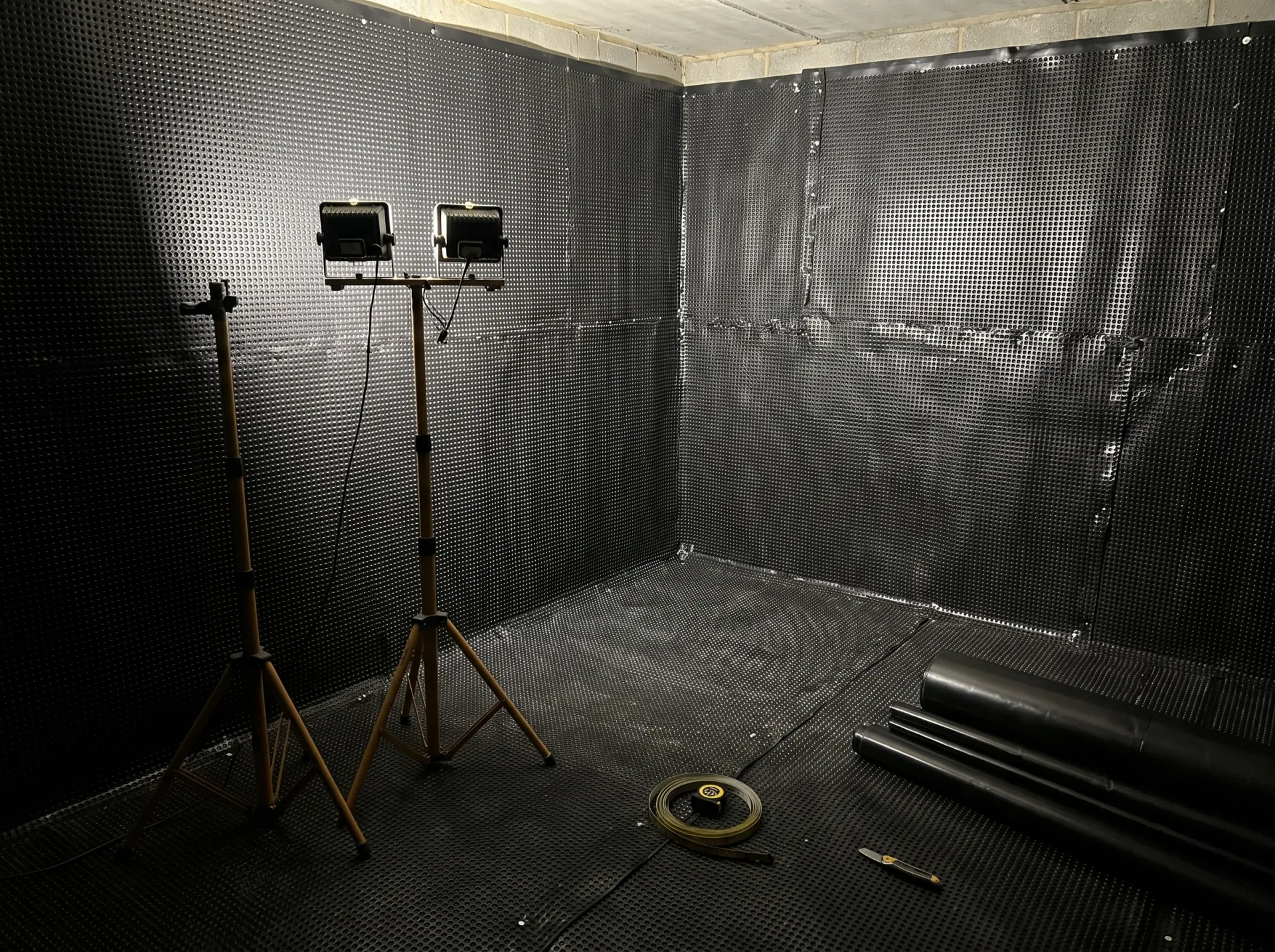
Never drill rawlplugs into fresh waterproof coatings. Driving a standard steel screw straight into that coated masonry breaches the barrier immediately, allowing hidden moisture to collect behind timber uprights. Build independent stud frameworks instead. You keep timber soles slightly away from external walls to maintain complete protection across the space.
Heavy shelving creates severe point loads. Floor-standing metal racking carries weight without touching rendered brick faces. Homeowners completing tanking in Bedford frequently make the error of bolting boiler brackets straight through newly treated basement corners, which invites unwanted damp patches behind water heaters.
Check lower junctions twice every year. Inspect skirtings for white salt crystals pushing against plaster edges or damp patches developing after heavy storms. Catching minor masonry shifts early preserves the room without requiring disruptive stripping.
With over 20 years in plastering and finishing, we bring practical experience to every tanking job. We start by thoroughly assessing the site to spot moisture risks before applying the waterproof barrier. Our focused approach includes cleaning surfaces, fixing cracks, and sealing joints to guarantee a lasting waterproof layer that prevents dampness and structural damage from the ground up.
Our team handles tanking as part of a broad service, coordinating each stage from measurement to final inspection. Clear communication throughout the project prevents surprises and meets deadlines. The tanking membrane we apply is engineered to withstand pressure, safeguarding basements and below-ground walls prior to finishing work. Our systematic approach delivers dependable results.
We work in Bedford and the surrounding area, offering reliable tanking services. Reach us by phone for a free estimate or to discuss your requirements.
approx. 40 milesDistance from our base · Cheshunt
Call us07465266721Email uscontact@topplastering.ukWe serve your areaBedford and the surroundings
The Google map loads after you accept marketing cookies.


Maksymilian Mazur
Very satisfied with the service! Excellent communication, clean workmanship, and everything completed professionally. Highly recommended!
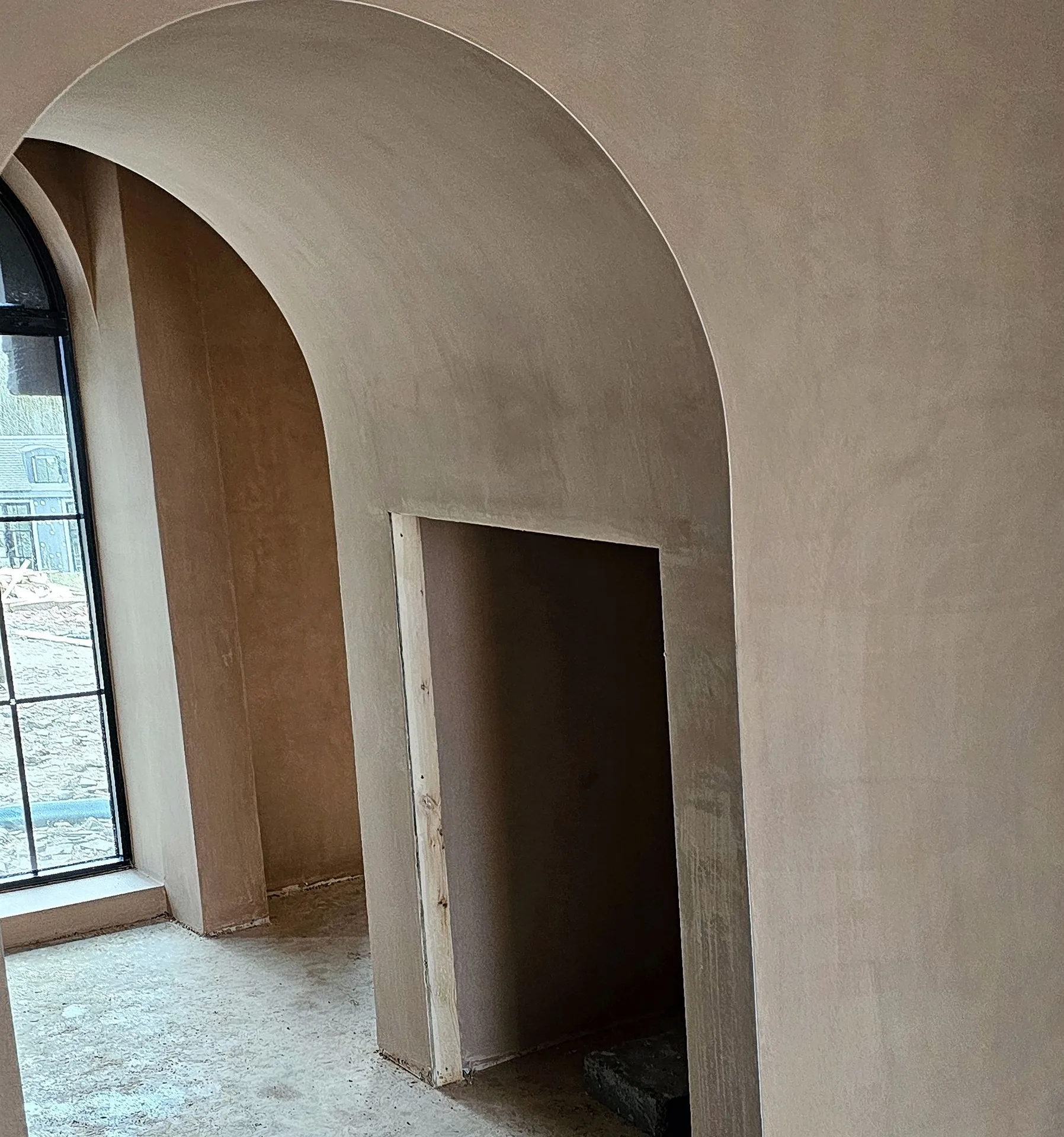
Tired walls and ceilings get a second life with skimming, giving you a flawless, durable finish every time.
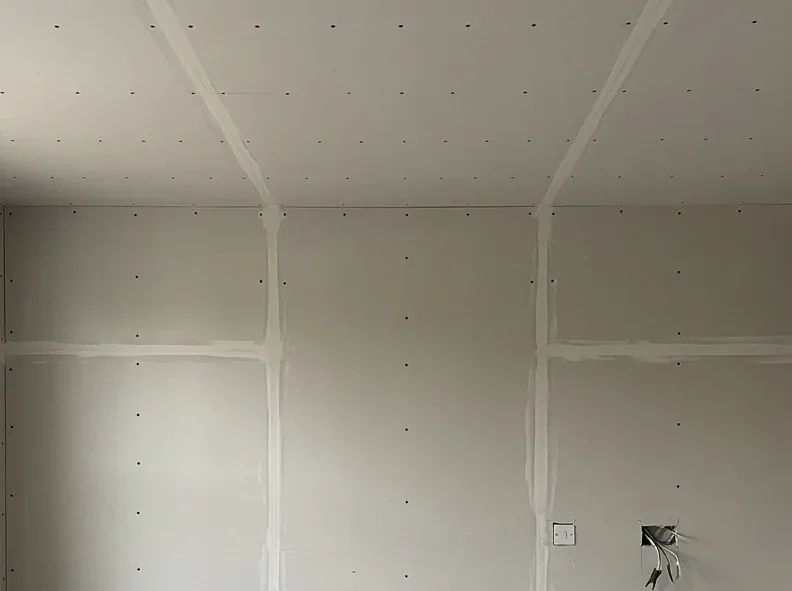
Experience matters-Topplastering handles plasterboarding for walls and ceilings so you get a truly solid finish.
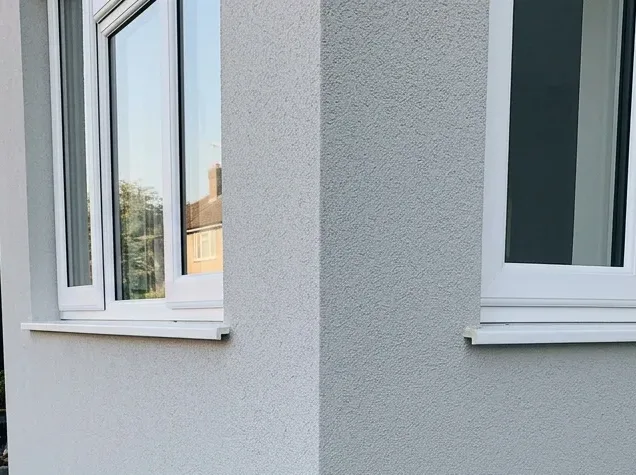
Rendering covers exterior and interior walls with a solid, even coat, protecting surfaces from weather and everyday wear.

Upgrade your property with external wall insulation from Topplastering-cutting heating costs and improving your building’s appearance permanently.
Craftsmanship you can see
Every plastering project we complete leaves walls smooth, durable, and ready for whatever comes next.
Ask how they handle active seepages and junctions between walls and floors, because inexperienced trades often treat just the visible damp patch instead of anchoring the barrier across the whole subfloor. A capable installer explains surface mechanical preparation clearly without dodging questions about salt contamination.
Yes, because our tools produce masonry dust and require open access right to the perimeter walls. Move timber crates, washing machines, and stored boxes into dry rooms upstairs, leaving the cellar floor completely swept and free of loose debris.
Walk the perimeter to confirm the coating covers wall-to-floor junctions without visible pinholes, thin patches, or gaps behind soil pipes. We leave instructions on natural ventilation times, since drying depends on ambient warmth in Bedford homes before any plastering starts.
Note down whether liquid water gathers on the concrete slab or just discolours the brickwork during autumn downpours. Mention existing subfloor pipe penetrations, older timber fixtures, and whether earlier owners painted bitumen directly over damp walls.