


Dry lining speeds up the finishing process in Ilford by eliminating the need for wet plaster to dry, moving your project forward without unnecessary delays.





Experience matters when it comes to dry lining in Ilford, and we deliver solid, efficient results every time. Our team is dedicated to providing the best finishes for your interior projects, ensuring durability and precise installations.
Get a free quote
 Quick, no-obligation quote!
Dry lining is ideal for new construction and extension projects in Ilford, where speed and precision are crucial. It allows for quick installation of interior walls and ceilings without waiting for plaster to dry. We apply dry lining with exact measurements and solid frameworks to ensure a clean, durable finish that aligns with the build’s timeline and quality standards.
When updating existing spaces in Ilford, dry lining offers a practical way to create smooth, even surfaces over old walls or uneven structures. It minimizes mess and disruption compared to traditional plastering methods. We focus on applying dry lining with care, ensuring joints are properly taped and skimmed, providing a ready-to-paint surface that meets the demands of refurbishment work.
Dry lining suits both large-scale builder projects and private clients in Ilford who want reliable, hassle-free interior finishing. Our experience as a subcontractor means clear communication and adherence to deadlines are standard. Whether on-site or in your home, our dry lining in Ilford provides a practical, long-lasting option tailored to the specific needs of each customer.
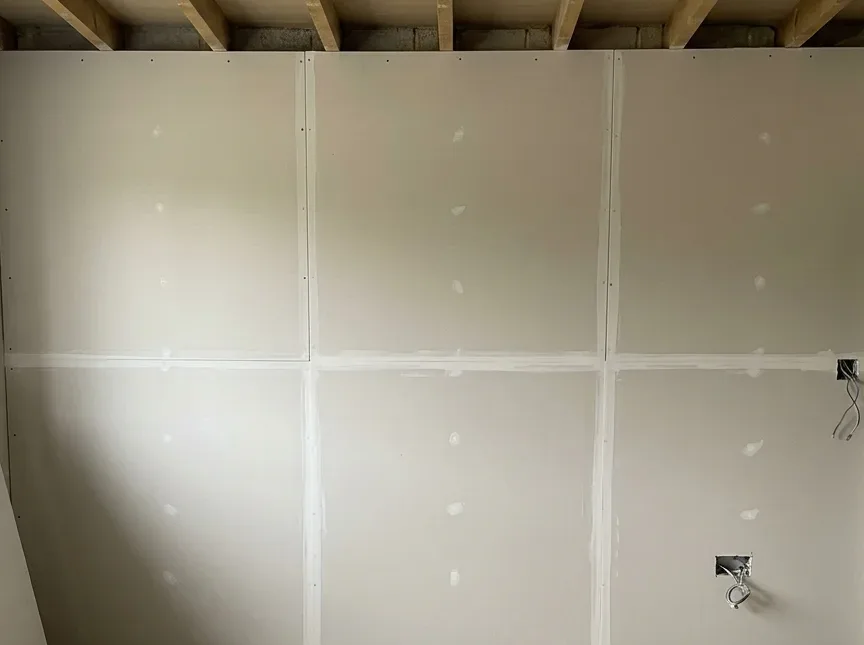
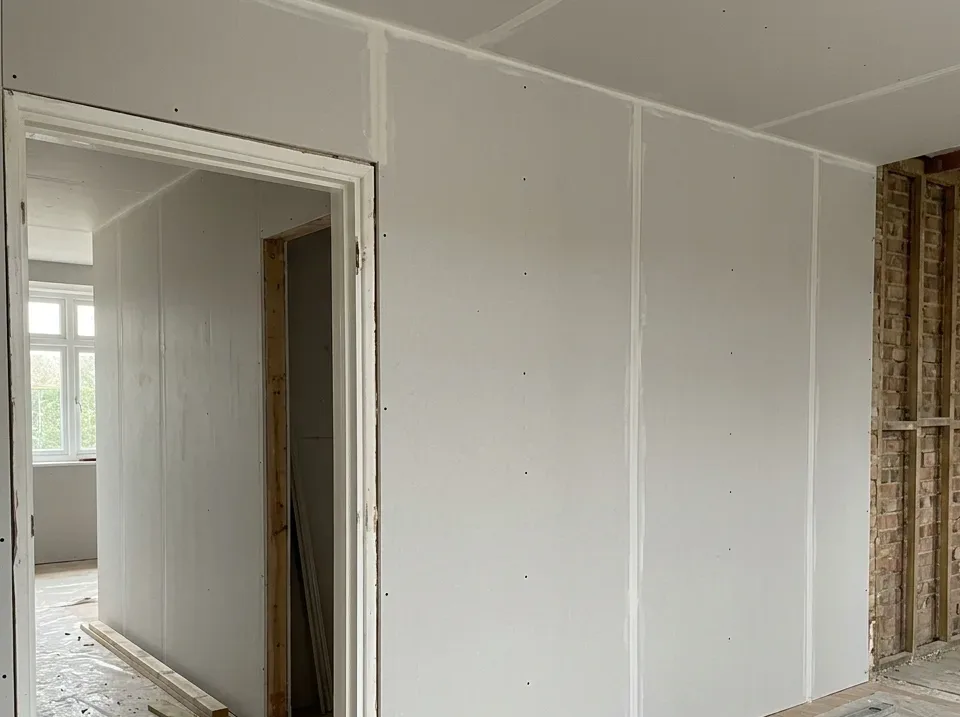
Remove clutter first. When fitting dry lining in Ilford homes, tradespeople need unrestricted passage from the front entrance through hallways right up to bare brickwork without tripping over old sofas or stray boxes. Plasterboards arrive in tall, heavy sheets that snap easily if someone tries to twist them around cramped, obstacle-filled landings.
Pipework demands attention early. Before any timber or metal framework covers an interior wall, your plumber must test every joint under full water pressure because fixing a leak behind fixed plasterboard requires ripping down finished surfaces. Take clear photographs of raw copper pipes and back boxes against brick faces before boarding begins.
Dry lining speeds up the finishing process in Ilford by eliminating the need for wet plaster to dry, moving your project forward without unnecessary delays.
With dry lining, plasterboard is fixed precisely, and joints are taped or skimmed to create smooth walls and ceilings, resulting in a neat, ready-to-paint surface every time.
Unlike traditional plastering, dry lining reduces moisture-related problems, making it especially useful in refurbishment work where controlling dampness is critical.
Dry lining works effectively in new builds, extensions, and renovations throughout Ilford. It adapts easily to various project requirements and structural conditions.
When we combine dry lining with insulation materials in Ilford, it enhances thermal and acoustic performance, adding comfort and efficiency to the finished space.
Dry lining involves less mess and drying time on-site, keeping the work area cleaner and helping maintain a steady workflow.
We start dry lining projects with accurate site surveys and measurements to ensure every panel fits perfectly, avoiding costly adjustments later.
With over 20 years of experience, we guarantee dry lining work in Ilford is completed on time and to specification, keeping you informed at every stage.
Electricians need access first. When planning dry lining in Ilford renovations, sparkies must run all their grey cables through central stud notches before any board covers the opening. Screws pierce hidden plastic sheathing instantly when wires sit loose.
Shallow boxes cause headaches. Dry lining requires metal flush boxes set forward enough so plasterboard edges finish flush without crushing wires, preventing cracked socket faceplates later.
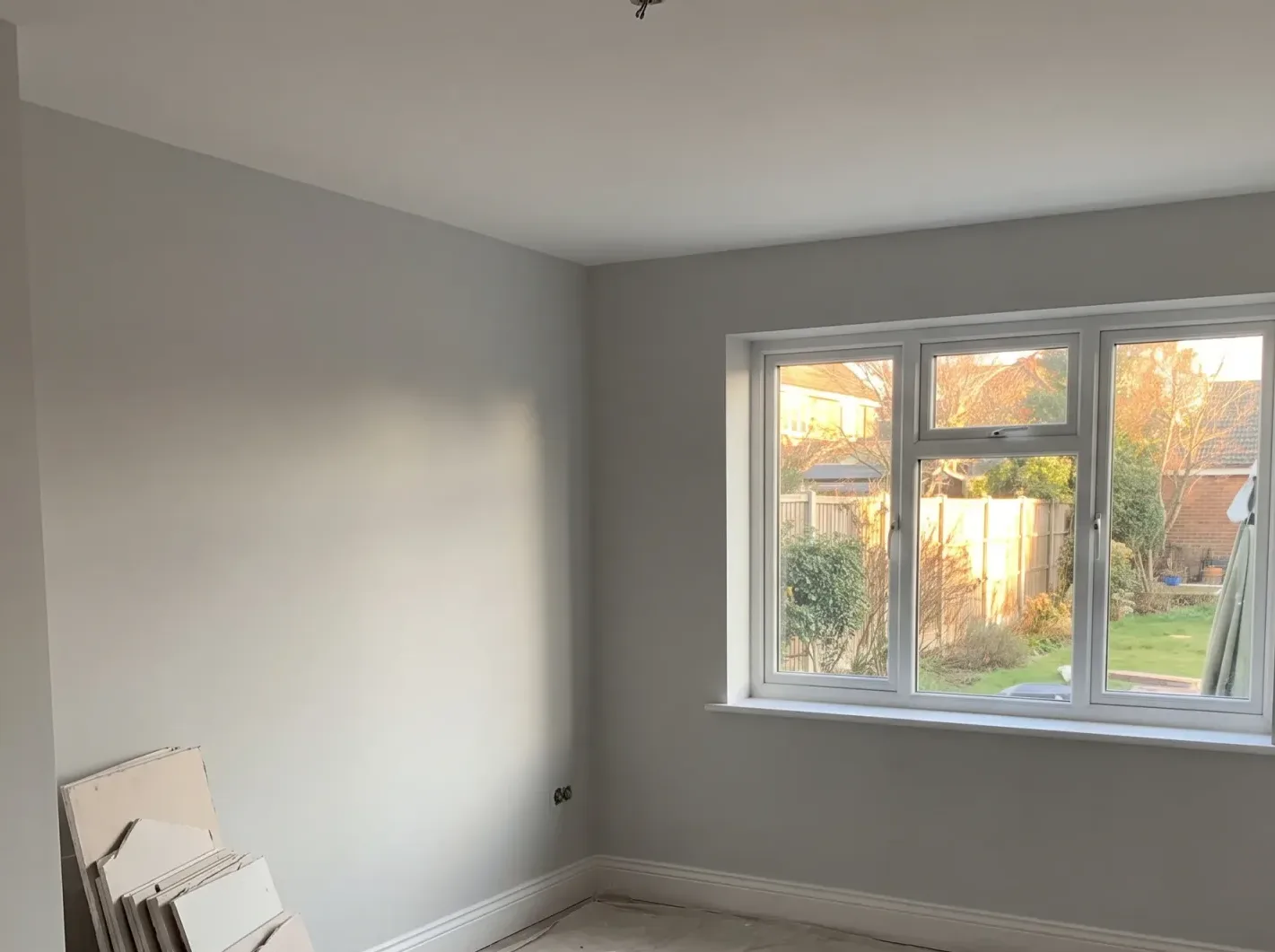
We start every dry lining project with a thorough site survey and precise measurements to plan the work accurately and ensure a proper fit for plasterboard installation.
Next, we build a solid timber or metal framework tailored to the specific requirements of the walls or ceilings involved.
Once the framework is ready, we carefully fix plasterboard panels in place, paying close attention to alignment and stability to guarantee a smooth surface.
After the boards are fixed, we tape joints and fill screw heads meticulously, creating a seamless finish that’s ready for painting or further decoration.
We complete the dry lining process with a detailed inspection to confirm quality and durability, then communicate clearly with the client to ensure satisfaction before closing the job.
We approach dry lining with over 20 years of hands-on experience. Starting with an accurate measurement, we ensure the plasterboard fits perfectly on walls or ceilings. Our process includes fixing boards securely to a solid framework and then taping and jointing or skimming to create a smooth surface ready for decoration, avoiding wet plaster and minimizing drying times.
Our dry lining service covers new builds, extensions, and refurbishments in Ilford with consistent quality. We focus on clean lines and solid finishes that withstand use. Choosing our dry lining means you receive a practical service that meets your project’s needs, delivered on time and communicated clearly throughout.
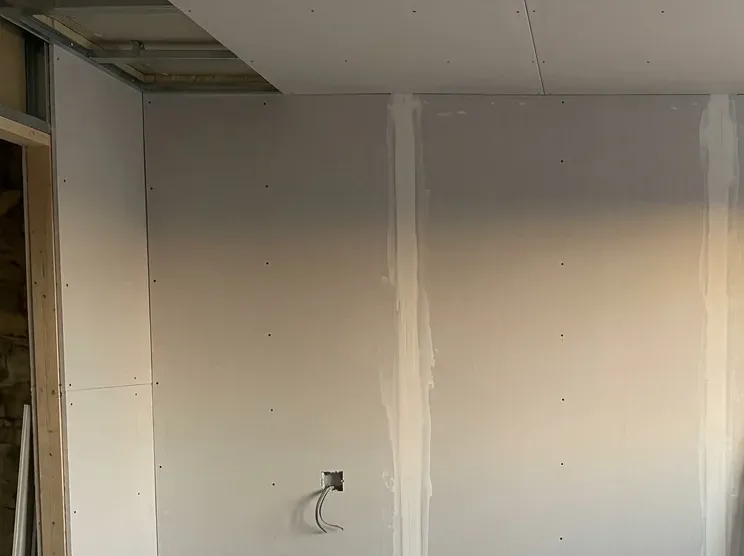
Do not trust basic plastic wall plugs for hanging hefty kitchen cabinets or thick hardwood book racks on dry lining in Ilford properties. Locate vertical timber studs with a small magnet or tap gently across the flat wall until you hear a solid sound, then drive long wood screws straight home.
Dents happen during moving. Press quick filler directly into gouges with a flexible steel blade, sand lightly once dry, and feather edges into painted paper.
Keep ventilation running constantly. Boarded partitions absorb excess steam in windowless shower rooms if extraction vents run too slow, so keep bathroom trickle vents flipped wide open after morning baths.
With over 20 years in the trade, we approach dry lining in Ilford with precision and durability. Each project starts with thorough measurements to ensure the plasterboard fits perfectly. Our work involves a solid framework with taped and filled joints, delivering a smooth surface ready for decoration. This experience results in reliable finishes built to last, whether for a new build or refurbishment.
We maintain a straightforward and transparent dry lining process from start to finish. Working closely with builders and individual clients, we provide clear communication at every stage-from the initial survey and free quotation to the final sign-off. This methodical approach minimizes delays on site and ensures the dry lining meets specific project requirements without surprises.
We work in Ilford and the surrounding area. Contact us via phone for a free estimate or schedule a visit to your site.
approx. 15 milesDistance from our base · Cheshunt
Call us07465266721Email uscontact@topplastering.ukWe serve your areaIlford and the surroundings
The Google map loads after you accept marketing cookies.


Maksymilian Mazur
Very satisfied with the service! Excellent communication, clean workmanship, and everything completed professionally. Highly recommended!
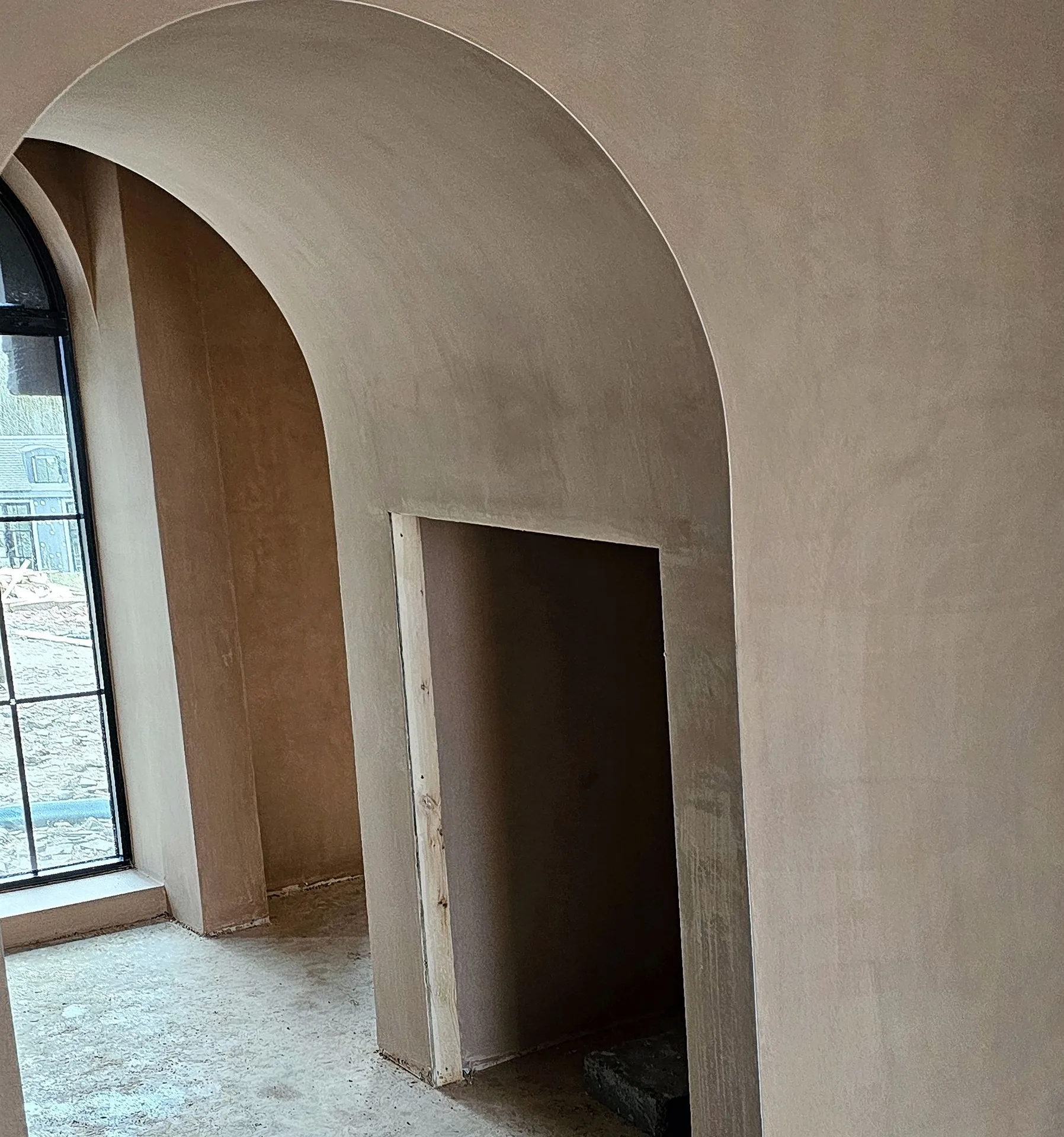
Tired walls and ceilings get a second life with skimming, giving you a flawless, durable finish every time.
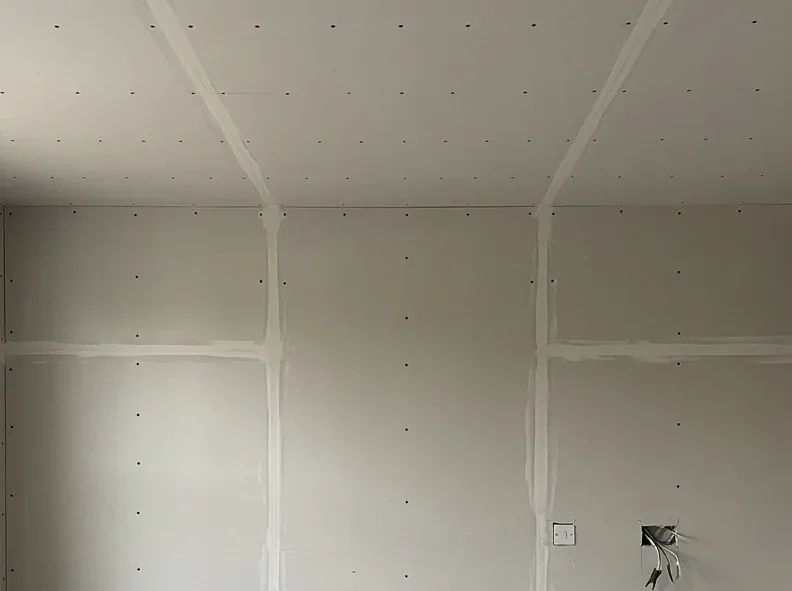
Experience matters-Topplastering handles plasterboarding for walls and ceilings so you get a truly solid finish.
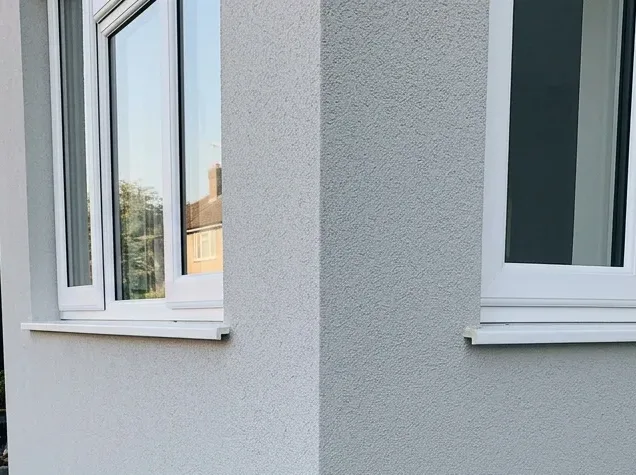
Rendering covers exterior and interior walls with a solid, even coat, protecting surfaces from weather and everyday wear.
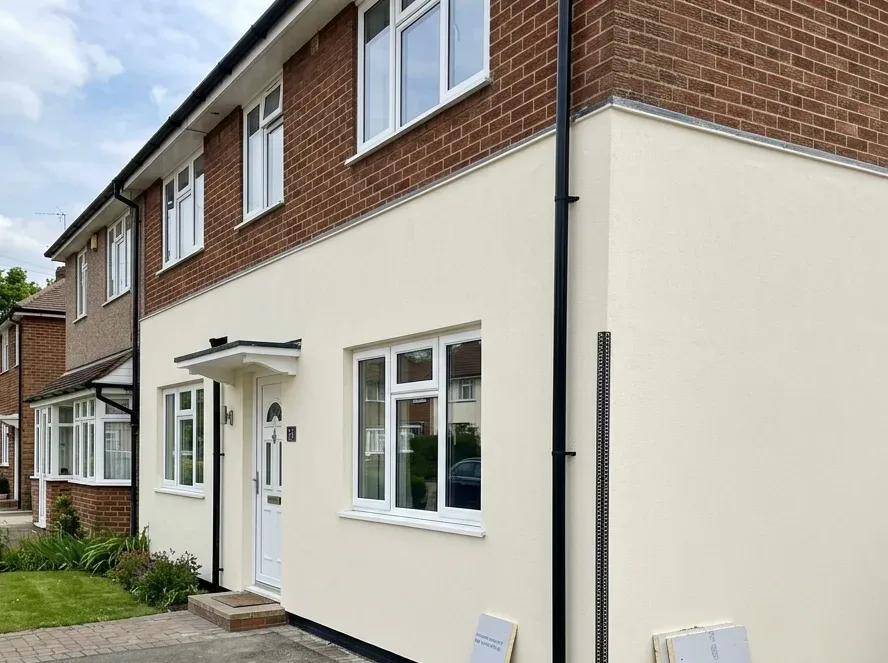
Upgrade your property with external wall insulation from Topplastering-cutting heating costs and improving your building’s appearance permanently.
Craftsmanship you can see
Every plastering project we complete leaves walls smooth, durable, and ready for whatever comes next.
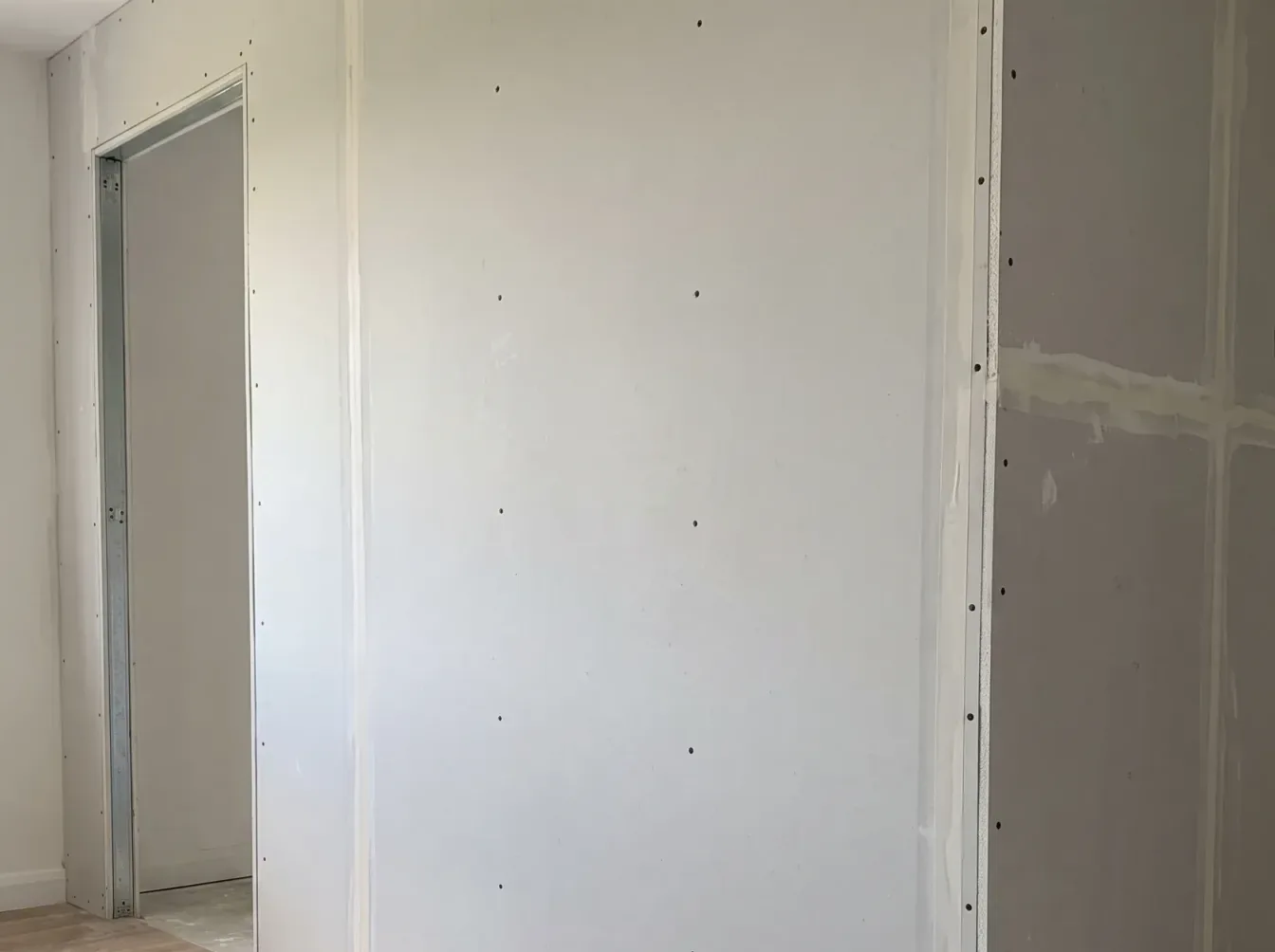
Ask how they handle board joints around doorway openings. Competent fitters never place vertical seams aligned with door frame corners because settlement causes hairline cracks there. They notch full boards into an upside-down boot shape across the lintel instead, keeping joints well clear of stress points.
Measure room heights from bare subfloor up to joists, note whether ceiling timbers run true, and check if walls need dry lining in Ilford across damp-treated masonry. Mention whether trades can park right outside, because carrying dozens of plasterboards across long paths adds significant labour.
People often choose board thickness without considering sound transfer or weight support. Slapping thin standard sheets across bathroom walls without internal insulation battens or timber patresses leaves partitions sounding hollow like drums, while towel rails rip straight through unsupported board when someone pulls hard.
Wall straightness dictates the fixing method. Plumb brickwork accepts adhesive dabs directly, which uses fewer materials, whereas wonky masonry or bowing chimney breasts require full independent metal framing to pull everything square, requiring twice as much metal, fixings, and site setup time.