


Dry lining speeds up the finishing process by removing the waiting time for wet plaster to dry. Consequently, your project progresses without unnecessary delays.





Experience matters when it comes to dry lining, and we deliver solid, efficient results every time in Canning Town.
Get a free quote
 Quick, no-obligation quote!
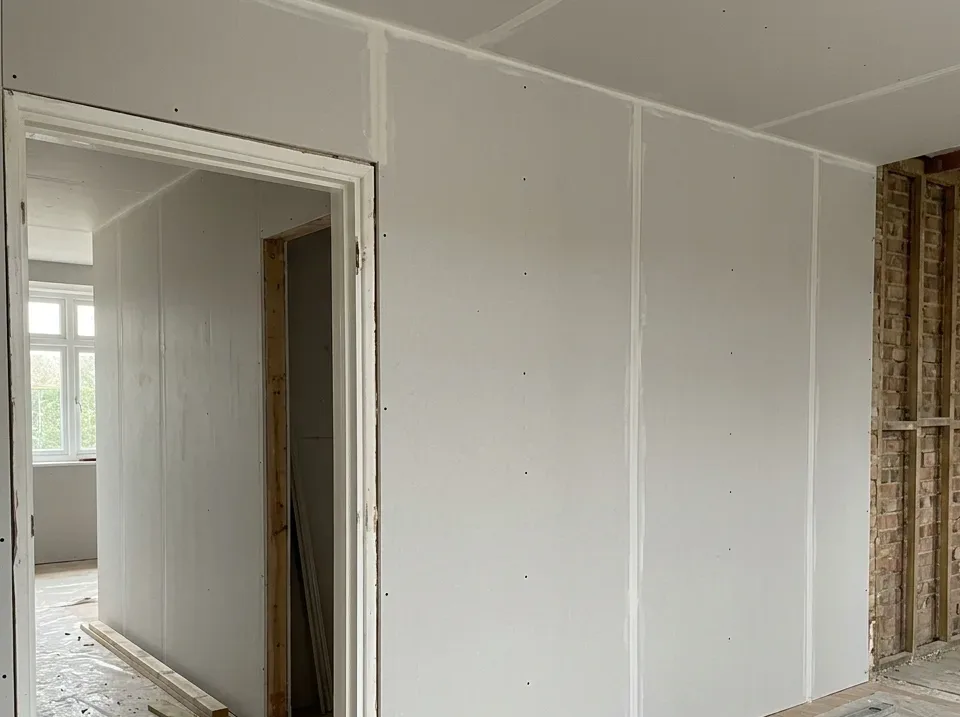
Dry lining works exceptionally well for new construction and extension projects in Canning Town where speed and precision are vital. The method enables quick installation of interior walls and ceilings without delays waiting for plaster. We carry out dry lining using exact measurements and sturdy frameworks, ensuring a clean, durable finish that aligns perfectly with the build’s timeline and quality standards.
When updating existing spaces in Canning Town, dry lining provides an efficient way to create smooth, even surfaces over old walls or uneven structures. This technique minimizes mess and disruption compared to traditional plastering. We handle dry lining meticulously, ensuring all joints are properly taped and skimmed, resulting in a ready-to-paint surface that meets the needs of refurbishment projects.
Dry lining caters to both large-scale builder projects and private clients seeking hassle-free interior finishing. Our experience as a subcontractor allows for clear communication and adherence to timelines as standard. Whether on site in Canning Town or at home, dry lining provides a practical, long-lasting option tailored to each customer's specific needs.
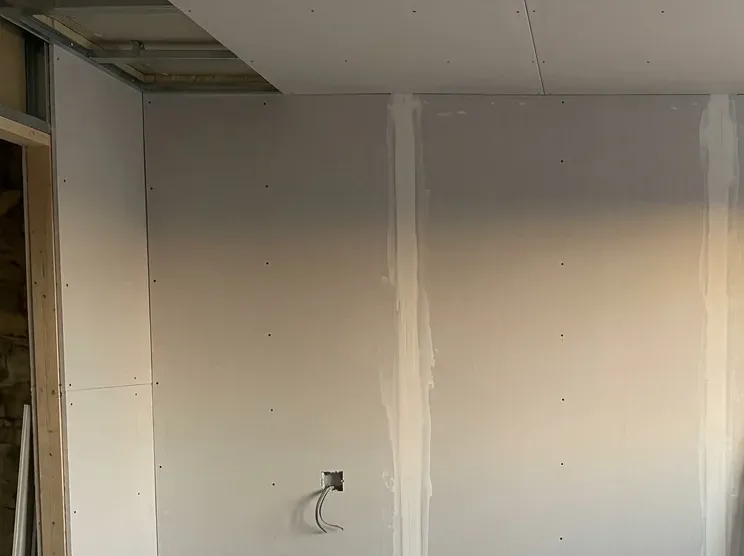
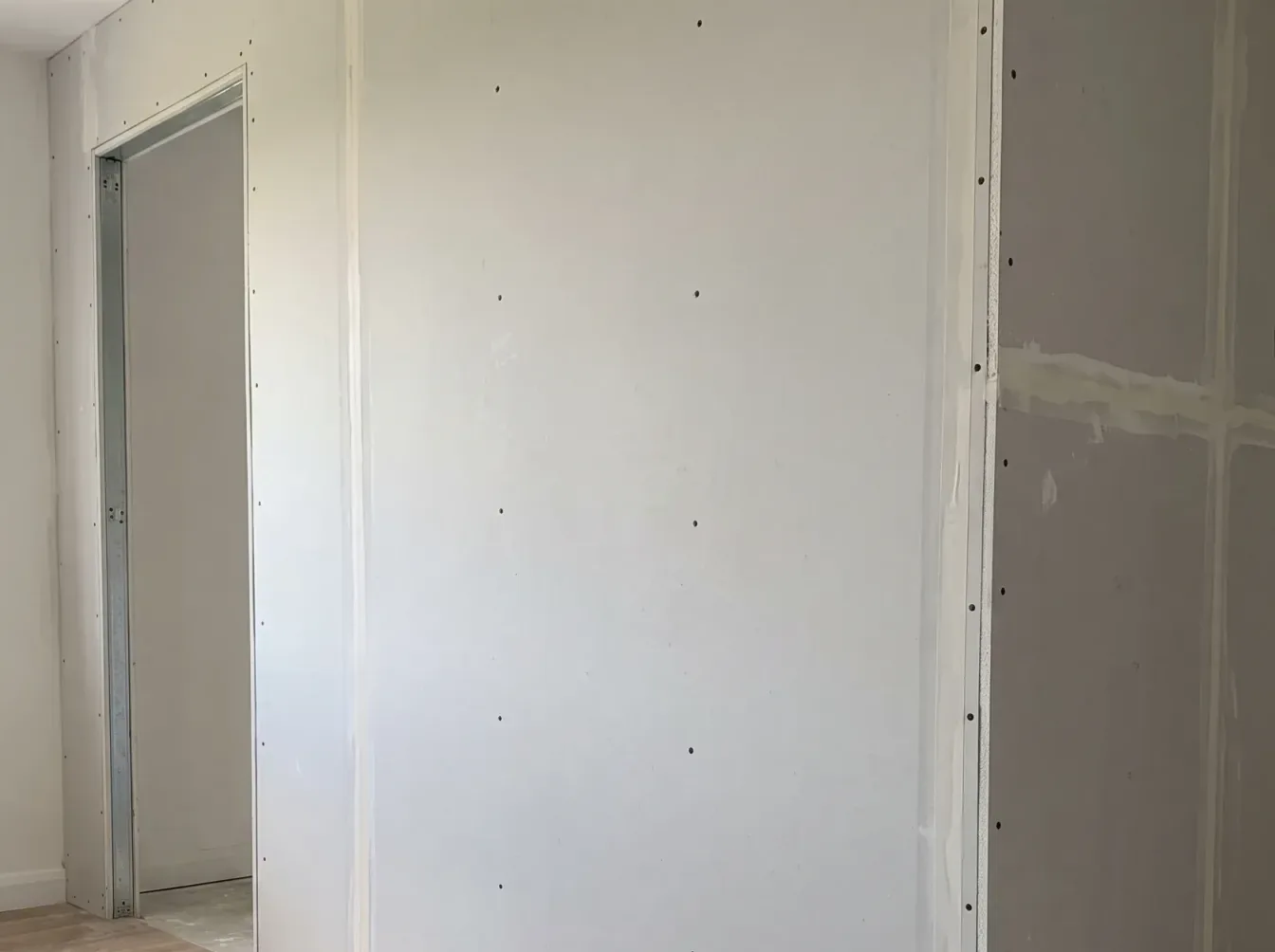
Clear the floor completely. When taking on dry lining in Canning Town, our team needs room to carry heavy plasterboards through narrow hallways without knocking door frames. Stack furniture well away from perimeter walls, take down curtains, and remove skirting boards if you want boards fitted flush to the subfloor. Dust gathers quickly on uncovered rugs.
Old masonry hides problems. We often see cold external brickwork showing damp patches right where timber battens or adhesive dabs belong, which prevents compound from sticking properly. Fix leaking pipes or damaged brick joints beforehand. If the brick face crumbles when touched, treat the background surface long before dry lining boards go up.
Dry lining speeds up the finishing process by removing the waiting time for wet plaster to dry. Consequently, your project progresses without unnecessary delays.
With dry lining, plasterboard is fixed correctly, and joints are taped or skimmed to create smooth walls and ceilings. The outcome is always a neat, ready-to-paint surface.
Dry lining reduces moisture-related problems when applied correctly. It’s particularly advantageous in refurbishments where managing dampness is essential.
Dry lining adapts well for new builds, extensions, and renovations throughout Canning Town. It easily fits different project requirements and structural conditions.
When combined with insulation materials, dry lining enhances both thermal and acoustic performance. This significantly improves comfort and efficiency in your finished space.
Dry lining generates less mess and drying time on site, keeping work areas cleaner and ensuring a steady workflow.
We initiate dry lining projects with careful site surveys and precise measurements that guarantee each panel fits seamlessly, preventing costly adjustments down the line.
With over 20 years of experience, we assure dry lining work completed on time and to specifications. Our communication keeps you informed at each stage of the project.
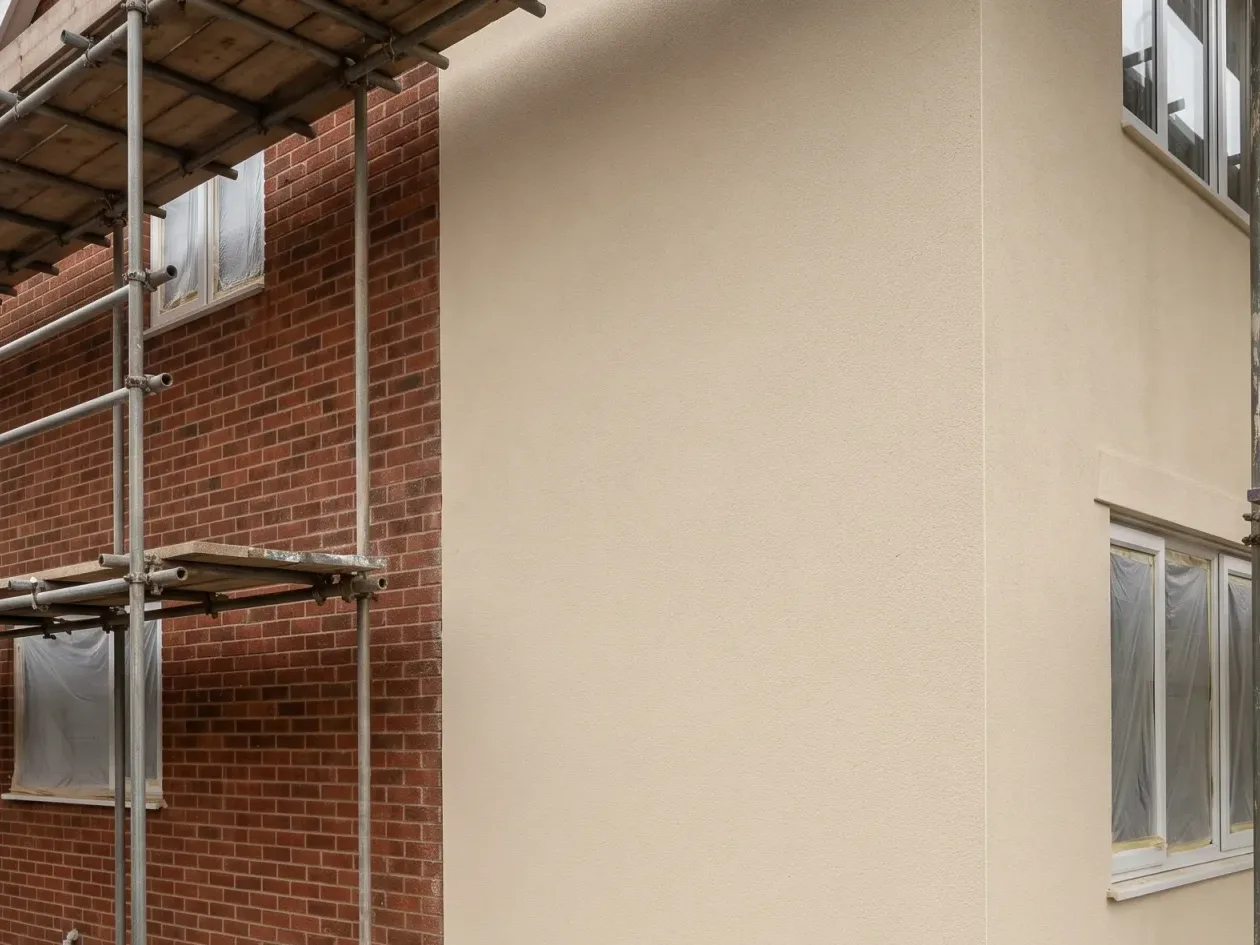
Dry lining eliminates the waiting periods associated with traditional wet plaster drying. By securing plasterboard directly onto frameworks, we minimize project delays, allowing builders to promptly proceed to the next phase. This method reduces downtime without compromising finish quality, making it suitable for new builds and refurbishments in Canning Town.
Employing dry lining helps circumvent the moisture challenges typical of wet plaster techniques. Our approach ensures that walls and ceilings stay dry and stable, diminishing the chances of cracks or mold formation. The plasterboard system allows for smoother integration of insulation materials, enhancing the overall durability and comfort of the space.
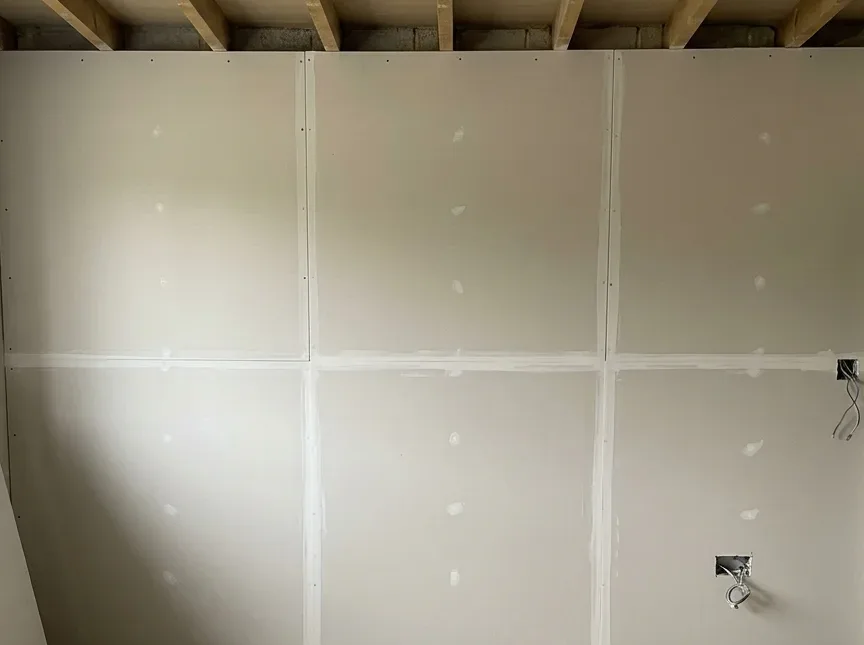
Every dry lining project begins with a comprehensive site survey in Canning Town and precise measurements to plan the work effectively, guaranteeing a suitable fit for plasterboard installation.
Next, we establish a solid timber or metal framework, forming a robust base for the dry lining tailored to the specific requirements of the walls or ceilings involved.
Once the framework is set, we securely attach plasterboard panels, ensuring keen attention to alignment and stability to guarantee a smooth surface.
After fixing the boards, we meticulously tape joints and fill screw heads, achieving a seamless finish that’s ready for painting or further decoration.
We complete the dry lining process with an in-depth inspection to validate quality and durability, ensuring we clearly communicate with clients before finalizing the job.
Wires come first. Plumber pipes and electrical cables must run through studs before dry lining boards cover the cavities, otherwise walls end up cut open later. Mark socket heights on floors so back boxes sit level without ripping into finished gypsum. A loose cable trapped behind a screw will trip the consumer unit instantly.
Radiators require solid backing. Standard plasterboard cannot hold heavy cast radiators or kitchen wall units without timber noggins secured between the upright studs inside the void. Tell us your layout plans during dry lining in Canning Town so we insert backing timbers in exact spots.
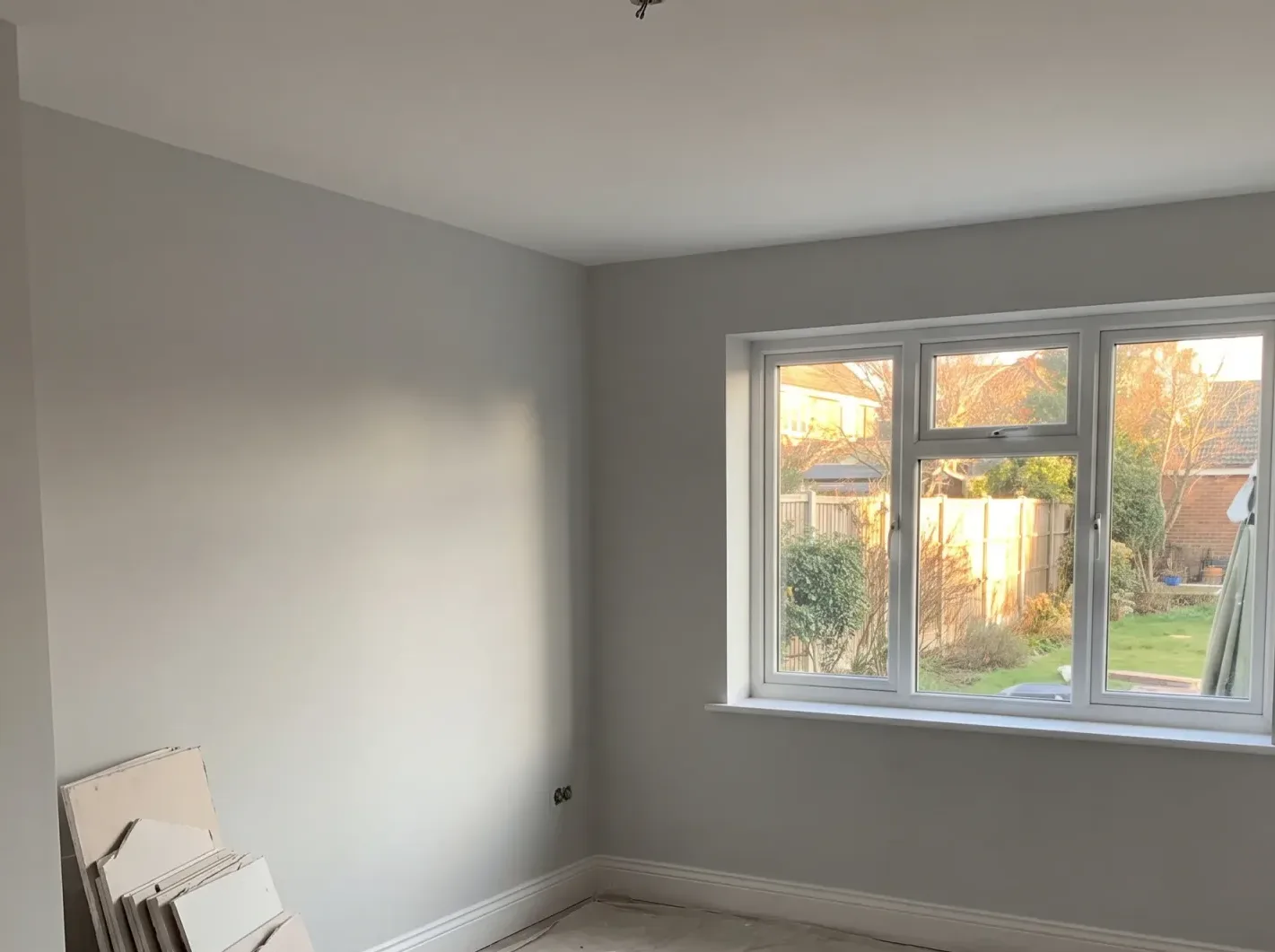
Use the right anchors. Plain screws pull out of gypsum easily, leaving messy crumbly holes behind when someone loads a bookcase. For everyday items on dry lining, spring toggles or hollow wall fixings bite firmly into the void behind without crushing board cores.
Accidents happen during move-in. Moving a sofa can dent a door reveal, but dry lining in Canning Town allows quick localized surface fixes. Fill scrapes with jointing compound, rub smooth with fine sandpaper, and touch up paint without redoing whole rooms.
Ventilate wet areas properly. Kitchen cooking steam softens board edges if extractor fans run too weak or stay switched off. Keep background airflow steady during winter heating months, preventing surface mould from settling into corners where boards join ceilings.
With over 20 years in the field, we approach dry lining with precision and longevity in mind. Our projects begin with detailed measurements to ensure a perfect fit for plasterboard. The process is executed within a secure framework, with all joints taped and filled to achieve a smooth surface ready for decoration. This practical expertise guarantees the reliability of the finishes we deliver, whether it’s for a new build or refurbishment in Canning Town.
We maintain a transparent and straightforward dry lining process from start to finish. Collaborating closely with builders and individual clients, we ensure clear communication at every step-from initial surveys and free quotations to final sign-off. This organized approach minimizes site delays and ensures the dry lining meets precise project requirements without unexpected issues.
We operate in Canning Town, providing efficient dry lining services. Reach out by phone or request a free estimate, and we'll assist you with your project, suitable for any nearby areas.
approx. 15 milesDistance from our base · Cheshunt
Call us07465266721Email uscontact@topplastering.ukWe serve your areaCanning Town and the surroundings
The Google map loads after you accept marketing cookies.


Maksymilian Mazur
Very satisfied with the service! Excellent communication, clean workmanship, and everything completed professionally. Highly recommended!
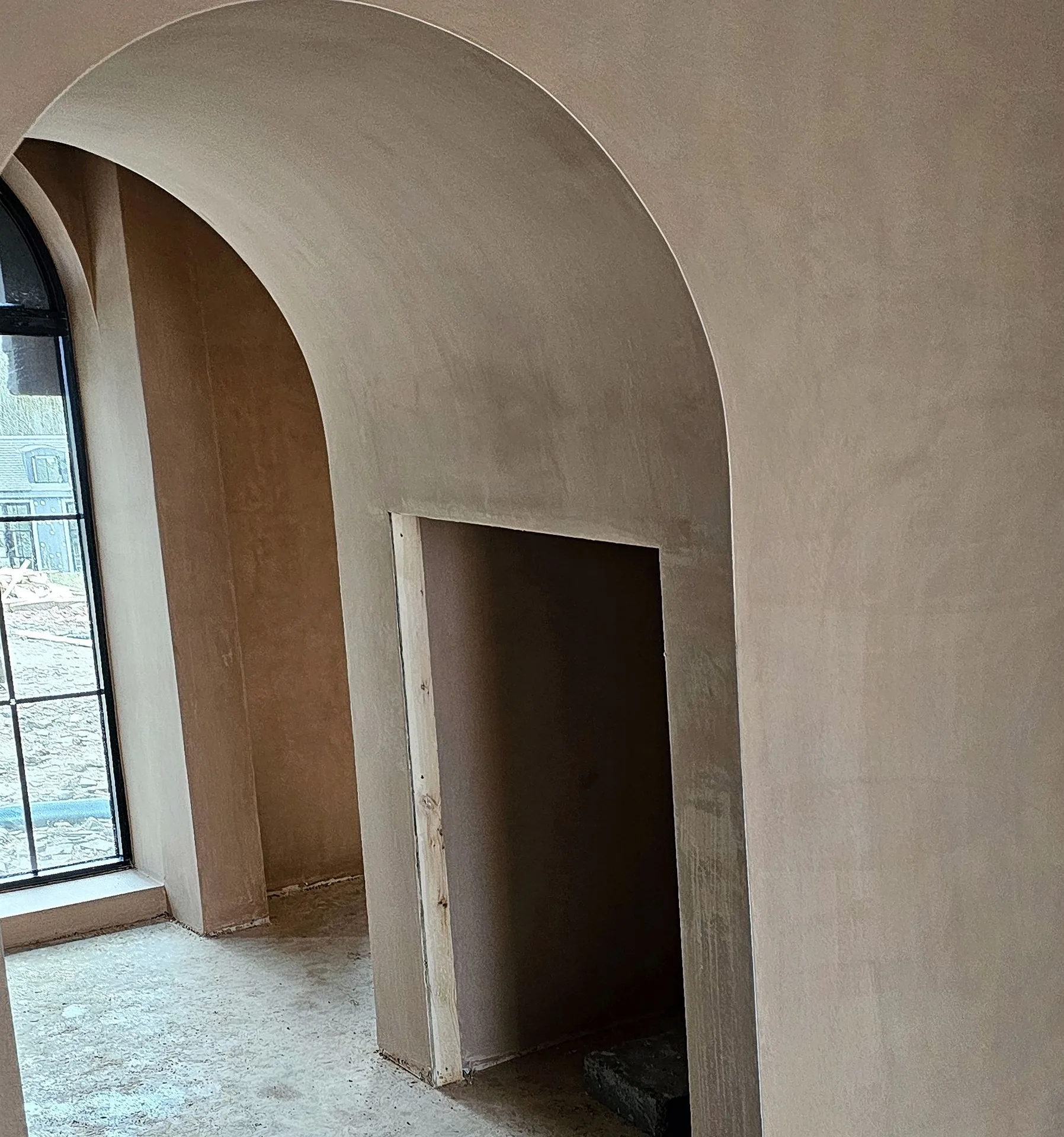
Tired walls and ceilings get a second life with skimming, giving you a flawless, durable finish every time.
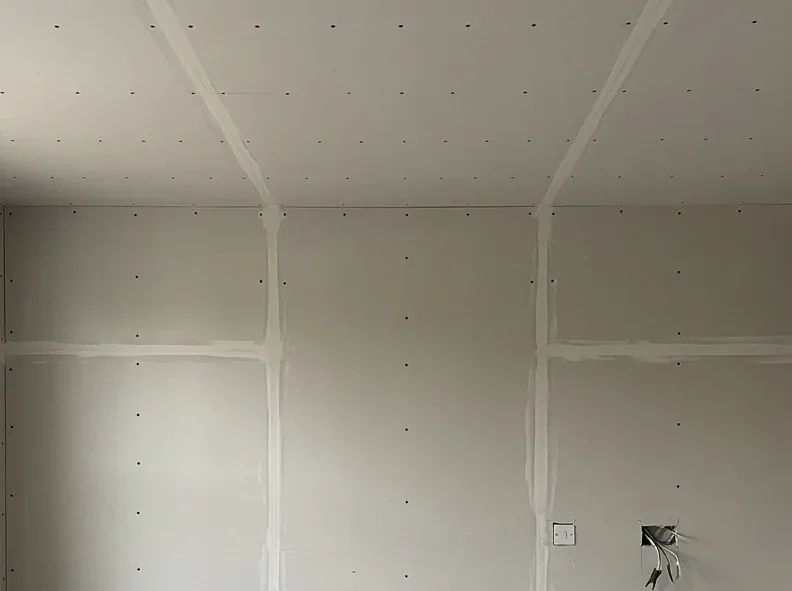
Experience matters-Topplastering handles plasterboarding for walls and ceilings so you get a truly solid finish.
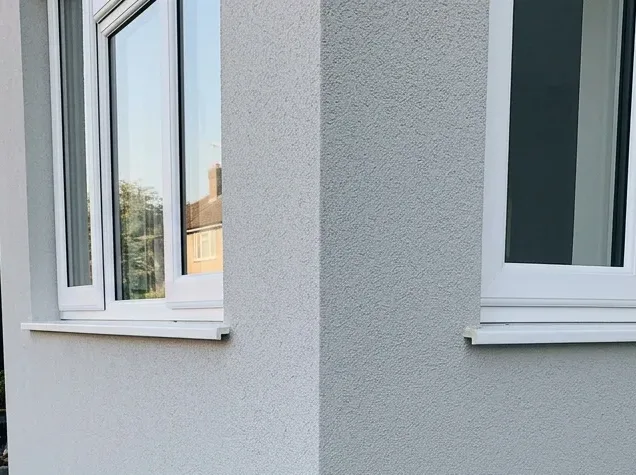
Rendering covers exterior and interior walls with a solid, even coat, protecting surfaces from weather and everyday wear.
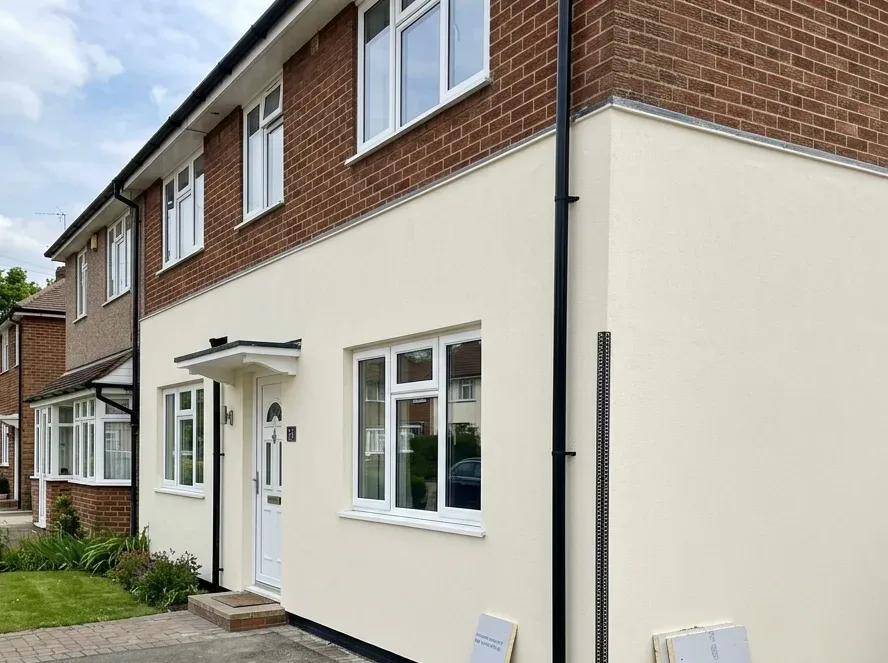
Upgrade your property with external wall insulation from Topplastering-cutting heating costs and improving your building’s appearance permanently.
Craftsmanship you can see
Every plastering project we complete leaves walls smooth, durable, and ready for whatever comes next.
Freezing conditions prevent jointing adhesives from bonding securely against cold masonry. We require enclosed, draught-free spaces with basic heating so jointing compounds dry evenly instead of cracking along board seams.
People frequently buy standard boards for bathrooms instead of moisture-rated sheets. Standard gypsum softens quickly under tile adhesive in steamy shower rooms, causing heavy tiles to break away from the framework.
Unfinished pipework stops our work instantly. If an electrician has not pulled cables through the studs, we cannot close up walls without forcing someone to chop holes in our fresh board surfaces.
Attaching independent framework against a shared party wall usually requires notifying your adjoining neighbour. Drilling fixings directly into a boundary brick structure creates vibration and noise that shared property rules regulate strictly.