


Dry lining accelerates the finishing process by eliminating the need for wet plaster drying. This means your project can progress without unnecessary holdups.





Experience is crucial when it comes to dry lining, and we provide solid, efficient results every time in Gravesend.
Get a free quote
 Quick, no-obligation quote!
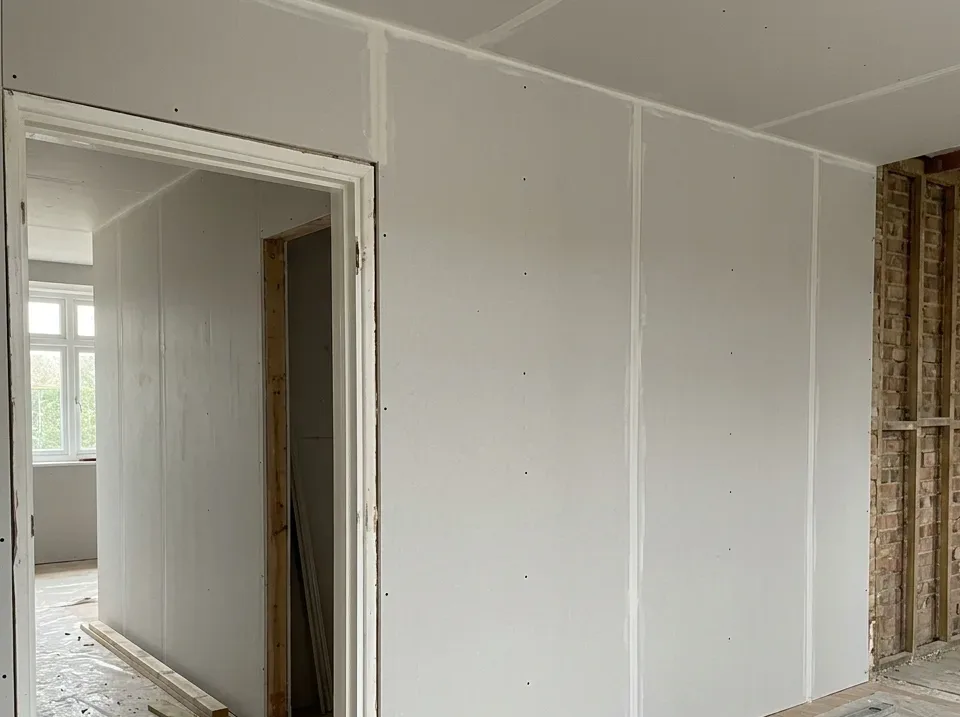
Dry lining is perfect for new builds and extension projects where speed and precision are essential. It allows for the swift installation of interior walls and ceilings, bypassing the waiting time for plaster to dry. In Gravesend, we carry out dry lining with exact measurements and secure frameworks to ensure a clean, durable finish that aligns with the project's timelines and standards.
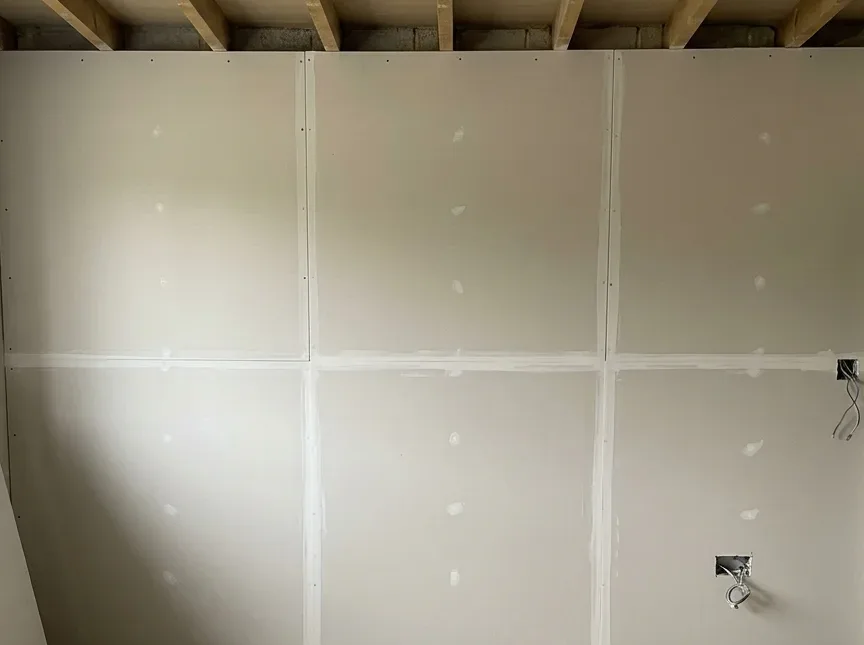
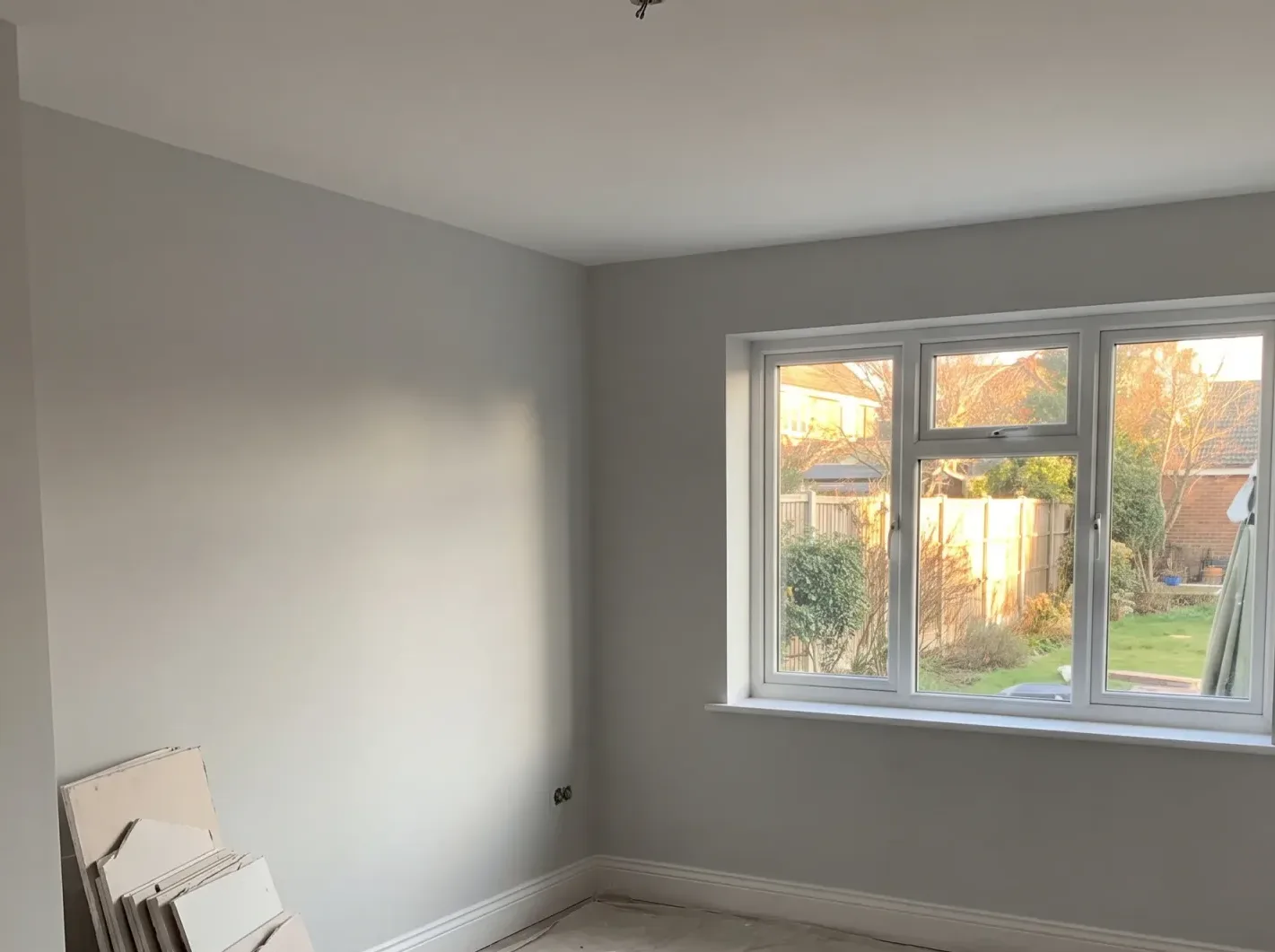
When it comes to updating existing spaces, dry lining provides a practical approach to create smooth, even surfaces over old walls or uneven structures. This technique minimizes mess and disruption when compared to traditional plastering methods. Our careful application of dry lining ensures joints are properly taped and skimmed, resulting in a surface ready for painting that satisfies refurbishment demands.
Dry lining suits both large-scale builder projects and homeowners seeking reliable, hassle-free interior finishing. With our experience working as a subcontractor, clear communication and punctuality are central to how we operate. Whether on site or in your home, dry lining carried out by us provides a practical, long-lasting finish tailored to your specific needs.
Empty rooms make work fast. Move wardrobes, beds and storage boxes completely out of the workspace instead of just pushing them into the centre where sheets must turn. For dry lining in Gravesend, we need clear routes through doorways to carry long plasterboards without dinging door frames or scraping newly painted hallway skirting boards. Dust will travel through open stairwells.
Cables need marking first. If an electrician ran back boxes for sockets, make sure the wires are safely dead before anyone drives screws near studs. Loose mortar in exposed brickwork should be scraped away because adhesive dabs cannot stick to crumbling dust. And damp patches must dry out naturally long before boards go up, or the gypsum core will turn soft behind your wall.
Dry lining accelerates the finishing process by eliminating the need for wet plaster drying. This means your project can progress without unnecessary holdups.
With dry lining, plasterboard is fitted accurately, and joints are taped or skimmed to create smooth walls and ceilings. The end result is a tidy, ready-to-paint surface each time.
Compared to traditional plastering methods, dry lining mitigates moisture-related issues. It's particularly beneficial in refurbishment projects where controlling dampness is vital.
Dry lining is effective in new builds, extensions, and renovations. It easily adapts to various project requirements and structural conditions.
By pairing dry lining with insulation materials, it improves thermal and acoustic performance, adding comfort and efficiency to the completed space.
Dry lining means less mess and drying time on-site. This helps maintain a cleaner work area and assures a steady workflow.
We begin dry lining with detailed site surveys and measurements. This ensures each panel fits perfectly, preventing costly adjustments down the line.
With 20 years of experience, we assure dry lining work is completed on schedule and according to specifications. We keep you updated at every stage.
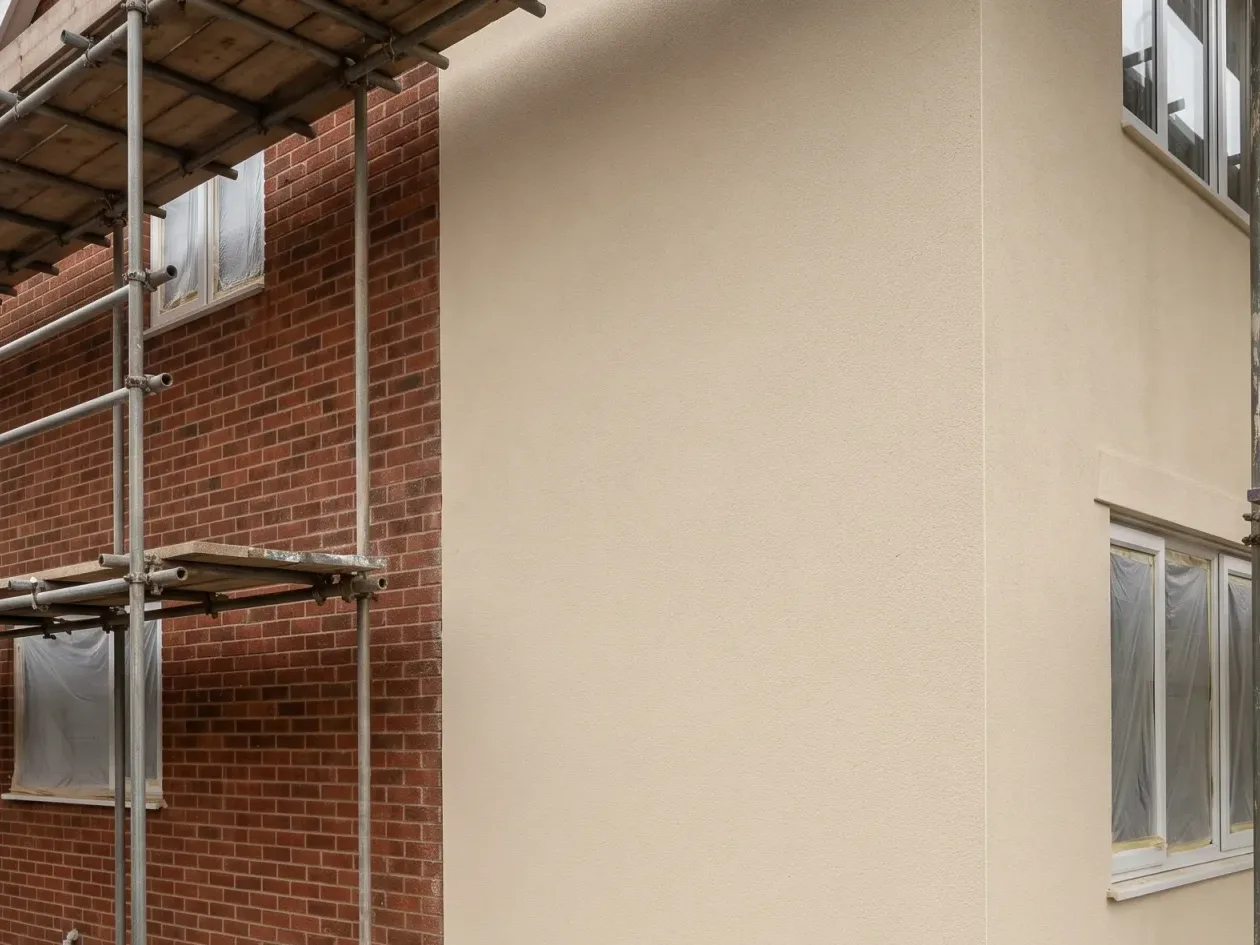
Dry lining eliminates the delays associated with traditional wet plaster drying. By attaching plasterboard directly onto frameworks, we reduce project delays, allowing builders to transition to the next phase sooner. This technique curtails downtime without compromising the finish quality, making it ideal for new builds and renovations.
Utilizing dry lining prevents the moisture issues frequent with wet plaster applications. Our method ensures that walls and ceilings remain dry and stable, lessening the risk of cracks or mold. The plasterboard system also integrates insulating materials more effectively, enhancing the overall durability and comfort of the area.
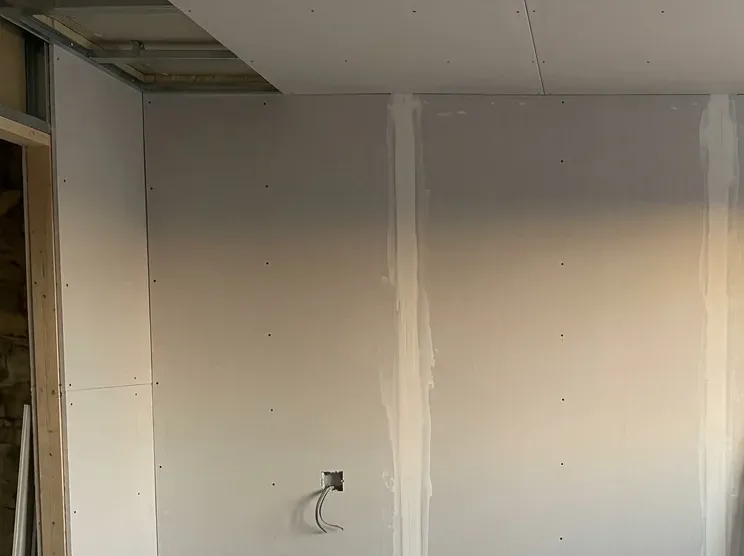
We kick off every dry lining project with a comprehensive site survey and precise measurements, ensuring proper planning for the plasterboard installation.
Following the assessment, we construct a robust timber or metal framework that serves as the foundation for the dry lining, specifically tailored to the requirements of the involved walls or ceilings.
When the framework is ready, we carefully secure plasterboard panels, focusing on alignment and stability to guarantee a smooth surface.
Once the boards are in place, we meticulously tape joints and fill screw heads, creating a seamless finish that’s ready for decoration or painting.
We conclude the dry lining process with a detailed inspection to confirm quality and durability, then communicate with the client to ensure satisfaction before completing the job.
Hollow walls fool people. Ordinary spring toggles hold framed pictures, but heavy kitchen cabinets or boilers require solid timber noggins fixed behind the boards prior to skim coats. When scheduling dry lining in Gravesend, tell us early where radiators or flat screens hang so timber supports can be screwed directly inside the stud cavities. Heavy radiators pull plastic plugs out of gypsum without that timber framing.
Ordinary nails will fail. Metal spiral fixings bite straight into board cores for lightweight mirrors, while heavy shelving needs anchors spreading load across the cavity. Never hang bathroom cupboards on friction plugs alone because steam loosens the gypsum grip over time.
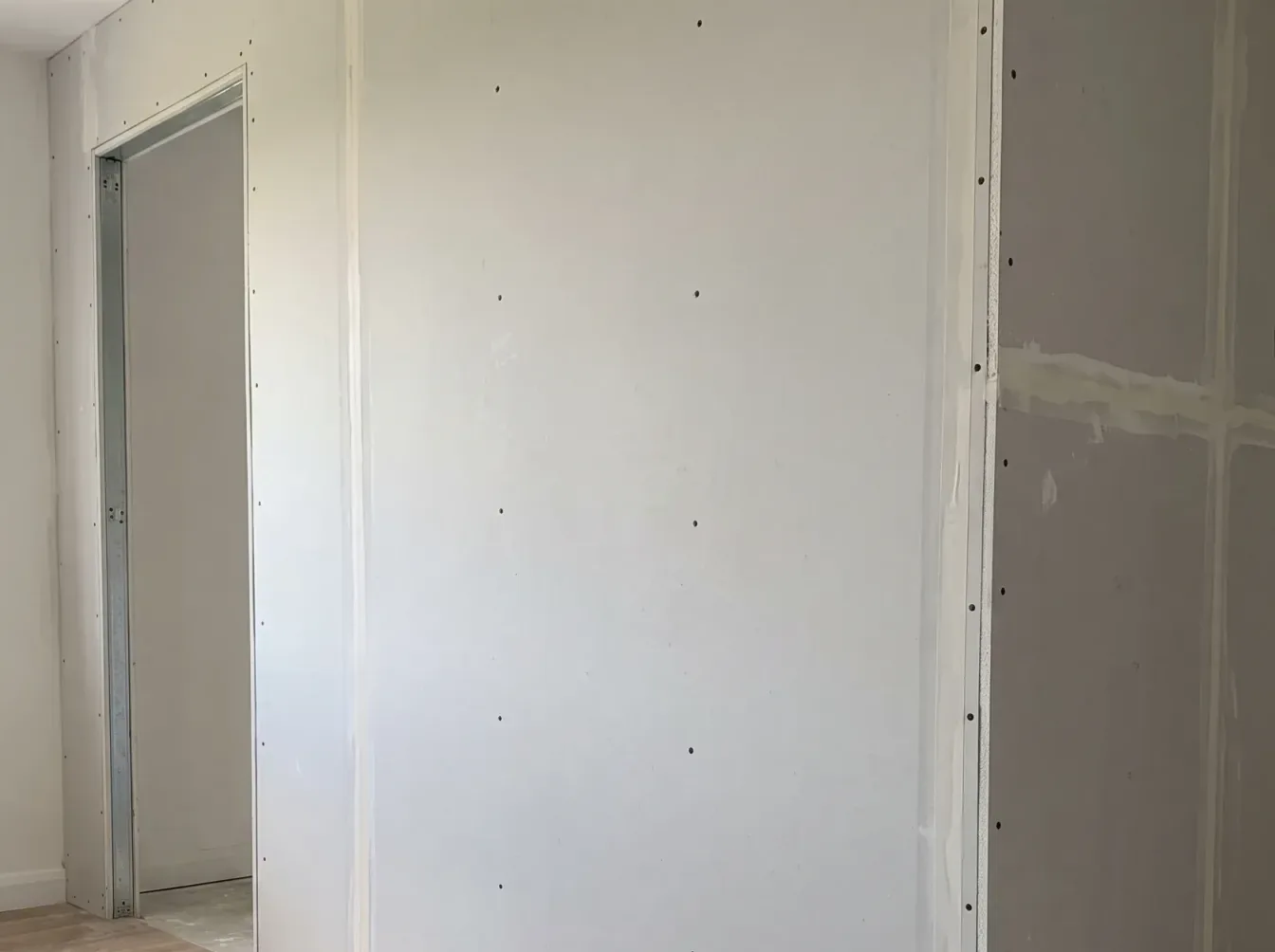
Pipes go in early. Copper runs and plastic waste must be pressure tested before we start dry lining in Gravesend, because finding a weeping joint behind screwed boards means ripping down fresh work. Plumbers must clip loose lines securely so water hammer does not rattle inside hollow studwork.
Cables require metal grommets. Electricians run cables through timber studs inside protective capping so our drywall screws do not pierce live lines while boarding ceilings. Flush socket boxes must be set to the right depth.
Doors come afterwards. Carpenters should fit door linings only after board thickness is known, otherwise architraves will sit proud of uneven plaster edges. Skirting boards need a firm baseboard behind the bottom edge.
With over 20 years in this trade, we approach dry lining with a focus on precision and longevity. Each project begins with careful measurements to ensure the plasterboard fits just right. We install dry lining using a reliable framework, meticulously taping and filling joints to create a smooth surface ready for decoration. Our hands-on experience guarantees a dependable finish built to withstand the test of time, whether for a new build or a refurbishment.
We keep the dry lining process simple and transparent. Working closely with builders and individuals, we ensure clear communication throughout-starting from the initial survey and free quote to the final sign-off. This straightforward approach minimizes delays and ensures the dry lining meets each client's project specifications without unexpected surprises.
In Gravesend, we handle all dry lining needs, ensuring that our work fits seamlessly into your home or project. Contact us by phone or request a free estimate; we're ready to help.
approx. 30 milesDistance from our base · Cheshunt
Call us07465266721Email uscontact@topplastering.ukWe serve your areaGravesend and the surroundings
The Google map loads after you accept marketing cookies.


Maksymilian Mazur
Very satisfied with the service! Excellent communication, clean workmanship, and everything completed professionally. Highly recommended!
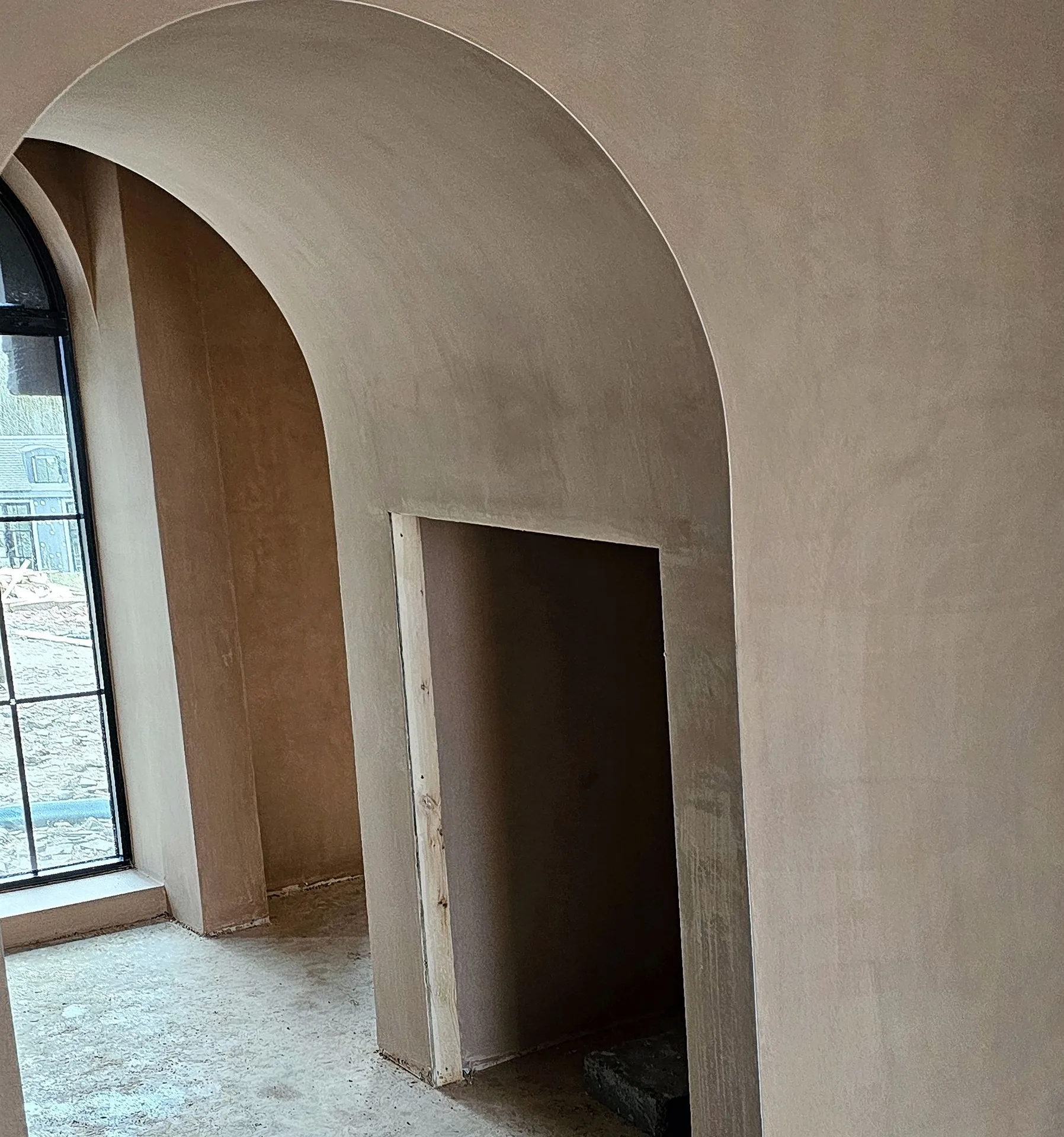
Tired walls and ceilings get a second life with skimming, giving you a flawless, durable finish every time.
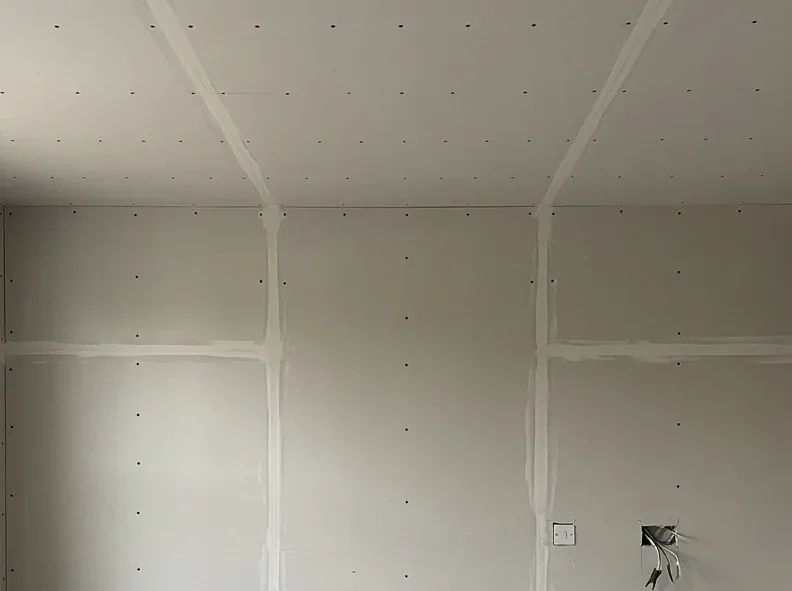
Experience matters-Topplastering handles plasterboarding for walls and ceilings so you get a truly solid finish.
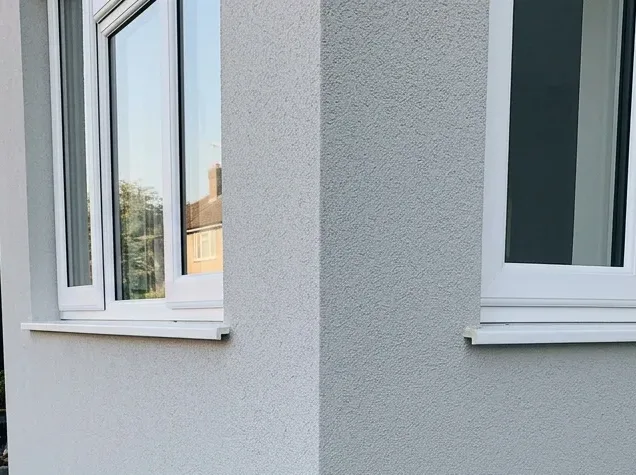
Rendering covers exterior and interior walls with a solid, even coat, protecting surfaces from weather and everyday wear.
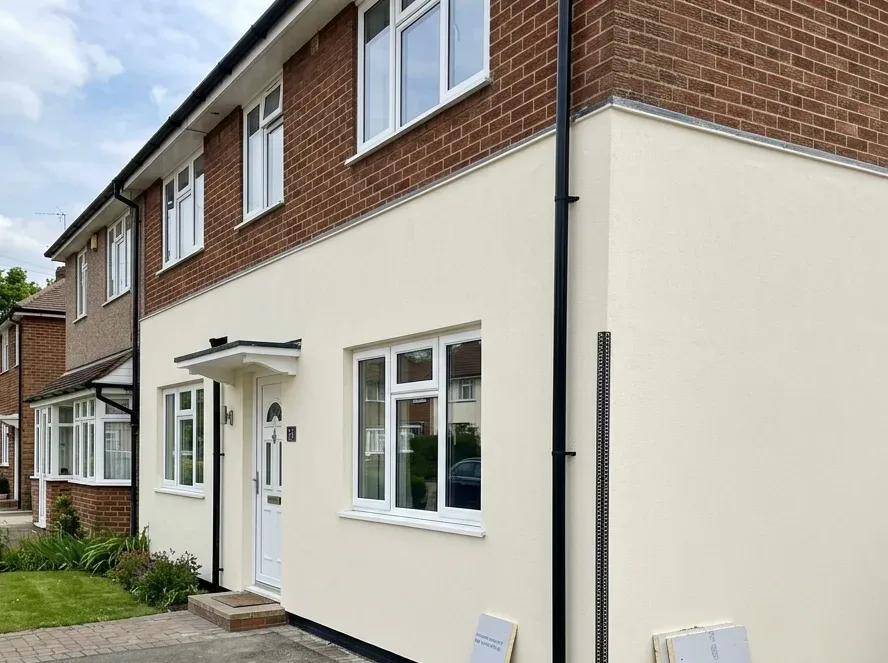
Upgrade your property with external wall insulation from Topplastering-cutting heating costs and improving your building’s appearance permanently.
Craftsmanship you can see
Every plastering project we complete leaves walls smooth, durable, and ready for whatever comes next.
You might need formal paperwork if studwork attaches directly to a shared brick wall in semi-detached properties around Gravesend. It depends on whether structural fixings penetrate the shared brickwork, because vibrations travel into neighbouring rooms while framing is fixed.
Stripping old surfaces is charged separately because demolition creates heavy debris requiring skips and extra labour. Standard quotes assume clean timber studs or bare brickwork ready for adhesive dabs, without rotten timbers to remove.
Clear all furniture and carpets from the working area. Boards are large, rigid and difficult to manoeuvre through narrow hallways, so corridors, landings and access doors must stay free of clutter.
Note the height of your ceilings and show where damp repairs were done. Tell us if walls are bare masonry or studwork, because fixing methods require completely different materials and preparation time.