


With dry lining, the finishing process is expedited as there’s no need for wet plaster to dry. This keeps your project progressing without unnecessary delays.





Experience is crucial for dry lining, and we achieve solid, efficient results every time in Chatham.
Get a free quote
 Quick, no-obligation quote!
Dry lining is perfect for new construction and extension projects in Chatham, where speed and precision are essential. This method allows for the quick installation of interior walls and ceilings, eliminating the wait for plaster to dry. We carry out dry lining with precise measurements and sturdy frameworks to ensure a clean and durable finish that aligns with quality standards and the project timeline.
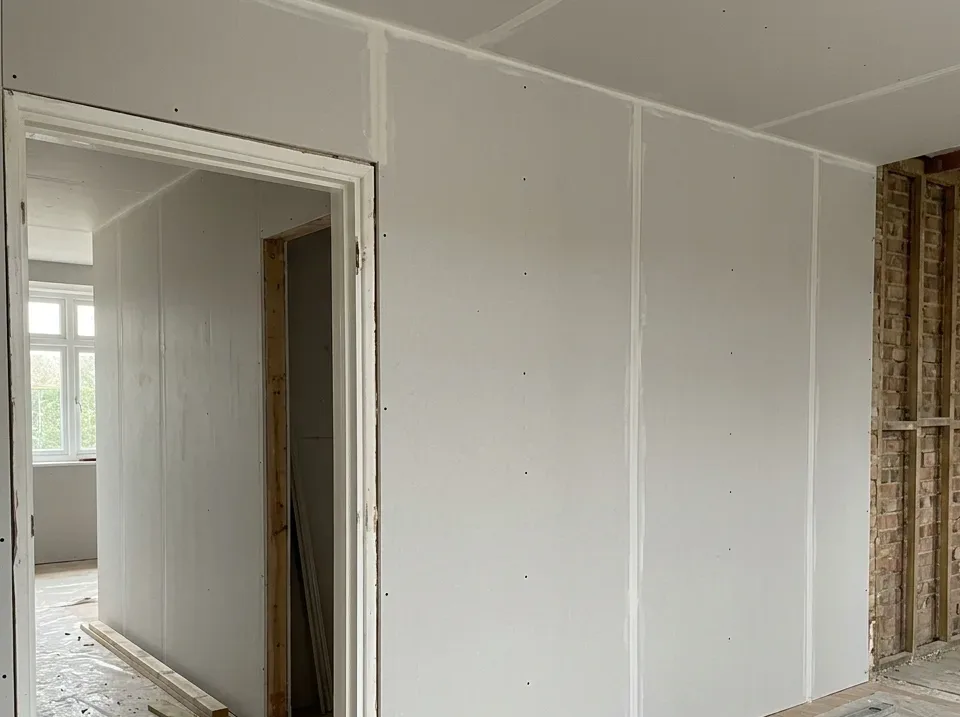
When it comes to updating existing spaces in Chatham, dry lining provides a practical method for achieving smooth, even surfaces over old walls or uneven structures. Compared to traditional plastering, this approach minimizes mess and disruption during the process. We handle dry lining meticulously, ensuring that joints are taped and skimmed properly to create a ready-to-paint surface that satisfies the demands of refurbishment work.
Dry lining fits both large-scale builder projects and individual clients looking for reliable, hassle-free interior finishes in Chatham. Our experience working as a subcontractor allows for clear communication and adherence to deadlines. Whether on site or at home, our dry lining delivers a practical and long-lasting outcome tailored to meet each customer's specific requirements.
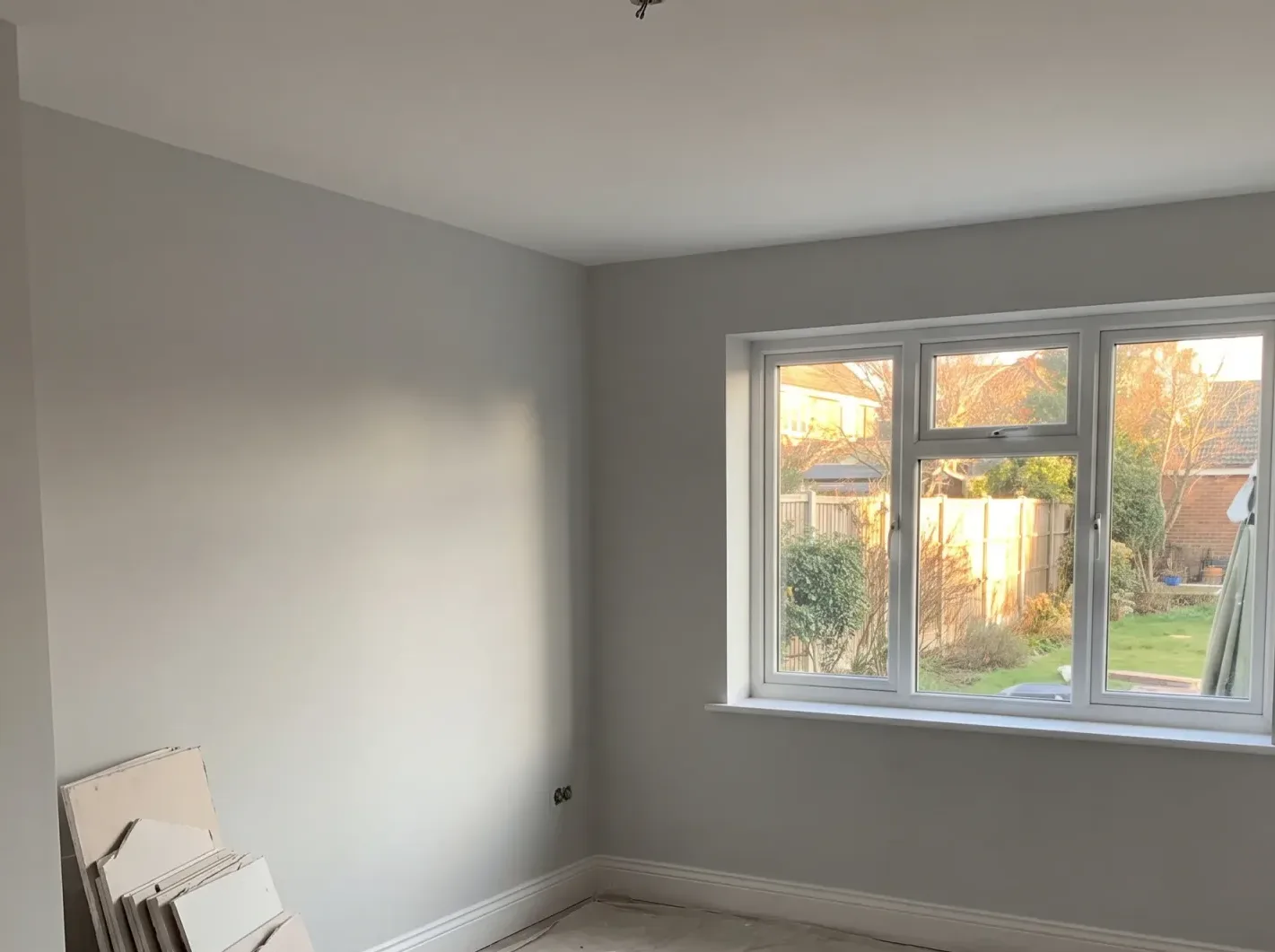
Boards need flat floor space. Moving timber, spare bricks, and loose paint tubs into an adjacent room allows our team to manoeuvre broad panels safely through corridors. If subfloors stay cluttered, plasterboards crack before fixing. For our dry lining in Chatham properties, clear hallways save hours of awkward handling around tight turns and narrow internal door frames.
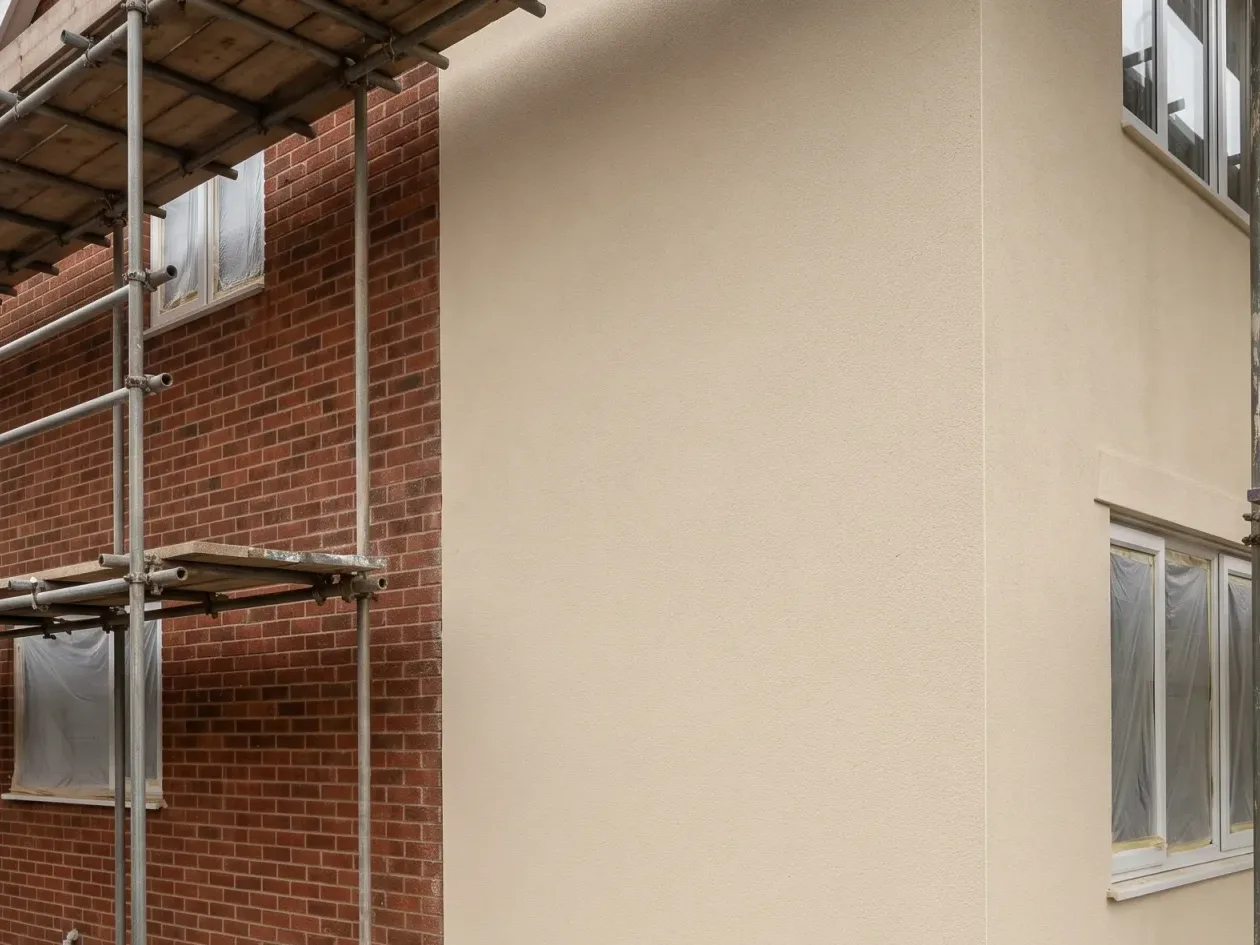
Brickwork must be completely dry. When homeowners try sticking thermal boards onto damp masonry, the adhesive dabs lose their bond within weeks. We always verify that external pointing and window seals are sound. Leaks destroy gypsum quickly. Running a quick check across old mortar lines prevents costly stripping down of fresh boards later when autumn rains arrive.
With dry lining, the finishing process is expedited as there’s no need for wet plaster to dry. This keeps your project progressing without unnecessary delays.
Dry lining ensures that plasterboard is fixed accurately and joints are taped or skimmed effectively for smooth walls and ceilings. You’ll have a neat surface ready for painting every time.
Unlike traditional plastering, dry lining helps to reduce moisture-related issues, making it especially advantageous during refurbishment work surrounding dampness control.
This method adapts seamlessly in new builds, extensions, and renovations. Dry lining adjusts to varied project requirements and structural conditions, making it versatile.
When paired with insulation materials, dry lining enhances thermal and acoustic performance, contributing to comfort and efficiency in your finished space.
We reduce mess and drying times significantly with dry lining, maintaining a cleaner work area and a steady workflow throughout the project.
Our approach begins with accurate site surveys and measurements for dry lining. This ensures each panel fits perfectly, avoiding costly adjustments at later stages.
With over 20 years of experience, we offer dry lining work completed on time according to specifications. We maintain clear communication to keep you informed at every stage of the project.
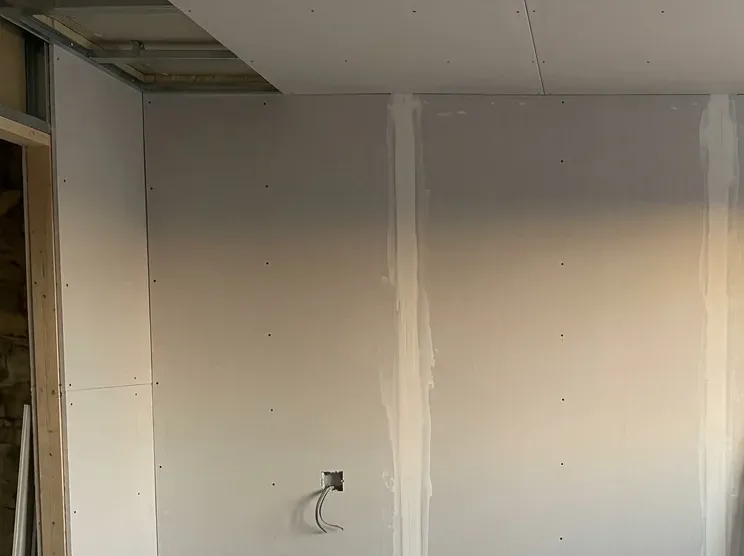
Back boxes require exact positioning. Electricians must pull their cables through the studwork before any dry lining in Chatham homes can proceed without cutting boards twice. Missed conduits cause major delays. We coordinate with trades so every backplate sits flush against the metal or timber framing before panels go up.
Copper pipes require careful planning. If central heating lines press hard against the plasterboard face, boards bulge noticeably once heated water runs through the circuit. Plumbers must clip pipework deeply into joist notches. That keeps everything flat, silent, and protected behind the newly fixed interior wall surface.
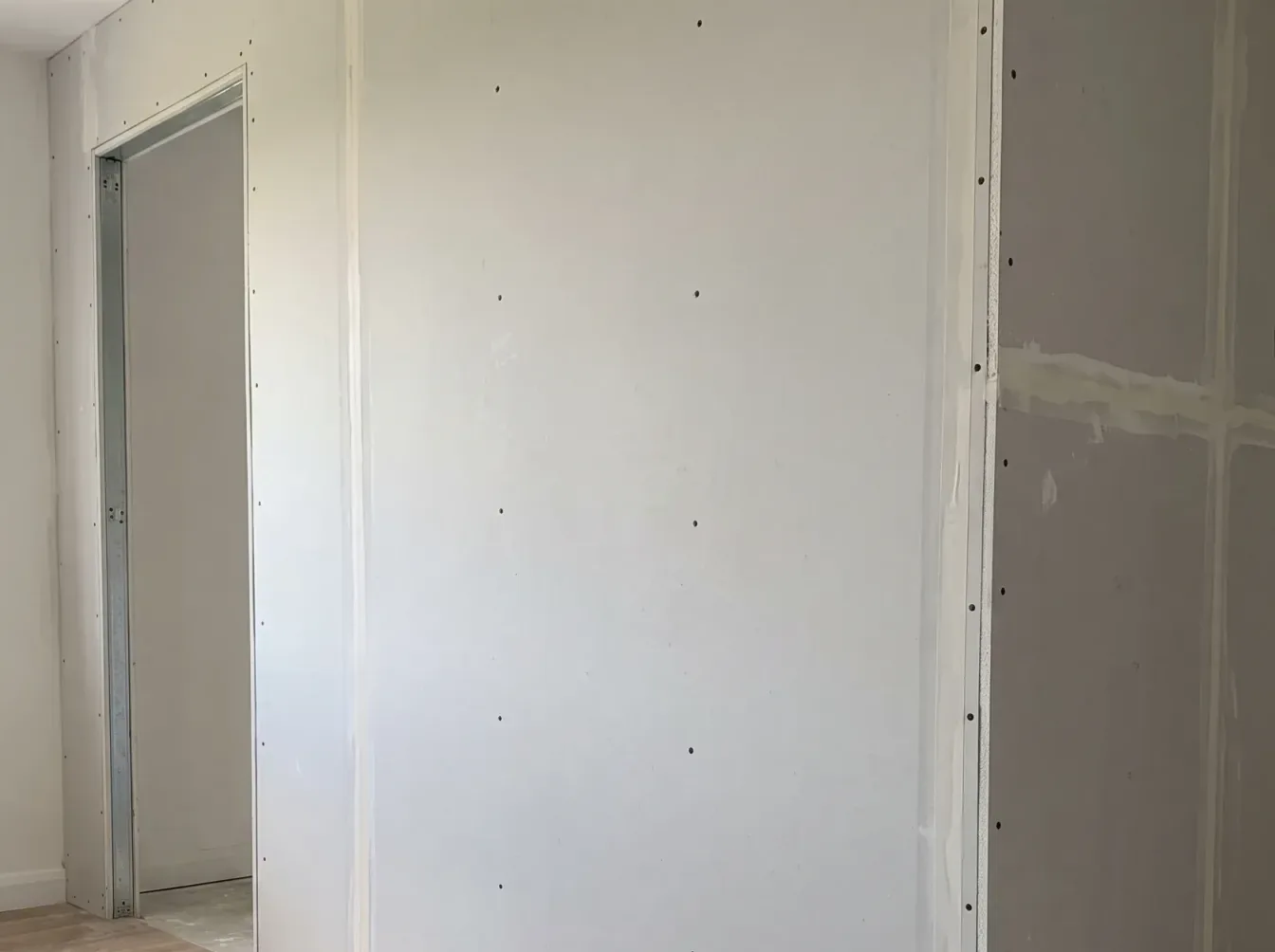
Each dry lining project starts with a thorough assessment and precise measurements to plan accurately and ensure a perfect fit for plasterboard installation.
Next, we set up a solid timber or metal framework that serves as the foundation for the dry lining, customized to the needs of the walls or ceilings involved.
Once the framework is established, we carefully secure plasterboard panels in place, focusing on alignment and stability to ensure a smooth surface.
After the boards are in place, we tape joints and meticulously fill screw heads, resulting in a seamless finish that’s primed for painting or other decorations.
We conclude the dry lining process with a comprehensive inspection to verify quality and durability while communicating with the client to guarantee satisfaction before finalizing the job.
We approach dry lining with over 20 years of hands-on experience. Starting with accurate measurements, we ensure the plasterboard fits seamlessly on walls or ceilings. Our process includes securely fixing boards to a robust framework and taping or jointing to yield a smooth surface ready for decoration. This method minimizes wet plaster, reducing drying times and moisture risks.
Our dry lining service encompasses new builds, extensions, and refurbishments, consistently delivering durability and quality. We prioritize clean lines and solid finishes that withstand daily use. Dry lining with us guarantees a practical outcome that meets your project requirements, with timely delivery and clear communication at every step.
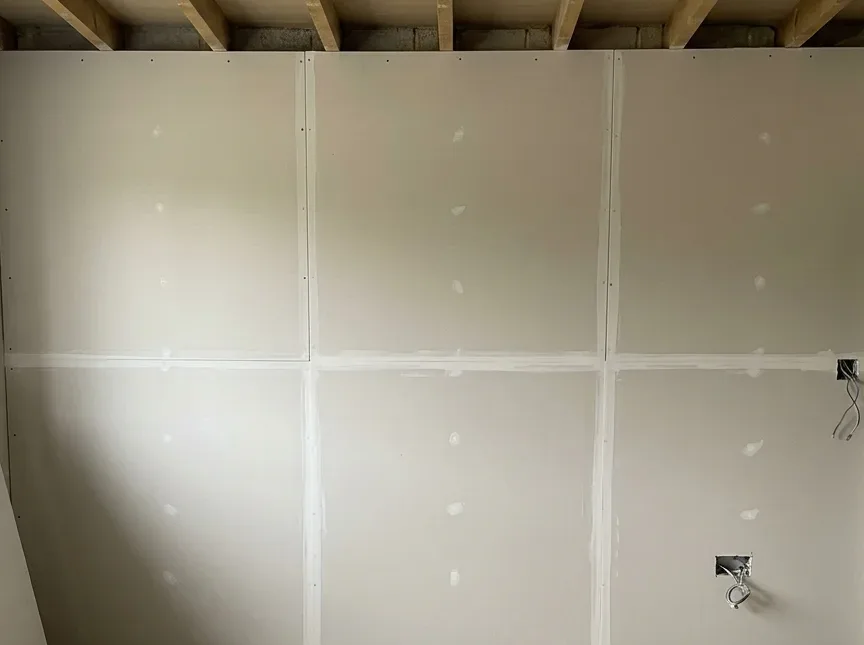
Standard hollow plugs fail easily. When mounting cast iron radiators or heavy kitchen units, we install horizontal timber noggins directly behind the plasterboard skin before sealing. For clients choosing dry lining in Chatham conversions, marking these hidden battens avoids drilling blindly into hollow spaces later on.
Door handles punch soft hollows. Fitting simple floor stops prevents door hardware from denting jointed plasterboard in busy utility rooms or narrow hallways. A solid rubber buffer takes the daily strike. Minor scuffs wipe down with a slightly damp cloth, protecting the face paper from peeling.
Timber frames contract over winter. When central heating kicks on, hairline gaps can appear where internal partition walls meet exterior brick skins. Flexible decorators caulk bridges these slight gaps between boards and timber skirting cleanly. Simple maintenance keeps corners neat year after year.
Bringing over 20 years in the trade, we approach dry lining with an emphasis on precision and durability. Every project commences with meticulous measurements for perfect plasterboard fitting. Dry lining is conducted using a sturdy framework, with joints taped and filled, resulting in a smooth surface ready for decoration. Our hands-on experience guarantees a reliable finish, whether for new builds or refurbishments.
We keep the dry lining process straightforward and clear from beginning to end. Close collaboration with builders and individual clients ensures transparent communication throughout every phase-from the initial survey and free quote to the final sign-off. This careful approach minimizes delays on site and ensures our dry lining meets each project's unique specifications without unexpected issues.
We are active in Chatham and surrounding areas. Reach out via phone or request a free quote for your dry lining needs, whether it's for new builds or renovations. Our base is about 40 miles away, ensuring timely service.
approx. 40 milesDistance from our base · Cheshunt
Call us07465266721Email uscontact@topplastering.ukWe serve your areaChatham and the surroundings
The Google map loads after you accept marketing cookies.


Maksymilian Mazur
Very satisfied with the service! Excellent communication, clean workmanship, and everything completed professionally. Highly recommended!
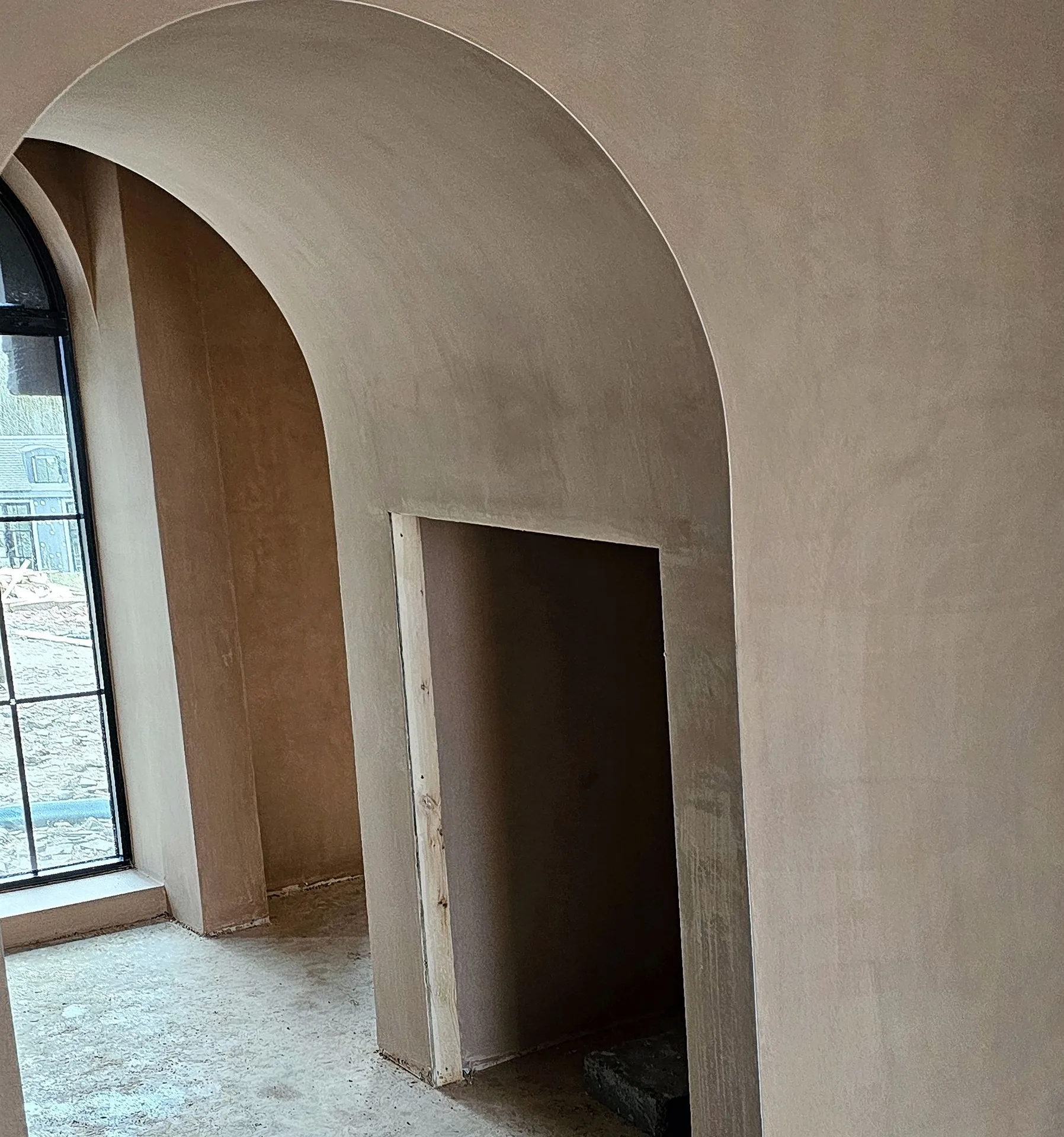
Tired walls and ceilings get a second life with skimming, giving you a flawless, durable finish every time.
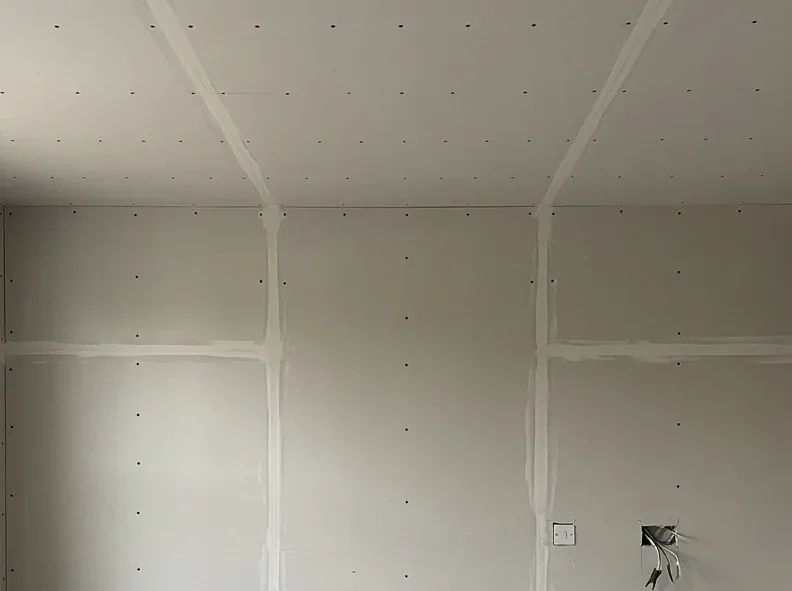
Experience matters-Topplastering handles plasterboarding for walls and ceilings so you get a truly solid finish.
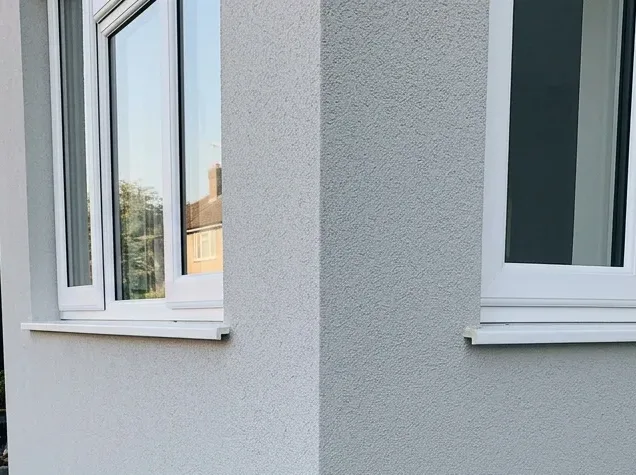
Rendering covers exterior and interior walls with a solid, even coat, protecting surfaces from weather and everyday wear.
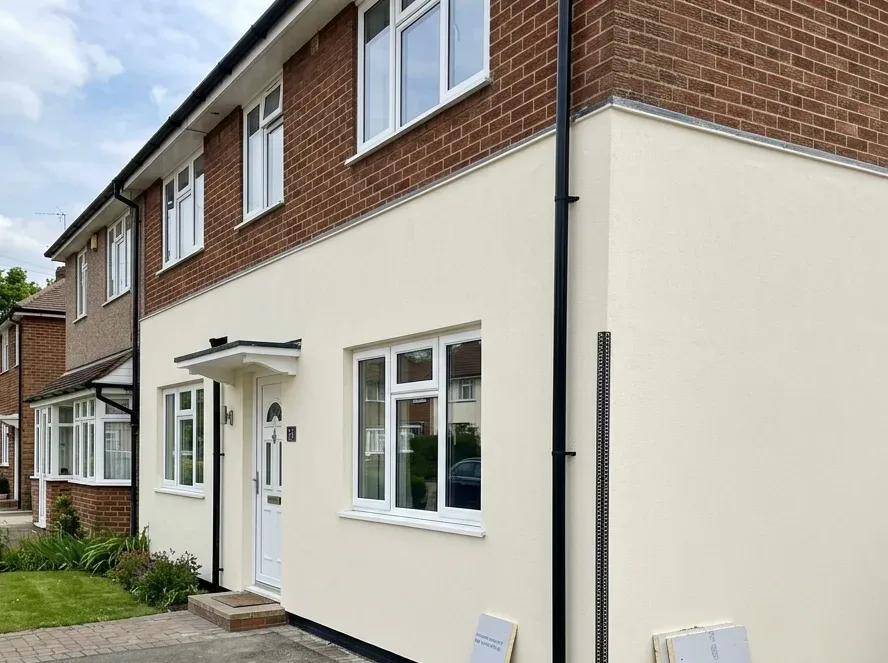
Upgrade your property with external wall insulation from Topplastering-cutting heating costs and improving your building’s appearance permanently.
Craftsmanship you can see
Every plastering project we complete leaves walls smooth, durable, and ready for whatever comes next.
Active plumbing leaks or unsealed windows halt installation immediately. Wet plasterboard loses core strength and grows mould, so boarding pauses until trades fix leaks and the structure dries.
Note the ceiling heights, total perimeter, and whether walls consist of bare masonry or studwork. Mentioning any heavy kitchen cabinets helps us calculate the correct framing and board thickness.
Many forget to specify radiator or television positions before boarding starts. Without timber noggins secured inside the framework beforehand, hanging heavy fixtures later requires awkward specialist hollow cavity anchors.
We assess the substrate conditions, confirm pipework runs, fix stud frames, mount the boards, and tape joints before final sanding. In Chatham, we check every seam before handing over.