


The use of dry lining accelerates the finishing process by negating the need for wet plaster to dry. Thus, your project progresses smoothly without unnecessary hold-ups.





Experience is essential when it comes to dry lining, and we achieve solid, efficient results every time we work in Brentwood. Our focus ensures a pristine finish that aligns perfectly with the timelines of your project.
Get a free quote
 Quick, no-obligation quote!
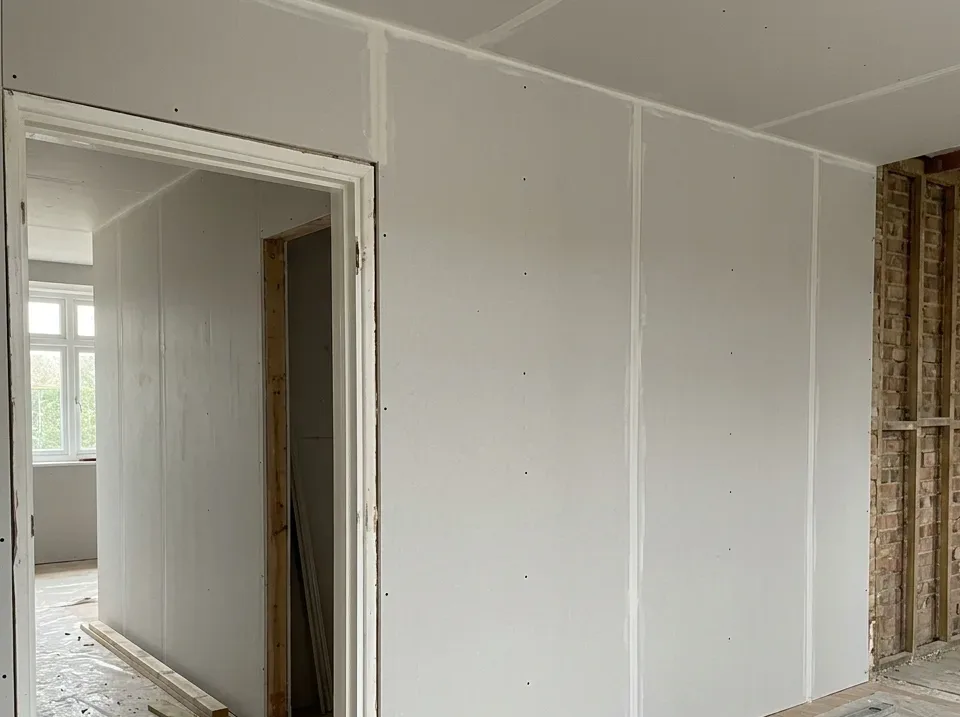
Dry lining excels in new construction and extension tasks where speed and precision are crucial. This technique facilitates the swift installation of interior walls and ceilings without the need for plaster to wait for drying. We execute dry lining in Brentwood with exact measurements and sturdy frameworks, guaranteeing a clean and durable finish that meets your project's quality standards.
For those updating existing spaces, dry lining provides a practical method to cover old walls or uneven structures with smooth surfaces. Compared to conventional plastering, this technique minimizes disruption and mess. We take care in applying dry lining in Brentwood, ensuring that seams are perfectly taped and skimmed, resulting in a surface that’s ready for painting and suits refurbishment needs.
Dry lining accommodates both large builder projects and private clients looking for reliable, straightforward interior finishing. With our experience as a subcontractor, we prioritize clear communication and adherence to deadlines. Whether we’re on site or at your home, our dry lining work delivers practical, lasting results tailored to your unique requirements.
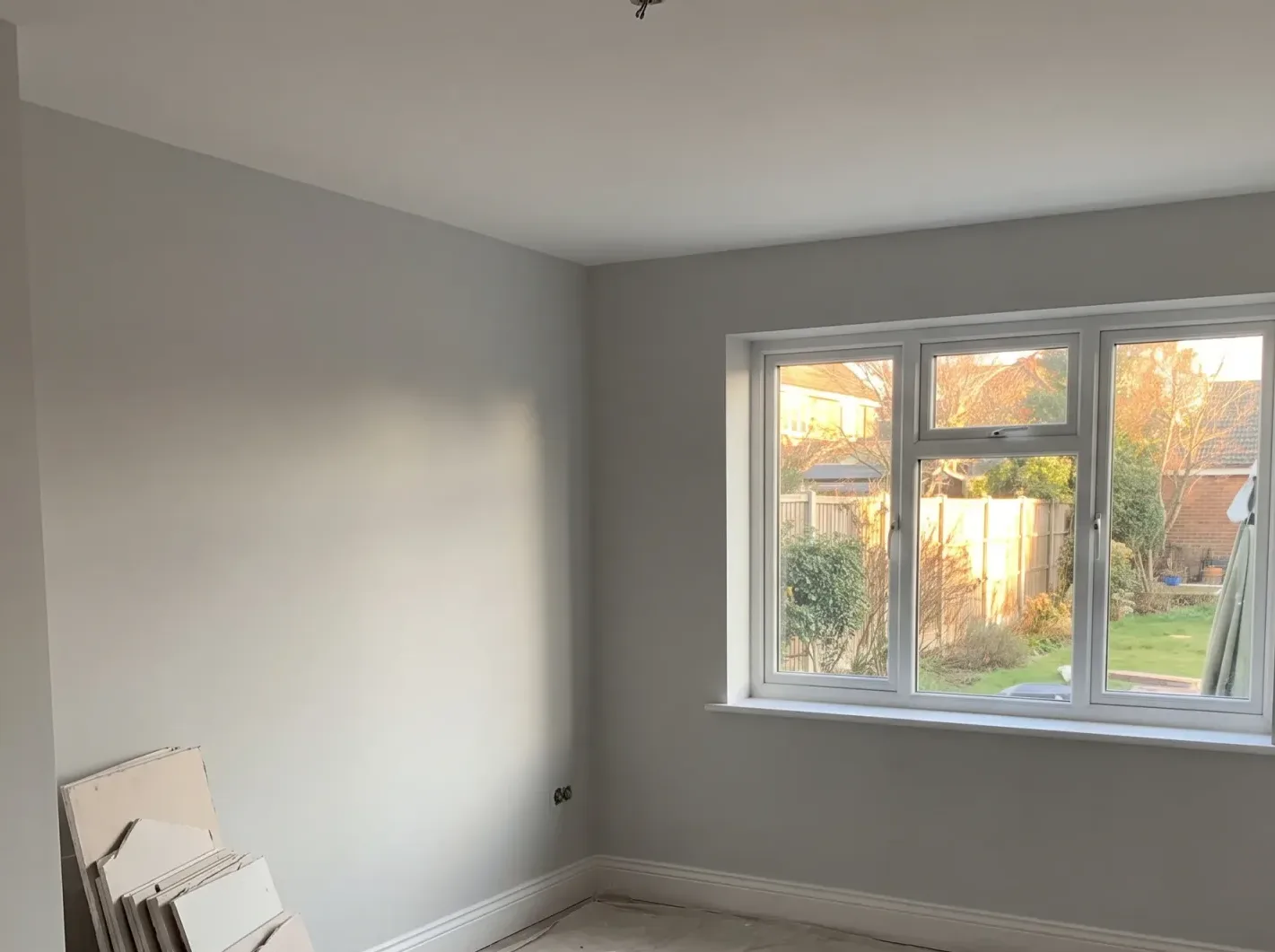
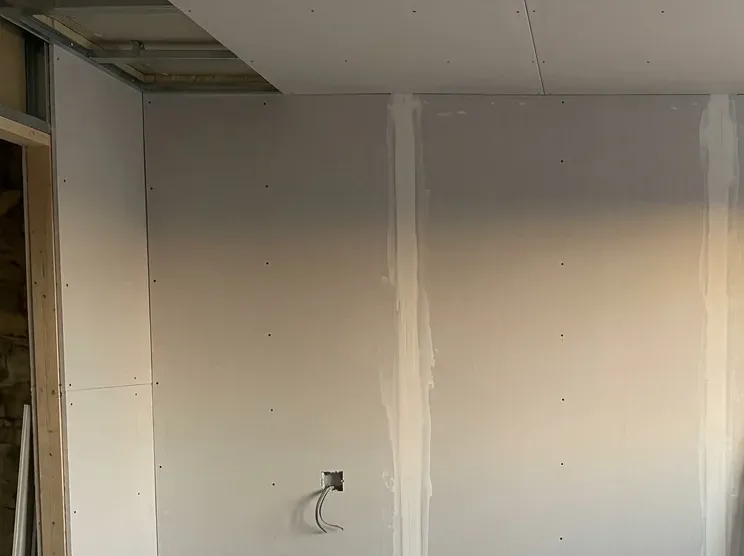
Hallways must stay open. Large boards will scrape narrow door frames or get stuck on tight stair turns if loose furniture or hanging coats block the route. When we undertake dry lining in Brentwood, carrying sheets into rooms requires wide clearances. Dust sheets on carpets prevent tracking subfloor grit.
Plumbing pipes and electrics need sign-off. Copper pipes or grey back boxes that stick out past the metal stud line stop boards sitting flat against timber. Plumbers must pressure-test pipe runs before we board over anything, because finding a pinhole water leak behind fresh drywall means cutting out whole panels with a jab saw.
The use of dry lining accelerates the finishing process by negating the need for wet plaster to dry. Thus, your project progresses smoothly without unnecessary hold-ups.
With dry lining, we fix plasterboard accurately, taping or skimming joints to create smooth walls and ceilings. This method results in a neat, ready-to-paint surface every time.
Differing from traditional plastering, dry lining mitigates problems related to moisture. This is particularly beneficial for refurbishment projects where controlling dampness is vital.
Dry lining suits various applications across new builds, extensions, and renovations. It readily adapts to the specific requirements of different projects and structural conditions.
When paired with insulation materials, dry lining significantly enhances thermal and acoustic performance. This upgrade adds to both comfort and efficiency in your finished space.
Opting for dry lining leads to less mess and drying time at the job site, promoting a tidier workspace and a more consistent workflow.
Our dry lining process begins with precise site surveys and measurements. This attention to detail ensures that each panel fits flawlessly, eliminating costly adjustments.
With over two decades of experience, we assure timely completion of dry lining tasks in Brentwood, adhering to specifications while keeping you informed throughout the process.
Chases require deep recesses. Electricians must clip flexible conduit neatly to the centres of timber uprights so fixing screws do not puncture live wires. When coordinating dry lining in Brentwood properties, we mark hidden pipe positions directly on floor screed with blue chalk.
Kitchen cabinets require solid timber noggins. Standard hollow wall anchors rip out under cast iron radiators or stone basin weights. We screw thick structural timber blocks between studs beforehand so fitters later drill into timber rather than thin air.
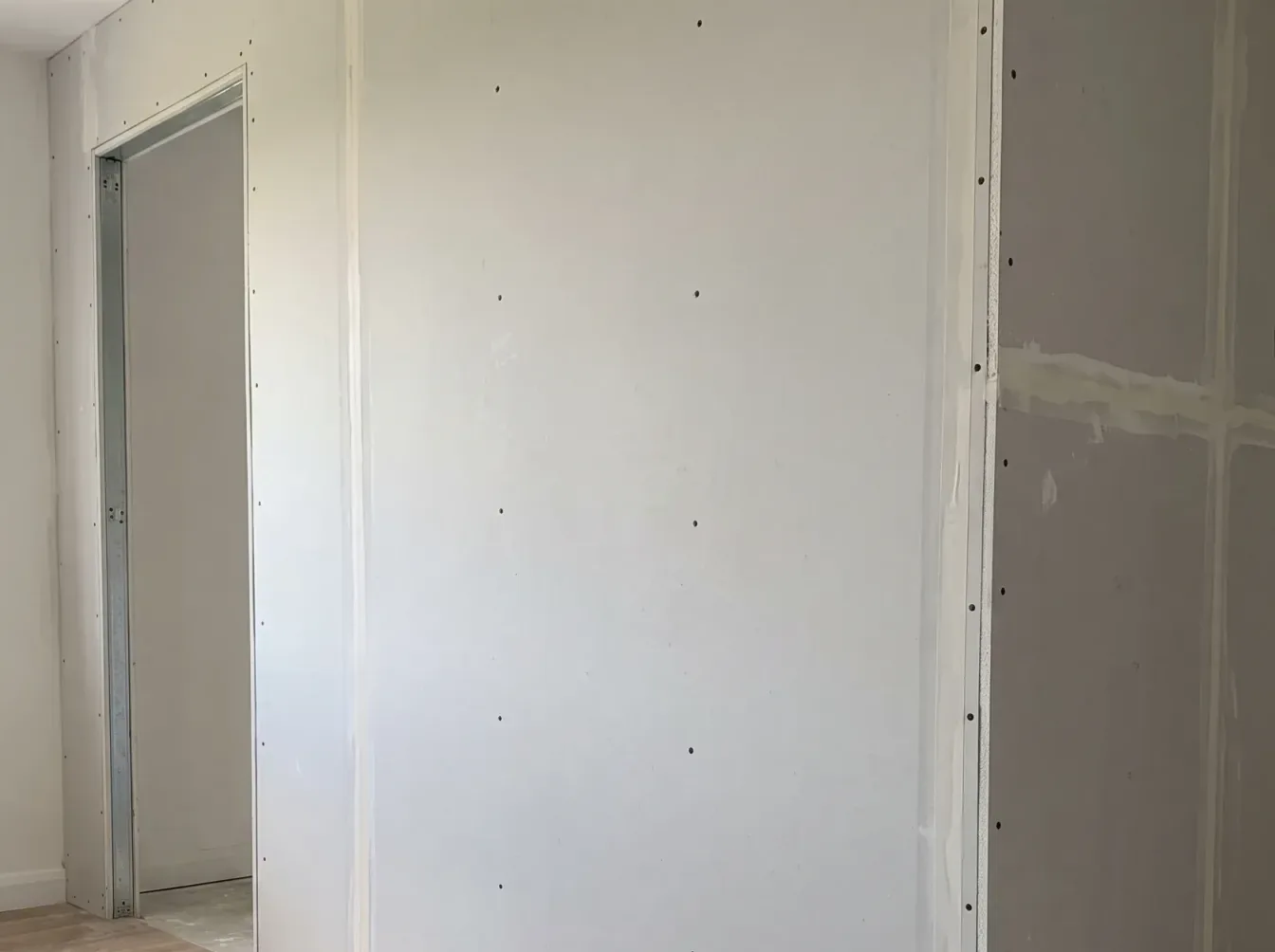
Every dry lining project commences with an extensive site survey and accurate measurements, planned to ensure a proper fit for plasterboard installation.
Next up, we construct a solid frame from timber or metal that acts as a base for the dry lining, customized to meet the demands of the specific walls or ceilings involved.
Once the frame is prepared, we meticulously affix plasterboard panels, focusing on alignment and stability to guarantee a flawless surface.
After the boards are installed, we carefully tape the joints and fill screw heads, achieving a seamless finish, primed for painting or further embellishments.
We conclude the dry lining project with a thorough inspection to assure quality and durability, followed by clear communication with the client to ensure their satisfaction before the project is complete.
Cold houses pull moisture inside. Fitting dry lining in Brentwood during damp winter months requires portable heaters and open ventilation louvres to avoid dampness lingering in the air. If unheated rooms trap rising damp from wet concrete floors, joint tape bubbles up and joint compound takes days to cure hard.
Accidents happen with door handles. Bumping a heavy wooden chair into hollow plasterboard creates small holes, but fixing them takes just a mesh patch, a bucket of filler, and fine sandpaper. You prime the dry patch before matching wall paint.
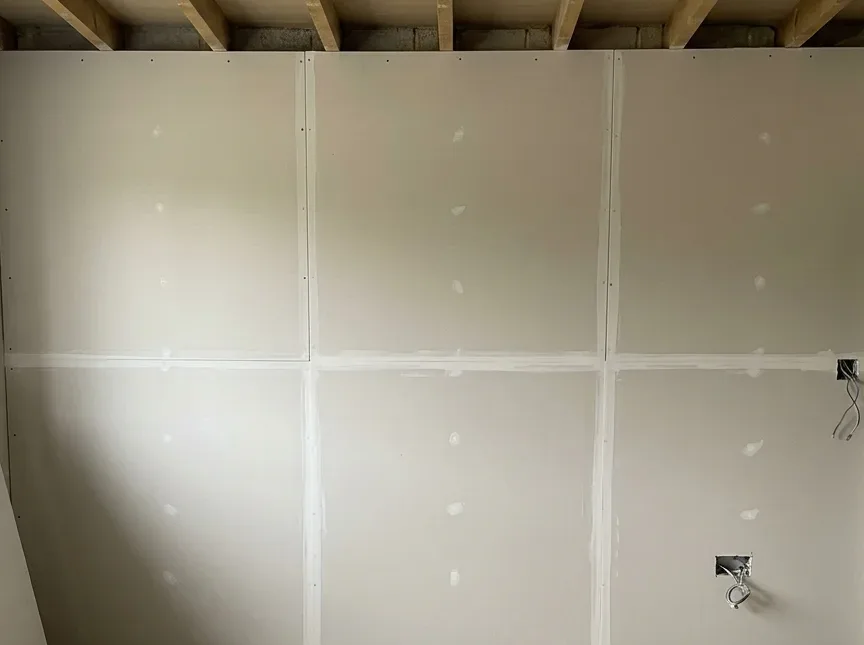
We bring over 20 years of practical experience in dry lining, adeptly handling walls and ceilings with careful plasterboard installation. Our consistent work covers new builds, extensions, and refurbishments, providing surfaces well-prepped for the next stages without delays.
Every dry lining project begins with meticulous measurements to secure a precise fit. We ensure that seams are properly taped and jointed, or skimmed when necessary, to create smooth, long-lasting finishes. Our focused methodology helps avoid issues such as cracking or uneven surfaces, showcasing our commitment to reliable workmanship.
Having primarily worked as a subcontractor for builders, we recognize the importance of deadlines and effective communication. Our dry lining service is organized and executed to align with project schedules, while maintaining high quality. Clients rely on us for practical, enduring results meeting specific on-site demands.
With over 20 years under our belt, we approach dry lining with a commitment to precision and durability. Every project kicks off with thorough measurements for seamless plasterboard fitting. We work with solid frameworks, taping and filling joints to create a smooth finish ready for any decoration. Our hands-on experience guarantees reliability and longevity, whether for a new build or refurbishment.
We maintain a straightforward and transparent dry lining process from beginning to end. We collaborate closely with both builders and private clients, upholding clear communication at all stages-from the initial assessment and free quotation to the final sign-off. This methodical approach helps reduce delays on site and ensures our dry lining aligns perfectly with project specifications.
We operate in Brentwood and the surrounding areas, delivering dry lining services effectively. Contact us by phone for a free estimate or to schedule a visit.
approx. 20 milesDistance from our base · Cheshunt
Call us07465266721Email uscontact@topplastering.ukWe serve your areaBrentwood and the surroundings
The Google map loads after you accept marketing cookies.


Maksymilian Mazur
Very satisfied with the service! Excellent communication, clean workmanship, and everything completed professionally. Highly recommended!
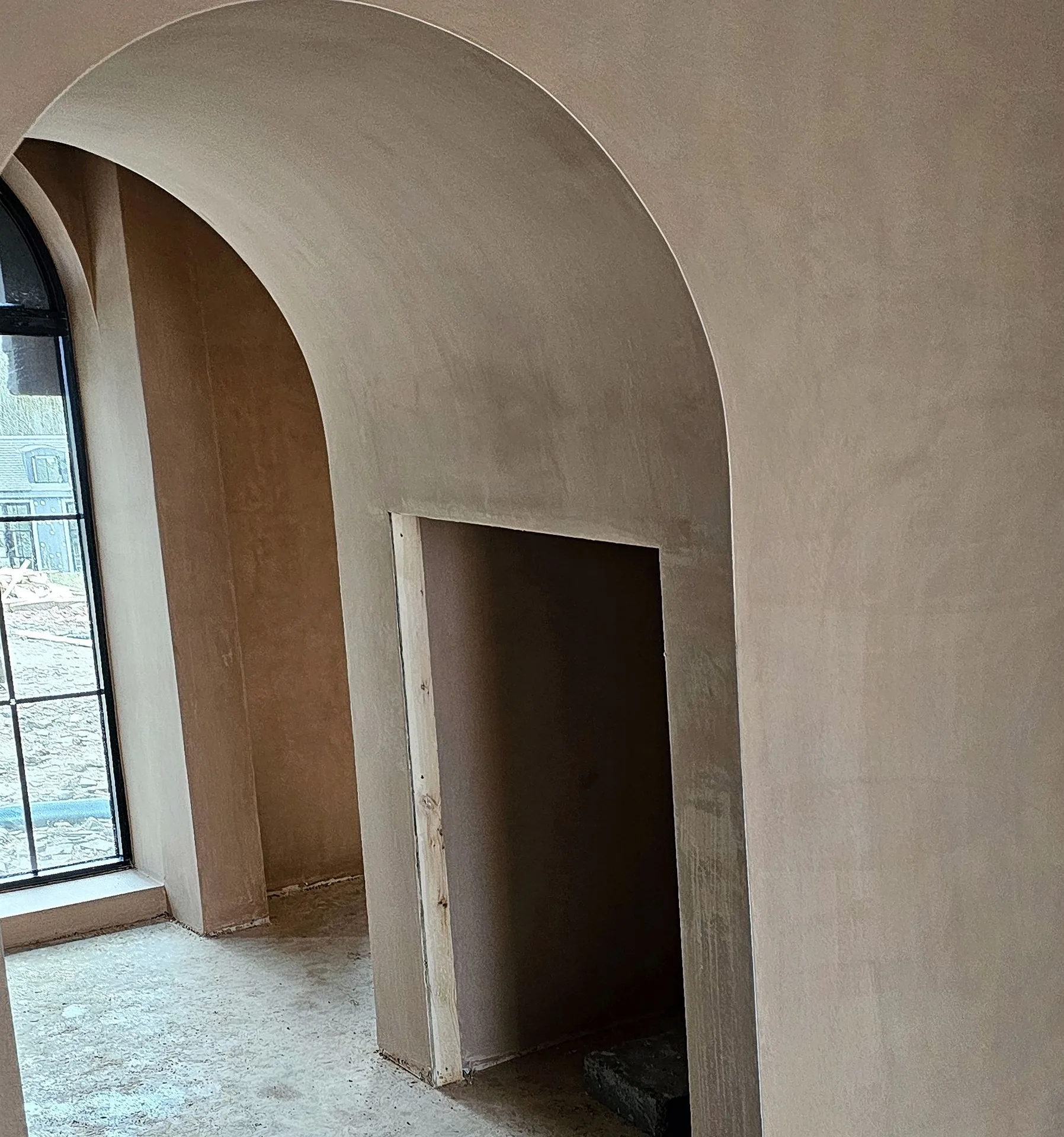
Tired walls and ceilings get a second life with skimming, giving you a flawless, durable finish every time.
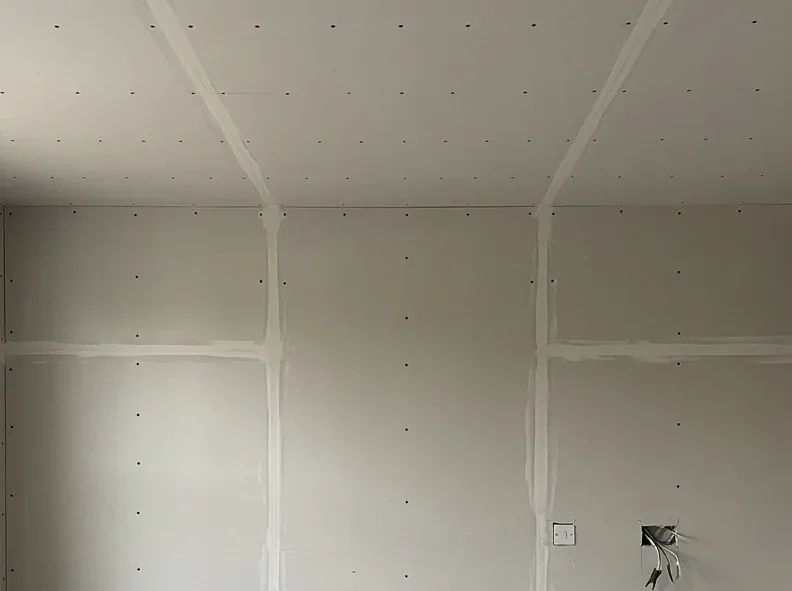
Experience matters-Topplastering handles plasterboarding for walls and ceilings so you get a truly solid finish.
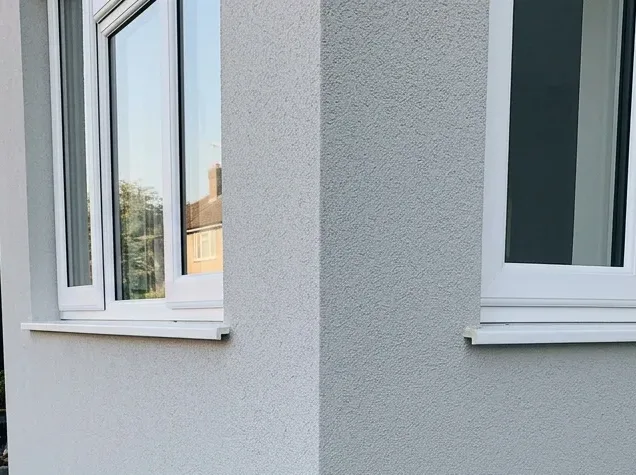
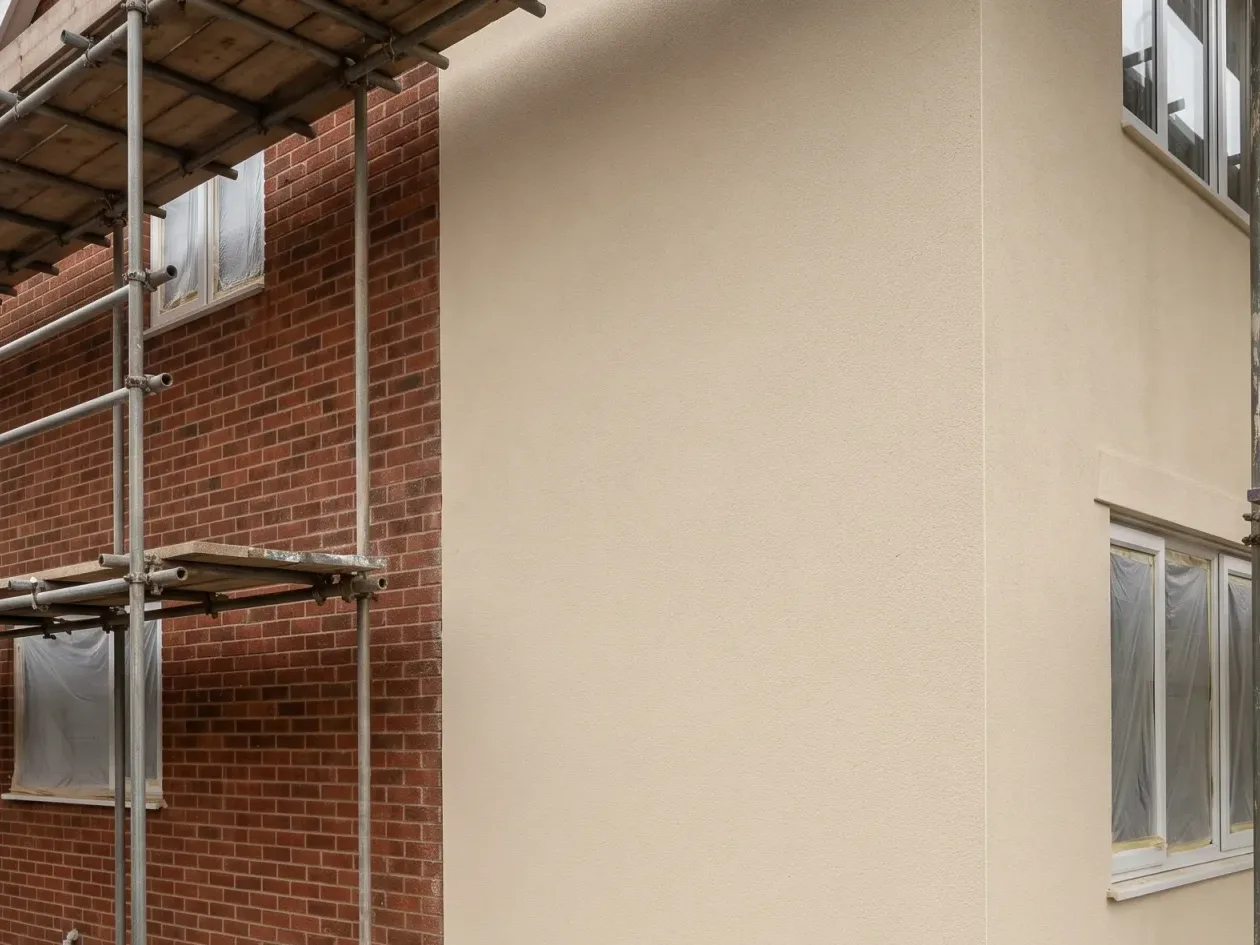
Rendering covers exterior and interior walls with a solid, even coat, protecting surfaces from weather and everyday wear.
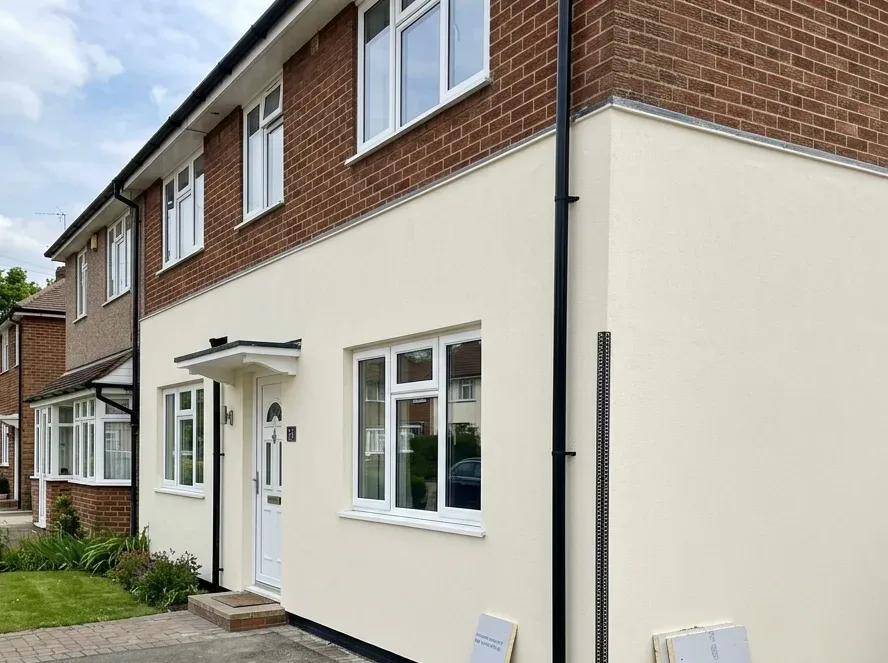
Upgrade your property with external wall insulation from Topplastering-cutting heating costs and improving your building’s appearance permanently.
Craftsmanship you can see
Every plastering project we complete leaves walls smooth, durable, and ready for whatever comes next.
Small imperfections get corrected during final jointing, because joint filler feathers out low spots. However, moving electrical boxes or hidden pipework after boards are secured requires slicing open the drywall and installing fresh sections.
Ask how they handle joints around window openings and door heads. Reliable contractors avoid placing board seams right on door corners, because structural building movement cracks those points immediately. They will explain stud spacing without hesitation.
Closing up walls before testing pipe runs causes the worst damage. If an apprentice forgets to solder a copper joint, concealed water soaks the core of the boards, forcing builders to rip down finished walls.
Yes, walls must be clear because large plasterboards need swinging room. Moving wardrobes, floor lamps, and curtains into another dry area protects your belongings from plaster dust and allows straight access for metal framing.