


Dot and dab allows plasterboard to be fixed directly to masonry walls using adhesive dabs, speeding up the process compared to traditional battens and full replastering. This method reduces labor time while maintaining the wall’s flatness.





We quickly make old walls flat and ready for finishing with our precise dot and dab method in London.
Get a free quote
 Quick, no-obligation quote!
Using dot and dab is an effective method for affixing plasterboard directly onto existing masonry walls. It’s especially useful in London for those looking to skip the mess and hassle of battening and re-plastering. For older properties with uneven surfaces, this method delivers a faster, cleaner way to achieve smooth walls ready for finishing.
This technique employs adhesive applied in small dabs to secure boards firmly, allowing for easy adjustments during installation. In London, dot and dab accelerates the process, minimizing drying times and material waste compared to full-surface bonding. We ensure every board is perfectly aligned, creating a solid base for plaster or silicone render.
With over 20 years of experience, we provide dot and dab solutions that meet practical demands in London. Builders trust this method for its balance of speed and durability, while homeowners appreciate the clean, dependable finish. We manage each step from measurements to the final skim, ensuring walls are prepared for the next phase without unexpected issues.
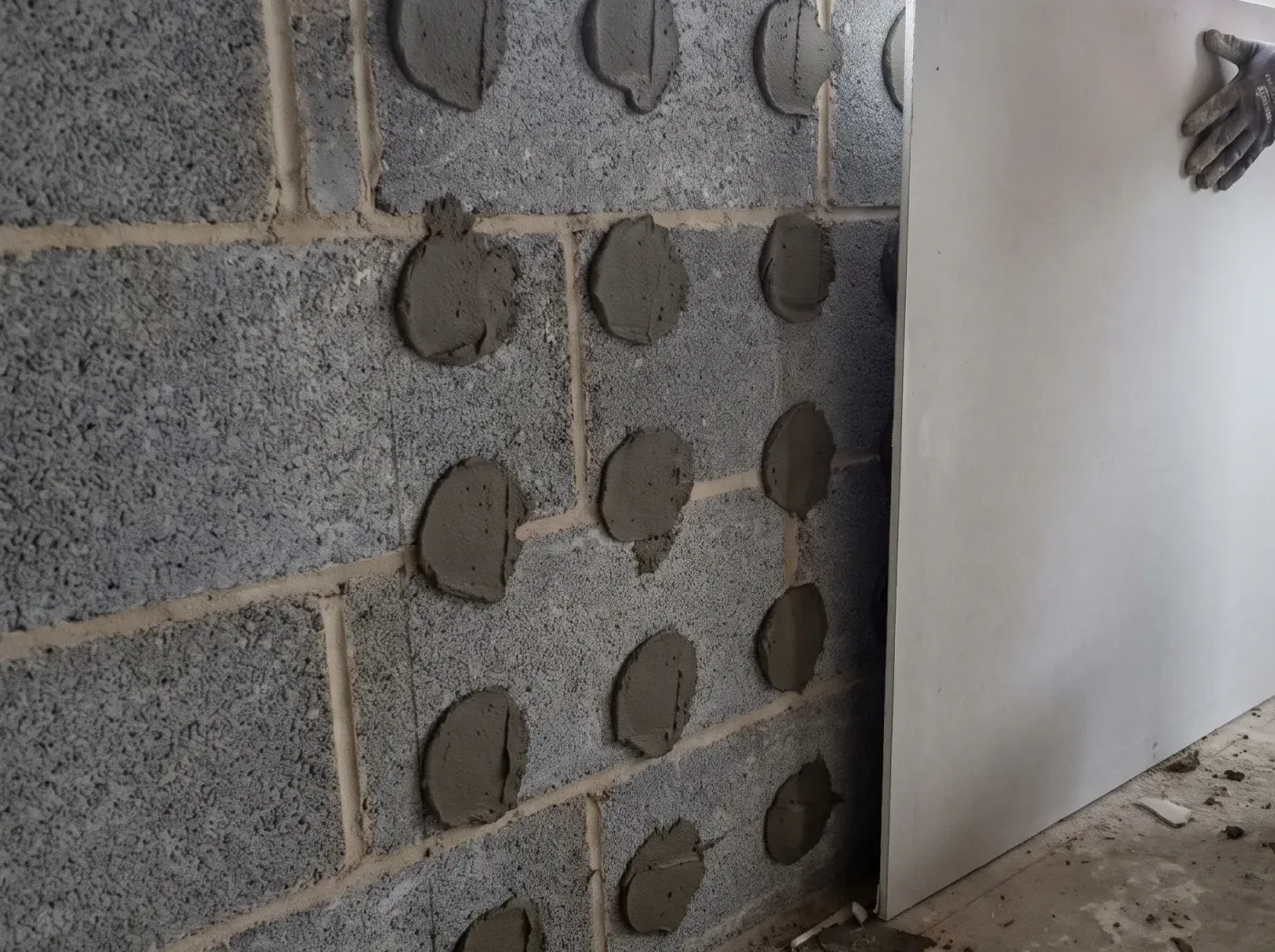
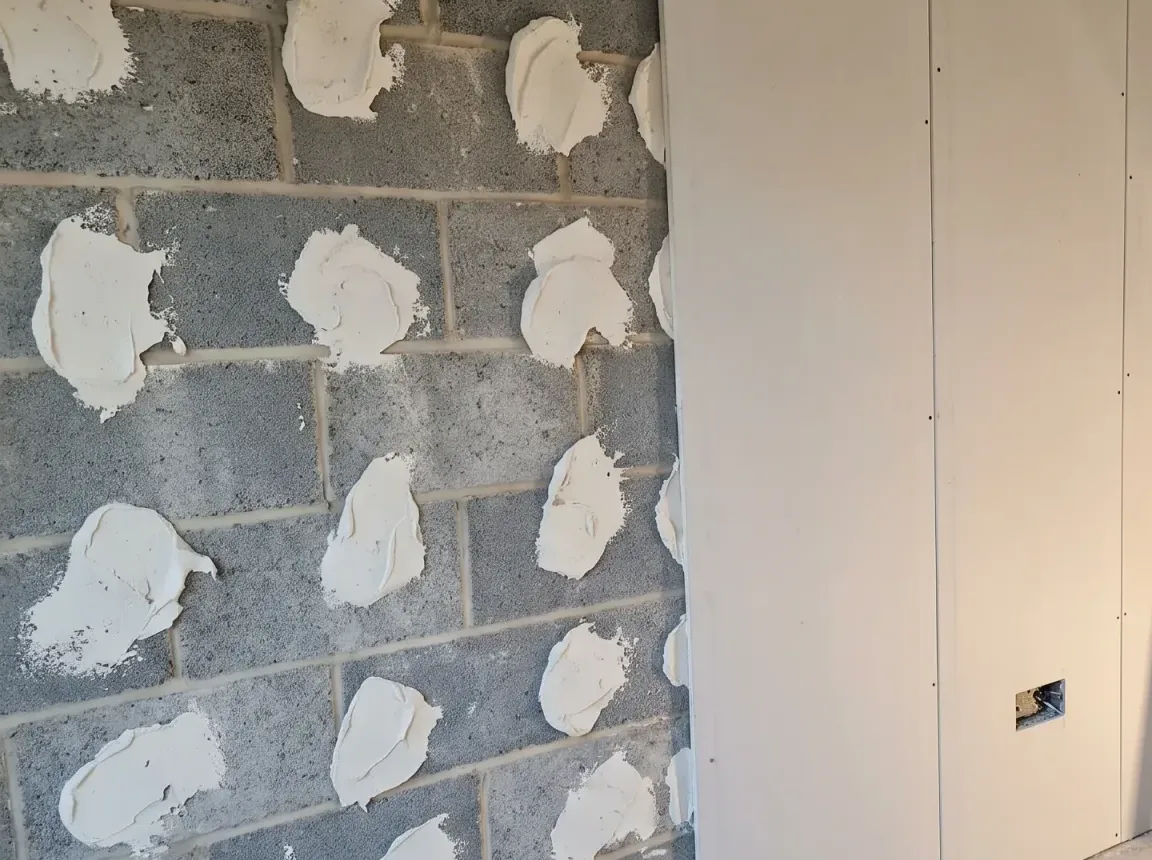
Dot and dab in London leaves a slight cavity behind the drywall boards. Heavy fixings need care. When you hang heavy kitchen wall cabinets or wide radiators later, regular plasterboard plugs pull out under the load and crush the plaster core unless long anchors grip directly into the brickwork behind.
Lighter accessories stay firm easily. Picture frames and small mirrors need only basic drywall anchors pushed into the board skin. Tapping the wall with a knuckle lets you locate solid adhesive spots where screws take solid purchase, saving you time with specialist metal hollow wall anchors.
Dot and dab allows plasterboard to be fixed directly to masonry walls using adhesive dabs, speeding up the process compared to traditional battens and full replastering. This method reduces labor time while maintaining the wall’s flatness.
By using adhesive in spots rather than across the entire surface, dot and dab minimizes mess and drying time. Our approach guarantees a neat, even base ready for skim coating or silicone plaster.
The dot and dab technique creates a strong, stable connection between plasterboard and wall. In London, boards are pressed firmly into place, preventing movement and providing a solid substrate for finishing layers.
Dot and dab fits perfectly for older houses where walls may be uneven or need insulation. It avoids the need for bulky battens, delivering a straight surface while preserving wall depth.
Using adhesive dots and dabs reduces waste and cuts material costs. We apply this technique carefully to balance durability with economical resource use.
The solid fixing achieved by dot and dab supports a flawless skim finish. With two decades of experience, we ensure that walls are perfectly prepared for the final plaster or render coat.
We handle dot and dab work with straightforward steps: measuring, applying adhesive, positioning boards, and finishing. This clarity keeps projects on track and clients informed at every stage.
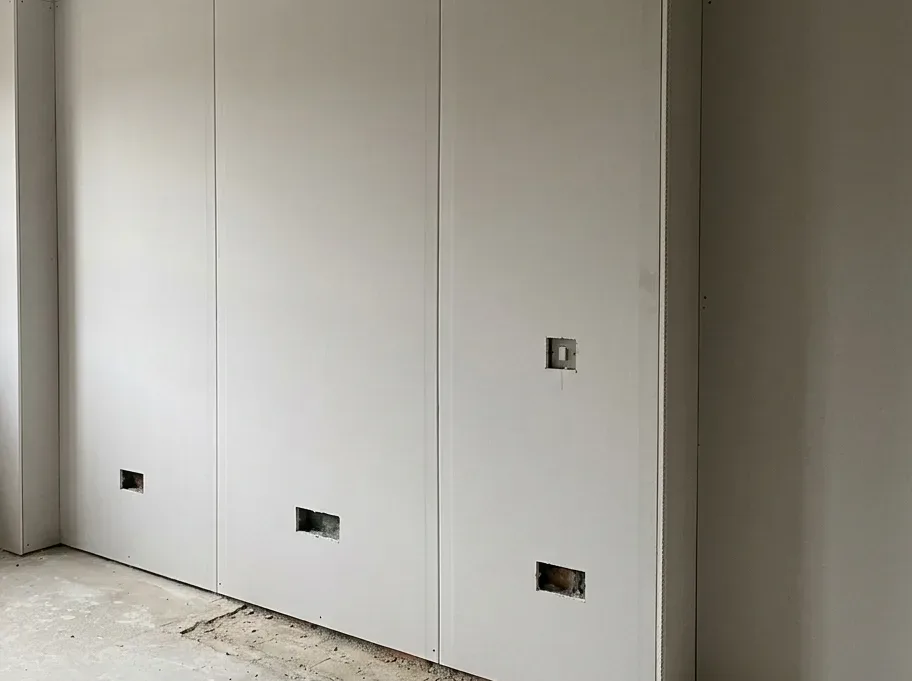
We utilize dot and dab to affix plasterboard directly onto masonry walls with adhesive dabs. This technique skips the additional work of battening walls, making it quicker and cleaner, particularly in older London buildings. Our precise application ensures each board is firmly set before skim coating, guaranteeing a flat and stable surface for finishing without unnecessary delays.
An initial assessment allows us to understand existing wall conditions and take accurate measurements for the dot and dab layout. Adhesive dots are applied at specific intervals to securely hold the plasterboard while providing minor adjustment options. When pressed snugly against the wall, they create a consistent base to support durable plaster or silicone render finishes. Our experience guarantees solid, long-lasting results in London.
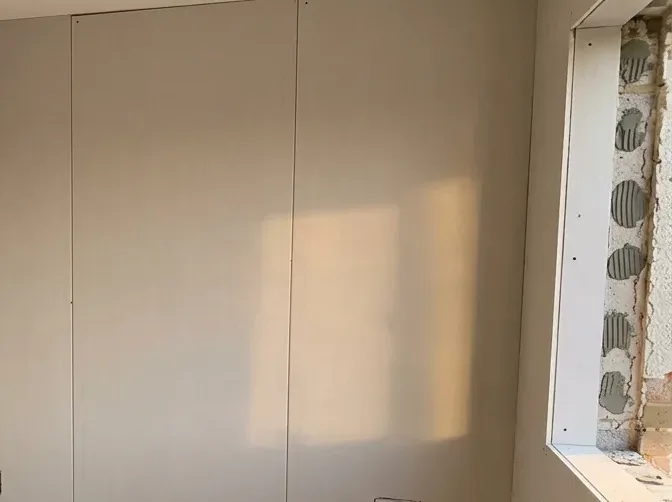
We start by inspecting the wall and taking accurate measurements to check suitability for dot and dab in London. This preliminary step guarantees that the plasterboard will fit correctly and the adhesive dabs will bond effectively.
Next, we clean and prepare the masonry wall to establish a reliable base for the dot and dab process. Essential dust and loose material removal ensures strong adhesion.
Adhesive is applied in carefully spaced small dots on the back of each plasterboard. This ensures the board is firmly secured while allowing for slight adjustments as we proceed.
The plasterboards are pressed against the wall, ensuring they are flush and level. We double-check the fit, making necessary adjustments prior to the adhesive setting, resulting in a durable and even surface.
Finally, we skim the fixed boards to create a smooth, flat wall ready for decoration or further finishes. The dot and dab method facilitates this stage by providing a clean, reliable substrate without needing battens.
Copper pipes require careful planning before dot and dab in London starts on bare blockwork. Plastic clips must stay flush against masonry so boards do not bounce on bulging pipe elbows when pressed home, avoiding cracked boards across joints.
Electricians need correct box depths. Shallow metal back boxes set into solid brick allow socket plates to sit flat against the finished drywall sheet rather than pushing the board outwards awkwardly.
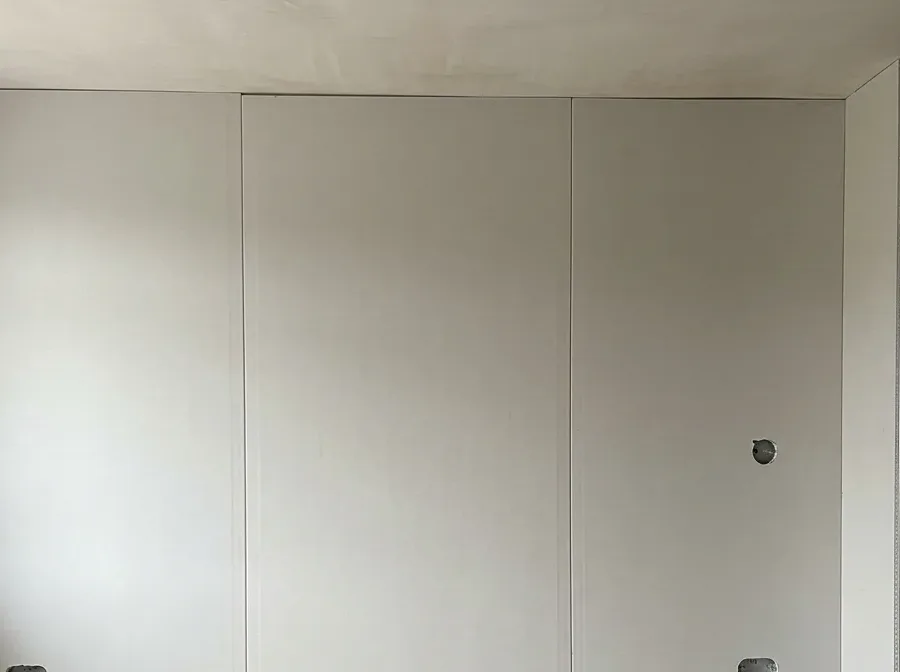
Direct bonding adhesive requires steady room conditions. Unheated rooms with freezing drafts chill adhesive lumps rapidly, weakening the grip against cold masonry. We keep windows closed.
Rain soaked bricks spoil the bond. Water prevents compound from hardening evenly against brick pores. Dot and dab London properties with leaking roof valleys or damp external brickwork must dry thoroughly before bonding plasterboards directly to external party walls.
Extreme warmth causes problems too. Dry masonry draws water out of wet adhesive dabs immediately, leaving crumbly contact patches behind boards. Light misting on hot masonry keeps the mix moist.
With over 20 years in the trade, we execute dot and dab installations that meet the demands of both new projects and renovations. We assess every wall prior to applying adhesive dots, ensuring plasterboards are securely fixed flush to masonry surfaces. This method accelerates the process, providing a reliable base for smooth, long-lasting finishes without any unnecessary fuss.
Our approach to dot and dab eliminates the need for full-surface adhesive coverage, which cuts down on drying time and material waste. We manage every aspect from initial measurements to the final skim, keeping projects on schedule and communication clear. The outcome is a flat, durable wall ready for finishing, completed with the precision builders and homeowners expect.
We work in London and the surrounding area, providing reliable services. Contact us for a free estimate or to schedule a visit to your home, whether you’re in Westminster, Islington, or further out.
approx. 15 milesDistance from our base · Cheshunt
Call us07465266721Email uscontact@topplastering.ukWe serve your areaLondon and the surroundings
The Google map loads after you accept marketing cookies.


Maksymilian Mazur
Very satisfied with the service! Excellent communication, clean workmanship, and everything completed professionally. Highly recommended!
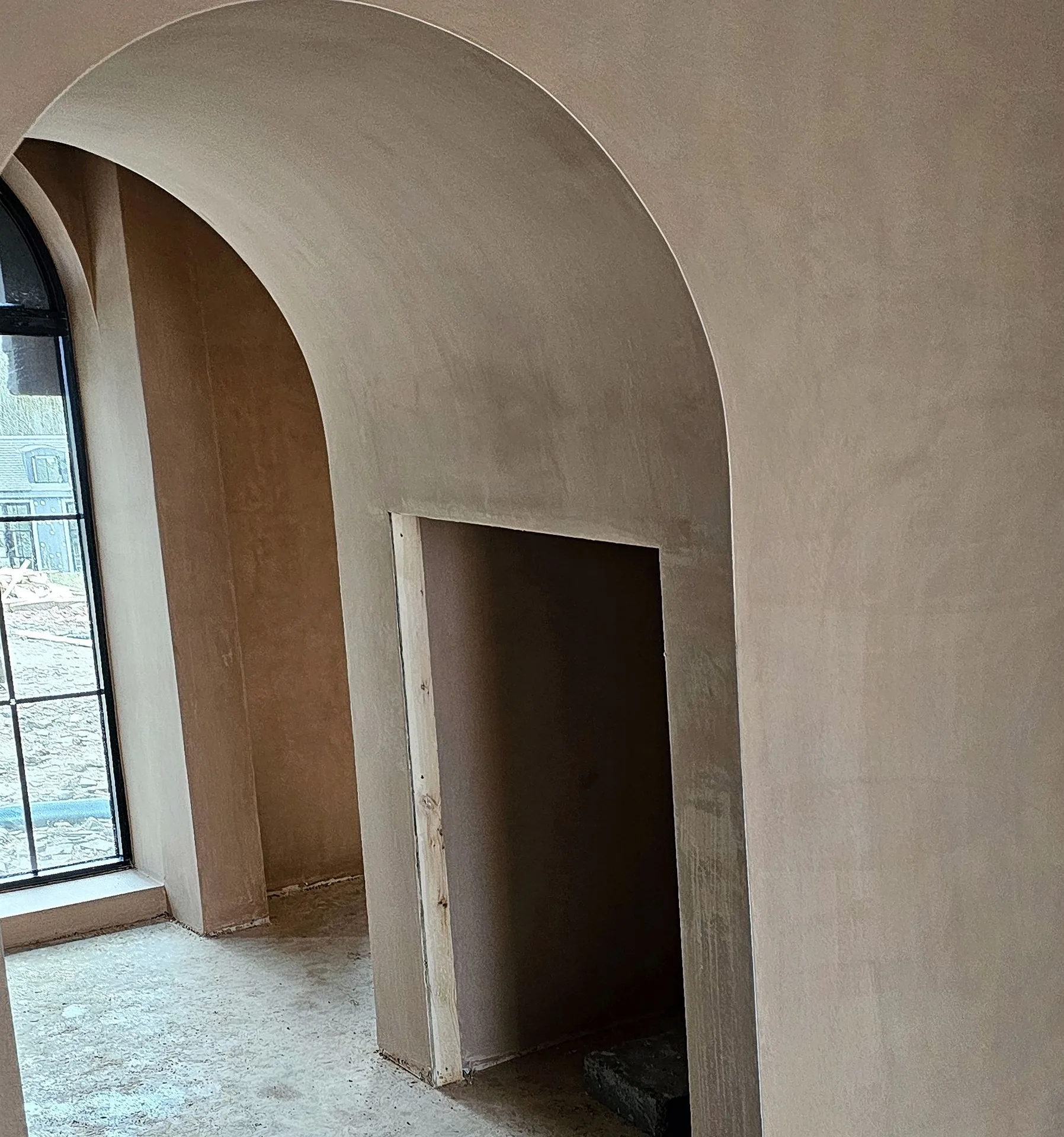
Tired walls and ceilings get a second life with skimming, giving you a flawless, durable finish every time.
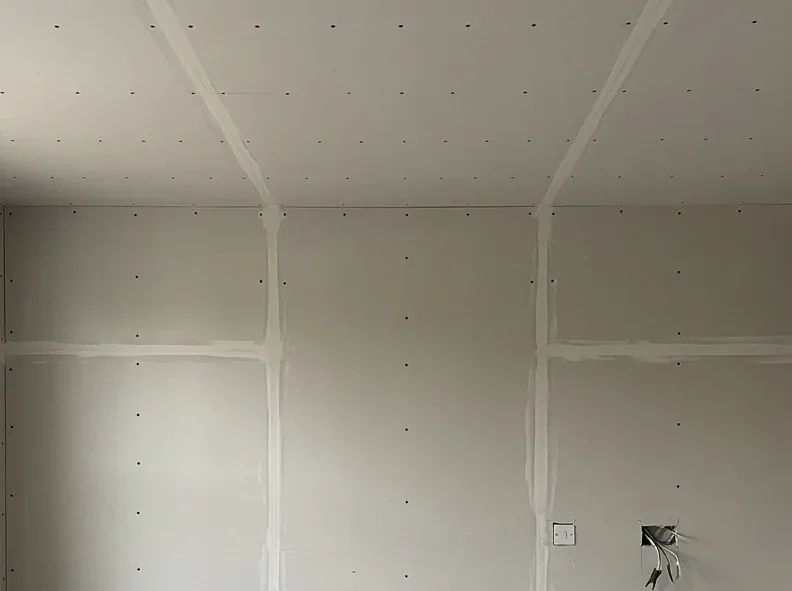
Experience matters-Topplastering handles plasterboarding for walls and ceilings so you get a truly solid finish.
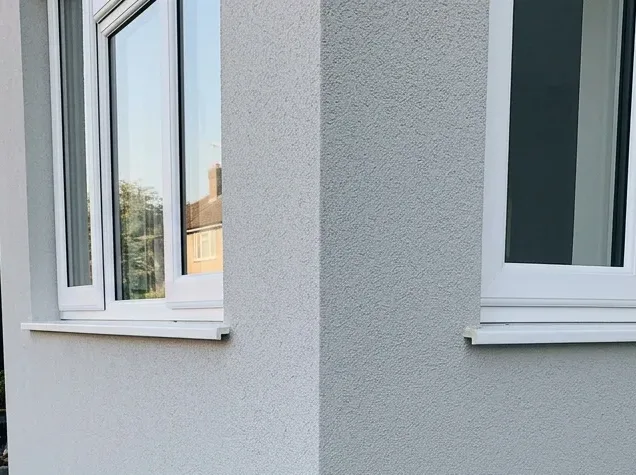
Rendering covers exterior and interior walls with a solid, even coat, protecting surfaces from weather and everyday wear.
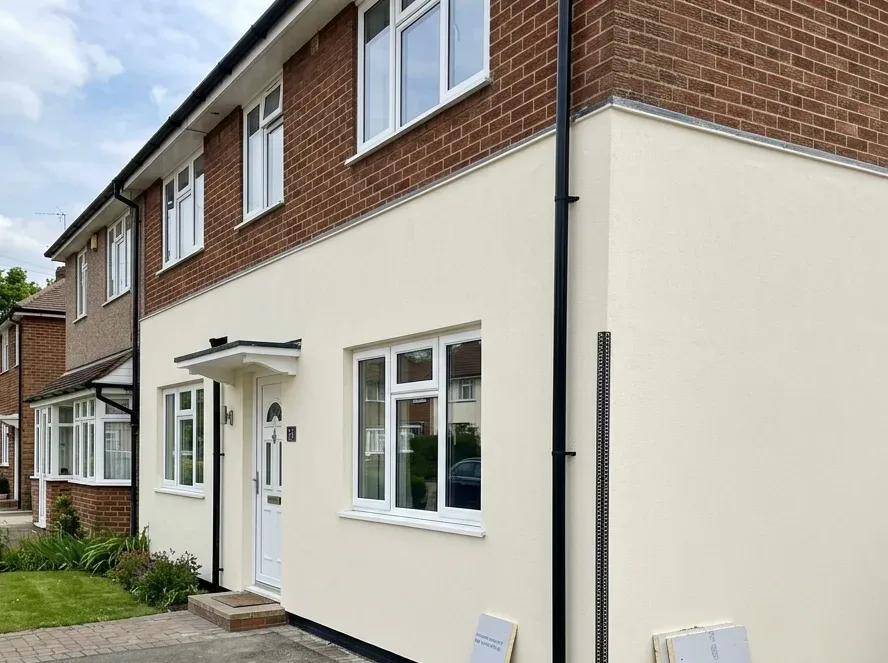
Upgrade your property with external wall insulation from Topplastering-cutting heating costs and improving your building’s appearance permanently.
Craftsmanship you can see
Every plastering project we complete leaves walls smooth, durable, and ready for whatever comes next.
Standard boards work on internal block walls, while foil backed panels prevent damp penetration on exposed external single brick walls. Moisture resistant core boards suit shower enclosures and wet utility spaces because ordinary paper skins swell and rot when exposed to ongoing condensation.
No, wall chasing and cable laying belong to electricians. Dot and dab fixes plasterboards over completed masonry conduits, so any unchased pipework or proud conduit boxes that stick out past the dab clearance must be recessed before the bonding adhesive is mixed.
No, bonding compound requires a clean masonry key to adhere properly. Sticking dabs over old distemper, flaking gloss paint, or loose crumbling lime mortar causes entire boards to pull away from the wall under their own weight once plastered.
Wall flatness changes the material needed. A true vertical block wall uses minimal adhesive, whereas leaning brickwork in older London Victorian homes requires thick dab build-ups, extra leveling checks, and substantial framing around sash window reveals.