


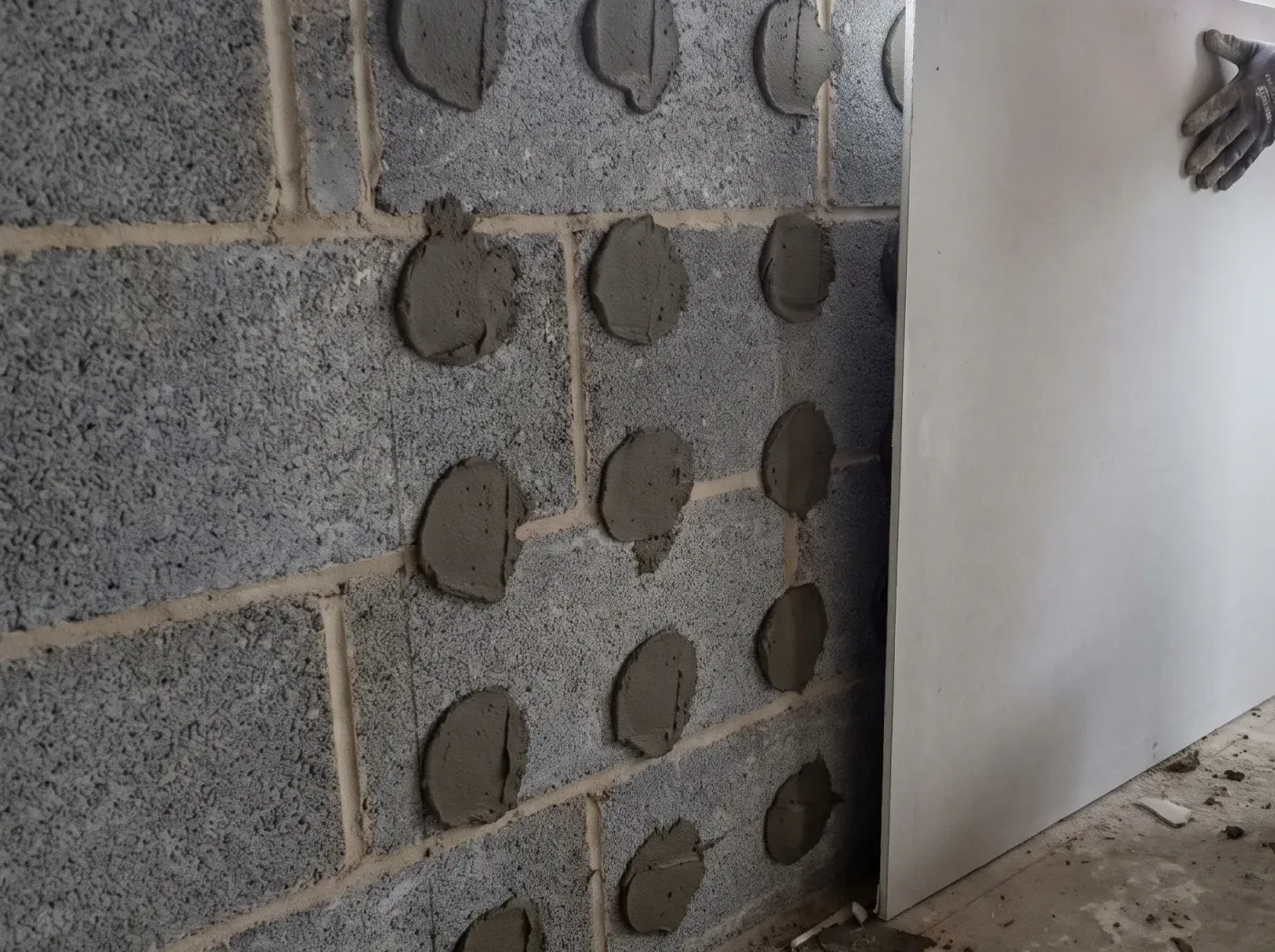
Dot and dab allows for fastening plasterboard directly to masonry walls using adhesive dabs, which speeds up the process relative to traditional battens and full replastering. This approach reduces labor time while maintaining the wall’s flatness.





We efficiently make old walls flat and ready for finishing using our precise dot and dab method in Stratford.
Get a free quote
 Quick, no-obligation quote!
Dot and dab offers a simple way to attach plasterboard directly onto existing masonry walls. This technique is particularly valuable when we want to avoid the hassle of battening out and the mess of full re-plastering. In older homes with uneven surfaces around Stratford, dot and dab provides a quicker, tidier option for achieving flat walls, preparing them for finishing.
This technique utilizes adhesive applied in little dabs to secure boards well while allowing for quick adjustments during the installation process. In Stratford, dot and dab accelerates the workflow by reducing drying times and minimizing material waste compared to full-surface bonding. We make sure that every board aligns perfectly, creating a solid base for plaster or silicone render.
With over 20 years of experience in delivering dot and dab methods, we meet practical demands. Builders trust this technique for its blend of speed and strength, while homeowners appreciate the clean and reliable finish it provides. We conduct every step-from measurements to the final skim-ensuring the walls are prepared for the next stage without any unexpected issues.
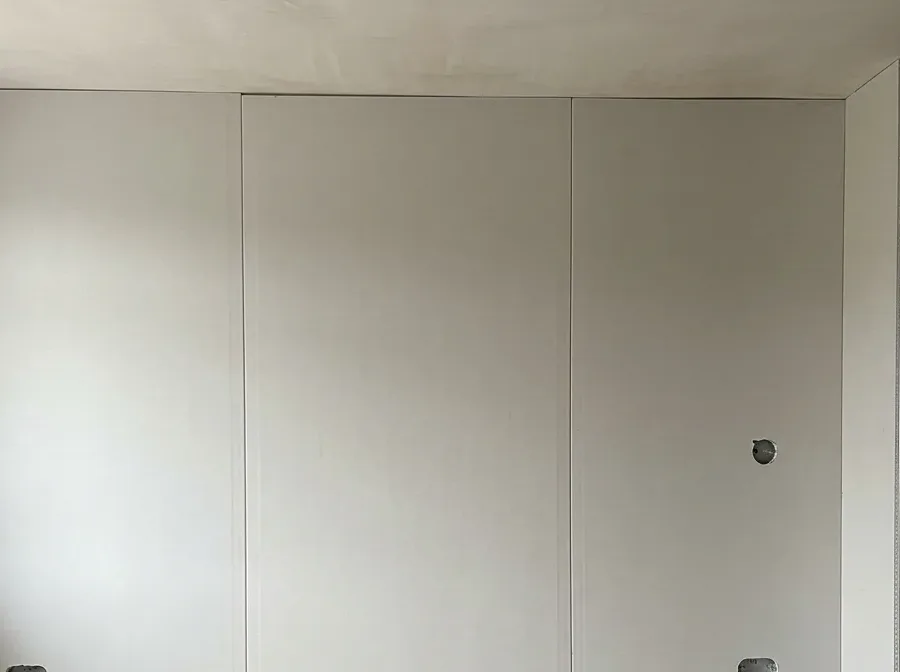
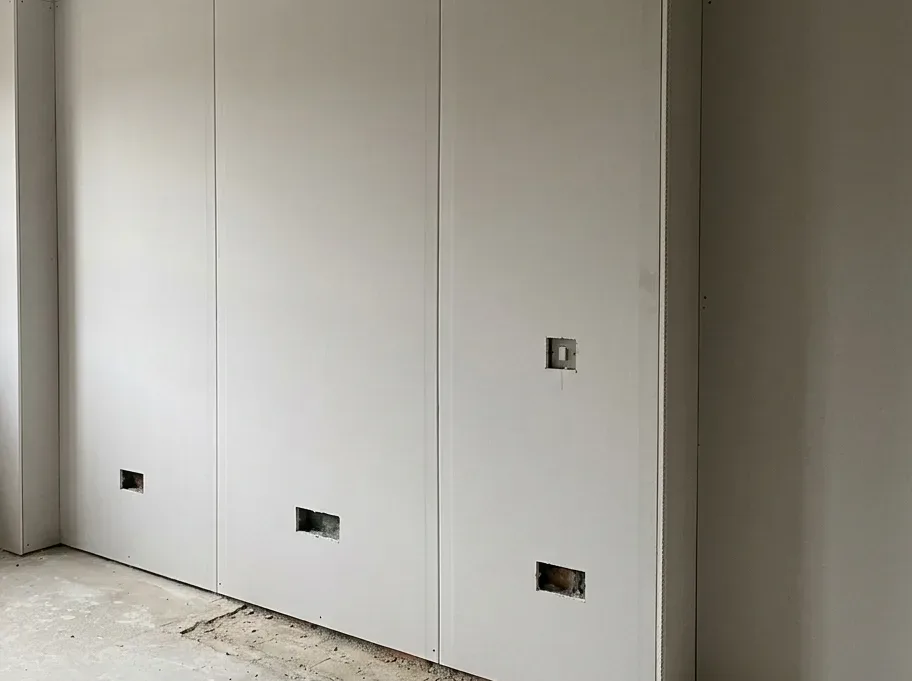
You cannot hang heavy radiators on sheet lining alone. Hollow pockets sit behind the boards. When you arrange dot and dab Stratford trades should mark continuous adhesive bands where bathroom basins, heavy mirrors, or kitchen units will sit so core fixings bridge straight through the board into brickwork. Special anchors bridge that void. Plugs expand deep inside the masonry instead.
Tapping lightly with knuckles helps you find voids. Hollow notes indicate empty pockets, while dull thuds show adhesive lumps. If you hang a light picture frame, simple cavity plugs bite well into board plaster, but floating shelves require core bolts driving into solid block to stop the drywall crushing inwards. That small gap between masonry and gypsum behaves differently under load.
Dot and dab allows for fastening plasterboard directly to masonry walls using adhesive dabs, which speeds up the process relative to traditional battens and full replastering. This approach reduces labor time while maintaining the wall’s flatness.
By applying adhesive in specific spots instead of over the entire surface, dot and dab minimizes mess and drying time. We ensure this method results in a neat, even base, ready for skim coating or silicone plaster.
The dot and dab technique establishes a robust and stable connection between plasterboard and wall. The boards are firmly pressed into position, preventing movement and ensuring a solid substrate for finishing layers.
Dot and dab is an excellent option for older homes where walls may present unevenness or need insulation. It negates the need for bulky battens, delivering a straight surface while keeping the wall depth intact.
Utilizing dots and dabs of adhesive minimizes waste and decreases material costs. We apply this technique with care to align durability with effective resource use.
The secure fixing achieved through dot and dab supports a flawless skim finish. With two decades of experience, we ensure walls are perfectly ready for the final plaster or render coat.
We manage dot and dab installation using clear steps: measuring, applying adhesive, positioning boards, and finishing. This transparency keeps projects timely and clients well-informed at all stages.
Electricians clip cables flat before boarding begins. Thin capping shields conduits. When our team undertakes dot and dab Stratford properties need neat wire channels knocked out from the brick face, allowing boards to stay flat without pressing hard against loose electrical back boxes. Plasterers avoid crushing copper water pipes. Copper sweats, causing moisture spots on dry board backs.
Plumbing pipes need testing under pressure before boards go up. A tiny leak behind adhesive ruins weeks of decorating before anyone spots water stains on skirting. Flush mounting socket boxes requires measuring dab depth accurately, because standard metal boxes get lost if boards stand proud of the masonry wall. Careful spacing avoids socket faceplates twisting sideways during second fix electrics.
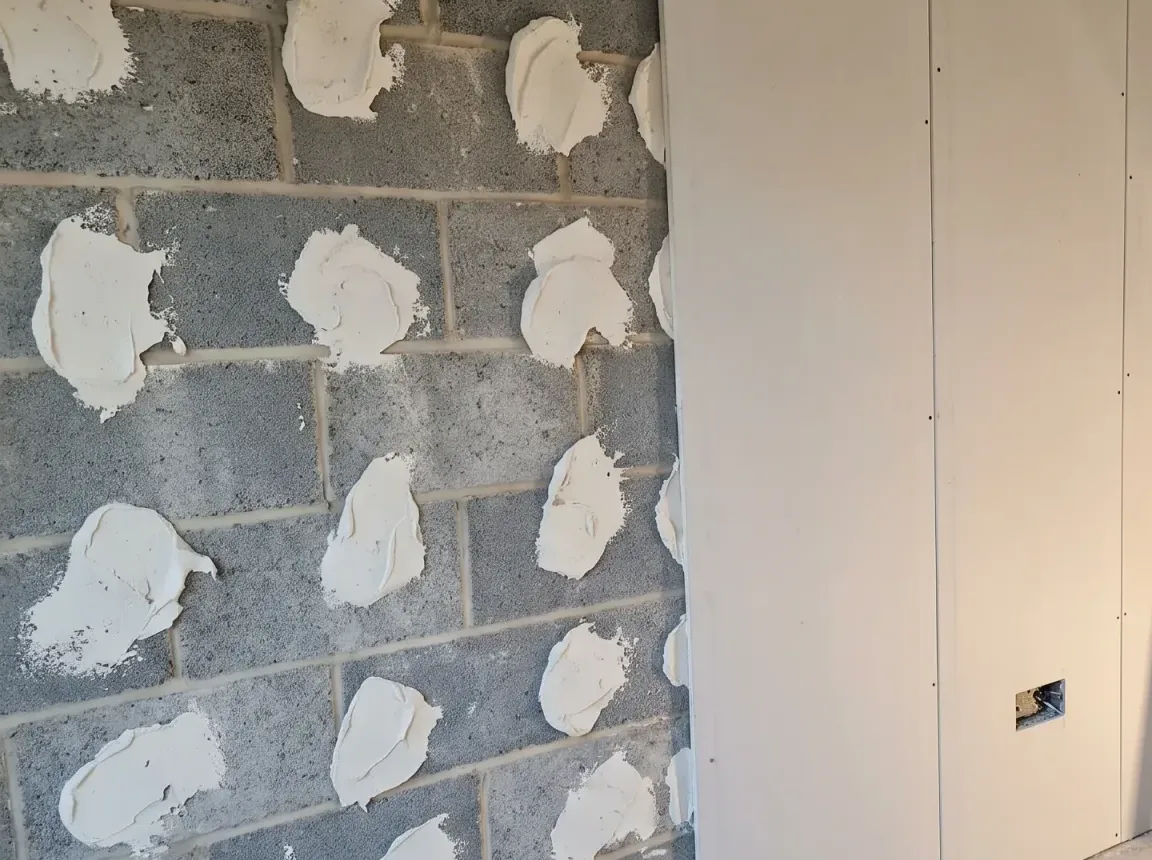
We begin by examining the existing wall and taking precise measurements to confirm suitability for dot and dab. This step is crucial for ensuring the plasterboard will fit correctly and the adhesive dabs will bond efficiently.
Next, we clean and prepare the masonry wall to create a strong base for the dot and dab process. Dust and loose materials must be removed to provide proper adhesion.
We place adhesive in accurately spaced dots on the back of each plasterboard. This technique secures the board firmly while allowing slight adjustments during the installation phase.
The plasterboards are pressed against the wall, ensuring they're aligned flush and level. We check the fit and make necessary adjustments before the adhesive sets to guarantee a stable and even surface.
Finally, we skim the plasterboards to ensure a smooth, flat wall ready for decoration or additional finishes. The dot and dab approach accelerates this process by providing a reliable, clean substrate without requiring battens.
Adhesive needs steady warmth to set properly. Cold bricks suck heat away quickly. During chilly months on dot and dab Stratford jobs, heating keeps base walls above freezing so compound crystals knit tight without turning chalky or letting boards sag down overnight. Drafts freeze wet edges. Keeping windows closed stops rapid surface crusting before chemical bond occurs.
High humidity slows down drying. Condensation beads on cold brickwork prevent drywall adhesive from grabbing firmly. If you run industrial heaters without ventilation, water stays trapped inside plaster layers, causing problems later for mist coats. Opening internal doors balances ambient temperature while moisture evaporates steadily into the open room.
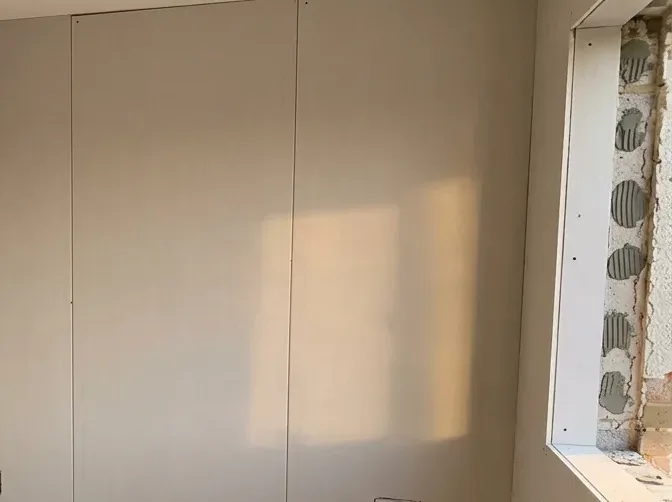
With more than 20 years in the plastering business, we know dot and dab thoroughly. Each project is handled with precision, making sure the adhesive dabs hold plasterboards firmly to masonry walls. This method allows us to create flat, smooth surfaces faster than traditional battening and replastering, leading to time savings without compromising on quality.
Our dot and dab technique emphasizes clean and efficient installation. We start by assessing wall conditions, then apply adhesive in precise spots, bonding boards quickly and securely. This strategy not only reduces drying time but also minimizes material waste, which is particularly ideal for both renovations and new builds in Stratford.
Clients select us for dot and dab because we consistently provide durable finishes. Each board is inspected for correct alignment before the adhesive sets, leading to a solid surface ready for plaster or silicone render. Our simple communication and systematic approach ensure that projects are completed on schedule without unexpected delays.
Having more than 20 years of experience, we deliver dot and dab installations that meet the requirements of both new constructions and renovations. Each wall is thoroughly assessed before we apply adhesive dots and dabs, ensuring that plasterboards attach securely and flush to masonry surfaces. This technique expedites the project while offering a dependable base for smooth, lasting finishes minus any unnecessary trouble.
Our method for dot and dab eliminates the need for full-surface adhesive coverage, reducing drying time and material waste. We manage everything from initial measurements to the final skim, keeping projects on track and communication straightforward. The outcome is a flat, sturdy wall primed for finishing, done with the precision and reliability that both builders and homeowners expect.
We operate locally in Stratford and the surrounding areas, providing professional dot and dab services. Contact us for a free estimate or to arrange a visit on site. Our base is about 15 miles away, but we meet customer needs promptly.
approx. 15 milesDistance from our base · Cheshunt
Call us07465266721Email uscontact@topplastering.ukWe serve your areaStratford and the surroundings
The Google map loads after you accept marketing cookies.


Maksymilian Mazur
Very satisfied with the service! Excellent communication, clean workmanship, and everything completed professionally. Highly recommended!
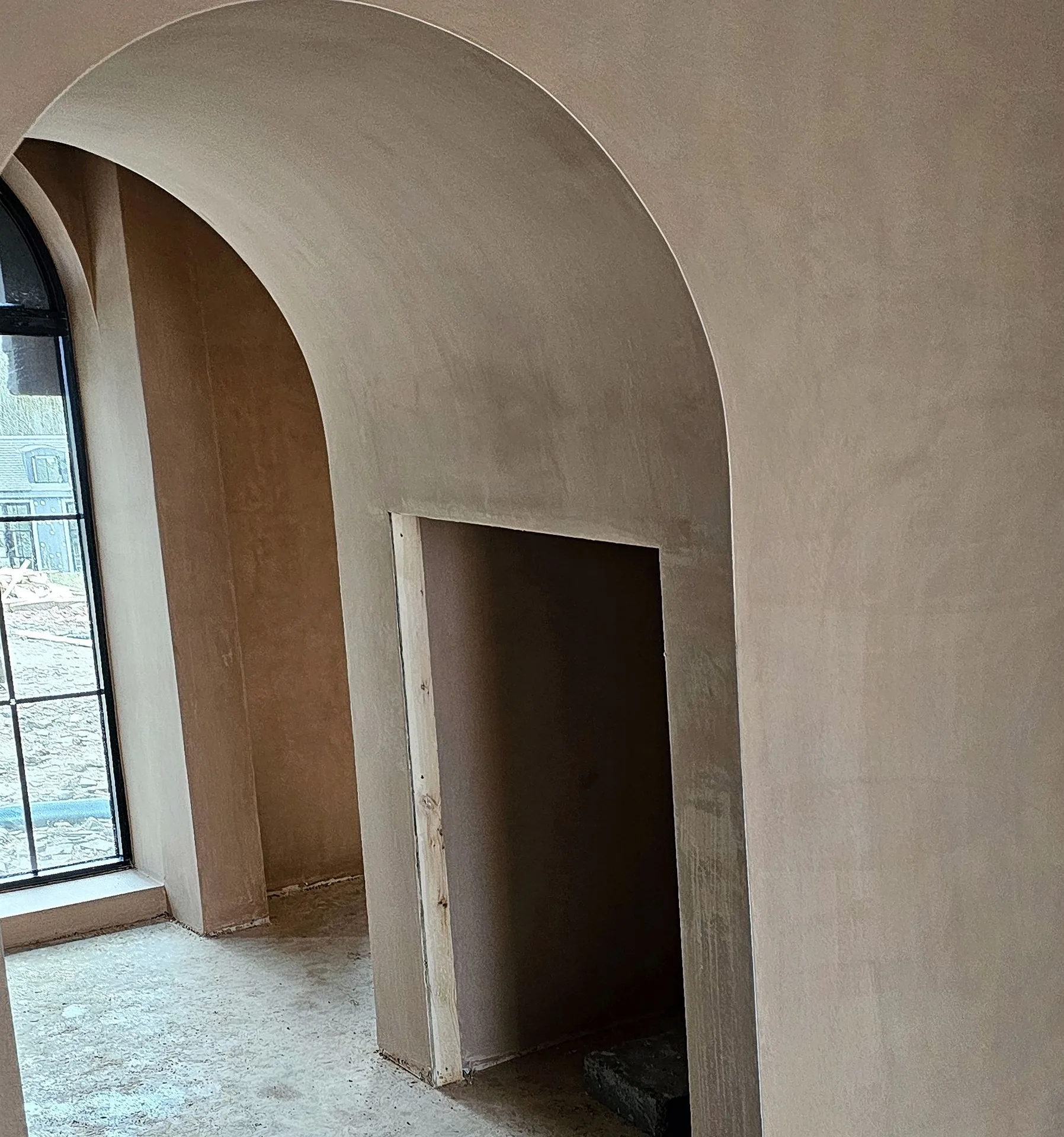
Tired walls and ceilings get a second life with skimming, giving you a flawless, durable finish every time.
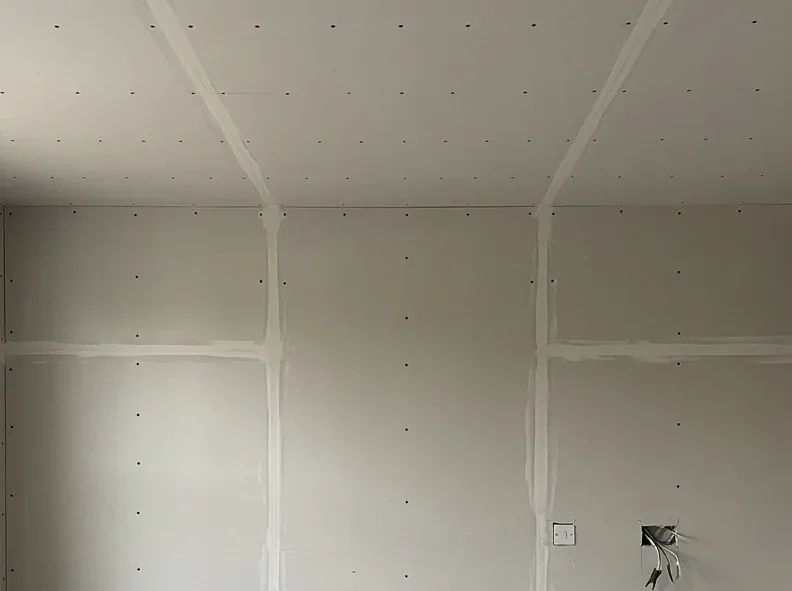
Experience matters-Topplastering handles plasterboarding for walls and ceilings so you get a truly solid finish.
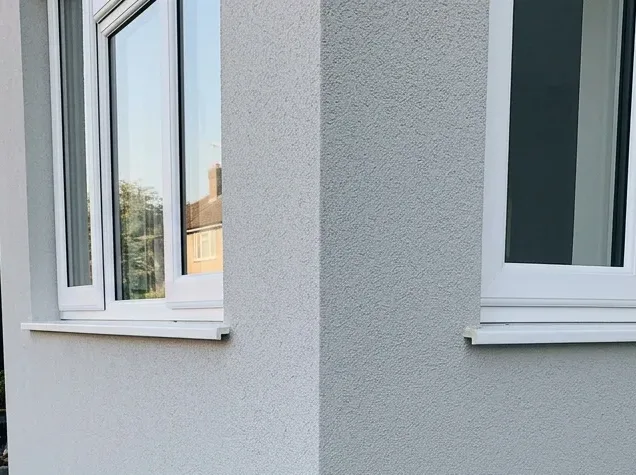
Rendering covers exterior and interior walls with a solid, even coat, protecting surfaces from weather and everyday wear.
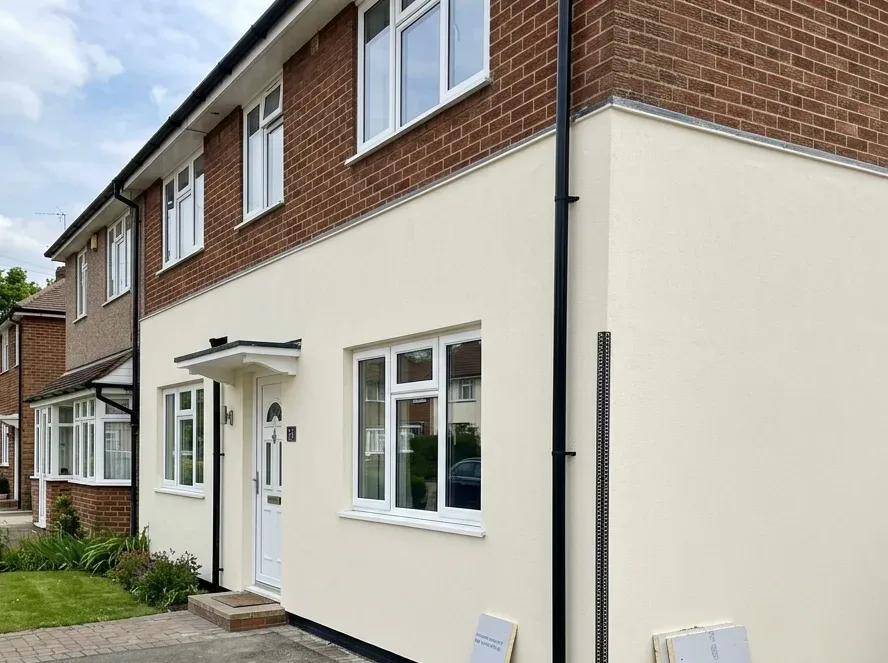
Upgrade your property with external wall insulation from Topplastering-cutting heating costs and improving your building’s appearance permanently.
Craftsmanship you can see
Every plastering project we complete leaves walls smooth, durable, and ready for whatever comes next.
Ask if they run continuous adhesive bands along ceilings and skirting lines. A reliable tradesperson explains air barrier sealing immediately, carries long aluminium featheredges to test straightness, and discusses anchor depths for future joinery without hesitating.
Costs shift depending on background condition rather than room size. A wall with flaky paint, crumbling lime mortar, or heavy bowing takes far more scraping, primer coats, and thicker adhesive dabs than clean, flat engineering brickwork.
Freezing conditions stop bonding adhesive from setting chemically. Rooms require background heating so brick surfaces warm up, otherwise compound crystallises into weak dust. During humid Stratford winters, boards take longer to dry before painters touch them.
People often forget to mark where hidden pipework and wiring cables run before dry lining goes on. That oversight leads to pierced cables or cracked pipes when skirting boards, curtain rails, or shelving get screwed into finished walls later.