


Skimming with us creates a perfectly flat surface, eliminating imperfections and preparing walls or ceilings beautifully for decorating. This smooth base reduces the likelihood of extra work later.





We breathe new life into tired walls and ceilings with skimming, providing you with a flawless, durable finish each time.
Get a free quote
 Quick, no-obligation quote!
Skimming works wonders on walls and ceilings that have existing plaster, plasterboard, or textural finishes. Instead of the hassle of removing old layers, we apply a thin skim coat that creates a smooth, flat surface, ready for decoration. This method is practical for both renovations and new builds, saving you time and the mess of full replastering.
Skimming in Dunstable effectively addresses issues like cracks, patches, and worn textured ceilings. It excels in handling tricky areas such as cornice edges and light fixtures. By re-skimming these surfaces, we achieve a consistent finish that enhances both the appearance and longevity of your space.
Builders count on skimming as a reliable method to prepare surfaces before applying paint or wallpaper. Individual clients appreciate this straightforward approach to revitalizing tired walls with little disruption. Our expertise guarantees precise execution of skimming, delivering results that hold up to everyday use while keeping your project on schedule.
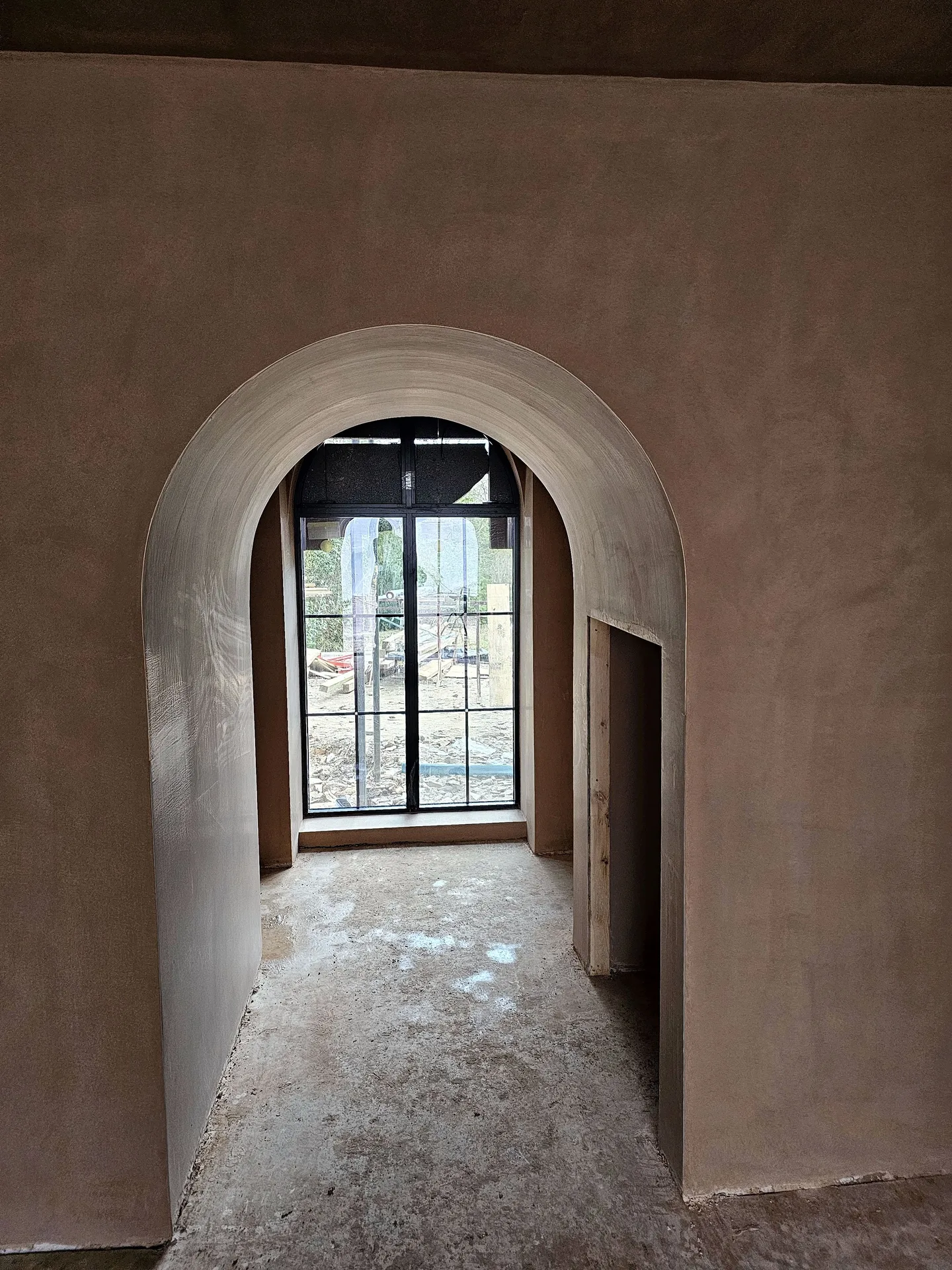
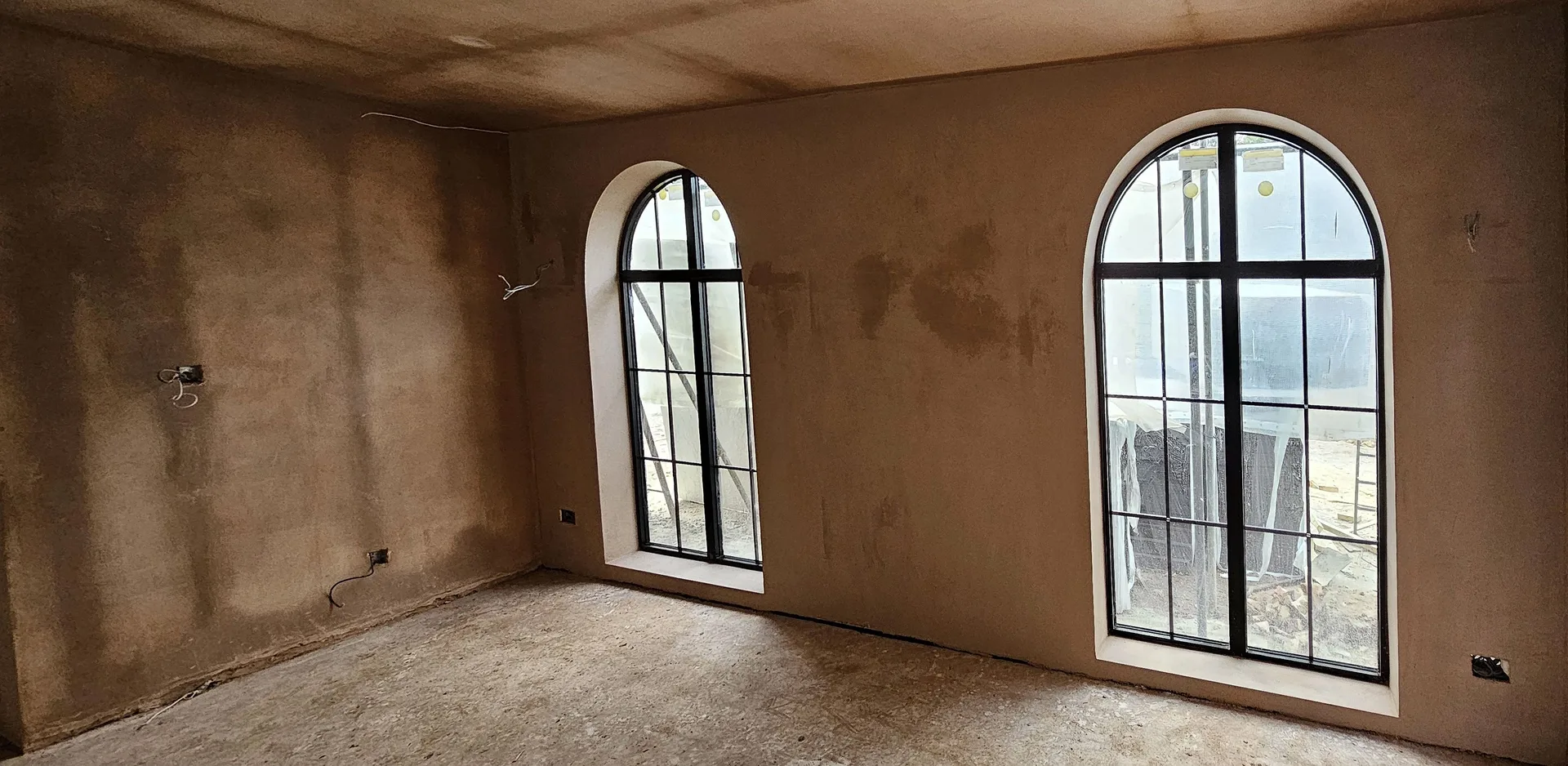
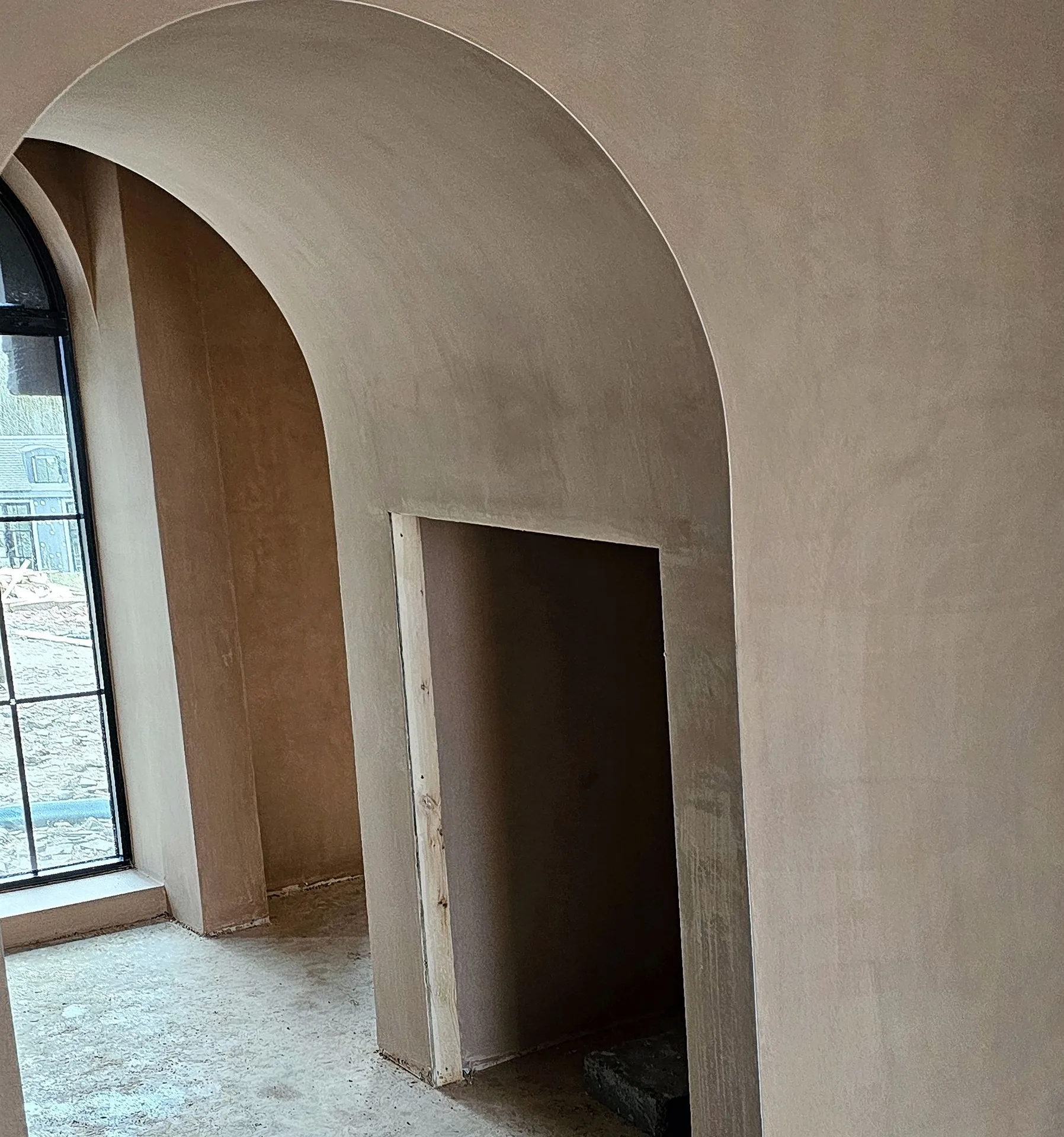
Empty rooms make better finishes. We ask householders booking skimming in Dunstable to carry out sofas, freestanding cupboards, and wall pictures before our mix tubs arrive in the hall. Moving bulky furniture into the central floor space often leaves insufficient room for our hop-up work platforms, which forces awkward reach angles near picture rails and corners.
Radiators often stay mounted. Unscrewing them completely lets wet coats run right behind the brackets without ugly ridges, but leaving them plumbed means masking valves with heavy foil tape. We cover carpets with heavy self-adhesive film because wet gypsum drops cling stubbornly to untreated weave fibres.
Skimming with us creates a perfectly flat surface, eliminating imperfections and preparing walls or ceilings beautifully for decorating. This smooth base reduces the likelihood of extra work later.
In comparison to full replastering, skimming helps you save both time and money by applying a light coat over existing surfaces. Our expertise ensures the job is done correctly the first time, preventing expensive rework.
Skimming adapts seamlessly to different surfaces, whether plaster, plasterboard, or textured ceilings. We handle tricky areas like cornices and light fixtures with striking precision.
Skimming effectively covers cracks, patches, and uneven textures, reviving tired walls and ceilings without the need for major renovations. This makes it an ideal choice for your remodeling projects.
Our skimming process results in a robust, uniform surface that supports long-lasting paint or wallpaper finishes. We focus on detail, ensuring durability over time.
From the first measurement to the final inspection, our skimming service is straightforward and transparent. You will always know what to expect at every stage, ensuring efficient collaboration.
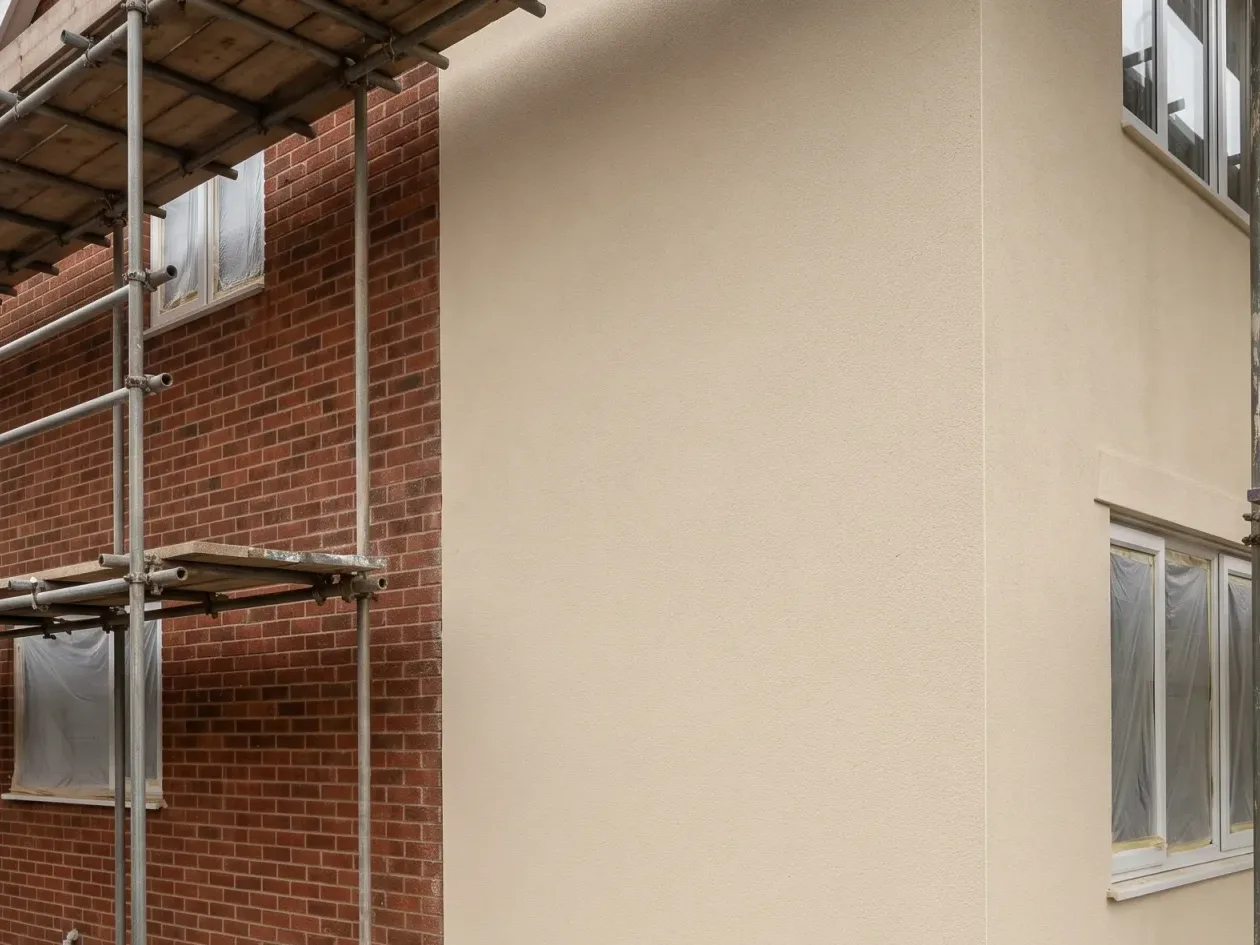
Cold draft snaps delay curing. When organizing skimming in Dunstable during freezing months, never turn radiators up to maximum heat because sudden heat bakes the surface, pulling moisture out before the chemical bond sets and triggering crazing cracks across the skim coat.
Dry drafts ruin trowel work. In hot dry weather, plasterers face fast suction where gypsum sets faster on porous backgrounds than expected, making light misting necessary before the trowel touches the board edge.
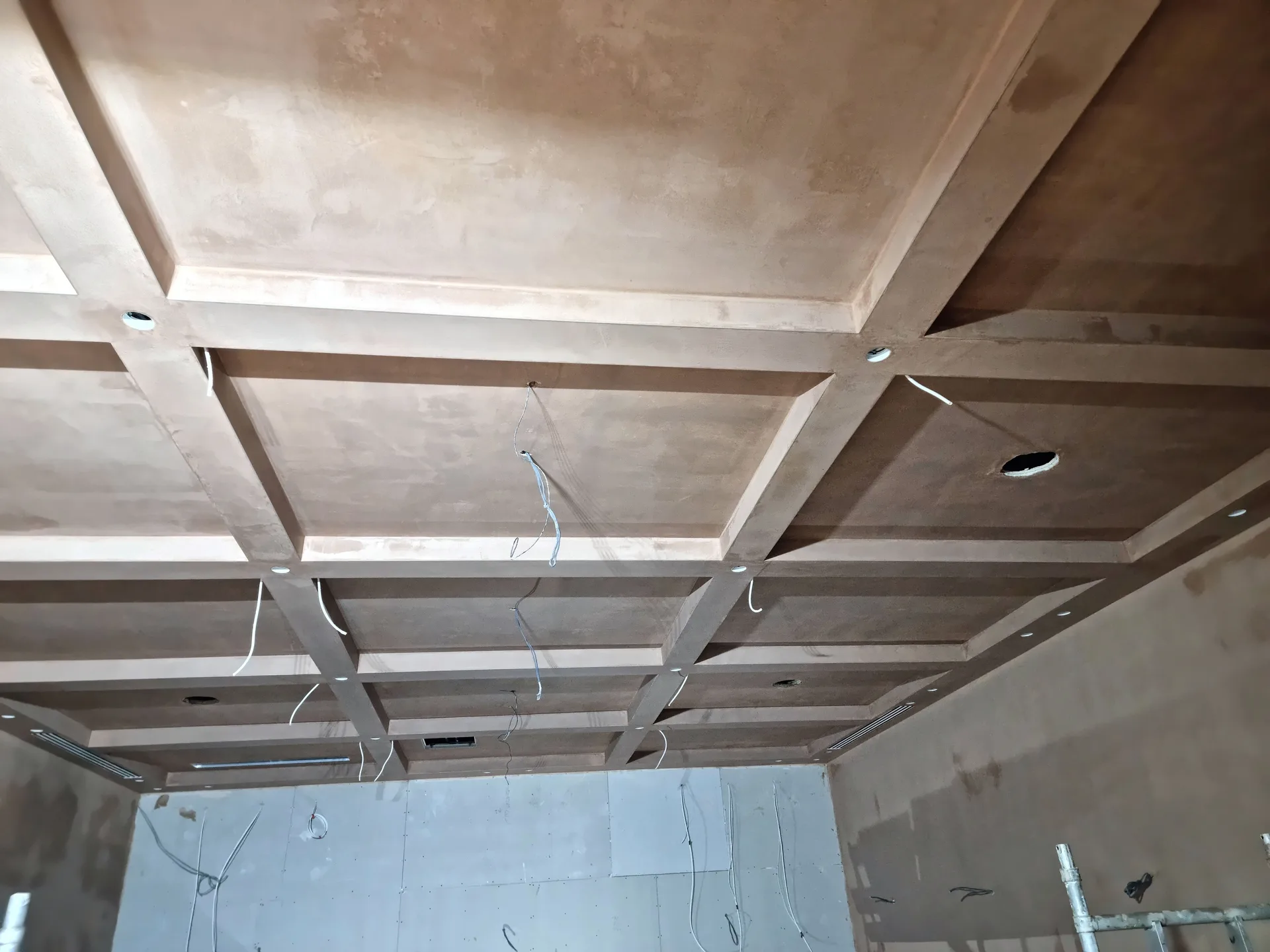
We evaluate the surface to detect any damage or irregularities prior to skimming, making sure the substrate is suitable for a smooth finish.
Our team meticulously cleans and repairs plaster, plasterboard, or textured surfaces, removing loose materials and fixing cracks, setting the stage for effective skimming.
We apply a thin, even layer of plaster over the prepared surface, skillfully working around cornices and fittings to achieve a uniform, flat finish.
Once the skim coat has dried completely, we sand the surface to remove any imperfections, ensuring a smooth base ready for decoration.
We perform a thorough inspection to confirm that the skimming meets our quality standards before finalizing the project, ensuring lasting and practical results.
When we skim in Dunstable, we apply a precise, thin coat over old plaster, plasterboard, or textured surfaces to achieve a flat, smooth finish. This process revives tired walls and ceilings without needing full replacement, saving you time and materials. Our work addresses cracks and uneven areas, making sure the surface is immediately ready for paint or decoration without surprises.
We treat skimming as a methodical operation: beginning with thorough preparation, including cleaning and repairing the base surface. Following this, we carefully apply the skim coat, ensuring it is leveled to eliminate imperfections. Finally, we sand the layer to guarantee an even finish. This detailed approach ensures that every skimming task we handle meets high standards for durability and appearance while fitting into your project schedule.
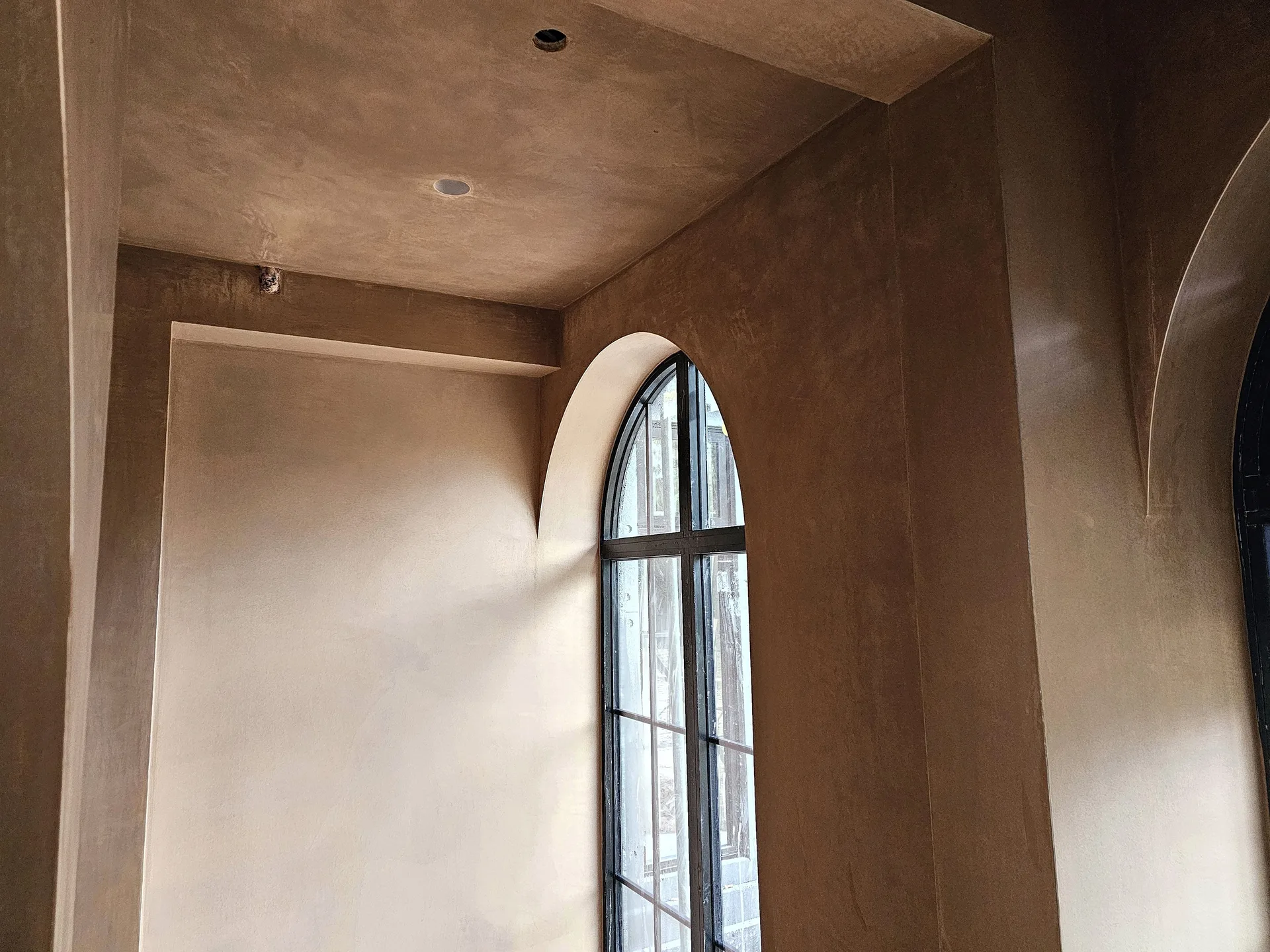
Electricians must finish first. We cannot begin skimming in Dunstable over open channel cuts if plastic conduit pipes stick proud of the surrounding masonry plane.
Skirting boards belong afterwards. Trying to run a metal trowel along old wooden timber baseboards leaves jagged margins that catch every bit of dust later on, whereas installing fresh skirting boards directly against dried plaster produces neat clean junctions along floors.
Drop ceiling roses down safely. Electricians should isolate the main circuit breaker and drop pendants clear so that trowels glide across joist lines without clipping vintage ceiling fittings.
We bring over 20 years of hands-on experience to each skimming project. Our thorough surface preparation lays the groundwork for a perfect skim coat, whether applied over plaster, plasterboard, or textured ceilings. Expect a smooth finish that’s completely ready for decoration, eliminating imperfections without resorting to full replastering.
We manage skimming from start to finish with clearly defined stages: initial measurement, surface preparation, careful application, and final inspection. This structured approach guarantees consistency and durability, while we maintain straightforward and timely communication throughout, making sure every detail meets the practical needs of builders and clients alike.
We operate in Dunstable and the surrounding areas, providing local skimming services. Contact us by phone for a free estimate or a site visit.
approx. 30 milesDistance from our base · Cheshunt
Call us07465266721Email uscontact@topplastering.ukWe serve your areaDunstable and the surroundings
The Google map loads after you accept marketing cookies.


Maksymilian Mazur
Very satisfied with the service! Excellent communication, clean workmanship, and everything completed professionally. Highly recommended!
Tired walls and ceilings get a second life with skimming, giving you a flawless, durable finish every time.
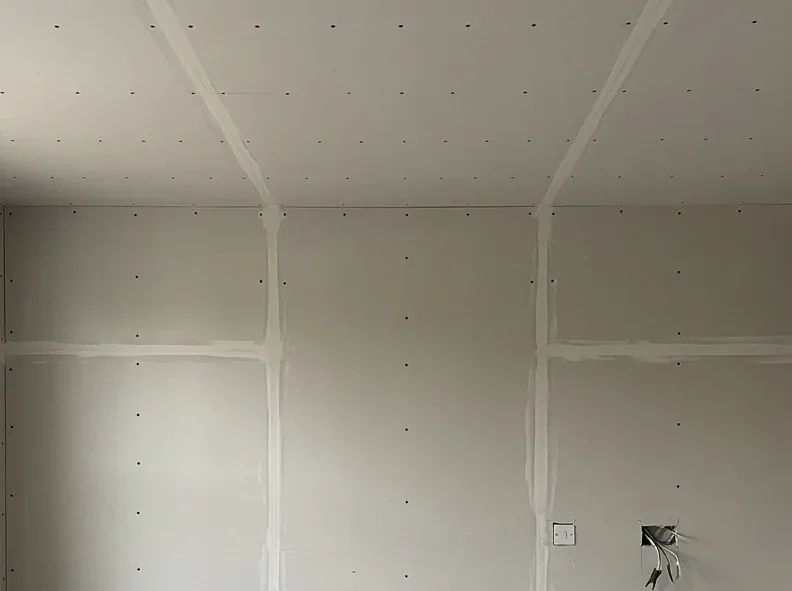
Experience matters-Topplastering handles plasterboarding for walls and ceilings so you get a truly solid finish.
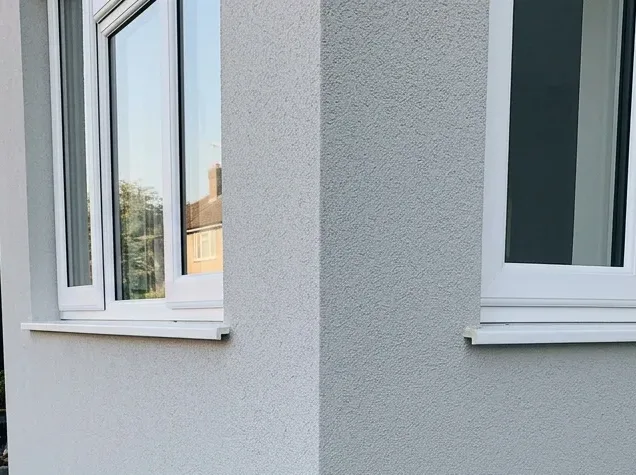
Rendering covers exterior and interior walls with a solid, even coat, protecting surfaces from weather and everyday wear.
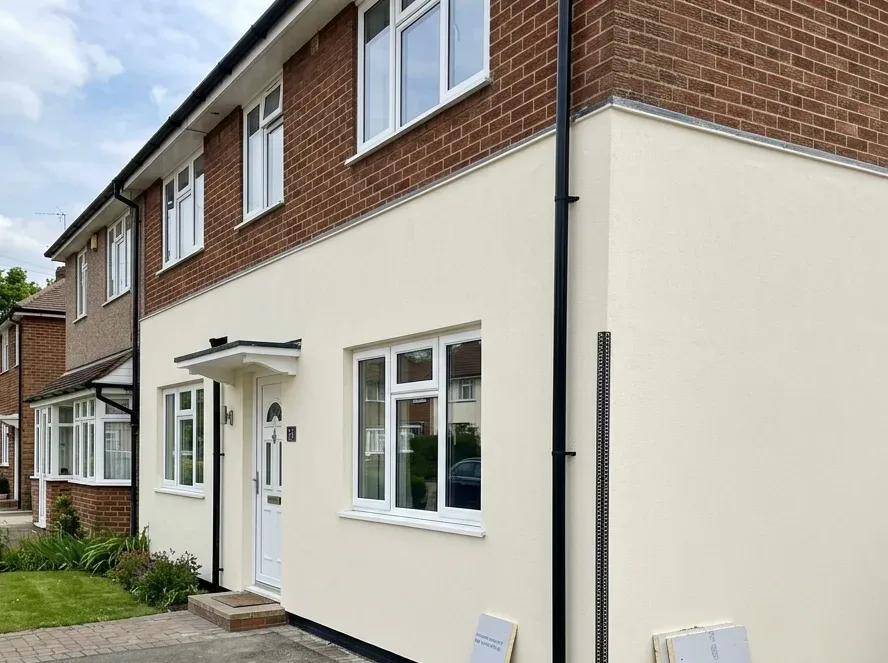
Upgrade your property with external wall insulation from Topplastering-cutting heating costs and improving your building’s appearance permanently.
Craftsmanship you can see
Every plastering project we complete leaves walls smooth, durable, and ready for whatever comes next.
It depends on backing suction, because dense brickwork requires bonding undercoats before finishing trowels apply topcoats, whereas modern plasterboard takes thin multi-finish straight away without heavy backing layers.
Cold condensation running down bare walls halts plaster application, because gypsum cannot grip soaking backgrounds, forcing us to pause until natural ventilation dries the brickwork out.
We inspect dry walls alongside you, touching up minor edge discrepancies before painters apply their initial watered-down mist coat across fresh Dunstable plaster surfaces.
Measure wall lengths, floor heights, and note unusual obstacles like box boxing around soil stacks, because complex angles require far more cutting and trowel time than flat spans.