


Rendering provides a durable barrier that prevents walls from suffering damage due to rain, wind, and moisture over time. This defense is crucial for all exterior and internal surfaces that face changing conditions.





Rendering involves coating both exterior and interior walls with a durable, level layer, safeguarding surfaces against weather elements and everyday wear in Southend-on-Sea.
Get a free quote
 Quick, no-obligation quote!
Rendering is crafted mainly for builders and contractors in need of dependable subcontractors who deliver durable finishes on walls. This service works best where exterior or interior surfaces require more than simply a skim coat, particularly on brick or blockwork. Our rendering service in Southend-on-Sea guarantees that the base is properly prepared and finished to precision, meeting construction standards.
For homeowners or renovators, rendering presents a sturdy way to enhance both the appearance and weather resistance of properties. Whether it’s a house extension or a garden wall, rendering offers a durable protective layer that endures. We manage the whole process from preparing the surface to applying the final coat, ensuring that results in Southend-on-Sea are both neat and long-lasting.
Rendering is vital where walls need a stable, flat surface that a mere skim coat cannot provide. Internal rendering is applied when brick or block walls need a smooth finish suitable for decoration or further treatment. Each layer is meticulously applied by us to reinforce and smooth out, preventing cracking and ensuring a solid finish tailored to the wall's specific conditions.
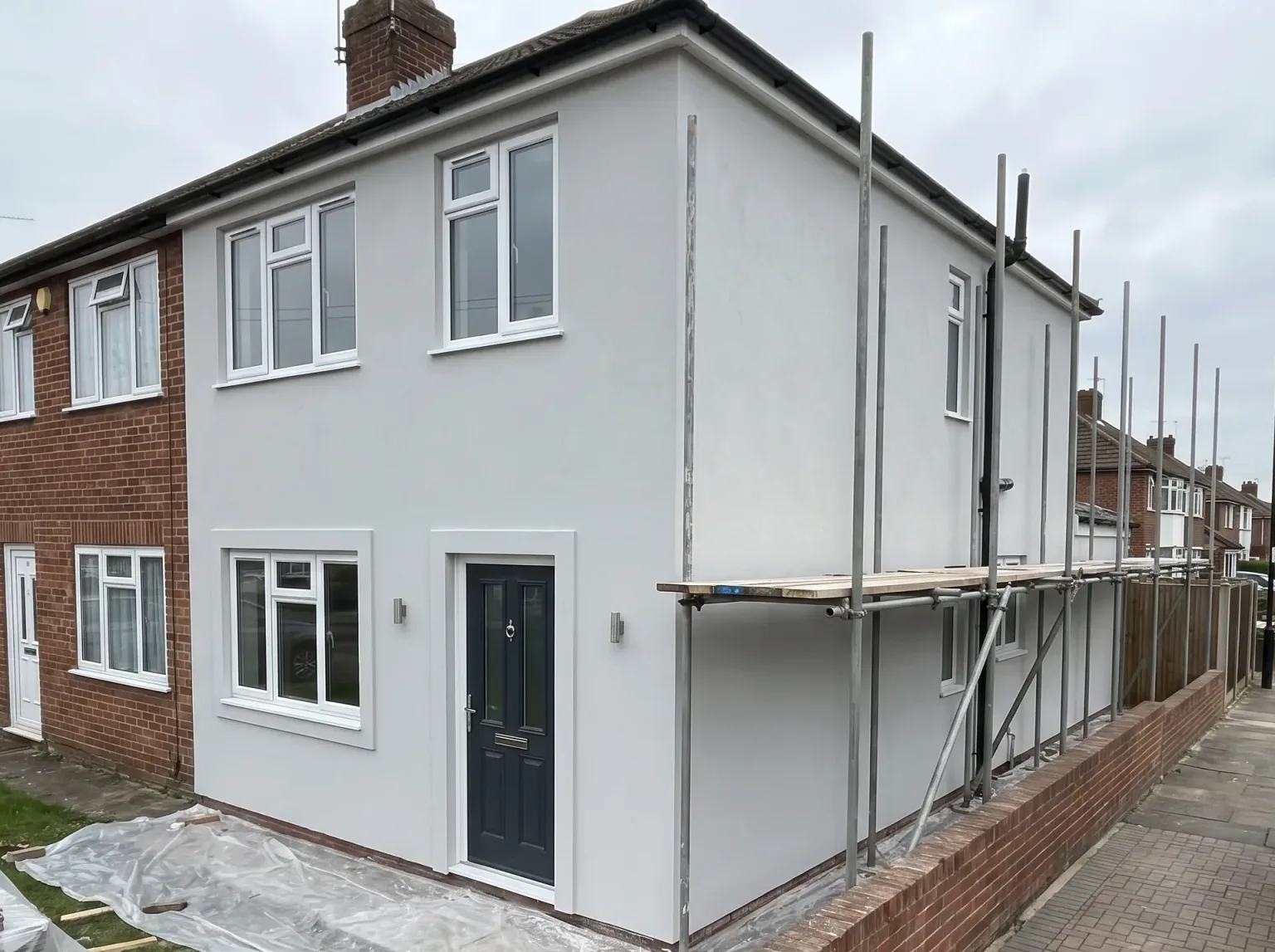
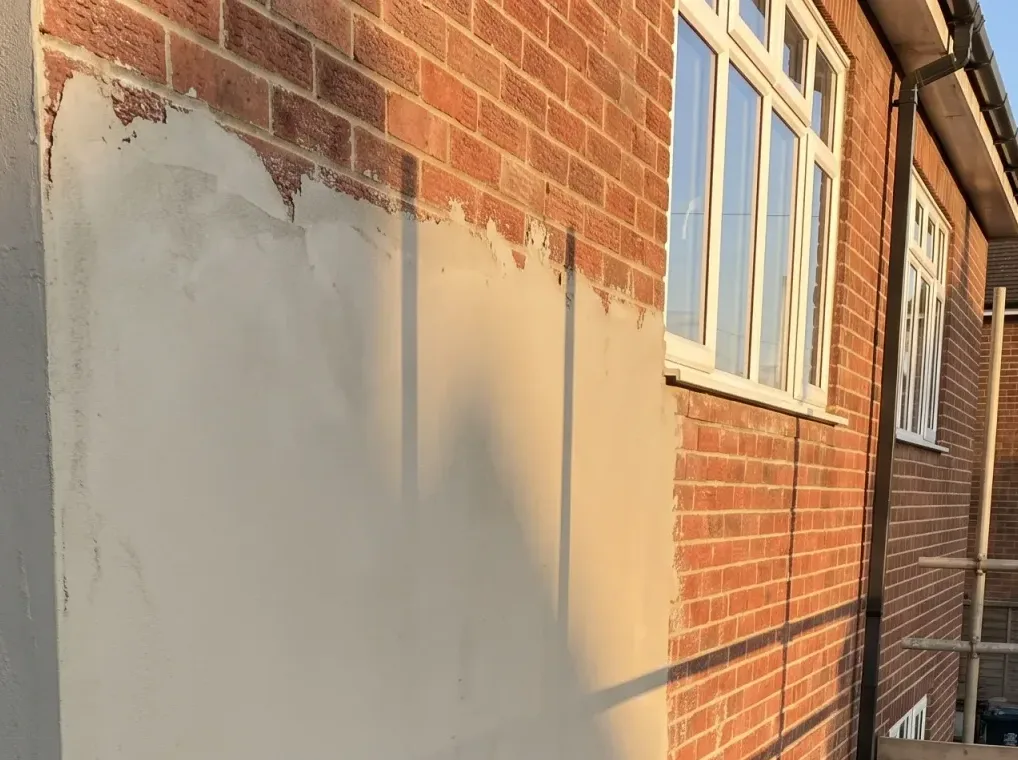
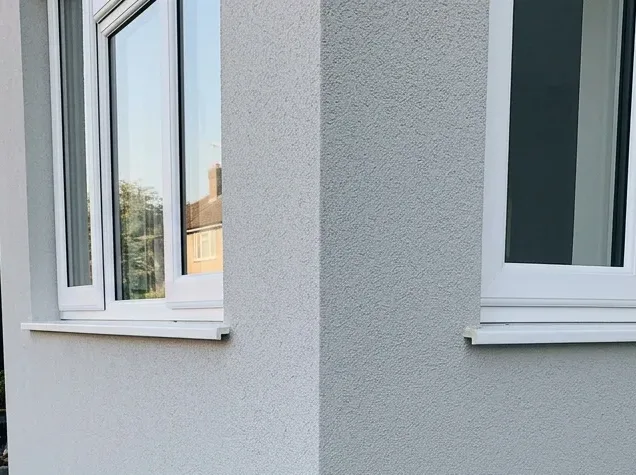
We take care of both external and internal rendering in Southend-on-Sea on houses, extensions, and garden walls. The process initiates with preparing the background to secure proper adherence of the render. The rendering is executed in layers, from the base coat and reinforcement through to the final finish coat, resulting in a durable, even surface that withstands weather and daily wear.
Internal rendering is particularly essential when dealing with brick and block surfaces where a simple skim coat won’t lay flat or last. Our rendering service assures these surfaces are level and stable, thereby avoiding cracks and unevenness. This task is crucial to providing a smooth base ready for decoration or further finishing.
Rendering provides a durable barrier that prevents walls from suffering damage due to rain, wind, and moisture over time. This defense is crucial for all exterior and internal surfaces that face changing conditions.
Rendering guarantees a flat and even surface where a simple skim coat is inadequate, especially on brick and block walls. It perfectly prepares these walls for painting or decoration without any imperfections.
Correctly applied rendering fortifies walls, minimizing the chances of cracks and wear. Our meticulous method ensures that each layer bonds effectively, resulting in a finish that lasts.
Rendering is applicable on houses, extensions, and garden walls alike, adapting well to various substrates and project requirements. This flexibility means it integrates smoothly into any building phase or renovation.
Rendering enhances thermal performance by providing an additional protective layer. This can help maintain comfortable indoor temperatures and reduce energy expenses over time.
From surface preparation through base coats to the final finish, our rendering process follows organized stages, ensuring reliability and consistent quality throughout.
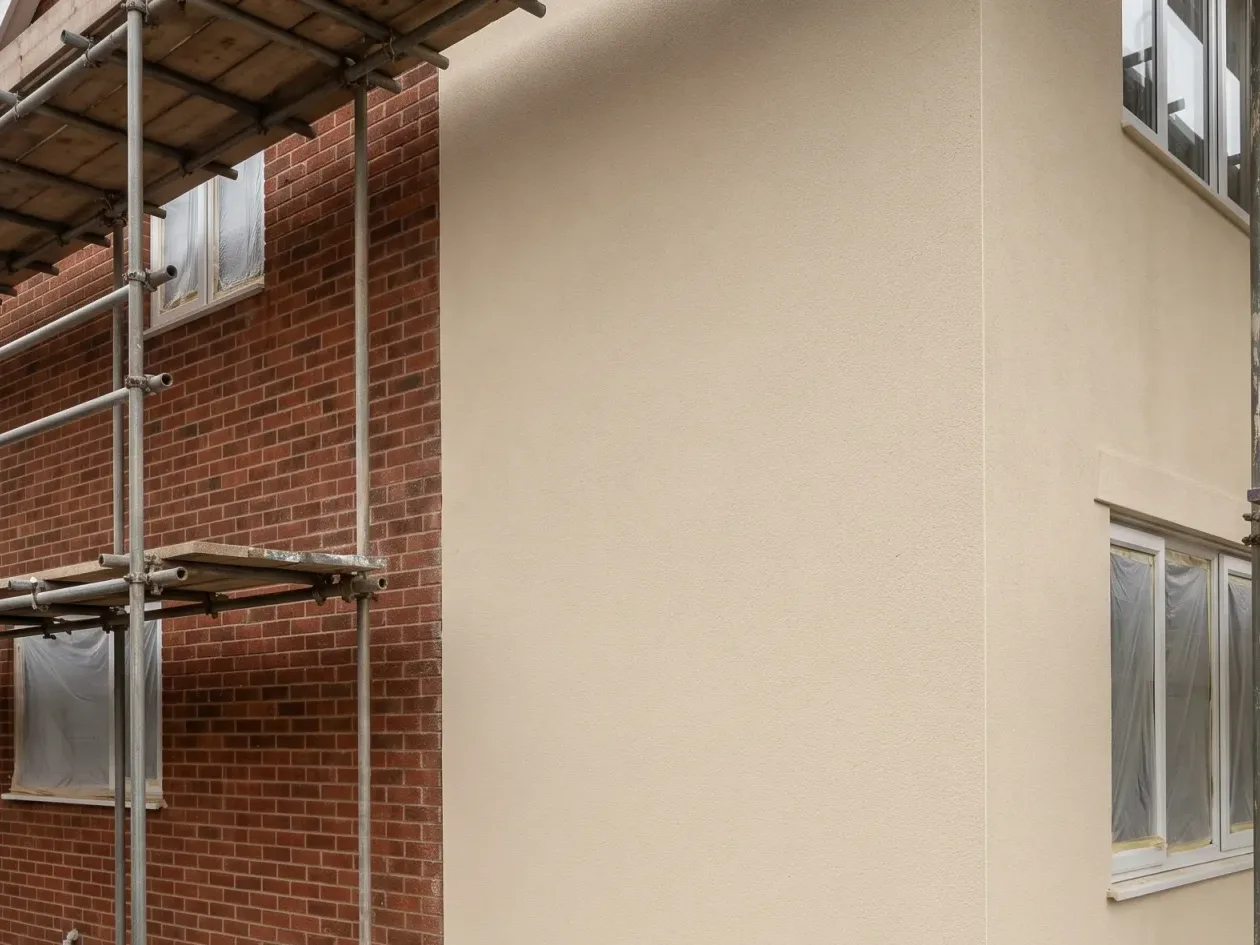
We need space. When delivering materials for rendering in Southend-on-Sea, heavy bags and mixing tubs demand a cleared driveway or pathway right beside the external walls. Moving your potted plants, bins, and garden furniture beforehand avoids accidental plaster splashes and keeps the walkways open for mixing gear.
Outdoor sockets require masking. We tape down light fittings, copper gas pipes, and ground drainage grates before applying any fresh render across the masonry. Stray wet mortar wipes off timber sills easily enough during the afternoon, but dried mortar sticks permanently to porous stonework if neglected.
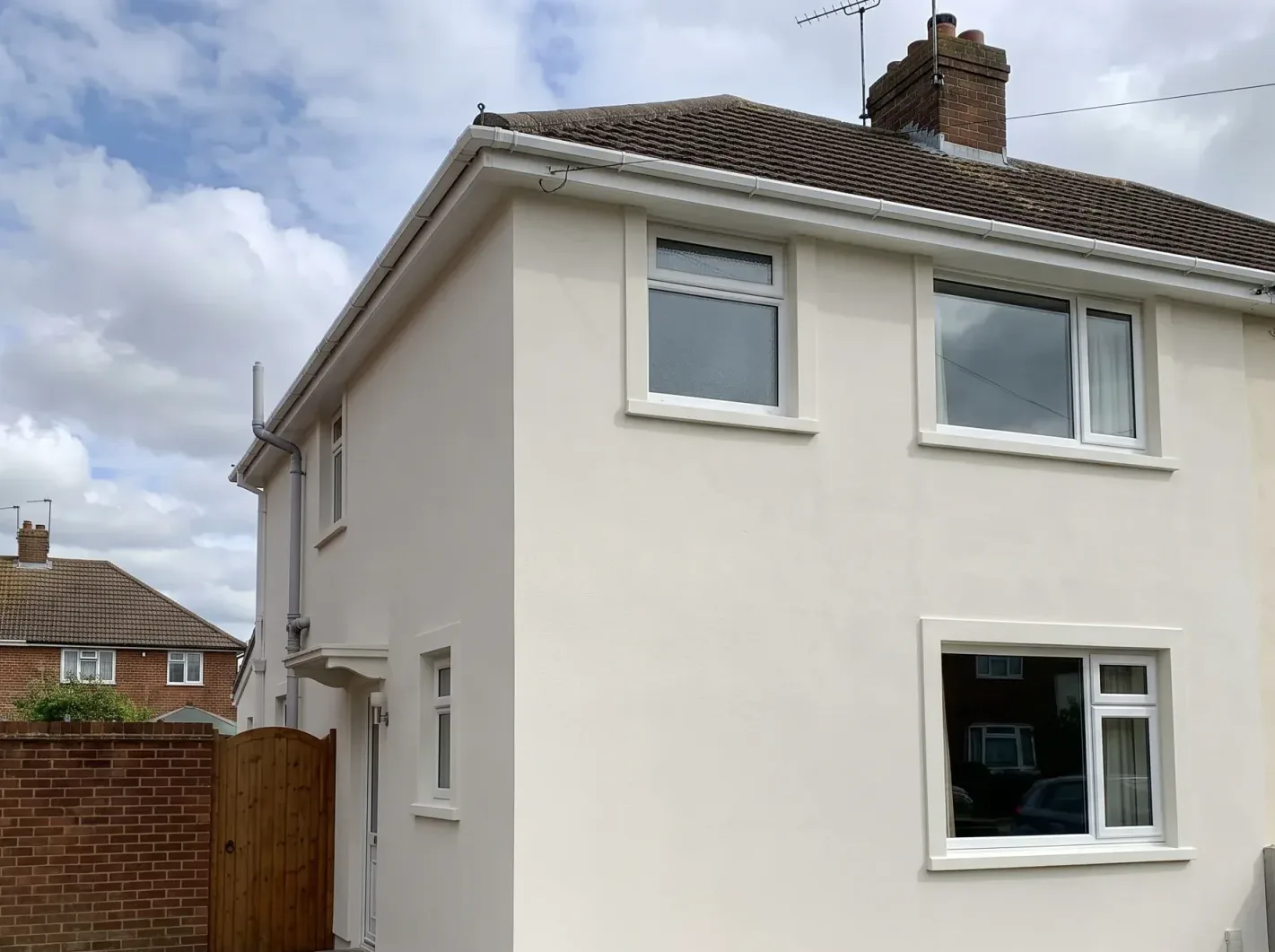
We begin with an assessment of the surface to evaluate its condition and suitability for rendering, which ensures a solid base for everything that follows. Proper preparation is crucial for successful rendering and its long-term durability.
Next, we clean and prime the walls, addressing any cracks or uneven spots to create a stable background that is vital for proper adherence. This stage prevents common issues and paves the way for effective rendering.
The base coat is applied evenly, embedding reinforcement mesh as necessary to strengthen the render system. This layer adds structural support and prevents cracking in the final finish.
We apply the final rendering coat with accuracy to achieve the desired texture and smoothness. By selecting the right render type tailored for the environment and client needs, we provide a consistent and resilient surface.
Once the rendering dries, we thoroughly inspect it for even coverage and adherence. Our team leaves the site tidy and ready for any additional decoration or painting, completing our work with pride.
Downpipes must come off. Applying rendering in Southend-on-Sea requires unclipping brackets so the mixture coats the brickwork behind plastic soil stacks, preventing water runs from leaving bare lines on the facade. Reattaching brackets before the undercoat sets risks crushing the wet surface.
Frames need breathing room. We run beading right up to your window reveals, leaving a straight expansion joint that accommodates the subtle shifting of modern double glazing over time. This prevents cracked edges around timber frames, where wind often pushes driving rain straight against unsealed silicone beads.
Avoid harsh jet washers. High water pressure strips the fine aggregate away from rendering in Southend-on-Sea, which leaves ugly gouges and invites moisture right inside the brickwork. A soft garden hose combined with mild detergent clears away coastal salt haze or road grime from busy junctions without scratching topcoats.
Hairline lines happen occasionally. Settling timber foundations or heavy traffic rumble can create microscopic fractures across external render coats after several years of use. Sealing these hair lines with exterior caulk prevents cold rainwater from pooling behind the skim before winter freezing cycles can push whole patches loose.
Keep ivy pruned back. Thick climbing vines sink sticky roots directly through external finishes, prying the cured render away from damp bricks. Cutting stems near the soil line stops the foliage from pulling chunks off the elevation during high autumn winds.
Rendering begins with a comprehensive evaluation and preparation of the wall surface. We ensure the background is clean, stable, and primed for the base coat. This vital step helps prevent issues such as cracking or poor adhesion later. Effective preparation guarantees that the rendering bonds effectively, lasting as desired.
The rendering process entails applying multiple layers, starting from the base coat to reinforcement and ending with a finishing coat. Whether working on external walls, extensions, or garden walls, we use skilled methods to ensure flat, even surfaces. Internal rendering is applied where a simple skim coat isn't sufficient, particularly on brick or block walls, securing durability and a smooth finish.
We operate in Southend-on-Sea and the surrounding area. Contact us for a free estimate or to discuss your rendering needs, whether on-site or via phone.
approx. 40 milesDistance from our base · Cheshunt
Call us07465266721Email uscontact@topplastering.ukWe serve your areaSouthend-on-Sea and the surroundings
The Google map loads after you accept marketing cookies.


Maksymilian Mazur
Very satisfied with the service! Excellent communication, clean workmanship, and everything completed professionally. Highly recommended!
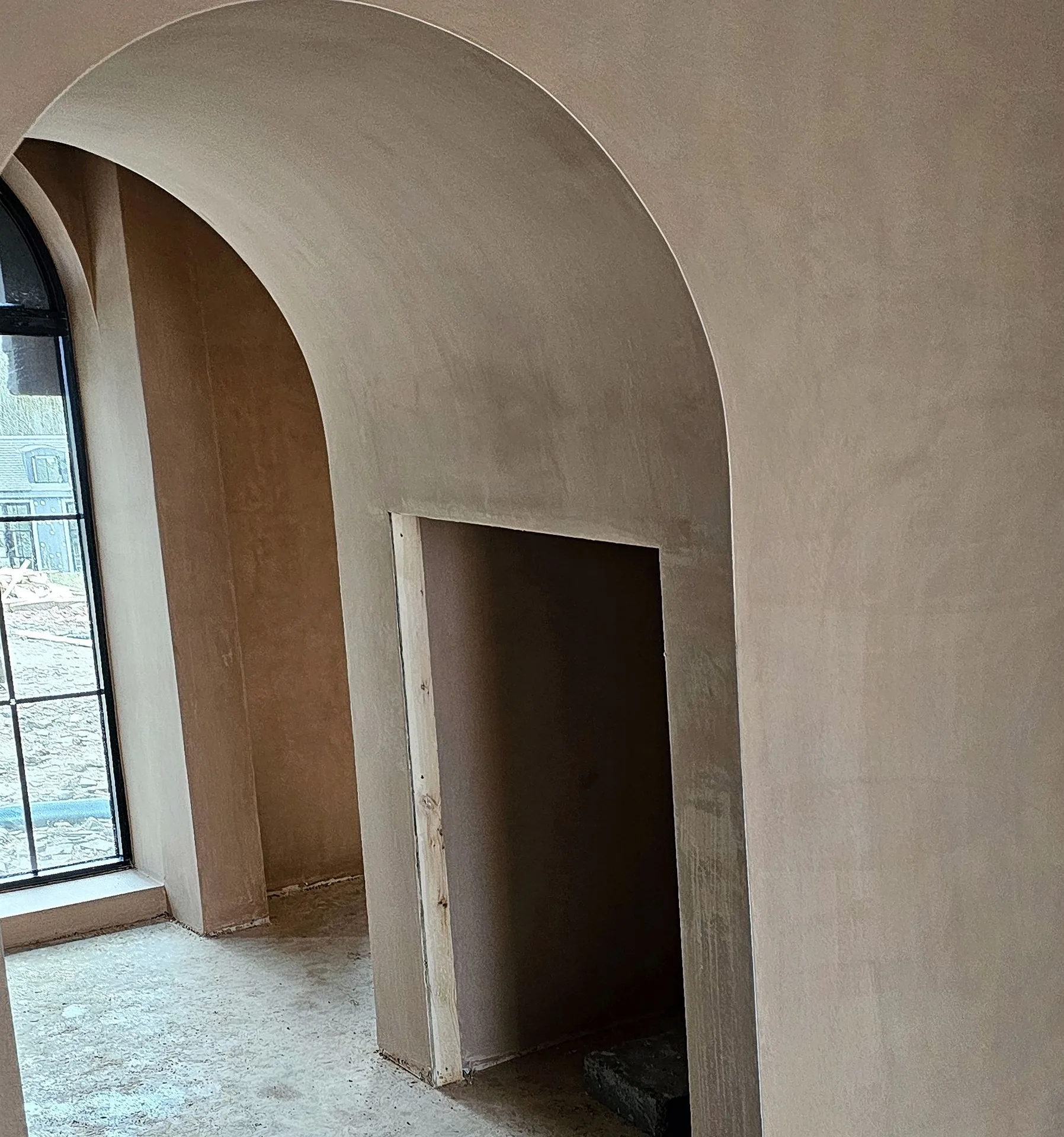
Tired walls and ceilings get a second life with skimming, giving you a flawless, durable finish every time.
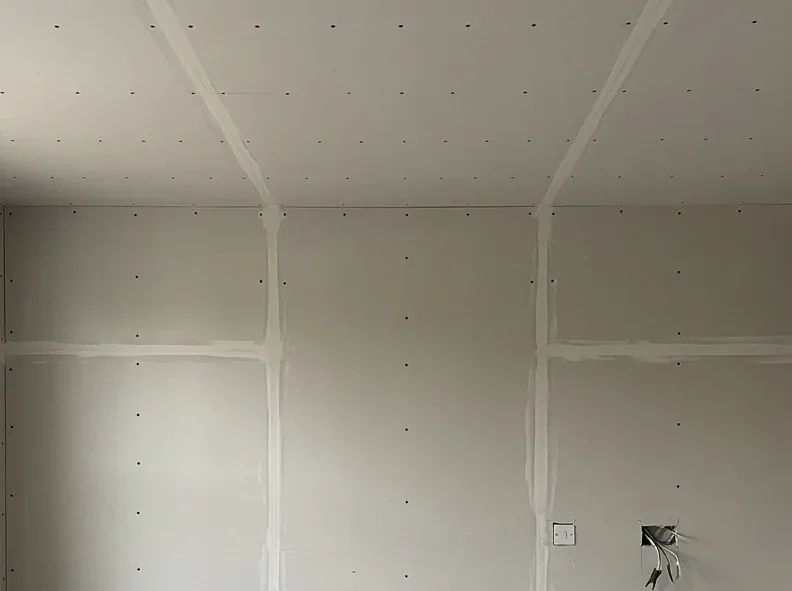
Experience matters-Topplastering handles plasterboarding for walls and ceilings so you get a truly solid finish.
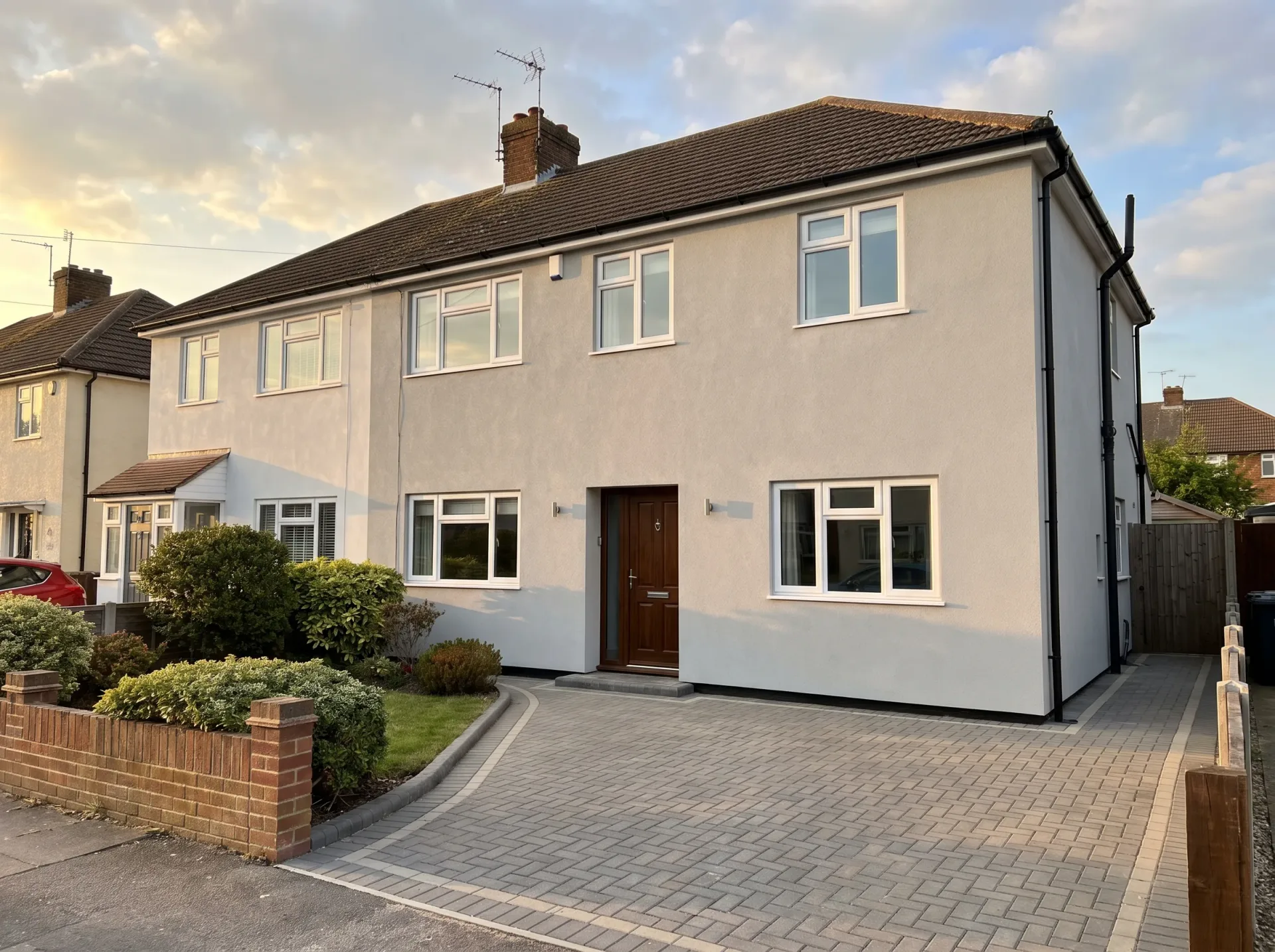
Rendering covers exterior and interior walls with a solid, even coat, protecting surfaces from weather and everyday wear.
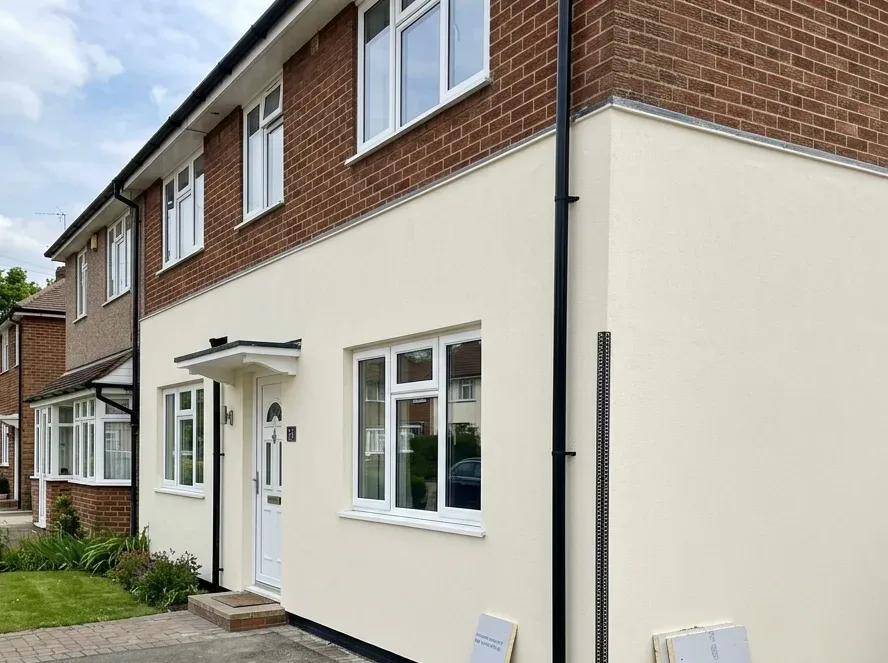
Upgrade your property with external wall insulation from Topplastering-cutting heating costs and improving your building’s appearance permanently.
Craftsmanship you can see
Every plastering project we complete leaves walls smooth, durable, and ready for whatever comes next.
Wet weather delays the work. Mortar freezes if temperatures drop below freezing, which ruins the bond and causes crumbling. Prolonged downpours also wash wet coatings straight down the wall before setting occurs, so tradespeople pause work until drier conditions arrive.
It depends on the substrate. A building covered in loose pebble dash requires extensive hacking off before rendering in Southend-on-Sea can start, whereas sound brickwork needs only washing down. Higher scaffold drops around narrow side returns also add substantial transport and assembly labour.
Carpentry sits outside the core trade. External renderers prepare walls and apply plaster coats, but replacing warped roof timber, moving gas meters, or fitting replacement uPVC gutters requires separate trades. Those tasks require extra coordination before base coats can go onto masonry.
Painting over defective walls causes failure. Trapping active damp behind cheap masonry paint prevents new base coats from sticking properly to the masonry core. Removing those flaky coatings down to original brickwork takes extra days, which slows down the entire project schedule unnecessarily.