


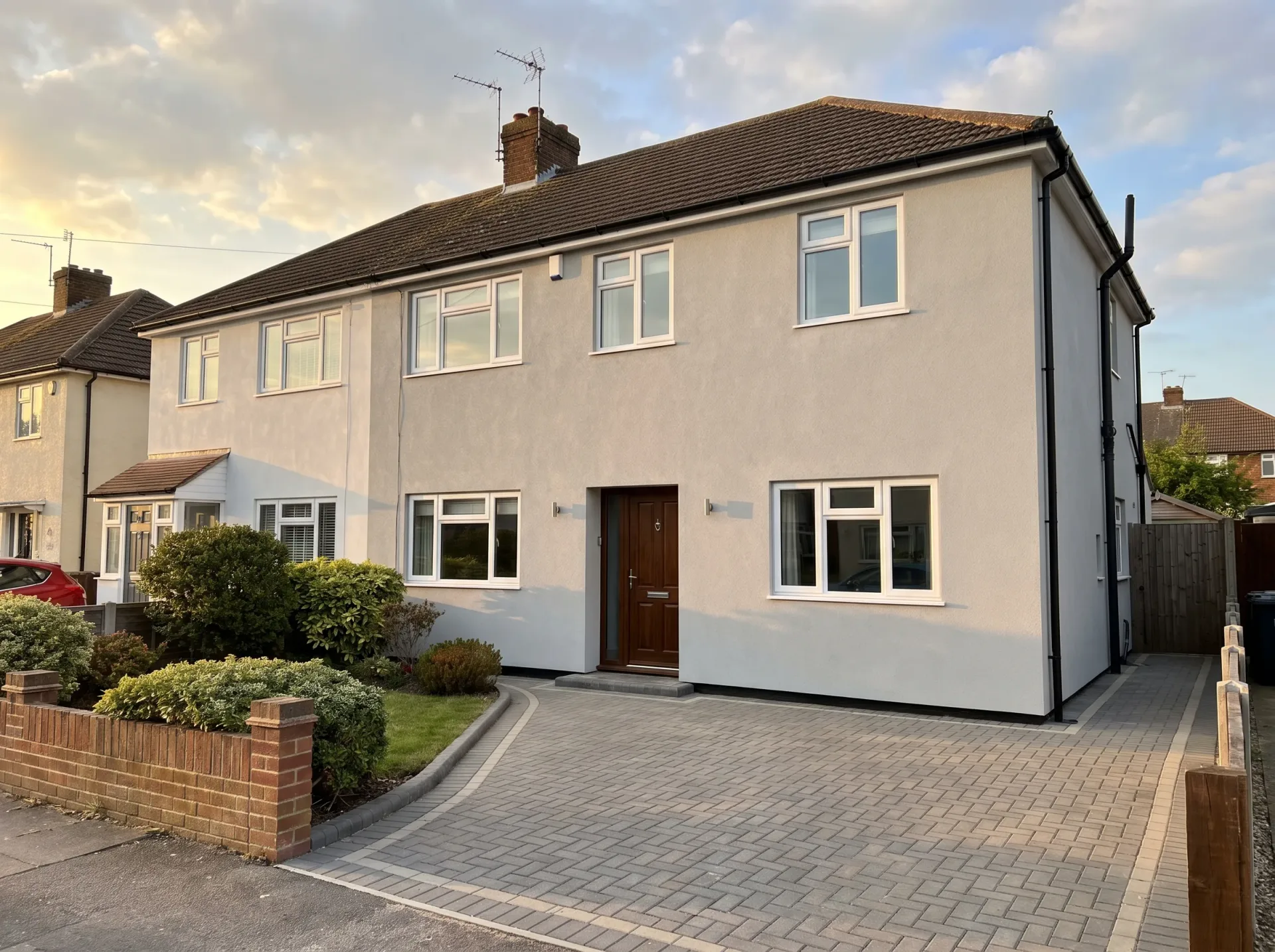
Rendering forms a sturdy barrier, protecting walls from rain, wind, and moisture; this is particularly vital for surfaces exposed to various weather conditions.





Rendering provides a robust coating for both exterior and interior walls, safeguarding them from the elements and daily wear in Eltham.
Get a free quote
 Quick, no-obligation quote!
Rendering is aimed at builders and contractors seeking dependable subcontractors for durable wall finishes. It is ideal for projects where surfaces, whether internal or external, require more than just a skim coat, particularly on brick or blockwork. Our rendering service guarantees thorough base preparation and meticulous finishing, meeting the standards typical on construction sites in your area.
For homeowners or renovators, rendering significantly enhances both the appearance and weather resistance of their properties. Be it a house extension or a garden wall, rendering offers a long-standing protective layer. We handle everything from preparing the surface to applying the final coat, ensuring neat and lasting results that stand the test of time.
Rendering is crucial in achieving a stable, even surface that can't be obtained with a simple skim coat. Internal rendering is particularly useful when brick or block walls require a finish suitable for decoration or further treatment. We apply each layer methodically, reinforcing and smoothing to prevent cracks, ensuring that the finish is tailored to the specific conditions of the wall.
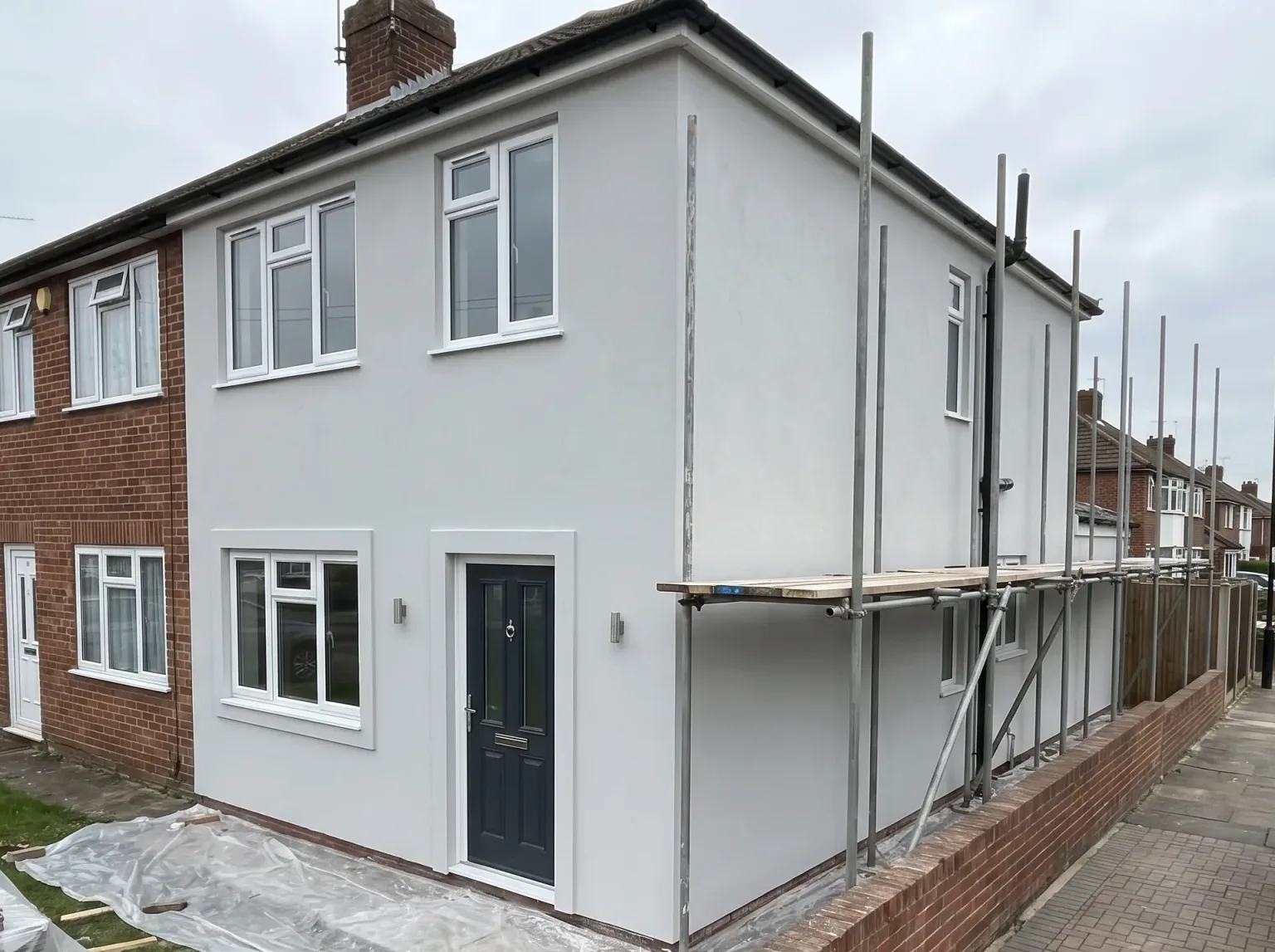
Keep pathways completely unobstructed. Our crew needs direct routes from mixer spots to garden boundaries, especially when handling rendering in Eltham properties where side gates are narrow and wheelbarrows carry heavy wet mortar. We shift heavy gear across planks so your lawn does not turn into soup. Clear your bins early.
Cover nearby shrubbery beforehand. When we wet down mason blocks, fine dust drifts onto flowerbeds and neighbouring fence lines, meaning plastic sheeting saves your perennials from getting choked by stray lime splatters. Trim back thick ivy clinging to gutters. It simplifies masking tape application.
Rendering forms a sturdy barrier, protecting walls from rain, wind, and moisture; this is particularly vital for surfaces exposed to various weather conditions.
Rendering creates a flat, even surface where skim coats may fall short, especially on brick and block walls. This allows for a perfect preparation for painting or further decoration.
When applied correctly, rendering strengthens walls and minimizes the risks of cracks and wear. Our meticulous approach guarantees good bonding of each layer, leading to a long-lasting finish.
Rendering is suitable for houses, extensions, and garden walls, adapting effortlessly to various materials and project demands. This adaptability means it fits naturally into any renovation phase.
Rendering can enhance thermal performance by providing an additional protective layer. This helps maintain comfortable indoor temperatures and can lower energy costs over time.
From surface preparation through base coats to the final finish, our structured rendering process follows a clear protocol. This ensures no short cuts are taken, resulting in consistent quality across all projects.
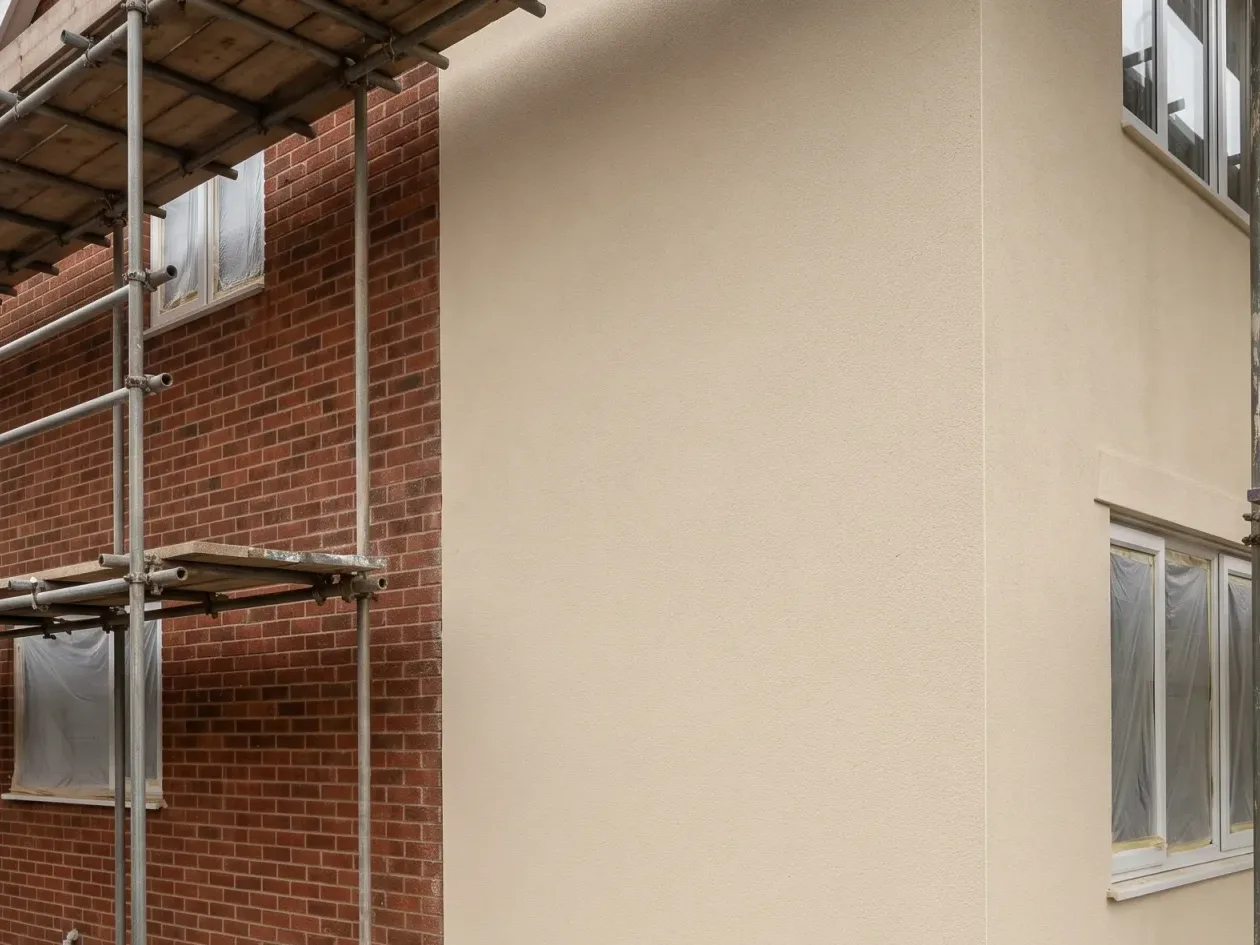
Rendering begins with an in-depth inspection and preparation of the wall surface. We make sure the backdrop is clean, stable, and ready to hold the render correctly. This preparation prevents later problems like poor adhesion or cracking, ensuring the rendering's durability.
Rendering serves as a robust shield against moisture and weather-related damage for external walls and garden structures. We apply layers specifically designed to strengthen and seal the surface, thus reducing damp risks and enhancing the building's longevity. Proper rendering also supports internal conditions by aiding insulation wherever necessary.
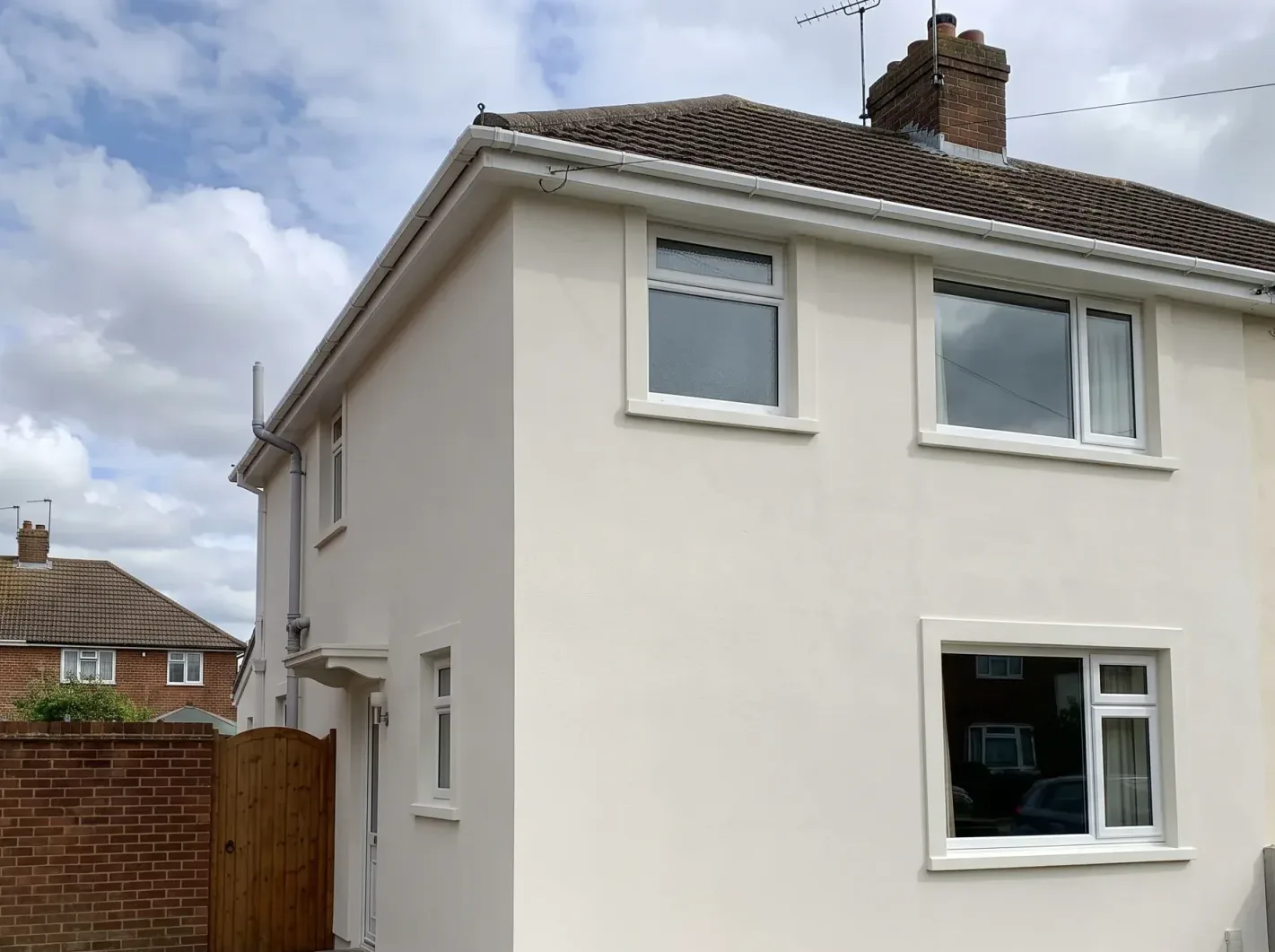
We start by evaluating the surface's condition to ensure it is suitable for rendering, providing a solid foundation for the job ahead. Proper preparation is essential for successful rendering and long-lasting results.
Following that, we clean and prime the walls, addressing any imperfections to create a stable backdrop. This foundation prevents common issues and prepares the wall for effective adhesion of the render.
We apply the base coat evenly and embed reinforcement mesh when necessary to bolster the render system. This initial layer provides structural support and minimizes cracking in the final finish.
The final coat is applied with care to achieve the desired texture and smoothness. We select the right type of render based on environmental conditions and client expectations, delivering a consistent surface that lasts.
Once the rendering has dried, we carry out a thorough inspection to confirm even coverage and strong adhesion. We tidy up the site, leaving it ready for any additional decoration or painting, completing the process with expert attention.
Avoid harsh pressure nozzles. Garden hoses remove seasonal grime safely, preventing high pressure jets from scouring the top layer of rendering in Eltham homes where street traffic throws gritty dirt against garden walls. Soft bristle broom heads sweep away cobwebs without scratching. Never use wire scouring brushes.
Inspect overhead joints frequently. Overflowing guttering drops cold water down exposed facades continuously, which stains decorative coatings with green algae streaks and forces moisture deep behind corners during freezing periods. Clean leaf guards each autumn. Damp streaks spread rapidly when downpipe clips pull loose.
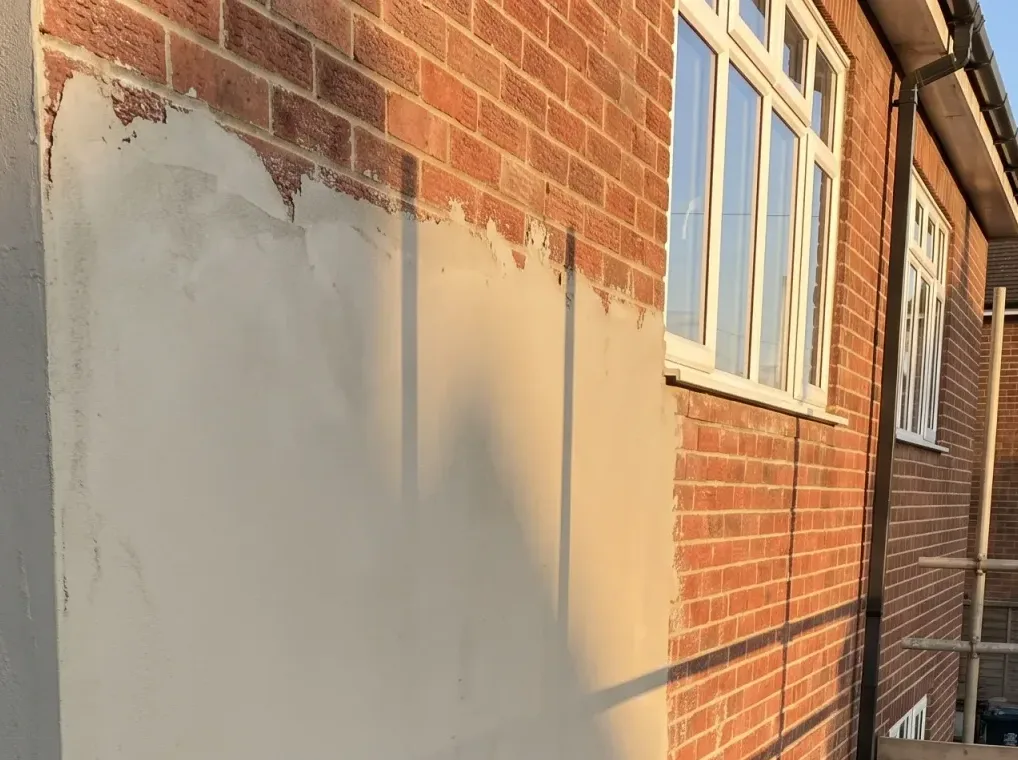
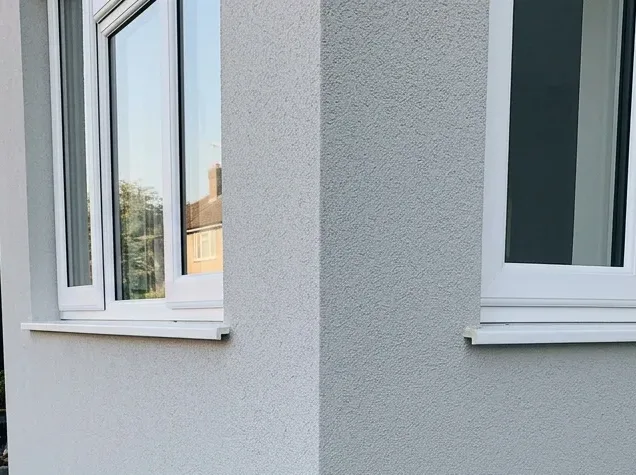
Check drip edges closely. Windows require adequate projecting margins so water runs off cleanly instead of soaking along newly completed rendering in Eltham brickwork during heavy downpours. A shallow stone sill allows moisture to wick back into the substrate, rotting timber subframes quietly over winter months. Deep reveals need proper metal beading.
Seal every cable entry. Electric boxes mounted flush against external elevations require flexible mastic seals so wind-driven rainfall cannot bypass the outer skin and travel along internal wiring into breaker boards. Loose wall brackets vibrate in high winds, eventually cracking the surrounding coat.
Extend flue pipes outwards. Hot boiler exhaust gases blowing straight against mineral finishes leave brown heat marks and soften binding resins over time, creating crumbly spots near vents. Rubber standoff collars hold metal terminals away from external masonry effectively.
Rendering involves thorough preparation of the wall surface before we begin. We ensure the backdrop is clean, stable, and primed for the base coat, avoiding issues like cracks or poor adhesion down the line. Proper preparation confirms that rendering bonds effectively and lasts as designed.
The rendering process incorporates multiple layers, from the base coat through to reinforcement and the final finish. Whether addressing external walls, extensions, or garden structures, we employ skilled methods to create flat, even surfaces. Internal rendering is applied where necessary, ensuring durability and a smooth result.
In Eltham, we deliver rendering services that meet your needs. Contact us via phone or request a free estimate for your property. We are here to help, traveling approximately 20 miles from our base.
approx. 20 milesDistance from our base · Cheshunt
Call us07465266721Email uscontact@topplastering.ukWe serve your areaEltham and the surroundings
The Google map loads after you accept marketing cookies.


Maksymilian Mazur
Very satisfied with the service! Excellent communication, clean workmanship, and everything completed professionally. Highly recommended!
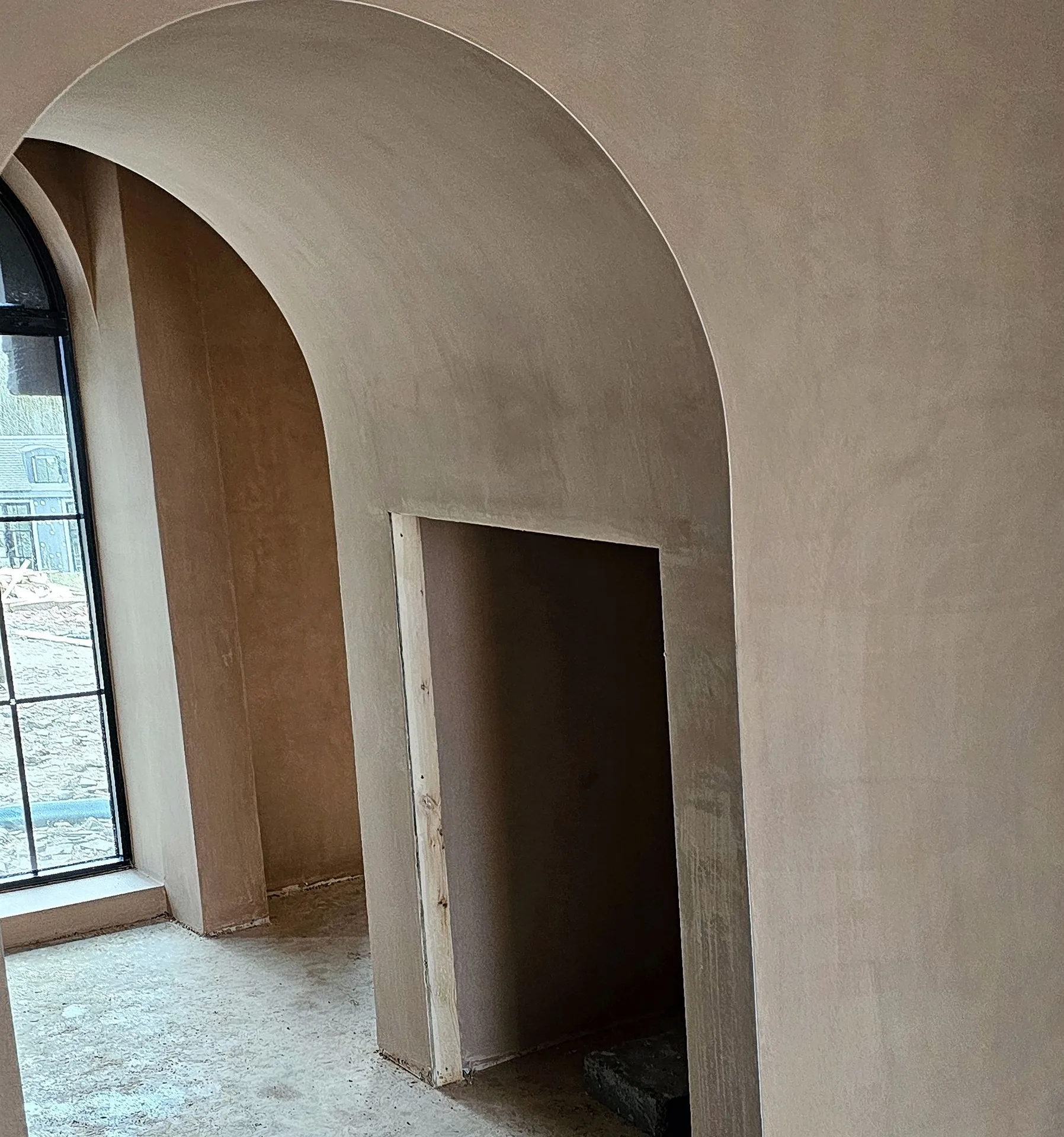
Tired walls and ceilings get a second life with skimming, giving you a flawless, durable finish every time.
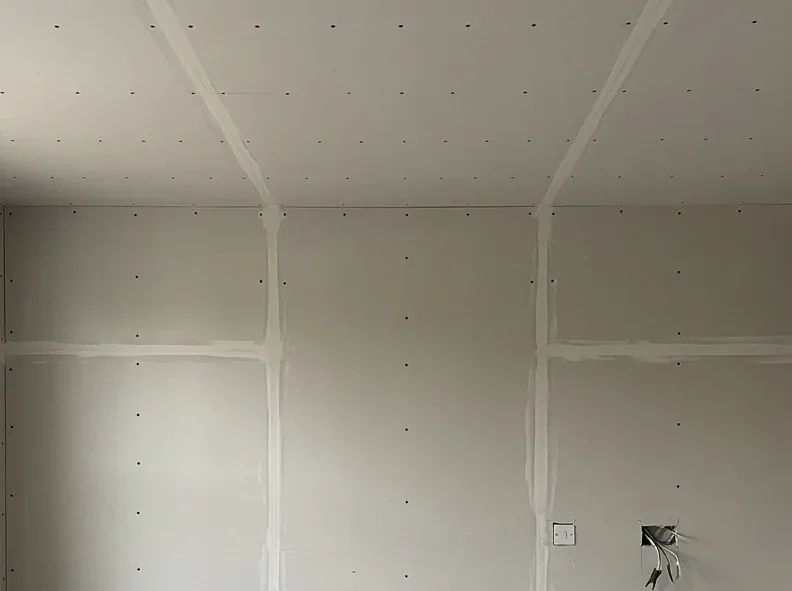
Experience matters-Topplastering handles plasterboarding for walls and ceilings so you get a truly solid finish.
Rendering covers exterior and interior walls with a solid, even coat, protecting surfaces from weather and everyday wear.
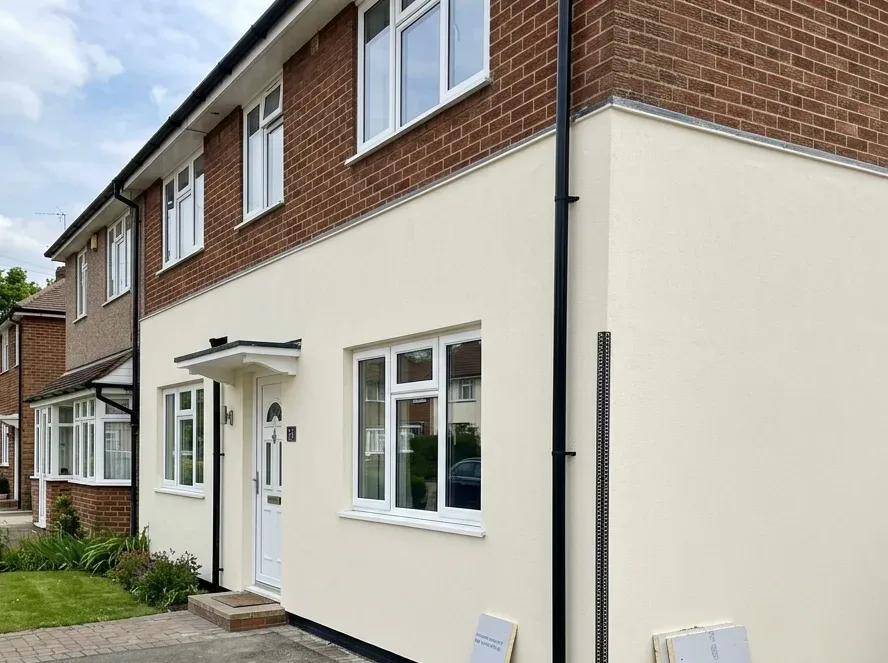
Upgrade your property with external wall insulation from Topplastering-cutting heating costs and improving your building’s appearance permanently.
Craftsmanship you can see
Every plastering project we complete leaves walls smooth, durable, and ready for whatever comes next.
Take clear photos of the elevations showing ground levels, gutters, and awkward access points like narrow side passages. Mention existing coatings such as flaking masonry paint, because scraping loose coats adds time and changes how fresh mixes bond to brickwork.
It depends on wall positions. Boundary walls or shared party lines often require written consent from neighbours before erecting scaffolding poles, especially in Eltham where terraces share tight access passages and dust sheets might overhang adjoining patios.
Fixing rotten timber rafters, replacing broken cast-iron soil pipes, and rebuilding structural brickwork fall outside basic scopes. Those trades need addressing separately because applying wet coatings over collapsing masonry simply hides dangerous structural defects without fixing them.
Freezing conditions pause application entirely because wet mortar freezes before curing properly, which ruins surface cohesion and creates hollow patches. In continuous rain we halt top coats until moisture levels inside the underlying blockwork drop safely.