


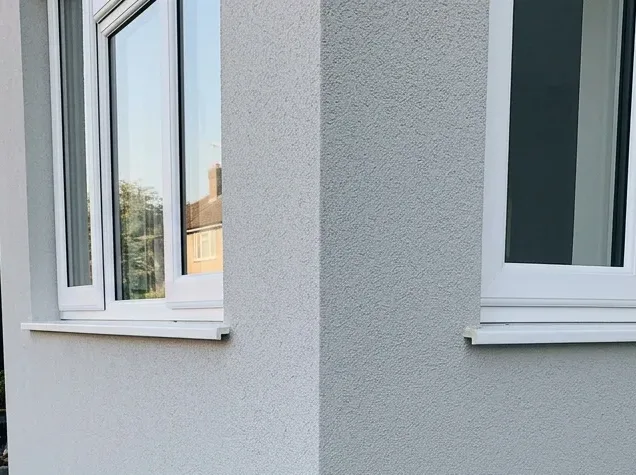
Rendering creates a strong barrier, protecting walls from rain, wind, and moisture, which can lead to long-term damage. This protection is vital for both exterior and internal surfaces exposed to changing weather.





We apply rendering to both interior and exterior walls, ensuring a robust and uniform coat that protects surfaces against weather and daily wear and tear.
Get a free quote
 Quick, no-obligation quote!
Rendering is particularly beneficial for builders and contractors seeking dependable subcontractors to provide durable wall finishes. It’s ideal for projects requiring more than a simple skim coat, notably on brick or blockwork surfaces. Our rendering service guarantees that the base is adequately prepared, ensuring expert finishing that meets construction site standards.
For homeowners and those renovating, rendering offers a strong method to enhance the appearance and weather resistance of their properties. Whether working on a house addition or a boundary wall, rendering adds a protective layer that stands the test of time. We manage every aspect of the process, from preparing the surface to applying the final coat, ensuring a tidy and long-lasting finish.
Rendering is crucial where walls need a stable and level finish beyond what a simple skim coat can deliver. We utilize internal rendering to flatten brick or block walls, making them suitable for decoration or further treatment. Each layer is applied meticulously, reinforcing and smoothing surfaces to reduce cracking and achieve a solid finish aligned with wall conditions.
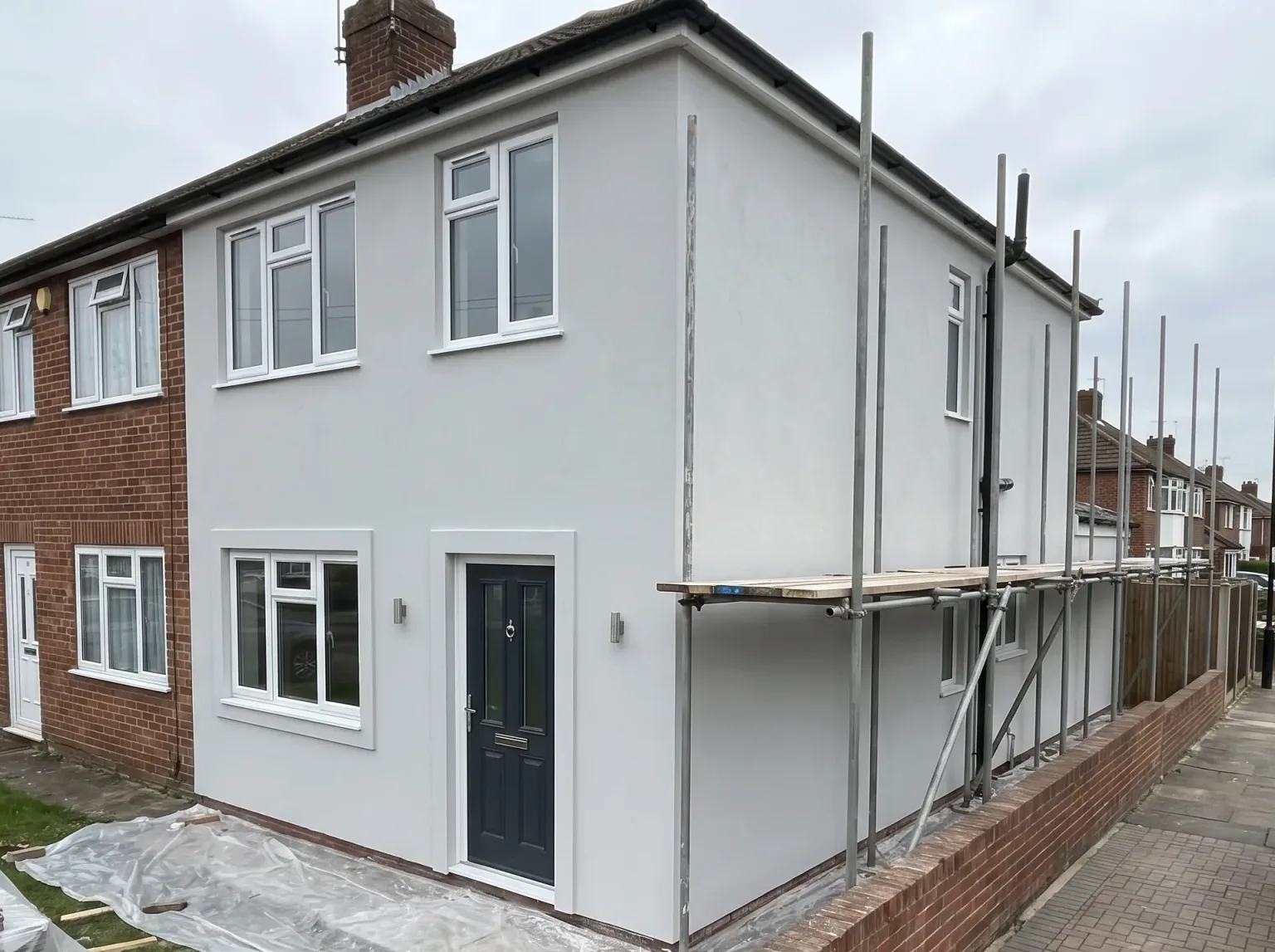
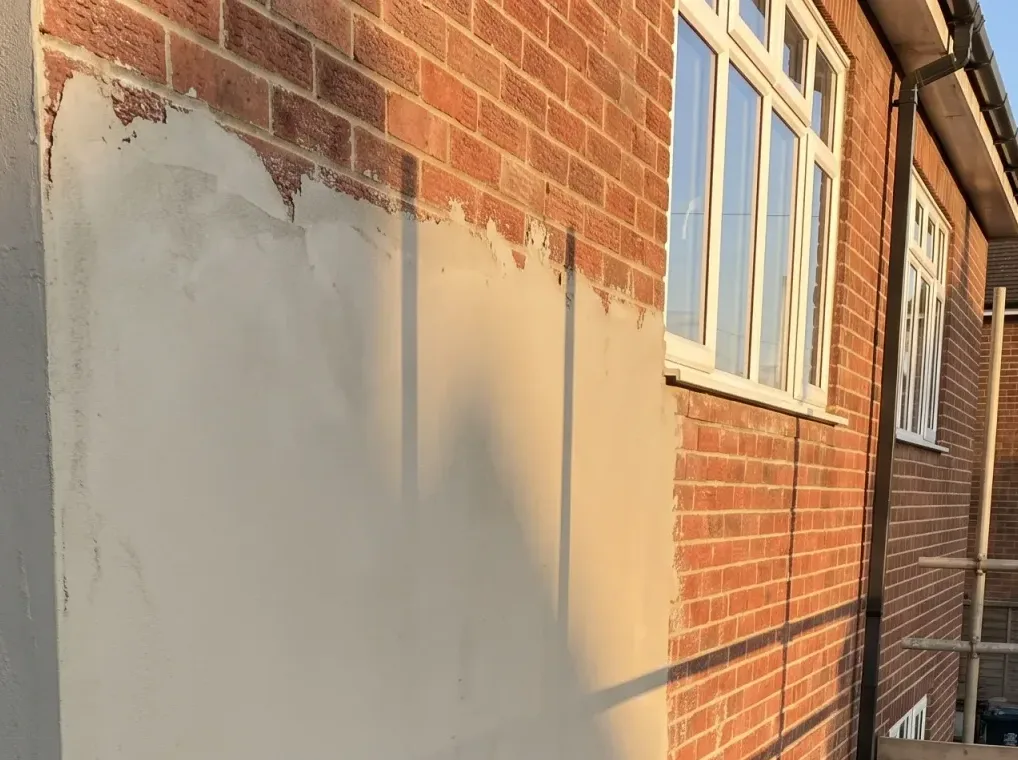
Scaffolding boards crush fragile flower beds. We ask folks booking rendering in Dunstable to cut back thick climbing ivy, unhook garden hoses, and move heavy timber planters away from damp external brickwork. When our team carries loaded mixing tubs past your porch, a clear pathway prevents messy spills onto clean stone slabs.
Plastic tape leaves stubborn glue marks. Our plasterers mask downpipes, outdoor gas meters, bell boxes, and decorative glass lanterns with heavy polythene before mixing sandy base mortar. Dried cement splatters etch deep into patio glazing, so covering every single fixture saves hours of razor scraping later.
Rendering creates a strong barrier, protecting walls from rain, wind, and moisture, which can lead to long-term damage. This protection is vital for both exterior and internal surfaces exposed to changing weather.
Rendering provides a smooth and level surface where a simple skim coat may fall short, particularly on brick and block walls. This prepares the walls perfectly for painting or future decoration without any flaws.
When applied correctly, rendering enhances the strength of walls, minimizing the risk of wear and cracking. Our careful methodology ensures that each layer adheres well, producing a finish that lasts.
Rendering is versatile, suitable for houses, extensions, and garden walls. This adaptability makes it a perfect fit for any building phase or renovation project.
Rendering contributes to enhanced thermal performance by adding a protective layer, helping maintain stable indoor temperatures and potentially lowering energy costs over time.
From surface preparation through to base coats and the final finish, our rendering process follows a clear structure. This transparency guarantees that we do not take any shortcuts, ensuring consistent quality you can depend upon.
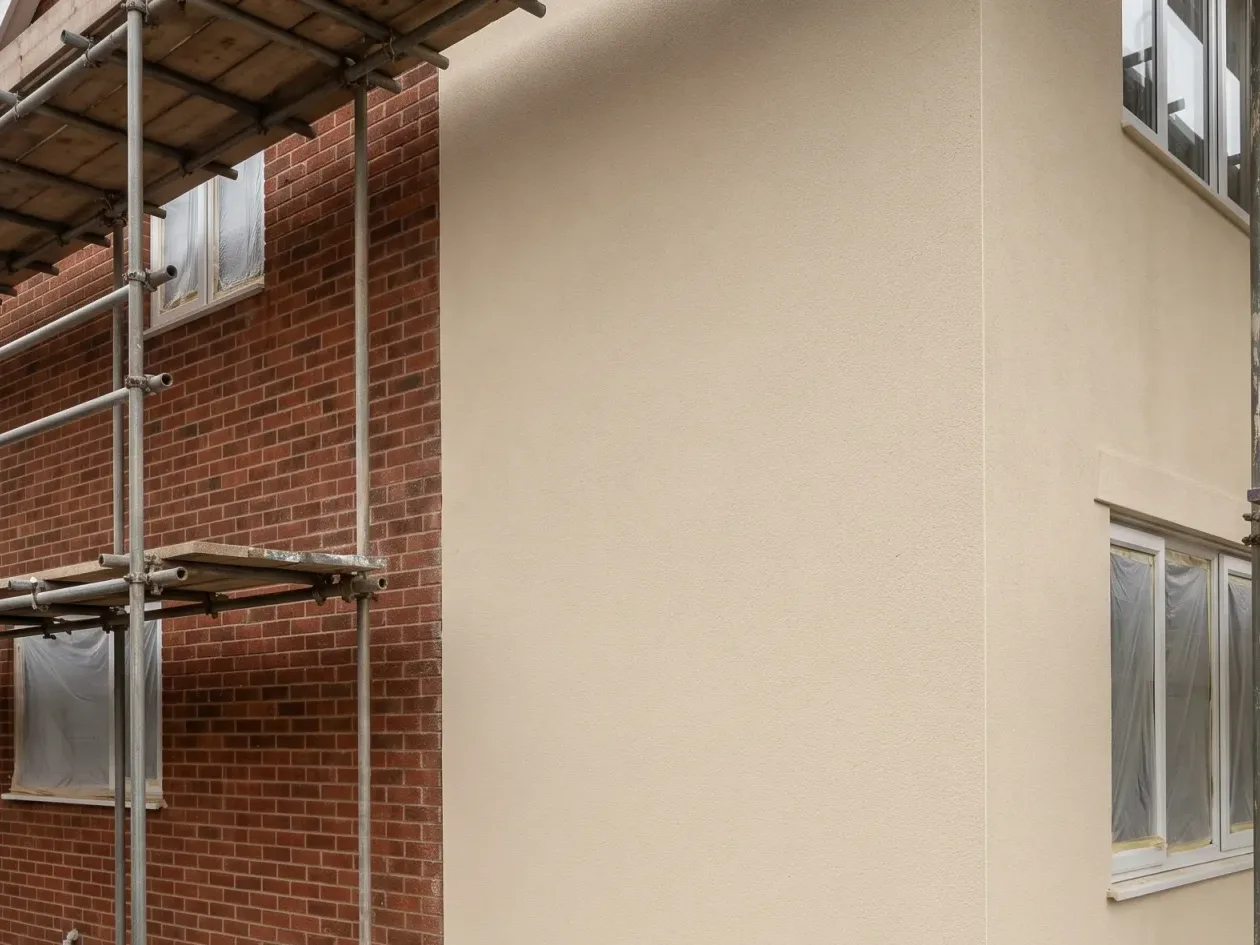
Rendering begins with a careful assessment and preparation of the wall surface. We ensure that the background is clean, stable, and prepared to hold the render securely. This crucial measure prevents issues like poor adhesion or cracking down the line, ensuring that the rendering remains durable and effective.
Rendering serves as a formidable barrier against moisture and weather damage on outdoor walls and garden structures. We apply carefully designed layers to reinforce and seal the surface, diminishing the risk of dampness and enhancing the building’s durability. Proper rendering also supports insulation where necessary, maintaining internal conditions.
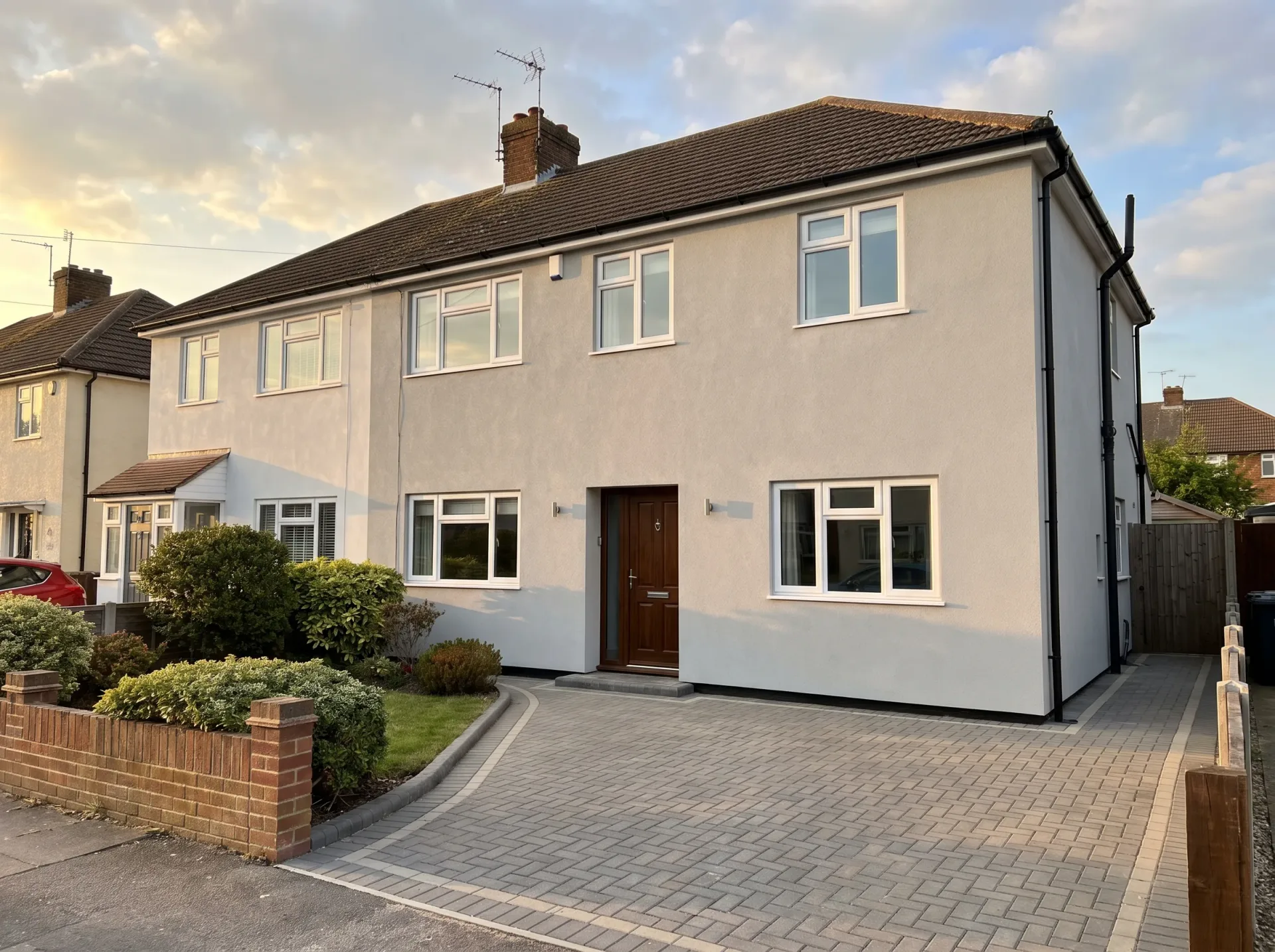
We commence by examining the surface to assess its condition and compatibility for rendering, ensuring a reliable base for the task ahead. Accurate preparation is crucial for successful rendering and its long-lasting performance.
Subsequently, we clean and prime the walls, addressing any cracks or irregularities to ensure a stable background. This process prevents typical issues and lays the groundwork for correct adhesion of the render.
Next, we apply the base coat evenly, embedding any necessary reinforcement mesh to fortify the rendering system. This initial layer provides structural integrity and helps to avoid cracking in the final finish.
The final rendering coat is applied carefully to achieve the desired texture and smoothness. We select the most suitable render type considering the environment and client preferences, delivering a consistent and durable surface.
Once the rendering dries, we perform a detailed review to ensure even coverage and solid adhesion. We leave the site tidy and ready for any subsequent decoration or painting, completing the process with professionalism.
Never use fierce pressure washers. High pressure strips the crisp face right off fresh rendering in Dunstable, forcing cold water deep behind breathable surface coats. A soft bristle broom dipped in warm water shifts green moss streaks, splashback dirt from low garden borders, or exhaust dust from busy streets without pitting mortar.
Hanging garden baskets requires care. Hammering fat steel masonry anchors straight through fresh render cracks the seal, letting winter rainwater seep into hidden cavities. Drill cleanly using sharp masonry bits, bed flexible silicone into each drilled hole, and screw your timber trellis firmly against underlying solid brick rather than soft finish coats.
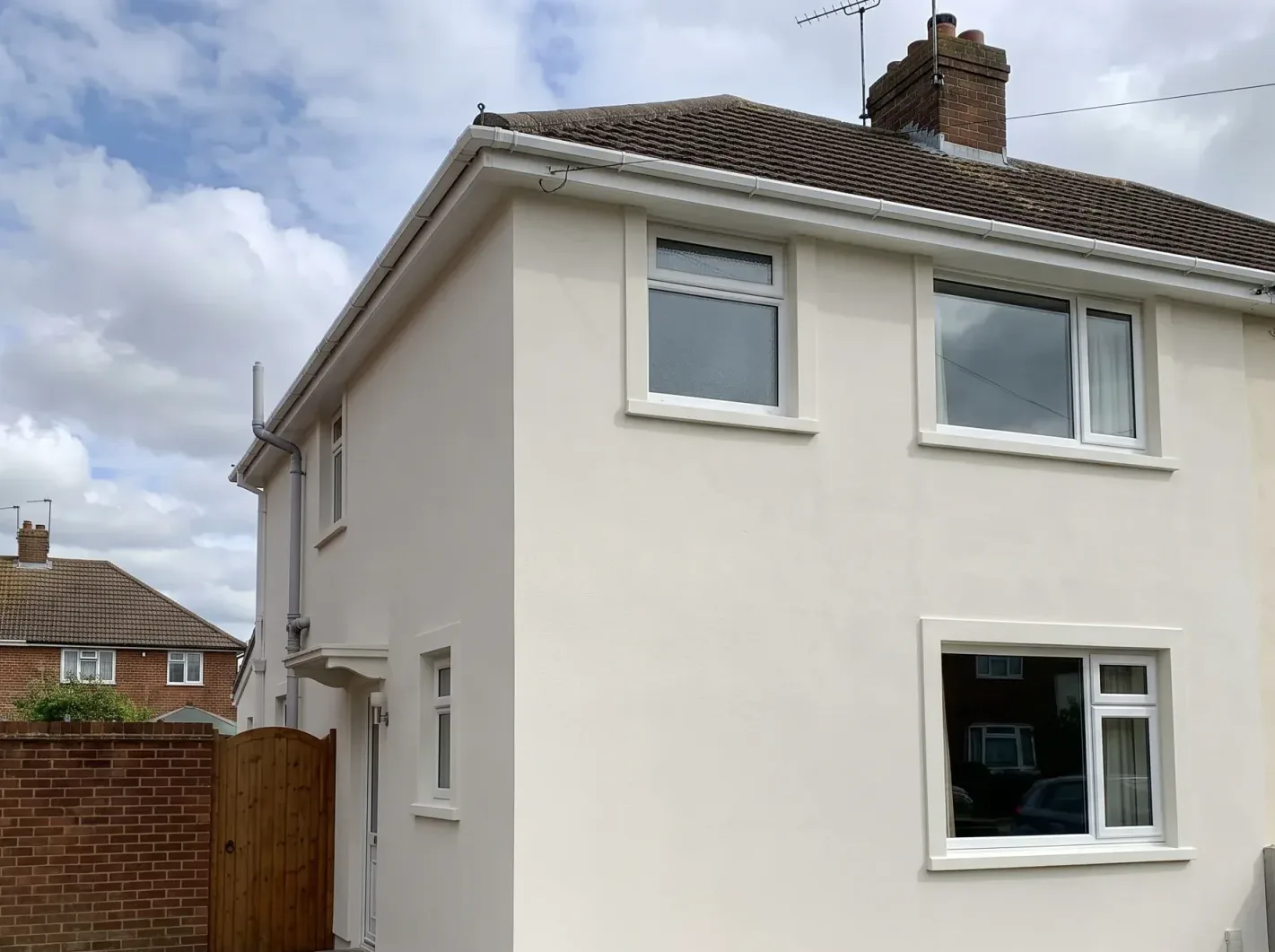
Leaking gutters ruin drying coats. Rusted cast iron brackets or loose plastic unions drip dirty rainwater across wet cement, creating ugly washouts and pale streaks down the wall. Fix cracked fascia boards before rendering in Dunstable begins so our crew can bed bellcast beads securely above damp foundation courses.
Old wooden sills rot quickly. Replacing drafty casements after rendering tears out the neat reveal bead, leaving jagged gaps that let cold wind whistle inside your living room. We want joiners to finish setting new double glazing, sub-sills, and expanding foam beads before we spread wet mortar against the plastic frames.
Electricians must run cables first. Trailing black vehicle charger lines across fresh mineral finishes looks untidy, so we prefer clamping plastic conduit flat to bare blocks. Later, wet coats float neatly over the fixings, hiding clips while leaving your consumer unit accessible inside.
Rendering commences with an in-depth check of the wall’s surface. We ensure it is clean, stable, and ready for the base coat. This vital step helps prevent issues like cracking or inadequate adhesion in the future. Proper preparation guarantees strong bonding of the render to last as expected.
The rendering process involves layering multiple coats, from a base coat to reinforcement and a final finish coat. Whether working on external walls, extensions, or garden walls, we use refined techniques to create flat, consistent surfaces. Internal rendering is executed where a simple skim coat won't suffice, especially on brick and block walls, ensuring a resilient and smooth finish.
We operate in Dunstable and the surrounding area, providing professional rendering services. Feel free to reach out for a free estimate by phone or arrange a site visit. We are about 30 miles from our base.
approx. 30 milesDistance from our base · Cheshunt
Call us07465266721Email uscontact@topplastering.ukWe serve your areaDunstable and the surroundings
The Google map loads after you accept marketing cookies.


Maksymilian Mazur
Very satisfied with the service! Excellent communication, clean workmanship, and everything completed professionally. Highly recommended!
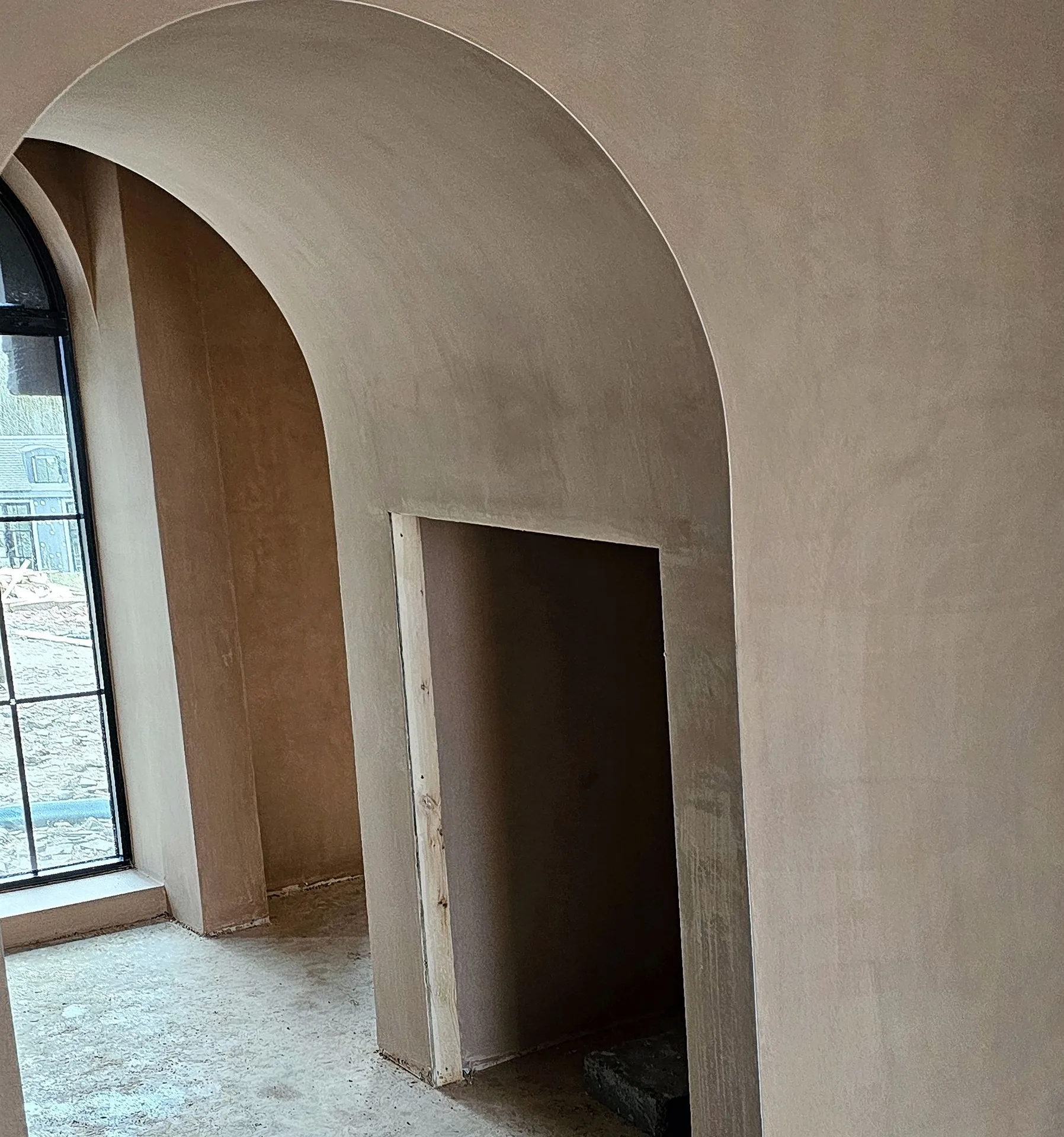
Tired walls and ceilings get a second life with skimming, giving you a flawless, durable finish every time.
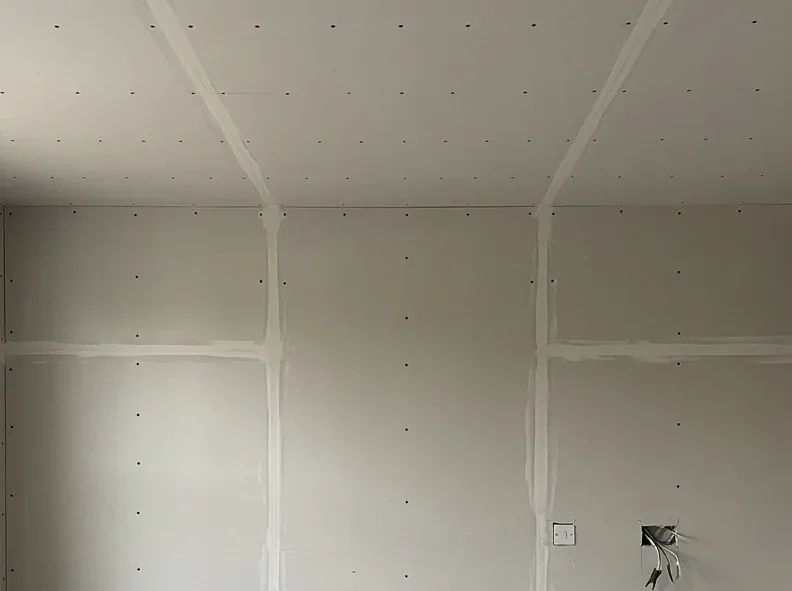
Experience matters-Topplastering handles plasterboarding for walls and ceilings so you get a truly solid finish.
Rendering covers exterior and interior walls with a solid, even coat, protecting surfaces from weather and everyday wear.
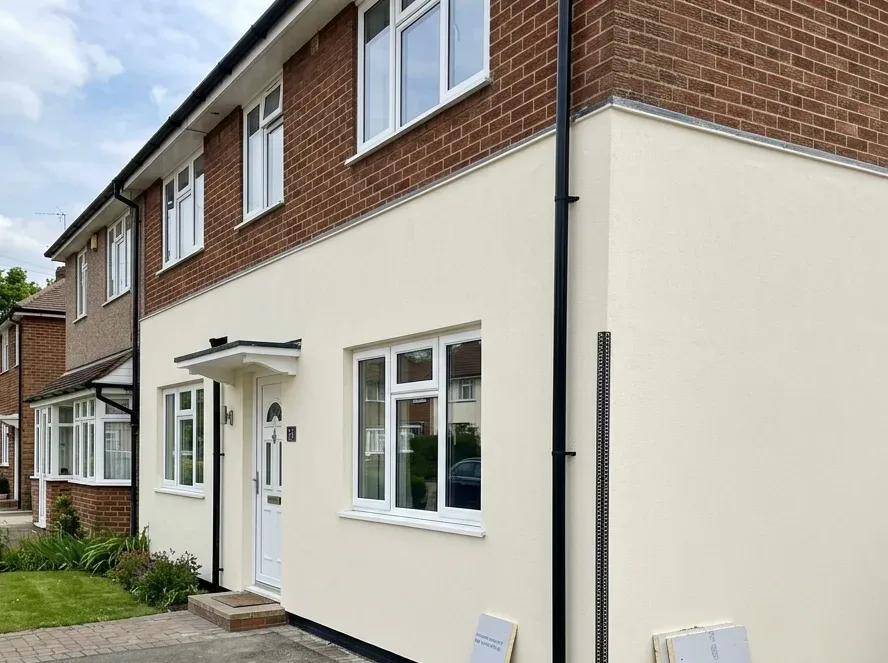
Upgrade your property with external wall insulation from Topplastering-cutting heating costs and improving your building’s appearance permanently.
Craftsmanship you can see
Every plastering project we complete leaves walls smooth, durable, and ready for whatever comes next.
Costs vary because wall condition changes drastically underneath. One property might only need a thin scratch coat, while the house next door has blown lime mortar, crumbling red bricks, or awkward conservatory roofs that force scaffolders to erect complex bridging beams across garden extensions.
Freezing nights ruin wet mortar because ice crystals expand and burst the bond. Steady rain washes fresh wet paste straight into gutters. We track temperature drops and damp fronts, pausing application until external blockwork stays dry enough for suction.
Standard trade estimates cover surface application and basic wall sundries. Independent scaffolding firms erect working platforms, while licensed waste carriers drop heavy metal skips on your driveway. Most trades bill these external services separately so homeowners avoid paying unnecessary contractor markups on heavy hire gear.
Changing wall finishes rarely needs planning permission unless your home sits within protected heritage areas. However, semi-detached properties in Dunstable share boundary lines. Setting up boards on shared paths or rendering across dividing party walls always requires a friendly chat and signed neighborly access agreements.