


Rendering acts as a tough barrier that protects walls from rain, wind, and moisture, preventing damage in the long run. This form of protection is vital for exterior and internal surfaces exposed to varying conditions.





Rendering in Bracknell provides a sturdy, well-finished coat for both exterior and interior walls, safeguarding them against the elements and daily wear.
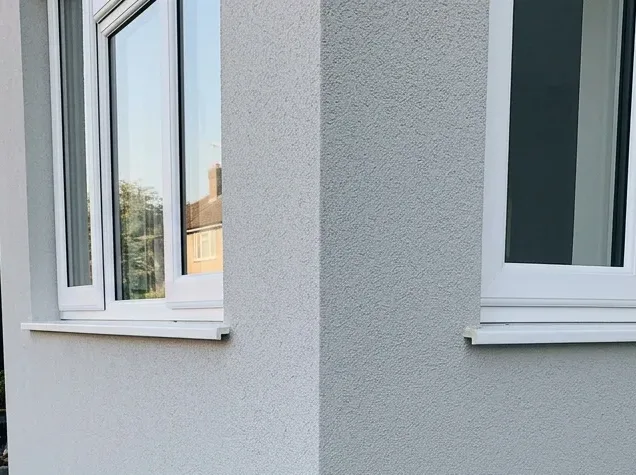
Get a free quote
 Quick, no-obligation quote!
Rendering is tailored for builders and contractors who require dependable subcontractors to deliver lasting wall finishes. It's ideal for projects in Bracknell where both interior and exterior surfaces need more than a simple skim coat, particularly on brick or blockwork. Our rendering service makes sure that surfaces are adequately prepared and precisely finished, complying with the standards expected on construction sites.
For homeowners or renovators, rendering offers a robust way to enhance the appearance and weather resistance of a property. Whether it's for an extension or a garden wall, rendering creates a protective coat that endures over time. We take care of everything from preparing the surface to applying the final coat, ensuring a tidy and durable result.
Rendering is essential where a stable, even surface is necessary, something a basic skim coat can't accomplish. Internal rendering comes into play when dealing with brick or block walls, providing a flat finish suitable for decoration or additional treatments. We carefully apply each layer, reinforcing and smoothing to avoid cracking while ensuring a robust finish tailored to the specific conditions of the walls.
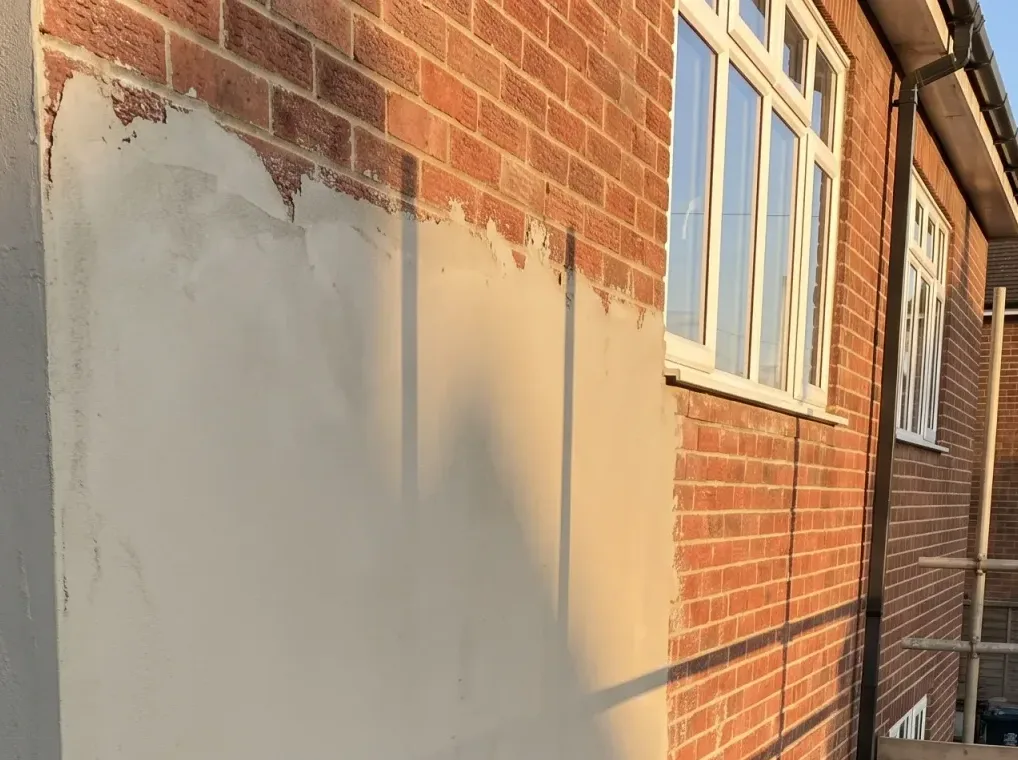
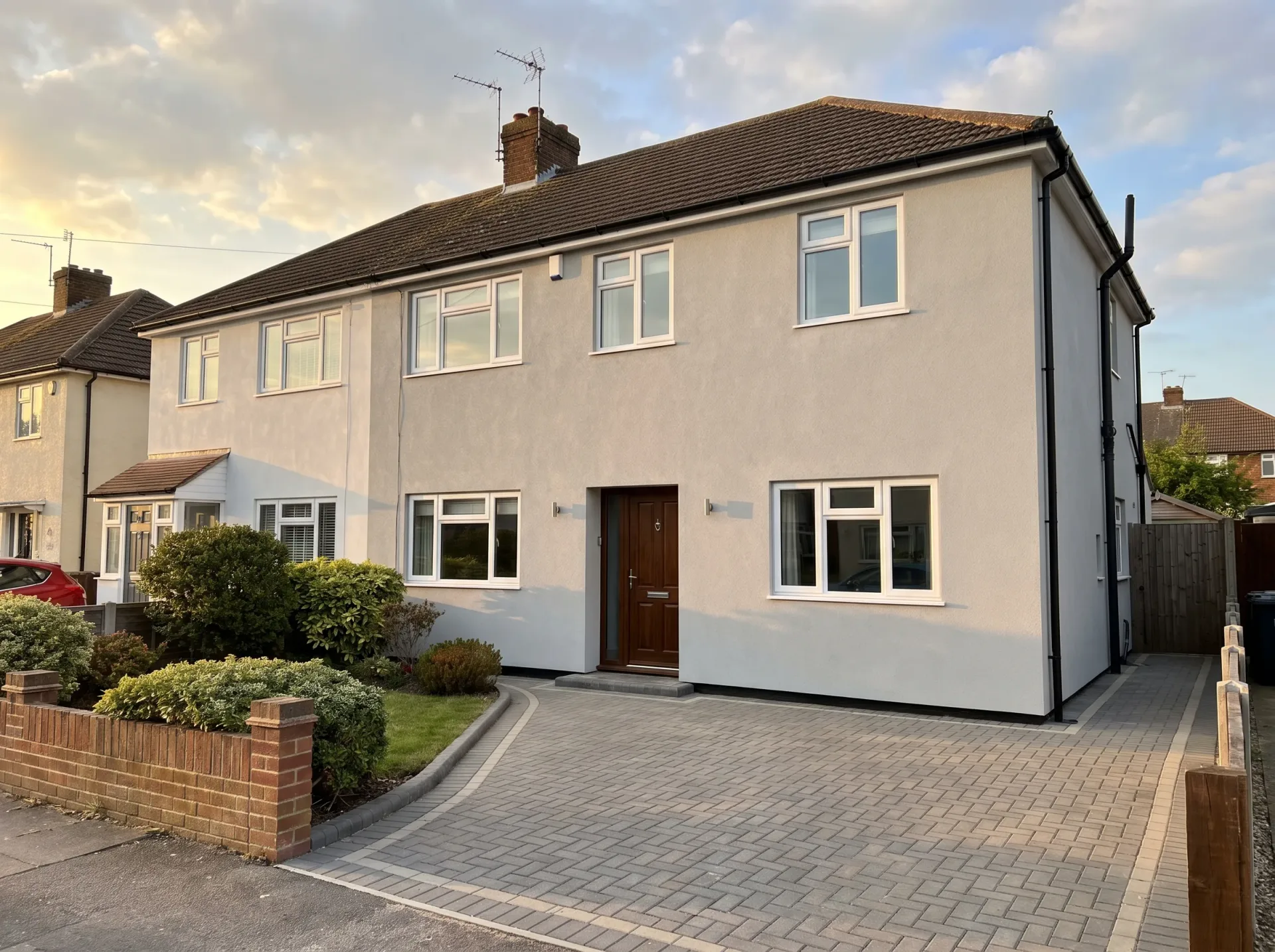
We manage both external and internal rendering on houses, extensions, and garden walls. The process kicks off with background preparation to ensure proper adherence of the render. Rendering is layered-from the base coat with reinforcements to the final finish coat-providing a durable and smooth surface that withholds the challenges posed by weather and wear.
Internal rendering is particularly applied on brick and block surfaces where a simple skim coat won’t set properly or endure. Our rendering in Bracknell guarantees that these surfaces are leveled and stable, minimizing the risk of cracks and unevenness. This service is crucial for developing a flat base ready for decoration or further finishing.
Rendering acts as a tough barrier that protects walls from rain, wind, and moisture, preventing damage in the long run. This form of protection is vital for exterior and internal surfaces exposed to varying conditions.
Rendering guarantees a flat, even surface where a simple skim coat would fall short, especially on brick and block walls. This sets the scene perfectly for painting or further decoration without any flaws.
A well-applied render adds strength to walls, lessening the chances of cracks and wear. Our thorough approach guarantees that each layer adheres correctly, leading to a long-lasting finish.
Rendering works across houses, extensions, and garden walls, adapting to various substrates and project needs. This flexibility allows it to fit effortlessly into any building phase or renovation context.
Rendering contributes to better thermal performance by adding an additional protective layer. This can help in keeping indoor temperatures stable and lowering energy expenses over time.
From preparation through base coats to the final finish, our rendering process follows a well-defined structure. This approach assures high-quality results you can depend on.
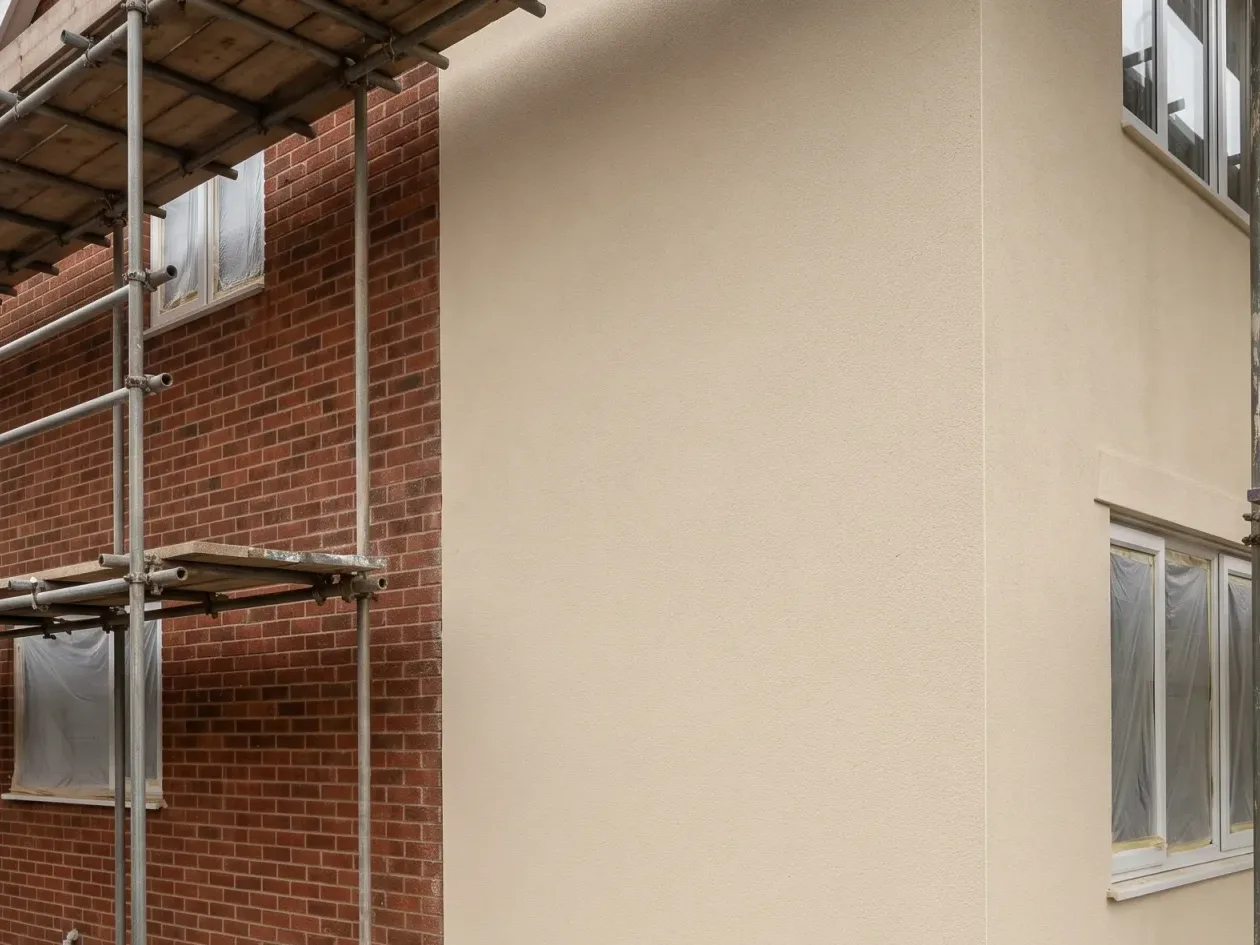
We tape every window frame. Wet mortar permanently etches glass panels when left unattended, which turns a small oversight into an expensive replacement bill before the job even finishes. Our team isolates gas boxes, garden gates, and phone lines before mixing any mortar for rendering in Bracknell.
Boundaries demand patience. Mortar splatter easily drifts over wooden garden fences, so we hang heavy tarpaulins right along the boundary wall to keep your neighbour happy. A shared pathway remains fully passable throughout the entire afternoon, avoiding any sudden disputes over driveway access while coats dry on the brickwork.
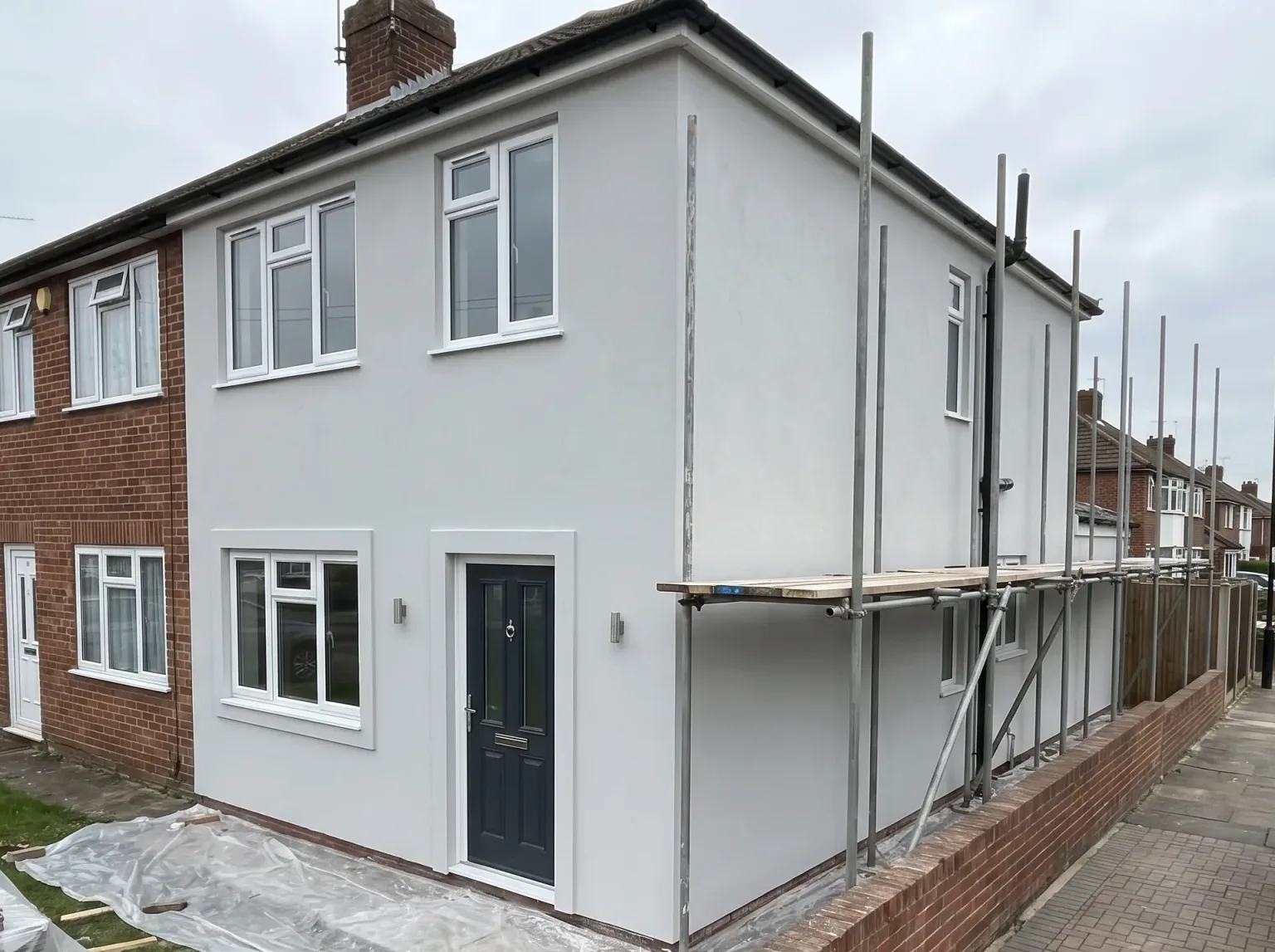
We begin by evaluating the surface to judge its condition and suitability for rendering, ensuring a strong foundation for the task ahead. Proper preparation is vital for successful rendering and longevity.
Next, we clean and prime the walls, fixing any cracks or uneven areas to create a stable background. This stage avoids common issues and prepares the wall for proper adhesion of the render.
We lay the base coat evenly, embedding reinforcement mesh where needed to bolster the render system. This layer provides necessary support and minimizes the risk of cracks in the final finish.
The last coat of rendering is applied with care to achieve the desired texture and smoothness. We choose the right type of render to match the environment and client needs, resulting in a consistent and resilient surface.
Once the rendering is dry, we conduct a complete inspection to confirm consistent coverage and sturdy adhesion. We tidy up the workspace, leaving it clean and ready for any further decoration or painting, finishing our work with a commitment to quality.
Damp blocks ruin adhesion. When cold autumn mist hangs low around gardens, we test the substrate directly because trapped surface moisture behind fresh coatings will blow the skim completely off. Our crew monitors changing morning air temperatures before starting rendering in Bracknell, waiting until the masonry warms up enough to take the wet render.
Direct sunshine poses real risks. Intense heat dries the mixture prematurely, creating hairline fractures across the facade before the cement binds properly with the underlying masonry units. We drape fine mesh netting across the scaffold tubes, creating shade that keeps the drying wall cool while trades finish trowelling the elevation.
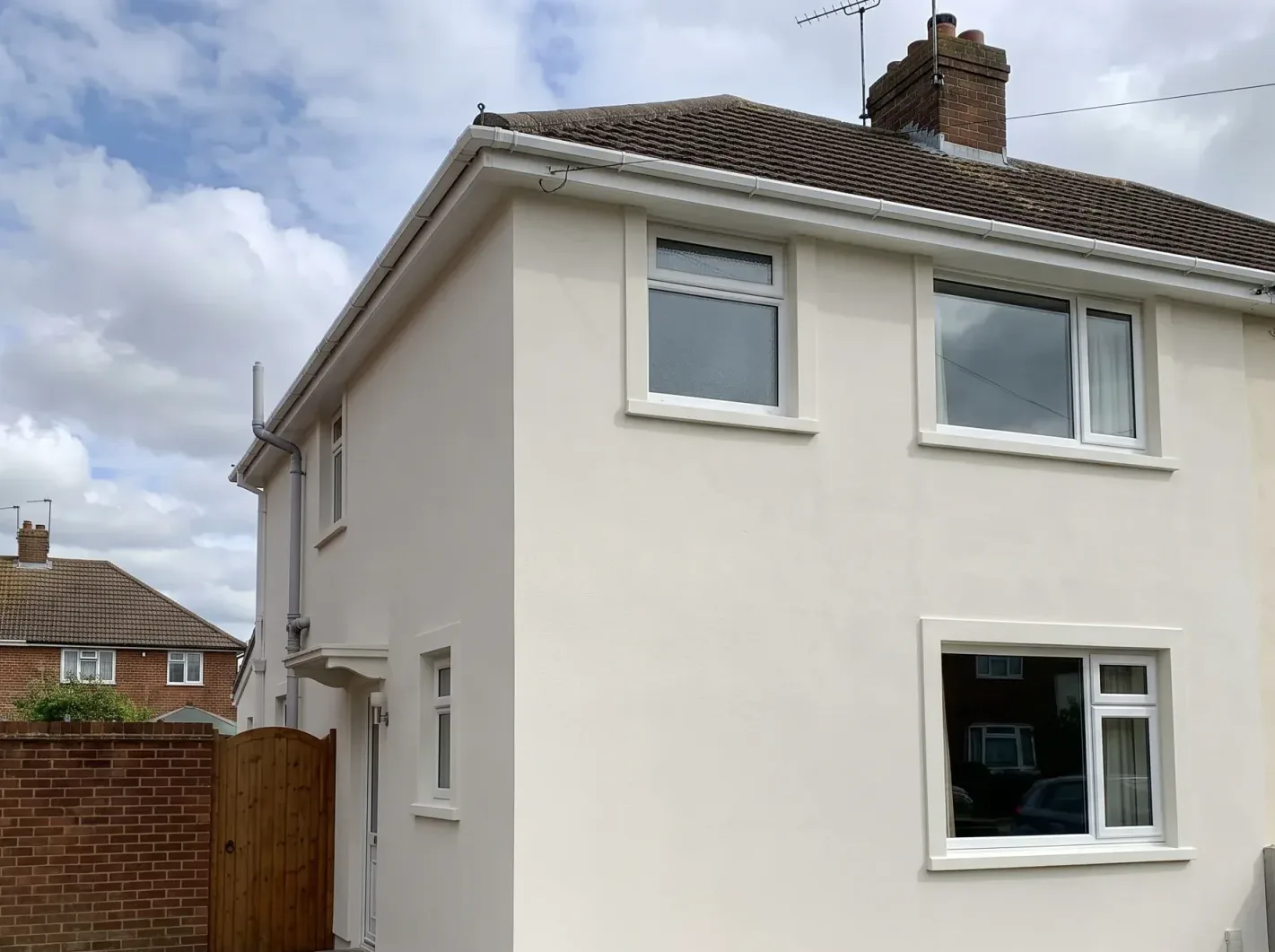
Garden dirt splatters low plinths. High-pressure jets can strip off the outer textured crust, which leaves deep pits across the wall, so you should only use a standard garden hose with soft brushes. A gentle wash every spring prevents garden weeds from rooting inside microscopic surface pores after rendering in Bracknell on exposed gable ends.
Drilling requires caution. Never hammer masonry anchors through fresh elevations without sealing each drilled hole using neutral silicone, because rainwater tracks directly behind the render layer through raw anchor gaps. You ought to plan hanging basket brackets, hose reels, and satellite dish mounts well before the final trowel pass.
Trim creeping ivy regularly. Thick foliage traps winter dampness flat against outside elevations, encouraging dark moss patches that slowly deteriorate the binder. Keep shrub branches cut well back from downpipes and render edges so fresh air circulates continuously around your ground floor perimeter.
Rendering starts with a detailed inspection and preparation of the wall surface. We ensure that the background is clean, stable, and primed for the base coat. This step is essential to avoid issues like cracking or weak adhesion later. Proper preparation means that the rendering bonds well, lasting as required.
Rendering involves multiple layers, from the base coat to reinforcement and the final finish. Whether working on external walls, extensions, or garden walls, our skilled techniques deliver flat, even surfaces. Internal rendering is applied when a simple skim coat is insufficient, especially on brick or block walls, ensuring durability alongside a smooth finish.
We operate in Bracknell and the surrounding area, offering our services locally. Reach out by phone or through our quote button, and we’ll arrange a visit on site.
approx. 45 milesDistance from our base · Cheshunt
Call us07465266721Email uscontact@topplastering.ukWe serve your areaBracknell and the surroundings
The Google map loads after you accept marketing cookies.


Maksymilian Mazur
Very satisfied with the service! Excellent communication, clean workmanship, and everything completed professionally. Highly recommended!
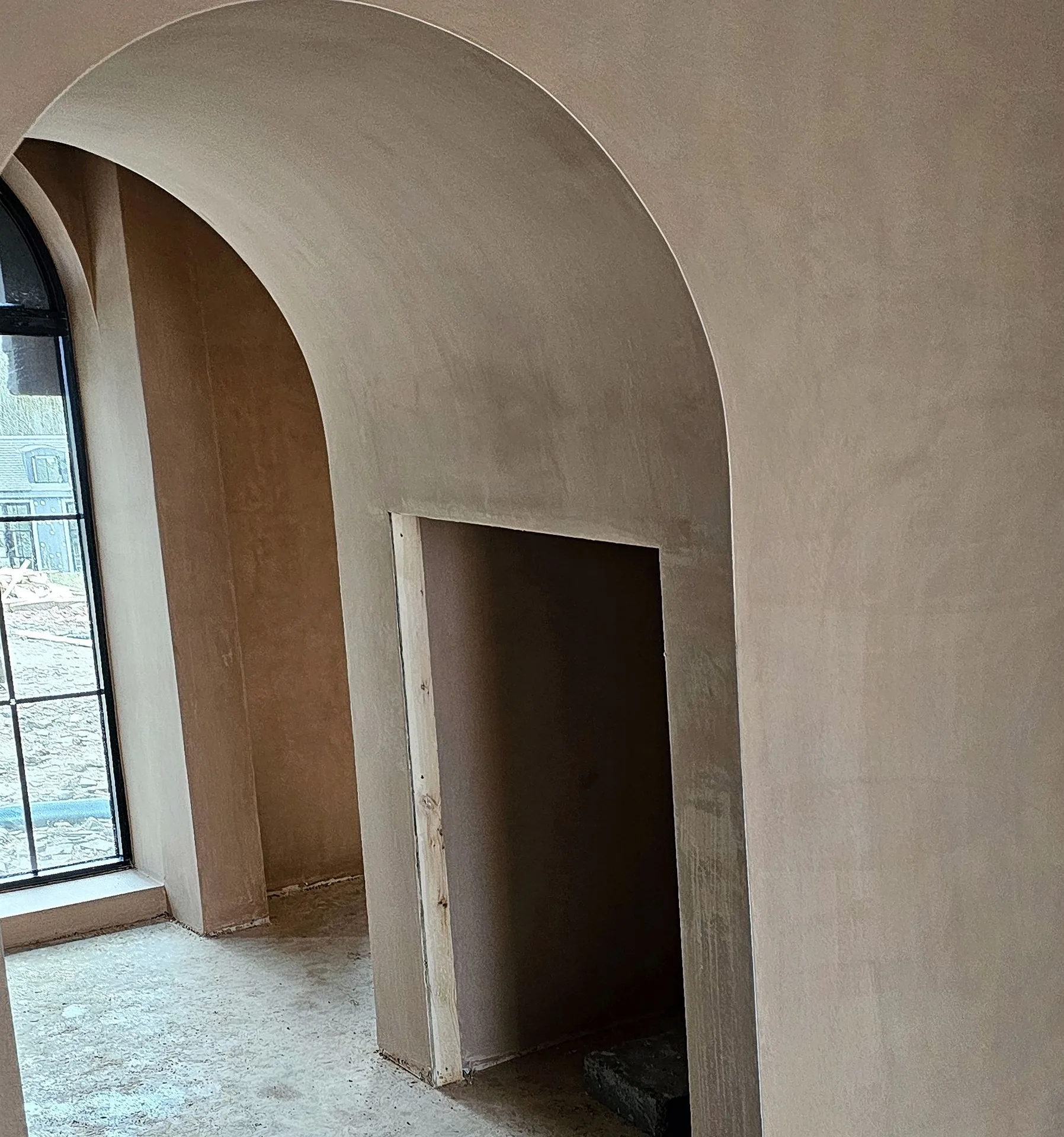
Tired walls and ceilings get a second life with skimming, giving you a flawless, durable finish every time.
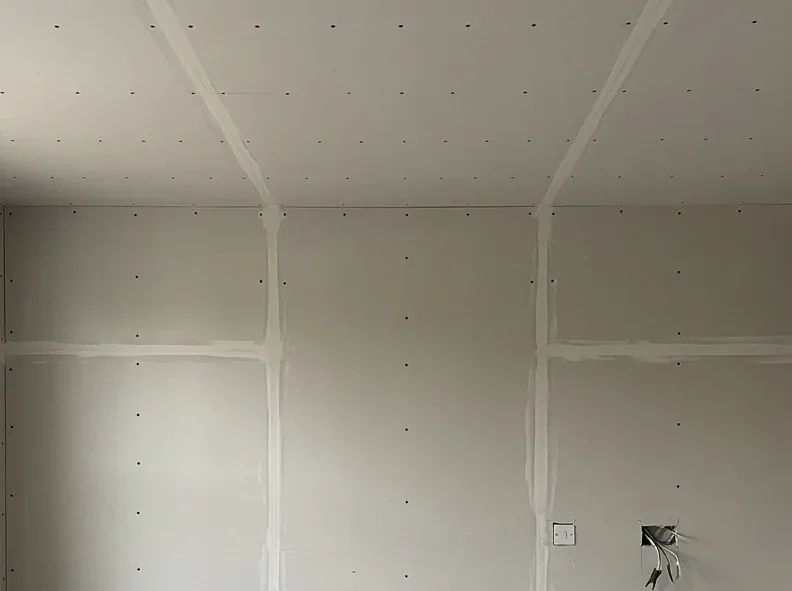
Experience matters-Topplastering handles plasterboarding for walls and ceilings so you get a truly solid finish.
Rendering covers exterior and interior walls with a solid, even coat, protecting surfaces from weather and everyday wear.
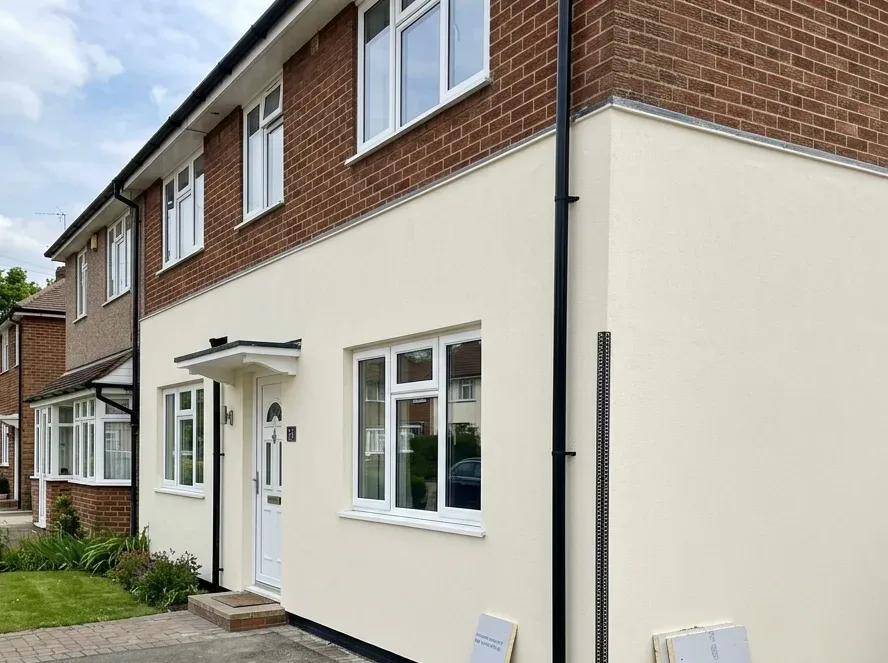
Upgrade your property with external wall insulation from Topplastering-cutting heating costs and improving your building’s appearance permanently.
Craftsmanship you can see
Every plastering project we complete leaves walls smooth, durable, and ready for whatever comes next.
We walk around the building walls together under natural daylight to examine every corner, window reveal, and bead line. If a tiny patch requires minor smoothing, we adjust it immediately before packing our tools, and we remain contactable if any questions arise after the surfaces fully settle.
Yes, heavy rain washes uncured binder straight down the brickwork, so we stop applying wet mortar whenever downpours threaten. We protect fresh coats with secure plastic sheeting and resume only when the underlying masonry dries out sufficiently, because trapped water ruins adhesion between layers.
People often schedule window fitters or gutter installers after the facade finish is already complete. Hammering fixings or adjusting sill profiles against fresh render cracks the cured edges, so all structural carpentry, roofline timber, and window replacements should occur prior to our arrival.
Traditional mineral mortars dry rigid and allow old masonry breathability, while flexible synthetic options incorporate modern polymers that stretch slightly with building movement. Your choice depends entirely on wall construction, because older solid brickwork needs vapour permeability, whereas modern blockwork handles polymer systems without issue.