


Render repair in Slough starts with an extensive inspection to identify all cracks, hollows, and blown areas, ensuring we don't overlook any issues before commencing work.





Cracked, hollow, or blown render sections won't stand a chance with our render repair done right the first time for homes in Slough.
Get a free quote
 Quick, no-obligation quote!
Signs like cracks, hollow spots, and blown render are clear indications that render repair is necessary in Slough. Ignoring these problems can lead to water ingress and further deterioration of wall surfaces. We identify these issues early to prevent damage from spreading and restore the protective layer efficiently.
Delaying render repair in Slough often means extensive work and increased costs. Acting quickly when damage is spotted ensures that repairs are straightforward and blend perfectly with the surrounding walls. Our approach involves evaluating and addressing issues promptly, minimizing disruptions while ensuring durability.
Both builders and homeowners can benefit from timely render repair to preserve structural integrity and aesthetics. Whether part of ongoing maintenance or a renovation, we provide precise and robust render repair tailored to each building’s unique needs. Collaborating closely with clients allows us to deliver clear and practical results from start to finish.
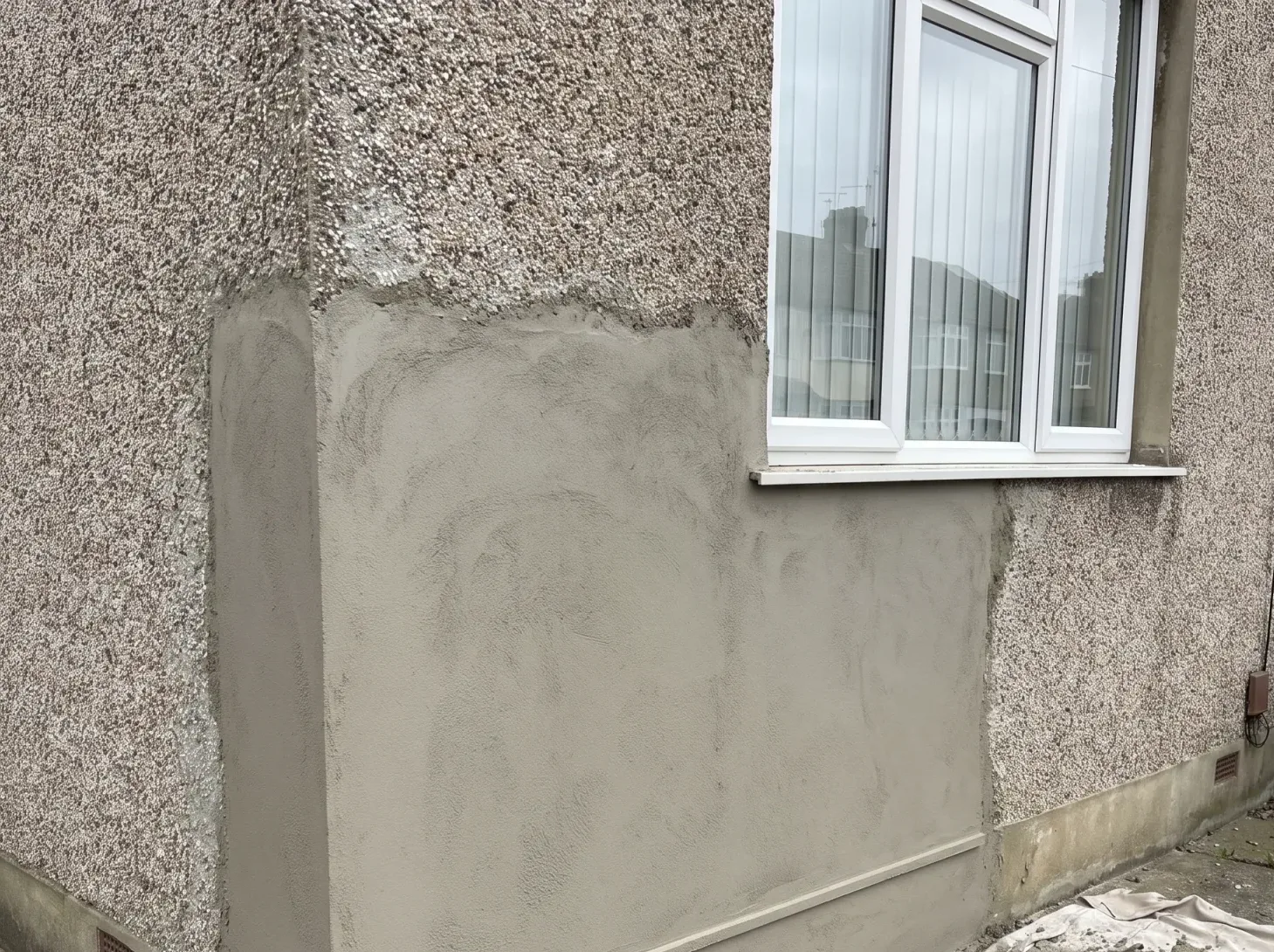
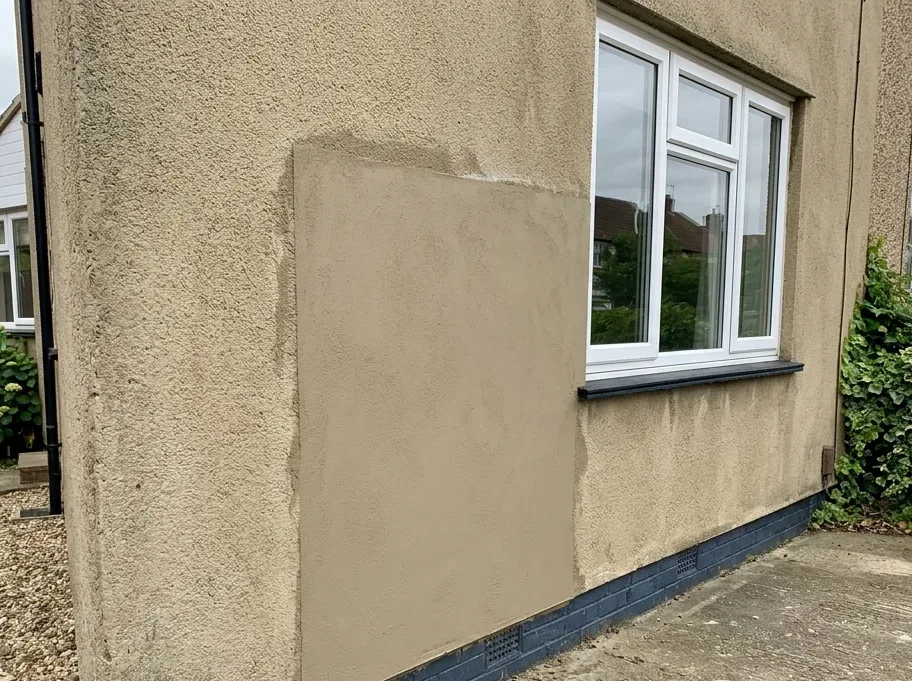
Move garden pots aside. We need clear ground when starting render repair in Slough, especially around low brick courses where ivy clings tightly to aged lime, because scaffolding poles require firm, flat placement without crushing your rose bushes or blocking side passages.
Tape covers vulnerable outdoor lights. Dust from chipping loose coats travels across window sills, and mortar drops can permanently scratch thin aluminium sills or lodge inside external electrical sockets when wind picks up unexpectedly during an afternoon. We mask drainpipes and gas boxes thoroughly with tough polythene sheeting before opening bags.
Render repair in Slough starts with an extensive inspection to identify all cracks, hollows, and blown areas, ensuring we don't overlook any issues before commencing work.
We skillfully match new render to the existing wall’s texture and make-up, so repairs blend smoothly and maintain the facade’s integrity over time.
All loose and damaged render is completely removed, and the substrate is properly prepared to guarantee strong adhesion and avoid future issues in the render repair.
Our render repair addresses not only surface cracks but also underlying problems such as delamination and water damage, prolonging the lifespan of your exterior walls.
From the initial evaluation to final billing, we maintain clear and punctual communication, making render repair a hassle-free part of your project.
We provide solid and lasting results that restore both protection and appearance without unnecessary re-rendering, saving time and resources on every repair.
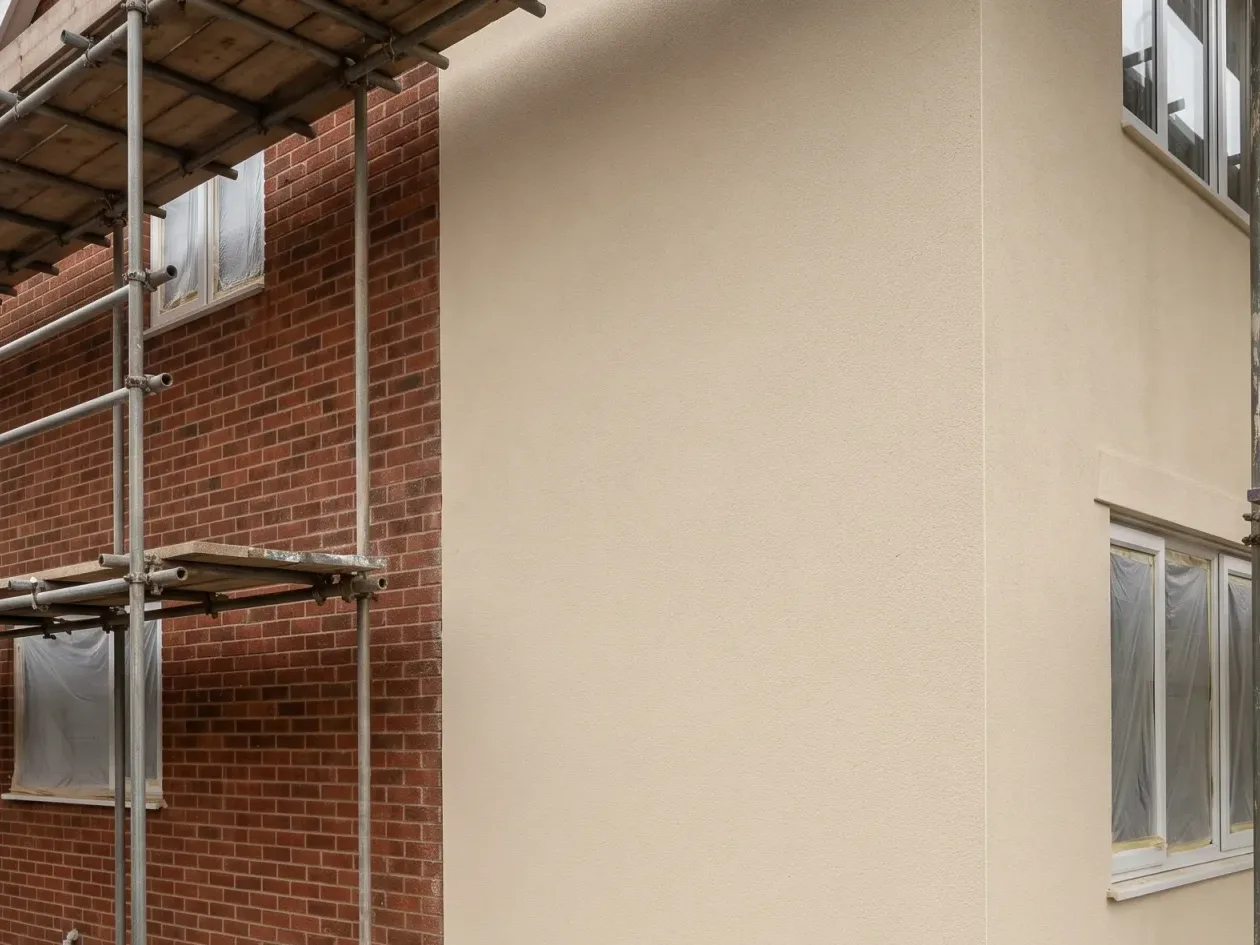
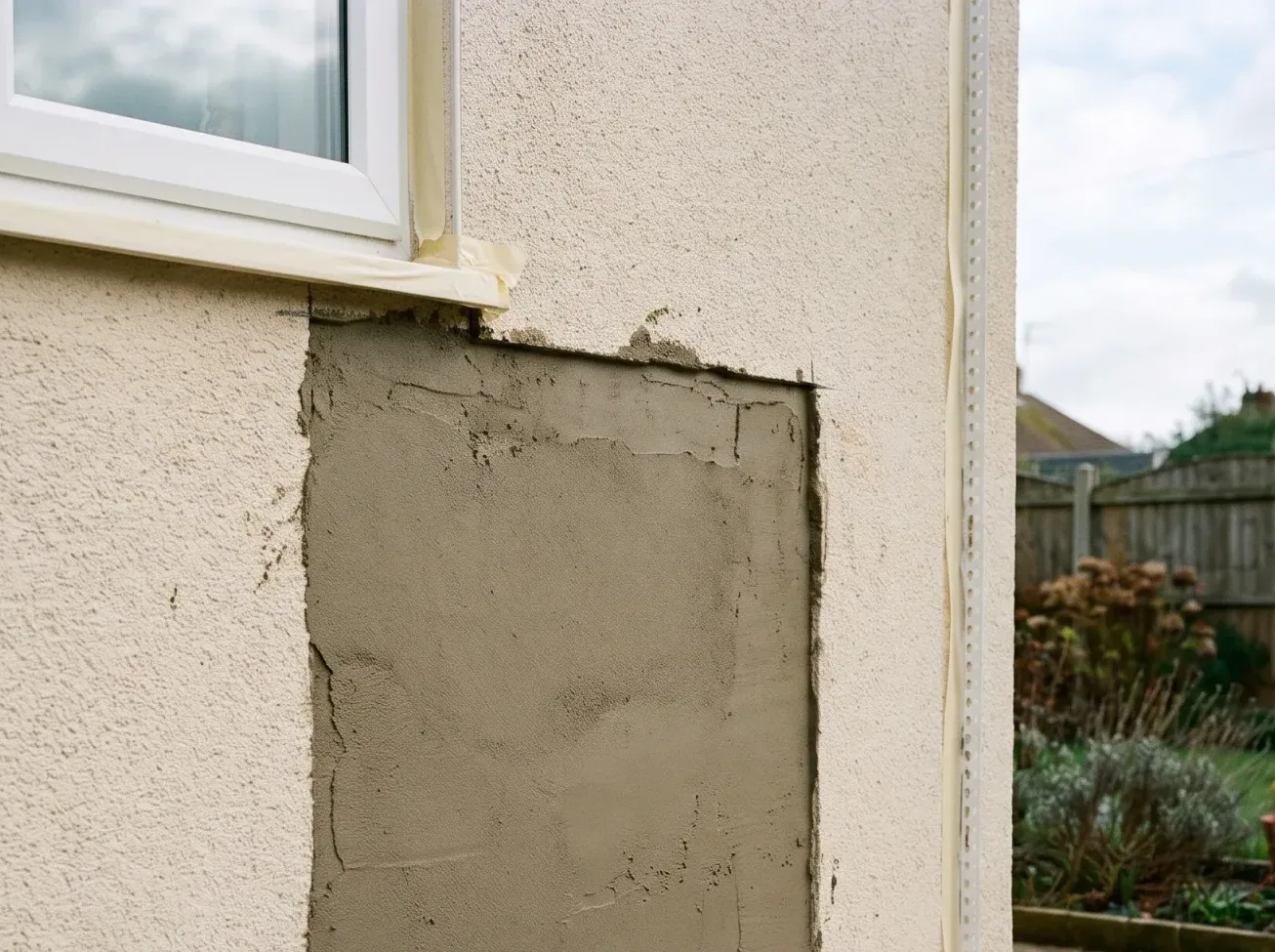
Cracks, hollows, and blown render won’t fix themselves. Our render repair process includes a detailed inspection to accurately identify where the render has failed. We cut out all the compromised areas and prepare the surface to ensure the new render adheres effectively. This step is crucial in preventing recurrence of the problems and keeps the wall stable.
Render repair is effective only if it merges seamlessly with the surrounding wall. We utilize materials and methods that replicate the original render’s texture and composition, often using silicone-based finishes for durability. The goal is to create a seamless repair that restores both the protection and aesthetic of the wall without necessitating a full re-render.
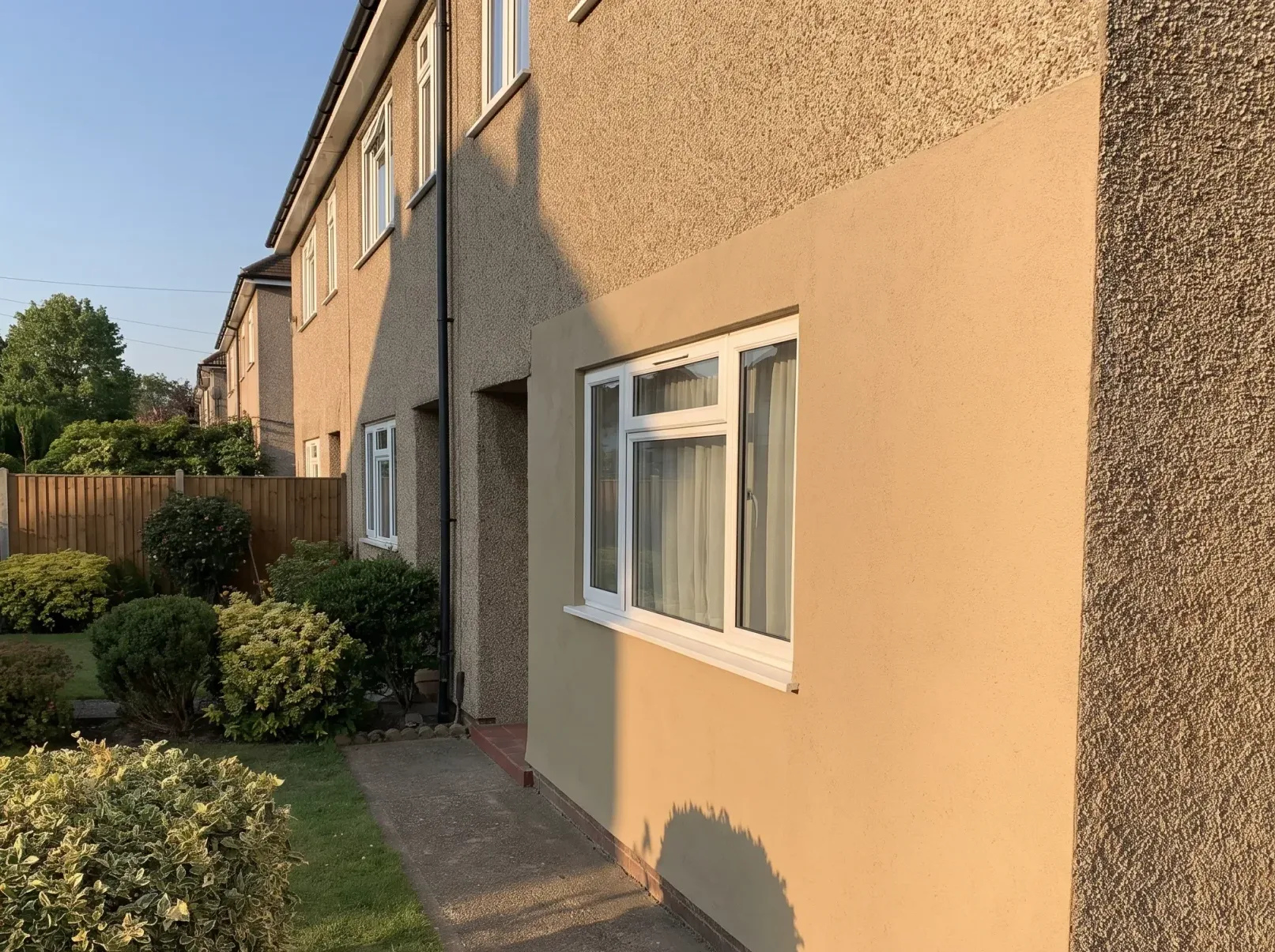
We examine the affected area to grasp the extent of issues like cracks, hollows, or blown render, ensuring clarity before undertaking any render repair work.
Accurate site measurements are taken to plan the scope of render repair and prepare materials that will match the existing surface.
Compromised or loose render is carefully cut out and removed to establish a stable base for the new application.
New render layers are applied, matching the texture and composition of the adjacent wall, using materials suited for durability and local conditions.
The repaired area is smoothed and seamlessly blended with the existing surface, completing the render repair while restoring both protection and appearance.
Wet seasons slow down drying. Carrying out render repair in Slough during late autumn means watching out for morning frost, because moisture trapped inside uncured patches freezes overnight, pushes the coat away from the substrate, and leaves you with hollow, crumbling patches by breakfast.
Direct sun causes rapid shrinkage. When heat bakes an exposed south-facing gable wall too fast, fresh mix loses moisture before bonding with masonry beneath, causing hairline crazing across the fresh patch. We hang shade mesh over facades on warm afternoons to manage evaporation.
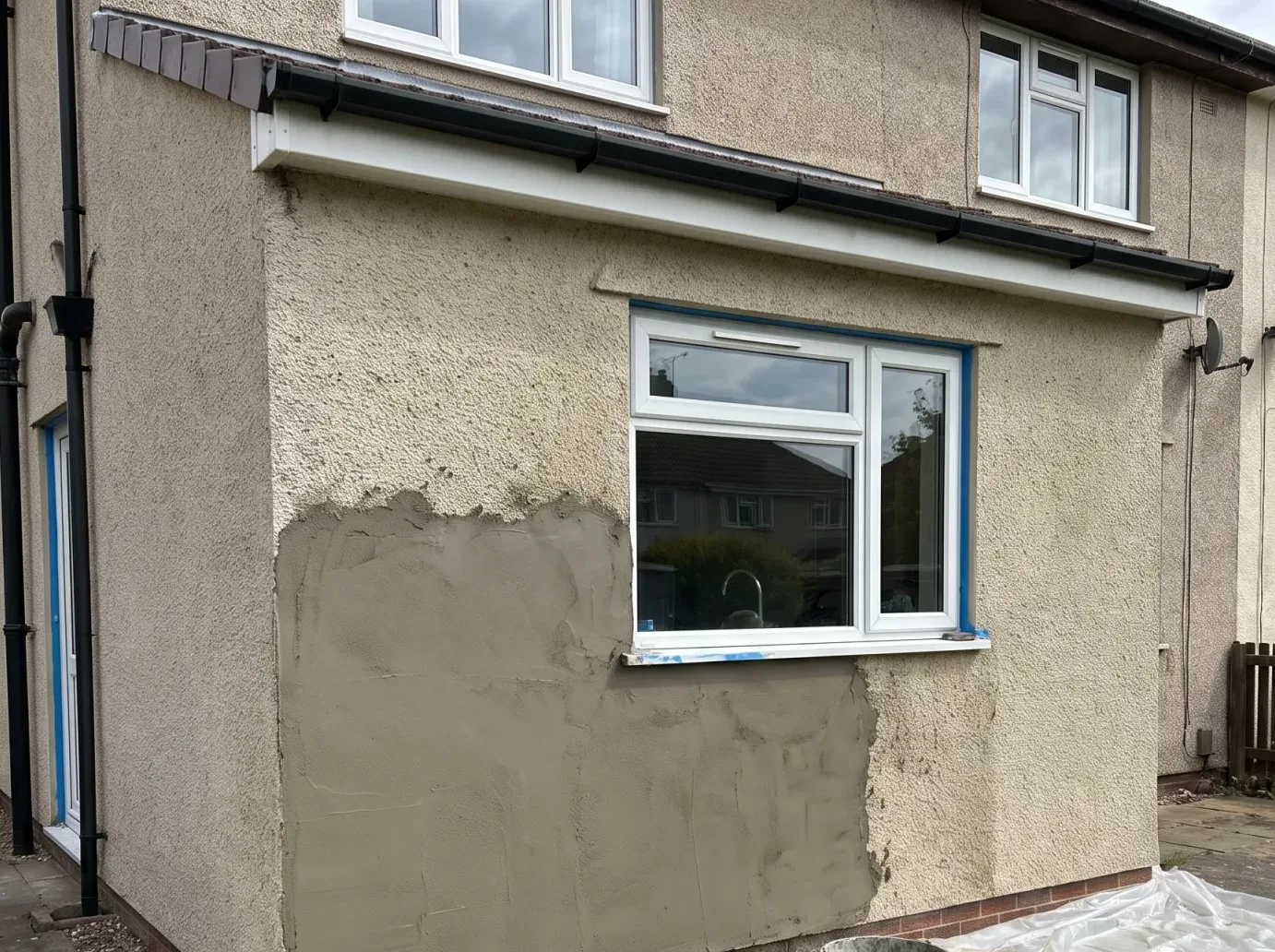
Check your hopper heads first. Leaking rainwater downpipes constantly soak underlying blockwork, so handling render repair in Slough without rehanging rusted gutter brackets simply invites new decay into freshly floated patches within weeks. Water must route away cleanly from the wall face.
Coaxial cables need unpinning carefully. Hammering plastic clips straight into fresh base coats creates deep fracture lines, which let driving rain seep behind the coat around tv aerial mounts or security camera brackets. We advise securing clips only into set masonry anchors.
Bridging damp courses causes rot. Many older semi-detached houses end up with high garden soil touching external cement skins, allowing ground water to wick straight into interior skirting boards. We rake back mortar well above exterior air vents.
We bring over 20 years of practical experience to every render repair job in Slough. We address cracked, hollow, and blown render sections by removing the damaged parts and matching them to the existing wall. This ensures that the repaired area integrates seamlessly with the original surface, preserving both aesthetics and protection of your building’s facade. With us, render repair means durable results, not just quick fixes.
We initiate each render repair with an accurate assessment and measurement to comprehend the damage's extent. Loose or failing render gets carefully removed before applying new layers which are matched to the existing texture and composition. Throughout, we keep communication clear and timely, allowing you to know what to expect at every stage, preventing surprises and ensuring that the repair will endure.
approx. 35 milesDistance from our base · Cheshunt
Call us07465266721Email uscontact@topplastering.ukWe serve your areaSlough and the surroundings
The Google map loads after you accept marketing cookies.


Maksymilian Mazur
Very satisfied with the service! Excellent communication, clean workmanship, and everything completed professionally. Highly recommended!
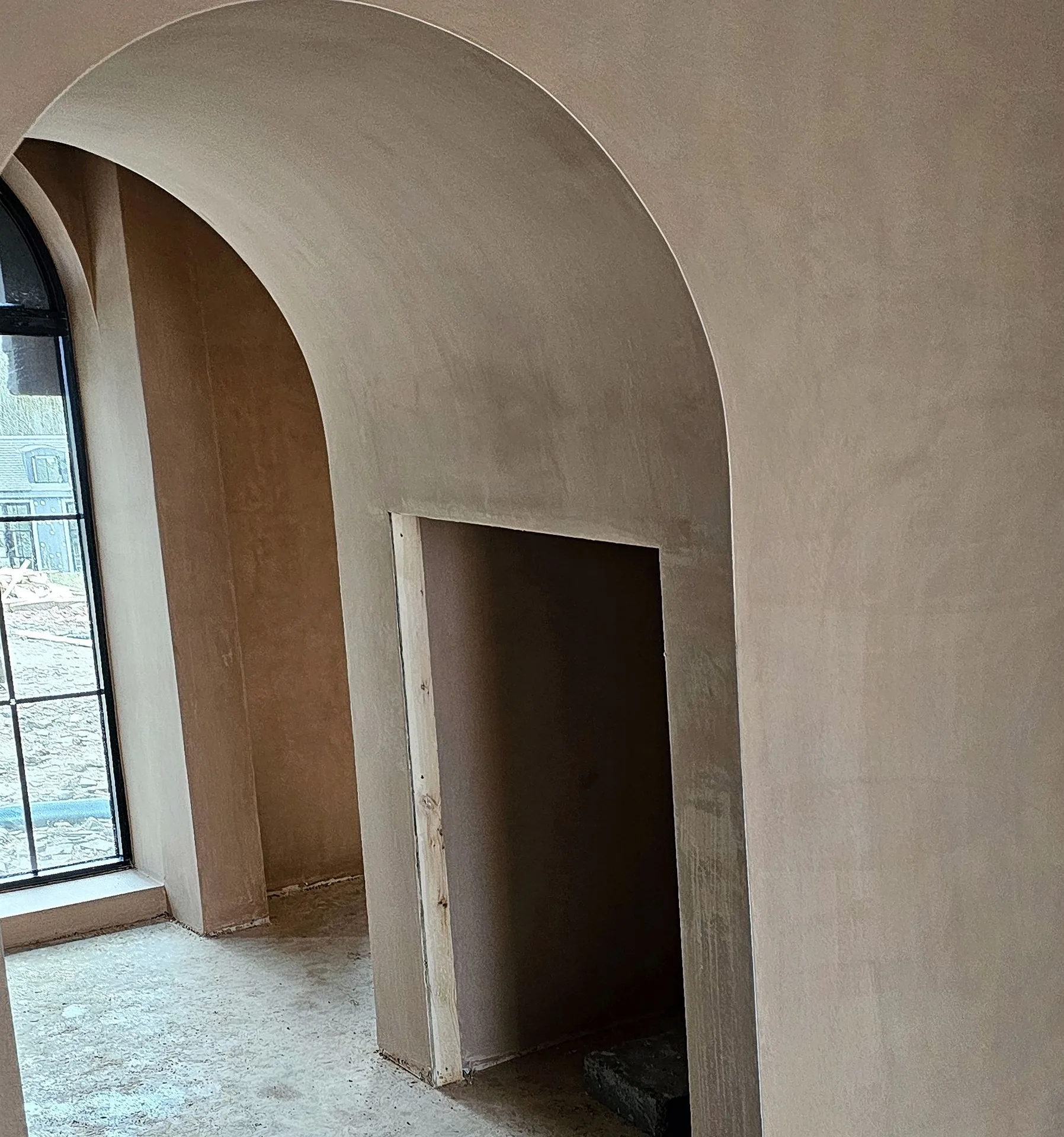
Tired walls and ceilings get a second life with skimming, giving you a flawless, durable finish every time.
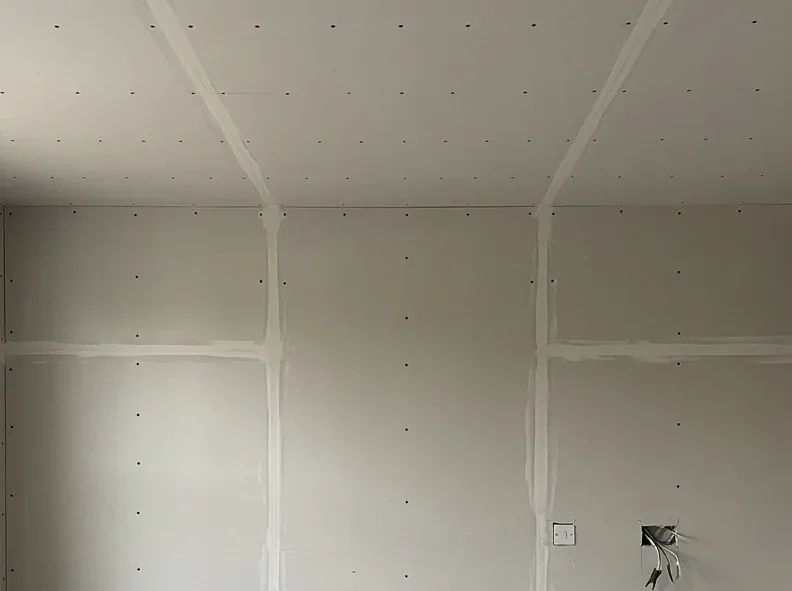
Experience matters-Topplastering handles plasterboarding for walls and ceilings so you get a truly solid finish.
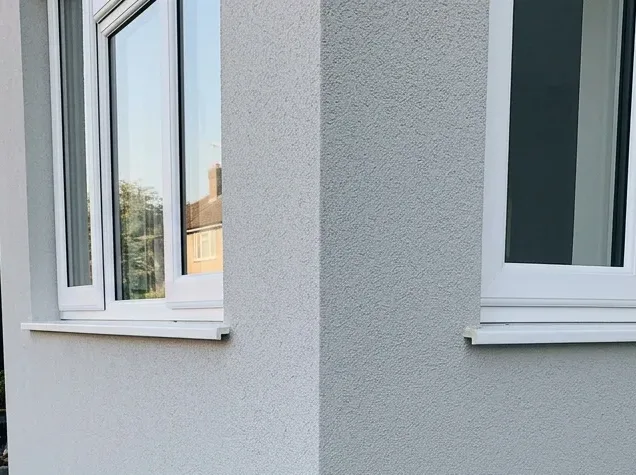
Rendering covers exterior and interior walls with a solid, even coat, protecting surfaces from weather and everyday wear.
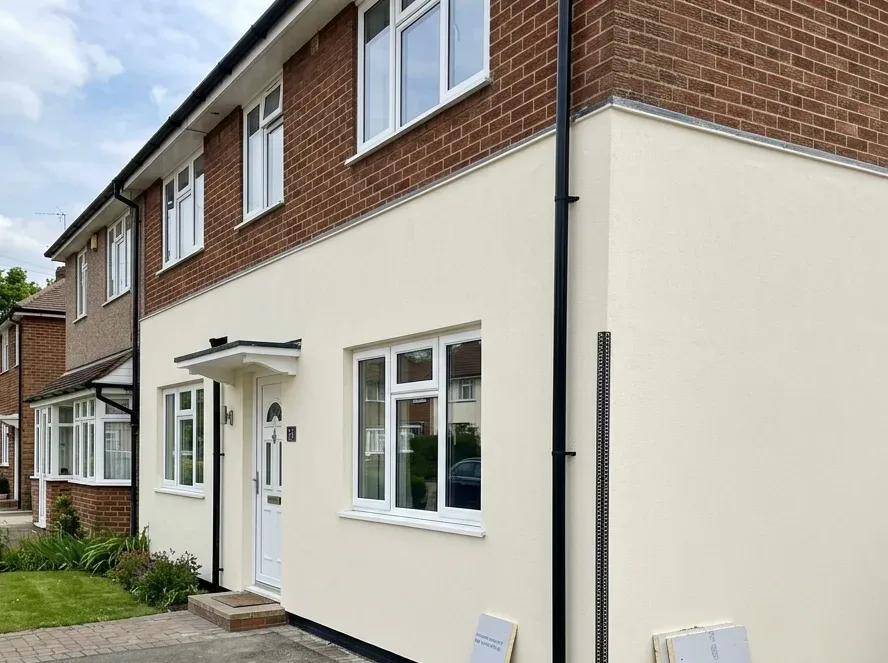
Upgrade your property with external wall insulation from Topplastering-cutting heating costs and improving your building’s appearance permanently.
Craftsmanship you can see
Every plastering project we complete leaves walls smooth, durable, and ready for whatever comes next.
Yes, trades need space for heavy mixing tubs and sand bags. Moving vehicles away keeps them safe from grit, dust, or accidental mortar splatter during early preparation phases on your driveway.
First, the substrate gets inspected closely for hollowness. Then, damaged patches are chipped away, dust brushed clear, bonding primer brushed on, fresh coats layered, and finally the surface texture is blended.
Ask to inspect recently completed exterior patches nearby in Slough. Reliable plasterers readily explain how they blend textures against older roughcast or smooth surfaces without leaving awkward ridges around the edges.
Replacing broken cast-iron guttering, repointing chimney stacks, or painting cured patches usually require separate agreements, because standard plastering work covers only removing loose material and applying fresh external coats.