


Lime render allows moisture to escape from older, solid walls, preventing damp buildup that cement render would trap. This keeps the structure dry and extends its lifespan.





Lime render in Cambridge gives older and solid walls a durable, breathable finish that keeps moisture from getting trapped.
Get a free quote
 Quick, no-obligation quote!
Lime render works best for properties with older, solid walls where breathability is a must. In areas like Cambridge, cement-based renders can trap moisture, leading to potential damp issues and damage over time. Lime render allows moisture to evaporate naturally, protecting the structure and extending the life of your walls.
When a breathable finish is needed, lime render provides a flexible, vapor-permeable coating that prevents moisture buildup. It's ideal for structures that require moisture management without sacrificing durability, especially for your home in Cambridge. We apply lime render with care to maintain this crucial balance.
For renovation and restoration projects in Cambridge, lime render fits perfectly where preserving the building’s original fabric is a priority. Its self-healing properties and strong adhesion help maintain the integrity of older walls. Our experience means we apply the lime render correctly for lasting results.
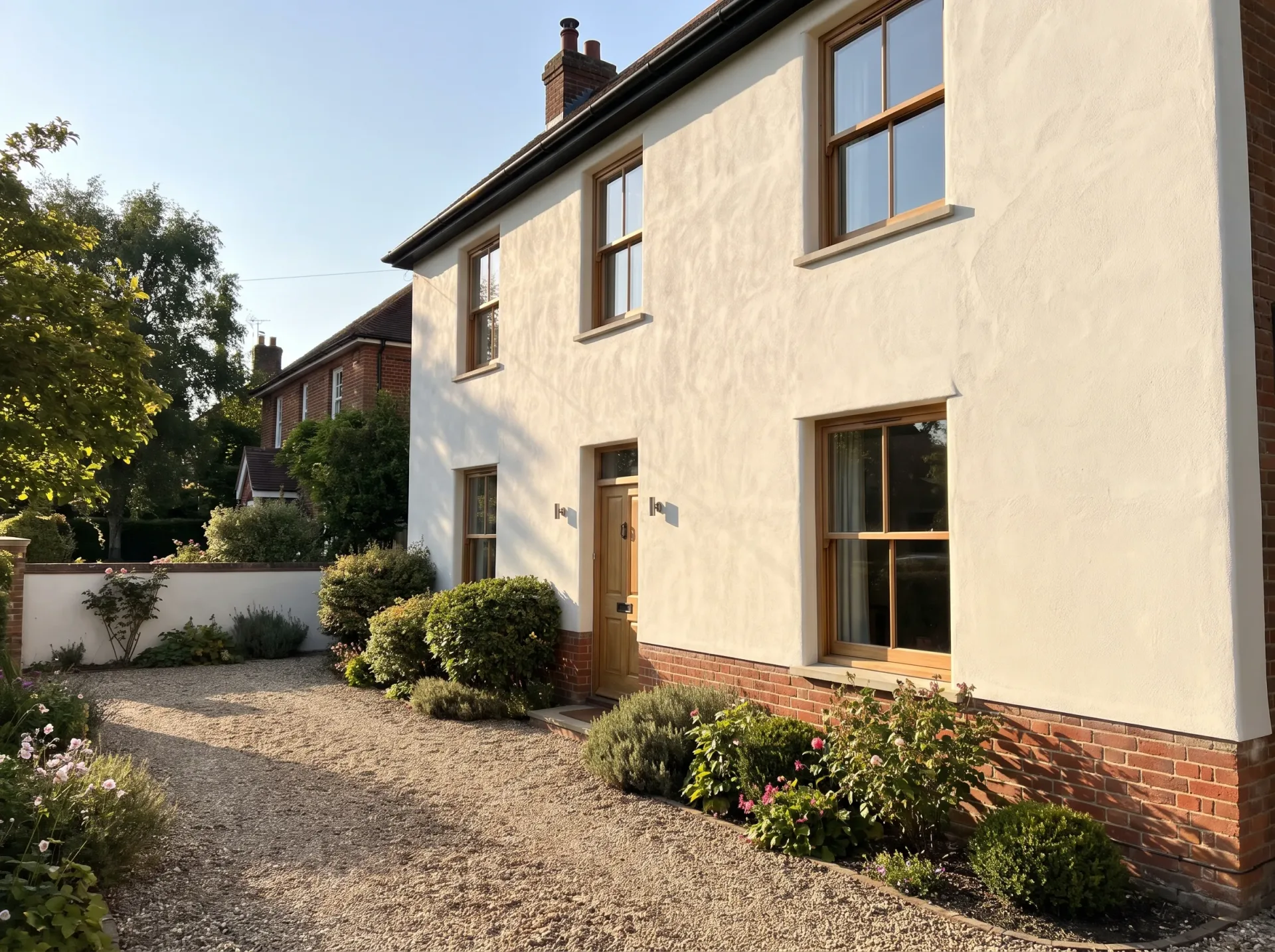
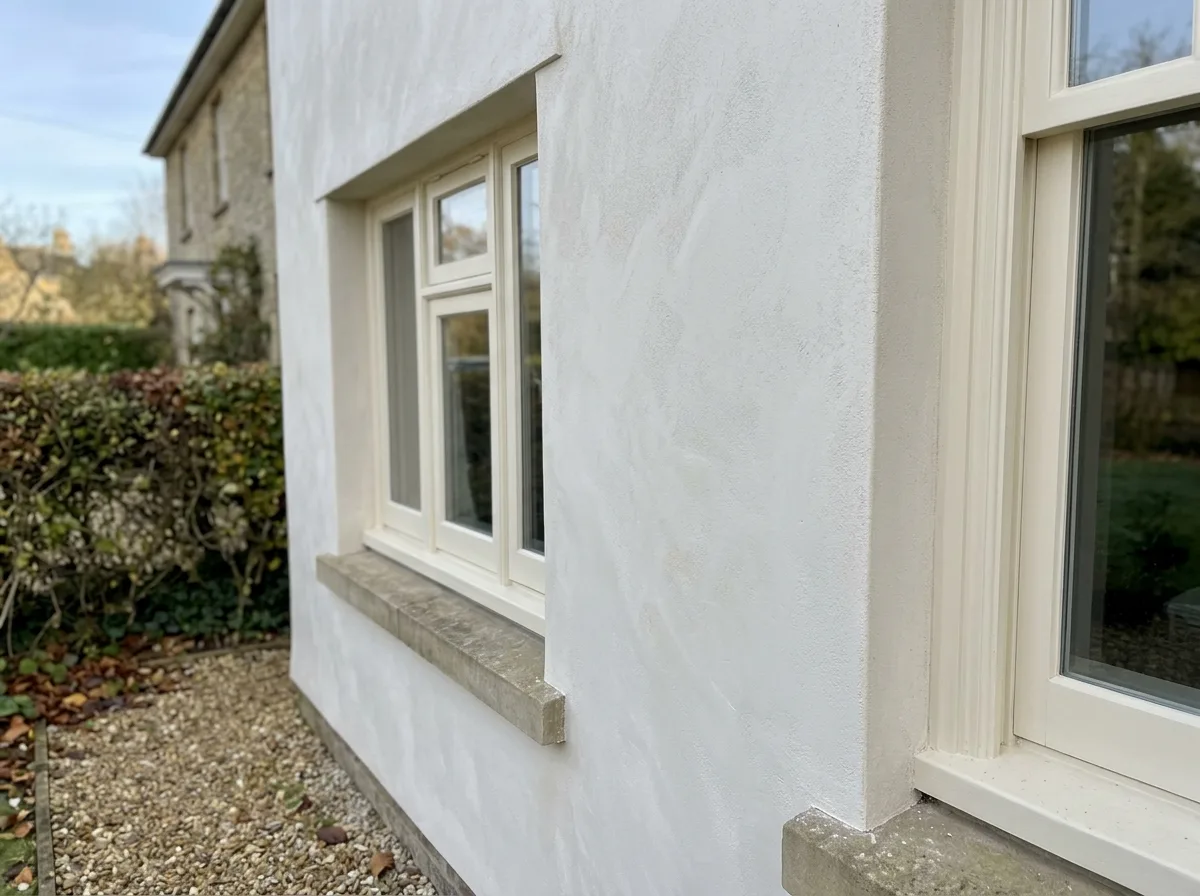
The process begins with a thorough inspection and cleaning of the wall to ensure it’s solid and free from loose materials. Lime render needs a stable, breathable substrate, particularly on older walls. In our work in Cambridge, we take care to prepare the surface correctly, which is crucial for the lime render to adhere properly and perform its moisture-regulating function over time.
Lime render is applied in multiple coats, usually starting with a scratch coat to key the surface, followed by finishing layers that are carefully leveled and allowed to cure naturally. Our skilled plasterers in Cambridge control the thickness and consistency of each coat to avoid cracking and ensure durability. This step-by-step approach guarantees a breathable, flexible finish that protects the wall while letting moisture escape.
Lime render allows moisture to escape from older, solid walls, preventing damp buildup that cement render would trap. This keeps the structure dry and extends its lifespan.
Using lime render helps manage internal wall moisture naturally, reducing the risk of mold and damage. This is essential for maintaining healthy building fabric over time.
Lime render hardens while remaining flexible enough to accommodate slight movements in the wall, minimizing cracks. This means fewer repairs and a longer-lasting finish.
Over time, lime render can reabsorb carbon dioxide and harden further, sealing minor cracks on its own. This property keeps the render intact without frequent maintenance.
Lime render is ideal for older buildings where preserving original materials is important. It respects the wall’s breathability and structural integrity without causing harm.
Our skilled plasterers ensure lime render is applied in the right thickness and layers, securing its performance. Proper workmanship is key to achieving the full benefits of lime render.
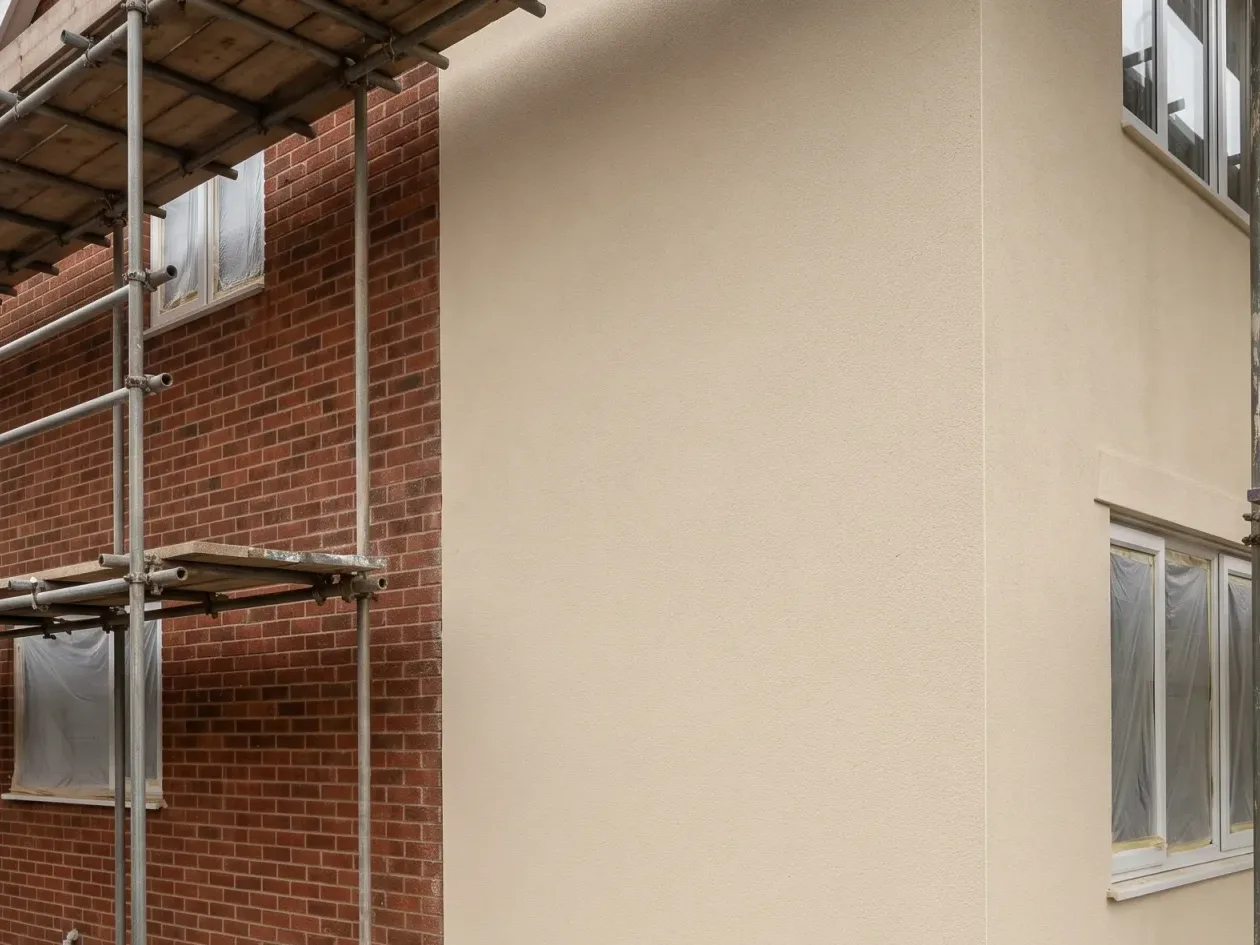
Frost ruins fresh mortar binders completely. When overnight temperatures drop near freezing, damp coats cannot carbonise properly, which means work pauses until milder mornings return. We hang heavy hessian sheets over the timber battens to keep the drying face shielded against raw east winds.
Rapid drying is equally dangerous. If a hot midday sun bakes raw masonry before it binds, shrinkage cracks appear across the surface. Choosing lime render in Cambridge during dry summer months means we spray down the elevations with fine water mists twice daily, keeping damp hessian draped until the background cures.
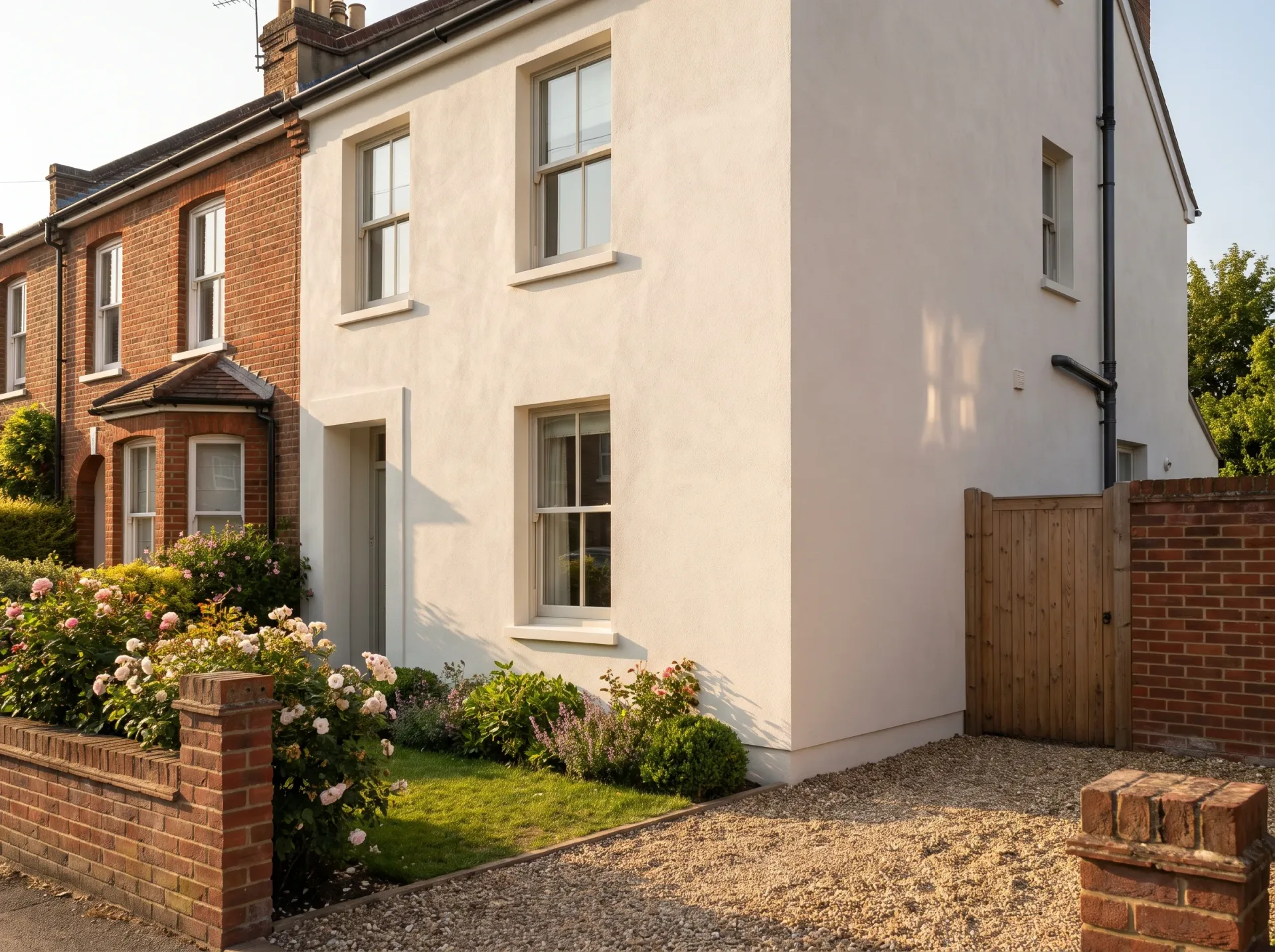
We start by inspecting the wall to confirm it’s suitable for lime render, especially in older, solid structures where breathability is key. Accurate measurements ensure we prepare the right amount of lime render for the job.
Our team cleans and stabilizes the substrate, removing loose materials and ensuring the wall is ready to accept the lime render. This step is crucial to prevent moisture trapping and to maintain the breathable quality of the lime render.
We apply the first layer of lime render with precision, creating a solid base that adheres well and allows moisture to escape. This coat is carefully leveled and left to cure naturally to build strength and flexibility.
Once the scratch coat has set, we apply the finishing coat of lime render, smoothing it to a consistent, breathable surface. This final layer protects the wall while maintaining the moisture regulation properties essential for older buildings.
After the lime render has fully cured, we conduct a thorough inspection to ensure even coverage and durability. We then clean the site, leaving the property ready with a quality lime render finish that supports long-term wall health.
Old bracket fixings must come down before trowels touch the stone. If an overflowing cast iron hopper leaks water behind soft coats while they set, washouts happen fast. Working with lime render in Cambridge requires leaving clearance around gutter brackets, ensuring rainwater stays well clear of wet mortar bands.
Lead flashings demand careful attention. When mortar meets oak window sills without an expansion gap, seasonal timber movement pushes into the lime edge and breaks the neat line. We tuck protective tape over painted timber frames, trimming each edge cleanly along the timber join.
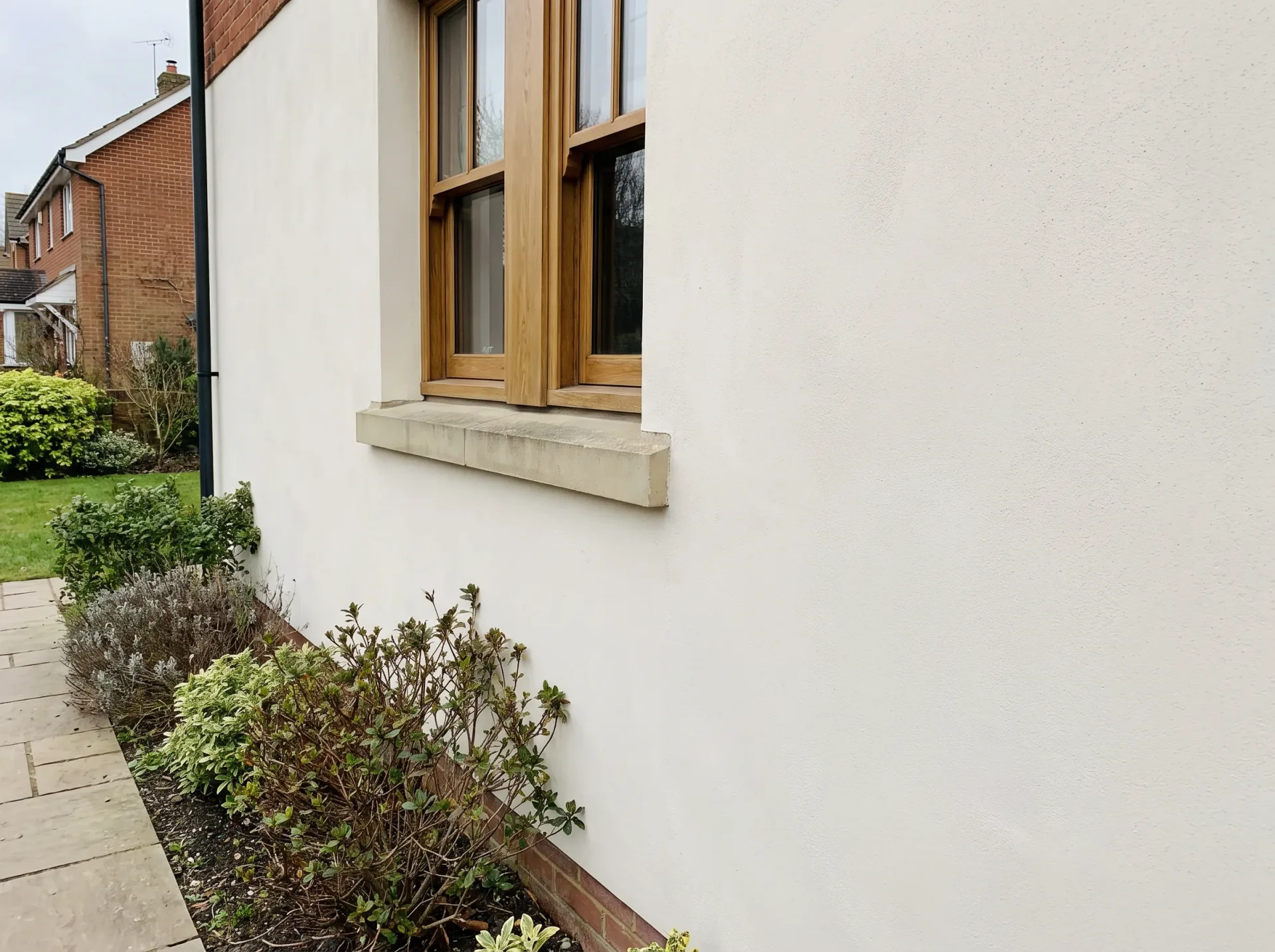
Never coat this wall with synthetic plastic paint. A thick acrylic sealant traps evaporation instantly, forcing damp sideways into the core until the decorative crust blisters. Instead, traditional silicate washes or pure limewash allow vapor exchange across the façade. We see this issue often when homeowners apply leftover shed paint to fresh external patches.
Trailing ivy roots bite into porous lime coats. While minor moss near paving flags does little harm, thick woody creepers pry into hairline joints, widening gaps until heavy winter downpours wash away the fine aggregate matrix underneath. Pruning climbing stems away from the wall plinth keeps your lime render in Cambridge sound for decades.
Accidental knocks will happen around driveways. A metal dustbin clipped against an external corner might leave a visible gouge. Small scrapes are easily filled by wetting the area and pressing in matching aggregate mix. The patch blends into the surrounding texture naturally without replastering entire elevations.
We bring over 20 years of hands-on experience to every lime render project in Cambridge. Our team understands the importance of applying lime render correctly on older, solid walls to maintain breathability and prevent moisture buildup. We prepare the surface thoroughly and apply the lime render in precise layers, ensuring it cures naturally and performs as intended.
Focusing on delivering a lime render finish that endures, we work closely with builders and individual clients, following clear steps from measurement to final settlement. Our service prioritizes solid workmanship and practical approaches tailored to each property's needs, resulting in a durable, breathable surface that enhances the building’s health.
Serving Cambridge and the surrounding region, we offer expert lime render services. Reach out for a free estimate over the phone or schedule a visit to your site.
approx. 40 milesDistance from our base · Cheshunt
Call us07465266721Email uscontact@topplastering.ukWe serve your areaCambridge and the surroundings
The Google map loads after you accept marketing cookies.


Maksymilian Mazur
Very satisfied with the service! Excellent communication, clean workmanship, and everything completed professionally. Highly recommended!
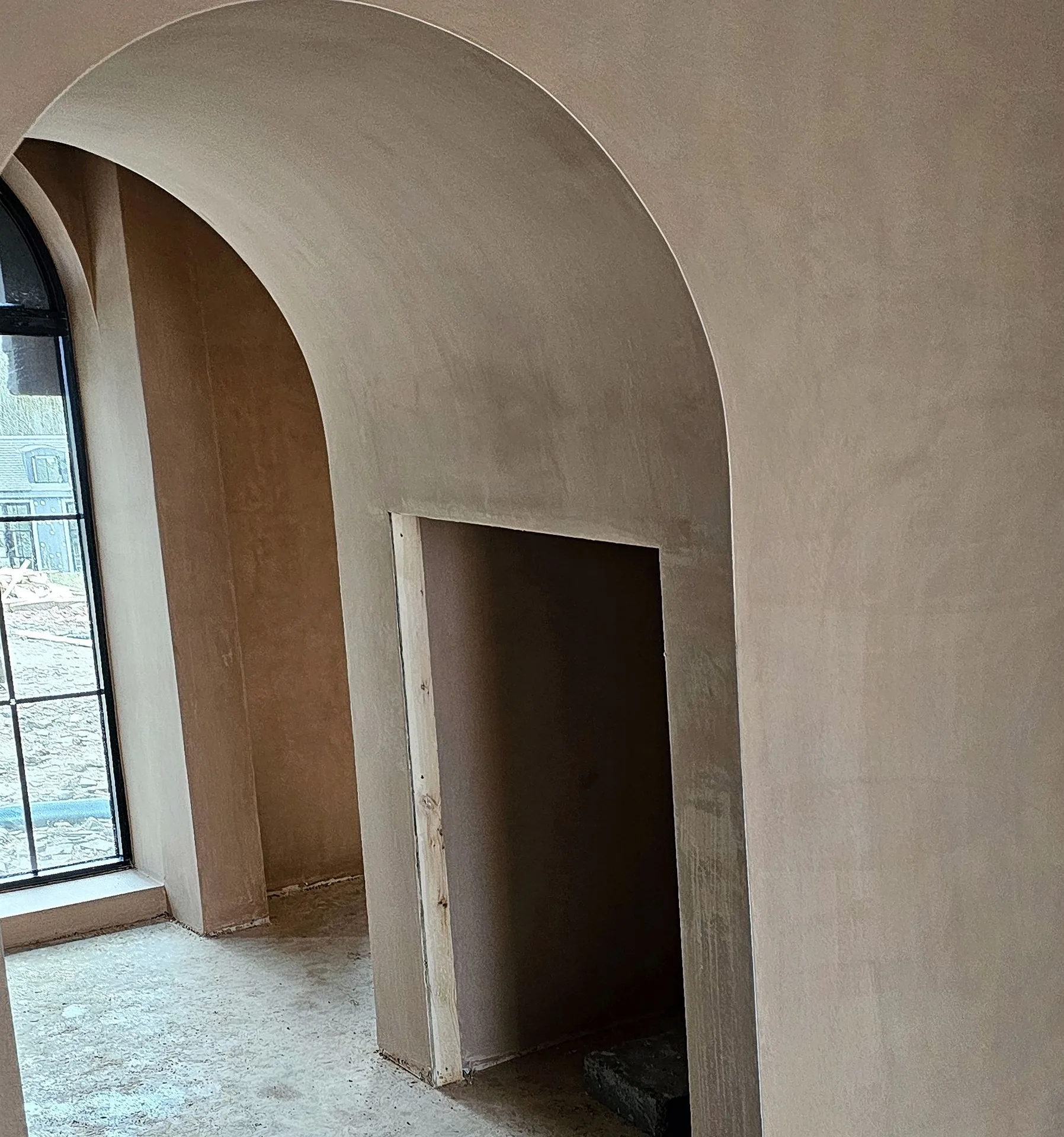
Tired walls and ceilings get a second life with skimming, giving you a flawless, durable finish every time.
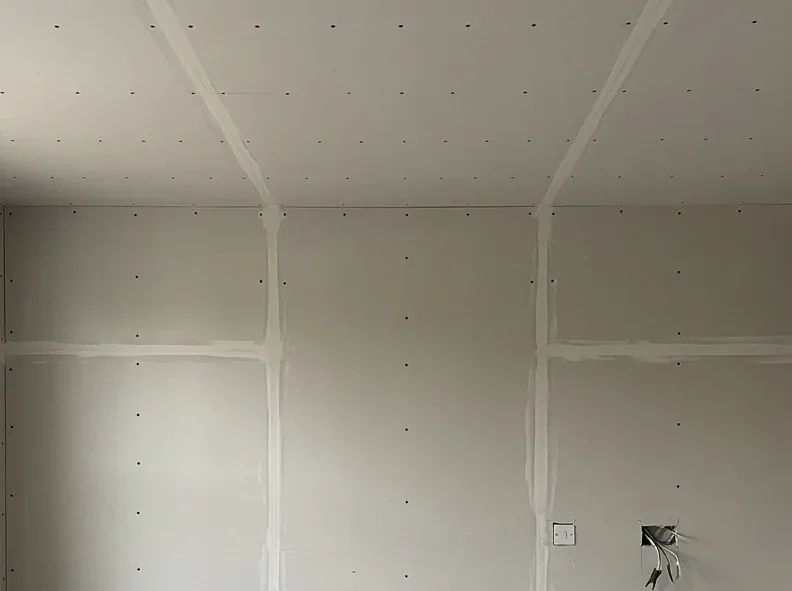
Experience matters-Topplastering handles plasterboarding for walls and ceilings so you get a truly solid finish.
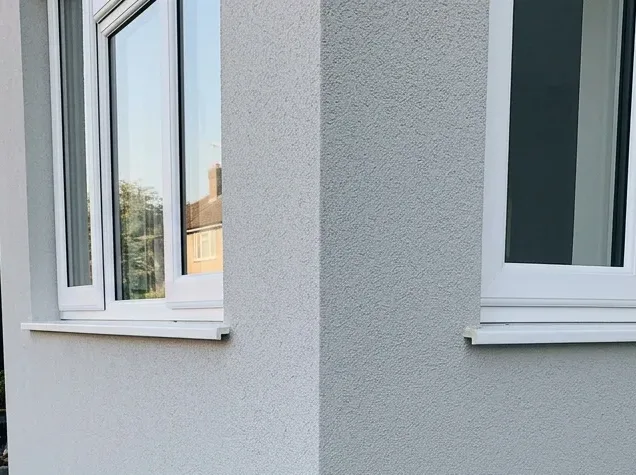
Rendering covers exterior and interior walls with a solid, even coat, protecting surfaces from weather and everyday wear.
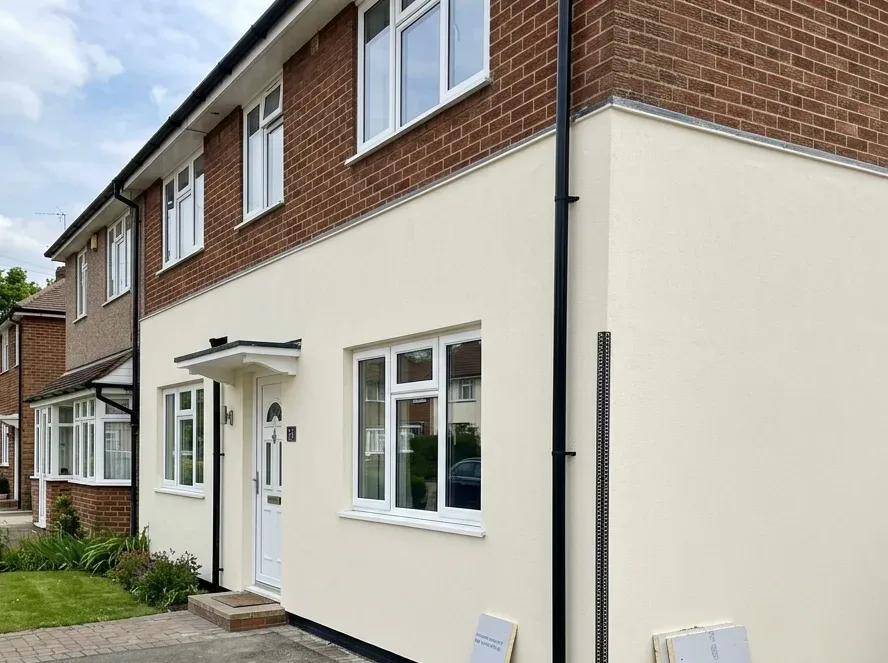
Upgrade your property with external wall insulation from Topplastering-cutting heating costs and improving your building’s appearance permanently.
Craftsmanship you can see
Every plastering project we complete leaves walls smooth, durable, and ready for whatever comes next.
Clear plant pots, timber piles and garden furniture at least two paces away from the walls. Scaffolding standards need firm ground, and our trowels need uninterrupted walking space along the footings.
Hydraulic lime sets faster through chemical reaction with water, making it dependable for damp or exposed outer walls. Non-hydraulic putty cures slowly through air contact alone, requiring extended shielding from wind.
Heavy downpours wash unbound binder right off brickwork. When storms roll across Cambridge, we halt application immediately and fix tarpaulins over the lifts until the brick substrate dries out naturally.
Applying modern masonry paint over the finish is the biggest error. Thick modern paint films trap moisture inside the underlying stone, causing the outer face to blow off after winter freezes.