

Dry lining speeds up the finishing process by removing the wet plaster drying period. This means your project in Woking progresses without unnecessary delays.





Experience counts when it comes to dry lining, and we deliver solid, efficient results tailored to Woking every time.
Get a free quote
 Quick, no-obligation quote!
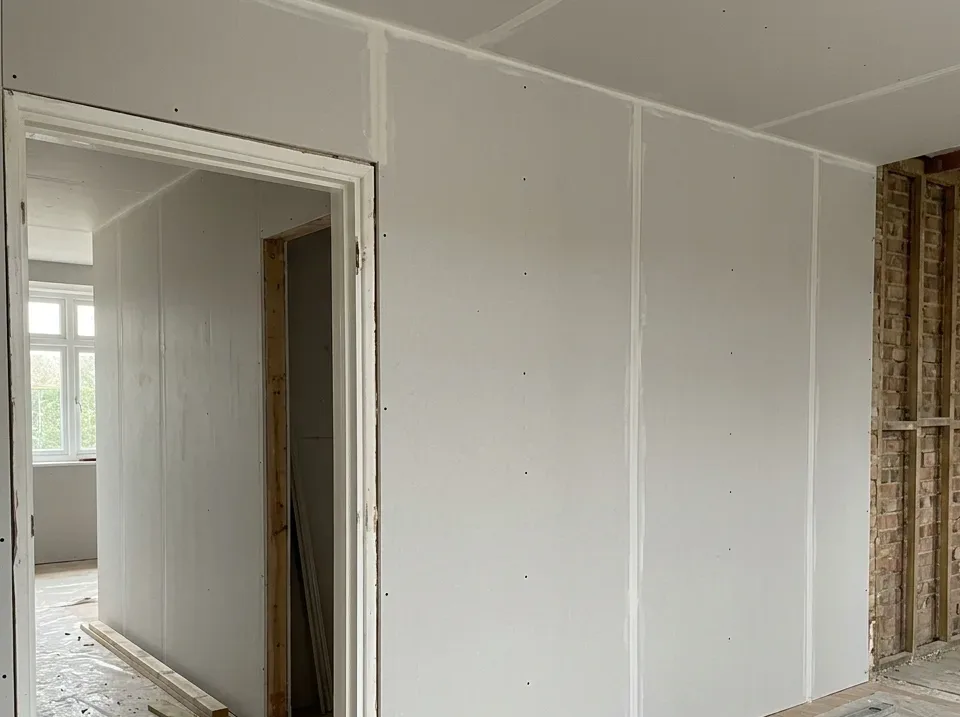
Dry lining works well for new constructions and extensions in Woking, where speed and precision are crucial. It allows for the rapid installation of interior walls and ceilings without the wait for plaster to dry. We execute dry lining with exact measurements and robust frameworks, ensuring a clean and lasting finish that aligns with your project's timeline and quality requirements.
Updating existing spaces in Woking? Dry lining provides a practical method to achieve smooth, even surfaces over old or uneven walls. It reduces mess and disruption compared to traditional plastering. Our team applies dry lining meticulously, ensuring joints are tape-finished and skimmed for a surface ready to paint that meets refurbishment demands.
Dry lining fits both large-scale builder projects and individual clients wanting dependable, hassle-free interior finishing. Our experience as subcontractors means we facilitate clear communication and respect deadlines. When on-site or at home, dry lining by us offers a practical, long-lasting option crafted to meet your specific needs.
Clear the floor completely. Move bulky sofas, display cabinets and floor lamps right out into an adjacent room so boards move freely past doorways. When preparing for dry lining in Woking, stacking belongings under dust sheets in the centre creates hazards. Our board lifters need wide turning circles near bare brick walls.
Chipped mortar requires attention first. Stripping wallpaper down to the masonry exposes crumbling brickwork or old timber plugs, which will loosen your future adhesive dabs if neglected. Plasterboard fixes securely only when the background holds firm. Wire brush all loose pointing, scrape off flaky paint, and sweep dust away from skirting lines.
Dry lining speeds up the finishing process by removing the wet plaster drying period. This means your project in Woking progresses without unnecessary delays.
With dry lining, plasterboard is accurately fixed, and joints are taped or skimmed to create smooth walls and ceilings. The outcome is a neat, ready-to-paint surface every time.
Unlike traditional plastering, dry lining minimizes moisture-related problems. It's especially helpful for refurbishment work in your home, where controlling dampness is vital.
Dry lining is effective for new builds, extensions, and renovations. It adapts seamlessly to various project requirements and structural conditions.
When paired with insulation materials, dry lining amplifies thermal and acoustic performance, enhancing comfort and efficiency in the finished space.
Dry lining results in less mess and shorter drying times on site. This keeps your workspace cleaner and promotes a steady workflow.
In our process, dry lining begins with detailed site surveys and careful measurements. This ensures every panel fits perfectly, avoiding extra costs later.
With over 20 years in the industry, we assure dry lining work completed promptly and to your specifications. We keep you updated throughout each stage.
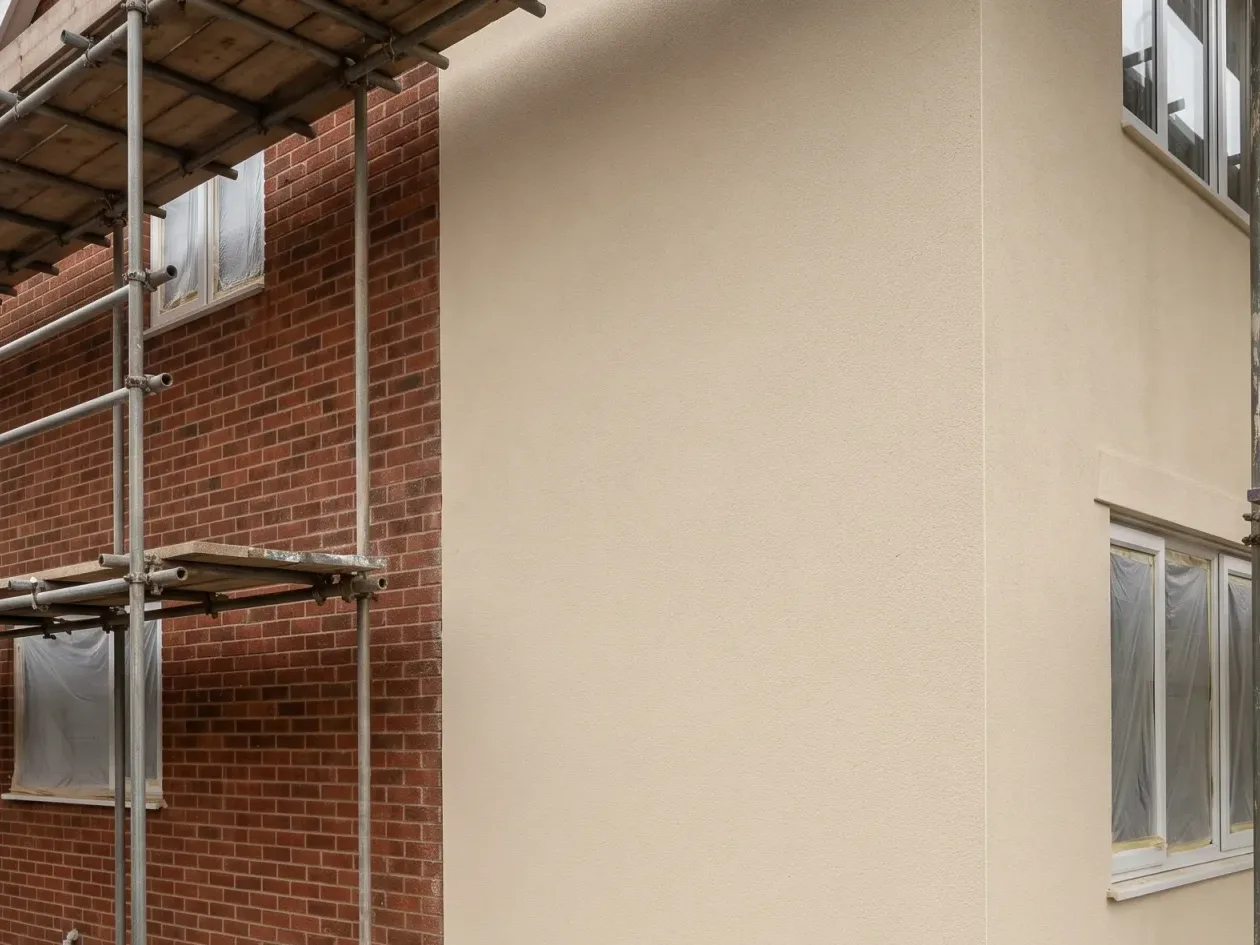
Dry lining cuts out the wait associated with traditional wet plaster drying times. By attaching plasterboard directly onto frameworks, we reduce project delays, letting builders advance to the next stage sooner. This method minimizes downtime on-site without sacrificing finish quality, making it perfect for new builds and refurbishments in Woking.
Using dry lining helps eliminate moisture issues that often come with wet plaster applications. Our approach ensures your walls and ceilings stay dry and stable, lowering the risk of cracks or mold. The plasterboard system also allows for easier insulation integration, enhancing the overall durability and comfort of your space.
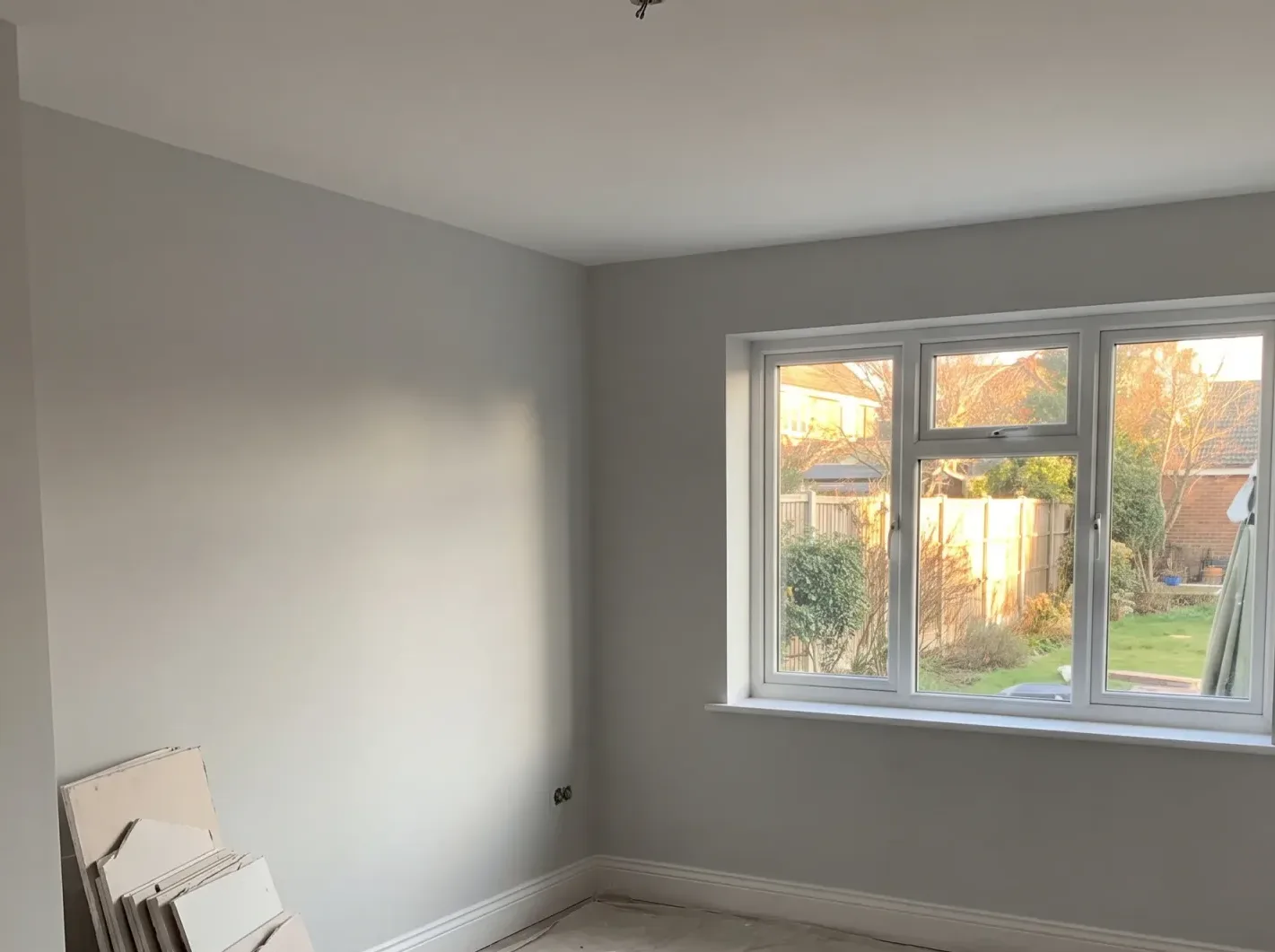
Every dry lining project commences with a thorough site survey and accurate measurements to plan the work correctly, ensuring the plasterboard is installed perfectly.
Next, we construct a sturdy timber or metal framework that serves as the foundation for the dry lining, customized to meet the specific requirements of the walls or ceilings involved.
Once the framework is ready, we carefully attach plasterboard panels, paying close attention to both alignment and stability, to guarantee a seamless surface.
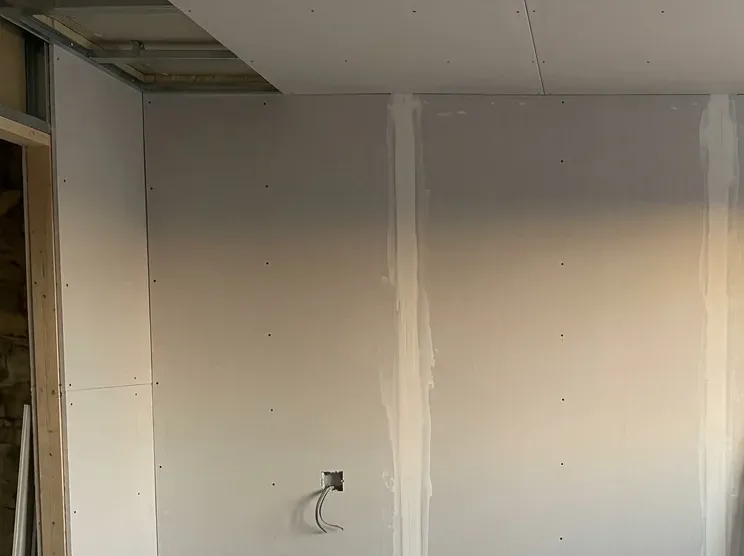
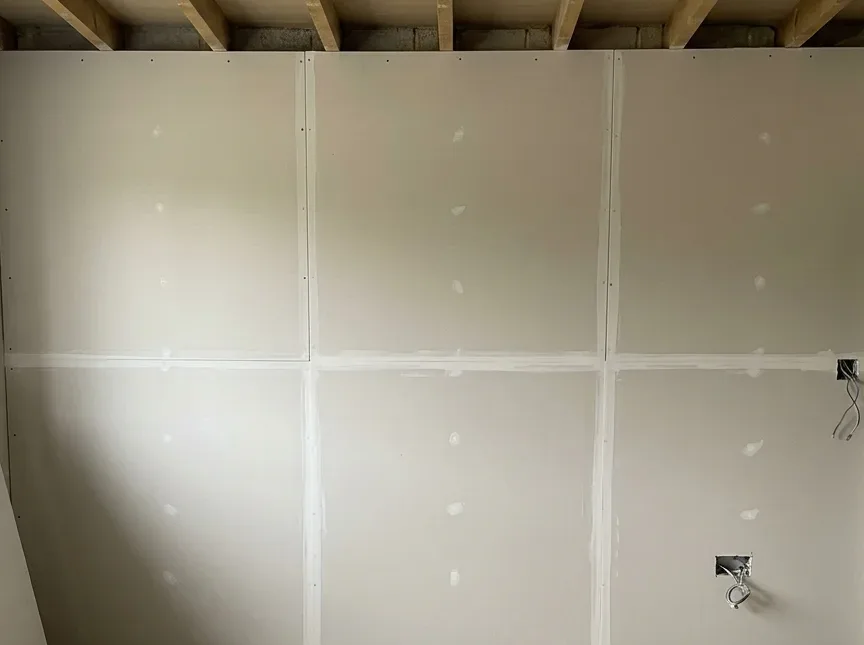
After fixing the boards, we meticulously tape joints and fill screw heads to create a flawless finish that’s ready for painting or further decoration.
We finish the dry lining process with a thorough inspection to confirm both quality and durability, then communicate clearly with the client to ensure satisfaction before completing the job.
Plan socket depths early. Electricians must pull cabling through stud cavities and fit deep metal boxes before boards cover the stud frames, because retrofitting flush mounts through fresh sheets damages core paper. During dry lining in Woking, we notch neatly around conduits, avoiding pinched wiring behind dry walling panels.
Copper tails demand exact holes. Cutting generous openings around radiator flow pipes prevents metal rubbing against gypsum cores, which stops annoying creaks when central heating cycles run during winter. A tidy collar covers the gap later.
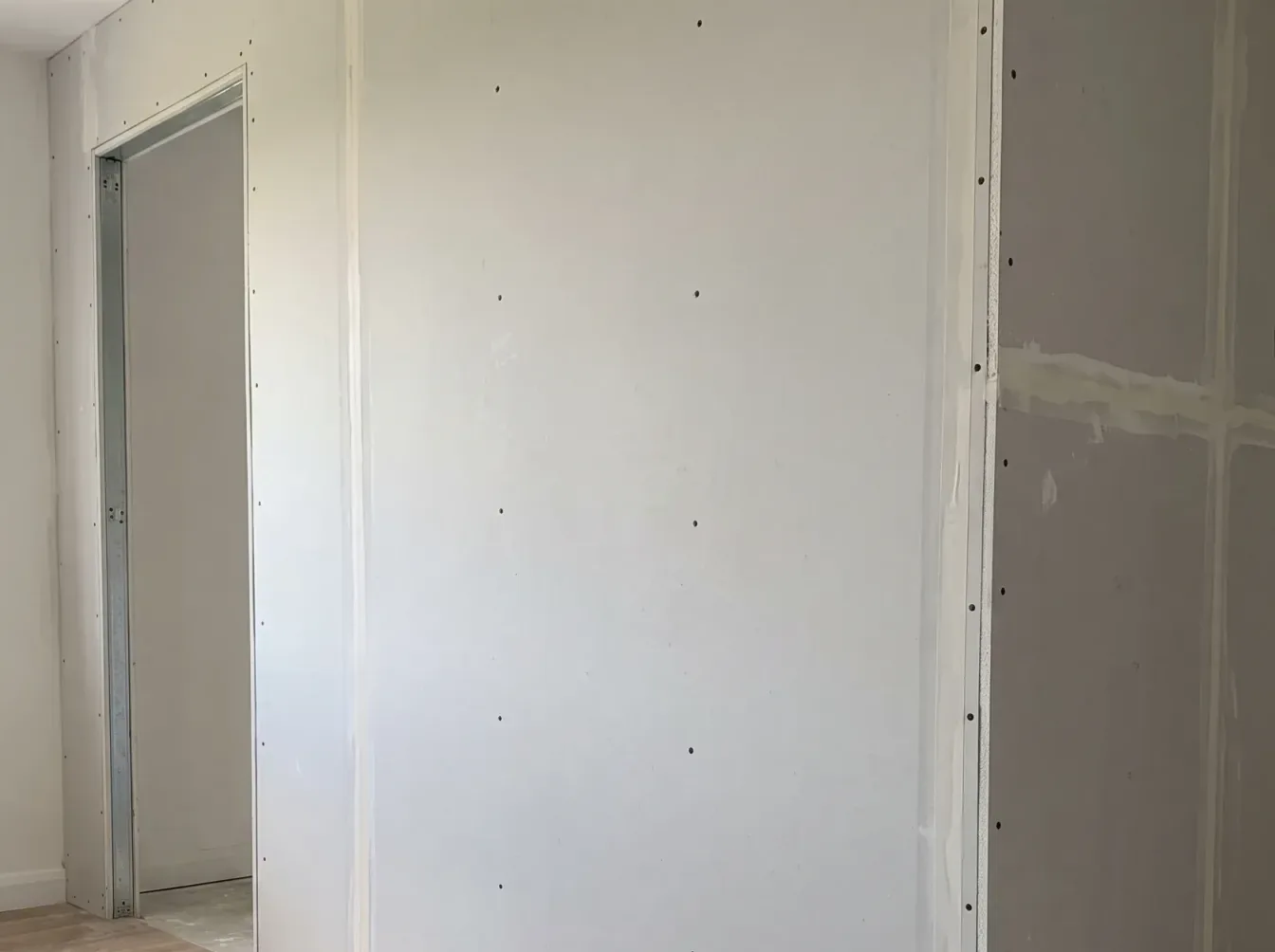
Winter air slows joint drying. Opening windows slightly brings gentle air movement across cold corners, preventing powdery edges on taped seams. When carrying out dry lining in Woking, unheated conservatories demand slow drying rather than blasting fan heaters directly against raw plasterboard surfaces.
Extreme warmth sets joint compound too rapidly. Fast water evaporation robs jointing cement of its bond strength, which leads to hairline fractures along tapered sheet edges. We mist parched brickwork slightly before dotting adhesive on baked chimney breasts.
Damp blocks need breathing space. Trapping rainwater inside wet masonry behind vapor barriers causes hidden mold issues under boards later. Always let drenched external brick dry thoroughly after storms before enclosing wall cavities.
With more than 20 years in the trade, we approach dry lining emphasizing precision and durability. Each project starts with thorough measurements to ensure that the plasterboard fits correctly. Dry lining is executed using a solid framework, with joints expertly taped and filled to deliver a smooth surface ready for decoration. This hands-on expertise means the finish is reliable and built to endure, whether it’s for a new build or renovation.
We keep the dry lining process in Woking straightforward and transparent from start to finish. Close collaboration with builders and individual clients ensures clear communication throughout each stage-from the initial survey and free quote to the final sign-off. This methodical approach reduces on-site delays and ensures the dry lining fulfills each project's specific needs without any unexpected issues.
We are proud to work in Woking and the surrounding area, ready to assist you quickly by phone or in person. Get in touch for a free estimate or to discuss your project needs, be it large or small.
approx. 40 milesDistance from our base · Cheshunt
Call us07465266721Email uscontact@topplastering.ukWe serve your areaWoking and the surroundings
The Google map loads after you accept marketing cookies.


Maksymilian Mazur
Very satisfied with the service! Excellent communication, clean workmanship, and everything completed professionally. Highly recommended!
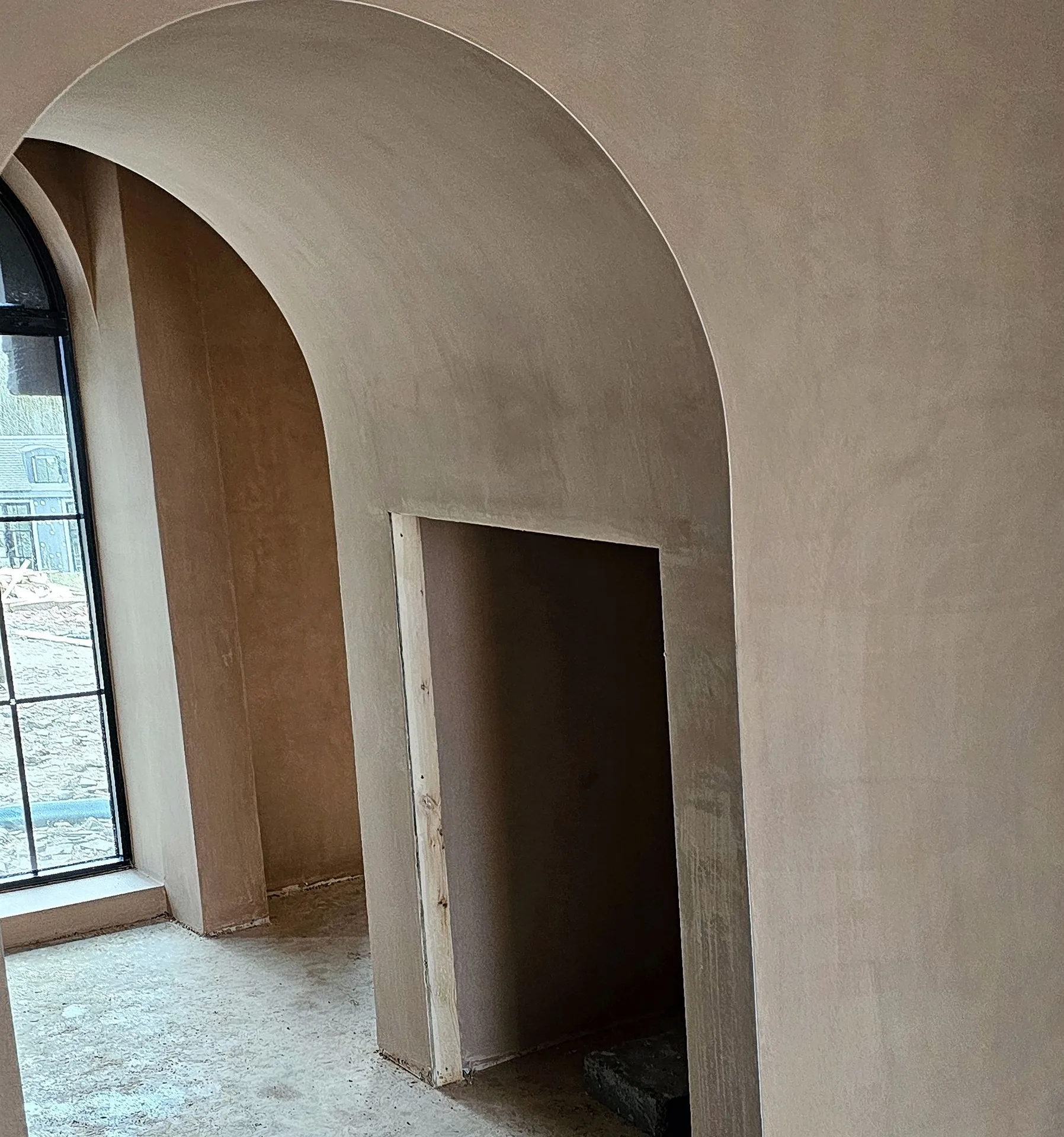
Tired walls and ceilings get a second life with skimming, giving you a flawless, durable finish every time.
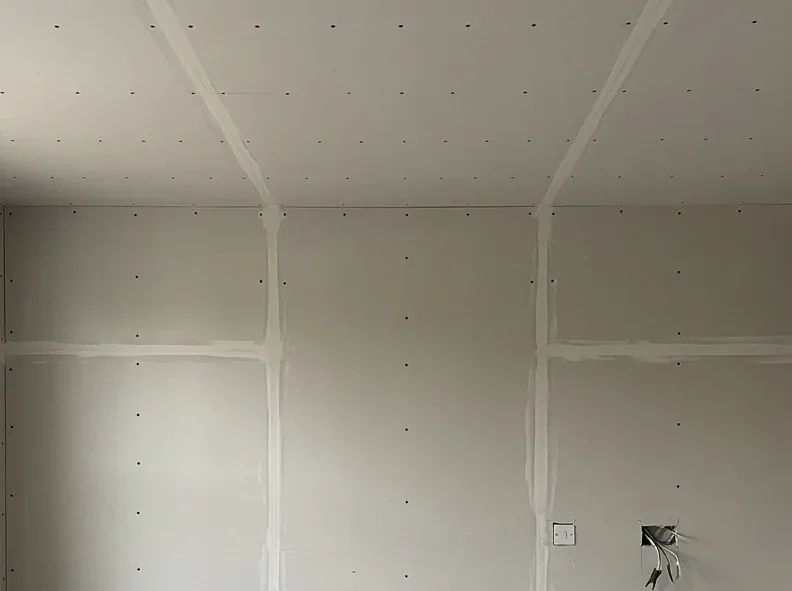
Experience matters-Topplastering handles plasterboarding for walls and ceilings so you get a truly solid finish.
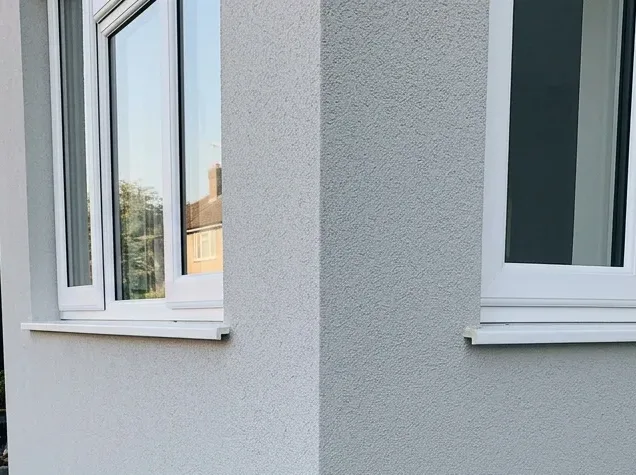
Rendering covers exterior and interior walls with a solid, even coat, protecting surfaces from weather and everyday wear.
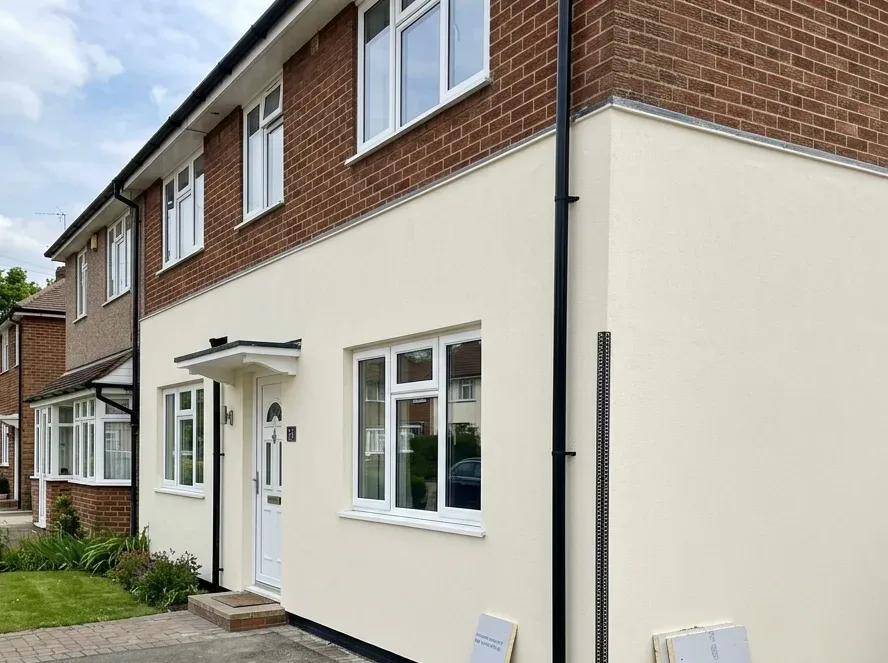
Upgrade your property with external wall insulation from Topplastering-cutting heating costs and improving your building’s appearance permanently.
Craftsmanship you can see
Every plastering project we complete leaves walls smooth, durable, and ready for whatever comes next.
Standard wallboards rot under shower spray, so bathrooms require moisture-resistant boards with treated green face paper. Heavy acoustic boards fit media rooms instead, because dense gypsum dampens sound vibration.
Skimping on timber noggins inside stud partitions causes loose, springy walls. When home owners in Woking hang heavy kitchen units later, screws tear straight through unsupported board spans.
Yes, completely. Dot and dab adhesive grabs loose lining paper instead of solid masonry underneath, causing entire board sections to pull away from walls over time.
No. The scope ends once jointing compound is sanded flat or wet plaster skim hardens. Mist coats, priming coats, and top emulsion belong to separate decorator contracts.