


Dry lining accelerates the finishing process by removing the need for wet plaster drying. Your project can progress smoothly without unnecessary delays.





Experience counts when it comes to dry lining, and we deliver solid, efficient results every time in St Albans. Our team is here to ensure that your interior spaces are finished to the highest standard, providing a reliable solution for your building needs.
Get a free quote
 Quick, no-obligation quote!
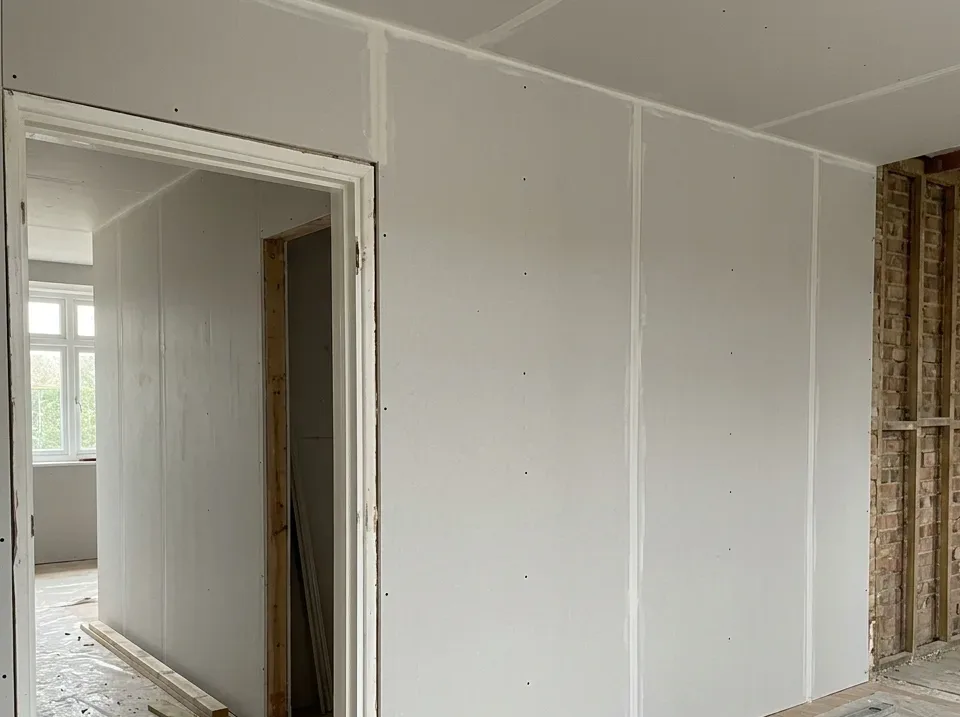
Dry lining works exceptionally well for new construction and extension projects where speed and precision matter. It allows for the efficient installation of interior walls and ceilings without the downtime associated with plaster drying. We carry out dry lining with precise measurements and strong frameworks, guaranteeing a clean and durable finish that aligns with the build’s timeline and quality expectations in St Albans.
For updating existing spaces, dry lining offers a practical means to create smooth, even surfaces over old walls or uneven structures. It reduces mess and disruption compared to traditional plastering methods. We apply dry lining with meticulous care, making sure joints are properly taped and skimmed, resulting in a ready-to-paint surface that fulfills the demands of refurbishment work in St Albans.
Dry lining caters to both large-scale builder projects and private clients wanting reliable, hassle-free interior finishes. Our experience as a subcontractor guarantees clear communication and strict adherence to deadlines. Whether we are working on-site or in your home, dry lining by us delivers practical, lasting results tailored to meet specific client needs in the St Albans area.
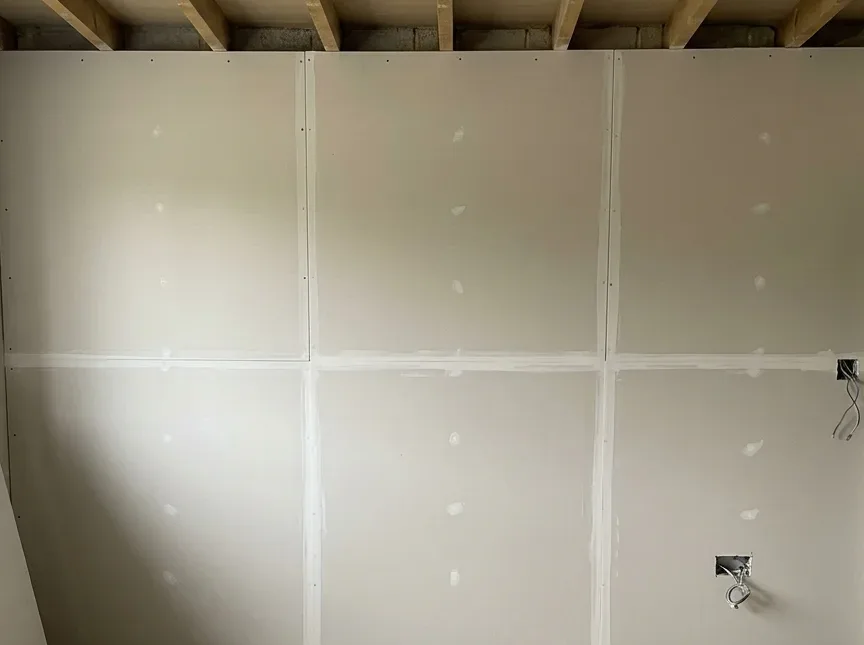
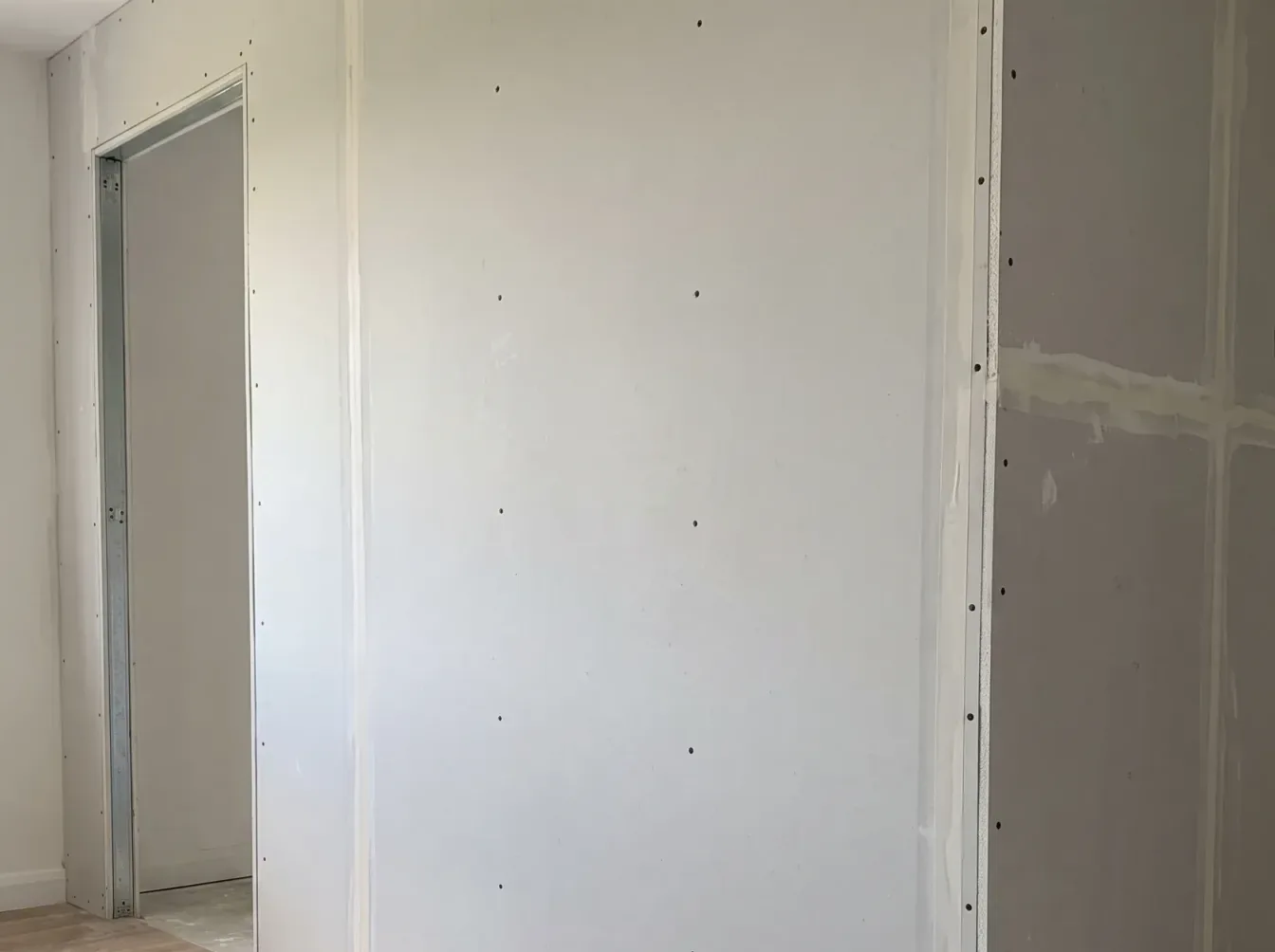
Rooms must be emptied first. When fitting dry lining in St Albans, we often find old radiator brackets or loose floorboards that snag our stepladders during early setup. Stack your furniture in another room rather than shifting items back and forth between bare brick walls while trades carry gypsum sheets through narrow domestic doorways.
Walls need steady backing. If old masonry sheds loose powder whenever a worker taps it with a hammer, no adhesive dab will stick properly to that surface. We look at damp patches near external sills, peeling paint films, or crumbling lime pointing before setting metal tracks or raw timber uprights against cold exterior brickwork.
Dry lining accelerates the finishing process by removing the need for wet plaster drying. Your project can progress smoothly without unnecessary delays.
With dry lining, we fix plasterboard precisely and tape or skim the joints to create smooth walls and ceilings. This results in a neat, ready-to-paint surface consistently.
In contrast to traditional plastering, dry lining minimizes moisture-related issues. This is particularly advantageous in refurbishment work, where managing dampness is crucial.
Dry lining proves effective in new builds, extensions, and renovations. It adapts efficiently to a range of project requirements and structural conditions.
When used alongside insulation materials, dry lining enhances both thermal and acoustic performance, adding to the comfort and efficiency of the finished space.
Dry lining generates less mess and requires minimal drying time on site. This keeps the workspace cleaner and supports a consistent workflow.
Our dry lining processes start with accurate site surveys and measurements. This ensures that every panel fits perfectly, preventing costly adjustments down the line.
With more than 20 years of experience, we ensure that dry lining work is completed on schedule and to specification. Our clear communication keeps you informed throughout the entire process.
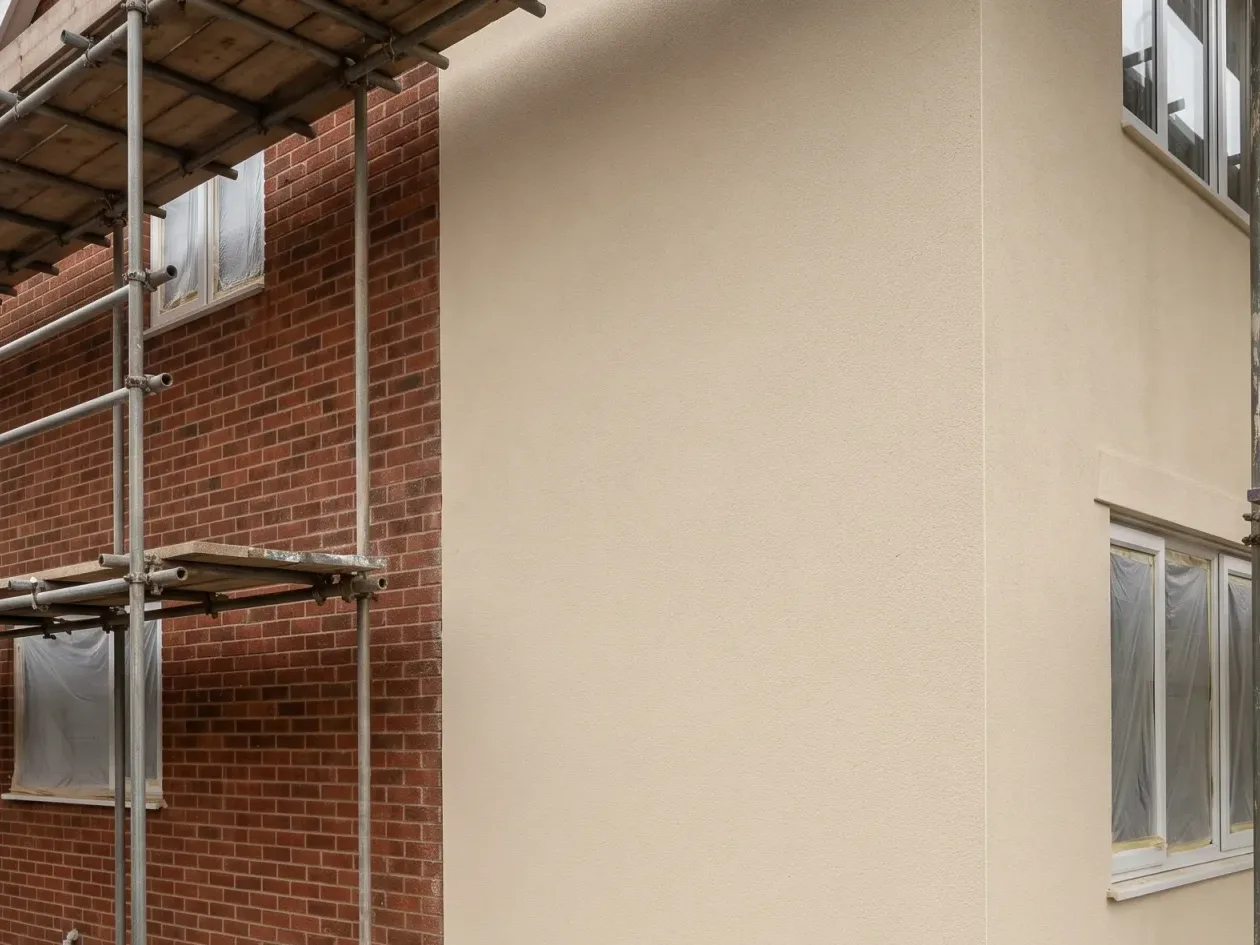
First fix trades go first. Cables for wall lighting and kitchen cooker points must sit securely in place before our crews lift heavy plasterboard sheets against the studs. Once we screw the boards tight, pulling a forgotten shower feed through the cavity creates delays, mess, and unnecessary patch repairs.
Flush back boxes matter. Dry lining in St Albans requires exact cutouts so your metal enclosures do not rattle loose behind switch plates later on. Electricians mark heights clearly on studs so we carve tight openings without chewing delicate edges around twin socket positions.
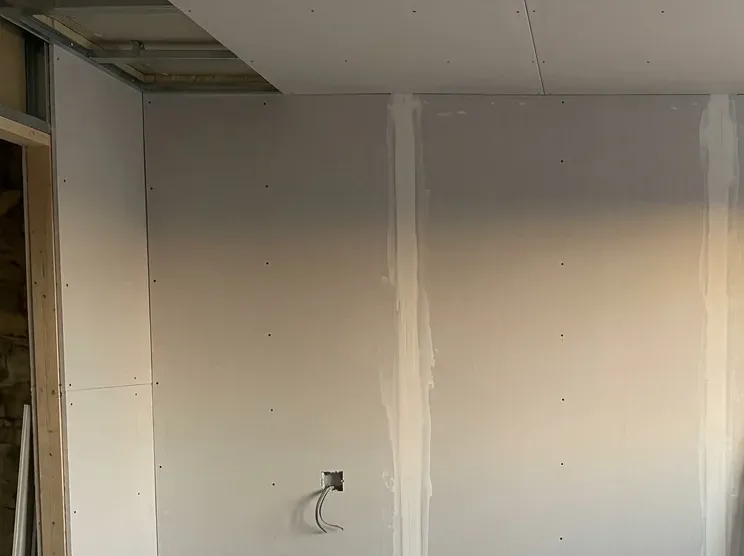
We begin every dry lining project with a thorough site survey and precise measurements to plan the work accurately and ensure proper fitting for plasterboard installation.
Next, we construct a solid timber or metal framework that forms the basis for the dry lining, tailored to the specific requirements of the walls or ceilings involved.
Once the framework is prepared, we meticulously fix plasterboard panels in place, focusing on alignment and stability to ensure a smooth surface.
After fixing the boards, we tape joints and fill screw heads carefully, achieving a seamless finish that is ready for painting or further decoration.
We conclude the dry lining process with a detailed inspection to verify quality and durability, then maintain clear communication with the client to ensure satisfaction before concluding the project.
Dry lining in St Albans gives flat walls, but plain wall plugs cannot take huge oak cabinets. Use spring toggles or screw directly into the timber uprights hidden behind the grey paper face. If you mount a boiler without finding the framework, you risk pulling out a chunk of board. Tap along the wall with knuckles until hollow tones vanish.
Accidents happen during furniture moves. A corner sofa foot can gouge the skimmed face, leaving pale chalky dust on your hallway skirting. Small dents fill easily with jointing compound pressed in with a wide filling knife, followed by light sanding once the compound turns chalk white.
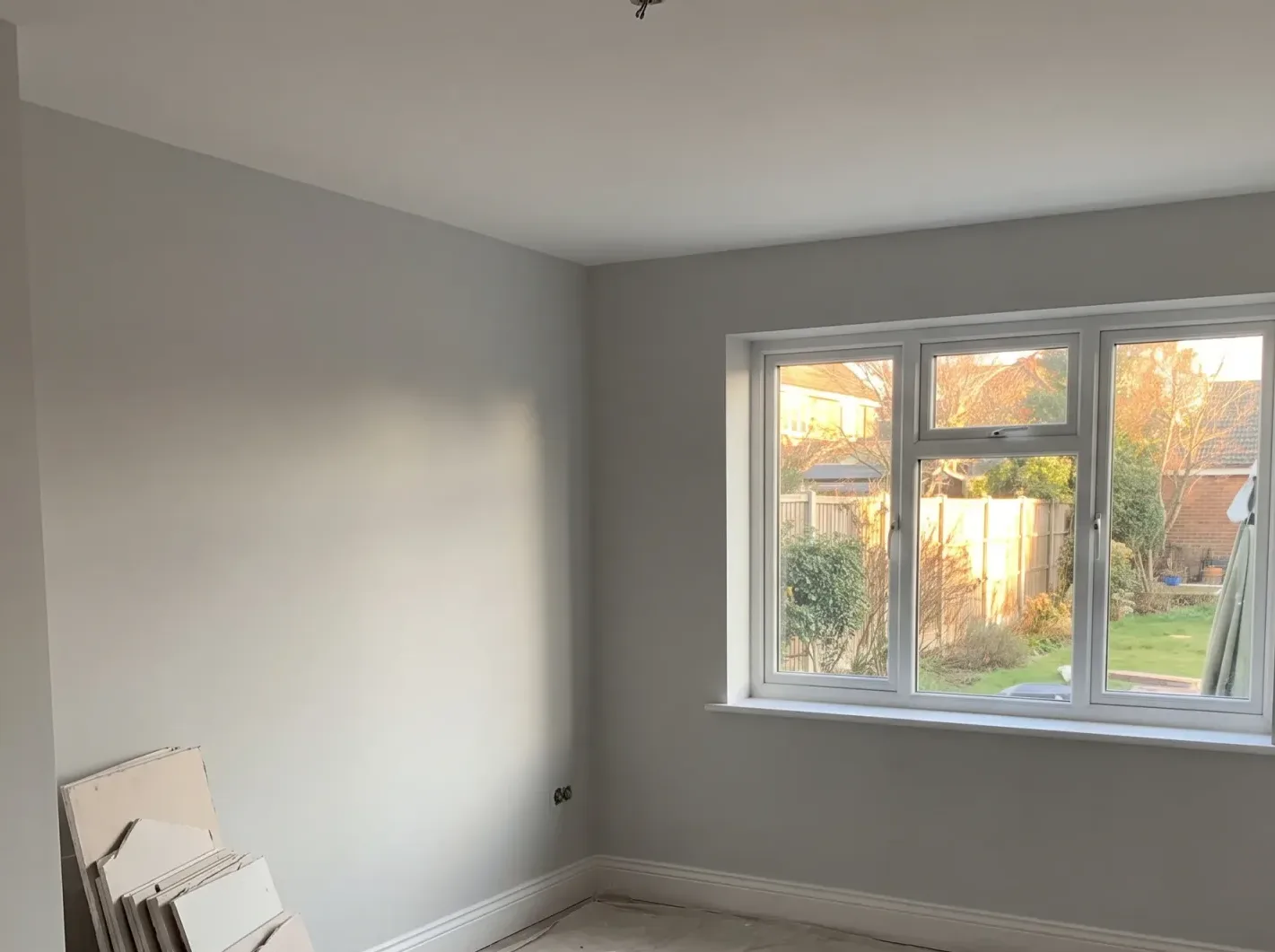
We bring over 20 years of practical experience in dry lining. Our handling of walls and ceilings with plasterboard guarantees precise fixing on a solid framework. Our work remains consistent across new builds, extensions, and refurbishments, delivering surfaces that are ready for the next phase without delays.
Every dry lining project begins with careful measurements to assure a perfect fit. We tape and joint every seam thoroughly or skim the surface as required to achieve smooth, durable finishes. This detailed approach prevents common issues such as cracking or uneven surfaces, demonstrating our dedication to dependable workmanship.
Primarily working as a subcontractor for builders, we recognize the significance of timelines and effective communication. Our dry lining service is designed and executed to align with project schedules without sacrificing quality. Clients rely on us to deliver practical, long-lasting results that satisfy each site's specific requirements.
With more than 20 years in this trade, our approach to dry lining emphasizes precision and durability. Each project initiates with thorough measurements to ensure perfect plasterboard fitting. We conduct dry lining using solid frameworks and tape and fill joints to create a smooth surface prepared for decoration. Our hands-on experience guarantees reliable finishes built to endure, regardless of whether it's a new build or refurbishment.
We keep the dry lining process straightforward and transparent from start to finish. Collaborating closely with builders and individual clients, we uphold clear communication at every phase-from the initial survey and free quote to the final sign-off. This systematic approach minimizes delays on-site and ensures that dry lining meets the unique requirements of each project without unexpected issues.
We operate in St Albans and surrounding areas like Hemel Hempstead. Reach out for a free estimate via phone or online contact, and we can visit your site to discuss your dry lining project in detail.
approx. 15 milesDistance from our base · Cheshunt
Call us07465266721Email uscontact@topplastering.ukWe serve your areaSt Albans and the surroundings
The Google map loads after you accept marketing cookies.


Maksymilian Mazur
Very satisfied with the service! Excellent communication, clean workmanship, and everything completed professionally. Highly recommended!
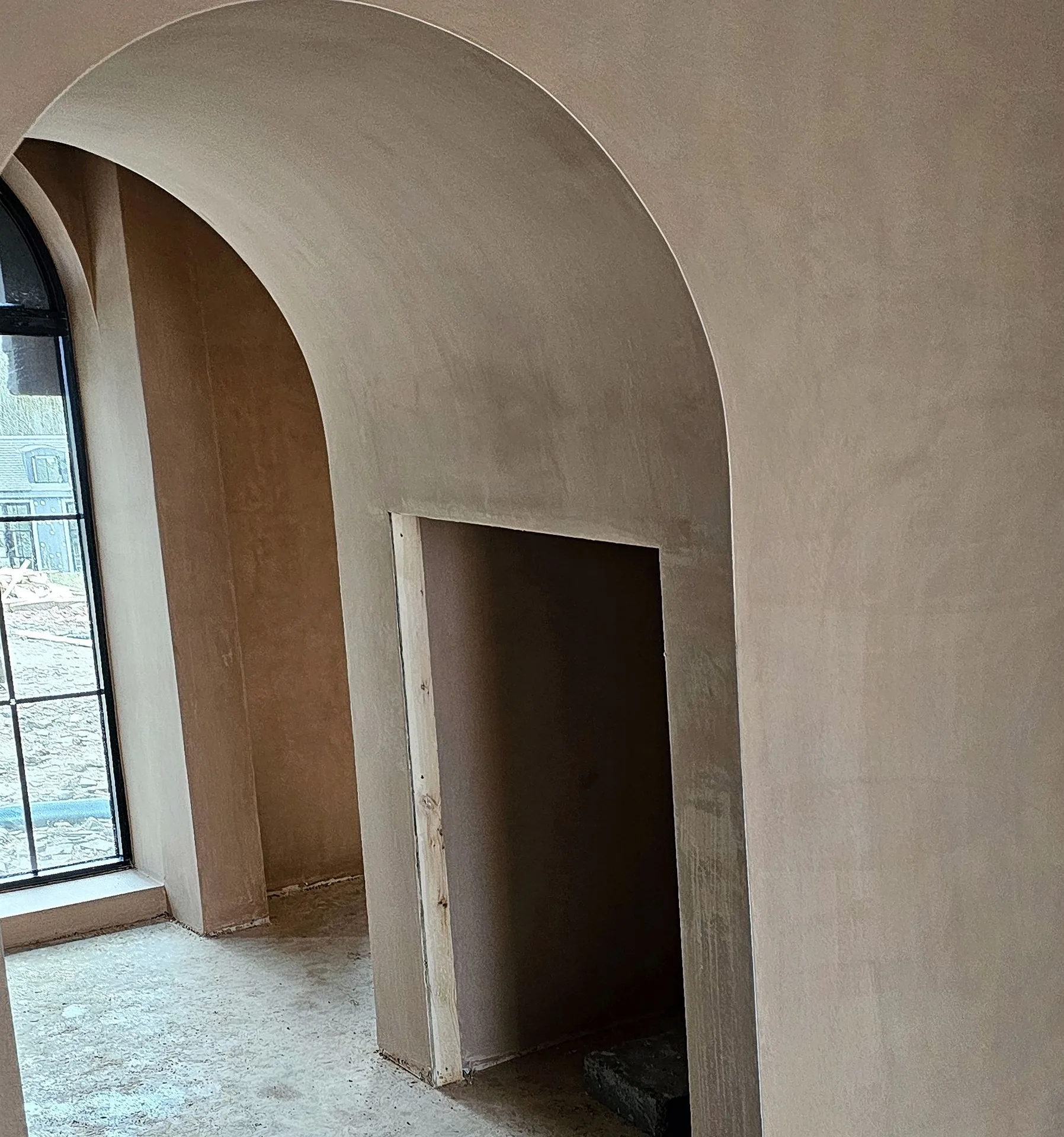
Tired walls and ceilings get a second life with skimming, giving you a flawless, durable finish every time.
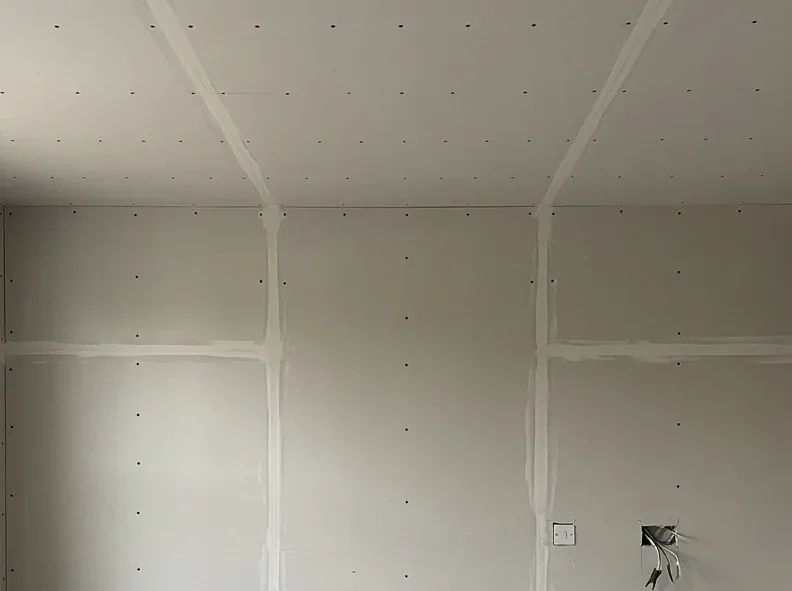
Experience matters-Topplastering handles plasterboarding for walls and ceilings so you get a truly solid finish.
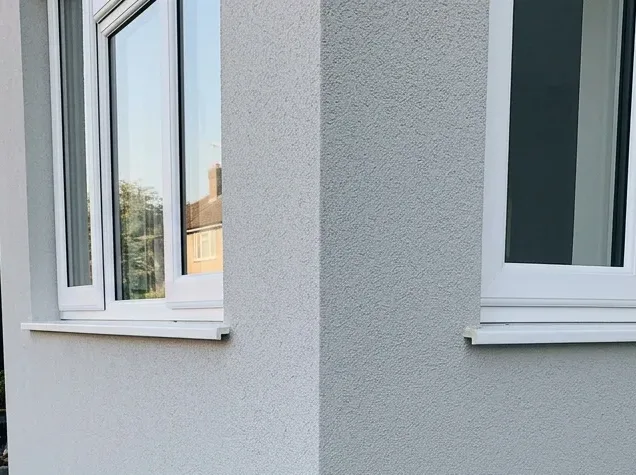
Rendering covers exterior and interior walls with a solid, even coat, protecting surfaces from weather and everyday wear.
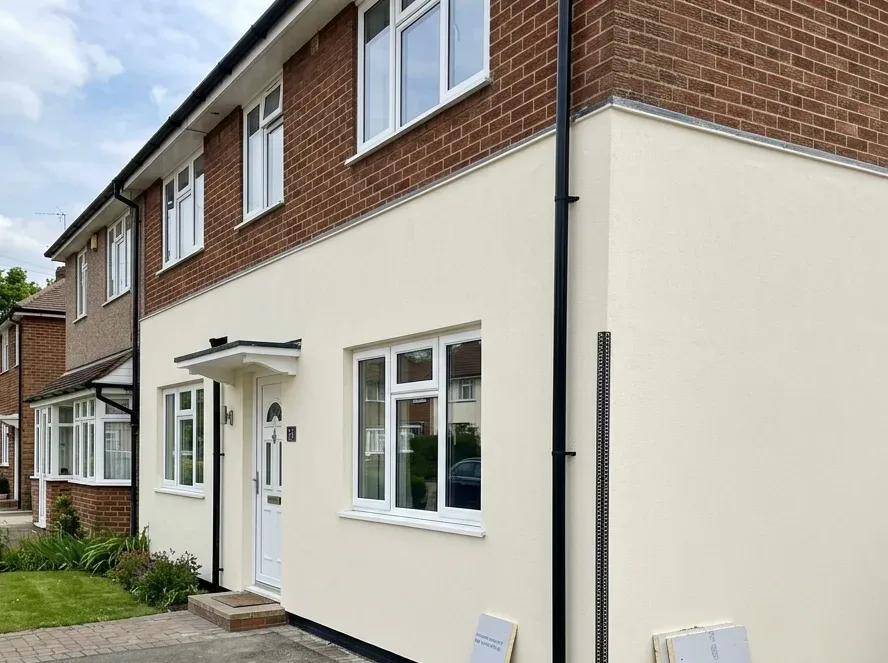
Upgrade your property with external wall insulation from Topplastering-cutting heating costs and improving your building’s appearance permanently.
Craftsmanship you can see
Every plastering project we complete leaves walls smooth, durable, and ready for whatever comes next.
Ask how they handle joints between adjacent boards and whether they check existing studs with long spirit levels. Reliable fitters talk openly about board orientation, screw spacing, and keeping upright edges straight rather than relying on thick layers of filler to hide bowed timber studs.
We visit the property to view current brickwork, measure wall perimeters, and verify first-fix wiring routes. Once studs are plumb, crews install dry lining in St Albans homes, tape all recessed edges, apply finishing compound, and walk the room with you to check flush surfaces.
Fitters inspect surfaces under direct lighting during final walkthroughs to catch uneven seams or raised screw heads. Should decorators find an isolated joint ridge later, the dryliner returns with a hand sander or topping compound to touch up the affected section before paint goes on.
Fitting boards against existing external walls rarely requires paperwork, but altering shared party walls often calls for formal notices under party wall agreements. When work involves flats or listed properties, checking leasehold covenants or local conservation rules avoids awkward disagreements with adjoining owners later.