


Dry lining accelerates the finishing process by removing the need for wet plaster to dry. This allows your project to proceed without unnecessary delays.





Experience counts for a lot when it comes to dry lining, and we deliver solid, efficient results every time in Leighton Buzzard.
Get a free quote
 Quick, no-obligation quote!
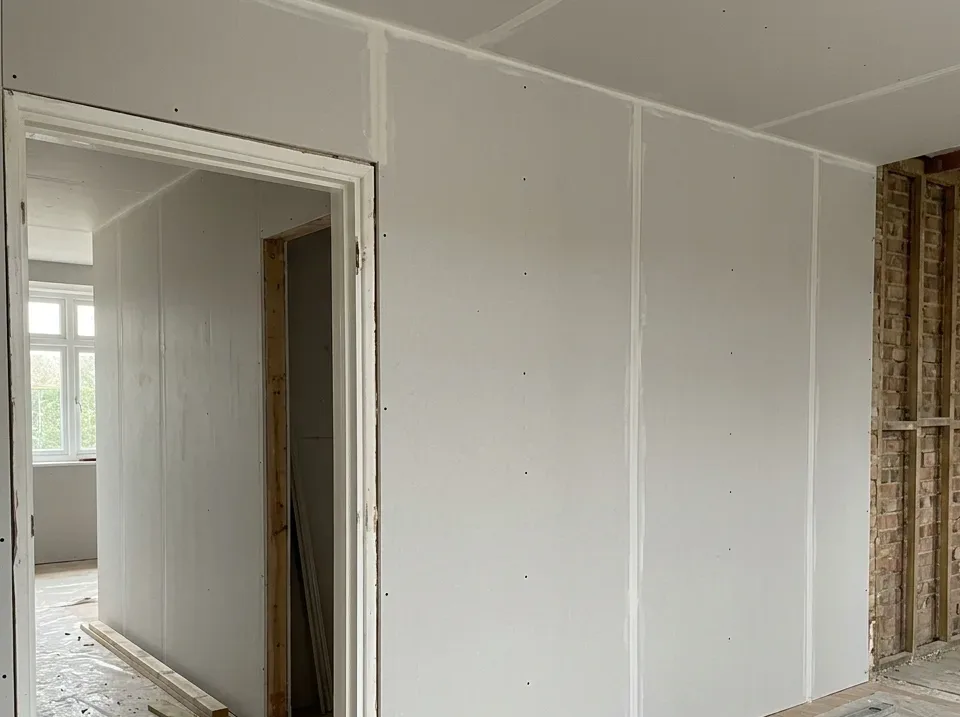
Dry lining is perfect for new construction and extension projects where speed and precision matter. It enables quick installation of interior walls and ceilings, avoiding the wait for plaster to dry. In Leighton Buzzard, we carry out dry lining with precise measurements and strong frameworks, ensuring a clean and durable finish that aligns with the build’s timeline and quality standards.
During updates to existing spaces, dry lining serves as a practical method for achieving smooth, even surfaces over old walls or uneven structures. Compared to traditional plastering, it reduces mess and disruption significantly. We apply dry lining with meticulous care, ensuring joints are taped and skimmed properly, delivering surfaces that are ready to be painted for refurbishment projects in Leighton Buzzard.
Dry lining is suitable for both large-scale builder projects and private clients who seek a reliable, hassle-free interior finish. Our experience as subcontractors guarantees clear communication and strict adherence to deadlines. Whether we are on site with a builder or working in your home, our dry lining provides a practical, lasting approach tailored to the specific needs of each customer in Leighton Buzzard.
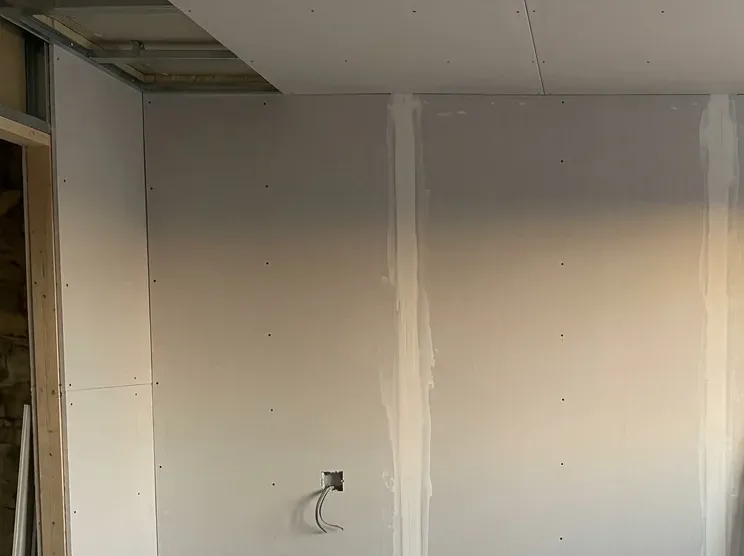
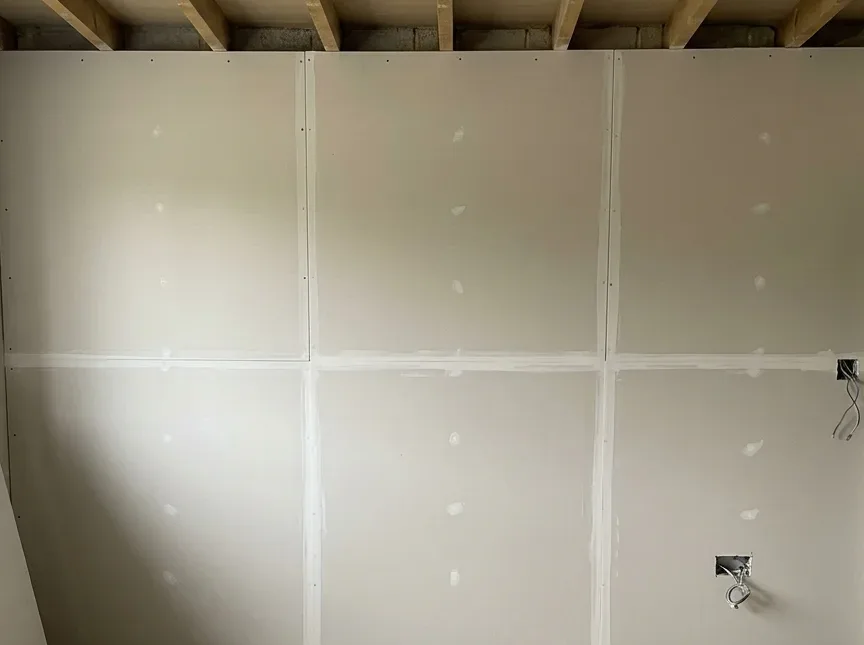
Stacking boxes along the skirting ruins the schedule. Clear the workspace completely so our team can carry long boards without bumping doorframes or scraping newly plastered corners. When planning dry lining in Leighton Buzzard, homeowners often leave radiators hanging loosely on brackets, which traps dust behind the metal panels and prevents flush board alignment against old brickwork.
Electricians must complete their first fix before we set up any framework. Loose cables hanging freely without back boxes mean boards cannot sit flat against timber studs, creating messy bulges around light switches. If a plumber leaves copper pipes protruding unevenly through joists, our team has to pause while someone cuts timber notches or secures clips to stop annoying pipe rattles.
Dry lining accelerates the finishing process by removing the need for wet plaster to dry. This allows your project to proceed without unnecessary delays.
With dry lining, plasterboard is fixed precisely, and joints are taped or skimmed to provide smooth walls and ceilings. The result is always a neat, ready-to-paint surface.
Unlike traditional plastering, dry lining minimizes moisture-related issues. It's particularly beneficial during refurbishment work where damp control is essential.
Dry lining adapts effectively in new builds, extensions, and renovations. It fits easily into different project requirements and structural conditions.
When paired with insulation materials, dry lining enhances thermal and acoustic performance, creating a more comfortable and efficient finished space.
Dry lining involves less mess and drying time at the site, keeping the work area cleaner and supporting a steady workflow.
We initiate every dry lining project with accurate site surveys and measurements. This ensures each panel fits flawlessly, avoiding costly adjustments later.
With over 20 years of experience, we guarantee dry lining work completed on time and to specifications. Our clear communication keeps you informed throughout the entire process.
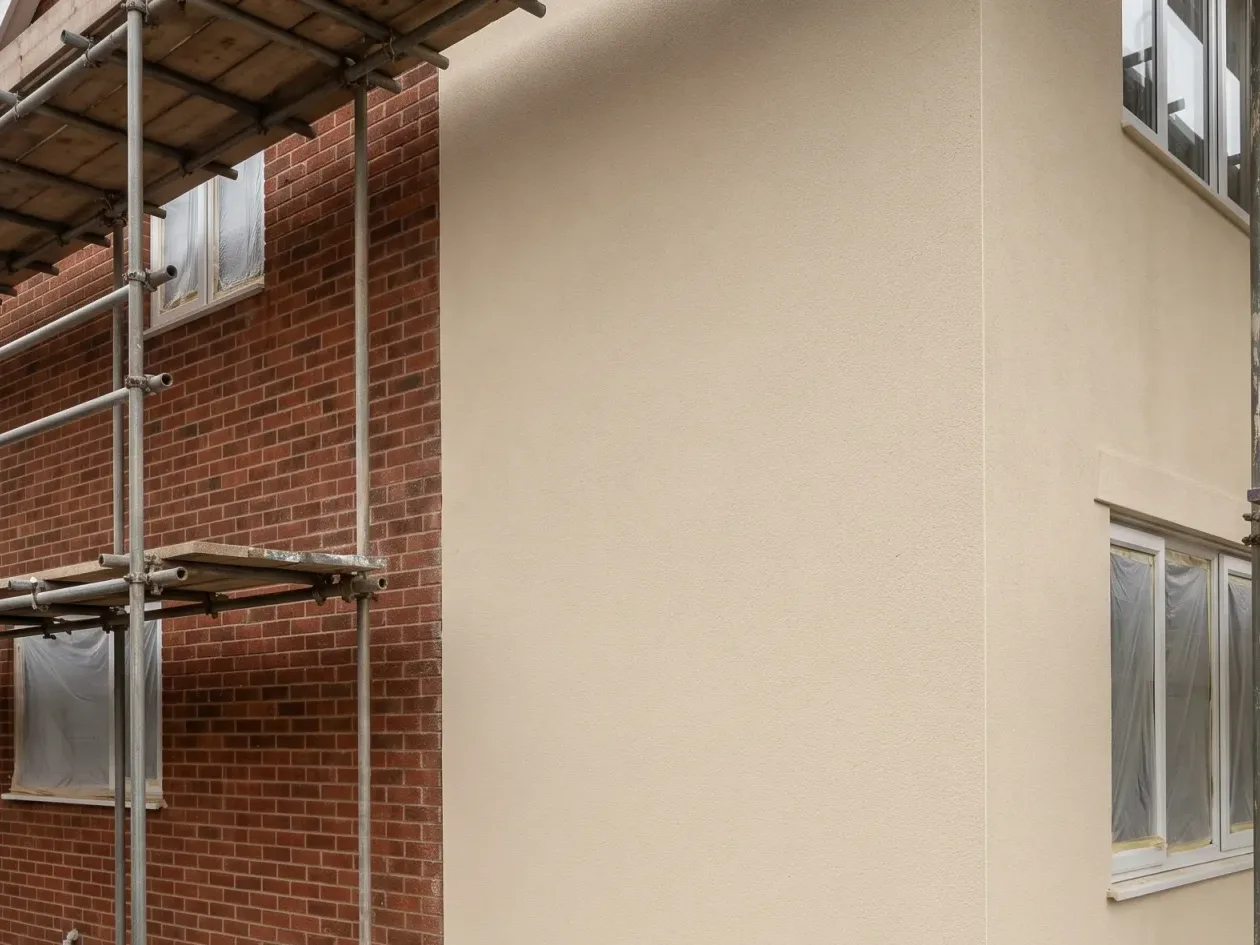
Dry lining eliminates the waiting periods associated with traditional wet plaster drying. By mounting plasterboard directly onto frameworks, we reduce project delays, allowing builders to move to the next stage more quickly. This approach minimizes downtime on site without sacrificing the quality of the finish, making it an excellent choice for new builds and refurbishments.
Utilizing dry lining helps prevent moisture problems typical with wet plaster applications. Our approach ensures that walls and ceilings remain dry and stable, lowering the risk of cracks or mold. This plasterboard system also facilitates easier integration of insulation materials, enhancing durability and comfort within the space.
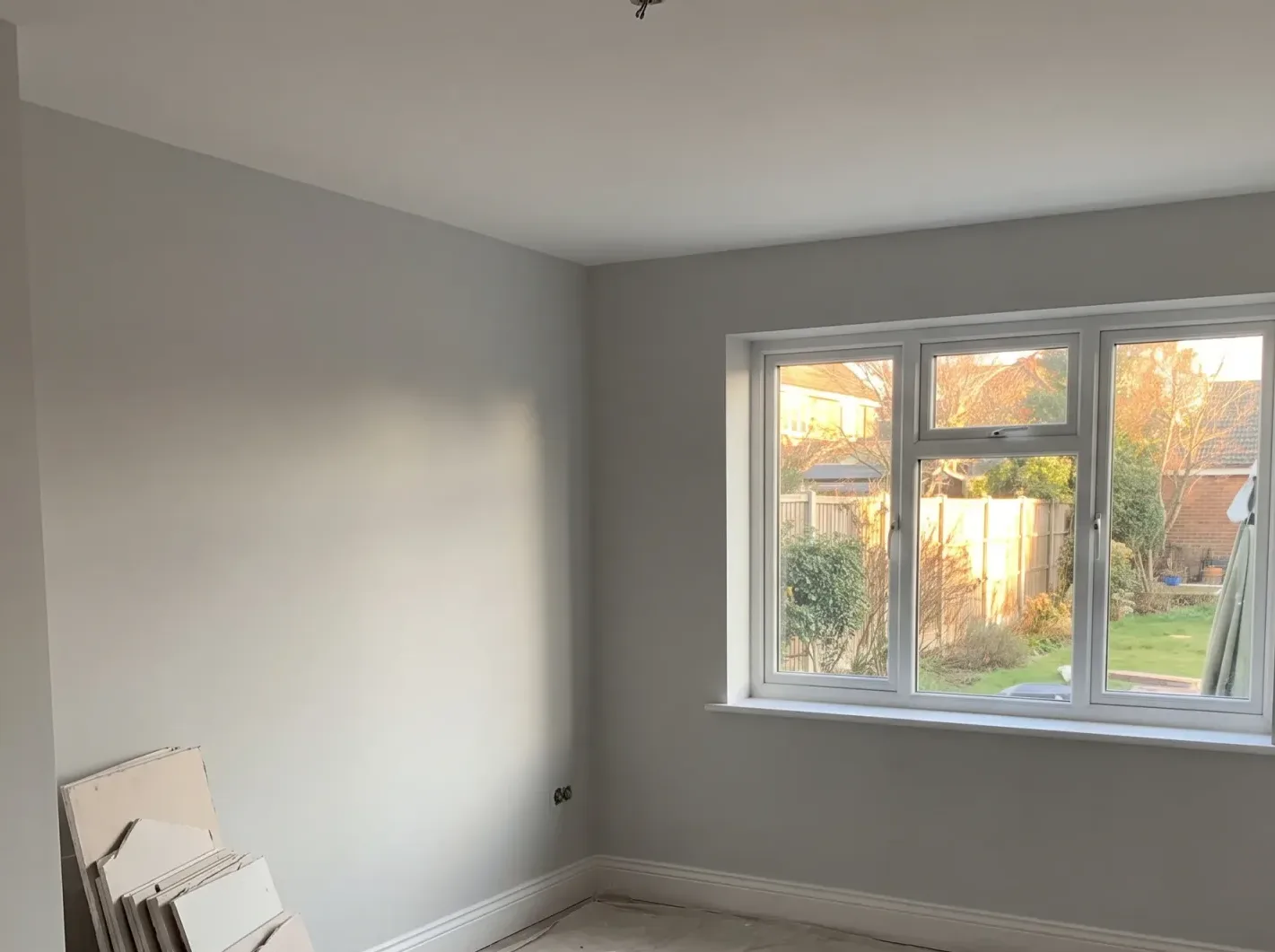
We begin every dry lining project with an in-depth site survey and accurate measurements to plan the work effectively, ensuring a proper fit for plasterboard installation.
Following the assessment, we construct a robust timber or metal framework that serves as the foundation for the dry lining, customized to the specific needs of the walls or ceilings involved.
Once the framework is established, we meticulously fix plasterboard panels in place, focusing on alignment and stability, guaranteeing a smooth surface.
After securing the boards, we tape joints and fill screw heads with great care, creating a seamless finish that's ready for painting or additional decoration.
We conclude the dry lining process with a comprehensive inspection to verify quality and durability, followed by clear communication with the client to ensure satisfaction before finalizing the job.
Cold masonry acts like a sponge for condensation. Portable gas heaters pump water vapour directly into cold rooms, soaking the paper facing of raw plasterboards before joint fillers cure properly. We insist on indirect dry heat during winter dry lining in Leighton Buzzard because damp boards expand, buckle along the seams, and push screw heads straight through the softened core.
Direct sunlight through patio doors cooks joint filler too fast. Fast drying shrinks compound before it grips the paper tape, producing hair cracks along wall seams. We frequently draw curtains to shade bare plasterboards, allowing adhesive beds to cure naturally without drying out prematurely during warm spells.
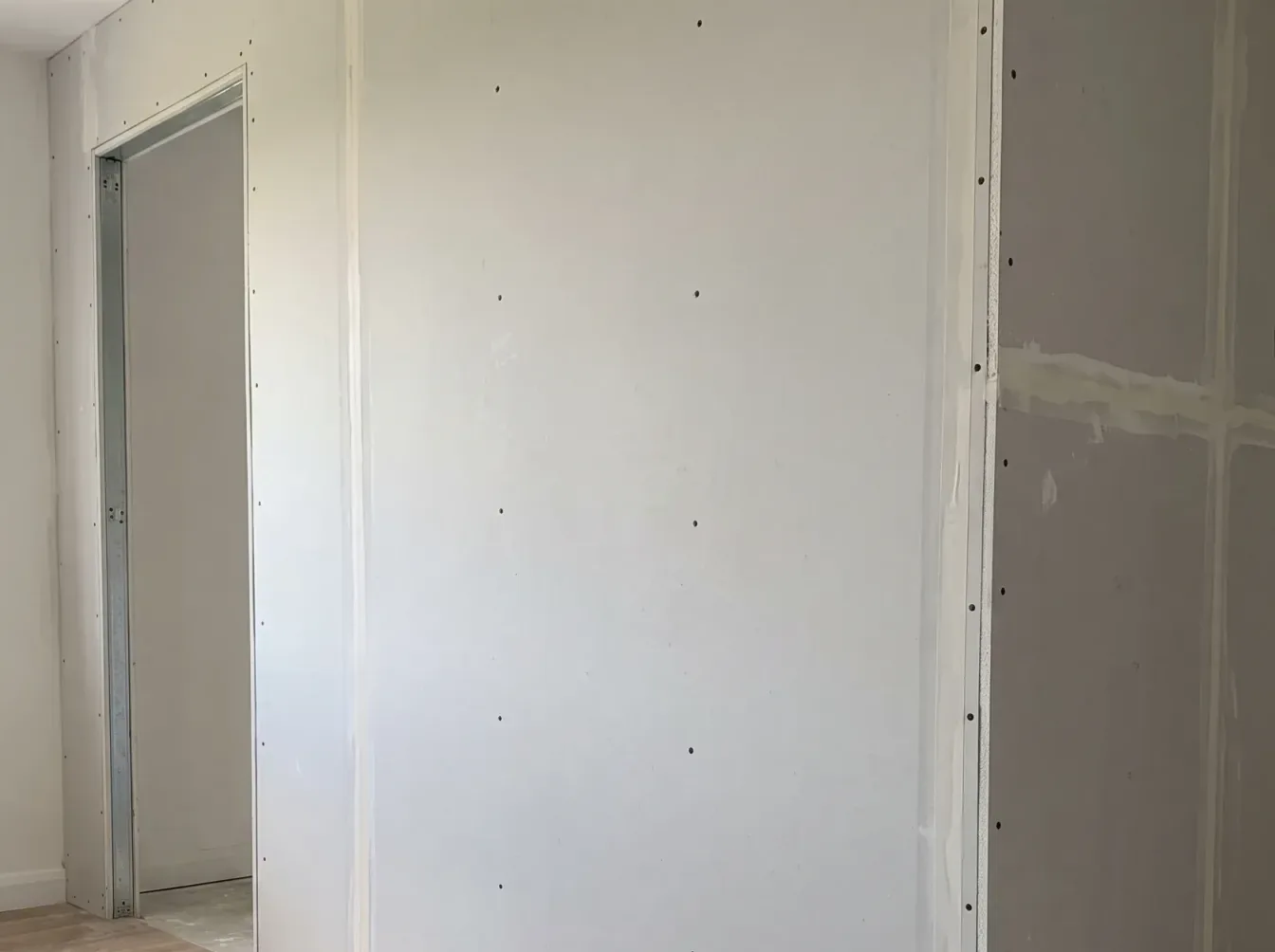
Standard boards support light photo frames on small pins. Heavy kitchen cabinets or boiler brackets tear raw gypsum, so we must fit solid timber pattresses between studs before closing the partition. Never screw heavy mirrors directly into hollow cavities without locating the timber studs first.
Stripping wallpaper with steam plates softens board cores rapidly. Steam weakens the chemical bond holding the front paper, turning the surface into soggy mush. When clients request dry lining in Leighton Buzzard, we recommend scoring backing paper gently and using mild liquid strippers instead.
Waste skip space fills up quickly with gypsum offcuts. Councils prohibit throwing board scraps into mixed skips because gypsum produces toxic gas when mixed with biodegradable rubbish. Local transfer stations require separate bags for board offcuts, so clarify disposal fees early.
With over 20 years in the field, we handle dry lining with an emphasis on precision and durability. Each project begins with thorough measurements to guarantee that the plasterboard fits perfectly. Dry lining is performed using a solid framework, and we tape and fill the joints to ensure a smooth surface ready for decoration. This practical experience translates into reliable finishes that last, whether for new builds or refurbishments in Leighton Buzzard.
We ensure the dry lining process remains straightforward and transparent from start to finish. Working closely with builders and individual clients, we maintain clear communication at every point-from the initial survey and free quote to the final approval. This methodical approach reduces site delays and guarantees the dry lining meets the unique needs of each project without unexpected issues.
Contact in Leighton Buzzard. We work locally, providing dry lining services to homes in Leighton Buzzard and nearby areas. You can reach us by phone for a free estimate or schedule an on-site visit.
approx. 35 milesDistance from our base · Cheshunt
Call us07465266721Email uscontact@topplastering.ukWe serve your areaLeighton Buzzard and the surroundings
The Google map loads after you accept marketing cookies.


Maksymilian Mazur
Very satisfied with the service! Excellent communication, clean workmanship, and everything completed professionally. Highly recommended!
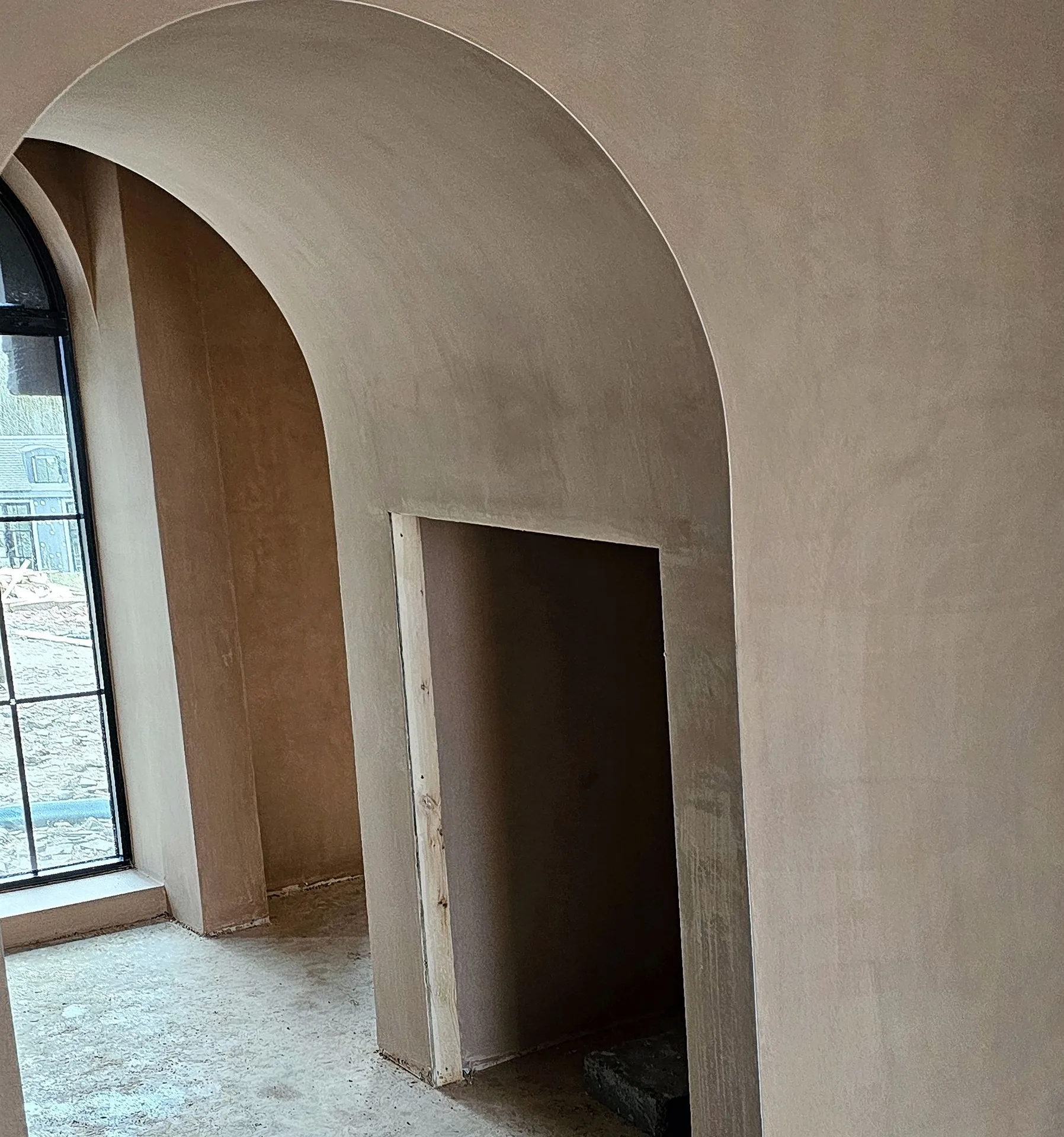
Tired walls and ceilings get a second life with skimming, giving you a flawless, durable finish every time.
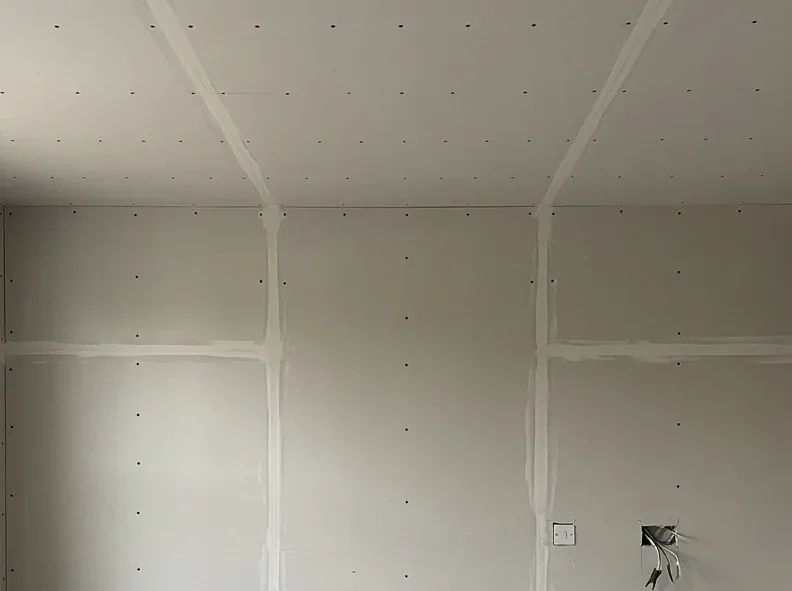
Experience matters-Topplastering handles plasterboarding for walls and ceilings so you get a truly solid finish.
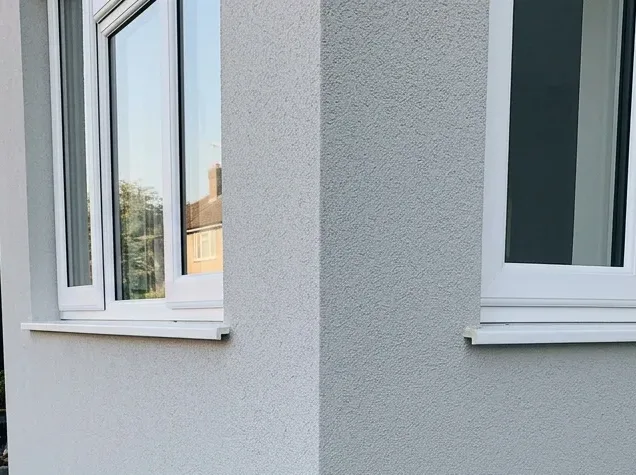
Rendering covers exterior and interior walls with a solid, even coat, protecting surfaces from weather and everyday wear.
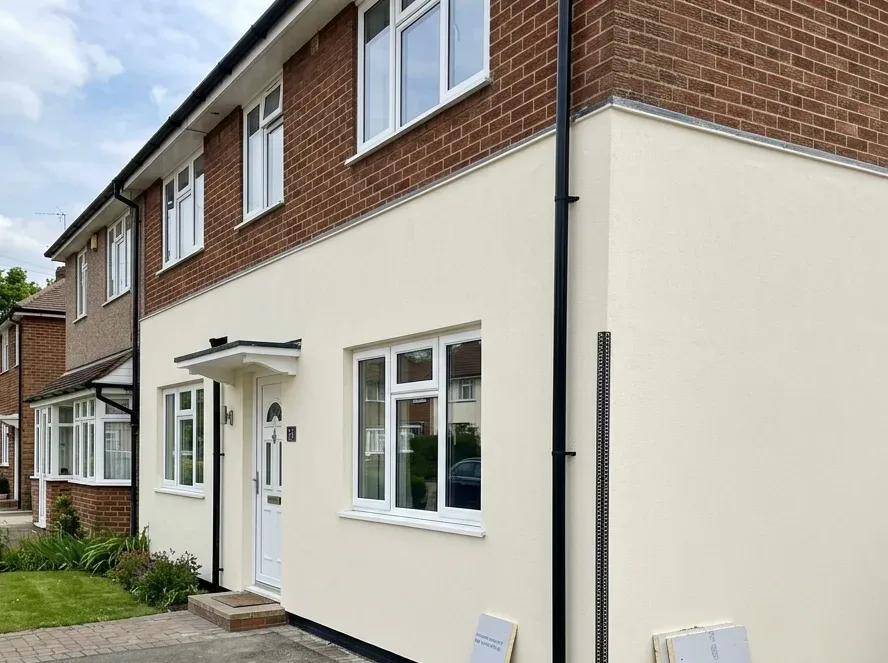
Upgrade your property with external wall insulation from Topplastering-cutting heating costs and improving your building’s appearance permanently.
Craftsmanship you can see
Every plastering project we complete leaves walls smooth, durable, and ready for whatever comes next.
Freezing conditions prevent jointing compounds from setting properly. Cold walls hold moisture that dampens gypsum cores, so rooms must stay heated with dry electric blowers rather than gas heaters. Without stable warmth, joint tape lifts away from damp board edges.
Unfinished pipework or leaking roof valleys stop boarding immediately. Plasterboard cannot tolerate running water from unclipped heating pipes or damp exterior masonry. We halt work until other trades fix the leaks, because boarding over moisture causes mildew and sagging ceilings.
Standard agreements cover fitting boards, while skip hire and scrap disposal usually cost extra. Gypsum requires dedicated disposal bags at recycling depots due to strict landfill rules. Homeowners often choose to dispose of offcuts themselves to keep haulage expenses down.
Work begins with a site check to measure stud spacing and check pipe runs. Once you accept the written quote, we order materials, board the framing, tape every join, and leave surfaces sanded flat for painters. The final walkaround happens after floors are swept.