


By eliminating the need for wet plaster to dry, dry lining speeds up the finishing process. Your project can progress without unnecessary delays.





Experience matters when it comes to dry lining, and we deliver solid, efficient results every time here in Bishop's Stortford.
Get a free quote
 Quick, no-obligation quote!
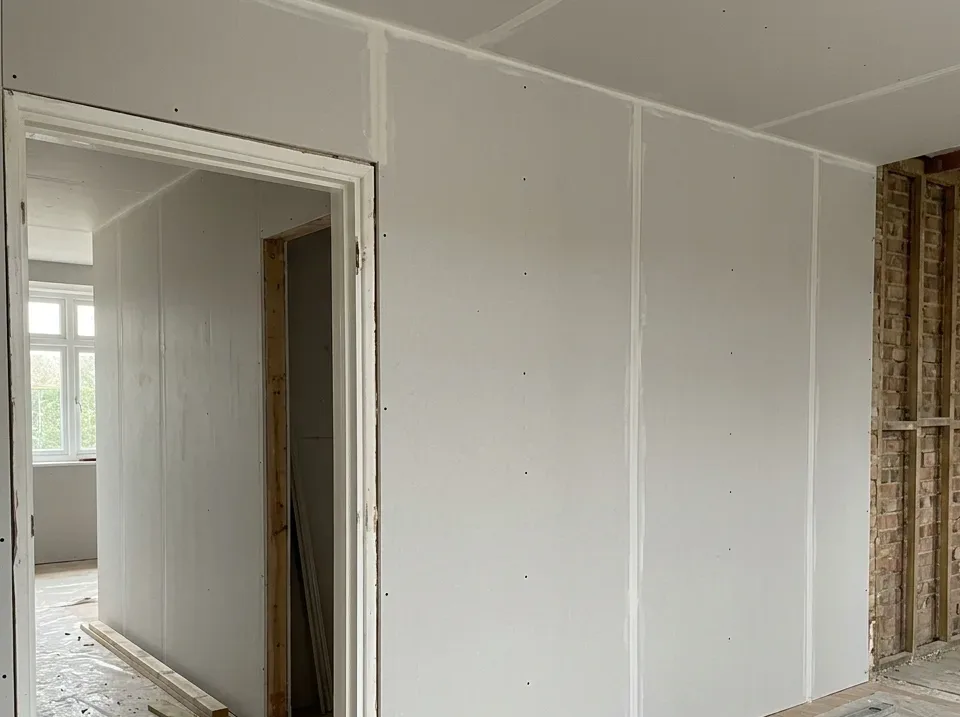
Dry lining is perfect for new construction and extension projects where speed and precision come into play. It allows for the quick installation of interior walls and ceilings without the wait for plaster to dry. We conduct dry lining in Bishop's Stortford using accurate measurements and sturdy frameworks, ensuring a clean and durable finish that adheres to both timelines and quality standards.
When renovating existing spaces, dry lining provides a practical way to create smooth, even surfaces over old walls or uneven structures. Compared to traditional plastering, it minimizes mess and disruption. We ensure that dry lining for clients in Bishop's Stortford is applied with precision, with joints properly taped and skimmed, giving a ready-to-paint surface that meets refurbishment demands.
Whether you're a large-scale builder or an individual client, dry lining suits your needs for reliable and hassle-free interior finishing. Our experience working as a subcontractor guarantees clear communication and adherence to deadlines. Whether on site or in your home, dry lining performed by us provides a practical, long-lasting option tailored to the unique requirements of every customer.
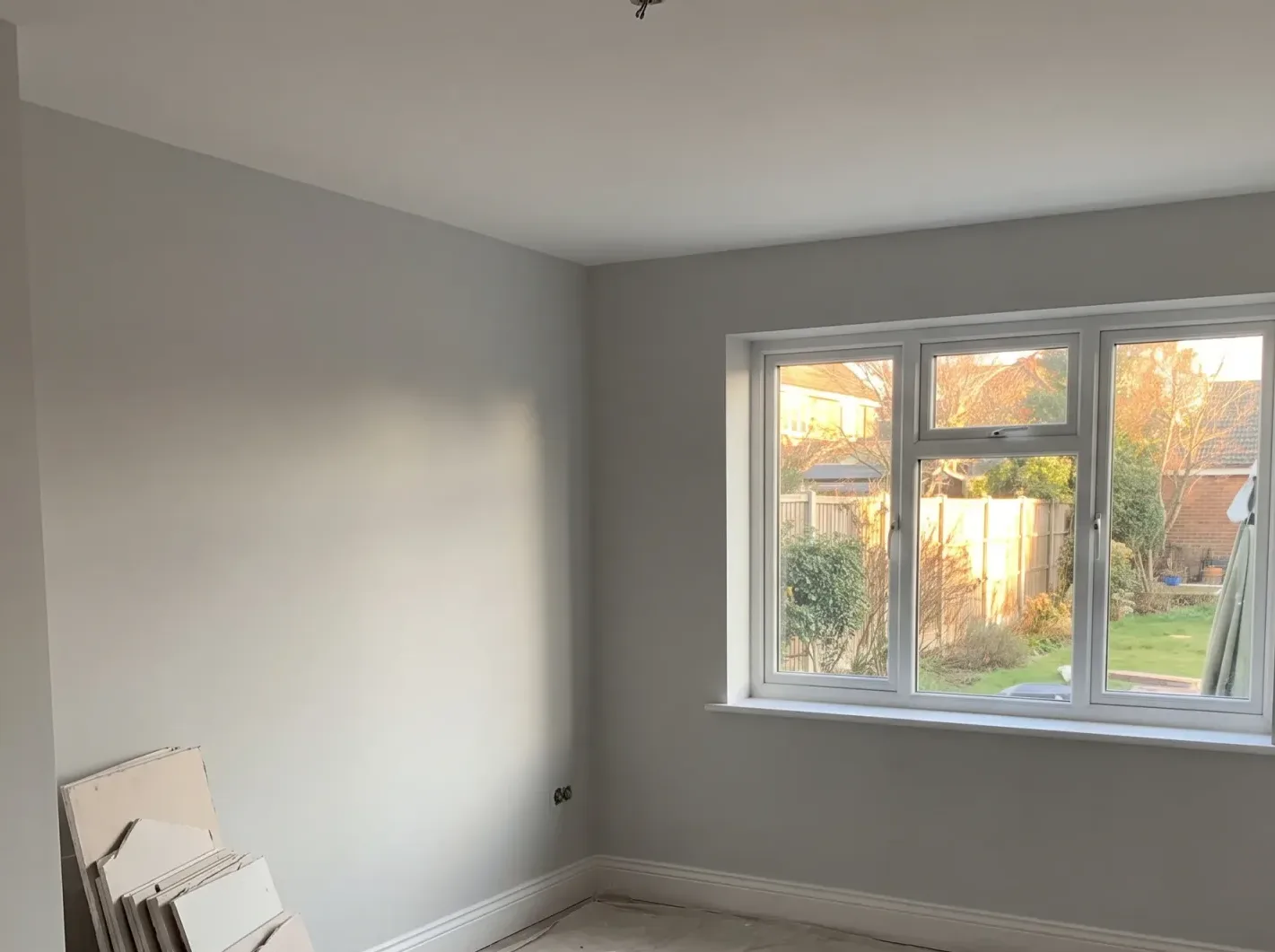
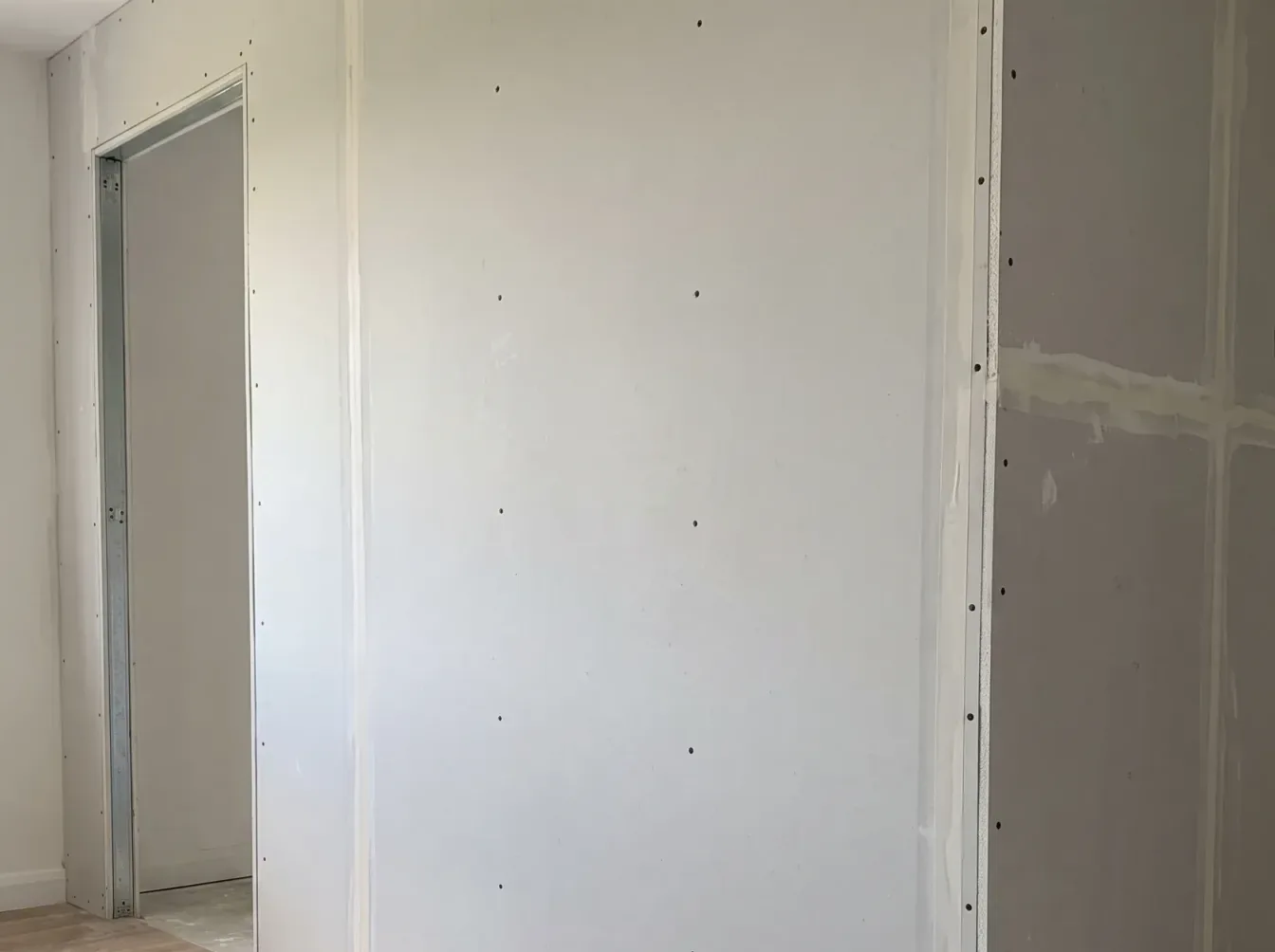
Space matters on site. When undertaking dry lining in Bishop's Stortford, we need every existing baseboard, old skirting strip, radiator bracket, and stubborn masonry anchor pulled completely clear of the brick before panels rest flat against the timber uprights. Dusty debris piles on bare floorboards prevent plates from sitting true. Move your stored furniture into dry rooms.
Plumbing pipes and electric conduits must stay fully tested beforehand. If a plumber leaves copper elbows poking past the stud depth or an electrician leaves bulky plastic back boxes loose, boards crack under pressure while drywall screws bite into soft gypsum core. Copper supply runs should sit dead flush inside noggin notches. Check pressure gauges together first.
By eliminating the need for wet plaster to dry, dry lining speeds up the finishing process. Your project can progress without unnecessary delays.
Plasterboard is fixed precisely with dry lining, and joints are expertly taped or skimmed to create smooth walls and ceilings. The result is a neat, ready-to-paint surface every time.
Unlike conventional plastering, dry lining significantly reduces moisture-related issues. This is particularly useful in refurbishment work where damp control is essential.
Dry lining adapts well to various project requirements, whether in new builds, extensions, or renovations. It easily adjusts to different structural conditions.
When combined with insulation materials, dry lining enhances both thermal and acoustic performance, contributing to the comfort and efficiency of the finished space.
Involving less mess and reduced drying time on site, dry lining keeps the work area cleaner and helps ensure a steady workflow.
Every dry lining project begins with careful site surveys and precise measurements. This guarantees that each panel fits seamlessly, minimizing costly adjustments later.
With over 20 years of experience, we consistently provide dry lining work on time and as specified. Clear communication keeps you informed throughout the process.
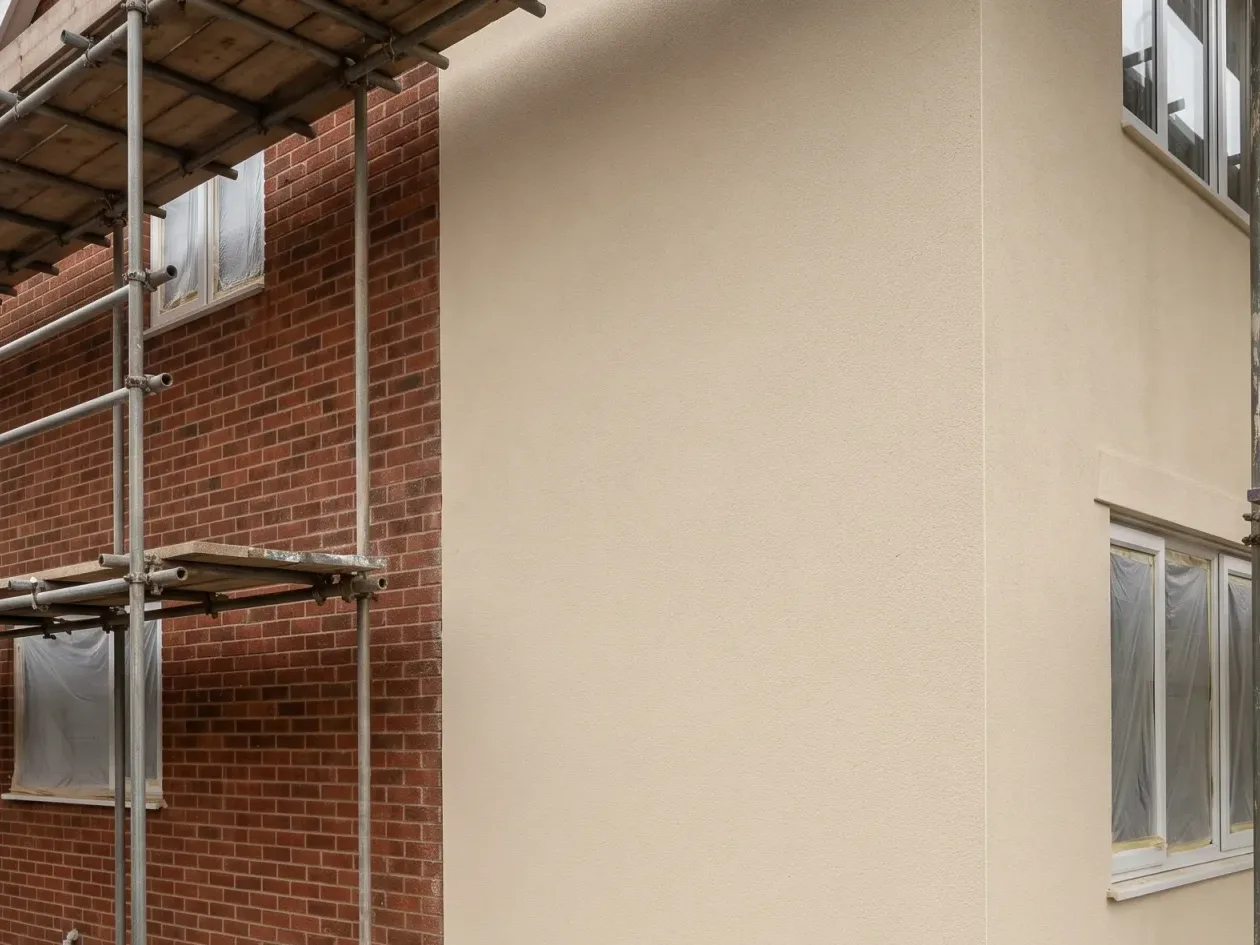
Dry lining removes the wait times associated with traditional wet plaster drying. By fixing plasterboard directly onto frameworks, we reduce project delays, allowing builders to transition to the next phase more swiftly. This strategy cuts down on downtime without sacrificing the quality of the finish, making it suitable for new builds and refurbishments.
Using dry lining aids in avoiding the moisture issues typical of wet plaster applications. Our careful approach keeps walls and ceilings dry and stable, lessening the risk of cracks or mold growth. The plasterboard system also facilitates the easier integration of insulation materials, enhancing the overall durability and comfort of your space.
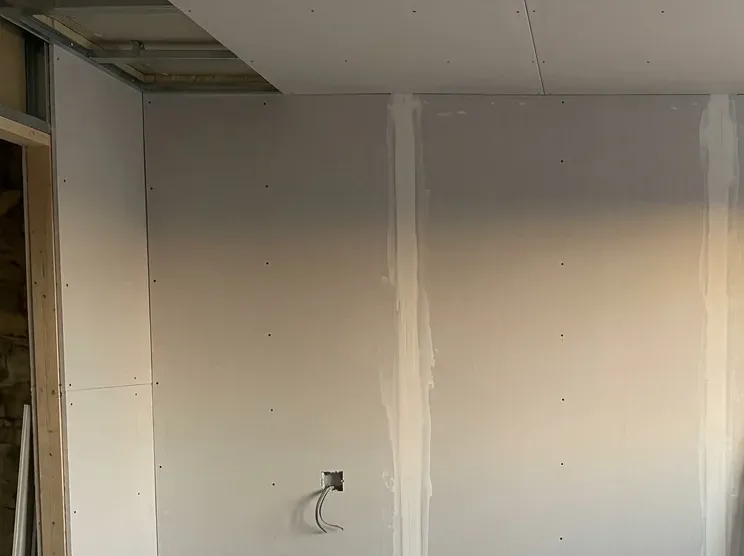
Each dry lining project starts with a detailed site survey and precise measurements to accurately plan the work and ensure a proper plasterboard fit.
We then construct a robust timber or metal framework that acts as the foundation for the dry lining, tailored to the specific needs of the walls or ceilings involved.
Once the framework is in place, we carefully secure plasterboard panels, paying attention to stability and alignment to assure a smooth surface.
After the boards are fixed, we meticulously tape joints and fill screw heads, creating a seamless finish that’s ready for painting or further decoration.
We finalize the dry lining process with a thorough inspection to confirm quality and durability, clearly communicating with the client to ensure satisfaction before completing the job.
Hollow panels fool many homeowners. People assume dry lining in Bishop's Stortford limits their kitchen choices, yet fixing hefty boilers or deep pantry cupboards simply demands finding vertical framing members behind the skin using magnetic finders or small pilot probes. Hollow cavity wall plugs support lightweight framed prints. Heavier oak shelves demand timber studs.
Plywood inserts provide structural grip. We slot thick timber pattresses between metal channels before enclosing the wall if you intend to hang flat screens later. This anchors lag bolts firmly. Without internal noggins behind the cardboard face, heavy steel brackets tear neat screw threads straight out of chalky core layers.
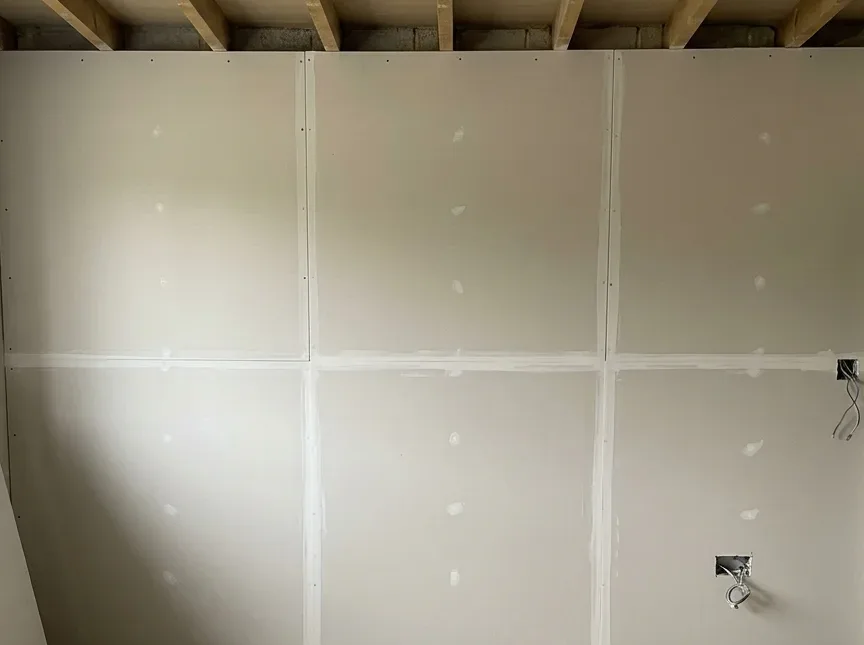
Cold brick creates problems. During winter months, dry lining in Bishop's Stortford requires steady background heat because cold masonry pulls ambient damp into gypsum cores before joint filler cures properly. Frosty breeze through unglazed window openings ruins adhesive bonding dabs. Keep draughty doors shut tight.
Rapid heat dries compound quickly. Blistering midday sun baking unshaded south windows causes setting compounds along tapered board joints to shrink too fast, showing hairline fissures around paper tape. Draw light window sheets across open frames. Stable room air keeps joint compound stable.
Perimeter gaps stop buckling. Leaving a pencil-width gap above concrete subfloors prevents timber studs from crushing gypsum margins when joists settle over shifting weather cycles. Skirting covers that floor gap neatly later. Squeezed boards pop their center fixings.
With over 20 years in the trade, we focus on precision and durability in dry lining. Each project begins with meticulous measurements to guarantee the plasterboard fits correctly. Our skilled work with solid frameworks ensures that joints are taped and filled, creating a finish ready for decoration. This hands-on experience assures a reliable and lasting finish, suitable for both new builds and refurbishments.
We keep the process of dry lining straightforward and transparent from beginning to end. Working closely with builders and individual clients, we maintain clear communication at every step-from the initial survey and free quote to the final sign-off. This structured approach minimizes site delays and guarantees that the dry lining meets the precise requirements of each project without surprises.
We are proud to serve Bishop's Stortford and the surrounding areas, including Harlow and Hoddesdon. Get in touch for your free estimate or to discuss your project over the phone.
approx. 15 milesDistance from our base · Cheshunt
Call us07465266721Email uscontact@topplastering.ukWe serve your areaBishop's Stortford and the surroundings
The Google map loads after you accept marketing cookies.


Maksymilian Mazur
Very satisfied with the service! Excellent communication, clean workmanship, and everything completed professionally. Highly recommended!
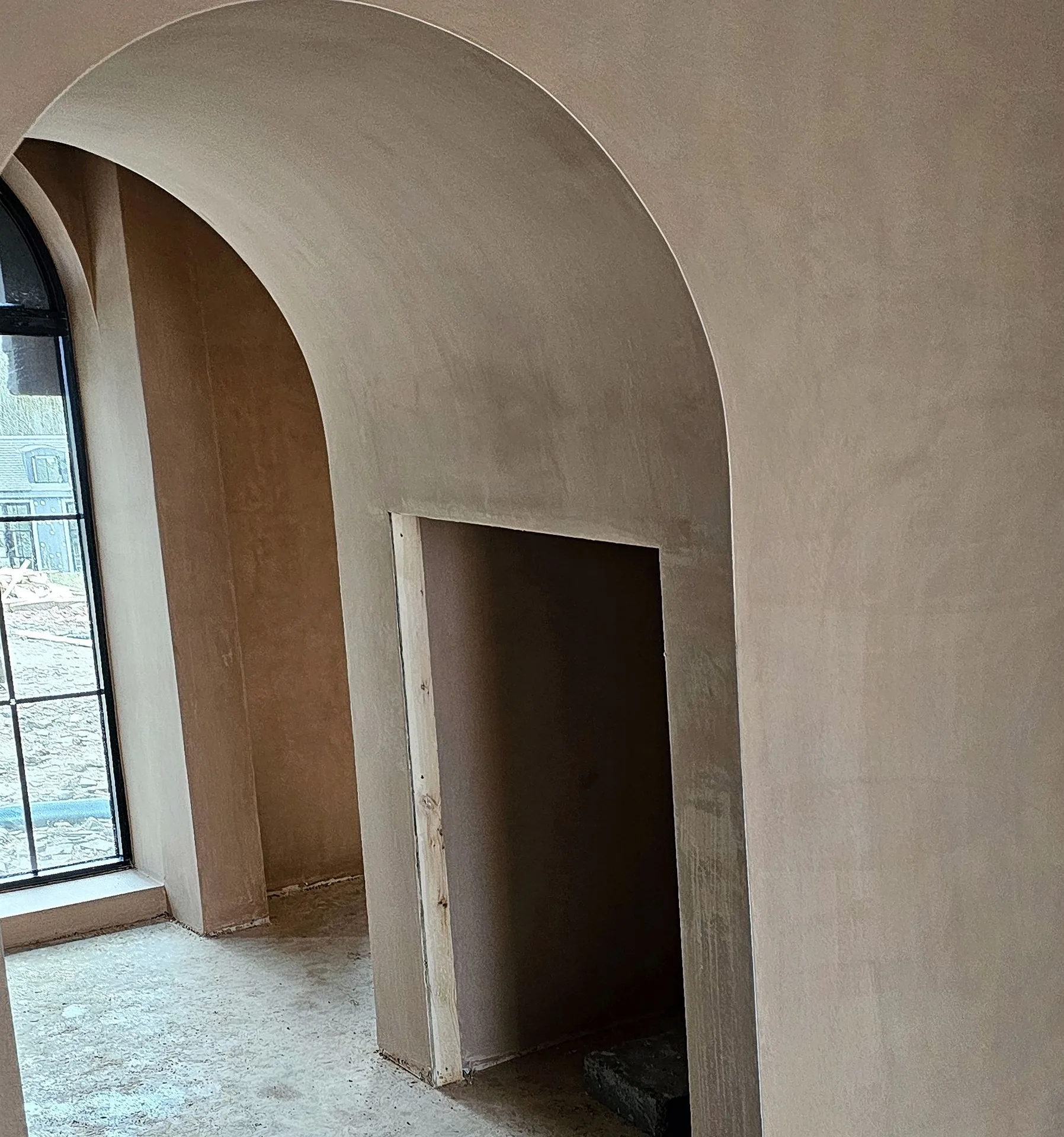
Tired walls and ceilings get a second life with skimming, giving you a flawless, durable finish every time.
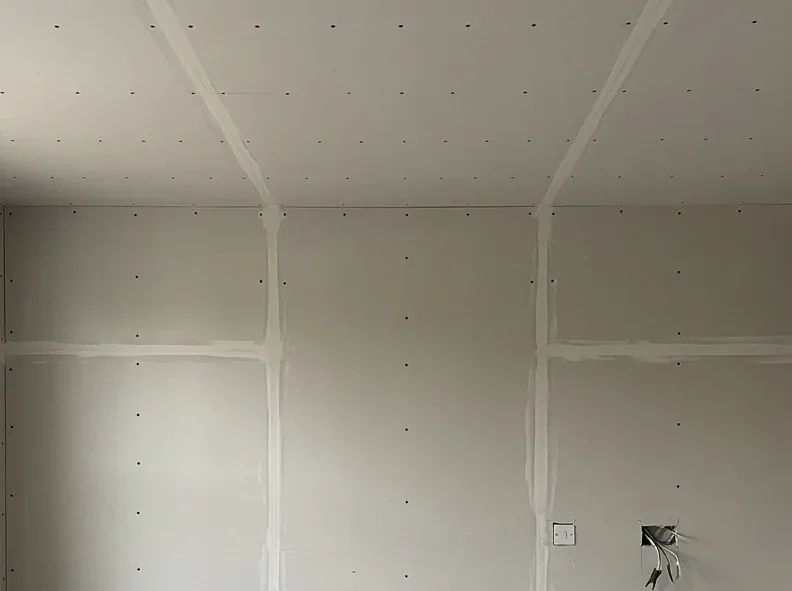
Experience matters-Topplastering handles plasterboarding for walls and ceilings so you get a truly solid finish.
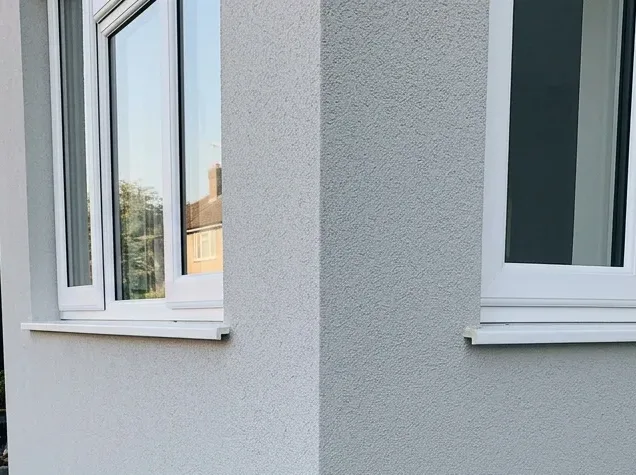
Rendering covers exterior and interior walls with a solid, even coat, protecting surfaces from weather and everyday wear.
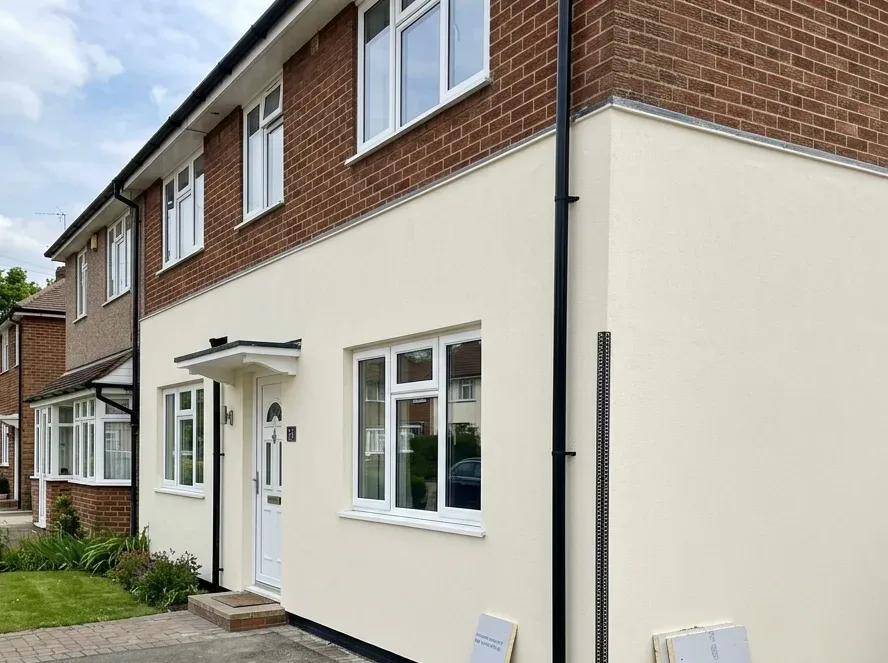
Upgrade your property with external wall insulation from Topplastering-cutting heating costs and improving your building’s appearance permanently.
Craftsmanship you can see
Every plastering project we complete leaves walls smooth, durable, and ready for whatever comes next.
Ask to see photos of finished tape runs before decoration starts. A competent worker carries straight edge spirit levels across boards, checking whether screw heads sit recessed beneath paper faces rather than puncturing through core plaster, because blown screw holes lose their mechanical hold.
You examine flush joints beside a bright work lamp cast across flat surfaces. Any raised ridges, proud screw dimples, or loose internal corner beads get flagged immediately on site, because skimming or paint roller nap highlights structural dips under harsh daylight once trades leave Bishop's Stortford.
It depends on whether metal tracks anchor directly into shared brick partitions. Independent stud systems standing away from adjoining boundary walls rarely need formal paperwork, because no structural brickwork gets cut, though letting neighbours know about drill rattle prevents friction over garden fences.
Standard boarding rates cover fixing boards and taping flat seams. Acoustic wool, thermal slabs, or vapour barrier sheets are priced separately as extra layers, because specialist acoustic materials add handling weight and require specific mechanical clips behind the lining.