


Dot and dab allows plasterboard to be fixed directly to masonry walls using adhesive dabs, speeding up the process compared to traditional methods in Welling. This technique minimizes labor time without compromising the flatness of the wall.





Quickly get old walls flat and ready for finishing with our precise dot and dab method in Welling.
Get a free quote
 Quick, no-obligation quote!
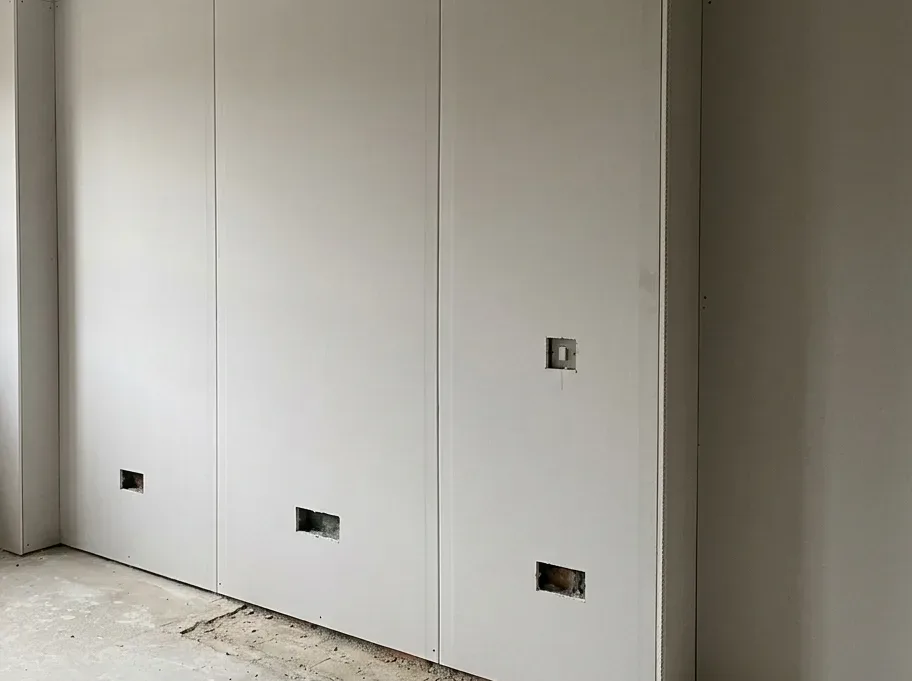
Dot and dab is a straightforward technique for attaching plasterboard directly to existing masonry walls. For homeowners in Welling seeking to avoid the mess and time of re-plastering, this method provides a faster, cleaner way to achieve flat walls that are ready for finishing.
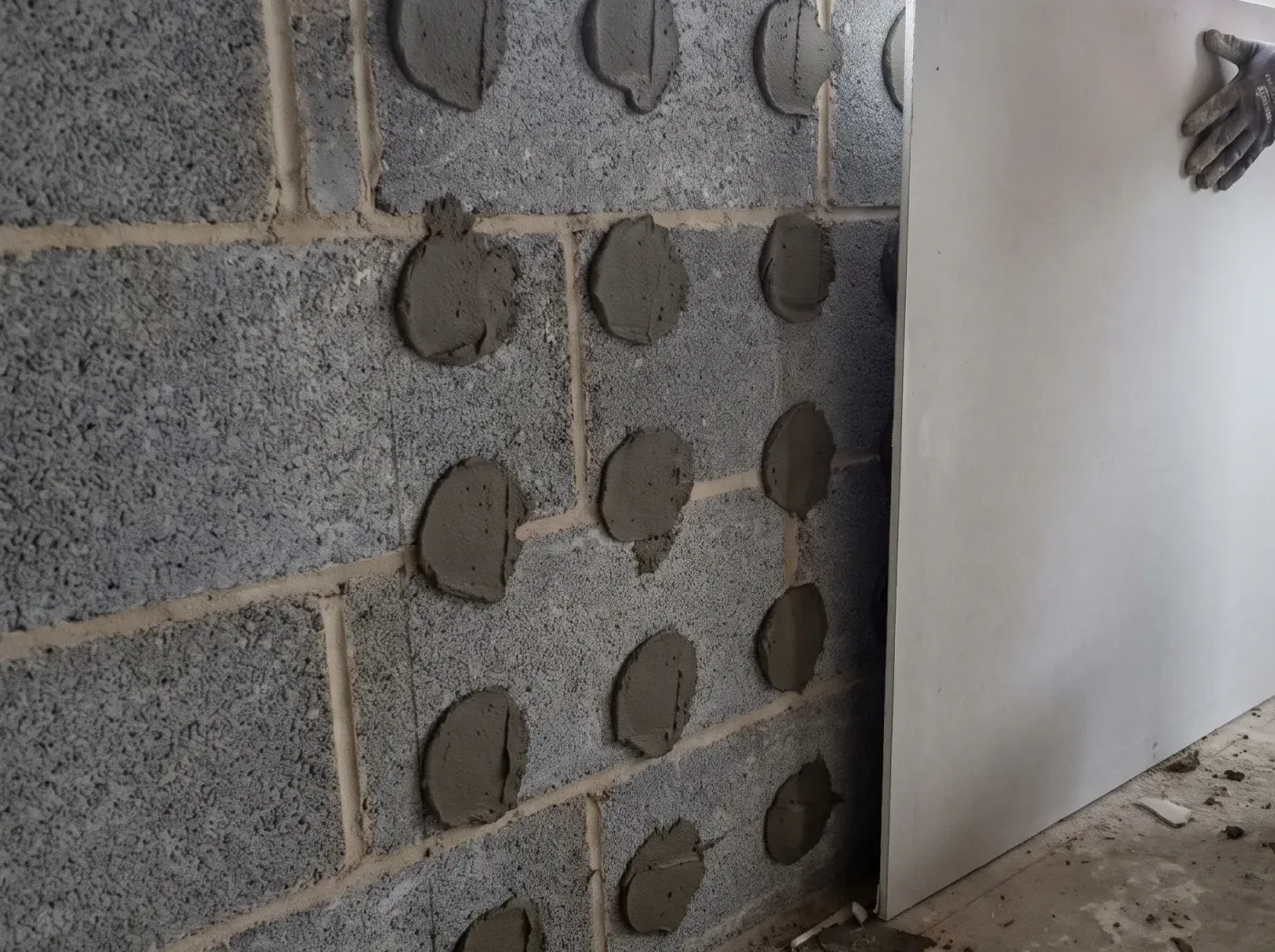
Using adhesive applied in small dabs, this technique secures the boards firmly while allowing for quick adjustments during installation. Dot and dab speeds up the process in Welling by cutting down on drying times and material waste compared to full-surface bonding. At our company, we ensure each board is perfectly aligned, creating a stable base for plaster or silicone render.
With over 20 years of experience delivering dot and dab solutions in Welling, we understand the practical demands of the job. Builders cherish this method for its speed and durability, while individual clients appreciate the clean, reliable finish. We manage every step-from measuring to the final skim-making sure the walls are ready for the next phase without surprises.
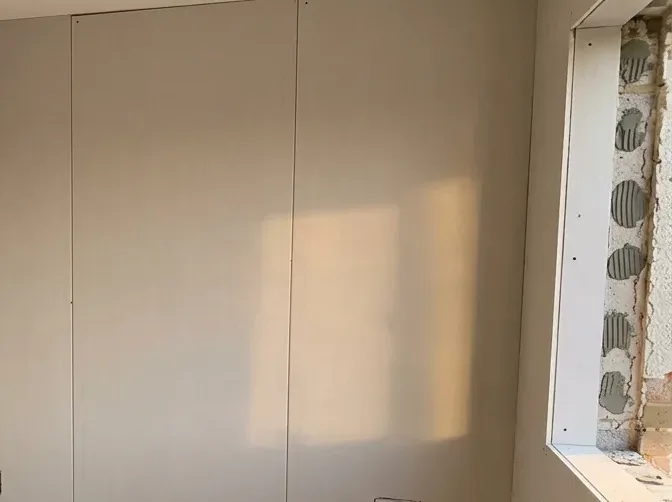
Electricians need access first. When opting for dot and dab in Welling, tradesmen tuck plastic conduit into the adhesive cavity so back boxes sit square without channelling deep masonry. The gap handles standard cables neatly. You avoid heavy chisel dust.
Copper runs present hurdles. Thick waste pipes often exceed the cavity width created by direct bonding, which means joists or blockwork require deliberate notching before sheets go up. If a plumber leaves joints untested behind dry lining, a minor seep soaks gypsum instantly. We always check pipe brackets remain flush.
Dot and dab allows plasterboard to be fixed directly to masonry walls using adhesive dabs, speeding up the process compared to traditional methods in Welling. This technique minimizes labor time without compromising the flatness of the wall.
Using adhesive in spots as opposed to across the entire surface, dot and dab reduces mess and drying time. This approach guarantees a neat, even base ready for skim coating or silicone plaster throughout Welling.
The dot and dab technique establishes a strong, stable connection between plasterboard and wall. Boards are positioned firmly, preventing movement and providing a robust substrate for finishing layers. This reliability is essential for homes in Welling.
For older homes in Welling, dot and dab is ideal where walls are uneven or require insulation. It sidesteps the need for bulky battens, providing a straight surface while maintaining wall depth.
By utilizing dots and dabs of adhesive, we minimize waste and cut material costs. Our team in Welling applies this method with precision to balance durability with economical use of resources.
The secure fixing achieved by dot and dab supports a flawless skim finish. With our extensive experience, we ensure walls are perfectly prepared for the final plaster or render coat in Welling.
We handle dot and dab work with straightforward steps: measuring, applying adhesive, positioning boards, and finishing. This clarity keeps projects on track and clients informed throughout the process.
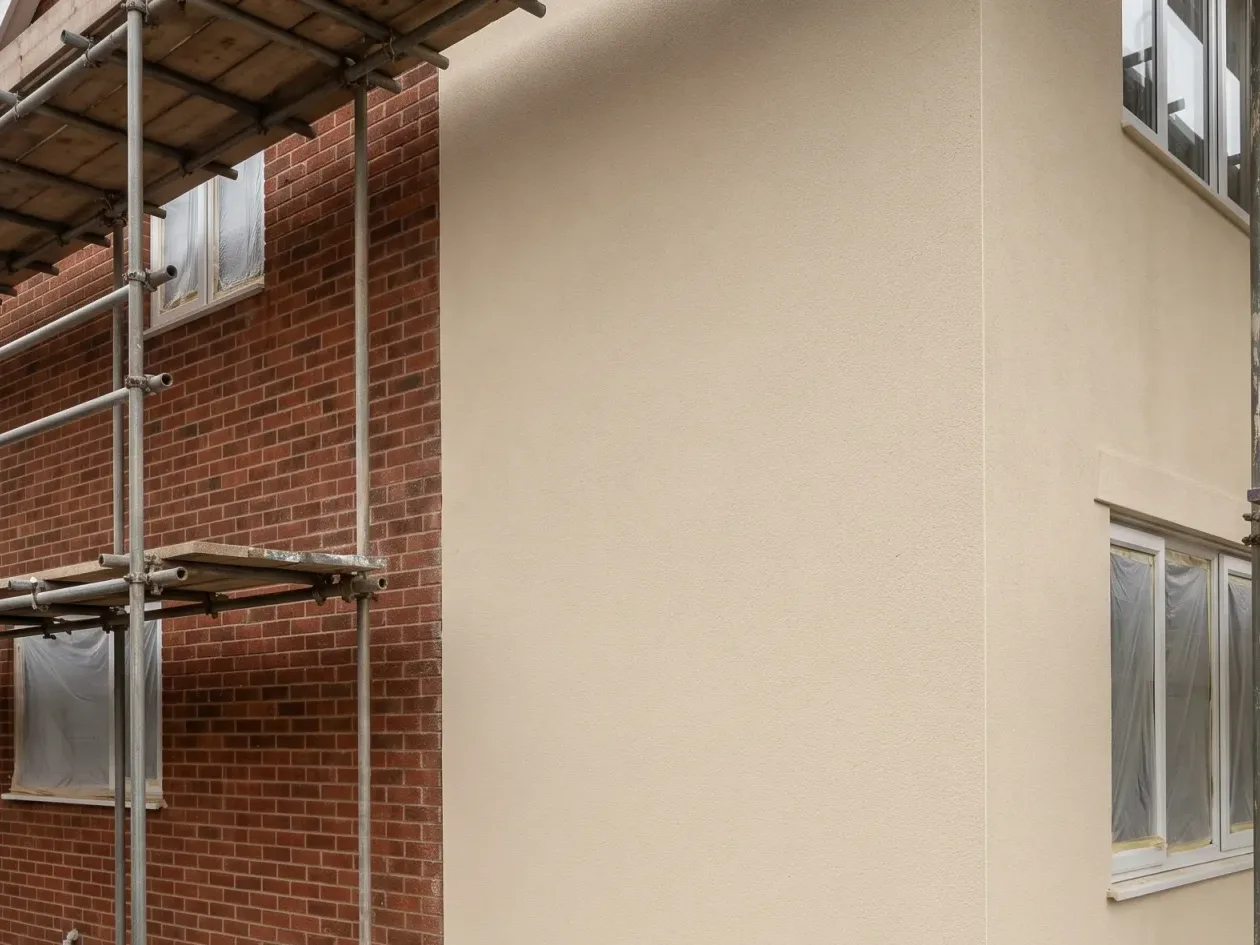
Hollow spots risk crushing. Fastening heavy kitchen cupboards directly onto dot and dab in Welling requires extra adhesive spreads behind fixing zones or long anchor bolts running straight into solid brickwork. Standard plasterboard plugs tear loose under loaded dinnerware. Core anchors bridge the internal void directly.
Heavy gear needs backing timber. Fitting a wide television bracket over a hollow pocket causes the board surface to bow inward, cracking fresh emulsion along skim lines. Solid timber noggins screwed across masonry beforehand take the load properly. Plumbers also add vertical battens for central heating units, keeping heavy cast radiators secure against everyday knocks.
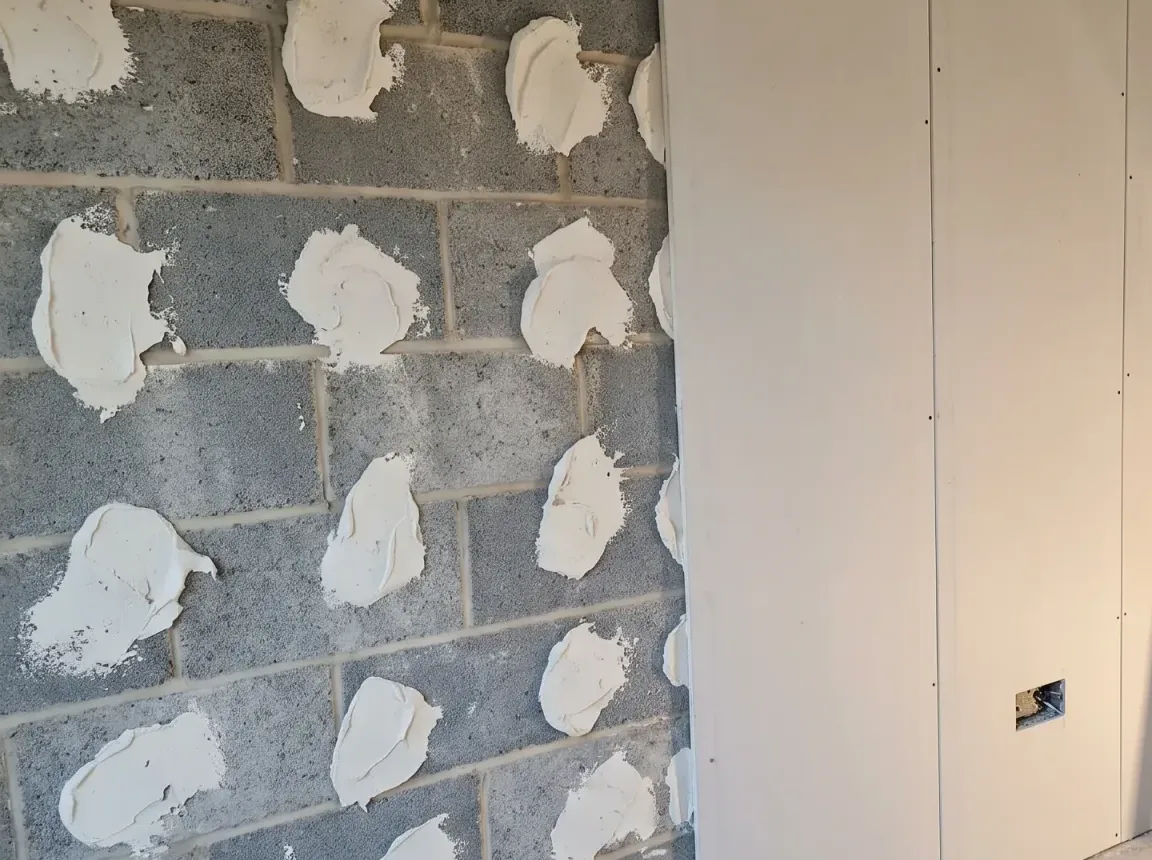
We start by inspecting the existing wall in Welling and taking precise measurements to determine suitability for dot and dab. This ensures the plasterboard will fit correctly and that the adhesive dabs will bond effectively.
Next, we clean and prepare the masonry wall in Welling to provide a solid base for the dot and dab process. Removing dust and loose material is crucial for proper adhesion.
We apply the adhesive in carefully spaced dots and dabs on the back of each plasterboard. This method secures the board firmly while allowing slight adjustments during installation.
The plasterboards are pressed onto the wall in Welling, aligned flush and level. We check the fit and make adjustments as needed before the adhesive sets, ensuring a stable and even surface.
Finally, we skim the fixed boards to create a smooth, flat wall ready for decoration. The dot and dab method expedites this stage, providing a reliable, clean substrate without the need for battens.
Chilly weather slows bonding. Trying to apply dot and dab in Welling during freezing snaps prevents gypsum adhesive from curing, leaving boards loose against exterior brickwork that stays damp. Heat must circulate gently. Draughts chill the room fast.
Porous bricks pull water away. If dry thermal blocks suck moisture out of wet adhesive mix prematurely, the grip fails before boards align true. We brush liquid bonding agent across thirsty blockwork ahead of installation. That keeps the compound workable.
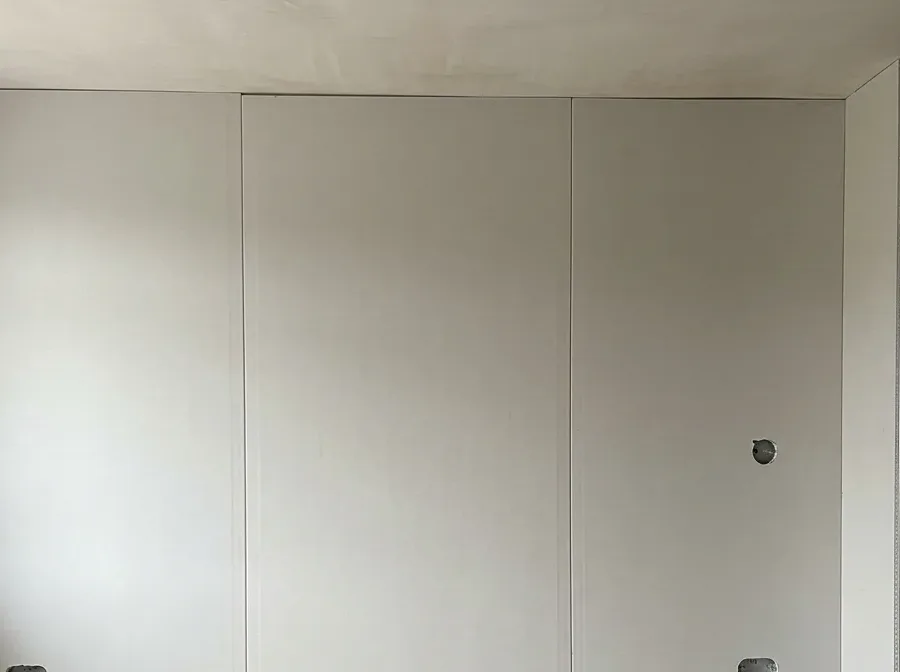
With over 20 years in the plastering trade, we know dot and dab inside and out. Projects in Welling are handled with precision, ensuring the adhesive dabs secure plasterboards firmly to masonry walls. This method allows us to deliver flat, smooth surfaces faster than traditional battening, saving time without cutting corners.
Our dot and dab technique focuses on clean, effective installation. Starting by assessing wall conditions in Welling, we then apply adhesive dots and dabs precisely to bond boards quickly and solidly. This process cuts down drying time and material waste, making it ideal for both renovations and new builds where a reliable base is essential.
Clients choose us for dot and dab in Welling because we deliver consistent, durable finishes. Each board is checked for flush alignment before the adhesive sets, creating a stable surface ready for plaster or silicone render. Our straightforward communication guarantees that projects finish on schedule.
With over 20 years in the trade, we provide dot and dab installations that meet the demands of both new builds and renovations. Each wall in Welling is thoroughly assessed prior to applying adhesive dots and dabs, ensuring plasterboards are firmly fixed and flush against masonry surfaces. This method speeds up the entire process and provides a reliable base without unnecessary hassle.
Our approach to dot and dab eliminates the need for full-surface adhesive coverage, which reduces drying time and material waste. We manage everything from initial measurement to final skim, maintaining project schedules and clear communication. The result is a flat, durable wall ready for finishing, achieved with the precision and reliability our clients expect.
We work in Welling and the surrounding area, providing local expertise and services that you can rely on. Get in touch via phone for a free estimate or schedule a visit on site.
approx. 20 milesDistance from our base · Cheshunt
Call us07465266721Email uscontact@topplastering.ukWe serve your areaWelling and the surroundings
The Google map loads after you accept marketing cookies.


Maksymilian Mazur
Very satisfied with the service! Excellent communication, clean workmanship, and everything completed professionally. Highly recommended!
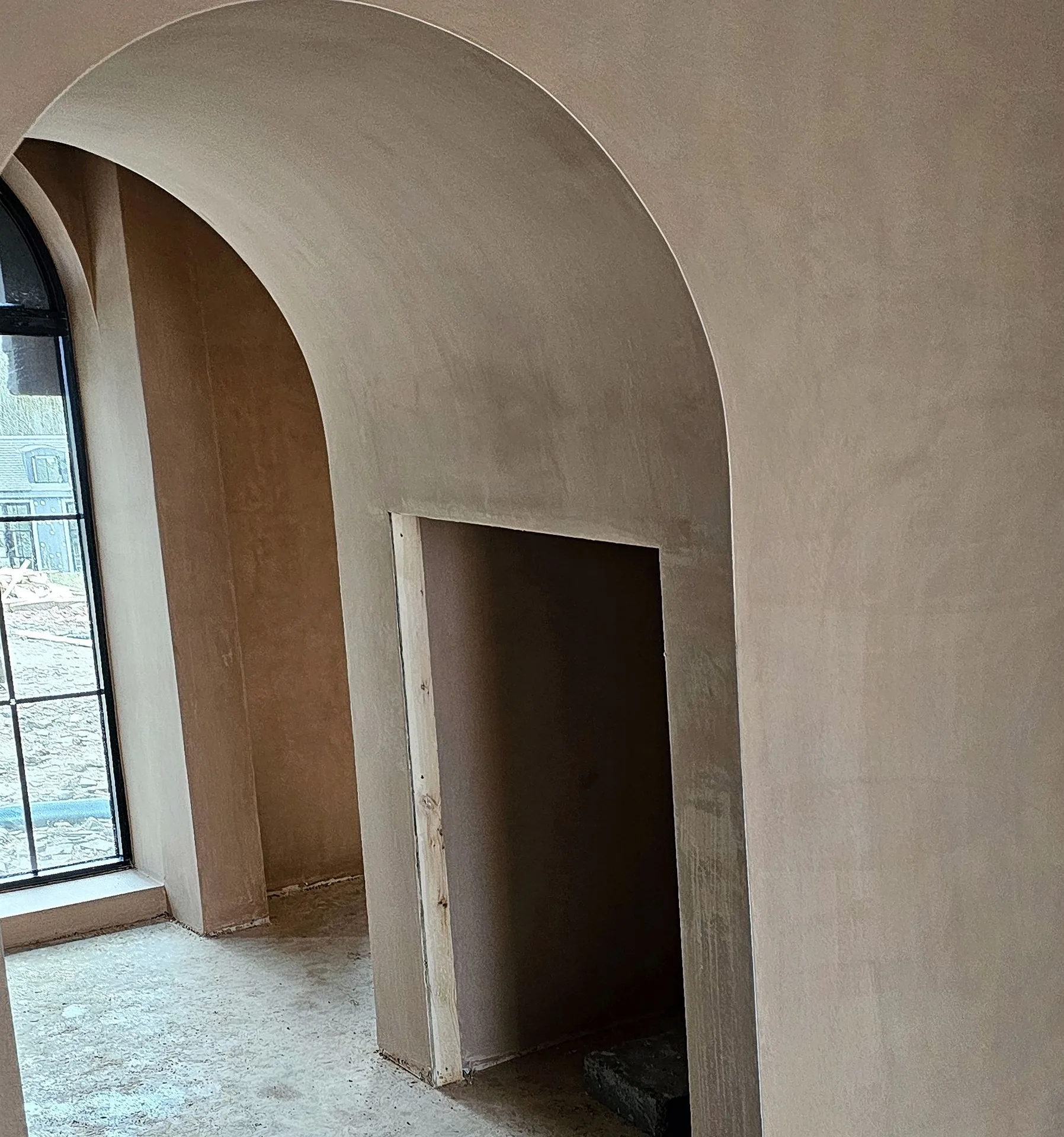
Tired walls and ceilings get a second life with skimming, giving you a flawless, durable finish every time.
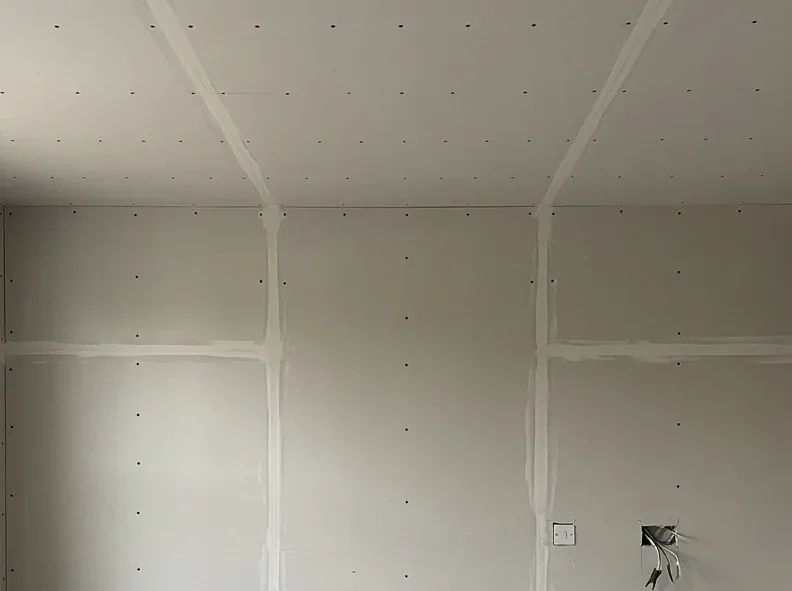
Experience matters-Topplastering handles plasterboarding for walls and ceilings so you get a truly solid finish.
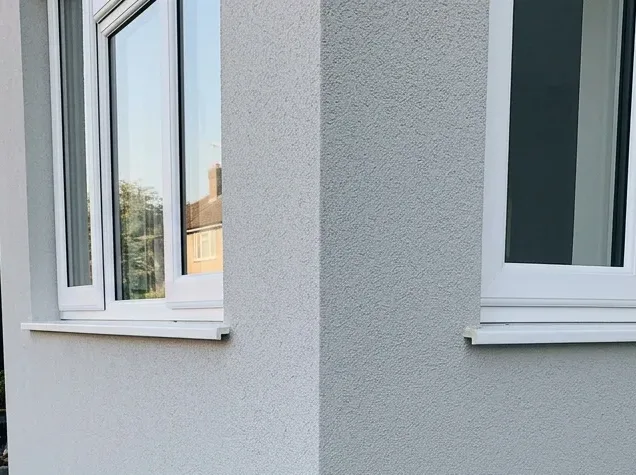
Rendering covers exterior and interior walls with a solid, even coat, protecting surfaces from weather and everyday wear.
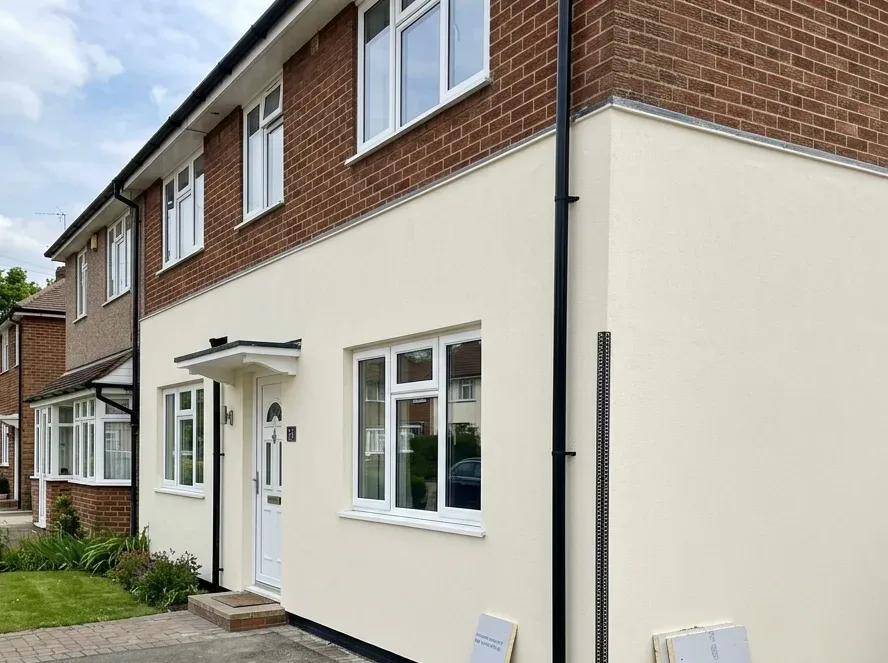
Upgrade your property with external wall insulation from Topplastering-cutting heating costs and improving your building’s appearance permanently.
Craftsmanship you can see
Every plastering project we complete leaves walls smooth, durable, and ready for whatever comes next.
Removing torn wallpaper, brittle gloss paint, or crumbly old lime wash is rarely included in the initial drywall quote. Solid bonding needs direct masonry contact, so stripping peeling layers requires separate labour or must be handled before the plasterers arrive.
Shared brick partitions rarely trigger formal legal paperwork for basic dry lining, though drilling deep anchors for wall brackets occasionally causes noise issues across the boundary. Giving your neighbour advance notice about hammering stops complaints, especially in terrace houses around Welling.
Standard ivory sheets suit internal partition walls, while insulated panels with foam backing prevent condensation on cold exterior boundaries. Moisture resistant boards carry special additives, making them necessary behind bathroom tiles where shower splash penetrates standard paper facing.
Out-of-plumb brickwork demands significantly more compound to level out wide hollows, increasing material consumption. A room packed with multiple window reveals, soil pipes, and awkward chimney recesses takes twice as much board cutting as a clear square bedroom.