


Dot and dab enables plasterboard to be directly attached to masonry walls using adhesive dabs, accelerating the process compared to traditional battens and full replastering. This technique reduces labor time without sacrificing the wall’s flatness.





We quickly make old walls flat and ready for finishing with our precise dot and dab method in St Albans.
Get a free quote
 Quick, no-obligation quote!
Dot and dab is a simple technique for attaching plasterboard directly to existing masonry walls, perfect when you wish to skip the hassle of battening out and re-plastering. For older homes featuring uneven surfaces, applying dot and dab provides an efficient and tidy method to achieve flat walls prepared for finishing.
This method utilizes adhesive applied in small dabs to hold boards securely, yet it allows for quick adjustments during installation. Dot and dab accelerates the process by reducing drying times and material waste compared to full-surface bonding. We ensure every board is perfectly aligned to create a stable base either for plaster or silicone render.
Backed by over 20 years of experience, we offer dot and dab services that meet practical demands. Builders trust this method for its combination of speed and resilience, while individual clients value the crisp, dependable finish. Each step is handled meticulously, from measuring to the final skim, ensuring the walls are ready for the next stage without any unexpected issues.
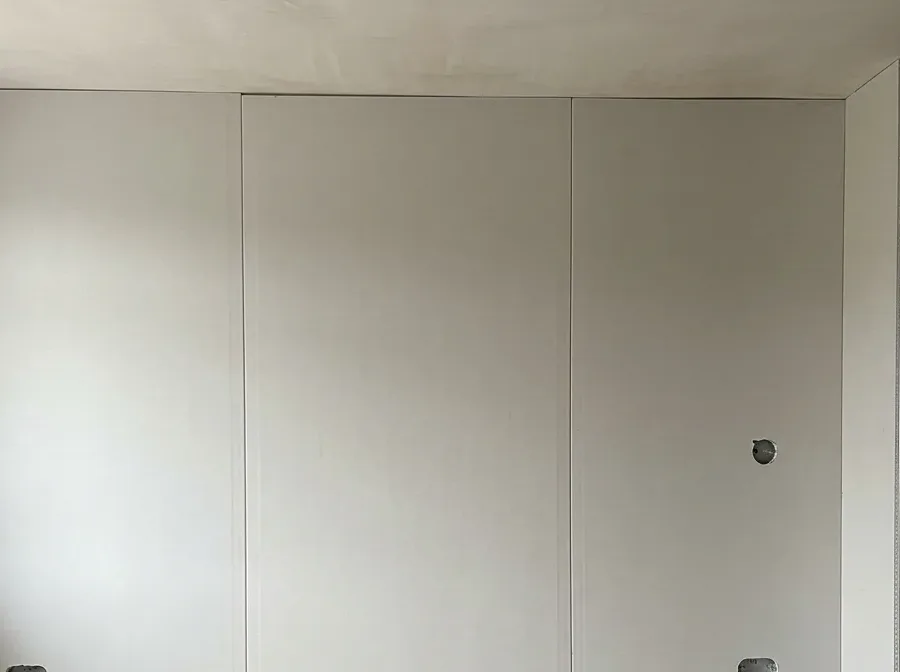
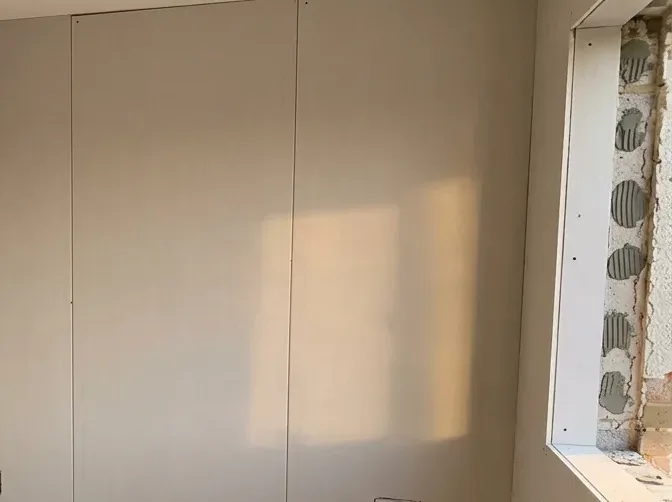
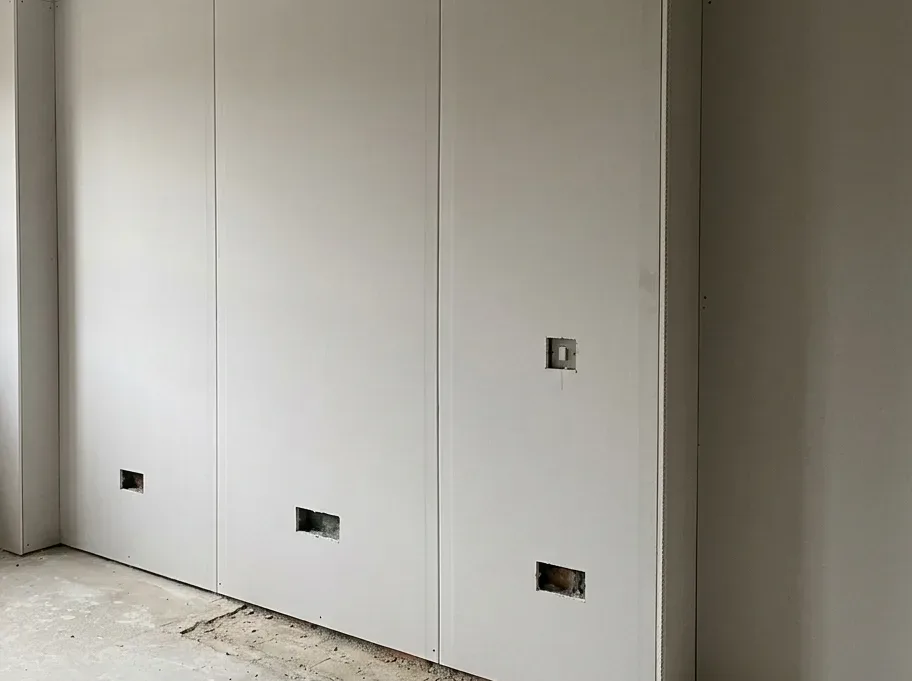
We kick off the dot and dab process in St Albans by carefully measuring and examining the masonry walls to confirm they are suitable for plasterboard application. Adhesive dabs are strategically applied on the backs of boards, followed by pressing them firmly against the wall to achieve a secure, even bond. This technique skips the mess and time associated with full-surface adhesives, allowing us to efficiently create flat, stable walls.
After securing plasterboards with dot and dab, we proceed with precise skimming to yield a smooth surface, ready for decoration or additional finishing touches. Our expertise guarantees that every board is flush and firmly attached, offering a solid base for silicone renders or plaster. This systematic approach minimizes delays and assures durable outcomes that cater to the needs of both builders and private clients.
Dot and dab enables plasterboard to be directly attached to masonry walls using adhesive dabs, accelerating the process compared to traditional battens and full replastering. This technique reduces labor time without sacrificing the wall’s flatness.
By applying adhesive in specific spots instead of across the entire surface, dot and dab minimizes mess and drying time. Our approach assures a tidy, even base ready for skim coating or silicone plaster.
The dot and dab approach creates a strong, stable connection between plasterboard and wall. Each board is pressed firmly into position, preventing movement and resulting in a solid substrate for finishing layers.
Dot and dab is particularly fitting for older houses where walls might be uneven or in need of insulation. It eliminates the requirement for bulky battens, yielding a straight surface while maintaining wall thickness.
Applying adhesive in dots and dabs reduces waste and lowers material costs. We execute this method with precision to balance durability with economical use of resources.
The secure fixing performed by dot and dab supports a flawless skim finish. With more than 20 years in the field, we ensure walls are impeccably prepared for the final plaster or render coat.
We manage dot and dab projects through clear steps: measuring, applying adhesive, positioning boards, and finishing. This transparency keeps projects on track and clients informed throughout.
Dust settles everywhere during boarding. You should strip out skirting boards, clear furniture entirely from the perimeter, and pull loose wiring back into back boxes. When completing dot and dab in St Albans, we always require bare brick or blockwork free from crumbling lime wash, peeling paint, or loose crumbling mortar before mixing any adhesive.
Plasterboard sheets are bulky. Navigating narrow Victorian hallways or tight domestic staircases with eight-foot sheets demands an unobstructed pathway from the delivery vehicle right to your front door. If an old radiator still hangs on the wall, it must come down beforehand. Plumbers need to isolate pipes, cap tails safely, and pull floorboards so trades do not trip while carrying heavy boards into tight rooms.
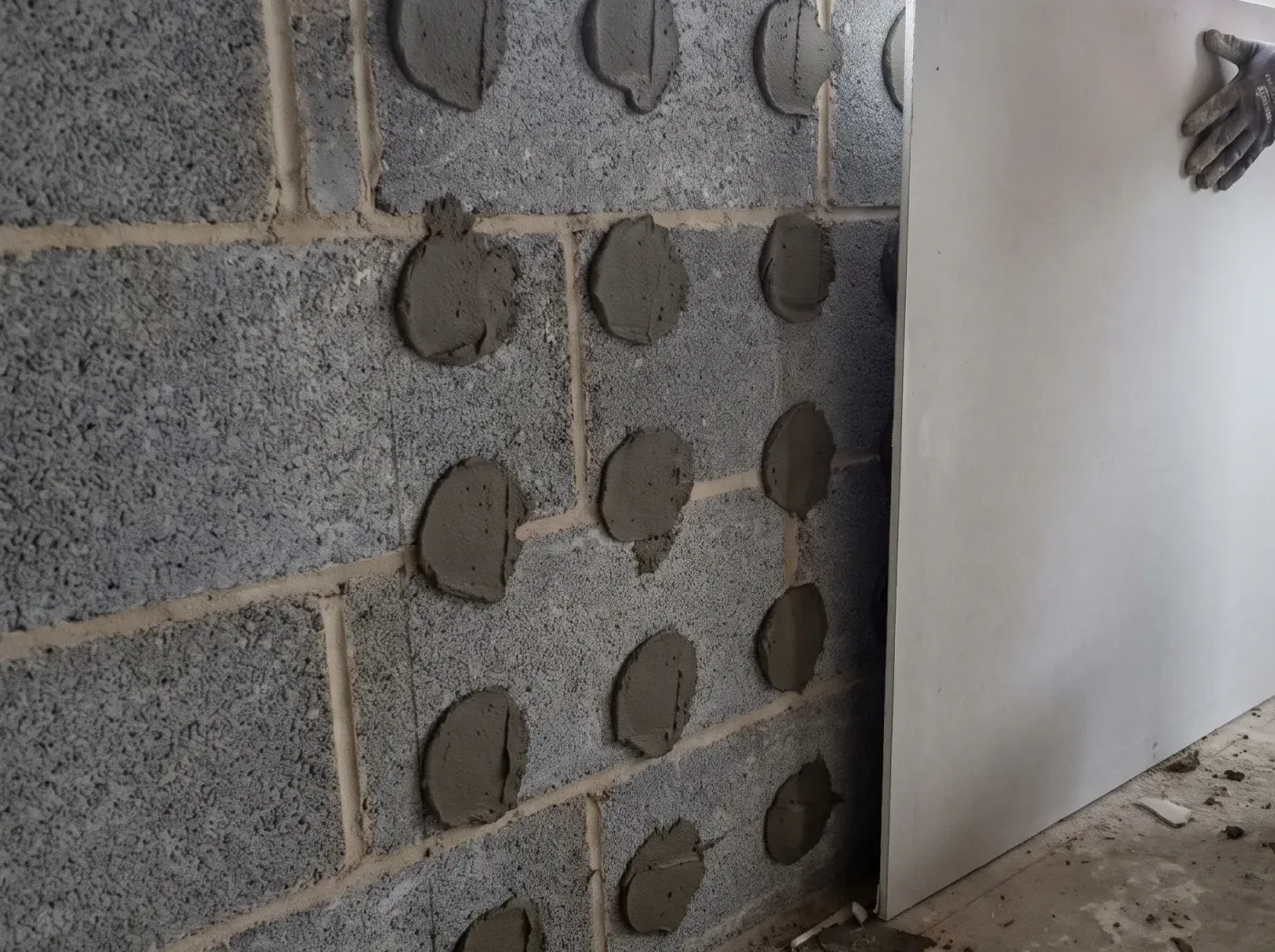
We begin by evaluating the existing wall and taking precise measurements to assess the suitability for dot and dab. This step ensures the plasterboard will fit appropriately and that the adhesive dabs will bond effectively.
Next, we clean and set up the masonry wall to create a solid base for the dot and dab process. Removing dust and loose materials is vital to guarantee proper adhesion.
We apply the adhesive in evenly spaced dots and dabs on the rear of each plasterboard. This technique secures the board firmly while permitting slight adjustments during installation.
The plasterboards are pressed against the wall, aligned carefully to ensure they are both flush and level. We check the fit and adjust as needed before the adhesive sets, ensuring a stable and even surface.
Finally, we skim the installed boards to achieve a smooth, flat wall ready for decoration or further finishes. The dot and dab method hastens this phase by providing a reliable, clean substrate without the need for battens.
Cables go in first. Electricians must clip all conduit, back boxes, and cable runs securely against the bare masonry before any drylining boards go up. For dot and dab in St Albans, skipping this proper sequence creates hollow pockets where hidden pipes can get pierced by fixing screws later on.
Adhesive dabs leave little depth. Thick soil pipes or oversized waste junctions cannot hide inside the narrow void behind directly bonded boards without framing out a dedicated stud boxing. A carpenter might need to build timber framework around bulky soil stacks instead.
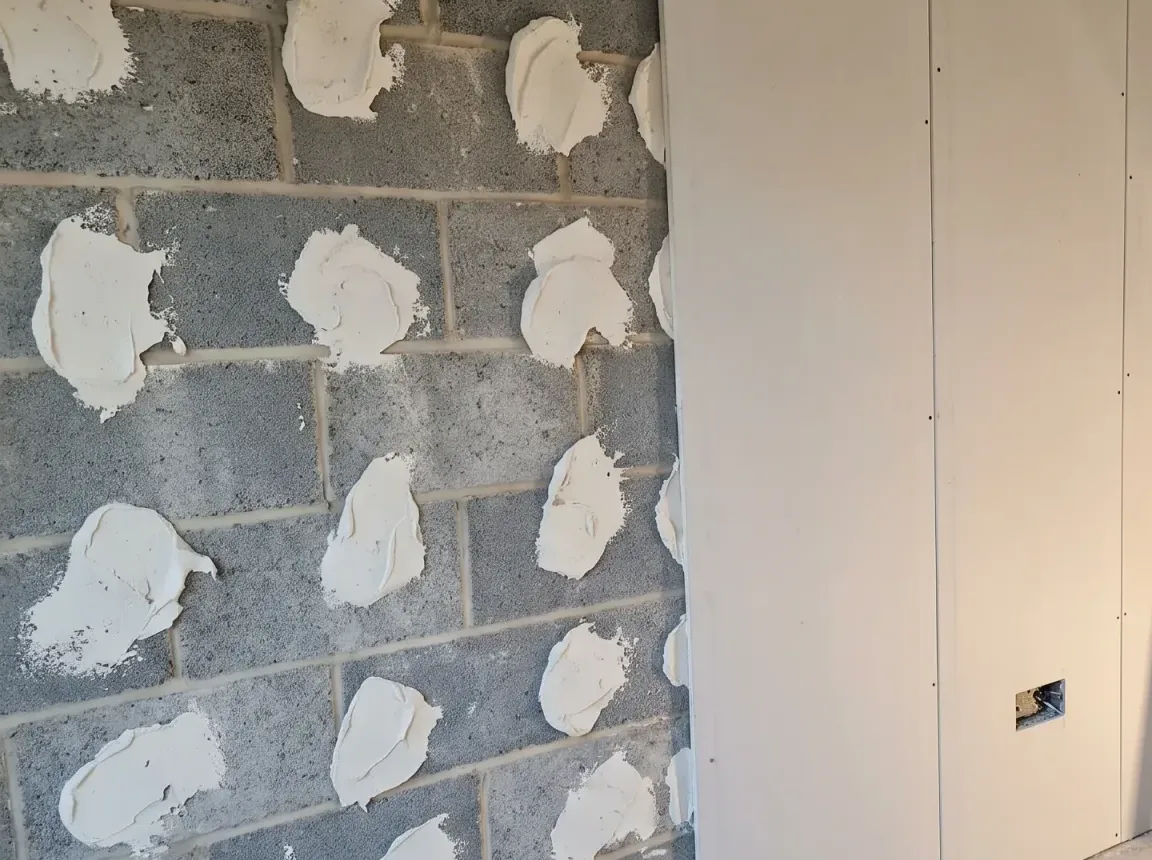
Wall units carry weight. Standard plasterboard plugs simply pull loose if you try anchoring heavy kitchen cupboards straight into the plasterboard core. Choosing dot and dab in St Albans means your installer needs to position solid adhesive bands right where your cabinet hanging rails will eventually bite.
Water adds substantial weight. Long anchor bolts must drill through the board and embed directly into the solid thermal blocks behind. When an adhesive dab sits directly behind the bracket location, tightening fixings will not compress or crack your skimmed board surface under normal everyday household strain.
Heavy brackets lever outwards. Cantilever arms pull hard against hollow cavities when moved. You need core fixings reaching the masonry, or pre-installed timber noggins tucked securely between the dabs before final skimming begins.
With more than 20 years in the industry, we provide dot and dab installations that withstand the expectations for both new constructions and renovations. We thoroughly assess each wall before applying adhesive dots and dabs, ensuring plasterboards are securely fixed and aligned with masonry surfaces. This technique speeds up the process and creates a dependable base for smooth, long-lasting finishes without unnecessary complications.
Our method for dot and dab removes the need for full-surface adhesive coverage, resulting in reduced drying time and minimal material waste. We take charge of all stages from initial measurements to final skim, helping to keep the project on schedule and maintain clear communication. This culminates in a flat, resilient wall ready for finishing, completed with the precision and reliability expected by builders and homeowners alike.
We are based locally in St Albans and provide dot and dab services in the surrounding areas. Contact us for a free estimate via phone or email, or to arrange a visit on site.
approx. 15 milesDistance from our base · Cheshunt
Call us07465266721Email uscontact@topplastering.ukWe serve your areaSt Albans and the surroundings
The Google map loads after you accept marketing cookies.


Maksymilian Mazur
Very satisfied with the service! Excellent communication, clean workmanship, and everything completed professionally. Highly recommended!
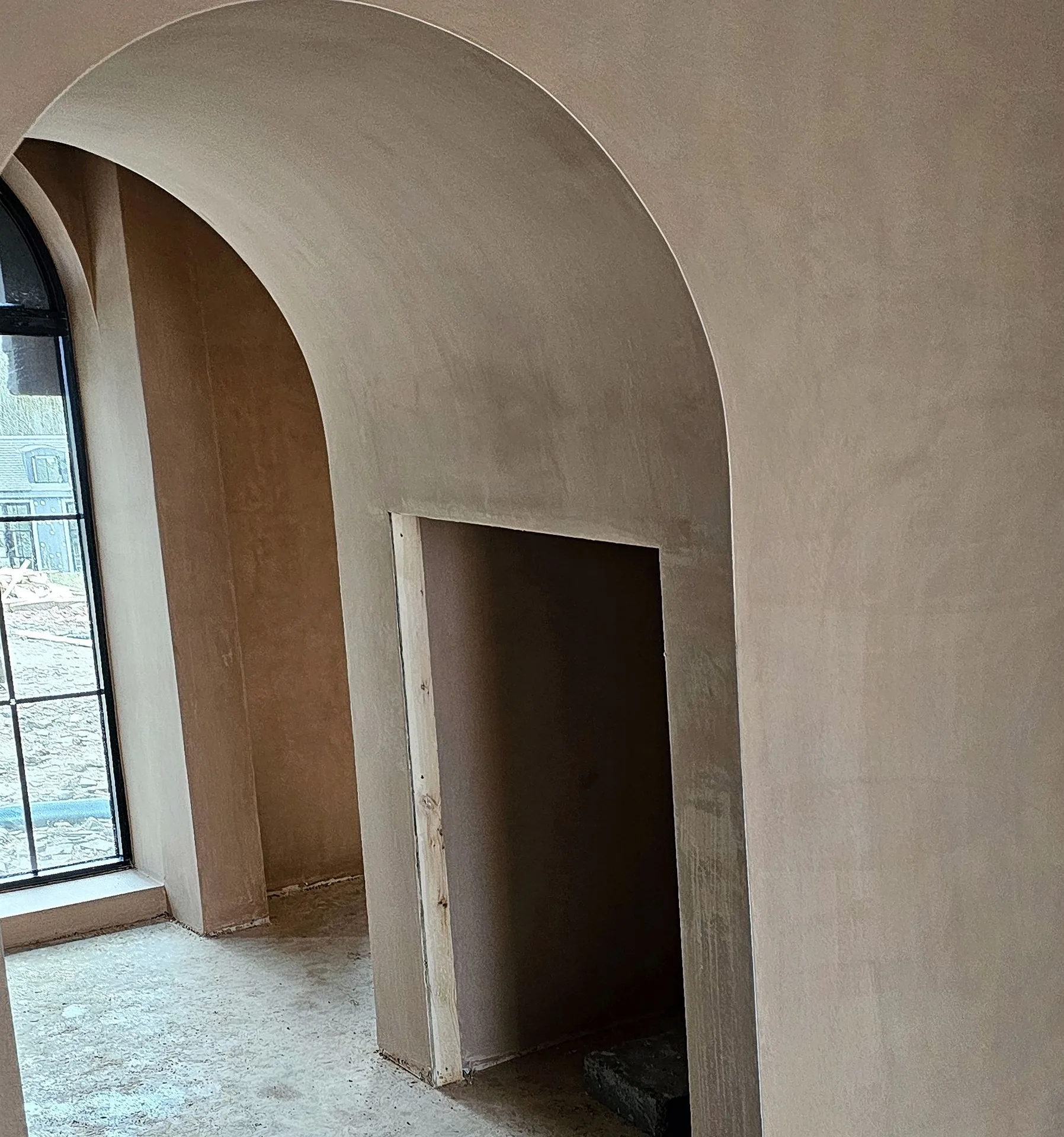
Tired walls and ceilings get a second life with skimming, giving you a flawless, durable finish every time.
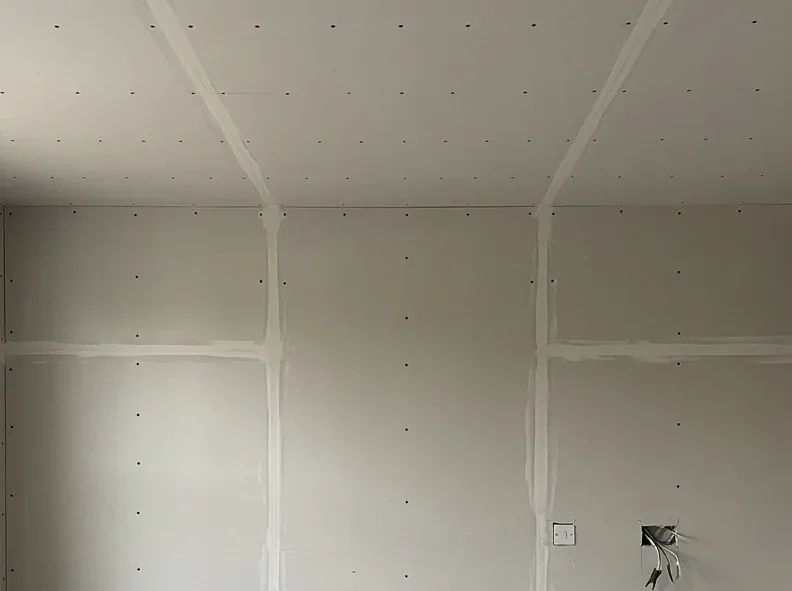
Experience matters-Topplastering handles plasterboarding for walls and ceilings so you get a truly solid finish.
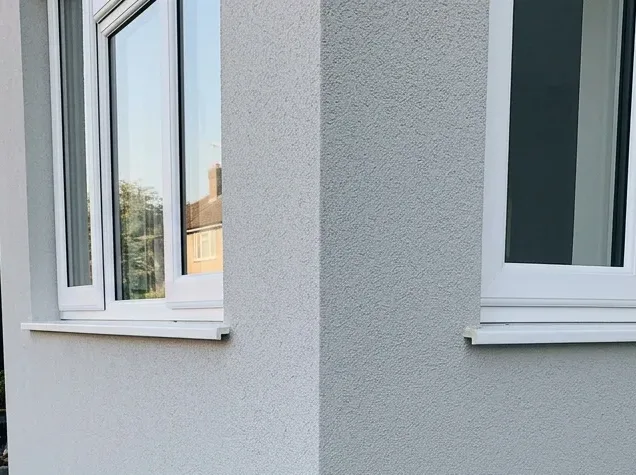
Rendering covers exterior and interior walls with a solid, even coat, protecting surfaces from weather and everyday wear.
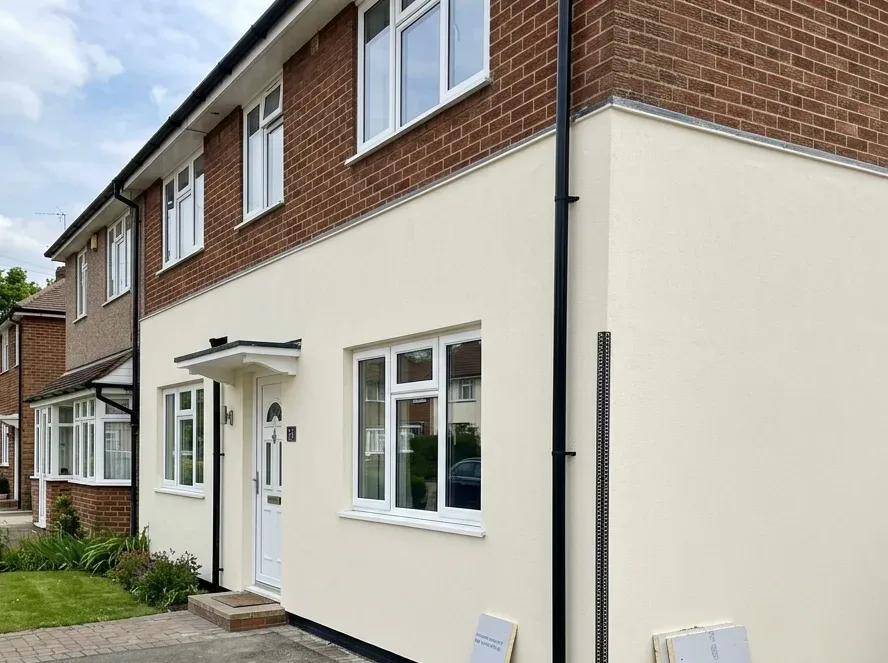
Upgrade your property with external wall insulation from Topplastering-cutting heating costs and improving your building’s appearance permanently.
Craftsmanship you can see
Every plastering project we complete leaves walls smooth, durable, and ready for whatever comes next.
Standard boards work on flat blockwork, but moisture areas demand moisture boards. Thicker boards add acoustic deadening. You choose based on room humidity and wall alignment, because thin boards flex over uneven brickwork.
Check for hollow sounds along floor edges. A careless installer skips continuous adhesive bands at the bottom, leaving skirting without solid backing. Ask whether they plan continuous ribbons around ceilings and window openings.
Direct bonding adhesive requires dry suction to grab properly. If rising damp or penetrating rainwater saturates bricks in St Albans, adhesive fails to cure. Work pauses until the damp source dries out thoroughly.
Wall straightness dictates adhesive quantity. Highly irregular old brickwork swallows far more bonding compound to plumb up, requiring extra labour compared with flat, modern block walls needing only thin dabs.