


Dot and dab allows for plasterboard to be attached directly to masonry walls using adhesive dabs, which accelerates the process compared to traditional battens and full replastering. This technique reduces labor time while maintaining wall flatness.





We efficiently get old walls flat and prepared for finishing by using our precise dot and dab method in Romford.
Get a free quote
 Quick, no-obligation quote!
The dot and dab technique lets us attach plasterboard directly onto existing masonry walls. It's a great choice when you want to save time and mess instead of using battens and re-plastering. In Romford, especially for older homes with uneven surfaces, dot and dab provides a speedy and tidy way to get flat walls ready for a finish.
Using adhesive applied in small dabs, this method ensures boards are secured firmly but still allows for quick adjustments during installation. Dot and dab in Romford speeds up the project, reducing drying times and material waste compared to full-surface bonding. We take care to align each board perfectly, creating a stable base suitable for plaster or silicone render.
With over 20 years of experience in Romford delivering reliable dot and dab methods, we have earned the trust of builders and homeowners. Builders appreciate this approach for its speed and durability, while clients admire the clean finish. We manage every detail-from measuring to the final skim-ensuring walls are primed for the next phase without unexpected results.
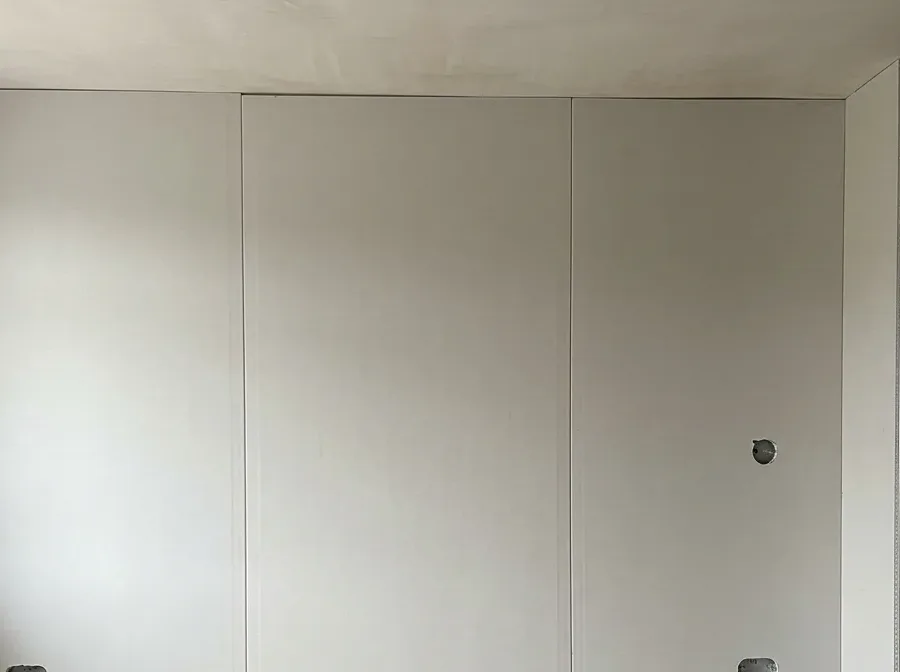
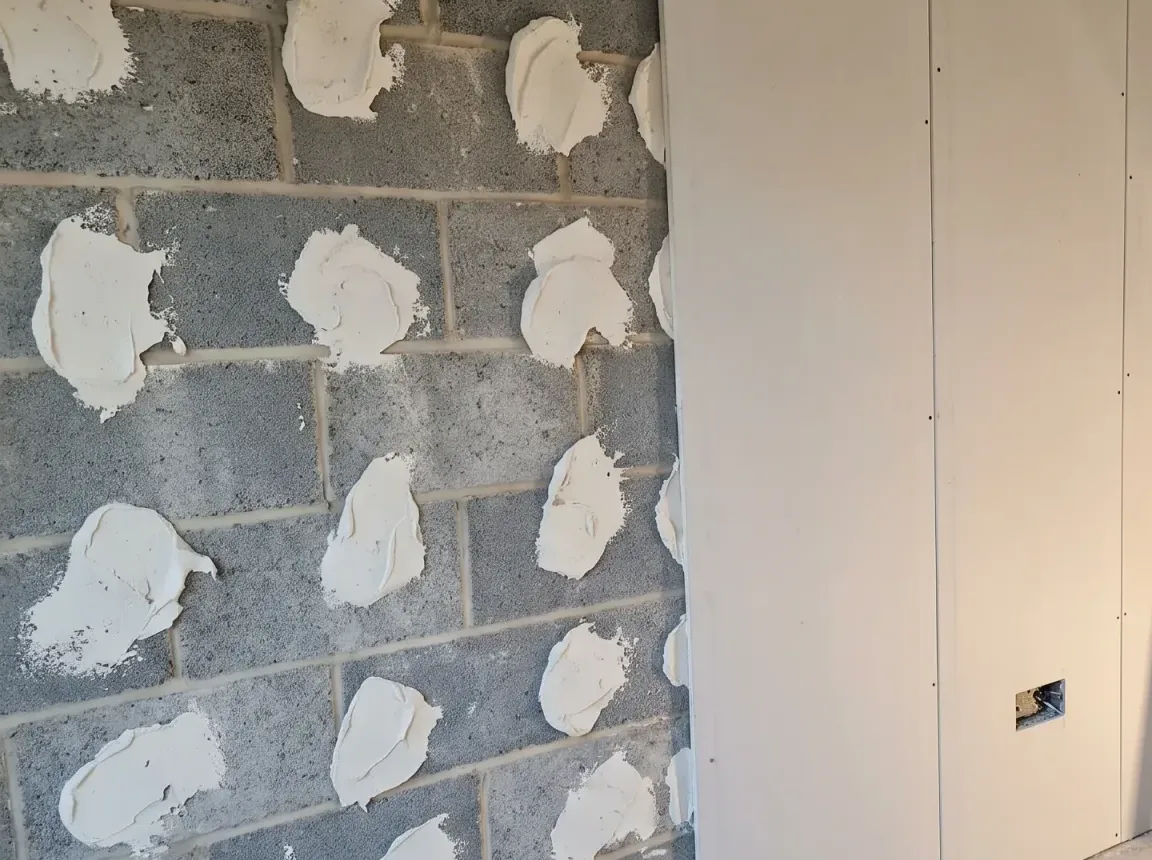
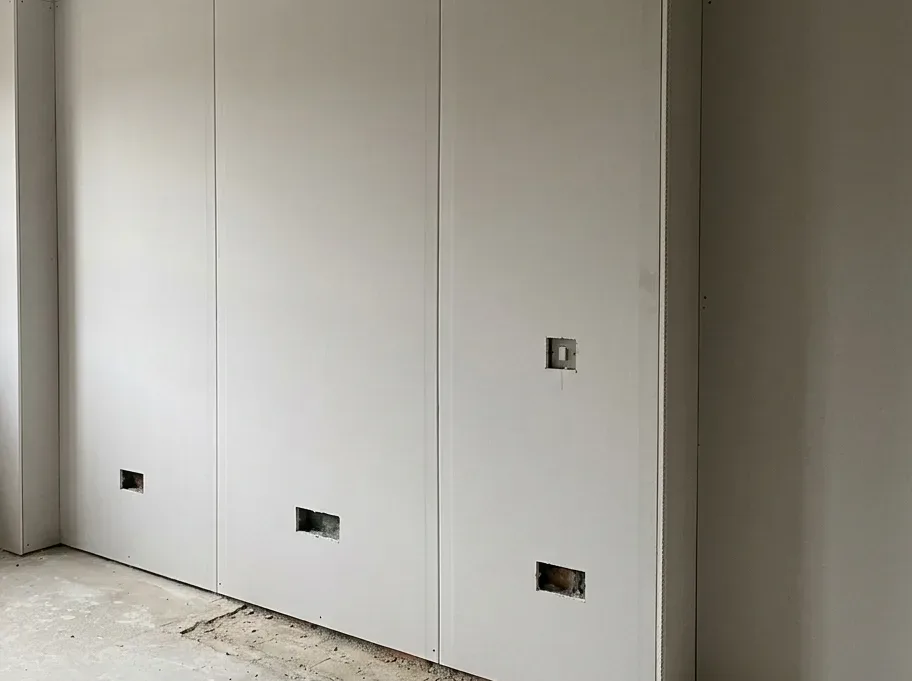
We begin the dot and dab process by carefully measuring and inspecting masonry walls to confirm they're ready for plasterboard application. In Romford, we strategically apply adhesive dabs to the back of each board, pressing them firmly against the wall for a strong, even bond. This method avoids the mess associated with full-surface adhesives, enabling us to deliver flat, sturdy walls with efficiency.
Once the plasterboards are secured using dot and dab, we follow up with precise skimming that results in a smooth surface ideal for decoration or further finishing. Our expertise guarantees that each board is properly aligned and firmly attached, providing a reliable foundation for silicone renders or plaster. This strategy reduces delays and ensures lasting results that meet the expectations of both builders and individual clients.
Dot and dab allows for plasterboard to be attached directly to masonry walls using adhesive dabs, which accelerates the process compared to traditional battens and full replastering. This technique reduces labor time while maintaining wall flatness.
By applying adhesive in dabs rather than across the entire surface, dot and dab minimizes mess and drying time. Our method ensures a tidy, even foundation, ready for skim coating or silicone plaster.
The dot and dab technique forms a strong, stable connection between plasterboard and the wall. Boards fit snugly into place, preventing any movement while providing a solid substrate for finishing layers.
In Romford, dot and dab is perfect for older houses with uneven walls or insulation needs. It eliminates bulky battens and provides a straight surface while preserving wall depth.
Applying adhesive in dots and dabs minimizes waste and reduces material costs. We execute this method with precision, balancing durability with economical resource use.
The firm fixing achieved through dot and dab supports a flawless skim finish. With two decades of experience, we make sure that walls are well-prepared for the final plaster or render coat.
Our dot and dab tasks involve clear steps: measuring, applying adhesive, positioning boards, and finishing. This clarity keeps projects on track and clients updated at every step.
You cannot use standard plastic wall plugs here. When planning dot and dab Romford homeowners often forget that hollow voids sit right behind the gypsum boards, meaning boiler brackets or heavy floating shelves will crack the plasterboard skin unless core fixings reach straight into the solid brickwork underneath. Pick anchors that bridge this gap securely.
Knock lightly along the dry wallboard. Hollow thuds reveal air, whereas dull taps show dense adhesive underneath. When hanging substantial mirrors or flat-screen televisions without core anchors, you must locate these solid compound masses or install extra timber noggins before the drylining boards go up. Otherwise, heavy screws inevitably pull the board forward and spoil the decorated surface.
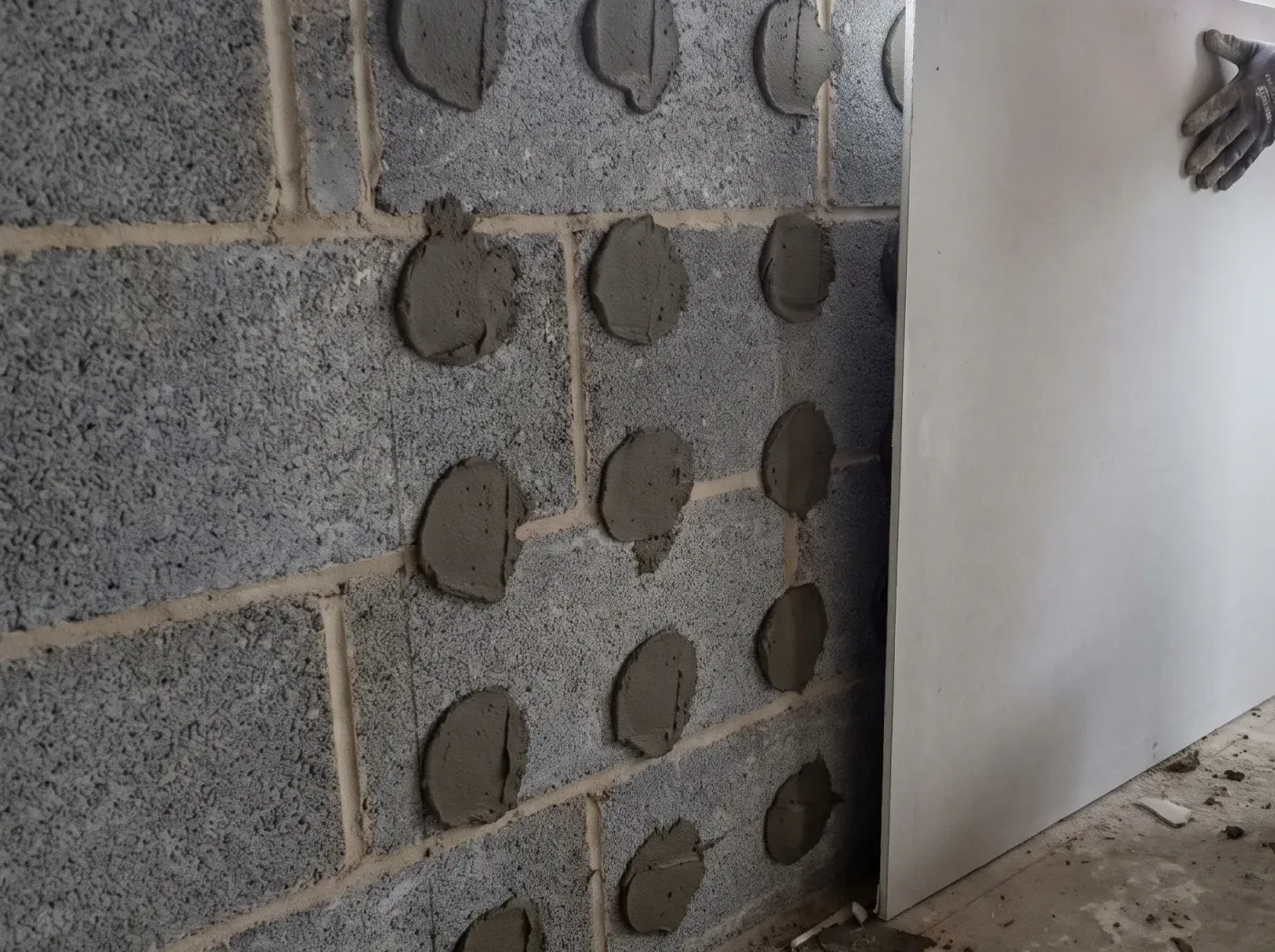
We start by examining the existing wall and taking precise measurements to confirm suitability for dot and dab. This step ensures proper fit and effective bonding of adhesive dabs.
Next, we clean and prepare the masonry wall to create a solid base for the dot and dab process. Removing dust and loose debris is crucial to ensure good adhesion.
We carefully apply adhesive in spaced dots on the back of each plasterboard. This technique secures the board firmly while allowing minor adjustments during installation.
The plasterboards are pressed onto the wall, aligned to be flush and level. We ensure a proper fit and make necessary adjustments prior to the adhesive setting, promoting a stable surface.
Finally, we skim the secured boards to create a flat wall ready for decoration or finishing steps. This dot and dab approach expedites this phase by offering a clean substrate without the use of battens.
Electricians need access beforehand. Thin grey twin cables easily slip into the cavity behind the boards, but bulky plastic conduits or copper gas pipes demand deep masonry chases so the plasterboard can sit tight against the brick wall. Dot and dab in Romford requires fully tested pipework prior to sticking boards.
Socket boxes cause headaches. If your metal back boxes protrude past the raw brick face, drylining sheets rock over the high spots instead of sitting flat. Plumbers must also position radiator tails with enough forward clearance to clear both the boards and future skimming coats.
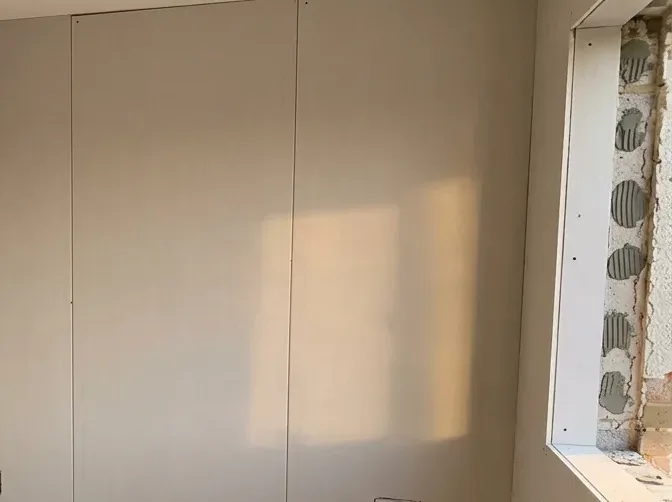
Cold brickwork halts drying. Adhesive sets unpredictably when frosty drafts blow through unglazed window openings, so dot and dab in Romford needs weathertight rooms with gentle space heating to cure properly without powdery edges.
Dry masonry steals moisture fast. Highly porous thermal blocks rapidly draw water straight out of the bonding compound before it grabs the board, demanding a coat of bonding agent across bare blocks on scorching summer afternoons.
Never board wet masonry. Direct bonding must not bridge active rising moisture or penetrating rain from faulty gutters. Any external leaks must be repaired well before plasterers arrive on site with drywall compound.
With over 20 years in the trade, we deliver dot and dab installations that withstand the demands of new builds and renovations alike. Every wall is thoroughly assessed before fixing adhesive dots and dabs, ensuring plasterboards stick securely and flush to masonry surfaces. This method accelerates workflow, providing a reliable base for smooth finishes without any unnecessary hassle.
Our dot and dab approach eliminates the need for full-surface adhesive, reducing drying times and material waste. We manage everything from the initial measurement to final skim, keeping the project on schedule with clear communication. The result is a flat, robust wall ready for finishing, completed with the precision and reliability that builders and homeowners appreciate.
We proudly serve Romford and the surrounding area. Contact us for a free estimate or to schedule an on-site visit; we're just 15 miles from Cheshunt.
approx. 15 milesDistance from our base · Cheshunt
Call us07465266721Email uscontact@topplastering.ukWe serve your areaRomford and the surroundings
The Google map loads after you accept marketing cookies.


Maksymilian Mazur
Very satisfied with the service! Excellent communication, clean workmanship, and everything completed professionally. Highly recommended!
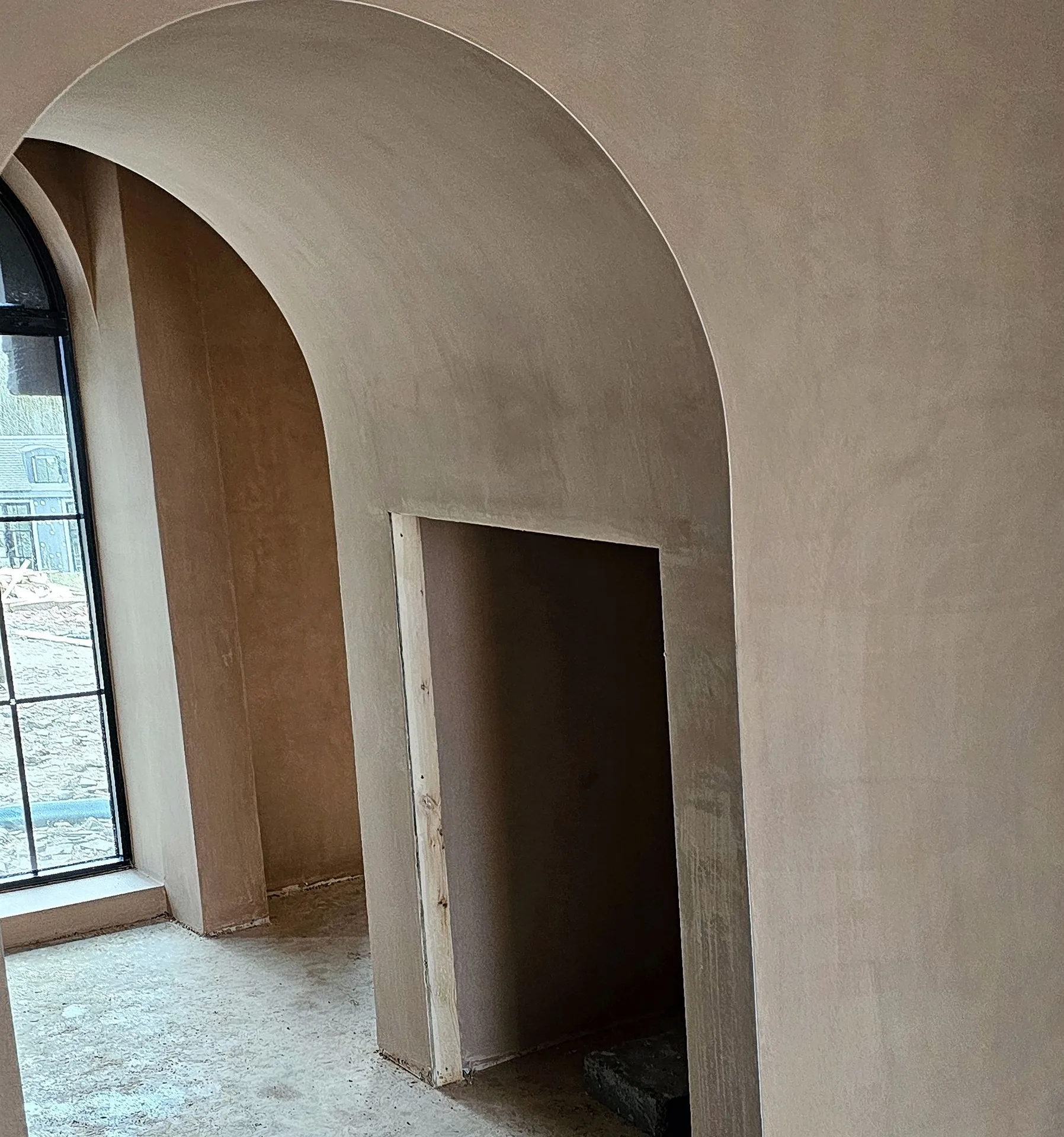
Tired walls and ceilings get a second life with skimming, giving you a flawless, durable finish every time.
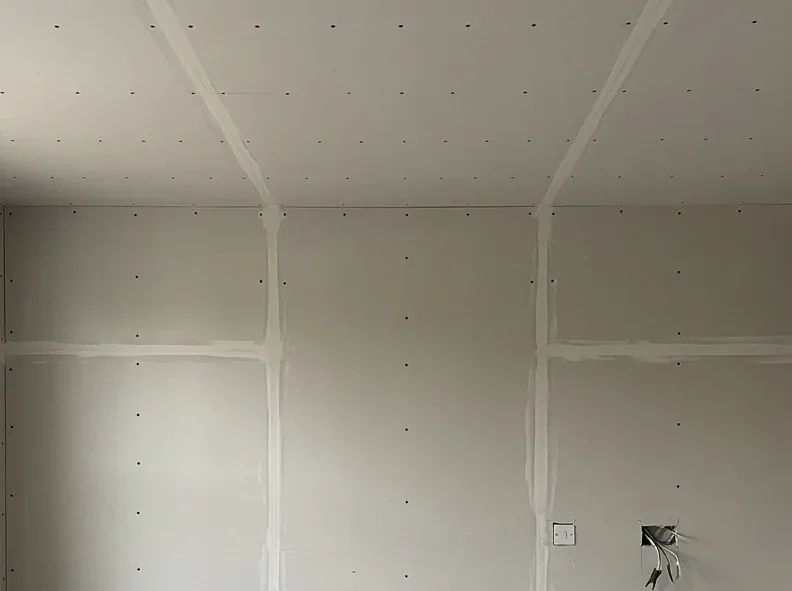
Experience matters-Topplastering handles plasterboarding for walls and ceilings so you get a truly solid finish.
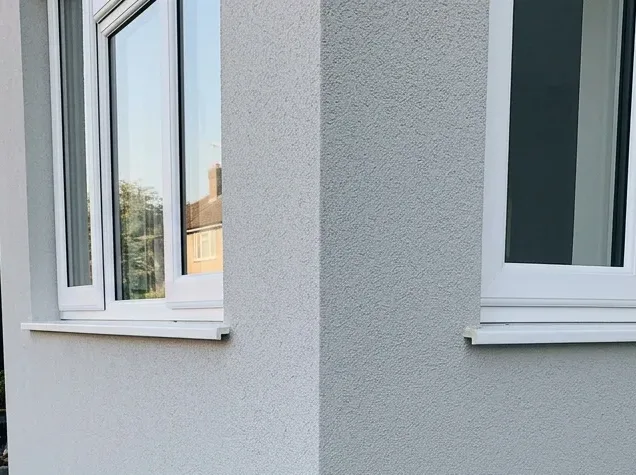
Rendering covers exterior and interior walls with a solid, even coat, protecting surfaces from weather and everyday wear.
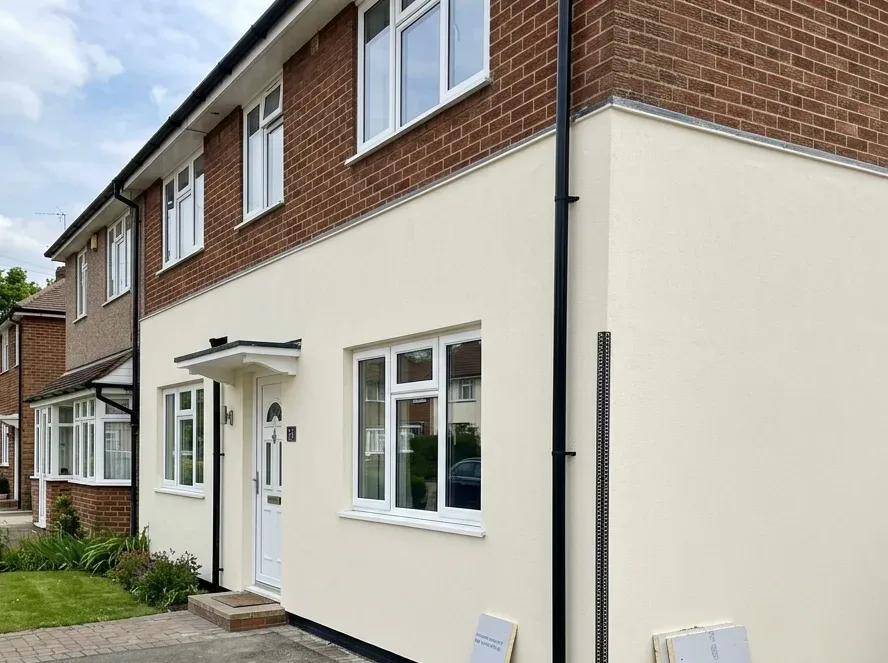
Upgrade your property with external wall insulation from Topplastering-cutting heating costs and improving your building’s appearance permanently.
Craftsmanship you can see
Every plastering project we complete leaves walls smooth, durable, and ready for whatever comes next.
No, because ordinary cavity fixings only grip the thin gypsum core and will pull away under heavy loads. You need specialized long core fixings that pass straight through the adhesive cavity into the masonry, or solid timber battens fitted behind the board locations before bonding.
Clear all furniture from the workspace and strip loose wallpaper, crumbling lime, or peeling paint from the bare masonry. Sweeping the perimeter floor lets boards rest tight to the base, while leaving sufficient floor space allows our crew to mix bonding compound and handle large sheets safely.
Costs vary based on how crooked the underlying brickwork is. Seriously uneven walls consume twice as much compound to plumb up, while spaces with multiple small window reveals, awkward soil pipes, or tricky chimney breasts demand intricate board cutting and significantly more labour time.
No, external structural repairs and curing damp issues fall outside standard drylining. In properties around Romford, any penetrating water from cracked exterior render or faulty gutters must be cured by general builders beforehand, because bonding compound cannot act as a waterproof barrier against soaked brickwork.