


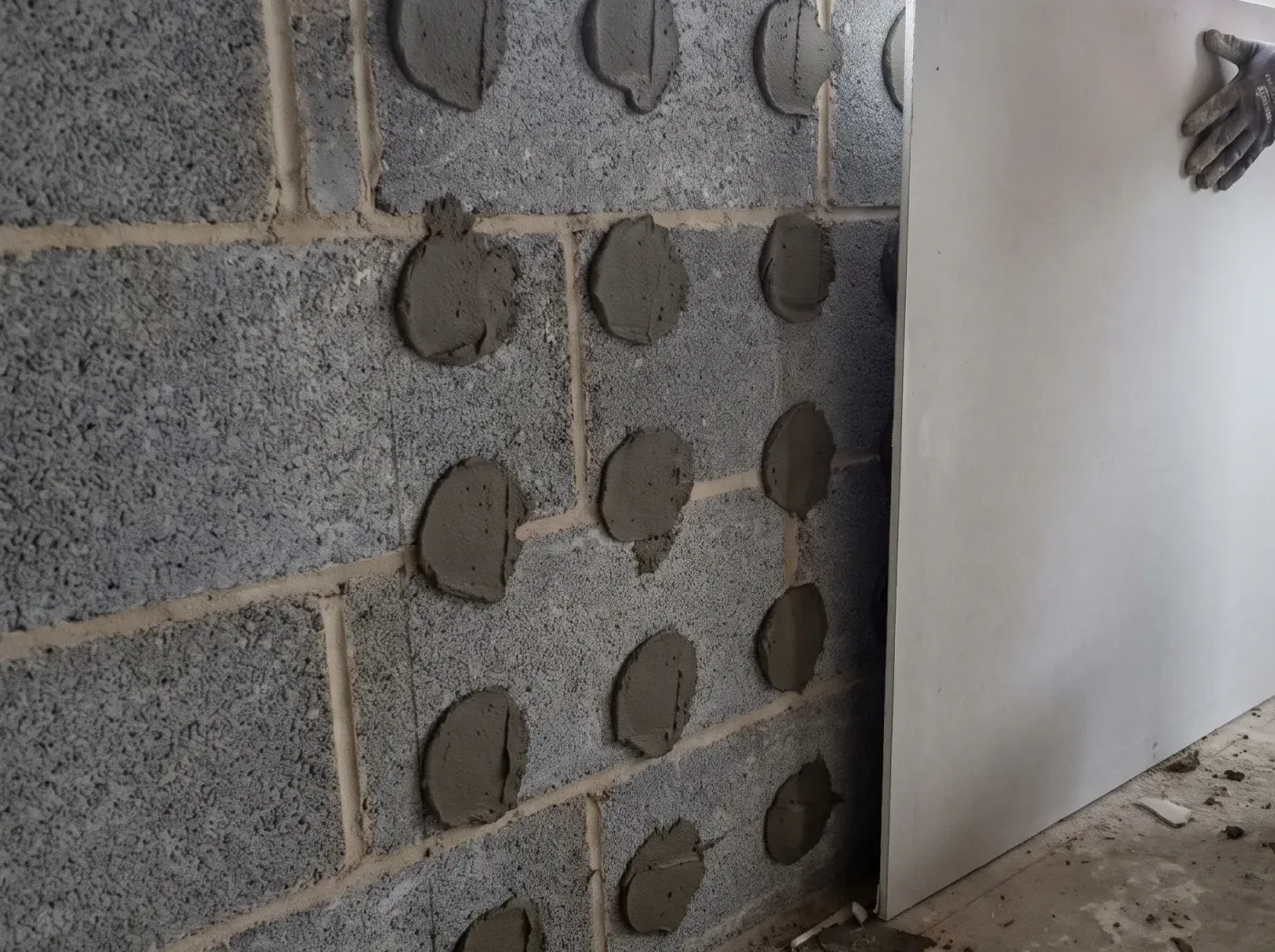
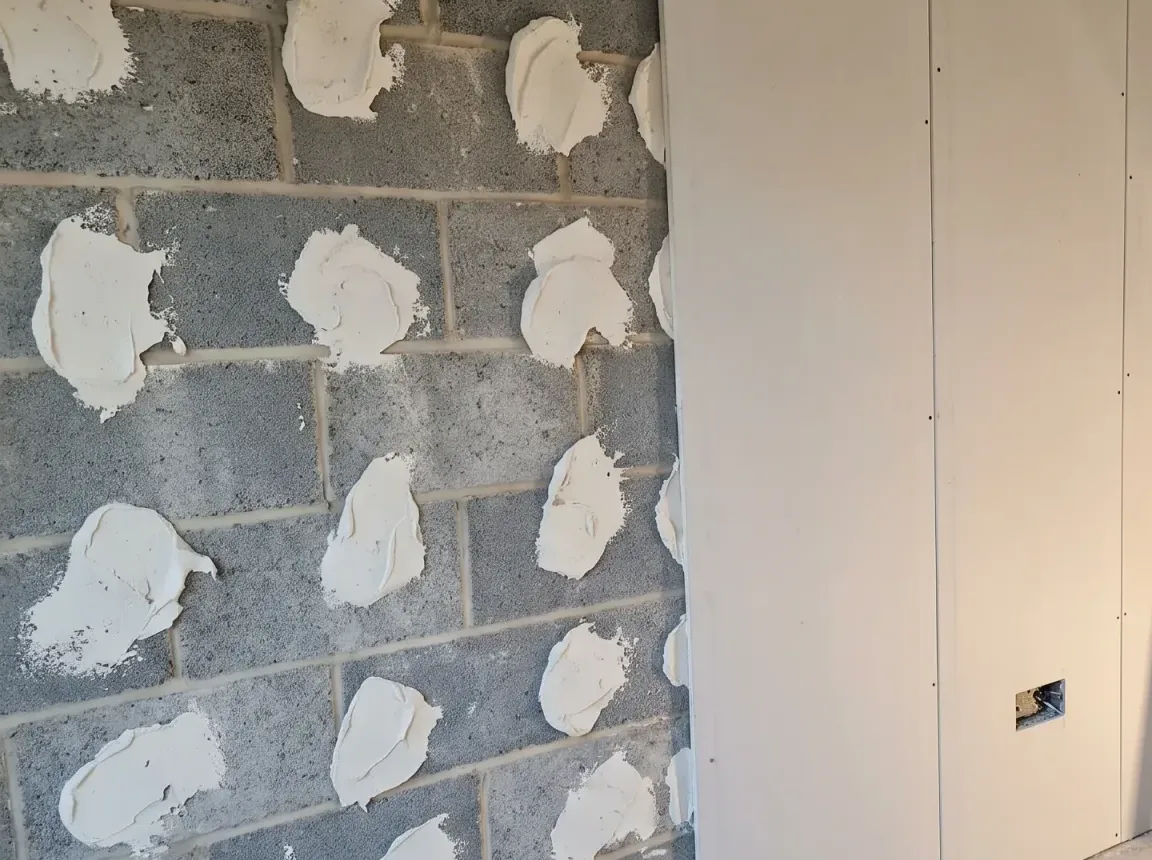
Dot and dab allows plasterboard to be affixed directly to masonry walls using adhesive dabs, accelerating the process compared to traditional battens and full replastering. This method reduces labor time without sacrificing wall flatness.





Quickly get old walls flat and ready for finishing with our precise dot and dab method in Redhill.
Get a free quote
 Quick, no-obligation quote!
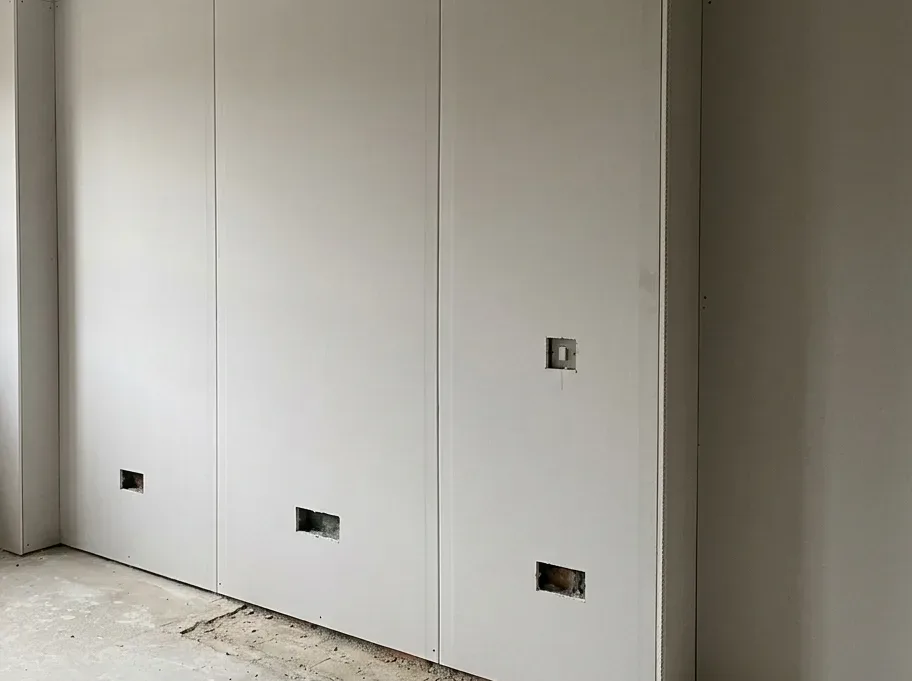
Dot and dab is a straightforward method for attaching plasterboard directly to existing masonry walls. It’s the preferred choice when aiming to avoid the mess and time associated with traditional battening and re-plastering. For older houses around Redhill with uneven surfaces, employing dot and dab gives a faster and cleaner route to achieve flat walls ready for finishing.
This technique utilizes adhesive applied in small dabs to secure boards firmly while allowing quick adjustments during the installation process. By using dot and dab in Redhill, we significantly speed up the work, reducing drying times and material wastage when compared to full-surface bonding. Our team ensures every board is aligned perfectly, creating a stable base for plaster or silicone render.
With over 20 years of experience, we have been delivering dot and dab solutions that meet practical demands in Redhill. Builders in the area rely on this method for its speed and durability, while individual clients appreciate the clean and dependable finish. We handle every step-from measuring to the final skim-ensuring the walls are prepared for the next phase without any surprises.
Radiators pull on boards. When carrying out dot and dab in Redhill on cold external blockwork, we always remind homeowners that hollow voids cannot support massive cast-iron radiators or kitchen cabinets without specialised fixings that bite straight into the masonry behind the plasterboard sheets. Use core fixings instead. Standard plastic wall plugs simply crush the gypsum layer beneath heavy bathroom mirrors.
Light frames need less fuss. Ordinary lightweight steel pins tap directly into the paper face without trouble, yet finding solid adhesive beds behind the board makes hanging floating timber shelves far safer. Tap the dry lining gently with your knuckle. A dull thud signals adhesive, whereas hollow rings mark clear air gaps where conduit runs down to skirting boards.
Dot and dab allows plasterboard to be affixed directly to masonry walls using adhesive dabs, accelerating the process compared to traditional battens and full replastering. This method reduces labor time without sacrificing wall flatness.
By applying adhesive in specific spots instead of across the entire surface, dot and dab minimises mess and drying times. This method ensures that the base for skim coating or silicone plaster is neat and even.
The dot and dab technique forms a strong, stable connection between plasterboard and wall. Boards are pressed firmly into position, preventing movement and providing a solid substrate for finishing layers.
Dot and dab is ideal for older homes in Redhill where walls may be uneven or require insulation. This approach avoids bulky battens, promoting a straight surface while preserving wall depth.
Using dabs of adhesive minimises waste and reduces material costs. We apply this method precisely, achieving durability alongside economical use of resources.
The secure fixing achieved by dot and dab supports a smooth skim finish. With decades of experience, we ensure walls are perfectly prepared for the final plaster or render coat.
We manage dot and dab work through straightforward steps: measuring, applying adhesive, positioning boards, and finishing. This transparency keeps projects on track while keeping clients informed throughout each stage.
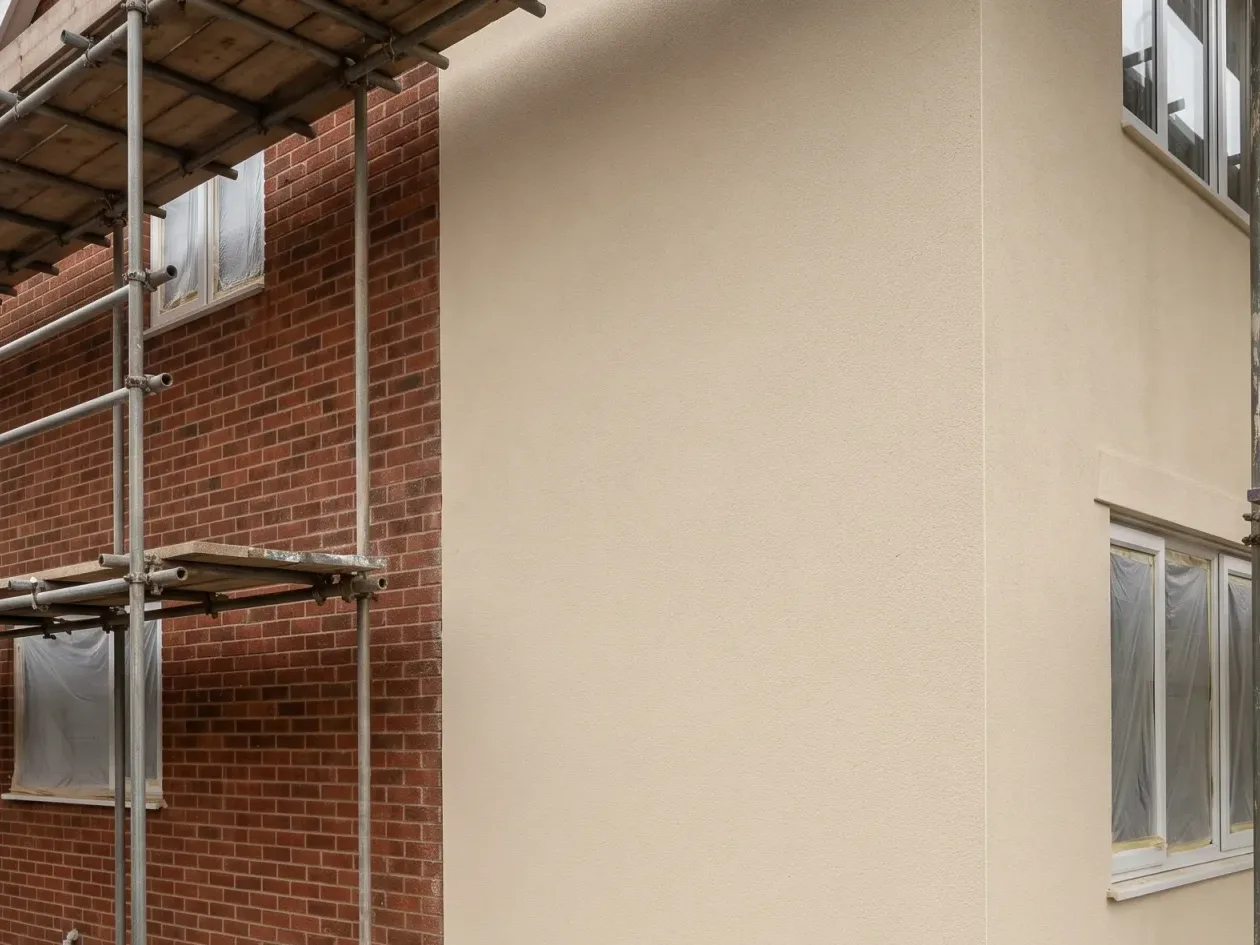
Clear every floor thoroughly. Piles of scrap wood or old carpet offcuts trip workers carrying wide plasterboards through narrow Victorian hallways, and dusty brickwork prevents adhesive compound from bonding properly to masonry surfaces. Dampen porous red bricks lightly before starting. During dot and dab in Redhill properties, old wallpaper remnants must be stripped completely back to raw brickwork.
First-fix pipework must sit tight. Copper gas lines or grey plastic waste pipes that stand proud of the masonry face will force whole sheets out of alignment, creating annoying bulges that painters notice immediately under hall downlights. Recess deep electrical metal back-boxes into the masonry joints. Plumbers should test every joint under pressure before dry liners seal everything away behind adhesive.
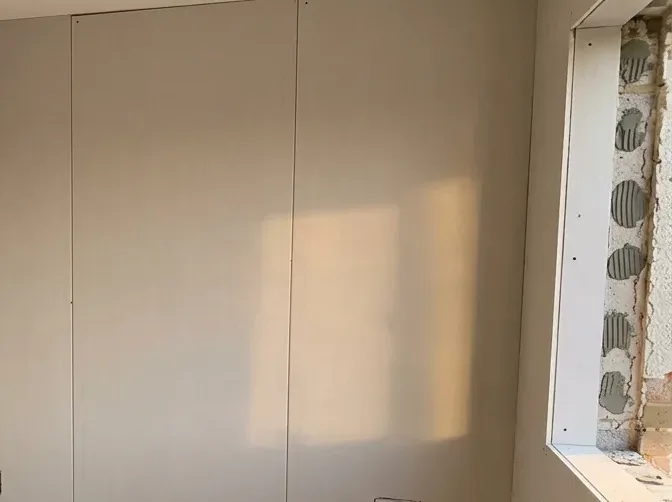
We start by assessing the existing wall and taking precise measurements to determine the suitability for dot and dab. This ensures that the plasterboard will fit correctly and the adhesive dabs will bond effectively.
Next, we prepare the masonry wall by cleaning it thoroughly to provide a solid base for the dot and dab process. Removing dust and loose materials is essential for guaranteeing proper adhesion.
We apply the adhesive in precisely spaced dots and dabs on the back of each plasterboard. This method securely fastens the board while allowing slight adjustments during installation.
The plasterboards are pressed onto the wall, ensuring they are aligned flush and level. We check the fit and make necessary adjustments before the adhesive sets, guaranteeing a stable and even surface.
Finally, we skim the attached boards to create a smooth, flat wall that’s ready for decoration or additional finishes. The dot and dab method speeds up this stage by yielding a clean substrate without the need for battens.
We apply dot and dab with meticulous attention to detail. Starting with a thorough assessment of the wall’s condition, we establish the correct placement for adhesive dabs. This procedure ensures plasterboards are securely fixed, creating a stable base for skimming. With this method, we can work more efficiently and cleanly than traditional techniques, particularly when dealing with older masonry walls.
Having tackled dot and dab for over 20 years, we deliver results that consistently last. This method eliminates full-surface adhesive, minimising drying times and material waste while ensuring a strong bond. As a result, the technique leads to smooth, even walls ready for plaster or silicone render, satisfying the specific needs of each project in Redhill without delays or unnecessary rework.
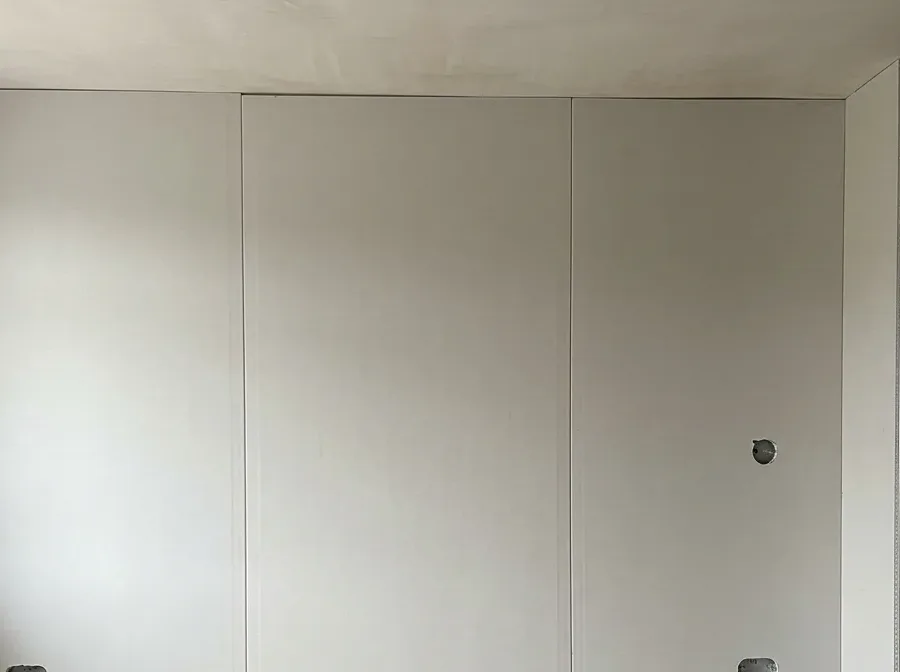
Freezing mortar ruins bond strength. Cold wind whistling through open doorway gaps slows the chemical cure of bonding compound, so booking dot and dab in Redhill during deep winter requires keeping internal rooms heated with small indirect warm-air blowers. Avoid damp fuel heaters entirely.
Blistering heat causes quick drying. Parched thermalite blocks suck moisture out of wet adhesive mix before suction takes hold, leaving crumbly patches that loosen over time. We wet bare walls with clean water brushes beforehand. Shut south-facing windows against drying draughts.
Stagnant humid air delays skimming. Fresh boards need slow air movement to release moisture through adjacent rooms rather than trapping humidity against cold ceiling joists. Open trickle vents across top window sashes.
With two decades in the trade, we provide dot and dab installations that withstand the demands of new builds and renovations alike. We thoroughly assess each wall prior to applying adhesive dabs, ensuring plasterboards are securely attached to masonry surfaces. This process not only speeds up the work but also delivers a reliable base for smooth, enduring finishes without complications.
Our approach to dot and dab removes the need for full-surface adhesive coverage, reducing drying times and resource waste. We oversee everything from initial measurements to the final skim, ensuring the project stays on schedule while communication remains clear. This culminates in a flat, durable wall ready for finishing, completed with the precision and reliability that builders and homeowners in Redhill expect.
We work in Redhill and the surrounding area, providing expert wall solutions. Contact us via phone or online for a free estimate and to discuss your requirements.
approx. 40 milesDistance from our base · Cheshunt
Call us07465266721Email uscontact@topplastering.ukWe serve your areaRedhill and the surroundings
The Google map loads after you accept marketing cookies.


Maksymilian Mazur
Very satisfied with the service! Excellent communication, clean workmanship, and everything completed professionally. Highly recommended!
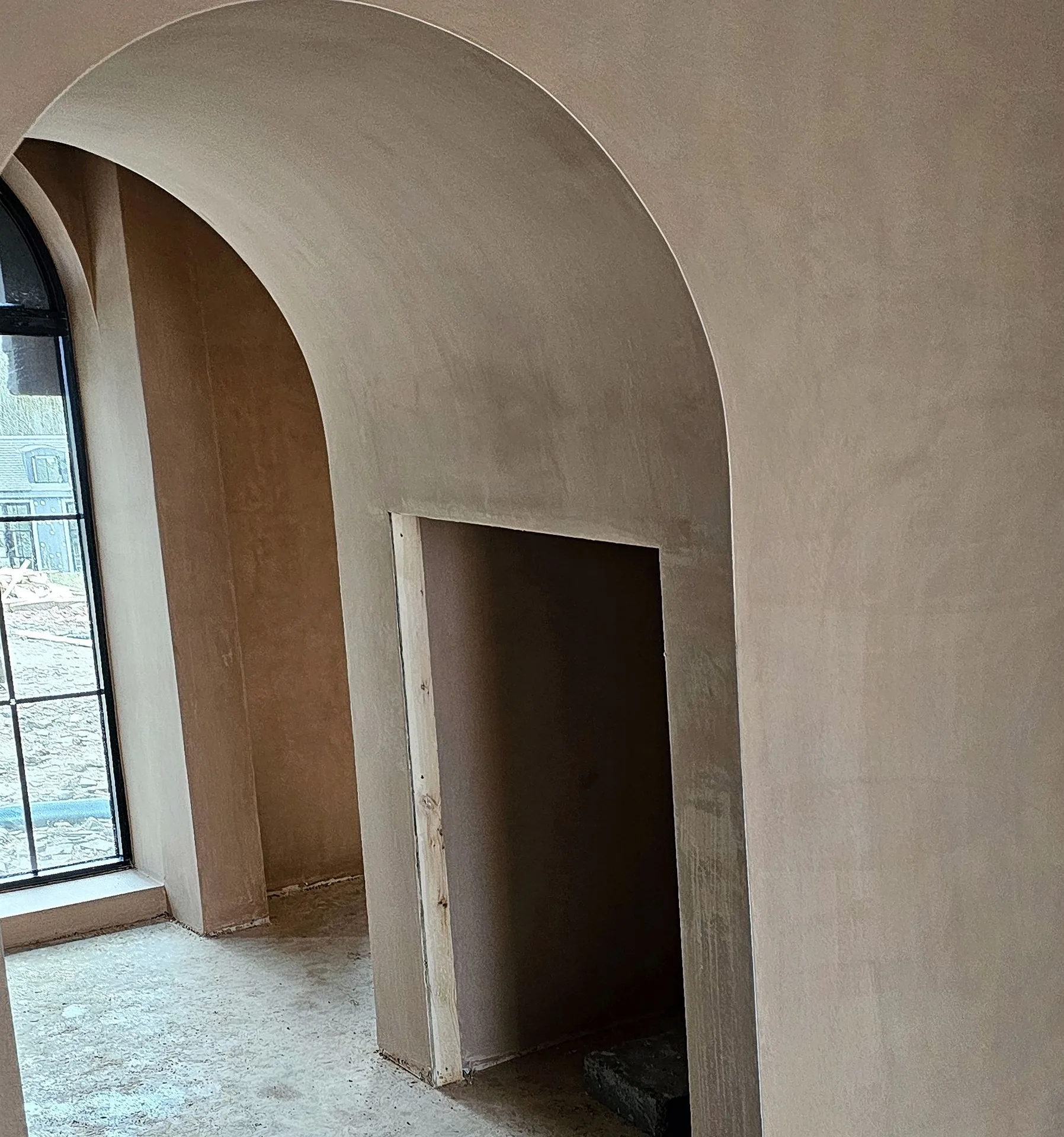
Tired walls and ceilings get a second life with skimming, giving you a flawless, durable finish every time.
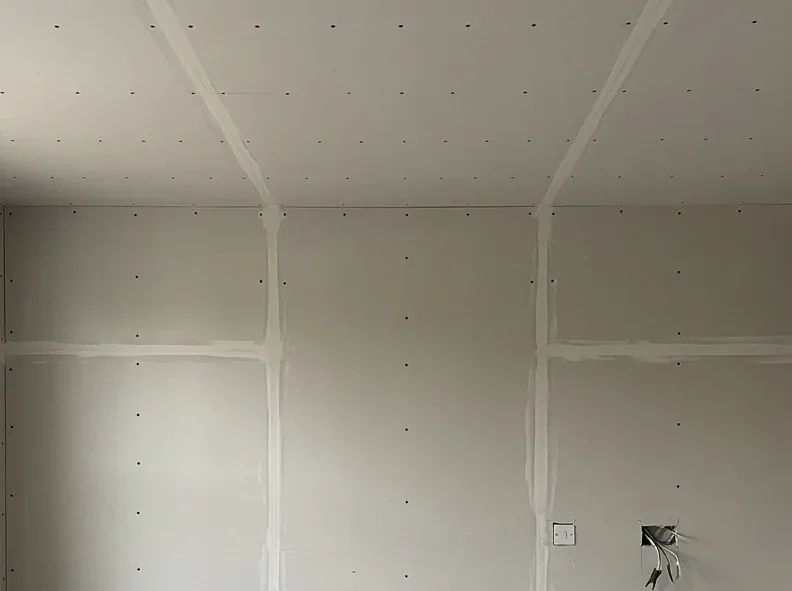
Experience matters-Topplastering handles plasterboarding for walls and ceilings so you get a truly solid finish.
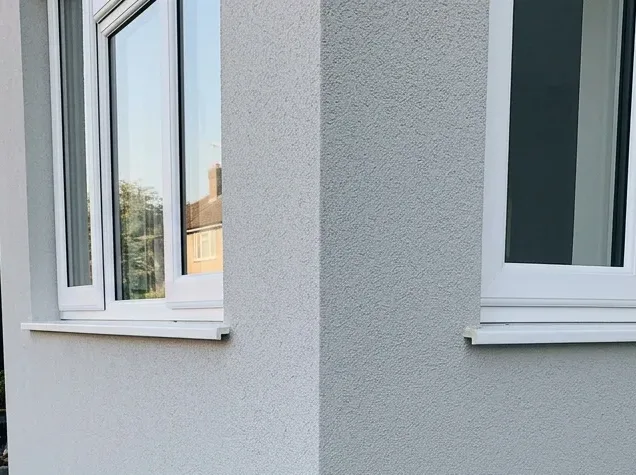
Rendering covers exterior and interior walls with a solid, even coat, protecting surfaces from weather and everyday wear.
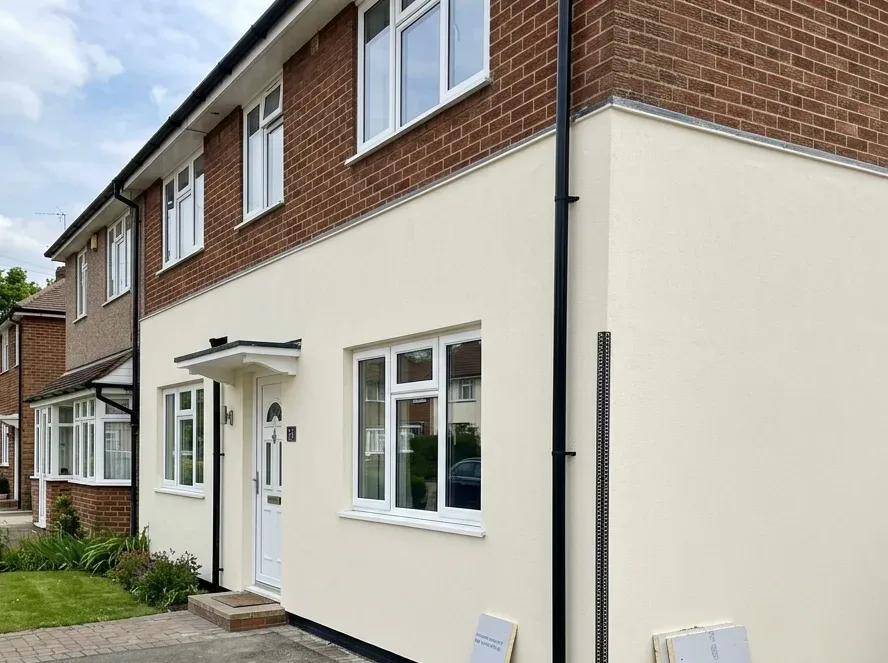
Upgrade your property with external wall insulation from Topplastering-cutting heating costs and improving your building’s appearance permanently.
Craftsmanship you can see
Every plastering project we complete leaves walls smooth, durable, and ready for whatever comes next.
Carpenters and electricians handle their own preliminary roughing-in work beforehand. We secure plasterboards directly over the prepared masonry, so deep wall chasing, moving steel conduits, and pulling new wires through cavity walls remain separate trade tasks that need settling before our crew mixes adhesive bags.
Sub-zero temperatures stop adhesive setting correctly. When completing dot and dab in Redhill winter periods, unheated houses need gentle background warmth because freezing temperatures turn wet gypsum adhesive brittle, though direct industrial gas heaters create excessive condensation on board paper and should be kept away.
Shared solid brick party walls rarely require formal notices for sticking boards with adhesive compound, because workers avoid cutting into supporting brick spines. Even so, running deep hammer-drilled fixings into joint mortar can transmit sharp knocking noise next door, so telling neighbours beforehand prevents sudden disputes.
Sticking boards over active rising damp or wet cellar bricks ruins the gypsum core. Adhesive compound draws moisture straight through masonry like a wick, causing mould spots on new emulsion paint, so unresolved pipe leaks or ground seepage must be fully cured before fitting boards.