


Dot and dab facilitates the attachment of plasterboard directly to masonry walls using adhesive dabs, streamlining the process compared to traditional methods. This transformation reduces labor time while maintaining wall flatness.





Quickly achieve flat, smooth walls with our precise dot and dab method. This technique is perfect for preparing older surfaces in homes across Harlow.
Get a free quote
 Quick, no-obligation quote!
Dot and dab is a straightforward way to fix plasterboard directly onto existing masonry walls. It’s particularly advantageous in Harlow, where many homes have uneven surfaces and you want to eliminate the mess of battening and re-plastering. This efficient method allows us to get walls ready for finishing without unnecessary hassle.
This technique involves applying adhesive in small dabs to secure boards firmly, which allows for quick adjustments during installation. With dot and dab in Harlow, we can speed up the process, reducing drying times and minimizing material waste compared to traditional full-surface bonding. Our team makes sure each board lines up perfectly, creating a solid foundation for plaster or silicone render.
With over 20 years of experience, we have established a reputation for dependable dot and dab methods that meet practical needs. Builders trust our approach for its combination of speed and reliability, while homeowners appreciate the clean finish we consistently deliver. We manage everything from measuring to the final skim, ensuring that the walls are ready without unexpected complications.
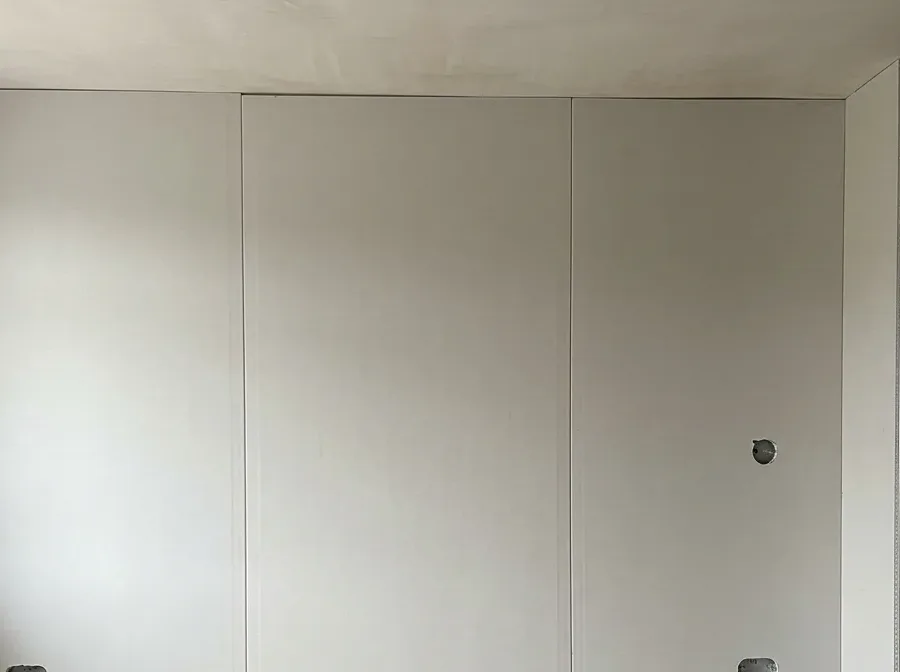
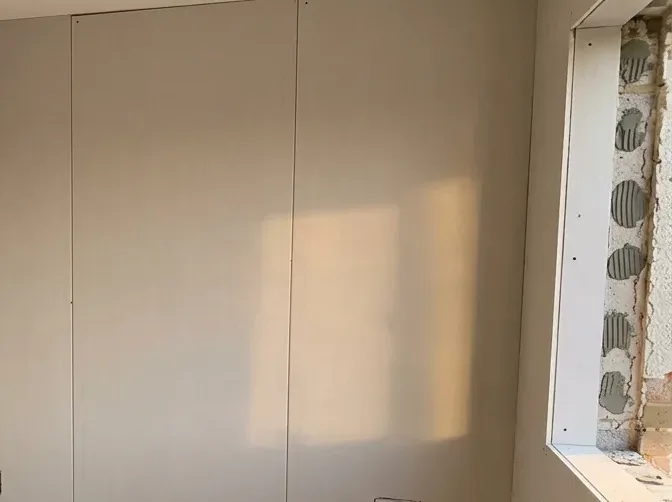
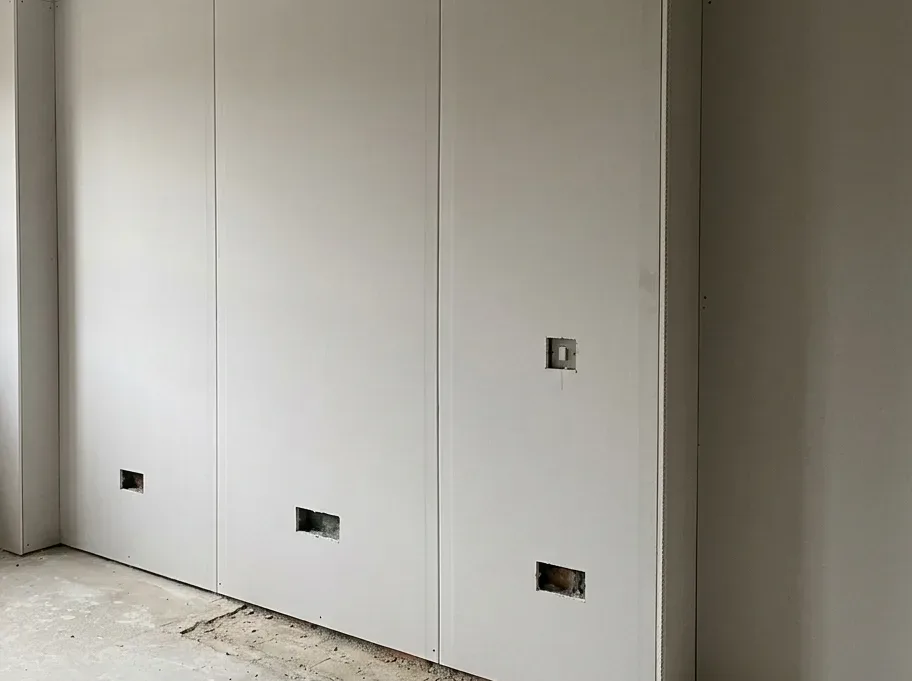
We start the dot and dab process by accurately measuring and inspecting masonry walls to confirm readiness for plasterboard. The adhesive dabs are applied smartly on the back of each board, then firmly pressed against the wall to ensure a strong and even bond. This method helps us avoid the mess associated with full-surface adhesives, enabling us to offer flat, stable walls efficiently.
After fixing plasterboards with dot and dab, we carry on with precise skimming to achieve a smooth surface suitable for decoration or additional finishes. Leveraging our extensive experience, we make sure each board is flush and securely attached, providing a consistent base for renders or plaster. This method reduces delays, delivering enduring results that cater to both builders and personal clients.
Dot and dab facilitates the attachment of plasterboard directly to masonry walls using adhesive dabs, streamlining the process compared to traditional methods. This transformation reduces labor time while maintaining wall flatness.
By using adhesive in strategic spots rather than covering the entire surface, dot and dab minimizes mess and drying time. Our method guarantees a tidy, even base ready for skim coating or silicone plaster.
The dot and dab technique establishes a strong, stable connection between plasterboard and the wall. Boards are pressed firmly in place, preventing shifting, which provides a solid foundation for finishing layers.
Dot and dab is a fitting choice for older properties where walls may not be perfectly straight or require insulation. It eliminates the need for bulky battens, ensuring a straight surface while preserving wall depth.
Utilizing dots and dabs of adhesive reduces waste and lowers material costs. Our precise application balances durability with smart use of materials.
The secure fixing achieved by dot and dab prepares surfaces for a perfect skim finish. With two decades of hands-on experience, we ensure that walls are ready for the final plaster or render coat.
We manage dot and dab work through straightforward steps: assessing, applying adhesive, positioning boards, and finishing. This clarity keeps projects on track and clients informed at all stages.
Dust settles everywhere during stripping. You should move furniture into adjoining rooms and take down light fittings so our team can access the bare brickwork without snagging ladders on floor lamps. Carpets need rolling back completely. If floorboards stay bare, tack down sheets of hardboard across doorways. When tackling dot and dab in Harlow, we ask that you isolate radiator valves beforehand.
Damp blocks adhesive grip. Touch the bare masonry with bare knuckles before we arrive, because cold blocks holding trapped ground moisture will reject direct drywall compound entirely. If an old chimney breast feels slick, it needs time to dry out thoroughly. We cannot stick plasterboard over weeping mortar joints. Fix leaky gutter pipes outside first, since exterior brick damp quickly travels straight through soft thermal blocks to ruin your fresh room.
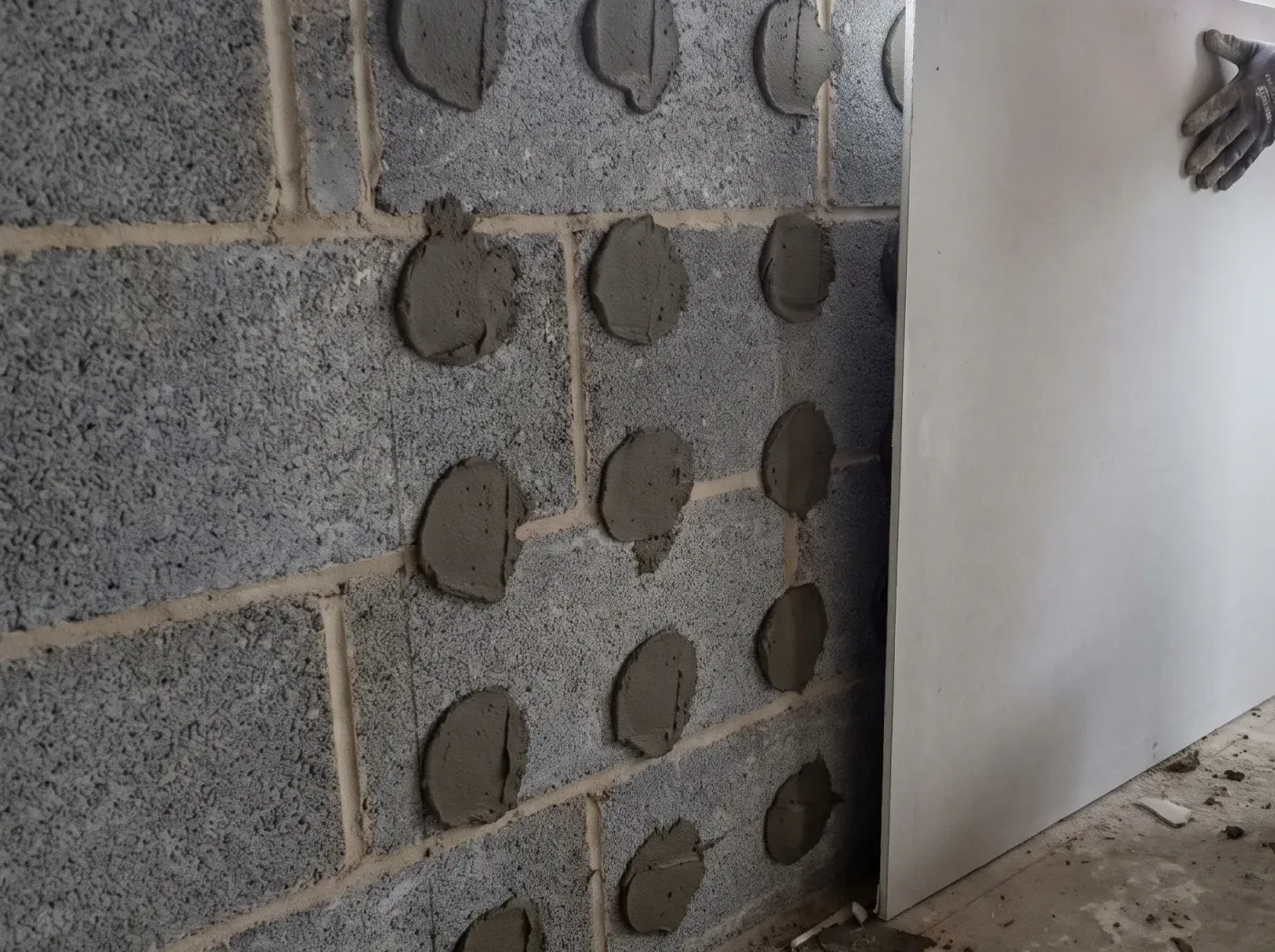
We commence by inspecting the existing walls and measuring accurately to confirm suitability for dot and dab. This step guarantees that plasterboard will fit correctly and that adhesive dabs will bond effectively.
Next, we clean and prepare the masonry wall to establish a solid base for the dot and dab process. Removing dust and loose materials is vital for secure adhesion.
The adhesive is applied in evenly spaced dabs on the back of each plasterboard. This technique ensures a firm grip while allowing minor adjustments during the installation.
We press the plasterboards onto the wall, making sure they are aligned properly and level. Adjustments are made if necessary before the adhesive sets, guaranteeing a stable and even finish.
Ultimately, we skim the securely fixed boards to create a smooth, flat wall ready for decoration or further refinements. The dot and dab method enhances this phase by offering a reliable, clean substrate without the need for battens.
Hollow taps mean empty space. Tap along the drylined wall with your knuckles to locate where the hard drywall adhesive sits behind the grey board before drilling deep holes for heavy mirrors. Standard red plastic plugs pull straight out of bare gypsum board. Use long core fixings that bite deep into the thermal blockwork behind dot and dab in Harlow.
Electricians must run cables first. Plastic back boxes need settling into block recesses so the switch plates sit flush against the finished board surface later on. If cables dangle across bare brick face loosely without protective capping clips, the board edge can slice through rubber insulation during pushing. Secure every loose conduit tightly to masonry.
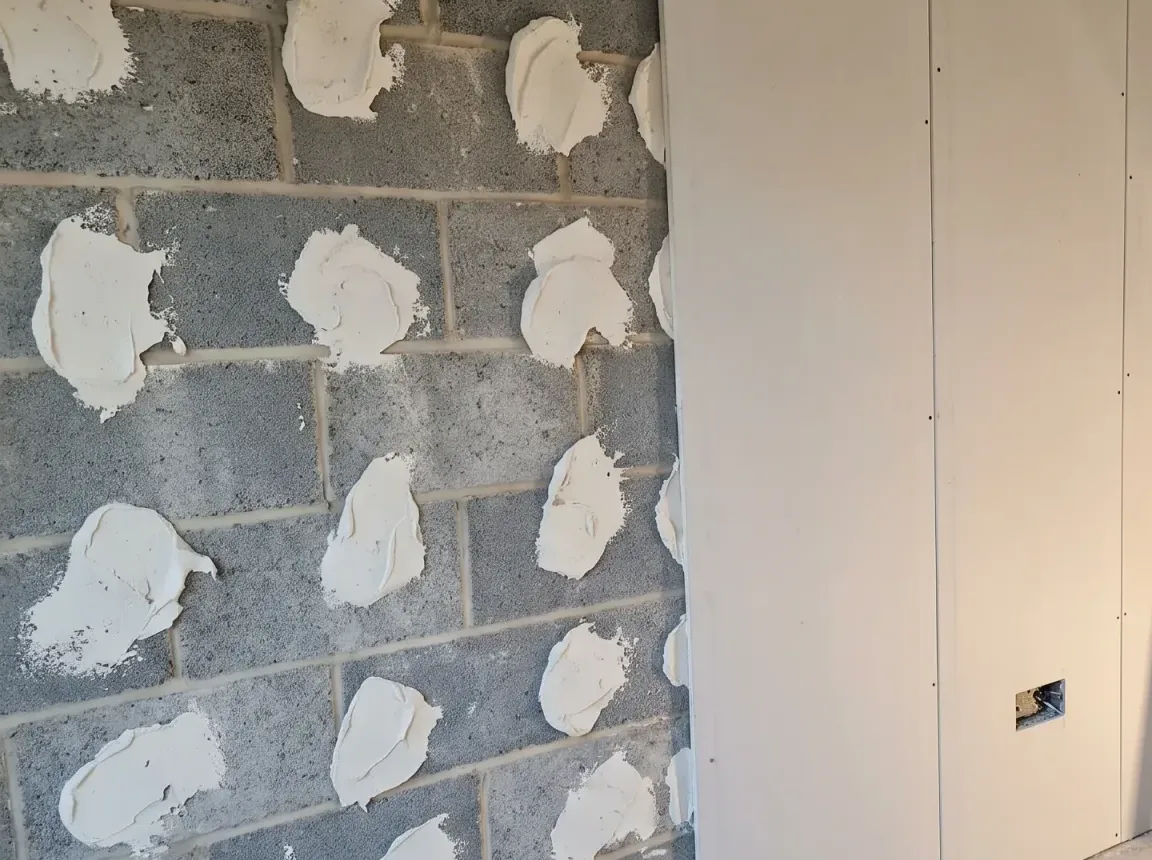
Frost ruins bonding paste completely. When temperatures plunge near freezing, gypsum dabs stay soft instead of setting chemically, leaving sheets loose against cold external brickwork. Keep basic background heating running steadily overnight. Do not turn space heaters onto maximum blast, because sudden hot draughts crack freshly spread bonding compound unevenly.
Hot masonry sucks water fast. Dry porous bricks pull moisture out of adhesive dabs before suction takes hold, causing boards to wobble under gentle pressure. We mist extremely dry walls with water first. While undertaking dot and dab in Harlow during heatwaves, we close drafty patio doors so compound does not flash-dry on our hawk.
Heavy rain slows drying times. Plasterboards absorb airborne dampness while stored inside unheated extensions, expanding slightly along their paper edges before fixing. Stack boards flat on wooden bearers off damp concrete screeds. Good ventilation prevents persistent condensation from softening paper facings before the finishing skim coat goes over the joints.
With over 20 years in the industry, we deliver dot and dab installations that withstand the demands of both new builds and renovations. Before applying adhesive, we assess each wall meticulously, ensuring plasterboards are fixed securely and flush with masonry. This technique accelerates the process and creates a sturdy base for long-lasting finishes without any extra fuss.
Our approach to dot and dab avoids the need for full-surface adhesive coverage, reducing drying times and material wastage. We manage everything from initial assessment to final skim, keeping the project on track while maintaining transparent communication throughout. The outcome is a flat, durable wall ready for finishing, done with the precision and reliability builders and homeowners expect.
We work in Harlow and the surrounding area, offering services that include a free estimate and consultations. Contact us by phone or request a quote online.
approx. 10 milesDistance from our base · Cheshunt
Call us07465266721Email uscontact@topplastering.ukWe serve your areaHarlow and the surroundings
The Google map loads after you accept marketing cookies.


Maksymilian Mazur
Very satisfied with the service! Excellent communication, clean workmanship, and everything completed professionally. Highly recommended!
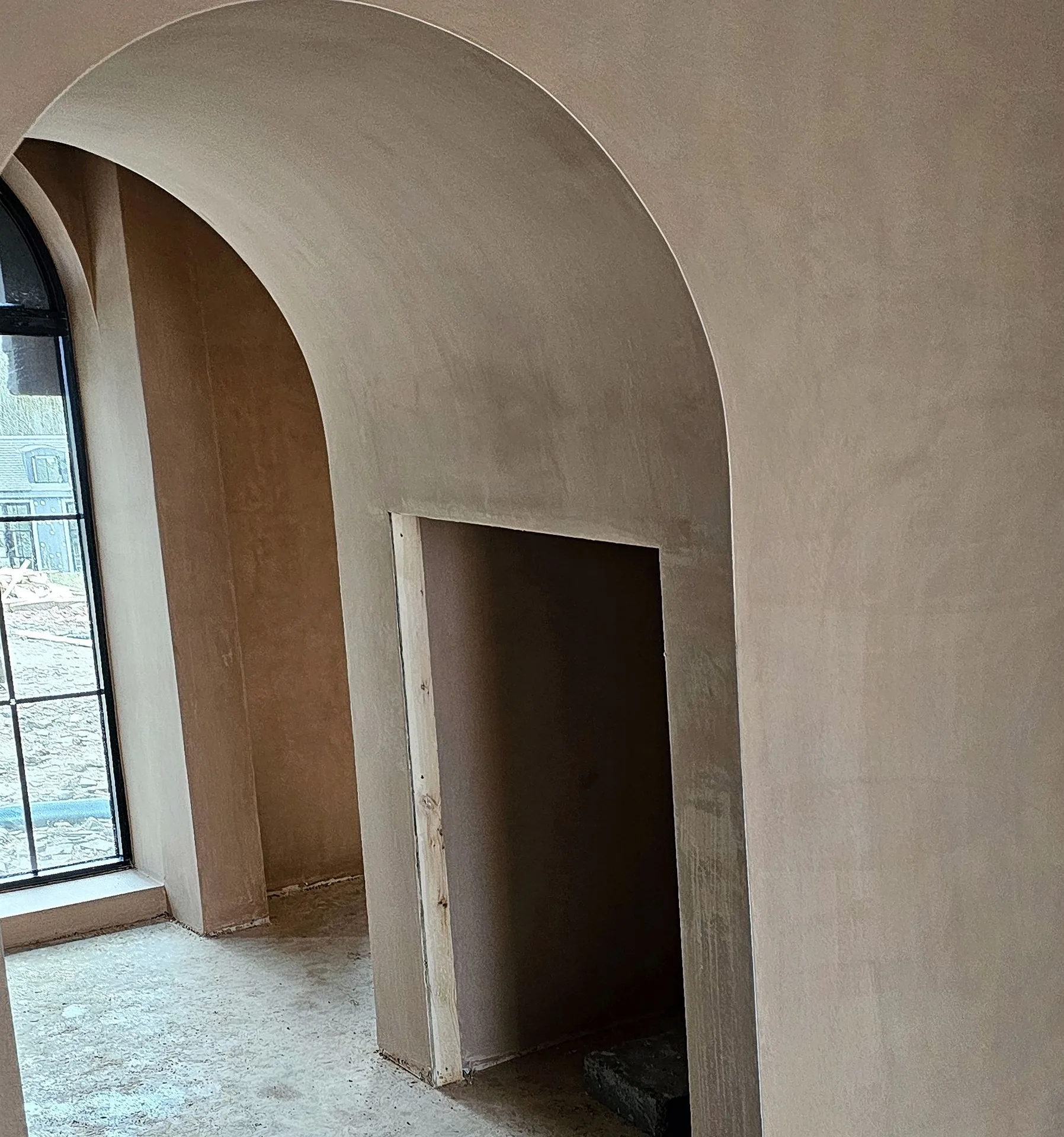
Tired walls and ceilings get a second life with skimming, giving you a flawless, durable finish every time.
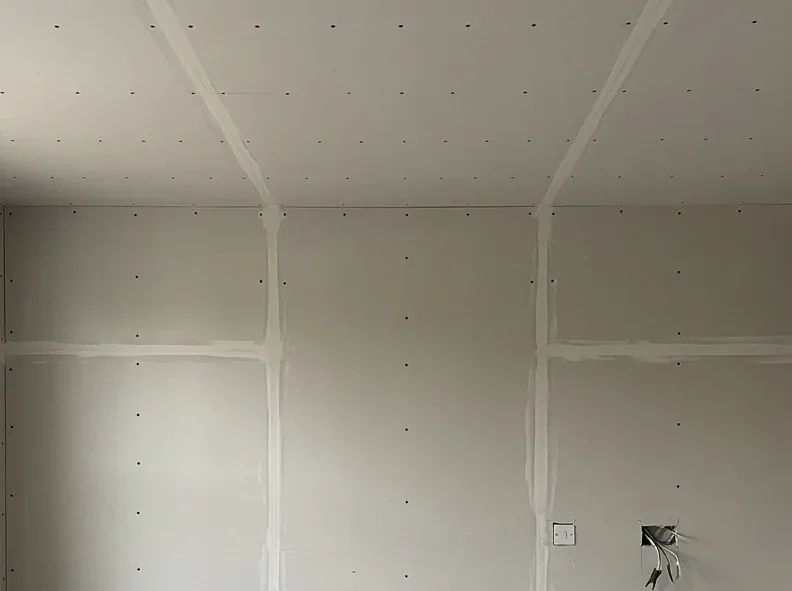
Experience matters-Topplastering handles plasterboarding for walls and ceilings so you get a truly solid finish.
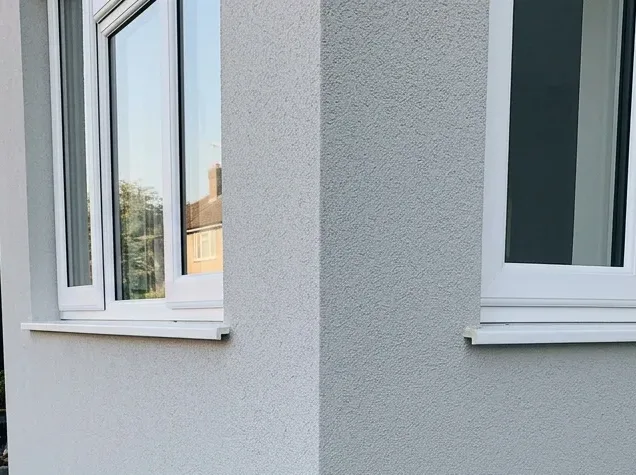
Rendering covers exterior and interior walls with a solid, even coat, protecting surfaces from weather and everyday wear.
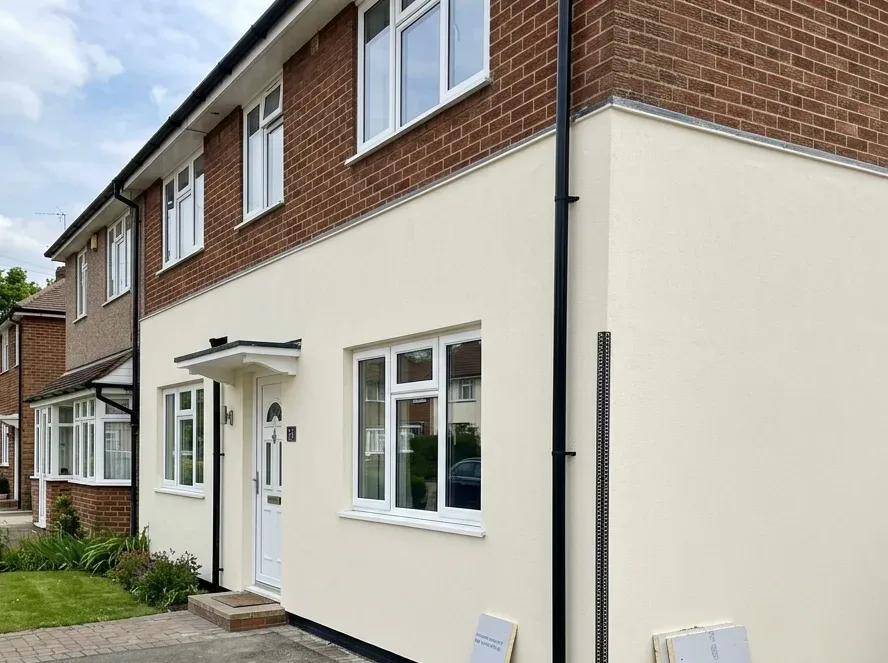
Upgrade your property with external wall insulation from Topplastering-cutting heating costs and improving your building’s appearance permanently.
Craftsmanship you can see
Every plastering project we complete leaves walls smooth, durable, and ready for whatever comes next.
Yes, because direct bond gypsum relies on chemical setting rather than simple evaporation. When rooms drop near freezing, the adhesive stays crumbly and fails to grab the masonry securely. Gentle heating helps, but forced hot air from industrial blowers dries the edges too quickly, producing weak hollow spots behind the boards.
Selection depends on moisture levels and room purpose across the property. Standard ivory boards handle ordinary living areas, whereas green moisture-resistant boards are necessary behind kitchen sinks or cloakrooms. For cold external solid brick walls, boards backed with dense foam insulation prevent interior heat escaping through the mortar joints into outside air.
Measure wall heights from floorboards to ceiling joists alongside the overall room perimeter. Note down whether walls are bare brick or crumbling lime plaster, because stripping old layers changes initial labour. Mentioning window reveals and boxed soil pipes helps us calculate material waste accurately before viewing the project in Harlow.
People often use light plasterboard anchors that grip only the thin front paper lining. Heavy cabinets pull these plugs out instantly, leaving gaping holes. Heavy cupboards must be anchored with heavy-duty metal fixings that pass through the hollow cavity directly into solid blockwork, or secured against pre-installed timber pattresses set between adhesive dabs.