


Dot and dab allows us to attach plasterboard directly to masonry walls using adhesive dabs, accelerating the process compared to conventional battens and full replastering. This method reduces labor time while ensuring the walls remain flat.





Quickly achieve flat walls ready for finishing with our precise dot and dab method tailored for Esher.
Get a free quote
 Quick, no-obligation quote!
This straightforward method secures plasterboard directly to existing masonry walls, perfect for maintaining efficiency where you wish to bypass the disruption of battening or complete re-plastering. For older houses in Esher with uneven surfaces, dot and dab provides a quicker, tidier way to achieve flat walls prepped for finishing.
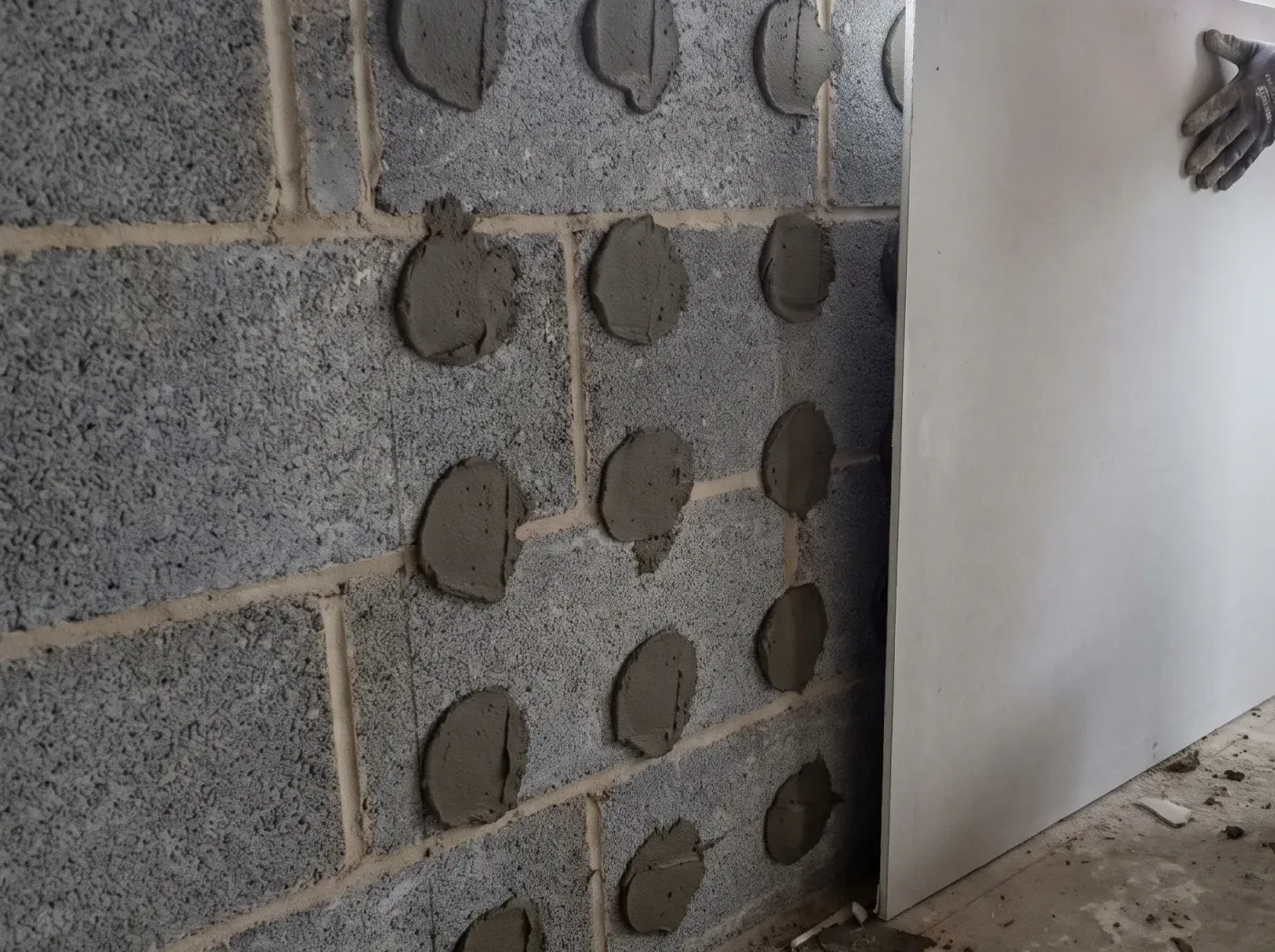
Utilizing adhesive applied in small dabs, this technique effectively fastens boards while allowing for adjustments during installation. Dot and dab significantly shortens the overall timeline by minimizing drying times and material waste compared to full-surface bonding. We make sure each board is perfectly aligned, forming a solid foundation for plaster or silicone render.
We bring over 20 years of experience providing dot and dab services that meet practical needs. Builders across Esher trust this method for its speed and durability, while individual clients appreciate a clean, dependable finish. From measuring to the last skim, we handle each step, ensuring the walls are perfectly set for the next phase with no unexpected challenges.
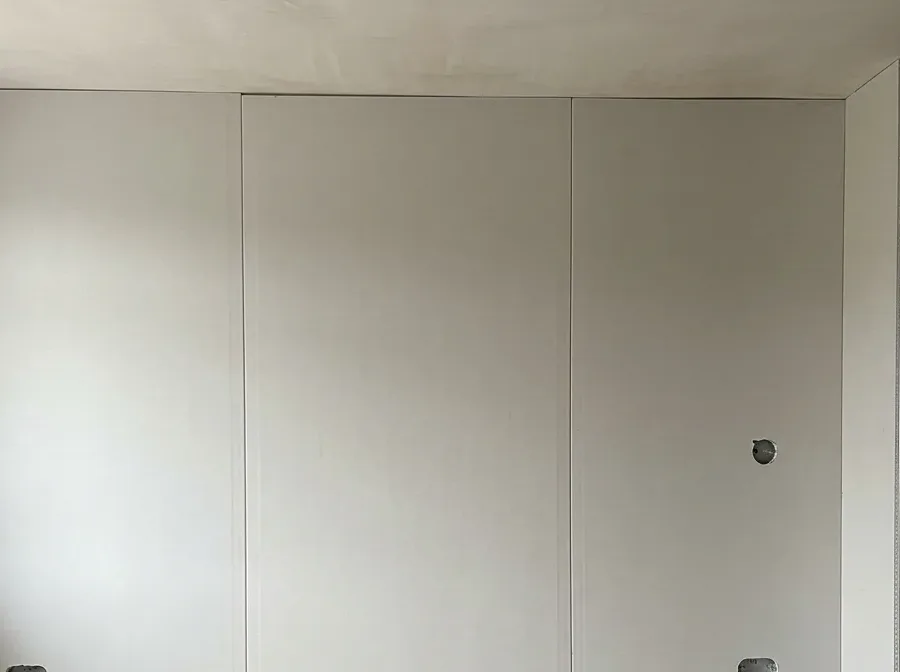
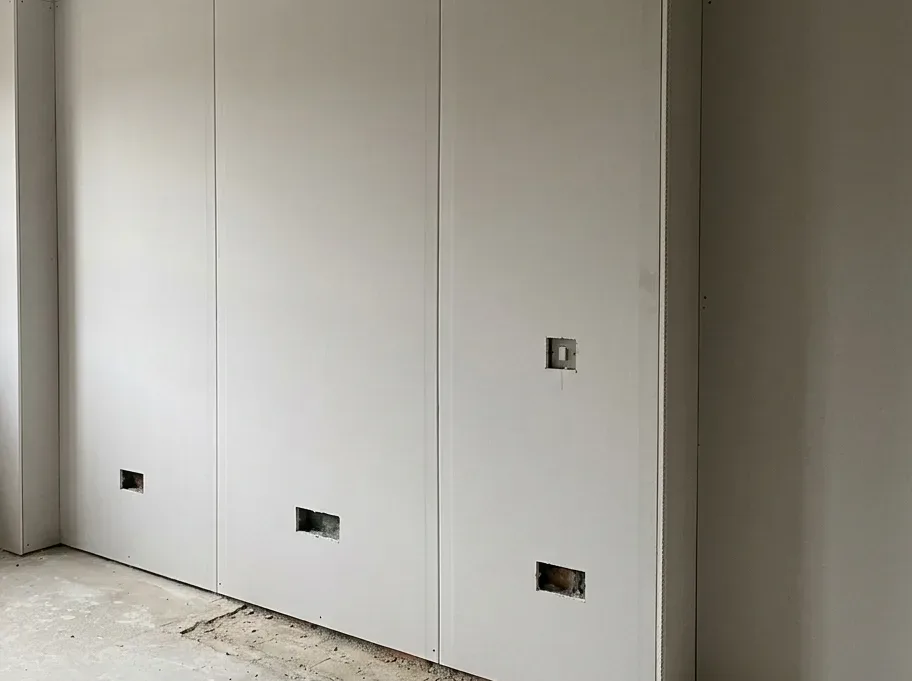
Hollow sounds mislead people. When hanging heavy radiators or kitchen cabinets on drylining, standard plastic wall plugs simply tear away from board cores. You must drive specialised multi-thread anchors straight through the adhesive cavity into the masonry substrate behind it. If you plan a dot and dab in Esher project, map where boilers, book units or televisions hang before tradesmen open boards.
Air leaks carry sound. Plasterers often run a solid band of adhesive across skirting lines, wall tops and around door reveals. Doing this stops chimney-effect airflow drafts pulling fire or damp up the void behind your walls. Mice cannot nest inside closed perimeter channels, and timber skirting boards screw tight without flexing inwards under impact or heavy vacuum cleaner knocks.
Dot and dab allows us to attach plasterboard directly to masonry walls using adhesive dabs, accelerating the process compared to conventional battens and full replastering. This method reduces labor time while ensuring the walls remain flat.
By applying adhesive using dabs rather than covering the entire surface, dot and dab minimizes mess and drying time. Our method guarantees a neat, uniform base, ready for skim coating or silicone plaster in Esher.
The dot and dab technique builds a strong, stable bond between plasterboard and wall. Each board is firmly pressed into position, preventing any movement and creating a robust substrate for finishing layers.
This method excels in older houses where walls may be uneven or in need of insulation. It eliminates the need for bulky battens, ensuring a straight surface while maintaining wall depth.
Utilizing adhesive dabs reduces waste and lowers material costs. We apply this approach accurately, ensuring durability while making economical use of resources for projects in Esher.
The secure fixing achieved through dot and dab supports a flawless skim finish. With extensive experience, we prepare walls flawlessly for the final plaster or render coat in your home.
We manage dot and dab installations through straightforward steps: assessing, applying adhesive, positioning boards, and finishing. This clarity helps keep projects on track and clients informed throughout all stages.
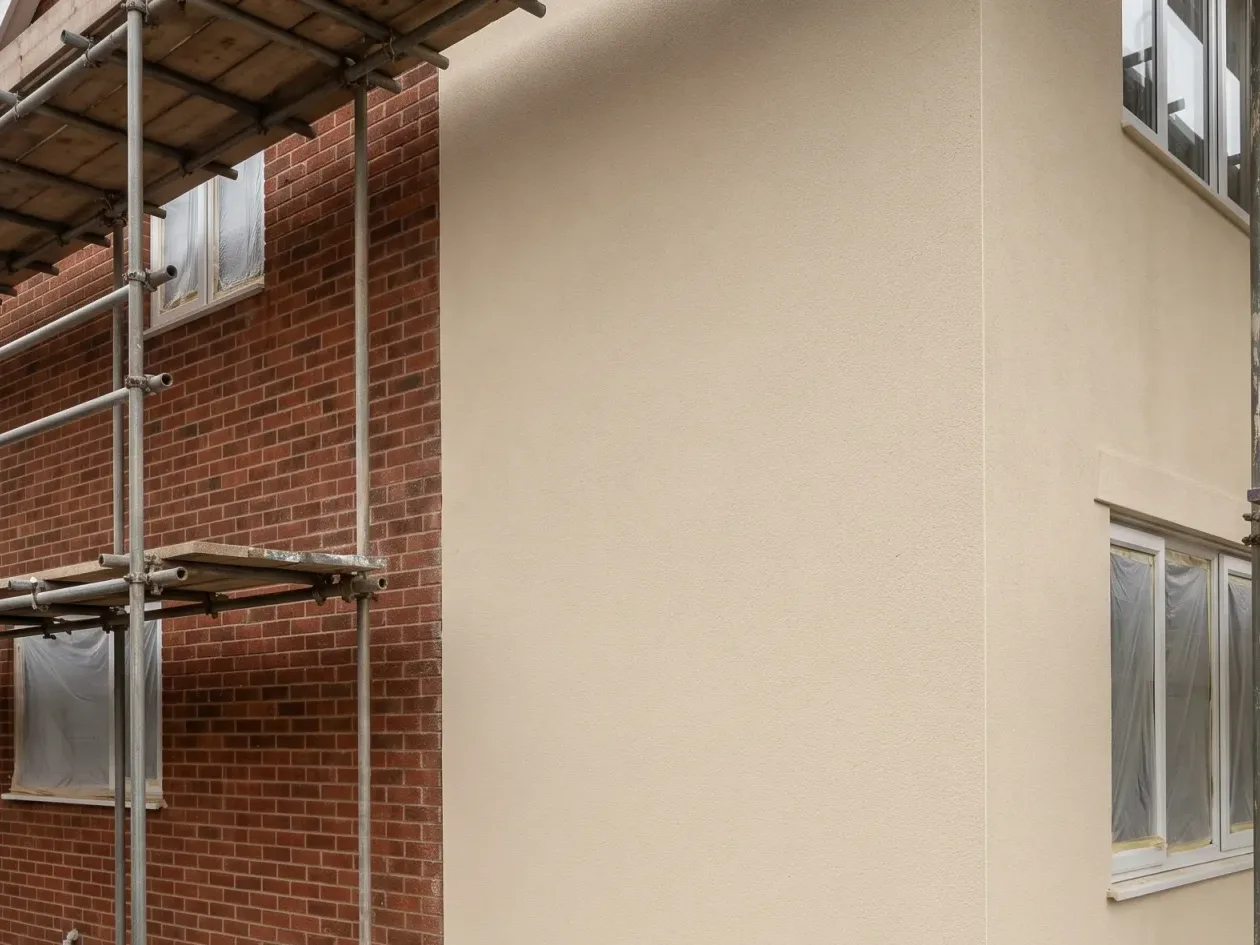
Cold masonry spoils plaster. Working on exterior brick walls in deep midwinter often stops bonding compound from setting properly because freezing temperatures draw out moisture prematurely. Space heaters help warm internal surfaces beforehand, but direct draughts dry adhesives too fast. When scheduling dot and dab in Esher during colder months, keeping glazing intact and unheated spaces draft-free makes materials cure true without separating.
Trapped damp ruins paint. Background masonry must stay dry before direct bonding starts, because wet bricks seal moisture behind gypsum skins where dark mold clusters quietly bloom. Look for pale grey shades on your adhesive patches before applying final skim coats. In unvented rooms, humid air lingers for days, requiring dehumidifiers or steady cross-ventilation through open sashes before joiners lay expensive floorings or fit architraves.
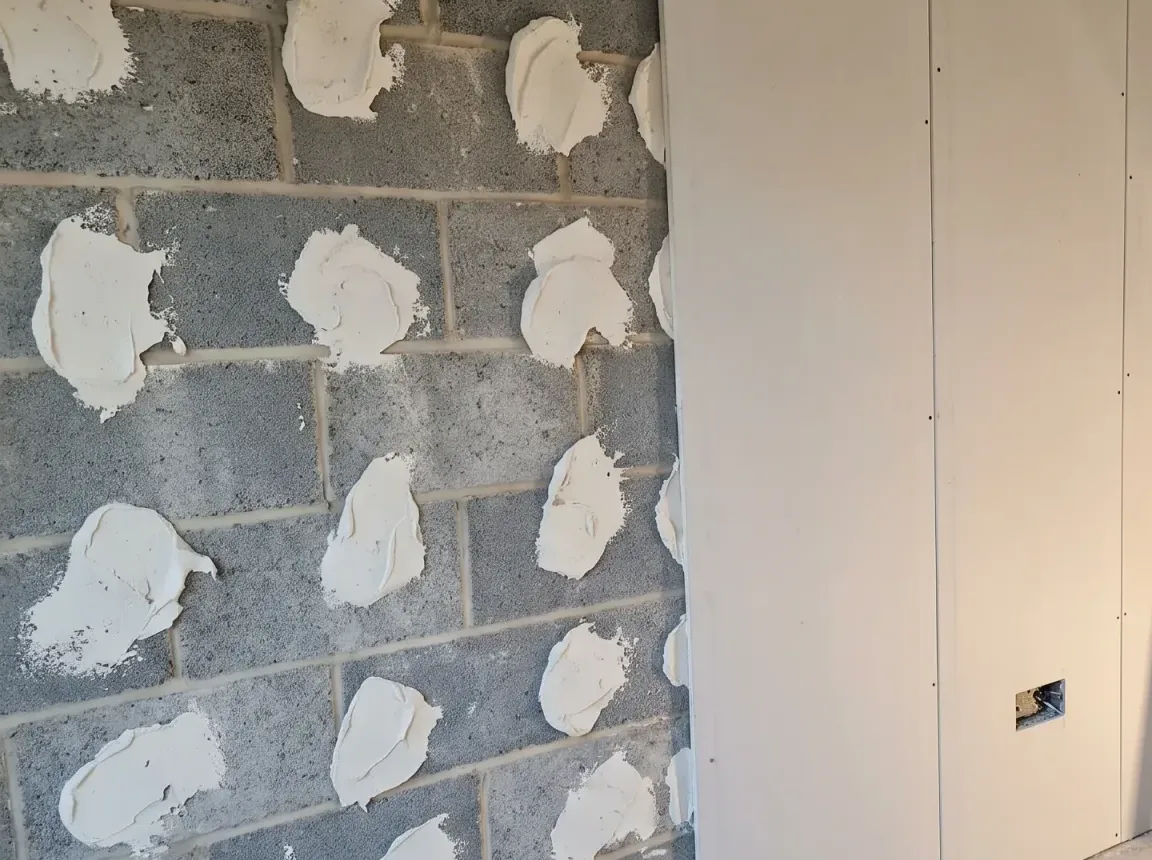
We commence by examining the existing wall, taking precise measurements to check for compatibility with dot and dab. This ensures the plasterboard fits correctly and that the adhesive dabs bond effectively.
Afterward, we clean and prepare the masonry wall, establishing a solid base for the dot and dab process. Dust and loose material must be removed to ensure the adhesive bonds properly.
Adhesive is carefully applied in measured dabs on the back of each plasterboard. This technique secures the board tightly while allowing for slight adjustments during the installation.
We press the plasterboards onto the wall, making sure they are flush and level. We check the alignment and make necessary adjustments before the adhesive sets, ensuring a stable and even finish.
Finally, we skim the installed boards, crafting a smooth, flat wall that is ready for decoration or additional finishes. The dot and dab method simplifies this stage by supplying a reliable, clean substrate, avoiding the need for battens.
Channelling saves board alignment. The gap behind adhered drywall rarely exceeds the thickness of a thumb, which means thick waste pipes or conduit cannot hide freely. Electricians must chase back-boxes deep into brickwork first. When managing dot and dab in Esher properties, running cables without capping risks screws piercing live copper conductors during future shelving installations.
Plumbing rattles behind cavities. Central heating copper lines expand noticeably, rattling against boards if plumbers skip felt sleeves or bracket isolators. Check that supply feeds do not push boards proud of the stringline. Leaving loose radiator tails sticking through sloppy holes creates jagged cracks around pipe collars later.
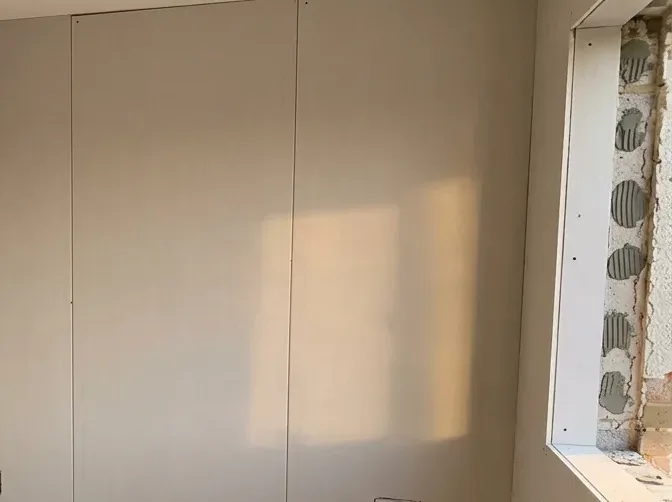
With more than 20 years in plastering, we have mastered the dot and dab technique. Each project is executed with care, ensuring adhesive dabs hold plasterboards tightly to masonry walls. This method allows us to deliver flat, smooth surfaces more swiftly than traditional battening and re-plastering, effectively saving time.
Our dot and dab technique prioritizes clean and efficient installation. We start by assessing wall conditions, then apply adhesive dabs at precise locations to bond boards quickly and securely. This approach cuts down on drying time and material waste, making it an excellent choice for both renovations and new constructions.
Clients regard us for dot and dab because we produce consistent, durable finishes. Every board is evaluated for perfect alignment before the adhesive sets, forming a dependable surface ready for plaster or silicone render. Our straightforward communication and systematic work ensure that projects are completed on schedule with no unwelcome surprises.
With over two decades in this trade, we deliver dot and dab installations capable of meeting the demands of both new builds and renovations. We conduct thorough assessments of each wall prior to applying adhesive dabs and dots, ensuring plasterboards are securely affixed and aligned flush to masonry surfaces. This technique accelerates the process, providing a reliable base for smooth, lasting finishes without unnecessary complications.
Our approach to dot and dab eliminates the requirement for full-surface adhesive coverage, thus reducing drying times and material waste. We manage the entire process from initial measurements to final skim, ensuring the project remains on schedule and communication remains open. The outcome is a flat, durable wall ready for finishing, delivered with the precision and dependability that builders and homeowners in Esher expect.
We work in Esher and the surrounding areas, managing projects efficiently. Contact us for a free estimate by phone or to schedule a visit on site, ensuring you get exactly what you need.
approx. 30 milesDistance from our base · Cheshunt
Call us07465266721Email uscontact@topplastering.ukWe serve your areaEsher and the surroundings
The Google map loads after you accept marketing cookies.


Maksymilian Mazur
Very satisfied with the service! Excellent communication, clean workmanship, and everything completed professionally. Highly recommended!
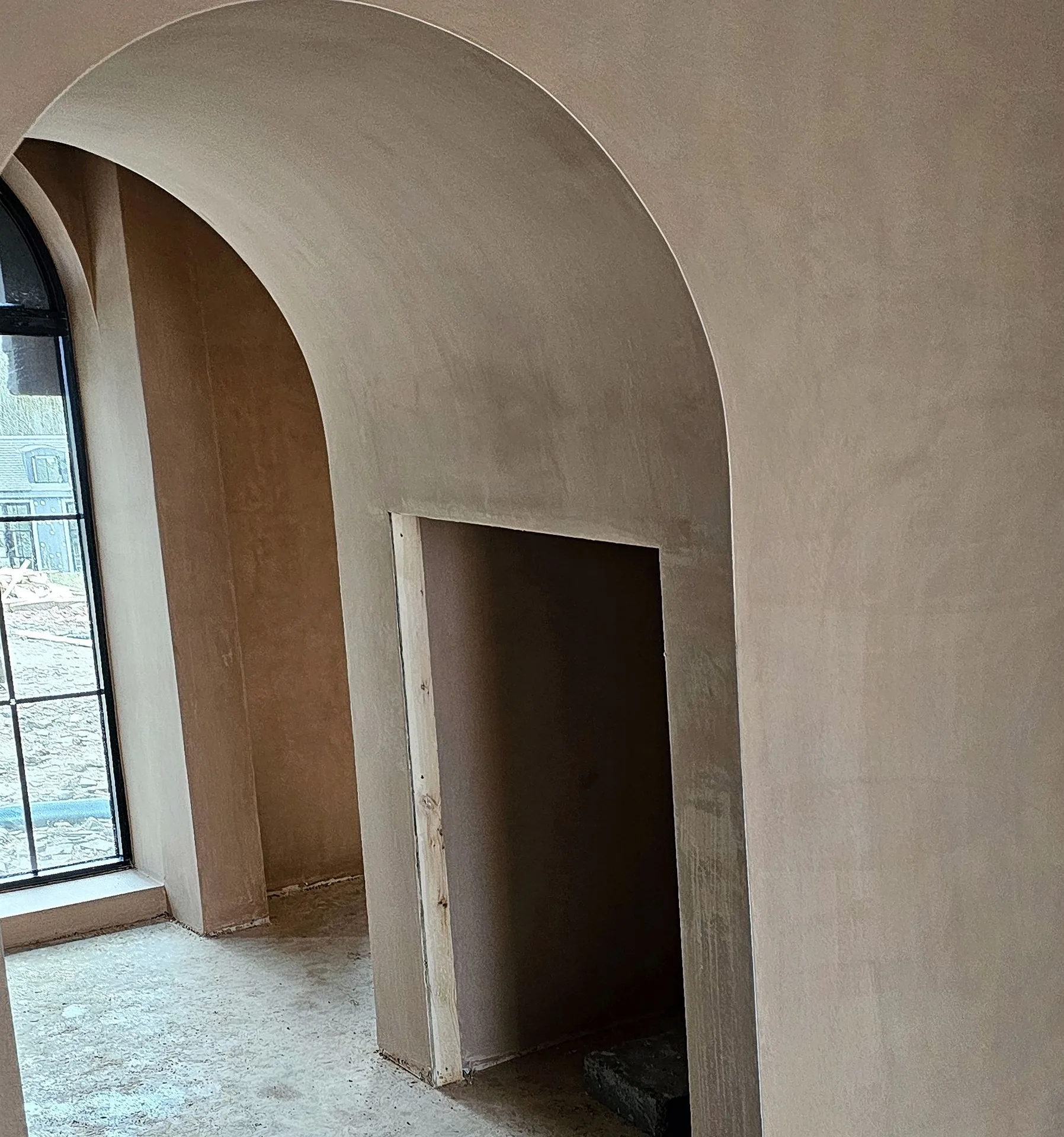
Tired walls and ceilings get a second life with skimming, giving you a flawless, durable finish every time.
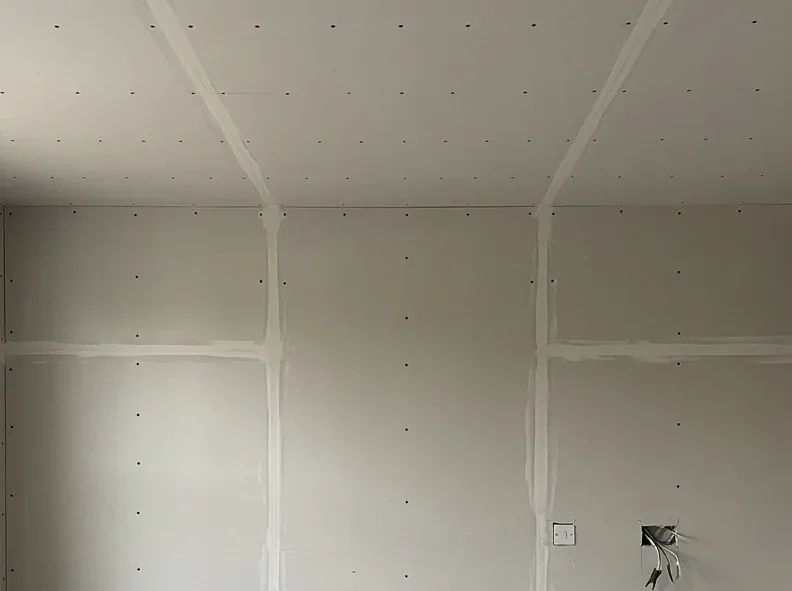
Experience matters-Topplastering handles plasterboarding for walls and ceilings so you get a truly solid finish.
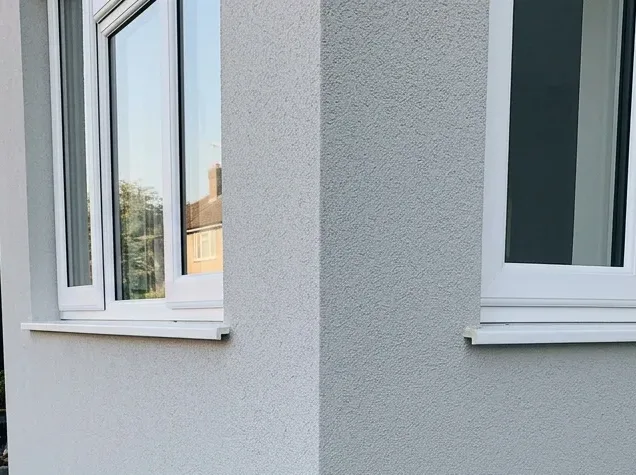
Rendering covers exterior and interior walls with a solid, even coat, protecting surfaces from weather and everyday wear.
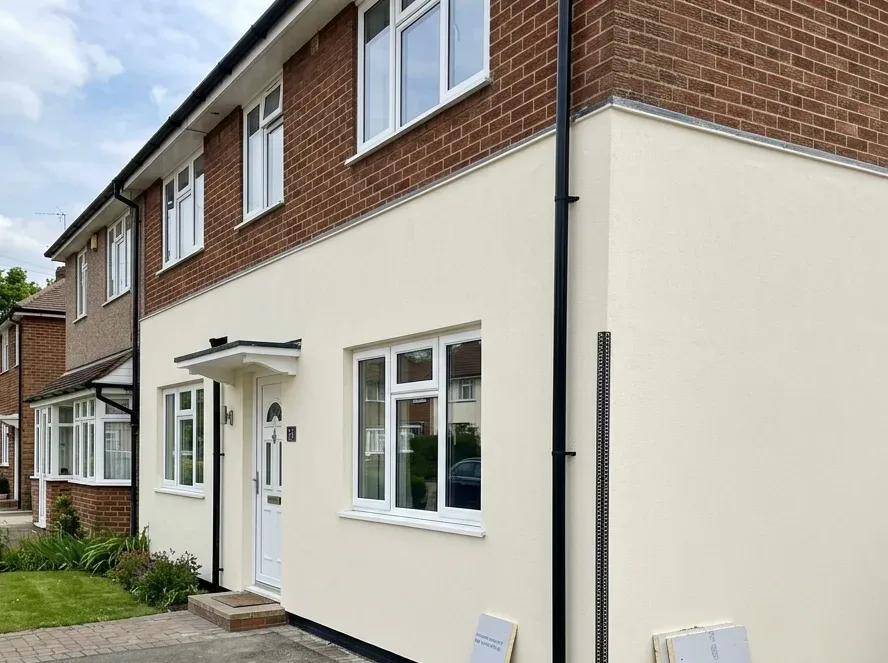
Upgrade your property with external wall insulation from Topplastering-cutting heating costs and improving your building’s appearance permanently.
Craftsmanship you can see
Every plastering project we complete leaves walls smooth, durable, and ready for whatever comes next.
Ask if they run continuous ribbons of adhesive along skirting edges and ceilings. Poor crews only apply scattered round blobs, skipping bottom bands to save compound, which leaves edges unsupported and allows floor drafts to rattle boards under pressure.
Stripping peeling gloss paint, raking crumbling lime mortar, and hacking away blown traditional render fall outside standard installation. Plasterers bill separately for masonry stabilisation, chasing deep channels for electrics, or applying bonding primer across soot-stained chimney breasts.
The team walks the site with you to check surfaces under work lights for ridges or hollow corners. Any minor scuffs get rubbed down immediately, after which you allow setting compound to dry out fully before painters apply mist coats.
Electricians and plumbers finish their first fix pipework before board hangers arrive on site in Esher. Direct bonding takes place next, followed by surface skimming, and finally the second fix trades return to screw faceplates onto flush back-boxes.