


Dot and dab enables plasterboards to be fixed directly to masonry walls with adhesive dabs, accelerating the process compared to traditional battens and complete replastering. It reduces labor time without compromising the flatness of the walls.





We quickly get old walls flat and ready for finishing with our precise dot and dab method in Chelmsford.
Get a free quote
 Quick, no-obligation quote!
Dot and dab provides a straightforward method for securing plasterboard directly onto existing masonry walls. In Chelmsford, it's perfect for avoiding the hassle and mess associated with battening out and re-plastering. Particularly valuable for older homes with uneven surfaces, dot and dab offers a faster, cleaner way to achieve flat walls that are ready for finishing.
This technique employs adhesive applied in small dabs to secure plasterboards firmly, while allowing quick adjustments during installation in the Chelmsford area. Dot and dab speeds the process up by significantly reducing drying times and material waste when compared to traditional full-surface bonding. We ensure that each board aligns perfectly, creating a solid base for the plaster or silicone render to follow.
With over 20 years of experience, we provide dot and dab solutions that withstand practical demands. Builders in Chelmsford trust this method for its combination of speed and durability, while homeowners appreciate the clean, reliable finish. We manage everything, from precise measuring to the final skim coat, ensuring the walls are perfectly prepared for the next phase without surprises.
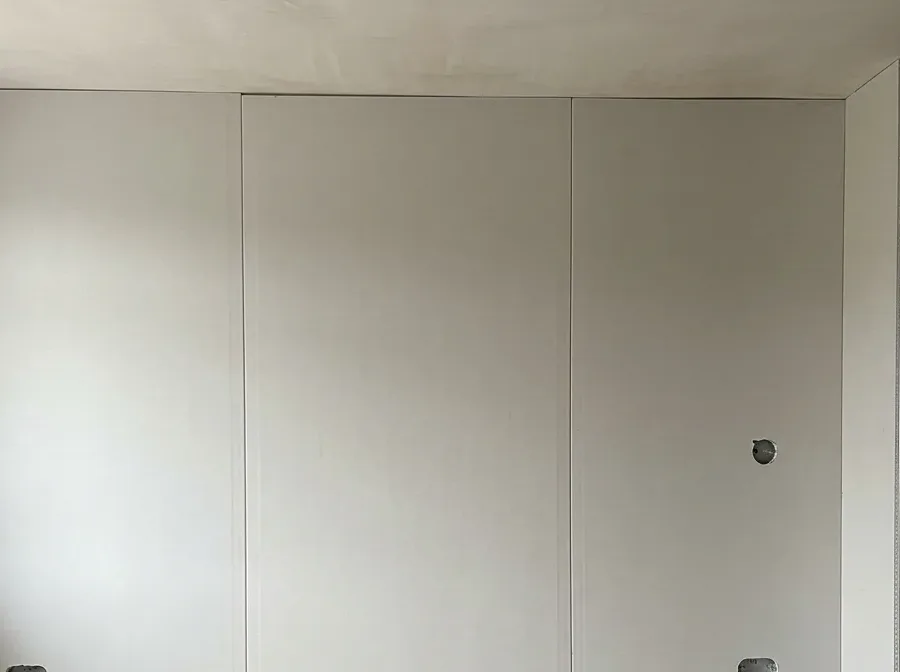
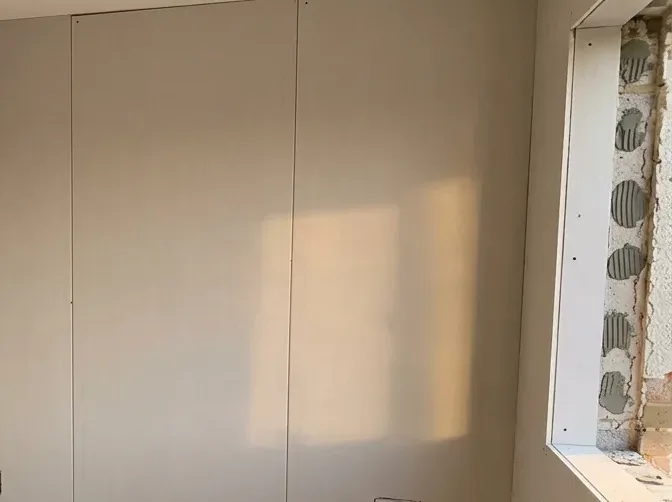
We start the dot and dab process by thoroughly measuring and inspecting masonry walls to confirm their readiness for plasterboard installation. Adhesive dabs are strategically applied to the back of each board before they are pressed firmly onto the wall, achieving a secure and even bond. This method prevents the mess and time typically associated with full-surface adhesives, allowing us to deliver flat, stable walls efficiently.
Once the plasterboards are fixed in place using dot and dab, we proceed with precise skimming to create a smooth surface ready for decoration or additional finishing touches. Our expertise guarantees that every board is flush and tightly fastened, offering a reliable base for silicone renders or plaster. This method minimizes delays and guarantees long-lasting results that meet the expectations of both builders and individual clients.
Dot and dab enables plasterboards to be fixed directly to masonry walls with adhesive dabs, accelerating the process compared to traditional battens and complete replastering. It reduces labor time without compromising the flatness of the walls.
Applying adhesive in spots instead of on the entire surface cuts down on mess and drying time. Our approach ensures a tidy, even base that is ready for either skim coating or silicone plaster.
The dot and dab technique forms a strong, stable connection between plasterboard and wall. Each board is pressed firmly into place, preventing any movement and creating a solid base for finishing layers.
Dot and dab is perfect for older homes where walls could be uneven or require insulation. This method eliminates the need for bulky battens, ensuring a straight surface while maintaining wall depth.
Using adhesive dots minimizes waste and lowers material costs. We apply this method precisely, balancing durability with economical resource use.
The secure fixing obtained through dot and dab supports a flawless skim finish. Our extensive experience guarantees walls are impeccably prepared for the final plaster or render coat.
We handle dot and dab work with straightforward steps: measurement, adhesive application, board positioning, and finishing. This clarity ensures projects stay on schedule and clients are informed every step of the way.
Dust settles everywhere during boarding. You should strip old wallpaper completely, pull out protruding timber nails, and relocate fragile furniture into an adjoining room before we arrive. When booking dot and dab in Chelmsford, clearing floor perimeter edges allows adhesive buckets and wide boards to move freely across the work area without damaging your skirting boards or door casings.
Bare brick needs checking. We scrape loose mortar snots from the masonry, scrub away flaking paint, and sponge off grease spots so drylining compound grips without crumbling away later. If you have cold exterior walls that suffered winter moisture penetration, treat the damp source first rather than covering wet patches, because trapped internal dampness eventually weakens adhesive lumps beneath drylining boards.
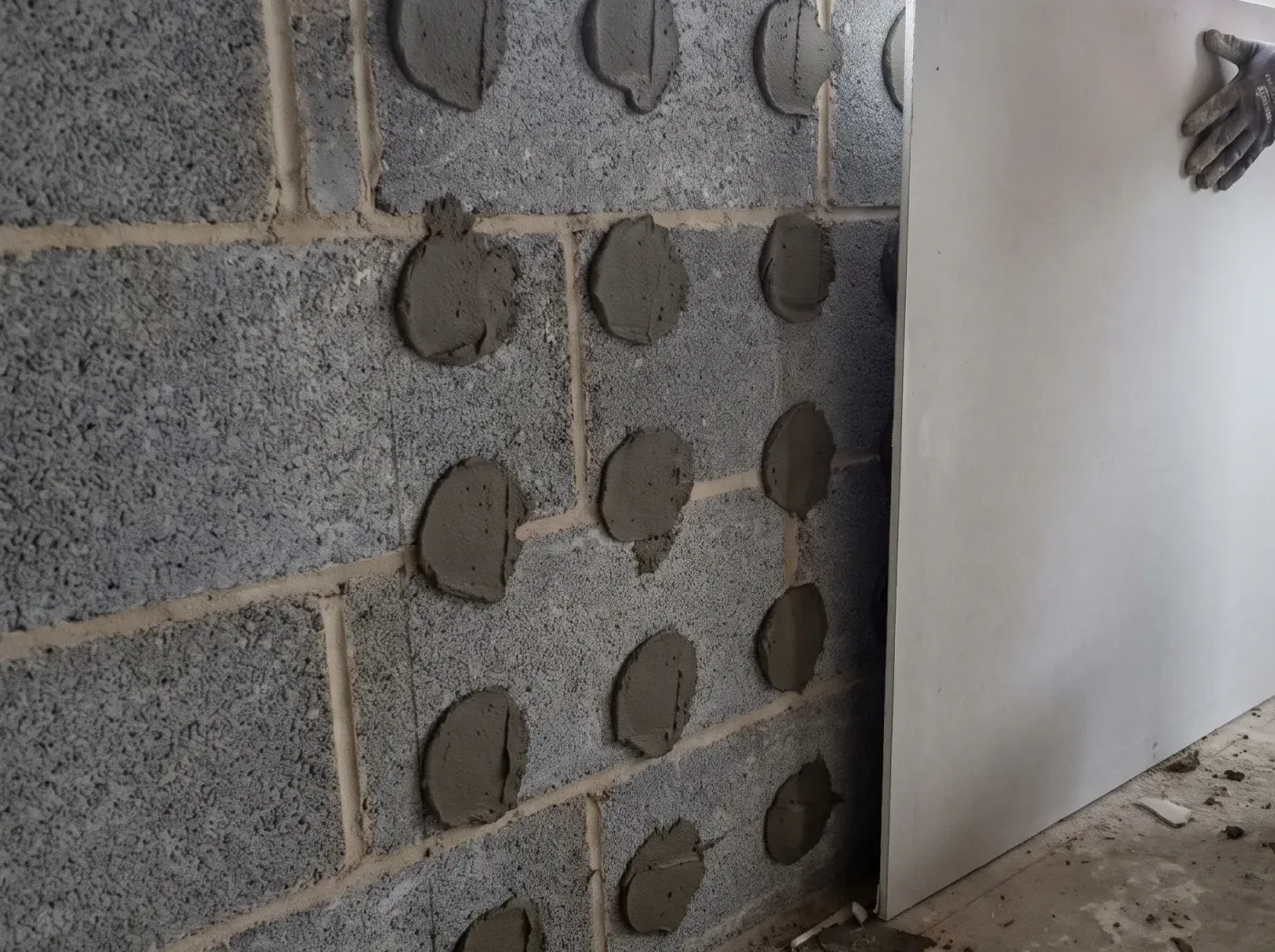
We begin by examining the existing wall, taking precise measurements to assess suitability for dot and dab. This essential step makes certain that the plasterboard fits correctly and that the adhesive dabs will bond effectively.
Next, we meticulously clean and prepare the masonry wall, which provides a solid base for the dot and dab process. Removing dust and loose materials is crucial to ensure proper adhesion.
The adhesive is applied in carefully spaced dots on the back of each plasterboard. This method secures the board firmly while allowing minor adjustments during installation.
Afterward, the plasterboards are pressed onto the wall, aligned flush and level. We check the fit and make any necessary adjustments before the adhesive sets, ensuring a stable and even surface.
Finally, we skim the fixed boards to achieve a smooth, flat wall that is prepared for decoration or further finishes. The dot and dab method accelerates this stage by providing a clean substrate without the need for battens.
Electricians must finish first. Back boxes need setting at the correct depth from the brickwork, and heating pipes running across masonry require protective capping plates so fixing screws never pierce copper lines. Completing dot and dab in Chelmsford requires knowing cable routes beforehand, especially when running heavy cooker feeds behind the boards.
Heavy items need backing. Floating radiators, kitchen cupboards, and heavy television brackets will pull drylining plugs straight out of plasterboard if you anchor only into hollow air voids. We mark continuous horizontal ribbons of adhesive compound behind planned cabinet positions, giving your long expansion bolts firm masonry support.
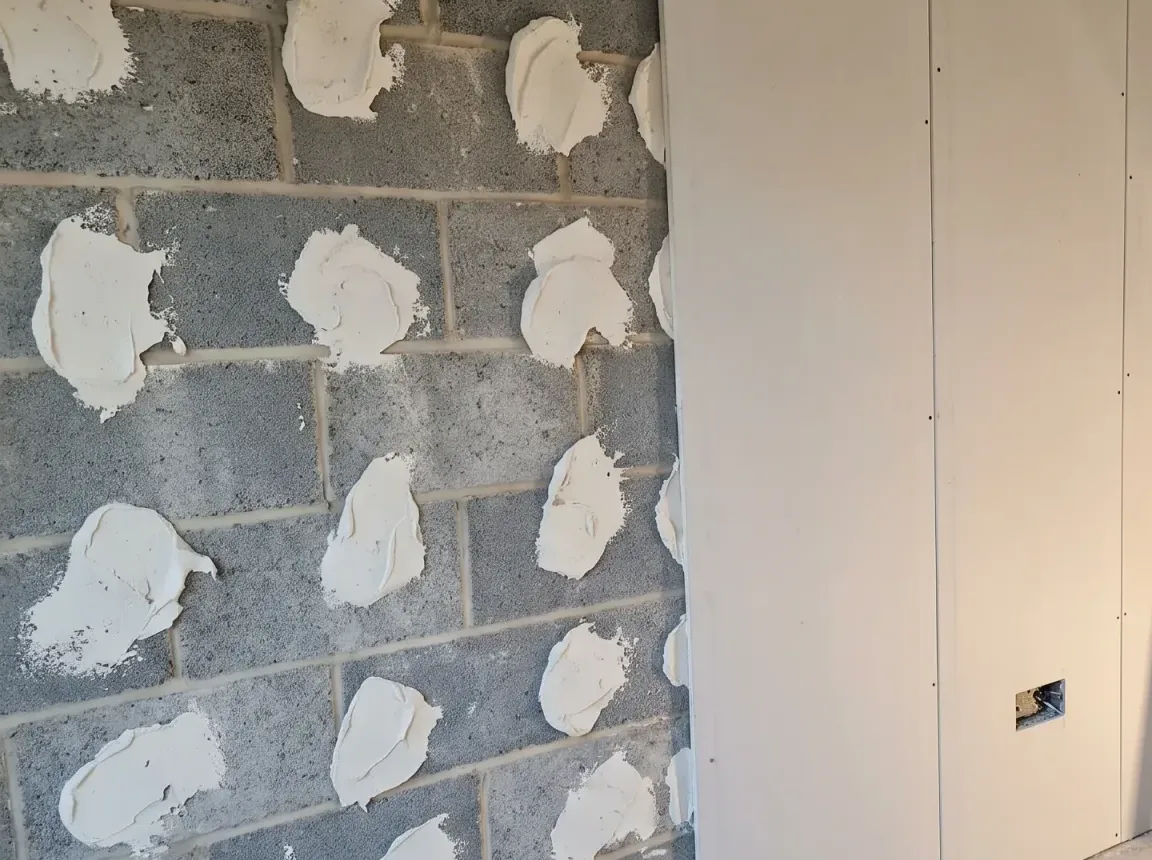
Light frames hold easily. Standard picture hooks driven into the drywall core will support lightweight mirrors without reaching the brickwork. For bulky mirrors, locate solid adhesive dabs with a stud finder, since tapping hollow spots reveals where boards flex slightly under heavy load.
Avoid harsh heating early on. Turning radiators on maximum immediately after skim coats finish shrinks jointing adhesive prematurely, leading to hairline cracks near ceiling angles. Using dot and dab in Chelmsford during cold months means maintaining gentle, natural background warmth while windows stay cracked open for moisture to escape.
Accidents happen during furniture moves. A heavy bedpost knock can dent the gypsum skin over an empty cavity behind the wall board. Repairing such indentations only requires gouging back loose plaster fragments, pressing in dense filler compound, and feathering the edge flush with fine sandpaper.
With over 20 years in the business, we deliver dot and dab installations that meet the rigorous demands of both new constructions and renovations in Chelmsford. Each wall is thoroughly assessed before applying adhesive dots, ensuring plasterboards are fixed securely and flush to the masonry surface-speeding up the process and providing a dependable base for smooth, lasting finishes.
Our approach to dot and dab avoids the need for full-surface adhesive coverage, reducing drying times and material waste. We manage everything from initial measurements to final finishes, keeping the project on schedule and maintaining clear communication-resulting in a flat, durable wall ready for finishing, achieved with the precision and reliability builders and homeowners expect.
We work in Chelmsford and the surrounding area, offering reliable dot and dab services. You can call us for a free estimate or to schedule a visit on site. Our base is about 25 miles away.
approx. 25 milesDistance from our base · Cheshunt
Call us07465266721Email uscontact@topplastering.ukWe serve your areaChelmsford and the surroundings
The Google map loads after you accept marketing cookies.


Maksymilian Mazur
Very satisfied with the service! Excellent communication, clean workmanship, and everything completed professionally. Highly recommended!
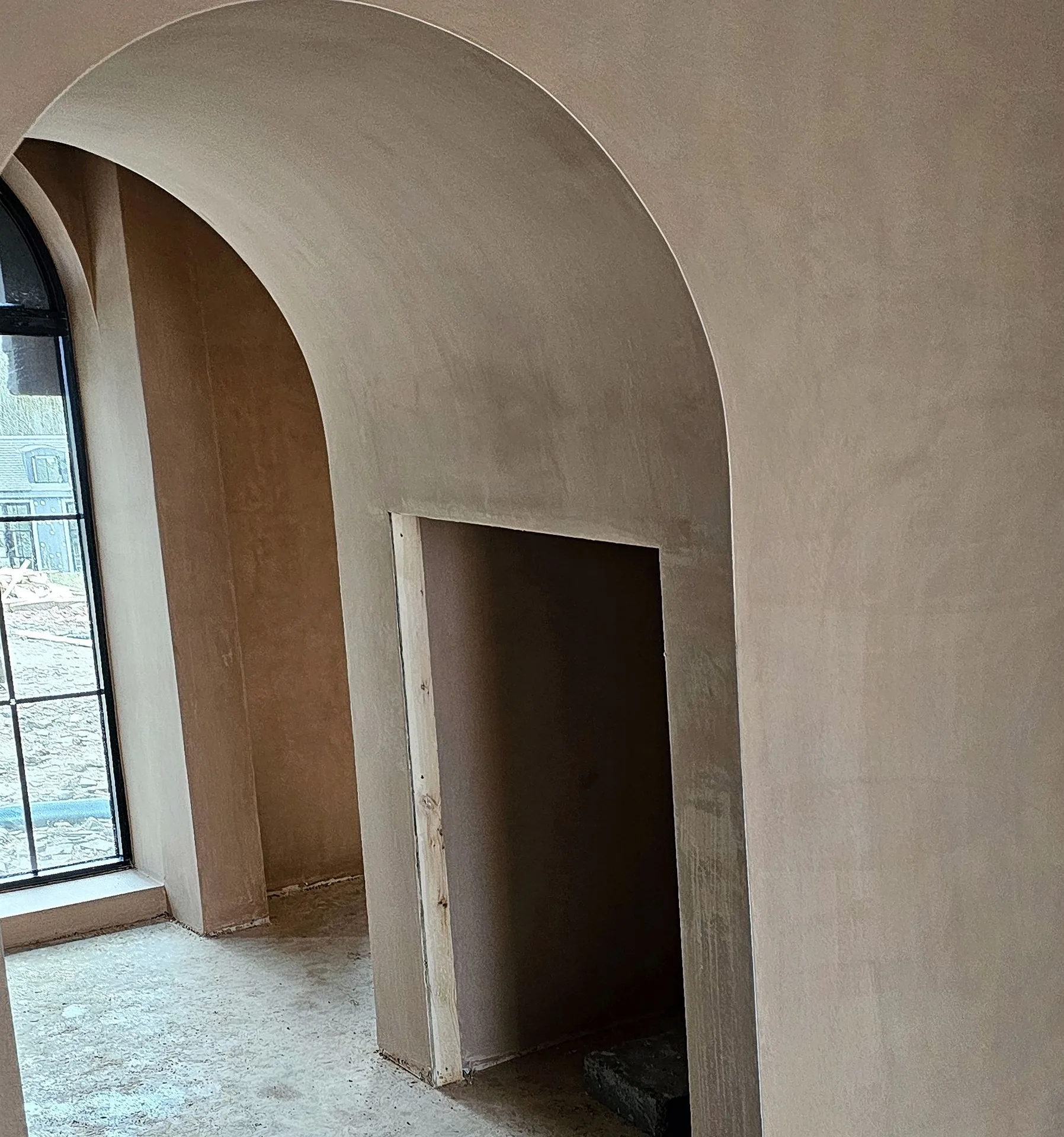
Tired walls and ceilings get a second life with skimming, giving you a flawless, durable finish every time.
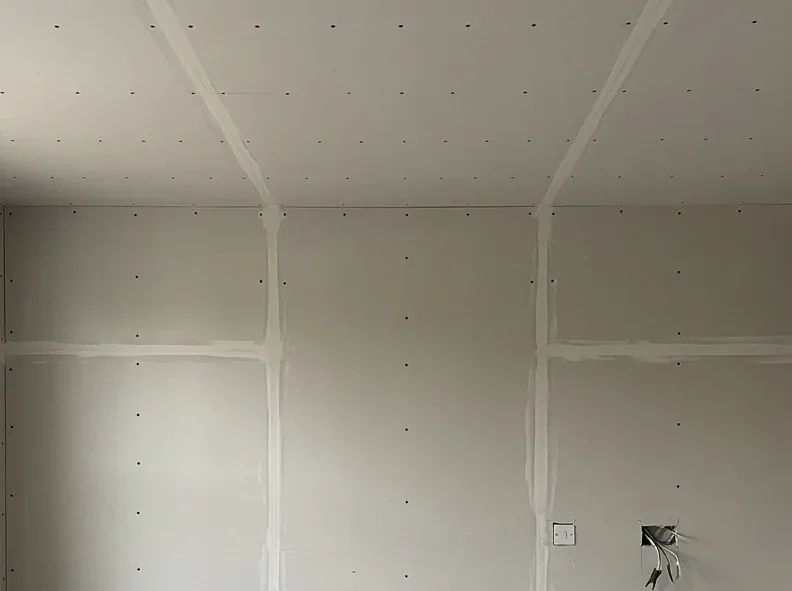
Experience matters-Topplastering handles plasterboarding for walls and ceilings so you get a truly solid finish.
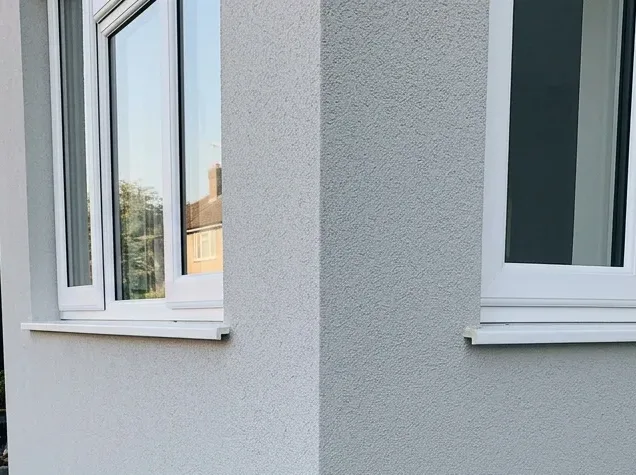
Rendering covers exterior and interior walls with a solid, even coat, protecting surfaces from weather and everyday wear.
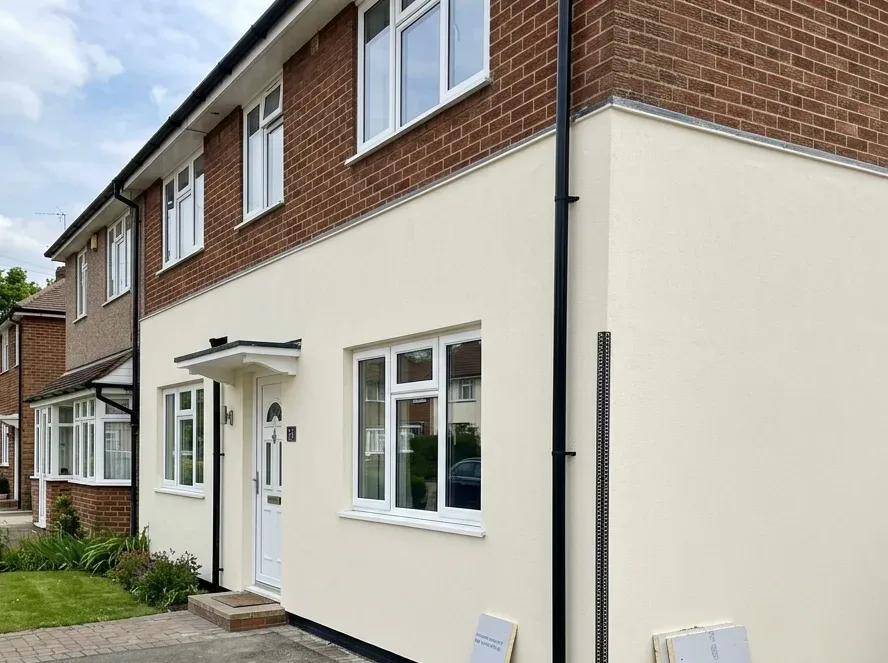
Upgrade your property with external wall insulation from Topplastering-cutting heating costs and improving your building’s appearance permanently.
Craftsmanship you can see
Every plastering project we complete leaves walls smooth, durable, and ready for whatever comes next.
Ask whether they apply continuous adhesive ribbons at the ceiling line and above skirting boards. Skipping these perimeter ribbons lets draughts travel behind boards and weakens fire resistance. A capable tradesperson explains how they compensate for uneven masonry using varying adhesive depths instead of pushing boards tight against crooked walls.
Standard internal drylining does not require council permission. However, if you share a party wall with a neighbour in Chelmsford and intend to chop away old chimney breast plaster or install soundproof boarding right against their brickwork, notifying them prevents boundary disputes about drilling vibration or acoustic flanking path changes.
Work starts with measuring wall plumbness and checking background suction. Once the masonry receives bonding primer, adhesive gets applied directly to the wall in rows, boards are pressed flat with a straightedge, and joints receive scrim tape before finishing plaster covers the entire surface for future painting.
Rushing into boarding over live rising damp or powdery brickwork causes adhesive failure. Skipping surface stabilisation means drylining compound pulls away from the wall beneath the board weight. Homeowners also frequently forget to photograph pipe runs, making future radiator bracket drilling dangerous once walls look smooth and uniform.