


Dot and dab allows plasterboard to be fixed directly to masonry walls using adhesive dabs, speeding up work compared to traditional battens and full replastering. This approach decreases labor time while maintaining flatness in the walls.





We quickly get old walls flat and ready for finishing with our precise dot and dab method in Bletchley. This approach streamlines the process, ensuring a reliable outcome without the mess of traditional methods.
Get a free quote
 Quick, no-obligation quote!
Dot and dab is a straightforward technique for securing plasterboard tightly onto existing masonry walls. It’s perfect if you want to skip the hassle of battening out and re-plastering. For older houses in Bletchley with uneven surfaces, our dot and dab method offers a speedy and clean option to achieve flat walls ready for a finishing touch.
This method utilizes adhesive applied in small dabs to firmly attach the boards, while facilitating quick adjustments during installation. Dot and dab speeds up the process, drastically reducing drying times and minimizing material waste compared to full-surface bonding. We ensure each board is aligned perfectly to create a solid foundation for plaster or silicone render.
We boast over 20 years of experience delivering dot and dab systems that withstand practical demands. Builders appreciate this method for its blend of speed and durability, while clients love the clean, dependable finish. We manage every aspect-from measuring to the final skim-ensuring walls are primed for the next stages without unexpected issues.
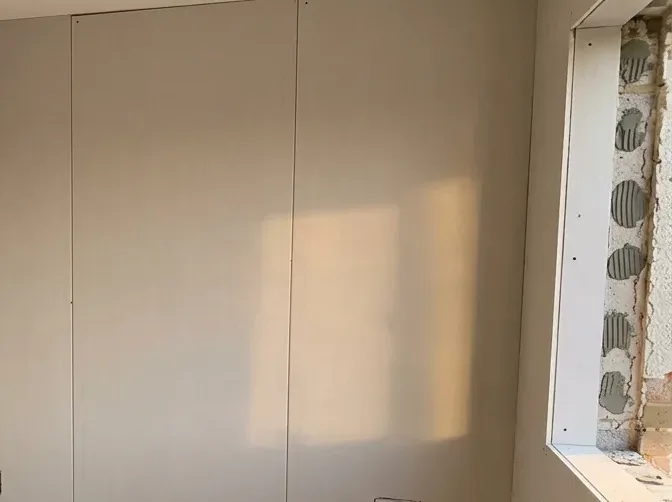
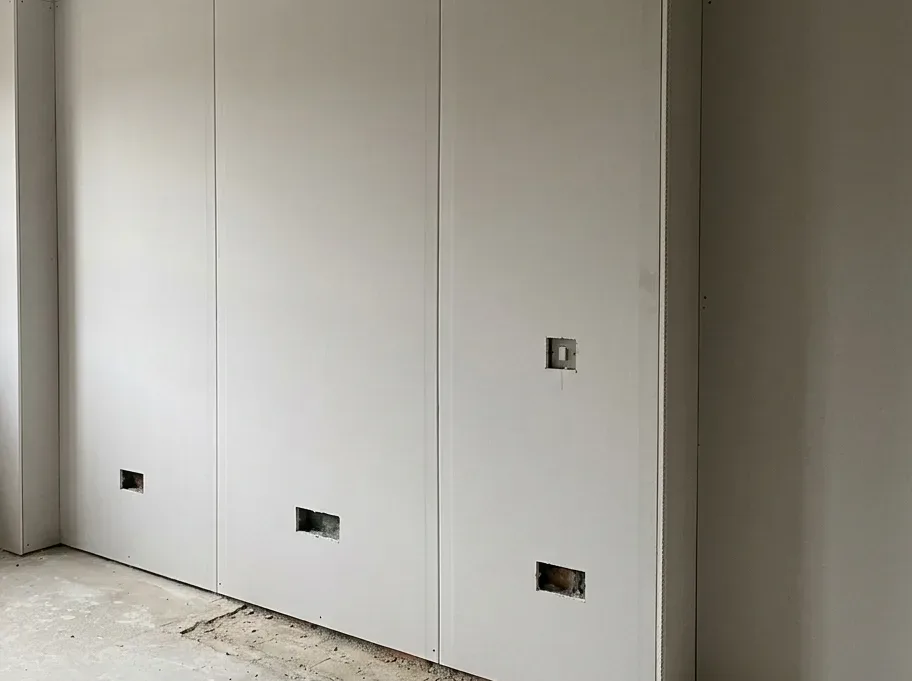
Heavy items need long fixings. Standard plastic plugs bite only into plasterboard, causing loose shelves when you hang loaded kitchen cupboards over direct-bonded masonry. For solid grip after dot and dab in Bletchley, drill straight through the compound into the underlying brickwork. Use heavy-duty metal anchors reaching the brick core. Heavy brackets pull loose otherwise.
Tap boards gently before drilling. Hollow sounds reveal empty gaps, while a dull thud indicates adhesive behind the face. Running radiator brackets into empty space crushes gypsum panels against the blockwork. Drive screws through dabs or pack the void behind your screw with dense timber shims. This stops wall faces bowing inward under weight.
Dot and dab allows plasterboard to be fixed directly to masonry walls using adhesive dabs, speeding up work compared to traditional battens and full replastering. This approach decreases labor time while maintaining flatness in the walls.
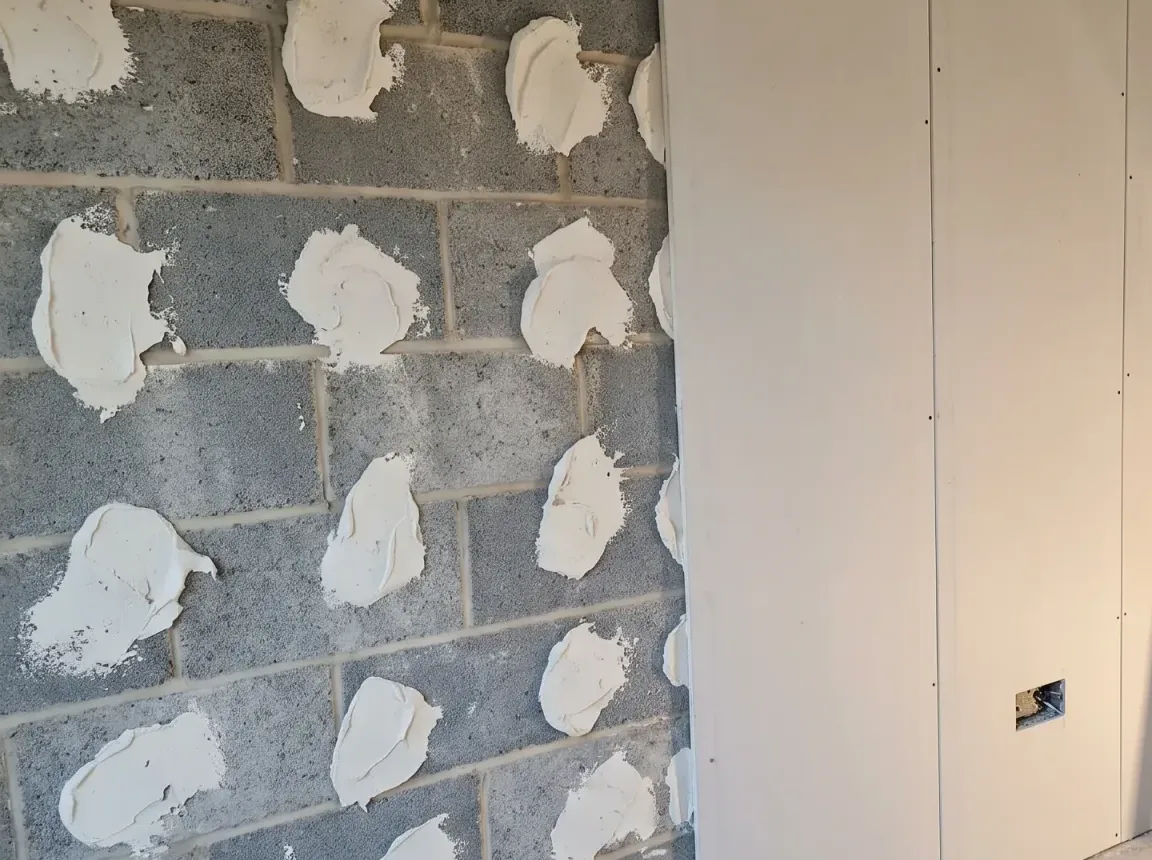
Applying adhesive in spots rather than over the entire surface minimizes mess and drying time. We use this technique to guarantee a neat, even base prepped for skim coating or silicone plaster.
The dot and dab technique forms a sturdy, stable connection between plasterboard and wall. As the boards are pressed firmly into place, movement is prevented, ensuring a robust substrate for finishing layers.
Dot and dab is particularly effective for older homes where walls might be uneven or need insulation. It circumvents the need for bulky battens, delivering a straight surface while conserving wall depth.
Utilizing dots and dabs of adhesive curtails waste and reduces material costs. We apply this method carefully, striking a balance between durability and economical resource use.
The secure attachment achieved through dot and dab supports a flawless skim finish. With over 20 years in the field, we ensure walls are perfectly primed for the ultimate layer of plaster or render coat.
We handle the dot and dab process following clear steps: measuring, applying adhesive, positioning boards, and finishing. This transparency keeps projects on time and clients informed throughout.
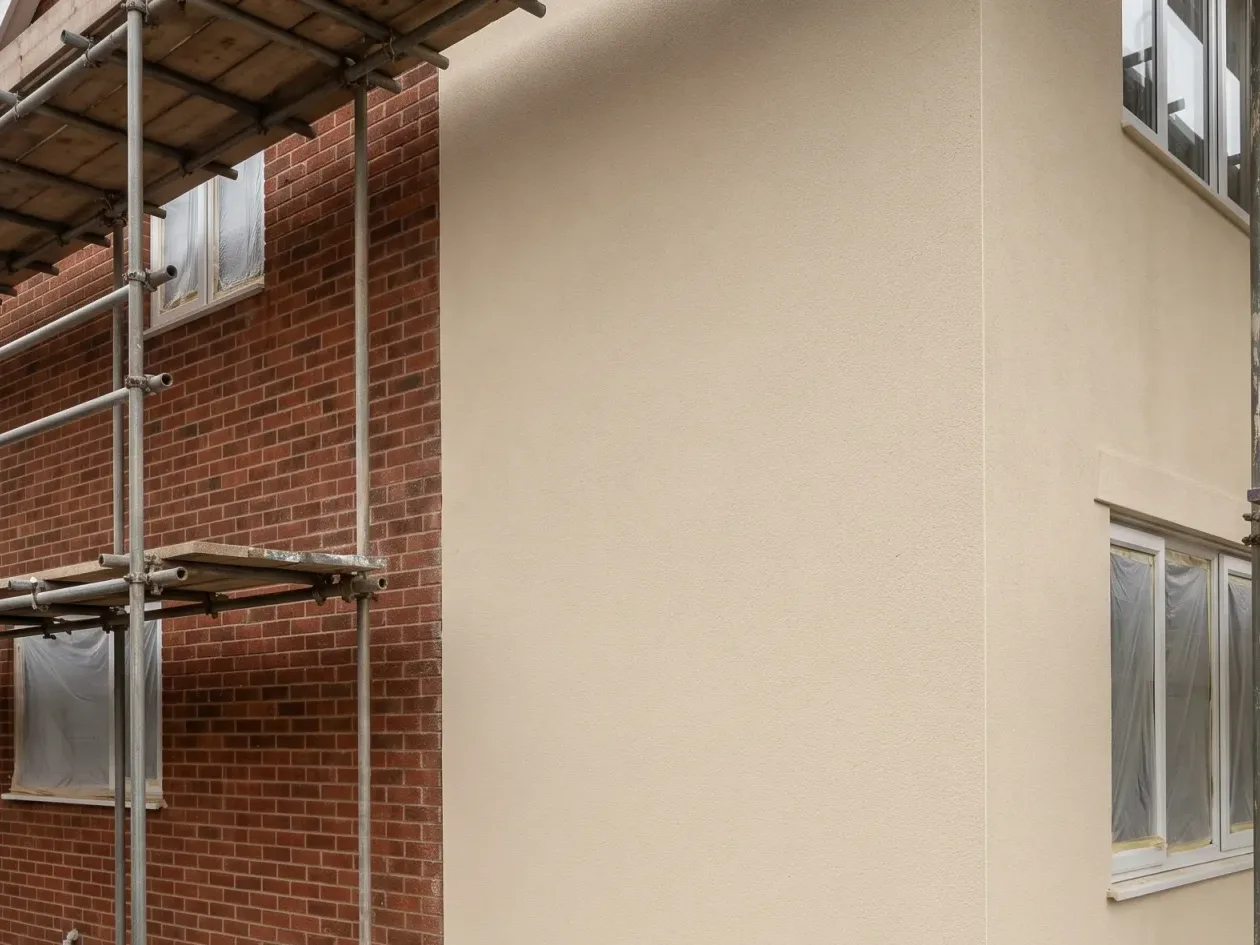
We utilize dot and dab to fix plasterboard directly onto masonry walls using adhesive dabs. This method reduces the need for battening out, making it faster and tidier, especially beneficial for older buildings in Bletchley. We precisely apply dot and dab, ensuring each board is securely set before skim coating for a flat surface ready for finishing without delays.
Starting by evaluating the existing wall condition, we meticulously measure to plan the dot and dab layout. Adhesive dots are strategically placed to hold the plasterboard firmly while allowing for minor tweaks. The boards are pressed against the wall, forming a uniform base that supports durable plaster finishes. Our expertise guarantees that the final result is both solid and enduring.
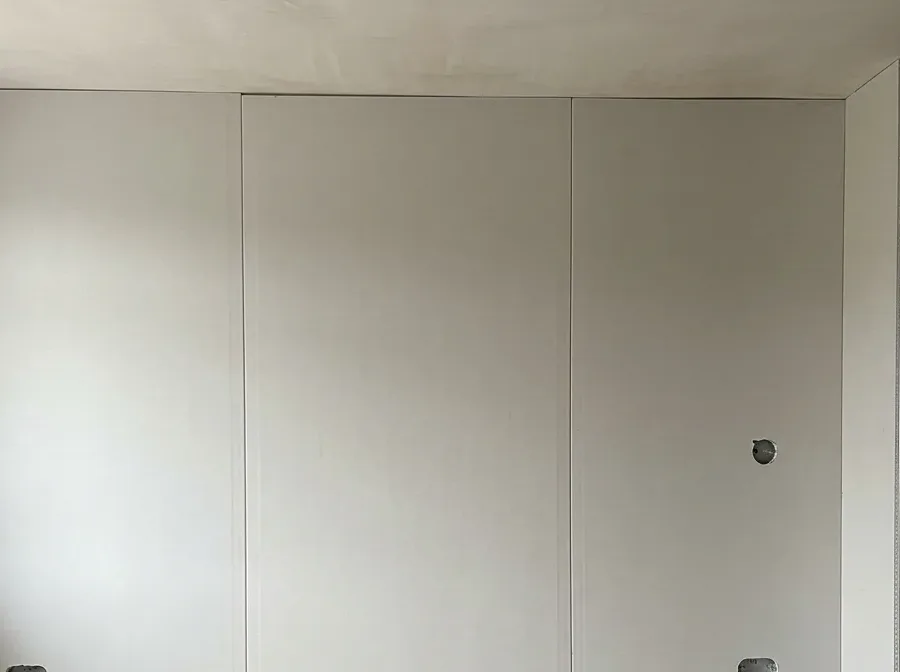
We initiate the process by assessing the current wall and taking precise measurements to evaluate the appropriateness of dot and dab. This preliminary step assures that the plasterboard will fit correctly and the adhesive dabs will bond effectively.
Following assessment, we clean and prepare the masonry wall to establish a solid base for the dot and dab method. It's crucial to eliminate dust and loose material to ensure adequate adhesion.
We apply the adhesive in well-spaced dots and dabs on the back of each plasterboard. This approach holds the board securely while allowing slight adjustments during installation.
The plasterboards are pressed onto the wall, aligned flush and level. We check the fit and make adjustments as needed before the adhesive sets, ensuring a stable and consistent surface.
Finally, we skim the attached boards to create a smooth, flat wall ready for decoration or additional finishes. The dot and dab process hastens this phase by providing a reliable, clean substrate without needing battens.
Adhesive paste behaves poorly on frozen masonry. During winter chill, external brick skins pull warmth from the compound, which delays bond formation and makes gypsum turn brittle instead of setting. When commissioning dot and dab in Bletchley during chilly spells, warm the rooms gently beforehand. Avoid blazing fan heaters pointed straight at damp patches.
Hot weather drinks binder water fast. Dry breeze through open garden doors sucks moisture out before boards bond to aerated concrete blocks. Mist dusty porous brickwork with water prior to placing compound mounds. The board slides otherwise, falling away before initial adhesion takes hold properly across the course.
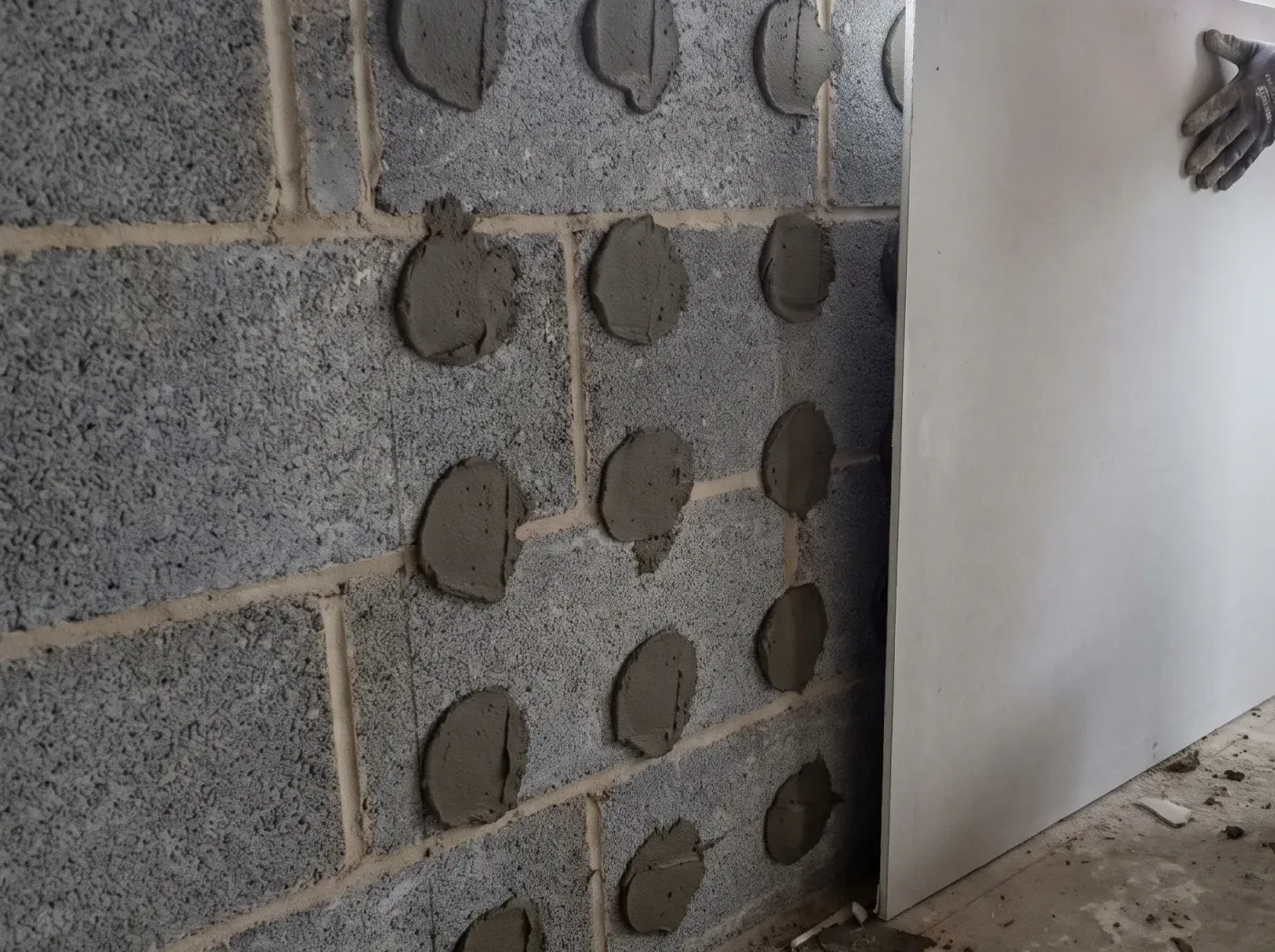
Electricians must route conduits first. Dot and dab leaves limited space behind boards, meaning thick plastic pipes cannot sit flush unless recessed into masonry. When running dot and dab in Bletchley, verify back boxes sit correctly proud of brickwork. This saves cutting holes later.
Keep copper lines firmly clipped. Loose central heating pipes vibrate against cured adhesive mounds, creating persistent tapping noises inside completed rooms whenever water circulates. Wrap exposed brass joints in dense felt insulation before lining walls. The plaster stays flat when pipework cannot rattle.
Keep panels off damp screeds. Installers prop boards above bare subfloors using scrap offcuts, avoiding moisture rising from wet foundations into clean gypsum edges. Seal gaps beneath skirting boards using flexible acoustic sealant. Drafts stay trapped behind the void.
With over 20 years in this industry, we provide dot and dab installations that withstand the needs of both new and renovation projects. Before applying adhesive dots and dabs, we thoroughly assess each wall to ensure plasterboards are fixed securely and against masonry surfaces. This method accelerates the process while supplying a dependable base for smooth, long-lasting finishes without unnecessary complications.
Our approach to dot and dab eliminates the requirement for full surface adhesive, significantly reducing drying time and material waste. We handle everything from initial measurements to final skimming, maintaining an on-schedule project and clear communication. The result is a flat, durable wall ready for finishing, accomplished with the precision and reliability both builders and homeowners expect.
We serve Bletchley and the surrounding area, delivering reliable dot and dab services. Contact us for quick communication via phone or schedule a free estimate; we’re just 45 miles from our base in Cheshunt.
approx. 45 milesDistance from our base · Cheshunt
Call us07465266721Email uscontact@topplastering.ukWe serve your areaBletchley and the surroundings
The Google map loads after you accept marketing cookies.


Maksymilian Mazur
Very satisfied with the service! Excellent communication, clean workmanship, and everything completed professionally. Highly recommended!
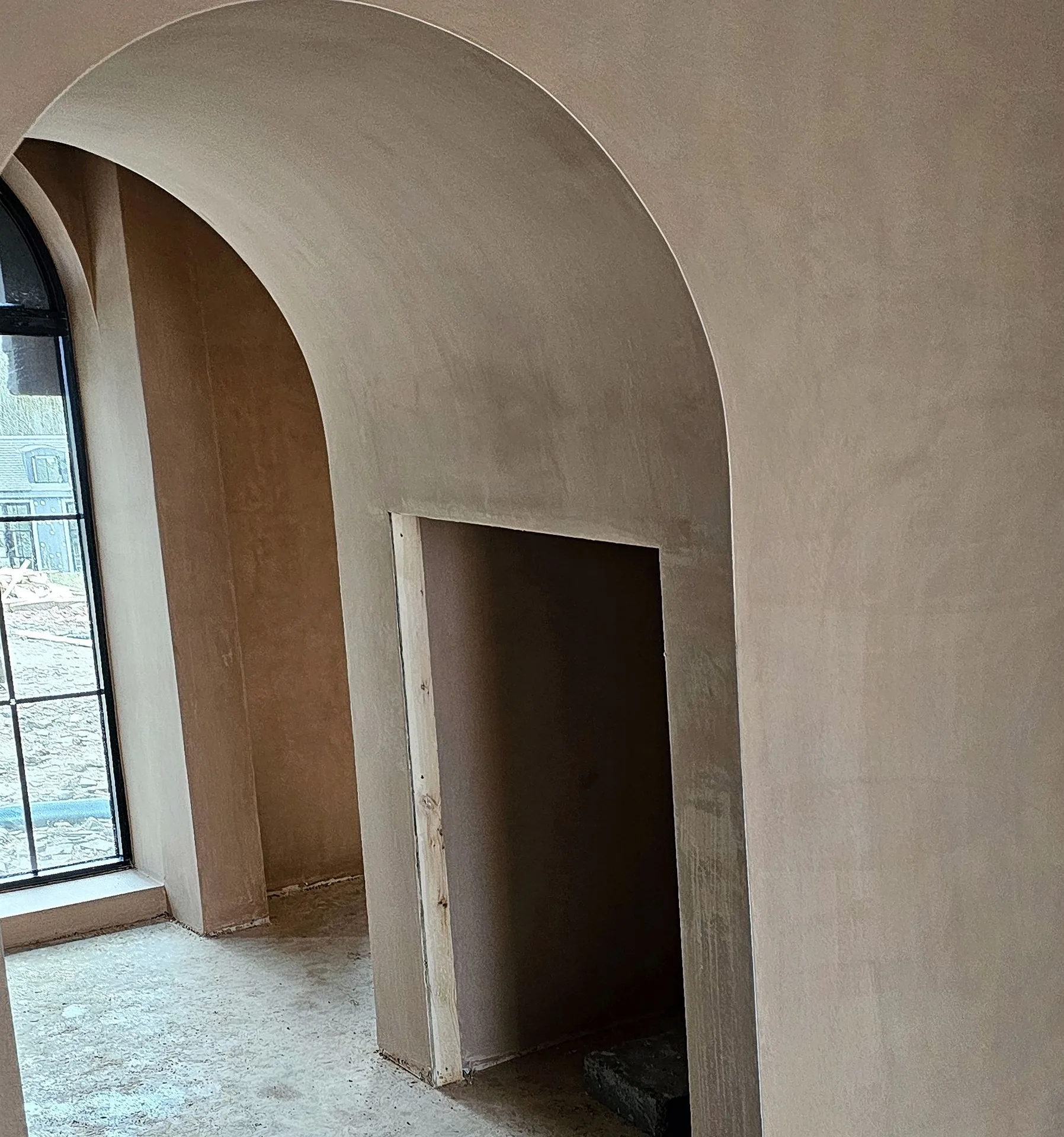
Tired walls and ceilings get a second life with skimming, giving you a flawless, durable finish every time.
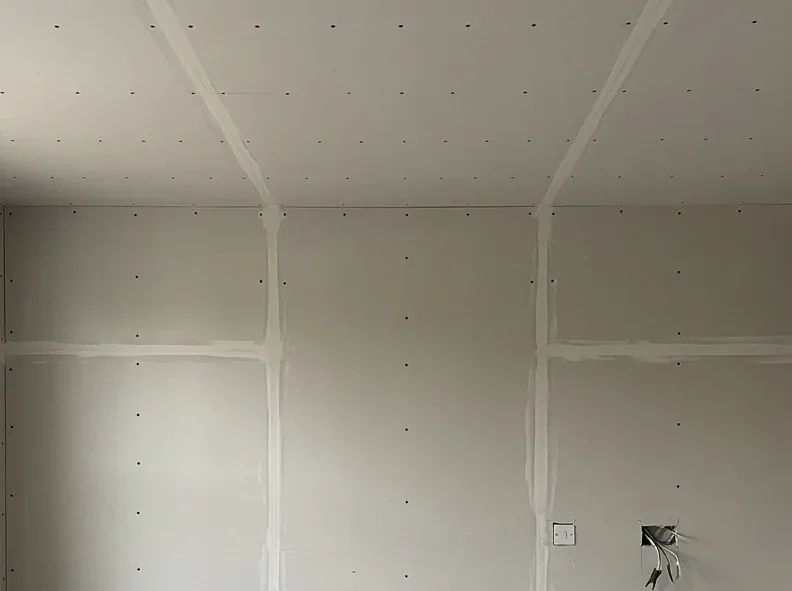
Experience matters-Topplastering handles plasterboarding for walls and ceilings so you get a truly solid finish.
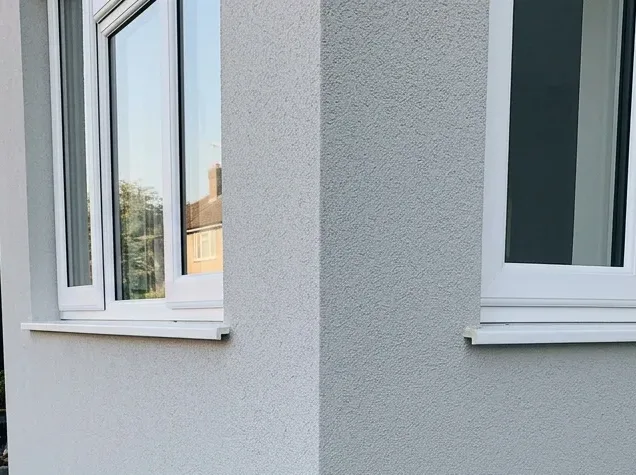
Rendering covers exterior and interior walls with a solid, even coat, protecting surfaces from weather and everyday wear.
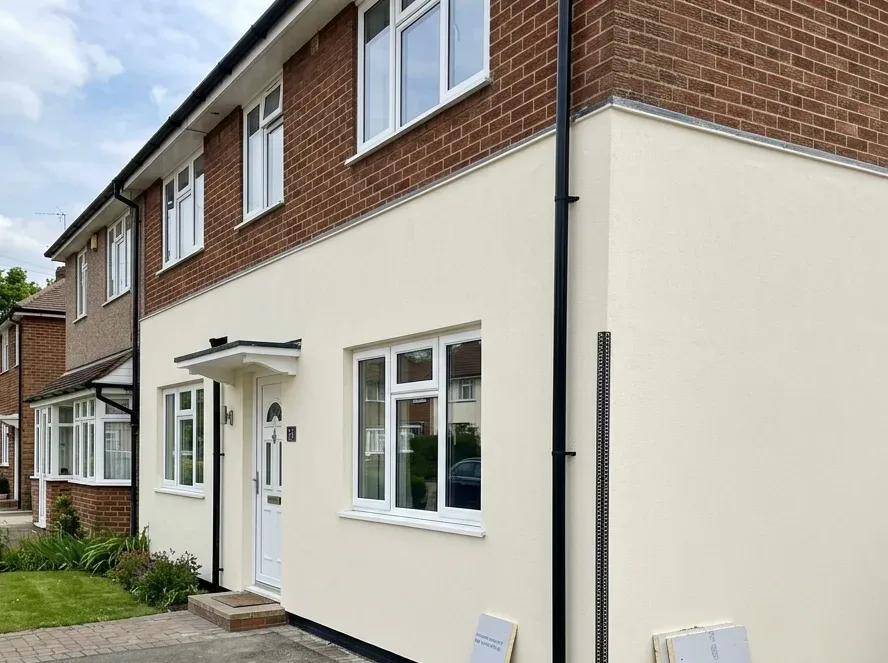
Upgrade your property with external wall insulation from Topplastering-cutting heating costs and improving your building’s appearance permanently.
Craftsmanship you can see
Every plastering project we complete leaves walls smooth, durable, and ready for whatever comes next.
Shared brick walls require neighbour notification if you cut deep recesses into chimney breasts or common masonry. Applying adhesive dabs to your side usually causes little vibration, yet talking with neighbours avoids disputes over tapping noises during work.
Hacking off blown sand-cement render, removing old wallpaper, chasing channels for electric conduits, and hauling site rubble away require extra labour. Quotes assume bare, stable block surfaces ready to receive compound unless clearing is agreed beforehand.
Measure room dimensions and examine the bare masonry for persistent damp or loose mortar. Mention whether ceilings are already down and if external deliveries can reach your hallway easily, because awkward access changes installation speed across rooms.
Standard ivory plasterboard fits dry bedrooms, while moisture-resistant green panels suit bathrooms subject to shower steam. Rooms needing sound deadening between apartments benefit from dense blue acoustic sheets, because added mass reduces noise transfer through hollow cavities.