


With over 20 years in plastering, we approach Artex removal in Romford using proven methods that minimize damage and ensure a clean surface for finishing.





Update your home with Artex removal in Romford from us-solid, safe, and expertly finished every time.
Get a free quote
 Quick, no-obligation quote!
Artex removal is frequently necessary in properties built or decorated between the 1970s and 1990s. These textured ceilings enjoyed popularity then, yet they have become less desirable. Removing Artex refreshes a room's appearance and prepares the ceiling for a modern, flat finish.
Many Artex coatings from that era may contain asbestos, requiring careful handling during Artex removal in Romford. A professional approach minimizes any risk to residents, ensuring their safety. Our team adheres to strict safety protocols to manage this potential hazard proficiently.
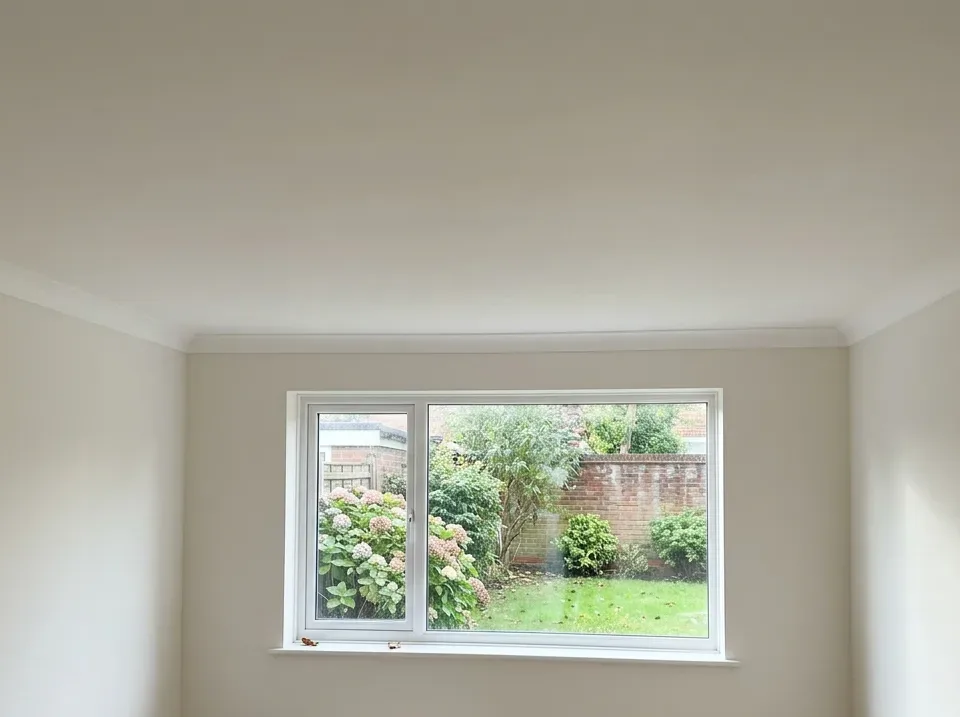
Artex removal is one of the most significant upgrades you can undertake to enhance a room’s appearance. This process smooths ceilings and creates a clean base for painting or decorative work. For builders and homeowners in Romford, our service offers practical value to renovation projects.
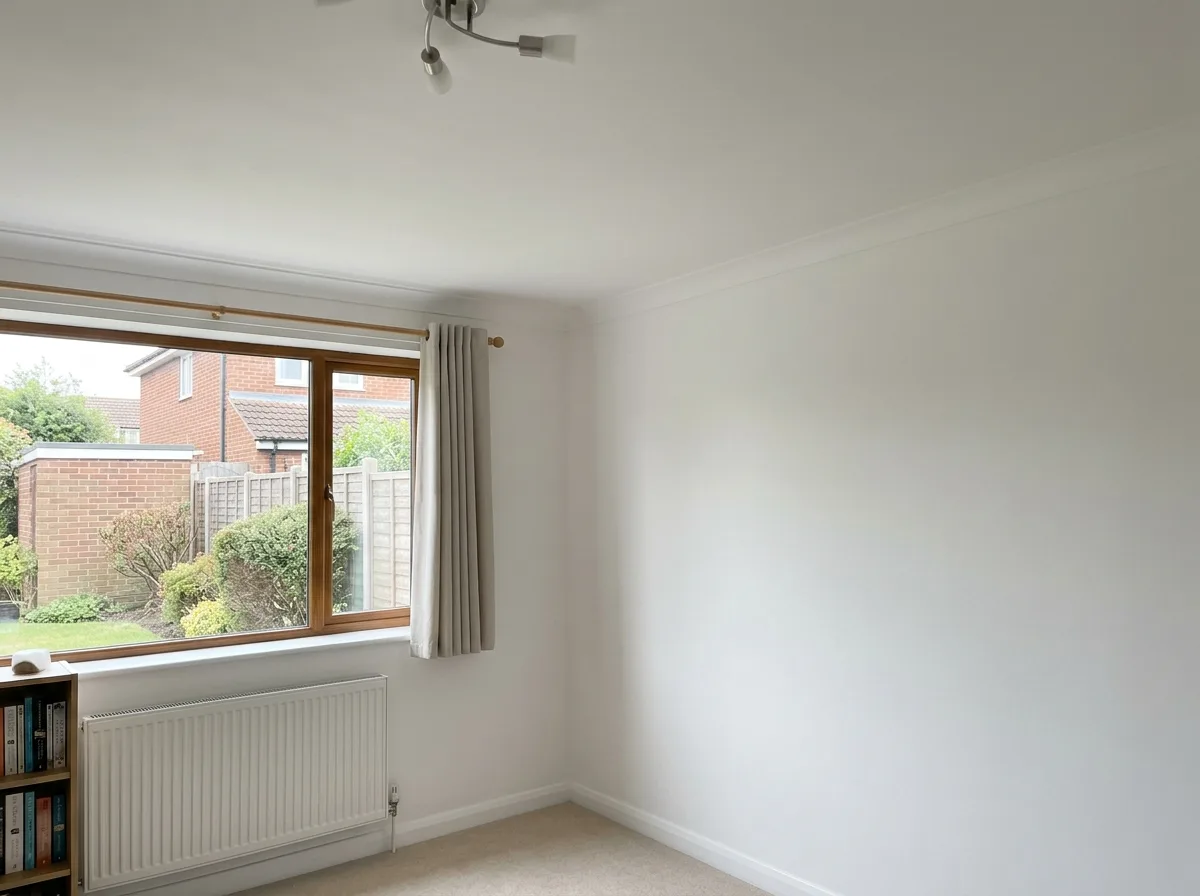
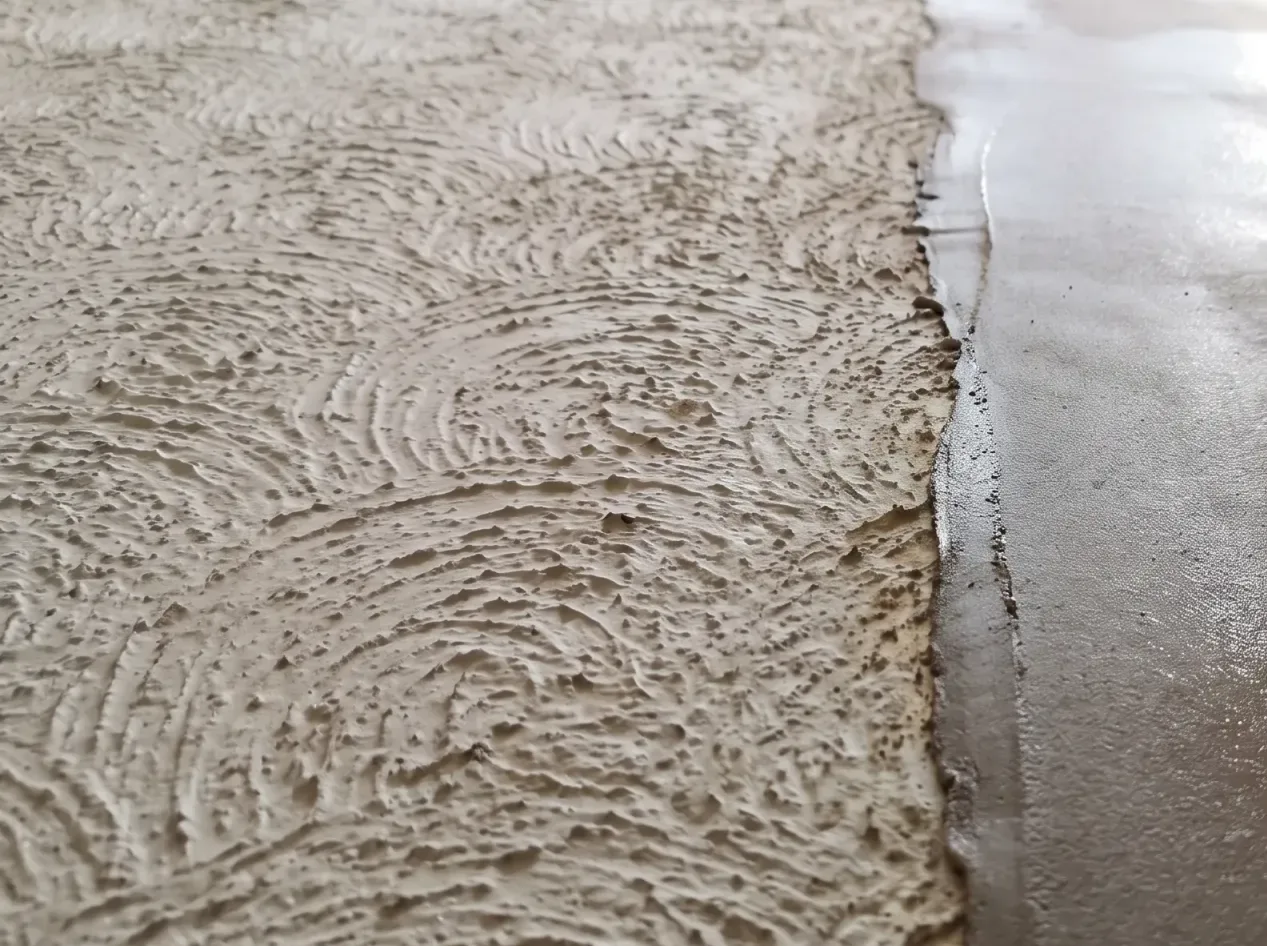
The Artex removal process begins with a thorough inspection to determine the type and condition of the textured ceiling. This step is vital for identifying potential asbestos and planning the safest method for removal. We approach this stage meticulously, ensuring all risks are assessed before commencing work to protect both the property and its occupants. Clear communication about the Artex removal procedure is also part of this assessment.
Once the assessment is complete, the actual removal involves carefully wetting the surface to minimize dust, followed by gently scraping off the textured coating without harming the underlying ceiling. After removal, the surface receives a skim coat to create a smooth, flat finish. Our expertise ensures the ceiling is left ready for any further decorating or finishing work, providing a clean slate that refreshes the room’s look.
With over 20 years in plastering, we approach Artex removal in Romford using proven methods that minimize damage and ensure a clean surface for finishing.
Our team strictly follows safety protocols during Artex removal, especially when asbestos is involved, protecting your health and adhering to all regulatory standards.
After removing Artex, we deliver a full skim coat, creating a smooth, flat finish that modernizes any room's appearance.
From initial quote to final settlement, we keep you informed throughout the Artex removal process, avoiding surprises and delays.
We work efficiently around builders’ timelines or individual client needs, ensuring the Artex removal process is straightforward and hassle-free.
Our process emphasizes durable, practical results that prepare ceilings for lasting finishes, ensuring your investment in Artex removal pays off over time.
Strip the room bare. When tackling Artex removal in Romford, we need every piece of heavy furniture shifted into the hallway so our step platforms move freely without nicking low-hanging pendant lights, mahogany sideboards, or framed family pictures on the walls. Roll up runner rugs to protect the pine subflooring beneath.
Drafts cause trouble. Shutting the sash windows before scraping starts prevents outside breezes from picking up stripped flakes and blowing them right through the open corridor toward the staircase carpet. We seal internal door edges with heavy-duty masking tape, keeping every stray particle strictly confined to the room undergoing the actual scrape.
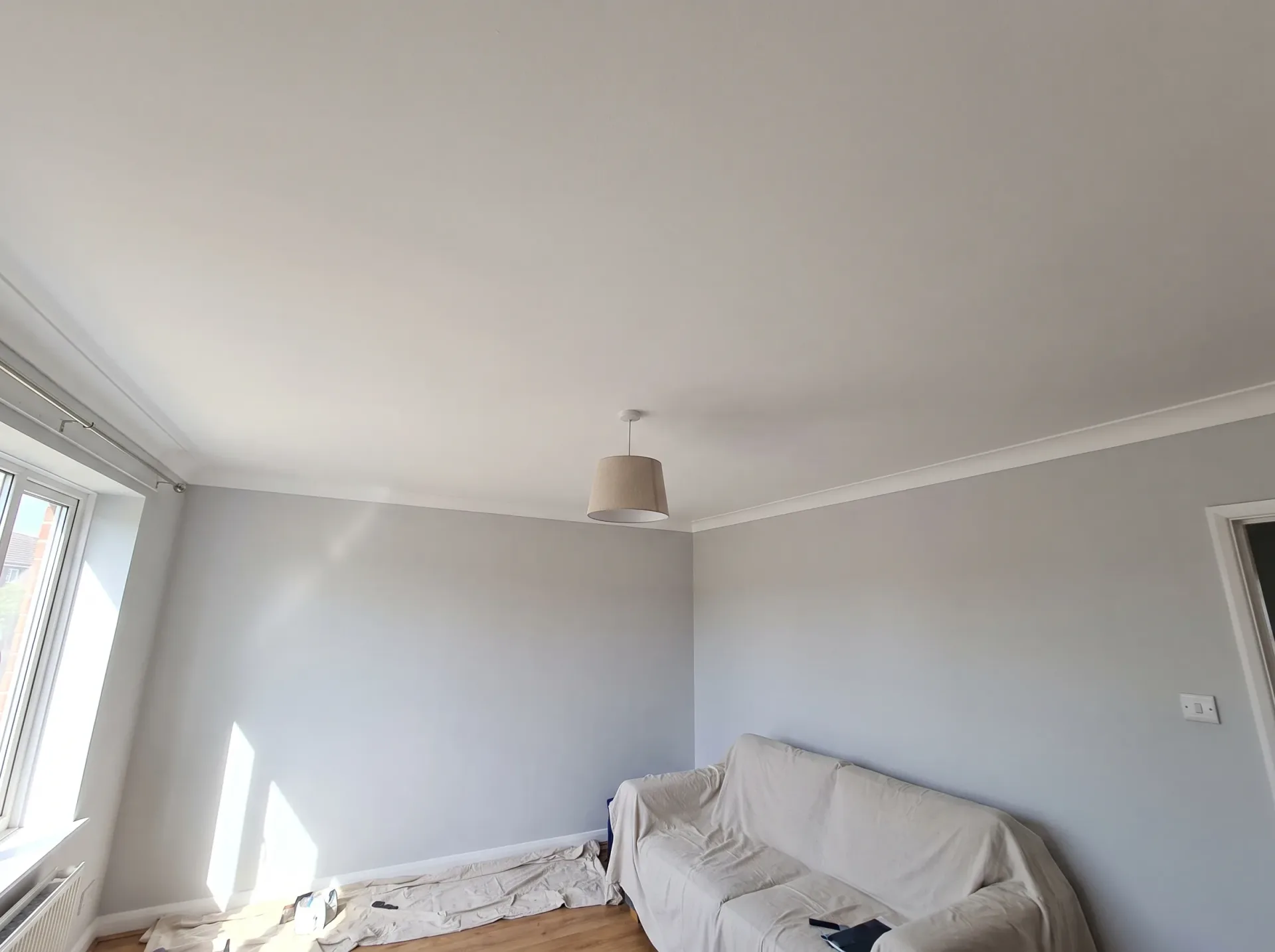
We inspect the ceiling to identify the Artex type and assess its condition, checking for any asbestos content to plan the safest removal method.
We thoroughly protect the workspace and prepare the surface by wetting the Artex to minimize dust during the removal process.
Our team carefully scrapes off the textured coating, ensuring the underlying ceiling remains intact and ready for finishing.
After removal, we clean and smooth the ceiling, correcting any imperfections to create a flat, even base.
We apply a full skim coat to provide a clean, modern finish that transforms the room’s appearance and meets current standards.
Coordinate early. If your renovation plan includes recessed ceiling downlights, have the sparks run the grey twin-and-earth cables above the joists before any Artex removal in Romford gets underway, because cutting into fresh plaster afterwards only ruins the newly levelled board finish. Drop the power to those ceiling roses at the fuse board first.
Drain the central heating pipework if copper tails rise up near textured coving. Water pipes get in the way of wide stripping blades, and bumping a brass elbow joint with a ladder leg can crack a solder connection behind the skirting. We tuck thick drop cloths around thermostatic radiator valves to keep wet slurry out of the small vent pins.
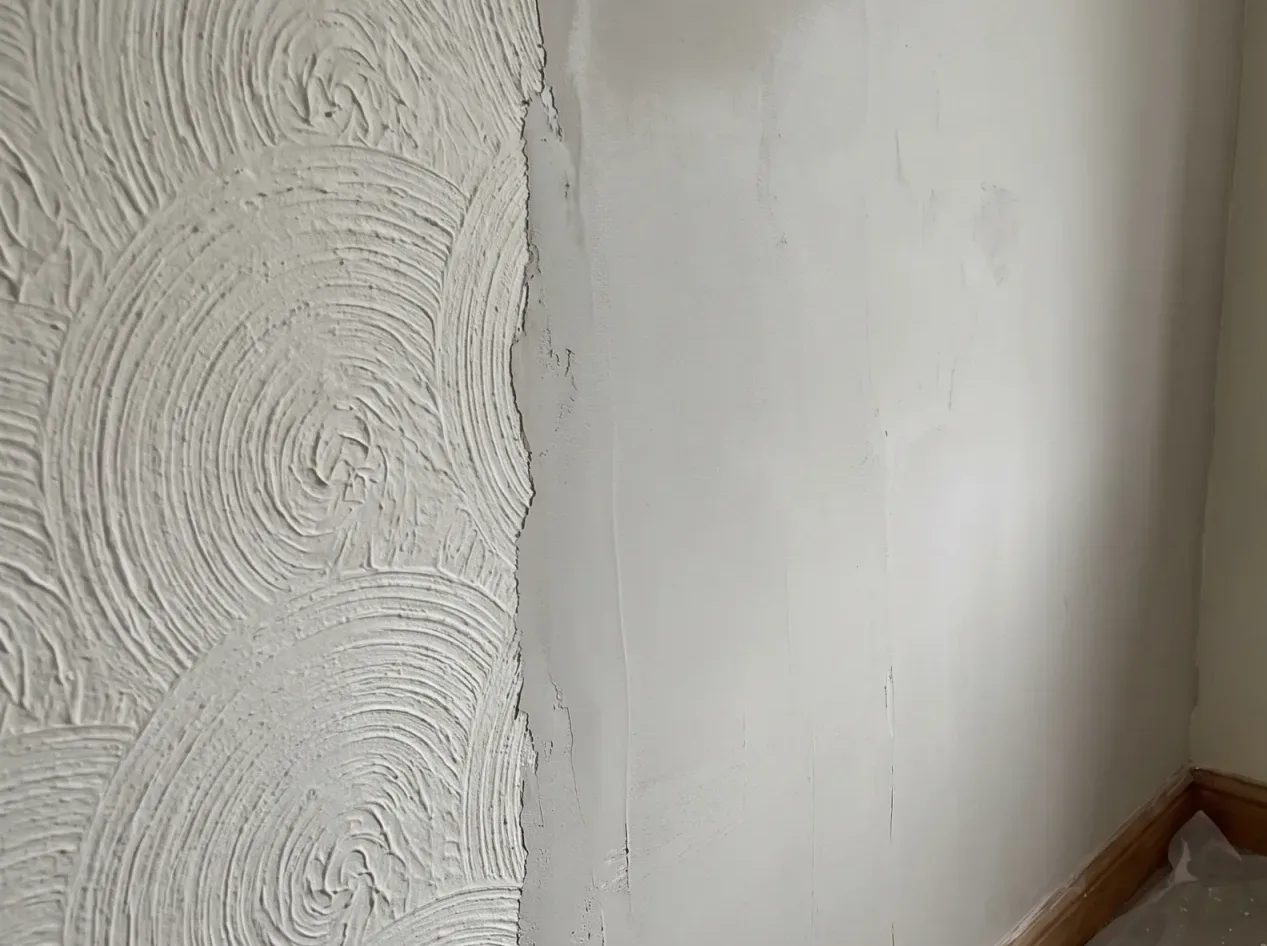
Winter slows drying. During Artex removal in Romford, frosty weather makes bonding coats sweat on the cold brickwork instead of curing evenly. We avoid running high heat on the radiators, because blasting scorching dry air across damp skim coat causes hairline spiderweb cracks across the middle of the ceiling joists.
High heat bites fast. Hot sunshine beating straight through conservatory glass bakes wet plasterboard compounds before the trowel can flatten the peaks. Keep curtains drawn against the sun. That simple shade gives the trade time to draw the trowel edge across the wet mix without snagging.
Humid mornings linger. Damp autumn air stops softening gels from penetrating through thick layers of old oil paint applied over swirl patterns. We leave the work lights warming the damp plasterboard for several extra minutes, testing the soft skin with an old scraper before applying heavy hand force.
With over 20 years in plastering, we handle Artex removal with a clear, practical method. We assess the ceiling to identify the Artex type and condition before carefully removing it, minimizing dust and avoiding damage to the underlying structure. Our experience ensures the surface stays well-prepared for subsequent work, resulting in a flat, clean finish.
We manage Artex removal as a straightforward, organized task. From the first free quote up to final settlement, we maintain transparent communication and adapt flexibly to builders and homeowners. Our focus on precision and safety ensures the ceiling meets modern requirements, providing a solid basis for any renovation or decorative project.
We operate in Romford and the surrounding area, providing professional Artex removal services. If you need assistance, call us for a free estimate or to arrange an on-site visit.
approx. 15 milesDistance from our base · Cheshunt
Call us07465266721Email uscontact@topplastering.ukWe serve your areaRomford and the surroundings
The Google map loads after you accept marketing cookies.


Maksymilian Mazur
Very satisfied with the service! Excellent communication, clean workmanship, and everything completed professionally. Highly recommended!
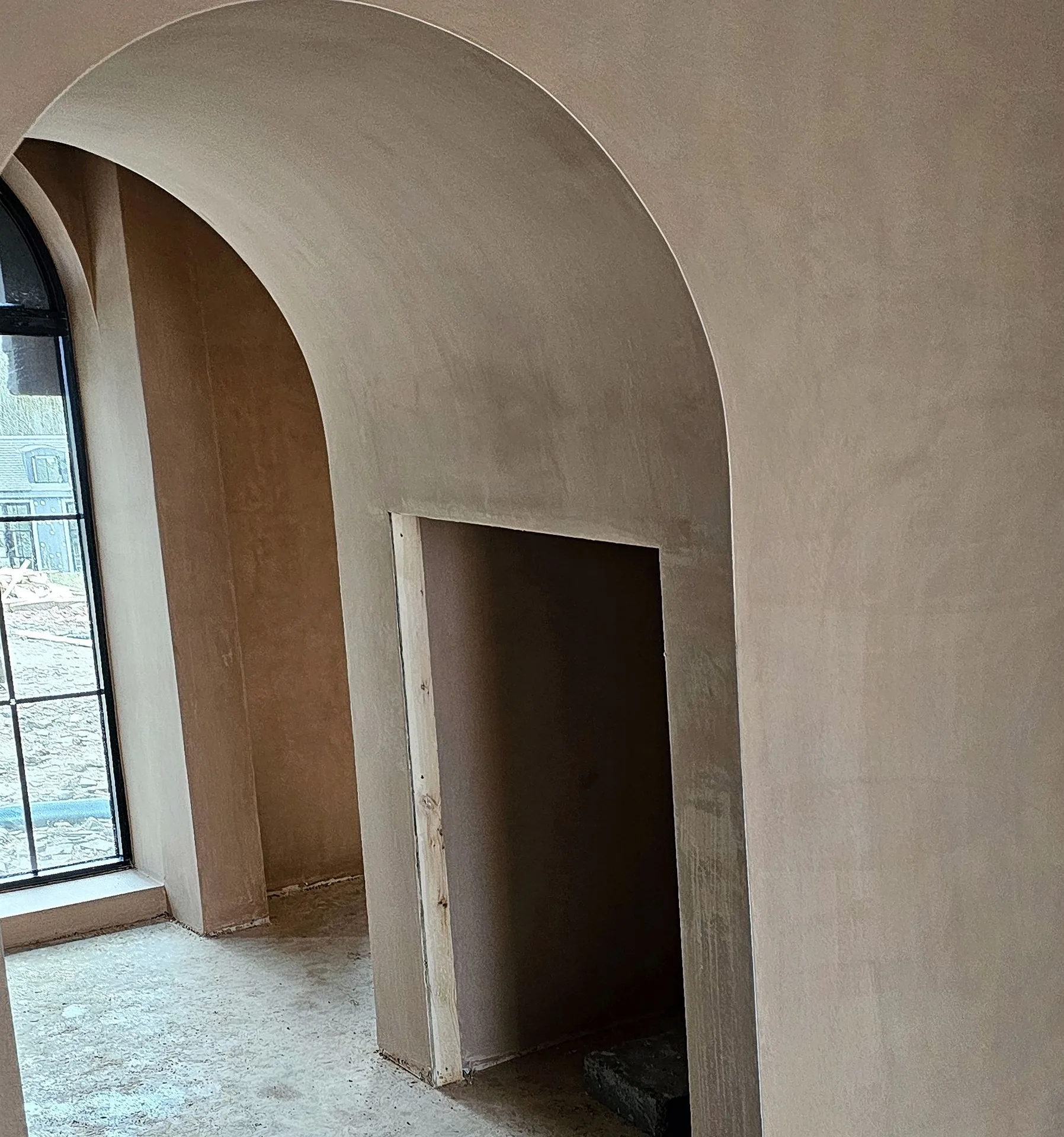
Tired walls and ceilings get a second life with skimming, giving you a flawless, durable finish every time.
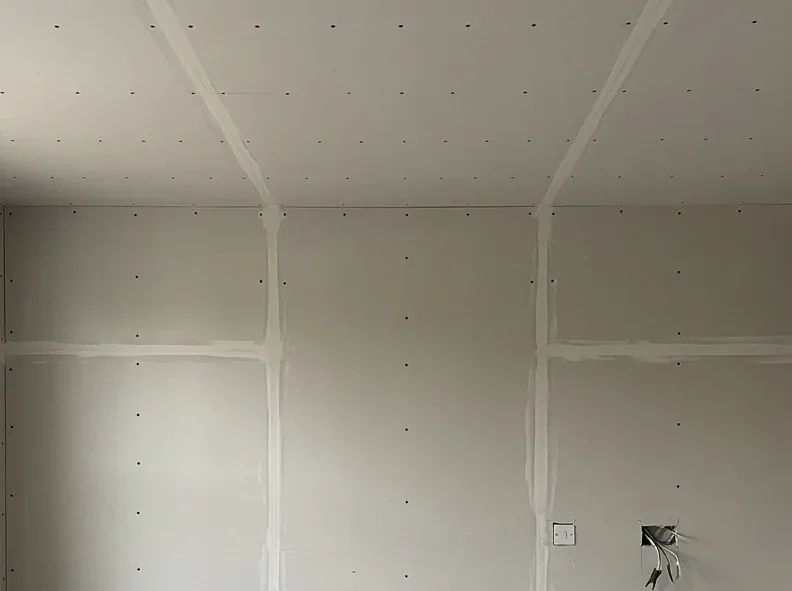
Experience matters-Topplastering handles plasterboarding for walls and ceilings so you get a truly solid finish.
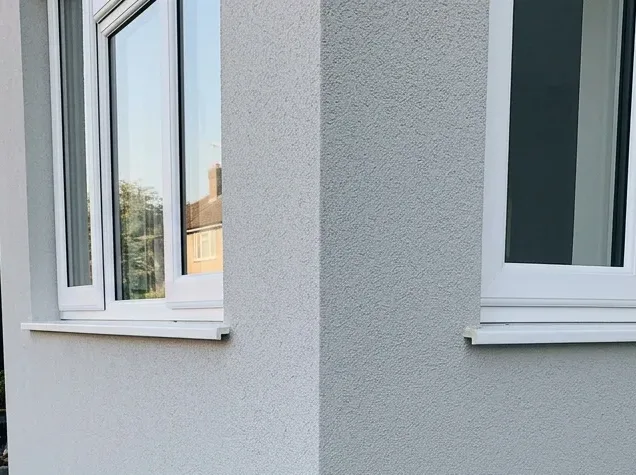
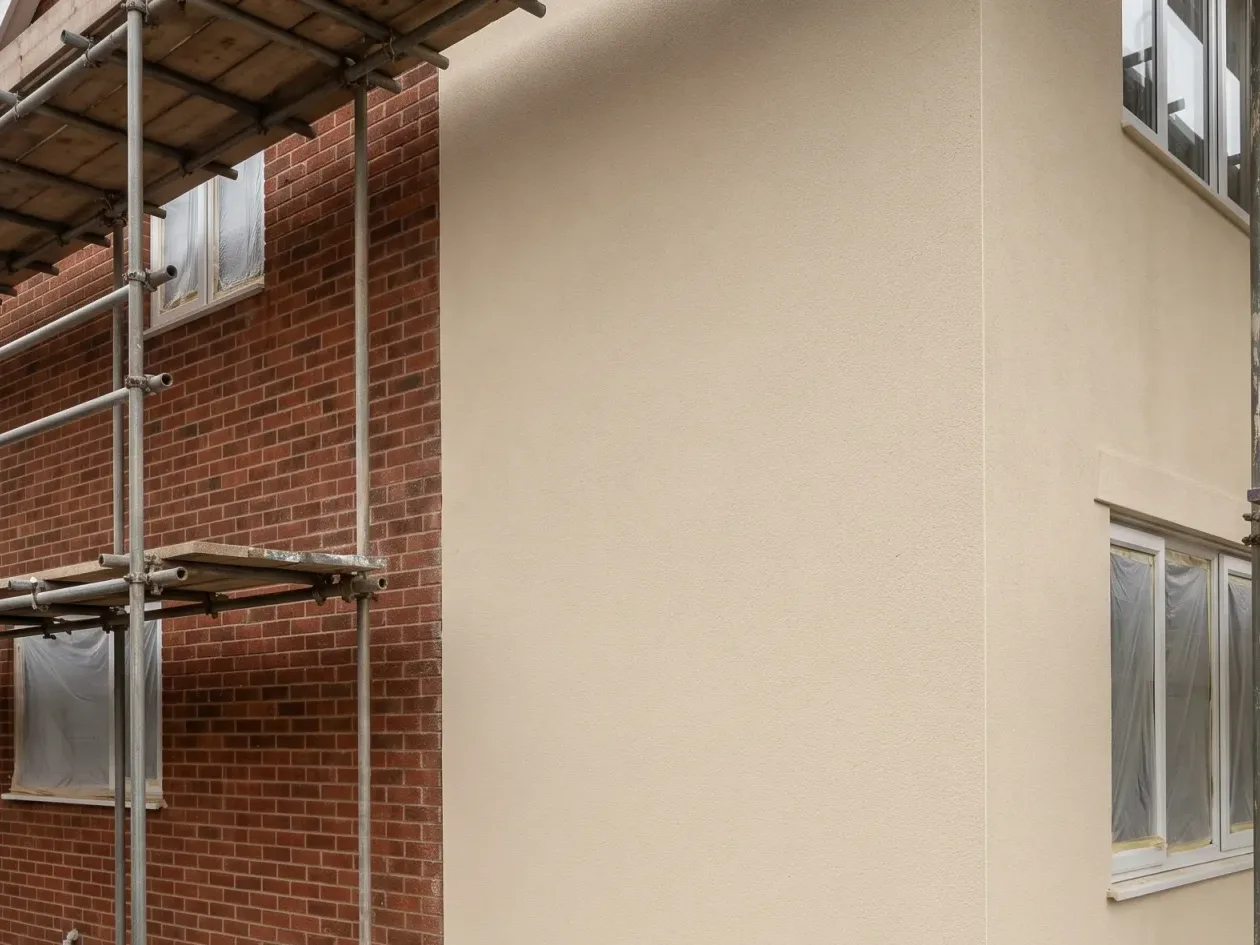
Rendering covers exterior and interior walls with a solid, even coat, protecting surfaces from weather and everyday wear.
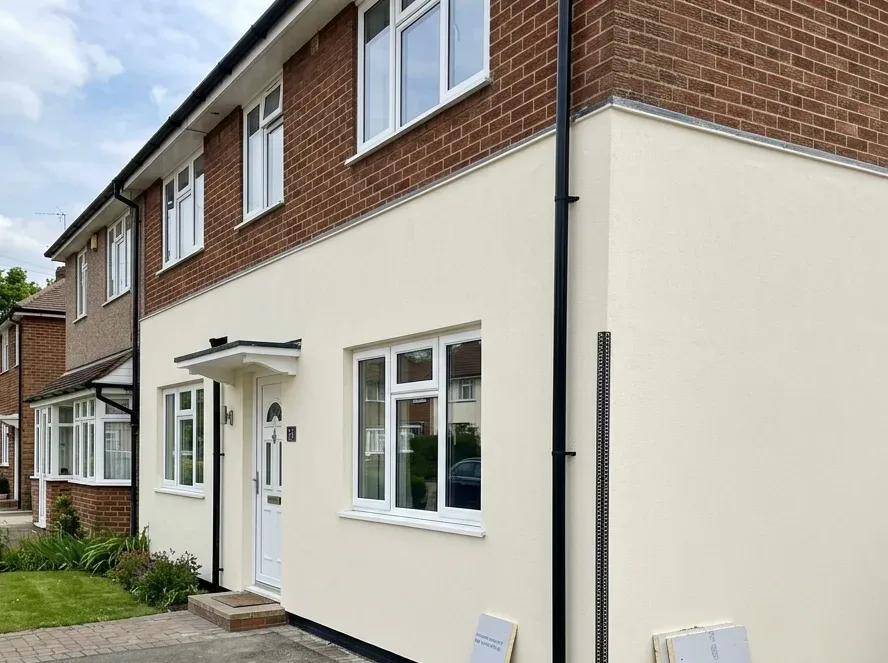
Upgrade your property with external wall insulation from Topplastering-cutting heating costs and improving your building’s appearance permanently.
Craftsmanship you can see
Every plastering project we complete leaves walls smooth, durable, and ready for whatever comes next.
We look at the surface textures on site, seal the room perimeter with polythene, strip the old patterns back to the base, and skim over the ceiling. You inspect the dried plaster before any painter steps in.
It depends on ceiling height and paint layers, because oil gloss applied over heavy swirl patterns takes twice the time to soften compared to standard emulsion on flat stipple patterns, needing extra labour to clear safely.
Clear floor space beneath the light fittings, take clear photos of any cracks near the chimney breast, and check whether water leaks from the bathroom above ever stained the plasterboard core, so we spot soft spots immediately.
Plaster takes longer to dry in cold weather, because unheated rooms hold moisture in the air. Gentle background heating helps the wet plaster set, whereas sudden intense heat dries out the surface too fast, causing visible surface crazing.