


With over 20 years in plastering, we approach Artex removal with proven techniques that reduce damage and guarantee a clean surface, ready for finishing.





Enhance your property with Artex removal in Fulham from us-reliable, secure, and meticulously finished every time.
Get a free quote
 Quick, no-obligation quote!
Artex removal is frequently required in homes constructed or last updated between the 1970s and the 1990s. These textured ceilings were popular during that era but are no longer stylish. Removing Artex revitalizes a room and prepares the surface for a contemporary, flat finish.
Numerous Artex coatings from this period may carry asbestos, which necessitates careful handling during Artex removal in Fulham. Our professional approach guarantees safe removal, minimizing any risk to residents. Strict safety protocols are followed to effectively address this concern.
A visible improvement that can be made in a room’s appearance is Artex removal. It levels ceilings and provides a clean base for repainting or further decoration. For both builders and homeowners, the service we provide boosts the practical value of renovation projects.
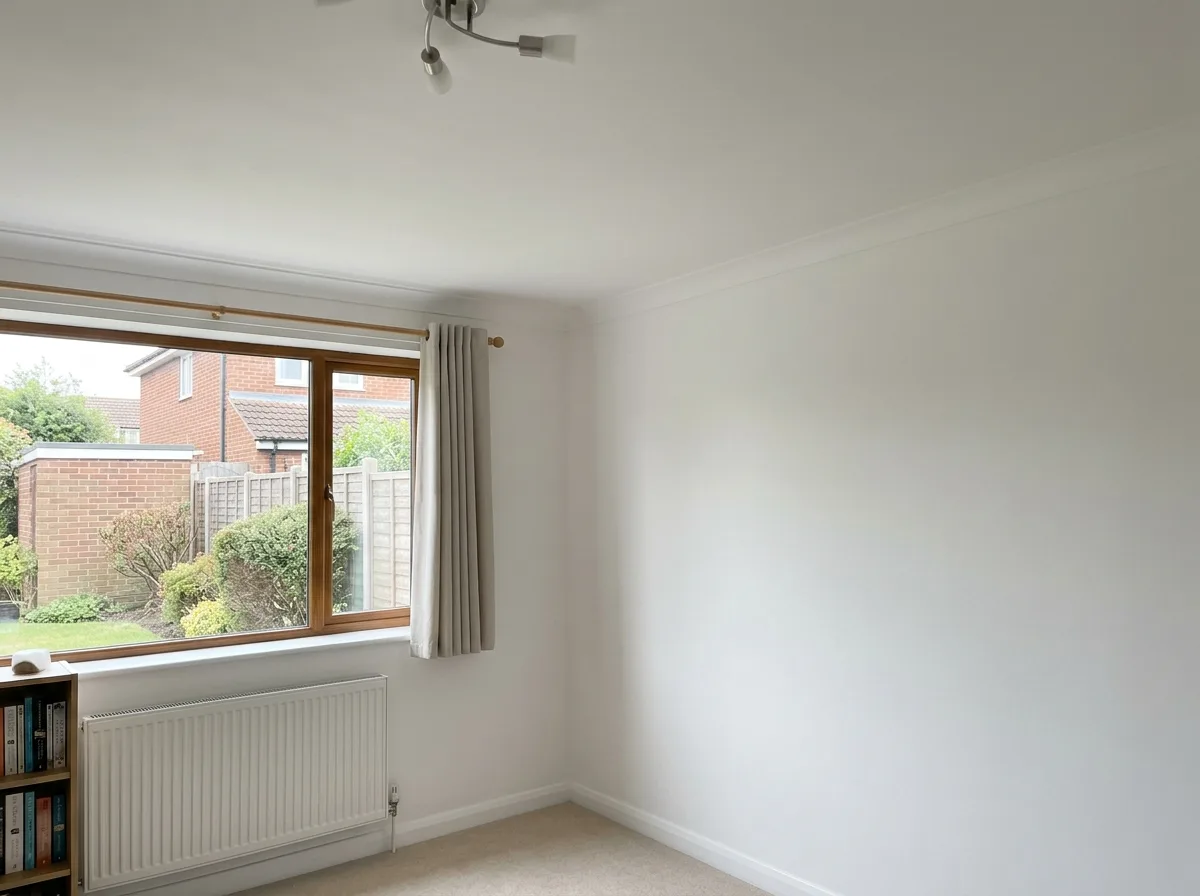
Empty rooms make everything quicker. When scheduling Artex removal in Fulham, you should strip curtains from rails, unhook wall mirrors, and shift large sofas into another room entirely so technicians have unrestricted access to setup stable trestles across the bare floorboards. Dropped plaster fragments scatter everywhere. Pull up loose rugs. We tape heavy polythene over remaining fixtures.
Turn off power loops early. If your decorative central pendant hangs low from old joists, remove the glass shades and isolate the breaker before our team steps inside with scrapers and wet steamers. Water vapour drifts toward open switches. Ceiling roses often hide brittle insulation that crumbles when scraped around. We cap exposed wiring safely.
With over 20 years in plastering, we approach Artex removal with proven techniques that reduce damage and guarantee a clean surface, ready for finishing.
During Artex removal, especially when asbestos is involved, we adhere strictly to safety protocols, safeguarding your health and complying with all regulatory requirements.
Post-Artex removal, we conduct a full skim coat application to achieve a smooth, flat finish that modernizes any room's appearance.
From initial quotation to final payment, we keep you updated throughout the Artex removal process, ensuring no surprises or delays arise.
Efficiency is key; we adjust our work to accommodate builders' timelines or individual client requests, simplifying the Artex removal experience.
Our strategy emphasizes lasting, practical outcomes that prepare ceilings for durable finishes, making your investment in Artex removal worthwhile over time.
Rough wiring must finish first. Spotlights need holes drilled into overhead boards before anyone considers Artex removal in Fulham, because pulling thick cables through fresh plaster later leaves ugly gouges across the finished ceiling. Plumbers should test overhead radiator pipes above for damp leaks.
Carpentry happens after messy scrapings. Hanging doors or laying parquet before ceiling scrape work invites scratches from dropped tools and grit trodden across timber grains. Plaster slurry finds every hairline gap between architraves and bare brickwork. Fit trims later.
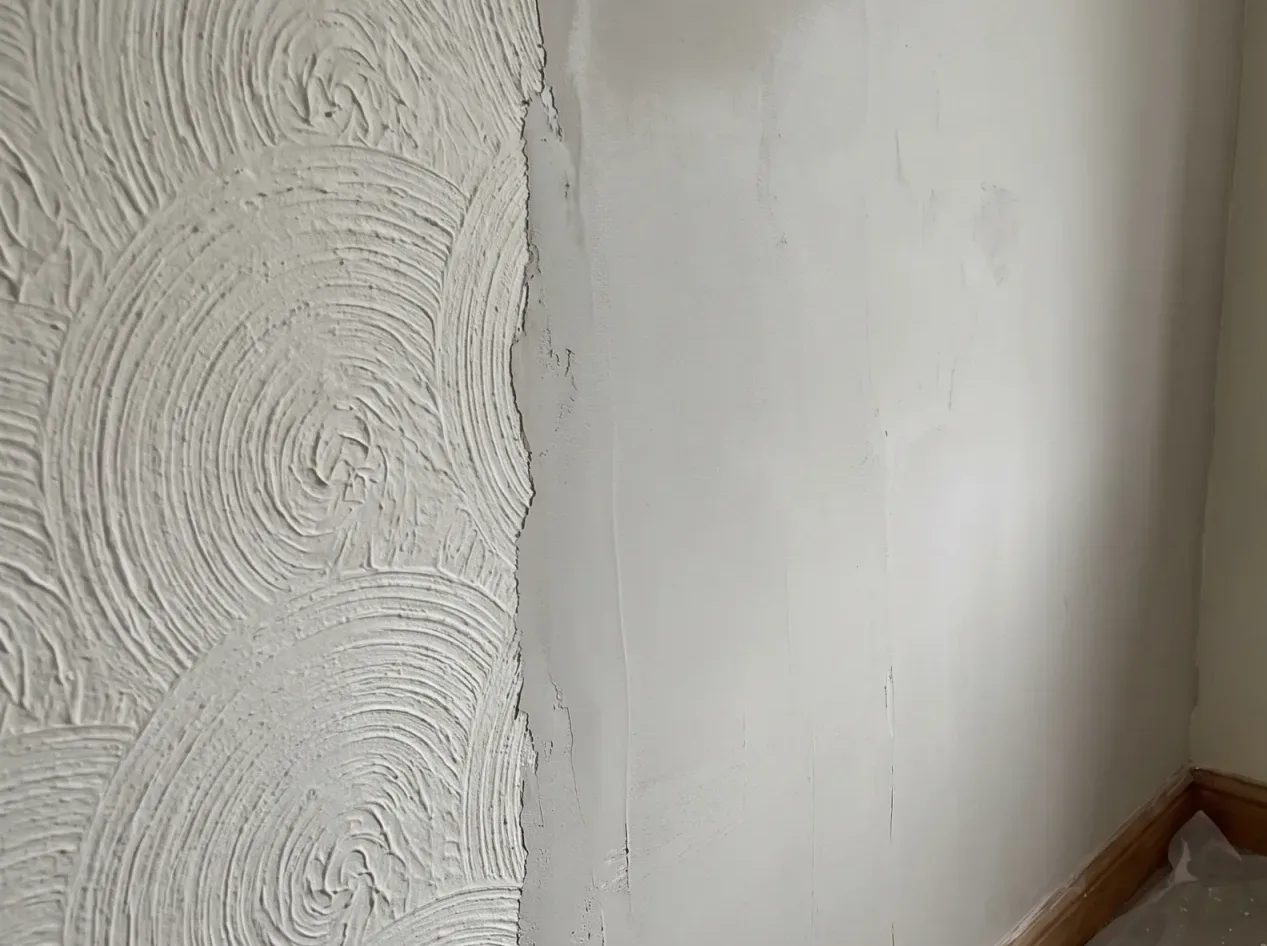
We inspect the ceiling to determine the type and condition of Artex present, checking for any asbestos content to plan the safest removal approach.
Thoroughly protecting the workspace is crucial, and we wet the Artex to minimize dust during the removal process.
Our team carefully scrapes off the textured coating, ensuring that the base ceiling remains intact and ready for finishing.
After removal, we clean and level the ceiling, addressing imperfections to create an even, flat base.
A full skim coat is applied to deliver a clean, contemporary finish that transforms the room’s look and meets current standards.
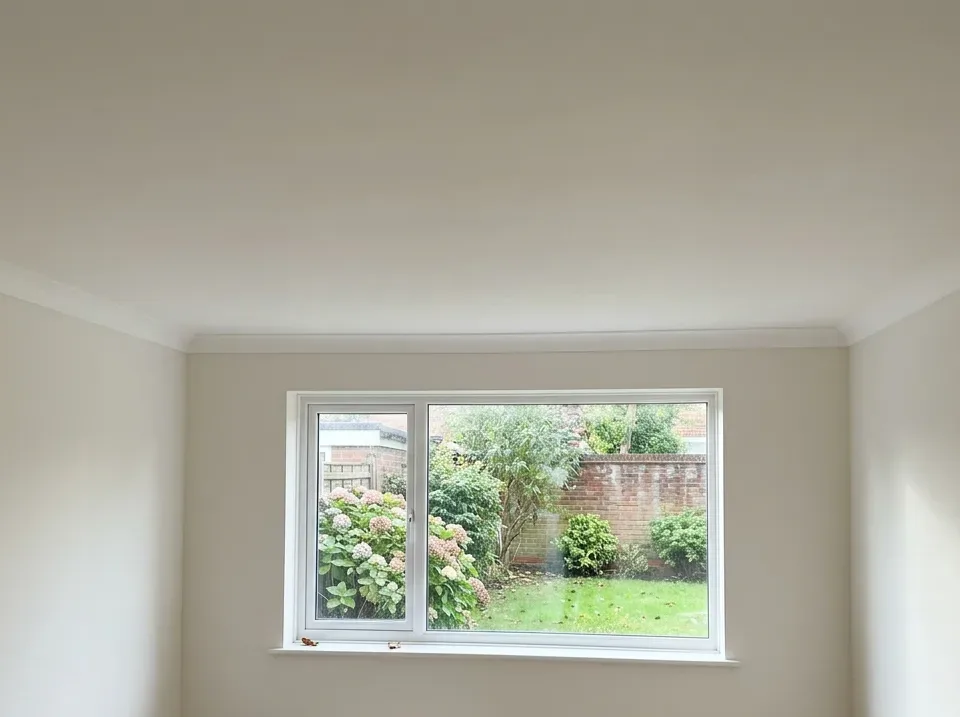
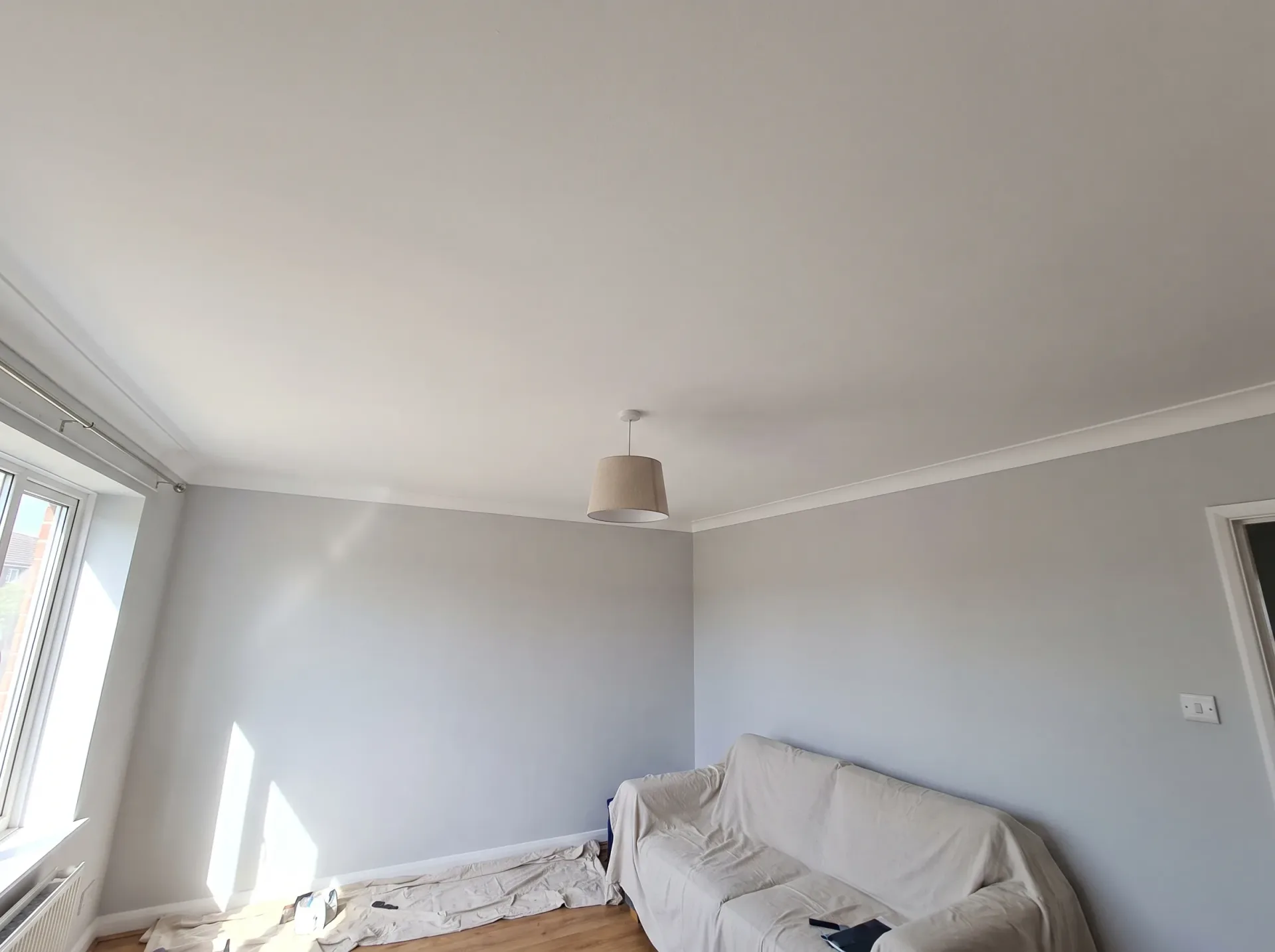
Upon completing Artex removal in Fulham, ceilings are left devoid of textured coatings and any loose debris. We make sure the surface is well-prepared by scraping and cleaning, ready for a full skim coat. This process eliminates old Artex patterns, resulting in a flat, even base that aligns with modern finish requirements. The ceiling feels completely renewed, providing a significant improvement in the room’s overall aesthetics.
Artex removal by us includes careful handling of potential hazards like asbestos. The resulting ceiling is safe, stable, and compliant with current regulations. With the textured layer removed, the surface is primed for subsequent work, whether it’s painting, decorating, or additional plastering. This approach provides a durable and practical foundation that integrates seamlessly into broader renovation efforts.
Frozen walls slow drying. In cold weather, scheduling Artex removal in Fulham requires gentle room heating so moisture evaporates evenly rather than freezing inside the soft binding compound. Never crank radiators to full blast immediately after scraping. Sudden heat shocks plaster surfaces and produces spiderweb cracks.
Warm air needs cross-ventilation. When muggy summer storms hit, open opposite sash windows slightly so damp air clears from damp ceilings instead of lingering on old lath timbers. Sluggish airflow prolongs damp spots.
Check rafters during storms. Water seeping from cracked roof slates weakens the backing board before scraping even begins, creating soggy patches that tear away in clumps. Fix outside valley gutters first. Dry surfaces hold plaster firmly.
With over 20 years in the plastering trade, we execute Artex removal with a practical method in mind. We assess your ceiling for the type and condition of Artex before removing it expertly, minimizing dust and preventing damage. Our expertise guarantees a surface that is adequately prepared for the next steps, resulting in a flat, clean finish ready for further work.
Handling Artex removal is a systematic job for us. From the initial free quote to the final settlement, we prioritize clear communication and adaptable scheduling choices for builders and homeowners. Our focus lies on precision and safety, ensuring the ceiling complies with modern standards and serves as a solid base for any renovation or decorating venture.
We operate in Fulham and the nearby areas, ready to assist you. Call us for a free estimate or to arrange a site visit. Trust our experience within a 20-mile radius of Cheshunt.
approx. 20 milesDistance from our base · Cheshunt
Call us07465266721Email uscontact@topplastering.ukWe serve your areaFulham and the surroundings
The Google map loads after you accept marketing cookies.


Maksymilian Mazur
Very satisfied with the service! Excellent communication, clean workmanship, and everything completed professionally. Highly recommended!
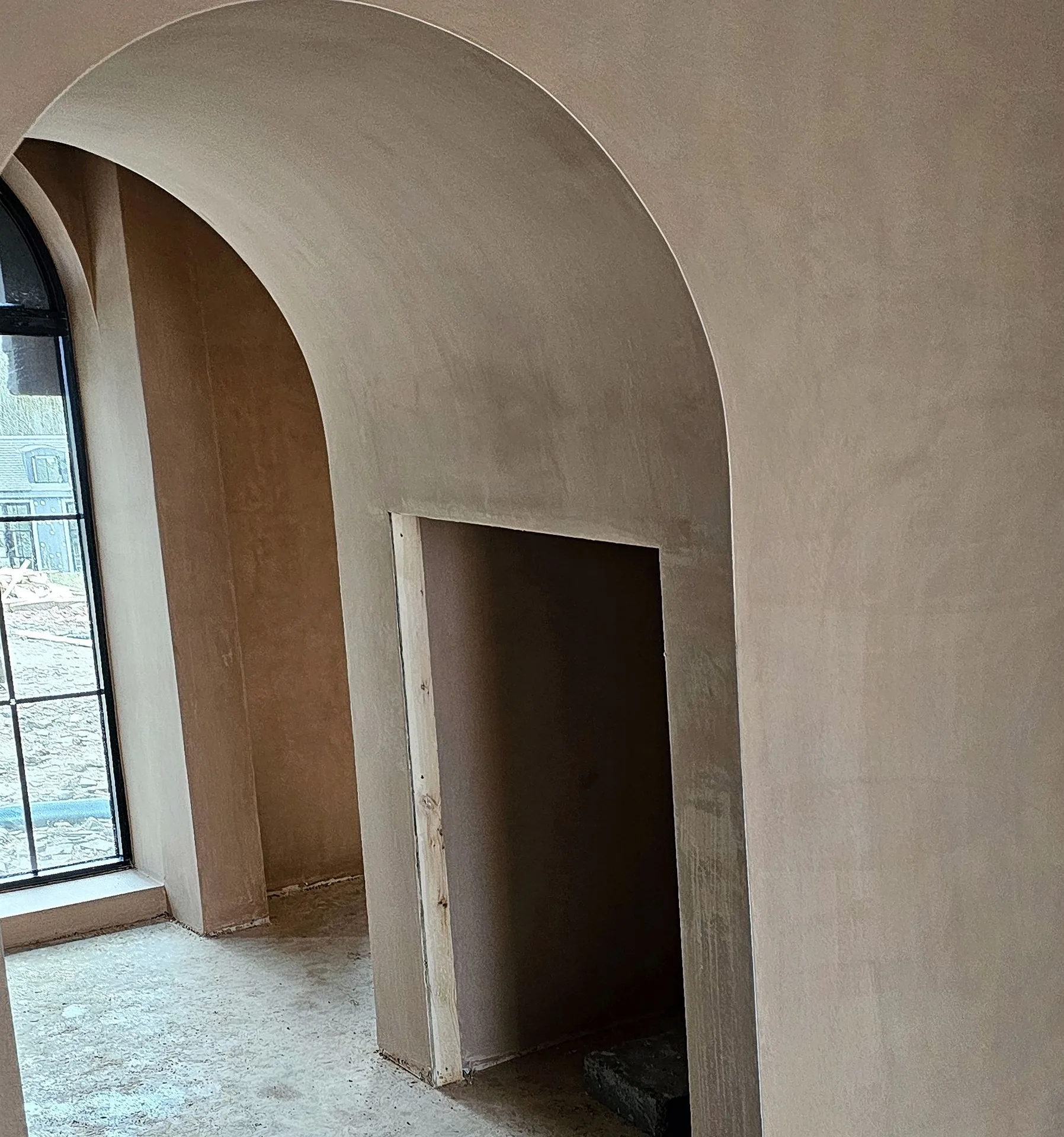
Tired walls and ceilings get a second life with skimming, giving you a flawless, durable finish every time.
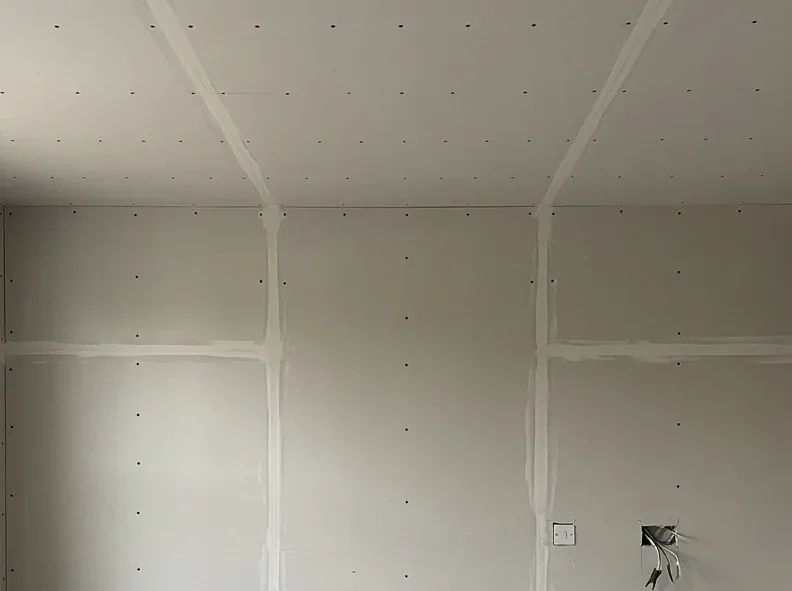
Experience matters-Topplastering handles plasterboarding for walls and ceilings so you get a truly solid finish.
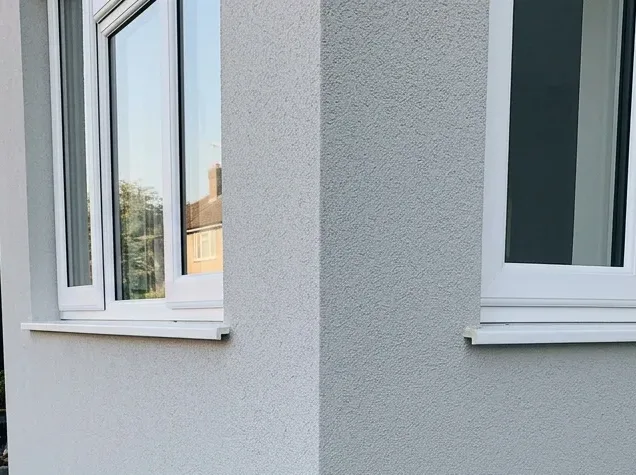
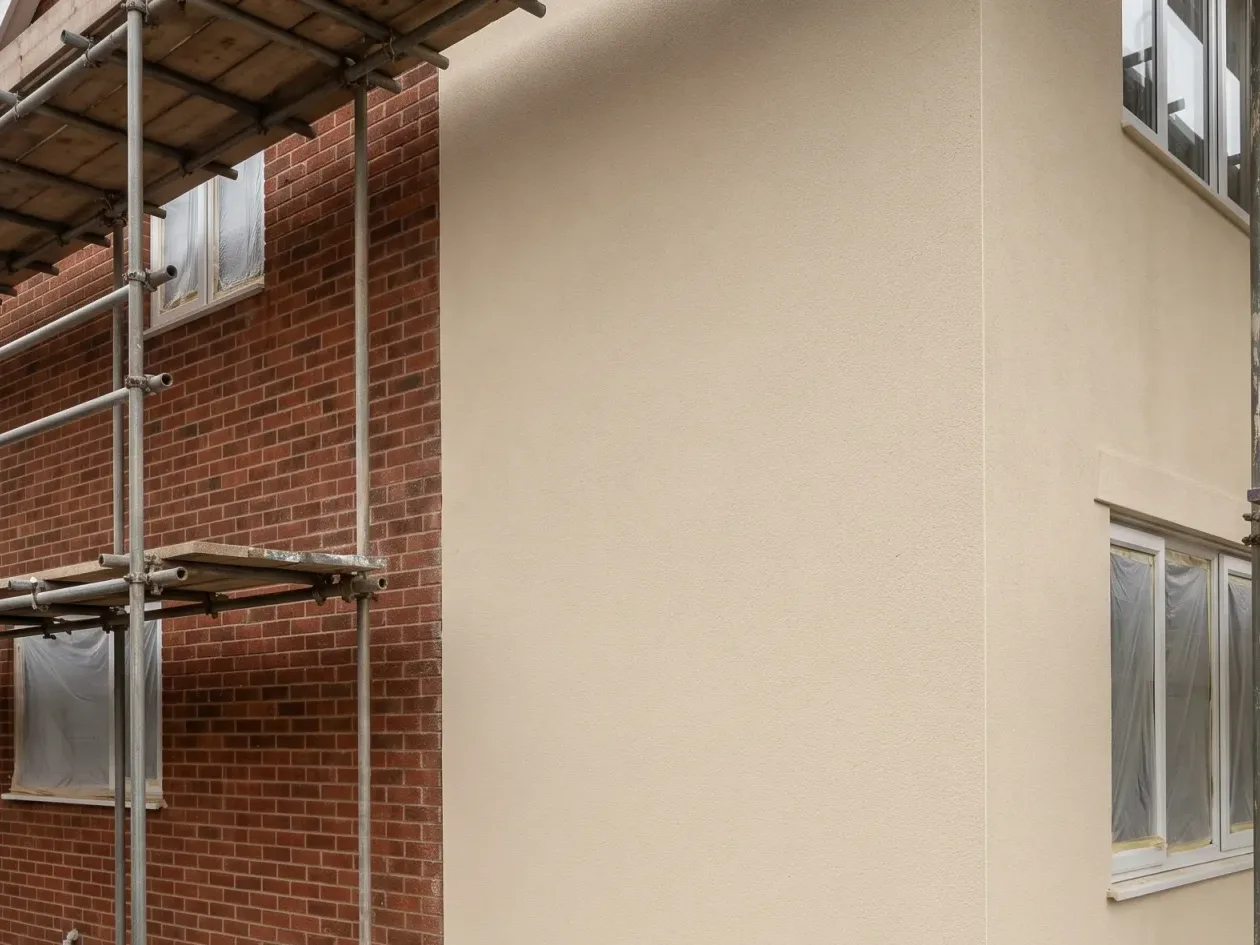
Rendering covers exterior and interior walls with a solid, even coat, protecting surfaces from weather and everyday wear.
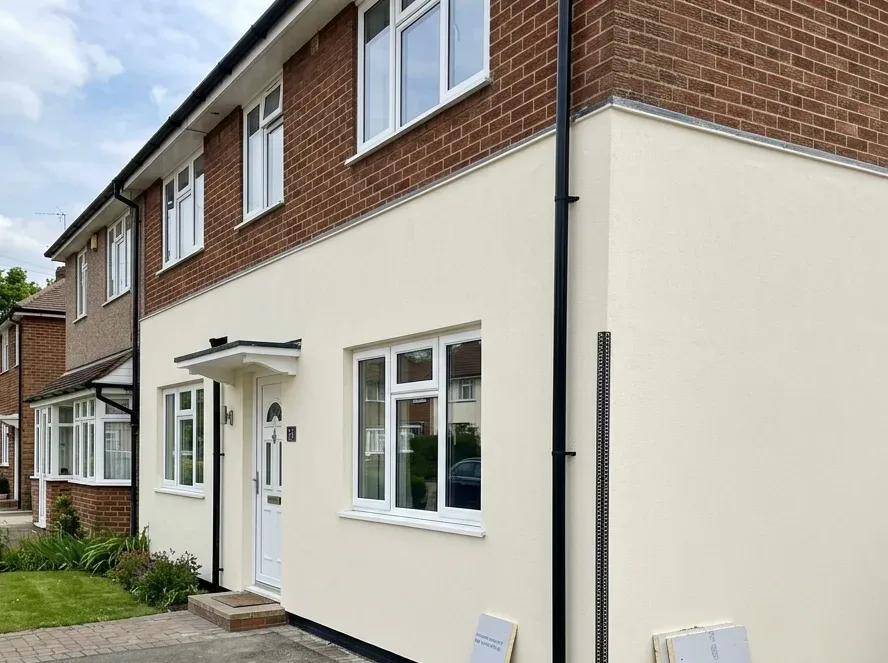
Upgrade your property with external wall insulation from Topplastering-cutting heating costs and improving your building’s appearance permanently.
Craftsmanship you can see
Every plastering project we complete leaves walls smooth, durable, and ready for whatever comes next.
Yes, empty as much furniture as possible. Soft furnishings trap plaster dust easily, so removing rugs, side tables, and curtains speeds up protection. Large items left behind get sealed under heavy polythene sheeting.
Homeowners often paint over textured patterns with heavy sealant before getting advice. Sealing coats make wet scraping methods much harder to penetrate, turning simple scraping into aggressive mechanical removal that damages underlying plasterboard.
Discovered water damage or crumbling lath timbers above will pause the job immediately. In Fulham properties, old leaks sometimes rot timber joists unseen, meaning carpentry repairs must happen before continuing ceiling finishes safely.
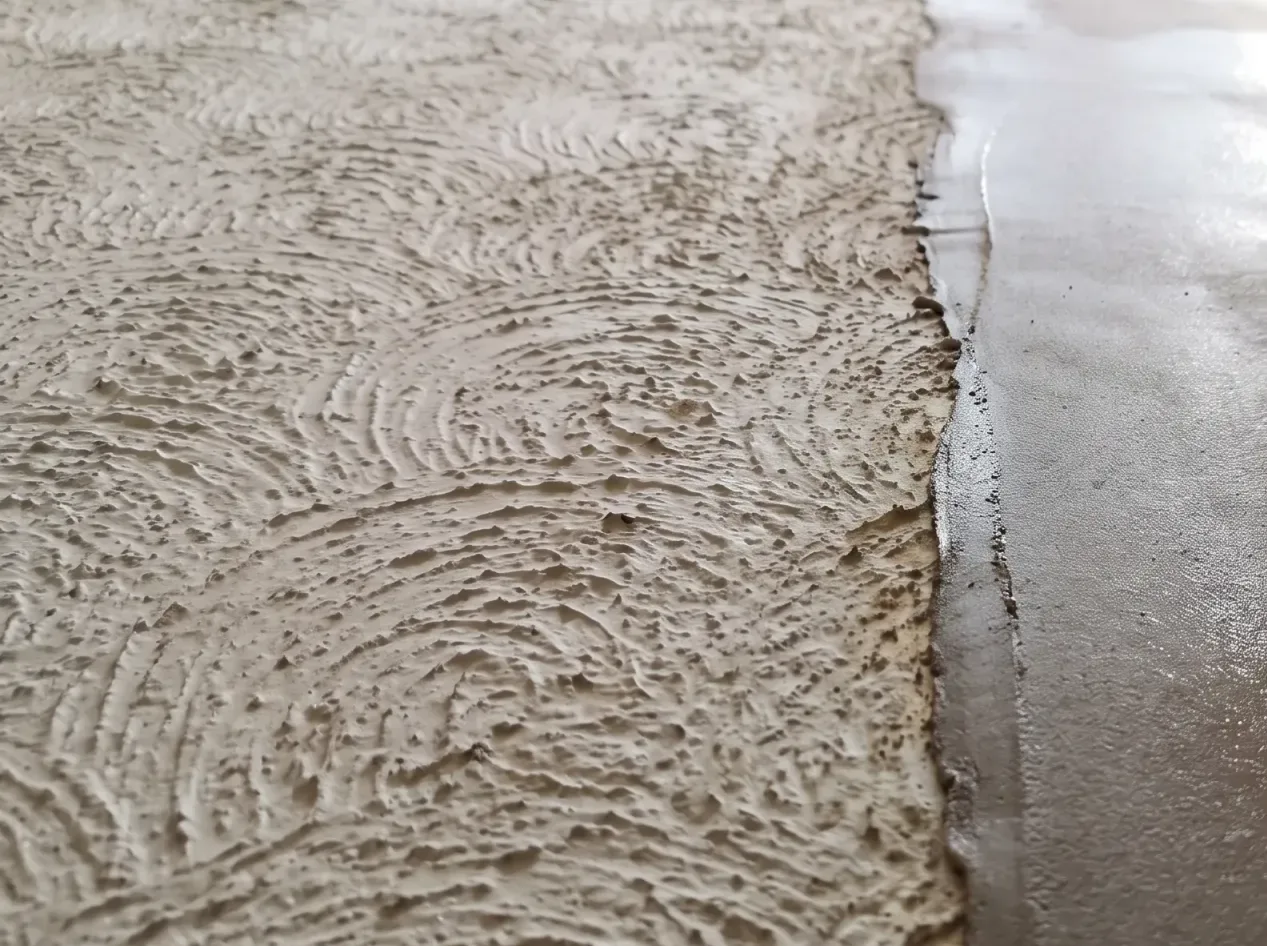
Ceiling height and texture depth alter the work dramatically. A flat swirl pattern comes away faster than heavy sharp stippling, while tall Victorian ceilings demand scaffolding towers rather than basic low trestles.