



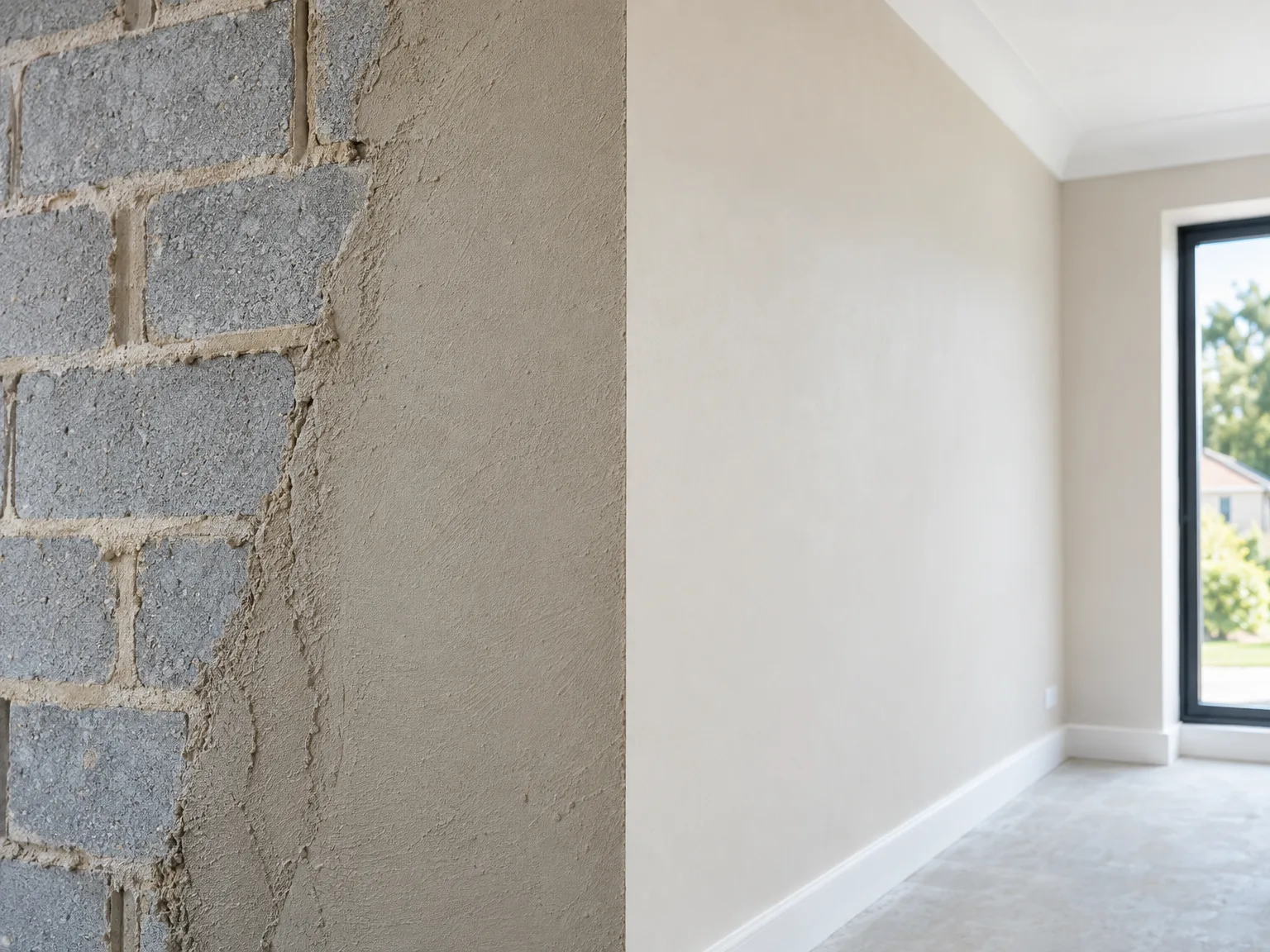
Why Bonding Plaster Matters for Durable Surfaces
The quality of any plastered wall comes down to what happens first - before the finishing coats, before the skim, before any surface is considered complete. Every layer applied above rests entirely on the integrity of what lies beneath it.
The Layer That Holds Everything
Bonding plaster is that critical first layer - the one that grips the raw substrate, whether concrete, brick, or block, and creates the mechanical connection that holds the entire system together. Choosing the wrong formulation or rushing the application introduces weakness at the very base, and no finishing coat can compensate for that.
When the Base Fails, Everything Does
Poor adhesion at this stage leads directly to cracking and delamination - problems that are costly to repair and difficult to detect until significant damage has already occurred. Selecting the right material for the specific substrate, and applying it with genuine care, is what separates surfaces that last decades from those that fail far sooner.
What Bonding Plaster Actually Does to a Wall
The wall surface may look solid, but without proper preparation it offers little for subsequent plaster coats to grip. Smooth concrete and dense block in particular resist adhesion, leaving finishes vulnerable to cracking or complete delamination over time.
The Mechanical Grip Principle
Bonding plaster works by physically embedding itself into the micro-texture of the substrate. Its grit particles anchor into the surface, creating a rough, adhesive platform that later coats can lock onto securely. This is not simply a sticky layer - it is a structural connection between the wall and everything applied above it.
Why the Base Layer Decides Everything
Every finish coat, skim, or render depends entirely on what sits beneath it. If the foundation layer fails, the entire plastering system fails with it. Getting the base right is not a preparatory step - it is the most consequential one.
The Role of Bonding Plaster in Multi-Layer Plastering Systems
In multi-layer plastering systems, every coat depends on what came before it. The raw substrate - whether concrete, brick, or block - cannot support finish coats alone. It needs an intermediate layer that bridges two worlds: the unpredictable surface below and the refined finish above.
One Layer, Many Responsibilities
Bonding plaster does more than adhere to a wall. It compensates for varying suction rates across different substrates, evens out surface irregularities, and creates a stable, consistent platform for all subsequent coats. When this layer performs correctly, every coat above behaves as part of a unified system - each one gripping, curing, and ageing in harmony with the rest.
When the Foundation Fails
Skip this step, and the consequences travel upward through every layer:
- Finish coats lose their mechanical grip and begin to crack over time.
- Skim coats applied to unprepared substrates delaminate prematurely.
- The entire plastering system fails far sooner than it should.
Proper use of bonding plaster is not a formality - it is the decision that determines whether a surface lasts for years or for decades.
How Bonding Plaster Creates Mechanical Adhesion
Every solid plastering system begins at the surface itself - not with the finish coat, but with what grips it from below. Rough textures, micro-pores, and uneven profiles on concrete, brick, and blockwork are not flaws to be ignored; they are anchors waiting to be engaged.
Grit That Locks In Place
The grit particles within bonding plaster press into these surface irregularities and harden around them, forming a mechanical interlock rather than a surface-level chemical bond. This physical grip resists lateral movement, absorbs minor structural shifts, and holds steady even as moisture levels rise and fall with the seasons.
A Base That Outlasts Stress
Because the connection is mechanical, it does not degrade the way purely adhesive solutions can when temperatures cycle or walls flex under load. The result is a base that genuinely holds - not just on the day of application, but across the full life of the finish above it.
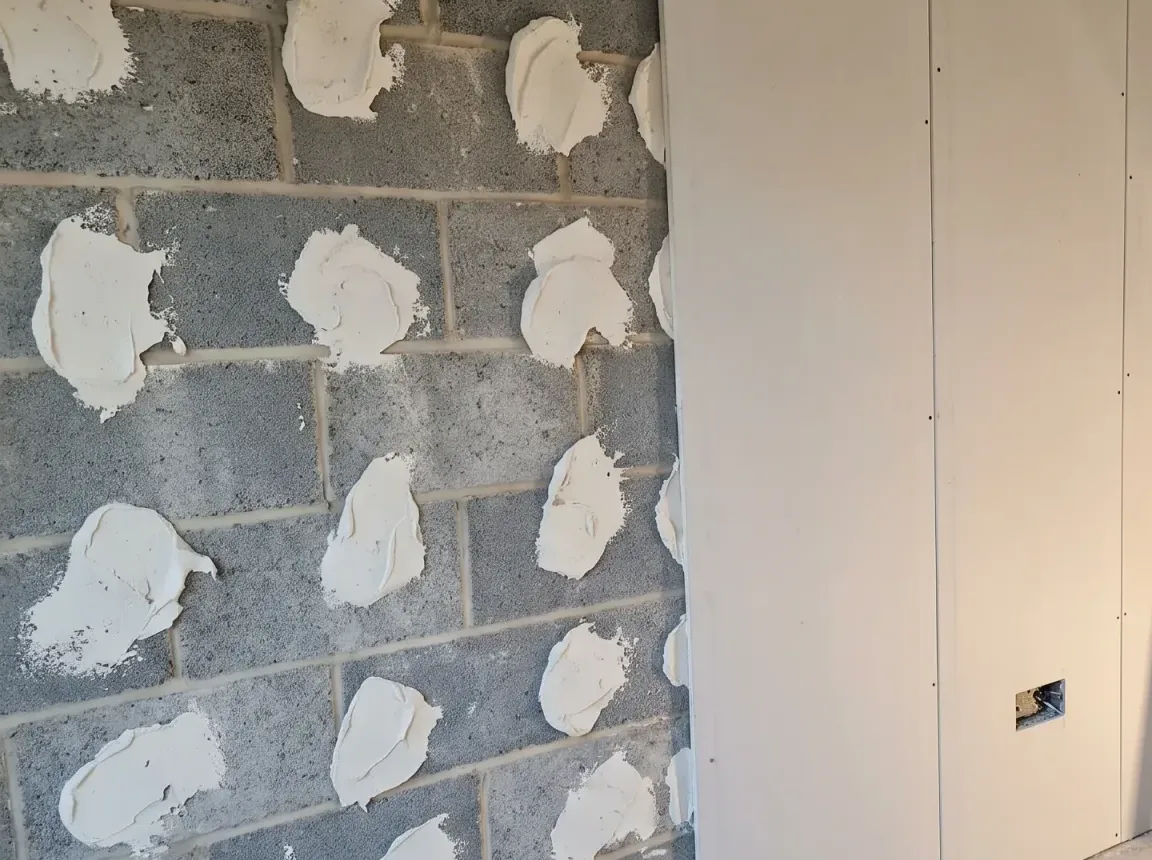
Matching Bonding Plaster to the Right Substrate
Not every wall behaves the same way under plaster. Concrete, brick, and block surfaces differ significantly in their suction rates and surface profiles - and applying the wrong formulation to any of them is a shortcut to cracking, delamination, or outright failure.
Why Substrate Matters
Each material draws moisture from the plaster at a different rate. High-suction brick absorbs water rapidly, while dense concrete offers almost none. These differences directly affect how well the plaster bonds and how long it holds.
Choosing the Right Formulation
Selecting the correct bonding plaster means assessing more than just the surface type. Professional plasterers consider:
- Porosity - how aggressively the substrate draws moisture from the wet mix
- Moisture content - surfaces that are too wet or too dry compromise adhesion
- Surface profile - rough or smooth textures demand different product characteristics
Getting this match right is what separates a finish that lasts decades from one that fails within years.
How Surface Porosity Affects Bonding Plaster Performance
Surface porosity is one of the most critical variables a plasterer must assess before laying a single coat. Concrete absorbs moisture slowly, brick pulls it in fast, and block sits somewhere in between - each substrate behaving differently the moment a fresh mix makes contact.
When Suction Works Against You
High-porosity surfaces draw moisture out of the mix before it has time to grip, leaving a brittle, underbonded layer. Low-porosity surfaces keep the material wet far too long, causing it to slide rather than adhere. Either extreme compromises the system from the start.
Matching Product to Substrate
Selecting the correct bonding plaster means reading the surface first. Key considerations include:
- Concrete: slow suction that may require a primer or surface conditioner before application
- Brick: aggressive suction that demands a formulation with sufficient open time
- Block: inconsistent porosity that calls for careful on-site assessment rather than assumptions
Choosing the Correct Bonding Plaster Formulation for Your Project
No two substrates behave identically. Concrete pulls moisture differently than brick, and block surfaces present yet another set of variables - meaning a single off-the-shelf product rarely suits every project. Professional plasterers evaluate several factors together before committing to a specific formulation.
Key Factors Before Choosing
- Surface porosity determines how quickly the material sets and bonds, directly affecting long-term adhesion strength.
- Moisture content must be measured, not assumed - a damp substrate demands a different product than a thoroughly dry one.
- Site conditions such as temperature and ventilation influence open time and curing behaviour in ways that cannot be overlooked.
Why Expertise Matters Here
Selecting the right bonding plaster formulation is less about brand preference and more about accurately reading the substrate and environment. Experienced plasterers cross-reference all these variables simultaneously, avoiding product mismatches that lead to costly delamination further down the line. That diagnostic step, taken before a single trowel load is applied, is what separates a finish that lasts decades from one that fails prematurely.
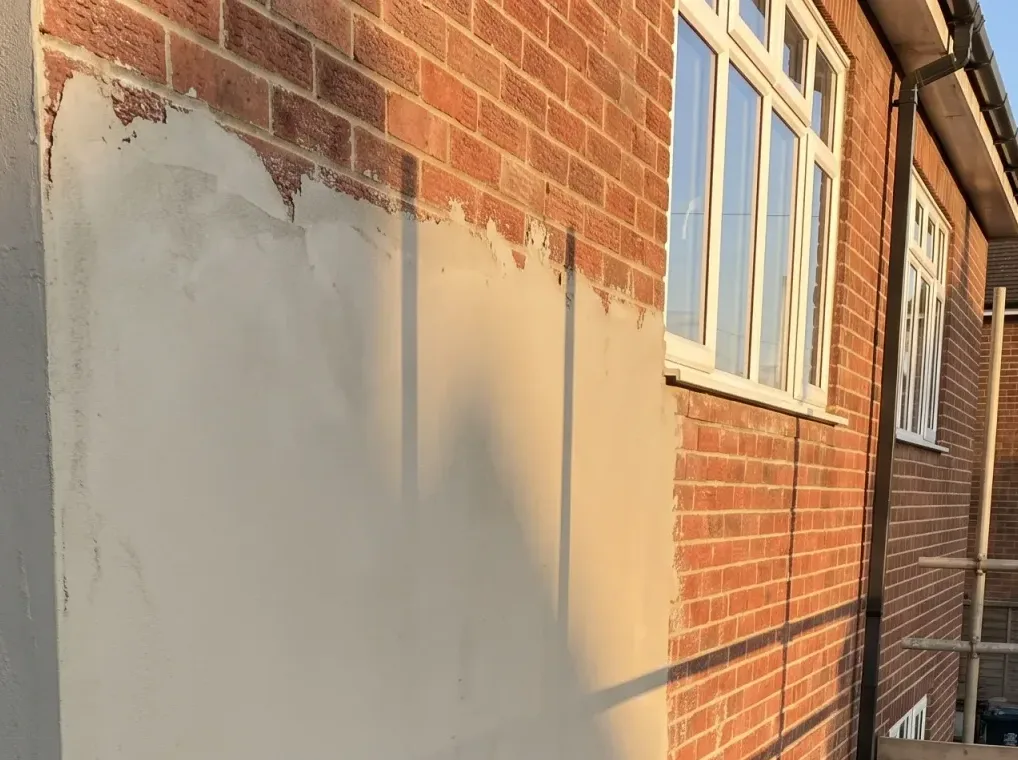
Applying Bonding Plaster: Thickness, Method, and Site Conditions
The application process demands careful judgment on two fronts: how thick to spread the material and how to work it across an uneven surface. Surface irregularity drives these decisions directly - pronounced hollows require a thicker build-up, while relatively flat walls need only enough to establish a reliable grip. The planned finish coat system matters equally, since different renders and skims depend on a specific base profile to perform correctly.
Reading the Surface First
Before any material goes on, a professional maps the substrate - identifying high points, deep recesses, and variations in suction across the wall. This assessment determines both thickness and the number of passes needed to produce a level, stable foundation.
When Site Conditions Take Over
Temperature and humidity influence every stage of the process. Cold slows drying and risks frost damage; excess heat drives premature surface drying and shrinkage. Key factors to manage on site:
- Low temperatures compromise adhesion and increase cracking risk
- High humidity slows evaporation, undermining bonding plaster's final strength
- Direct sunlight or wind demands protective measures before a full bond can form
What Happens When Bonding Plaster Is Applied Incorrectly
When substrate preparation is rushed or the wrong formulation is chosen, the consequences rarely appear immediately - they develop silently beneath the surface until visible failure becomes unavoidable.
Cracks and Gaps Appear
Improperly applied bonding plaster loses its grip on the substrate long before the finish coat shows any sign of trouble. By then, the damage already runs deep:
- Poor porosity assessment allows moisture to undermine adhesion from within.
- A mismatched formulation fails to key into the surface, creating weak spots beneath every subsequent layer.
- Inadequate surface preparation leaves contamination that breaks the mechanical bond entirely.
Every Layer Above Suffers
Once the bond fails, no amount of quality finishing work can compensate. Render, skim coats, and decorative finishes all rely on a stable foundation - and without one, delamination becomes a matter of when, not if. Remedial work is then far more disruptive and costly than correct application from the outset.
Signs of Failed Bonding Plaster Adhesion
Failing adhesion rarely announces itself all at once. More often, it creeps in quietly - until the damage becomes impossible to ignore. Knowing what to look for early can save a wall from far more extensive repair work later.
The Telltale Hollow Sound
Tap firmly along the surface with your knuckle. A dull, hollow resonance instead of a solid thud signals that the plaster has separated from the substrate beneath. The gap may be invisible at first, but the sound tells the true story.
Cracks and Separating Sections
Hairline cracks spreading in irregular patterns, edges lifting away from the wall, or entire sections visibly bowing outward - these are unmistakable signs that the bonding plaster layer has lost its grip. At this stage, patching alone rarely solves the problem. Professional assessment and a full system evaluation are the only reliable path forward.
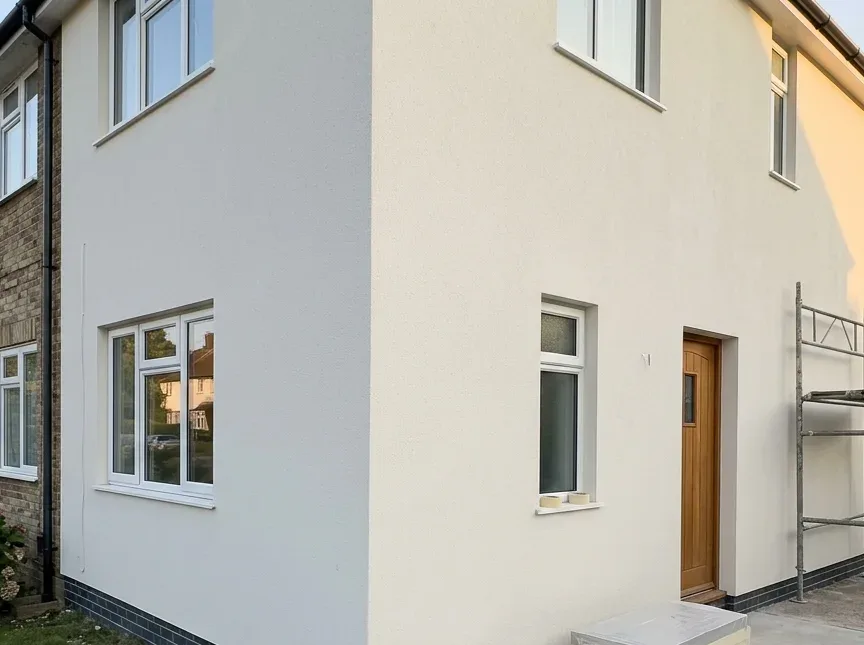
How Professional Plasterers Evaluate Substrates Before Applying Bonding Plaster
Before a single tool is raised, experienced plasterers read the wall carefully. They press their hands against the surface, examine it in raking light, and test its response to moisture - each observation shaping the material decision that follows.
Reading Suction and Porosity
Suction rate reveals how aggressively a substrate draws moisture from fresh coats. High-suction surfaces can dry out applied materials too quickly, weakening adhesion at the critical interface, while dense, low-suction concrete presents the opposite difficulty. Matching the right bonding plaster to the substrate's porosity is therefore not optional - it is the foundation of a durable, long-lasting system.
Moisture Content and Surface Profile
Moisture is measured before any work begins, as damp walls alter how materials cure and significantly raise the risk of delamination. Surface profile - the texture and irregularities of the wall - then determines both application technique and layer thickness. A plasterer who skips these checks builds failure into every coat above.
Building Reliable Finishes on a Strong Bonding Plaster Base
A well-prepared base transforms every finish coat applied above it. When the correct bonding plaster formulation meets a properly assessed substrate, skim coats and render layers stay firmly in place rather than cracking or peeling over time.
What a Solid Base Delivers
The right foundation supports a wide range of reliable finishes:
- Skim coats achieve a smooth, even surface without risk of delamination.
- Render systems bond consistently, resisting movement caused by moisture or temperature changes.
- Decorative finishes maintain their appearance because the layer beneath stays stable.
The Long-Term Payoff
Decades of durability begin with decisions made before a single finish coat is applied. Material selection, substrate assessment, and application method all determine whether a plastering system ages gracefully or fails prematurely. A strong base is not merely a preparation step - it is the guarantee behind every finish that follows.