




Professional Plastering: Quality That Lasts
A wall that holds its finish for years does not happen by accident. Professional plastering demands an exact understanding of surface conditions, substrate behaviour, and material compatibility - all assessed long before the first trowel stroke is made. The result is a surface that looks right and stays right.
Skill Beneath the Surface
Every project brings a different substrate, a different environment, and a different set of challenges. Experienced plasterers read these variables and respond with the correct preparation, mix, and technique - not guesswork. This depth of knowledge is what separates work that endures from work that merely looks finished on the day.
What Lasting Quality Delivers
- Smooth, even surfaces ready for immediate decoration
- Consistent adhesion that resists cracking and movement over time
- Clean, controlled workmanship from base coat to final finish
When plastering is executed properly, the outcome speaks for itself - no cracks, no patches, no remedial calls.
Why Experience Matters in Plastering
No two walls are the same. Substrate type, moisture levels, existing coatings, and surface texture all influence how a finish will perform - and only an experienced eye can read these variables correctly before work begins.
Reading the Wall First
A seasoned plasterer does not simply apply material and hope for the best. They assess the substrate, identify potential adhesion issues, and choose the right preparation method accordingly. This diagnostic step is what separates work that holds for decades from work that fails within months.
Where Skill Makes the Difference
Experience in plastering shapes every decision on site:
- Surface porosity must be managed correctly to prevent premature drying and cracking.
- Substrates such as old brick, concrete, and plasterboard each require a different approach.
- Damaged or uneven areas need careful assessment before repair materials are selected.
Skipping this knowledge does not just affect appearance - it compromises durability from the very first coat.
Surface Preparation: The Foundation of Lasting Plastering
Surface preparation is the step that separates lasting results from premature failures. Before any material touches a wall, a skilled plasterer assesses the substrate carefully-checking for moisture, loose material, contamination, and surface porosity. Each of these factors directly influences how well subsequent layers bond and how long they hold. Rushing past this stage is where most problems begin, often invisibly.
Reading the Substrate
No two walls behave identically. Old masonry, new blockwork, concrete, and plasterboard each demand a different approach. Surfaces with high porosity may need priming to control suction; surfaces that are too smooth may require mechanical keying to ensure proper adhesion. Recognising what a wall needs before work begins is a skill built through experience, not guesswork.
Preparation as Quality Assurance
In professional plastering, preparation is never rushed. Removing loose material, treating damp patches, and applying bonding agents where necessary takes time-but it is time that directly determines whether a finished surface remains structurally sound and visually clean long after the project is complete.
Interior Plastering: Skimming, Wall Finishes, and Repairs
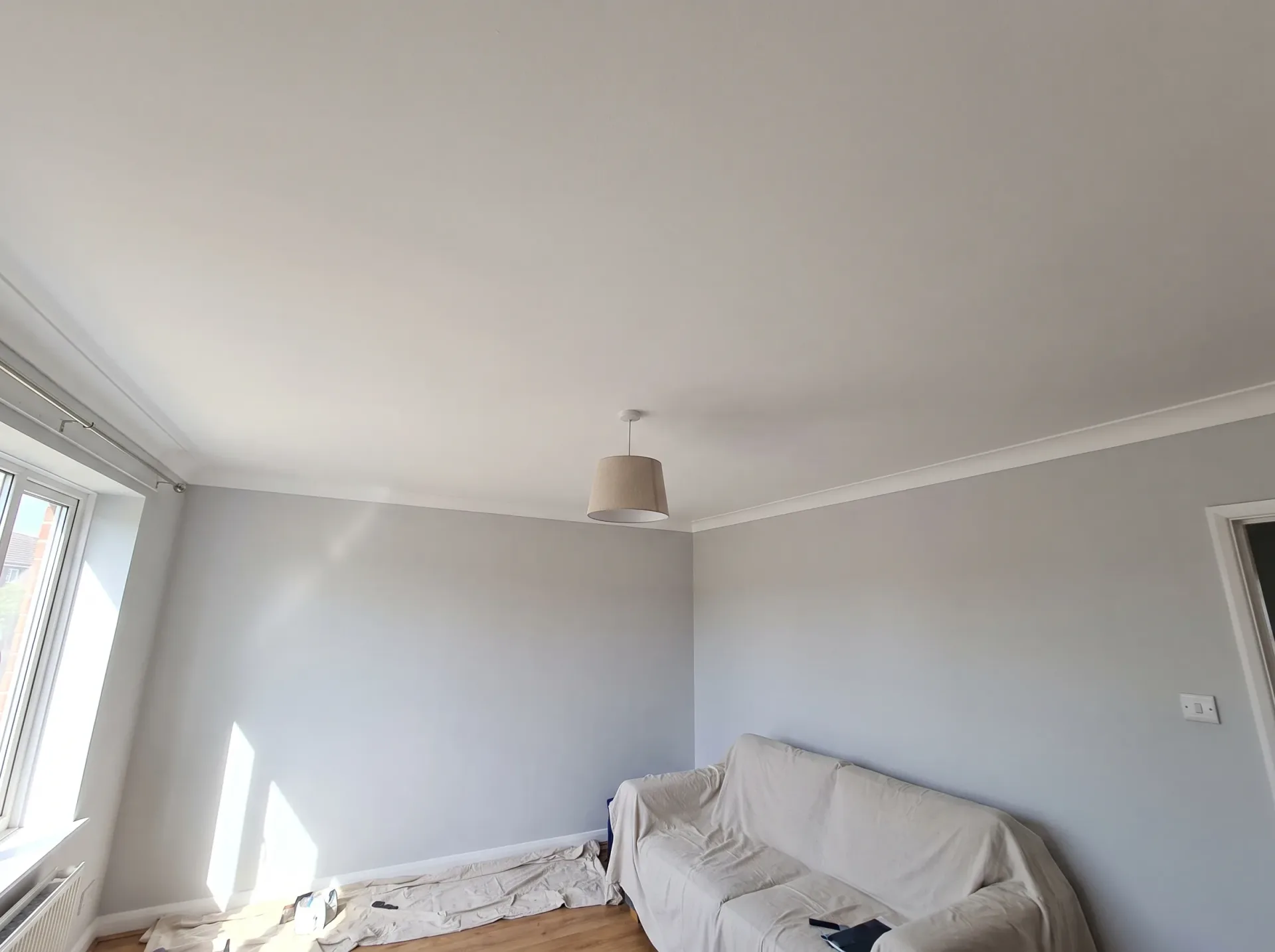
Every interior wall tells a story before a brush or roller ever touches it. Whether surfaces are newly built or aged over decades, the right approach begins with understanding what each substrate genuinely needs-and that takes experience to read correctly.
Skimming for a Perfect Base
Skimming applies a thin, consistent coat that transforms rough or uneven surfaces into a finish-ready canvas. A smooth result depends on steady pressure, precise timing, and knowing how each wall responds as the material sets.
Full Walls, Targeted Repairs
Professional plastering for full wall coverage prioritises lasting adhesion-not just a surface that looks smooth, but one that remains stable over time. Repair work is equally demanding:
- Damaged areas must be matched carefully so patches blend seamlessly with the surrounding finish.
- Thorough preparation prevents repaired edges from lifting or cracking as the surface dries.
- Clean technique at every stage is what separates results that endure from those that don't.
External Plastering and the Range of Render Systems Available
The outer face of a building takes the full force of weather - rain, frost, heat, and constant thermal movement - which is why render selection matters far beyond aesthetics. External plastering demands a thorough understanding of what each system offers before a single bucket is mixed.
Traditional and Modern Render Options
Lime render suits older, breathable substrates where flexibility and moisture management are essential. Silicone render delivers a hydrophobic, low-maintenance finish well suited to modern builds, while monocouche systems combine base coat and finish in a single application layer, reducing both time and complexity on site. K Rend offers a textured, weather-resistant surface that performs consistently across varying climates and exposure levels.
Matching System to Substrate
No single render suits every wall. The substrate type, exposure conditions, and long-term performance requirements all shape the right choice - and getting that match right is what separates lasting external work from costly remedial repairs down the line.

Specialist Plastering for Insulation and Waterproofing
Some projects demand more than a smooth finish - they call for plastering techniques that carry genuine functional weight. External wall insulation systems and tanking solutions sit at the intersection of surface craft and building science, where every layer of application directly affects thermal performance or waterproofing integrity. There is little margin for error here.
External Insulation, Layer by Layer
When insulation boards are fixed to exterior walls and rendered over, the system performs only if each element is correctly bonded, reinforced, and finished. The substrate must be assessed thoroughly, adhesion must hold consistently, and the render coat must shield everything beneath from moisture and movement.
Tanking Against Persistent Damp
Tanking requires careful attention to water pressure, surface porosity, and material compatibility. A minor gap or a weak bond is enough to invite penetrating damp. Executed with precision, it creates a barrier that protects internal structures reliably over time.
Artex Removal and Plastering for Smooth, Restored Surfaces
Artex was once a popular choice for ceilings and walls, but today many homeowners want it gone-replaced by clean, flat surfaces. Removing it is not a straightforward task. It demands controlled dust management, careful surface assessment, and a methodical approach to avoid damaging the substrate underneath.
Controlled Removal, Clean Results
The process involves more than just scraping away the textured coating. A skilled tradesperson works systematically through several stages:
- Assessing the substrate condition before any removal begins.
- Managing dust carefully to protect surrounding areas throughout the job.
- Addressing surface imperfections once the Artex is fully cleared.
Restored Surfaces Ready to Finish
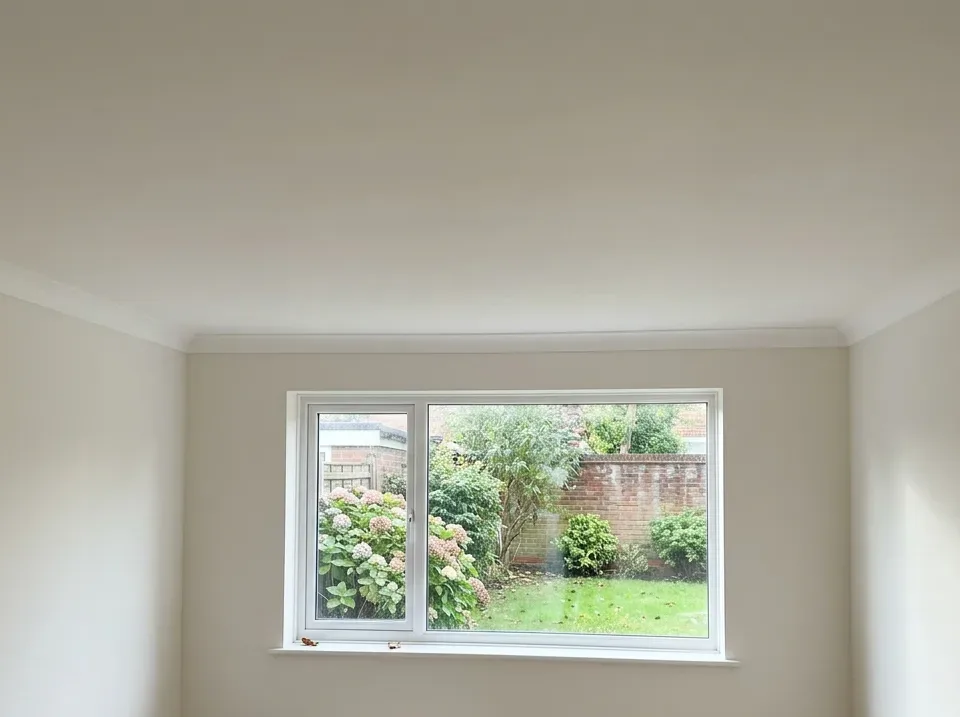
With the substrate properly prepared, professional plastering brings the surface back to a smooth, even standard-ready for decoration and built to last well beyond the project itself.
Plasterboarding as a Complement to Traditional Plastering
Plasterboarding offers a practical and efficient route to well-prepared surfaces without sacrificing the quality of the final finish. Systems such as dot and dab, stud walls, and insulated plasterboard each address different project demands - from speed and structural flexibility to thermal performance - while consistently delivering the flat, stable base that a quality finish coat requires.
Boards for Every Wall Type
Dot and dab fixes boards directly to masonry with adhesive, making it ideal for straightforward wall coverage. Stud wall framing, by contrast, creates a freestanding structure that accommodates concealed services, improves acoustics, or introduces a new partition where none existed before.
Insulated Boards, Dual Purpose
Insulated plasterboard combines a thermal layer with a finish-ready surface in a single board, eliminating a separate insulation step. When properly installed, every system feeds seamlessly into plastering - ensuring the final coat adheres evenly and holds its quality long after the project is complete.
Dry-Lining Methods That Support Quality Plastering Outcomes
Dry-lining offers a practical and efficient alternative where traditional wet methods would slow a project down. Whether using dot and dab adhesion, stud wall systems, or insulated plasterboard, each approach delivers a consistent, stable base that supports a smooth, lasting finish.
Core Dry-Lining Approaches
The most widely used methods include:
- Dot and dab fixing, which bonds boards directly to masonry using adhesive dabs for a fast, clean result.
- Stud wall framing, which creates new partition walls with precise alignment for straightforward finish application.
- Insulated plasterboard, which combines thermal performance with a surface ready for plastering in a single installation step.
Why Surface Consistency Matters
A properly installed dry-lining system eliminates the unevenness that compromises final coats. When boards are fixed level and joints are taped cleanly, the surface accepts a skim coat with full adhesion - producing results that remain stable long after the work is complete.

The Role of Clean Workmanship in Professional Plastering
Clean technique is not an afterthought - it is the foundation of every surface that holds and looks right long after the job is done. From the moment adhesion begins to the moment the final coat dries, every deliberate action either builds or undermines the quality of the result.
Precision From Start to Finish
Professional plastering demands attention at every stage. Rushed preparation or careless application leaves weaknesses that only reveal themselves over time - through cracks, poor adhesion, or uneven texture. Clean workmanship means:
- Ensuring the substrate is properly prepared before any material is applied.
- Maintaining consistent coat thickness throughout the application.
- Finishing each layer cleanly to support what comes next.
Longevity Through Careful Practice
The difference between plasterwork that lasts and plasterwork that fails is rarely visible at first glance. It lives in the discipline applied at each stage - in clean lines, controlled technique, and an understanding that the final surface is only as strong as the process that produced it.
How Quality Plastering Delivers Results That Stand the Test of Time
Every lasting result begins with what happens before a single coat is applied. Thorough surface preparation-assessing substrate conditions, understanding what each wall demands-sets the foundation for adhesion that holds without compromise. When this groundwork is skipped or rushed, no finish coat can compensate for what lies beneath.
Materials and Method Matter
Selecting the right system for the right application-whether internal skimming, external render, or specialist tanking-ensures the finish performs as intended across changing conditions. Consistent technique throughout every phase, from the base coat to the final pass, is what separates work that ages gracefully from work that deteriorates.
Results That Outlast the Project
Quality plastering delivers more than visual appeal on the day of completion. When preparation, material choice, and application standards align, the results remain structurally sound and aesthetically stable long after the last tool is put down.
FAQ - Frequently asked questions
Why is understanding surface conditions so important in professional plastering?
Every wall has different characteristics-substrate type, moisture levels, existing coatings, and surface texture all influence how a finish will perform. An experienced plasterer assesses these variables before beginning work and chooses the correct preparation method accordingly. This diagnostic step determines whether the work will hold for decades or fail within months. Skipping this knowledge compromises durability from the very first coat.
How do different substrates affect the plastering approach?
Old masonry, new blockwork, concrete, and plasterboard each demand different techniques. Surfaces with high porosity may need priming to control suction, while surfaces that are too smooth may require mechanical keying to ensure proper adhesion. Recognizing what a wall needs before work begins is a skill built through experience, not guesswork.
What does proper surface preparation include?
Before any material touches a wall, a skilled plasterer assesses the substrate carefully-checking for moisture, loose material, contamination, and surface porosity. Each of these factors directly influences how well subsequent layers bond and how long they hold. Professional plastering never rushes this stage, because rushing past preparation is where most problems begin, often invisibly.