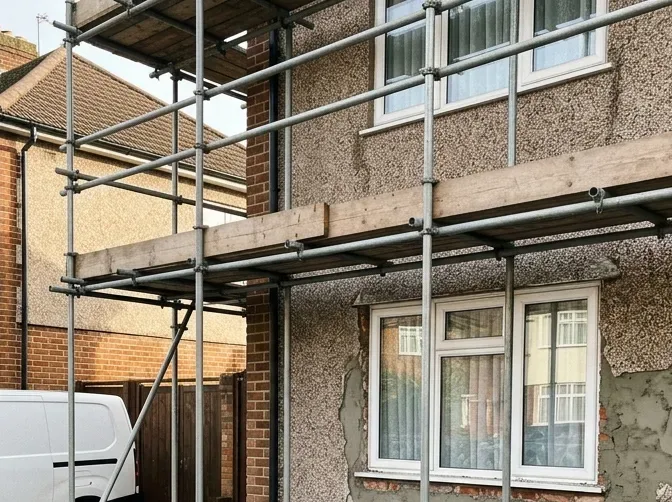
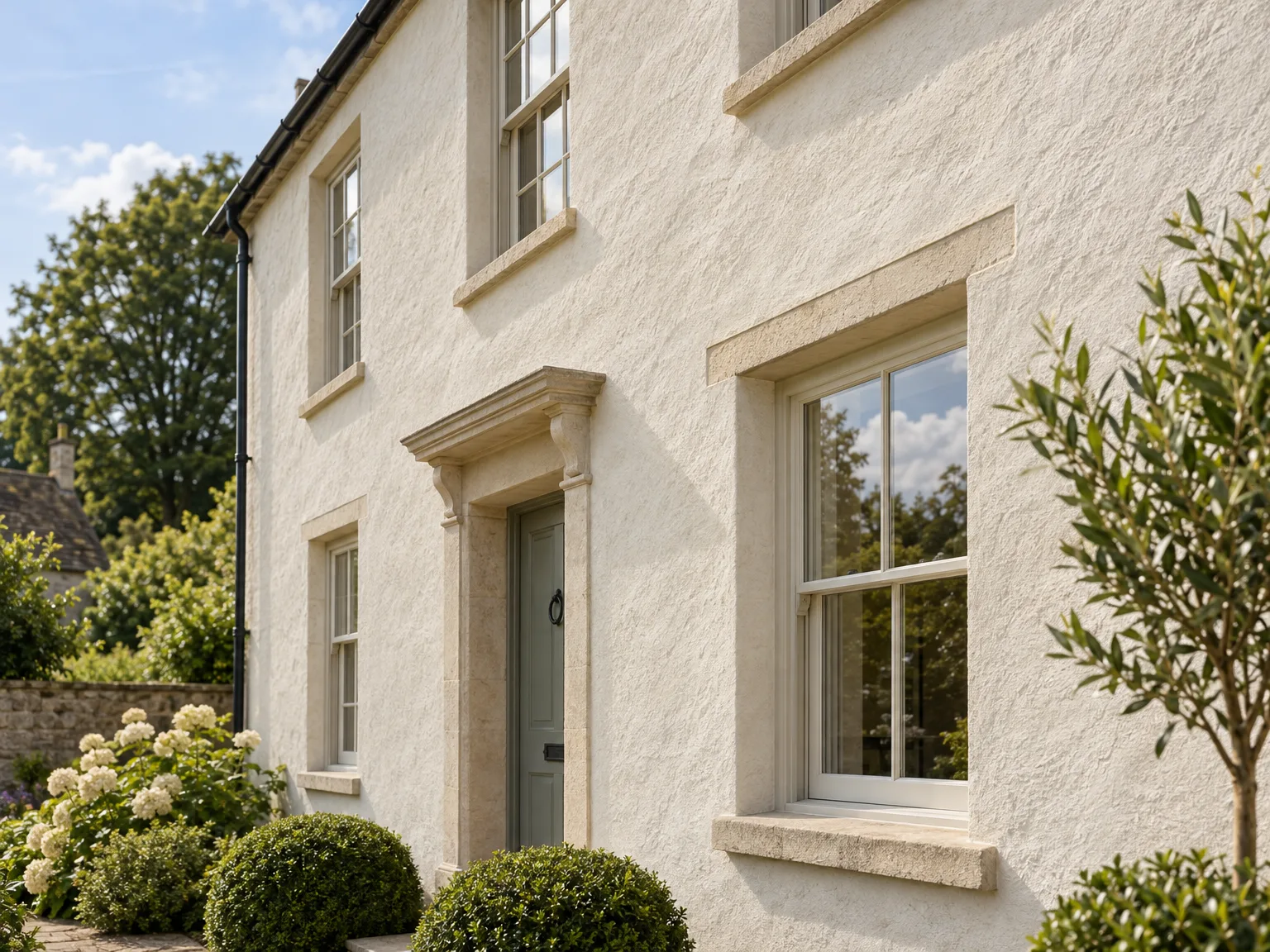
Plaster Lime: The Breathable Secret of Historic Walls
Walk past any old stone or brick facade and you are looking at a wall that breathes. Moisture rises, moves, and escapes - a cycle that traditional masonry depends on to stay healthy. Modern cement renders interrupt this cycle entirely, trapping dampness behind an impermeable shell until it forces its way out, taking the wall's fabric with it.
Where Lime Makes the Difference
Plaster lime works with this natural movement rather than against it. Its open, porous structure allows water vapour to pass freely while still protecting the surface beneath - a balance no synthetic coating can replicate. For historic walls built from softer materials, this matters enormously:
- Moisture escapes without pressure building behind the finish.
- Minor structural movement is absorbed without cracking.
- The substrate and render age together, rather than in conflict.
The Right Render for Old Walls
On heritage masonry, choosing breathable plaster lime is not sentiment - it is sound building practice.
What Sets Plaster Lime Apart from Cement-Based Renders
Cement-based renders form an impermeable shell - resisting movement through rigidity alone. That approach works until the structure shifts slightly or moisture finds its way in from the other side: the result is trapped damp, cracking, and accelerating decay of the masonry underneath.
Durability Through Flexibility
Plaster lime works differently. It gains strength gradually through carbonation rather than rapid setting, becoming a finish that flexes with minor movement rather than fracturing against it. Moisture is allowed to migrate through the wall, preserving structural integrity without the pressure that builds behind a sealed surface.
A Fundamental Incompatibility
This is not a question of quality - it is a question of purpose. The breathable, yielding character of lime render is precisely what makes it effective on traditional buildings. Substituting cement does not improve it; it simply introduces a different, often more damaging, set of problems.
The Science of Breathability: How Plaster Lime Lets Walls Live
Older walls were never designed to be sealed. Traditional masonry breathes - absorbing and releasing moisture in a natural cycle that keeps both the wall and its finish stable. When cement render is applied to historic stone or soft brick, it blocks that cycle entirely. Moisture becomes trapped behind an impermeable surface, building pressure until spalling, cracking, and decay follow.
Moisture Moves, Walls Stay Sound
The science behind plaster lime is elegantly simple: its open pore structure allows water vapour to pass through rather than accumulate. Moisture migrates outward, evaporates from the surface, and the wall remains structurally sound throughout. There is no pressure build-up, no forced delamination, no hidden damp working inward.
A Finish That Works With Walls
This breathability is not a design compromise - it is precisely why lime render outlasts modern alternatives on historic buildings. A finish that respects how a wall naturally functions will always outperform one that fights it.
Centuries of Craft: The Origins of Plaster Lime in Building History
The tradition of lime render stretches back through generations of builders who refined their craft on real structures, learning from walls that endured and walls that failed. Unlike modern products developed in laboratories, the methodology behind plaster lime emerged from accumulated site experience - adjusted climate by climate, masonry type by masonry type. That sustained refinement is itself a form of quality assurance no accelerated testing can replicate.
Knowledge Passed Down Directly
Each generation of plasterers inherited not just a material but practical knowledge: how to read a substrate, when to dampen a wall, how site exposure affects curing. This collective expertise became embedded in the methodology itself, giving lime render a proven reliability newer alternatives simply cannot match.
Where History Proves the Method
Historic structures still carry original lime renders that have outlasted every modern alternative applied to comparable buildings - a record reflecting a material refined over centuries to work with traditional masonry rather than against it.
Choosing the Right Plaster Lime for Your Substrate
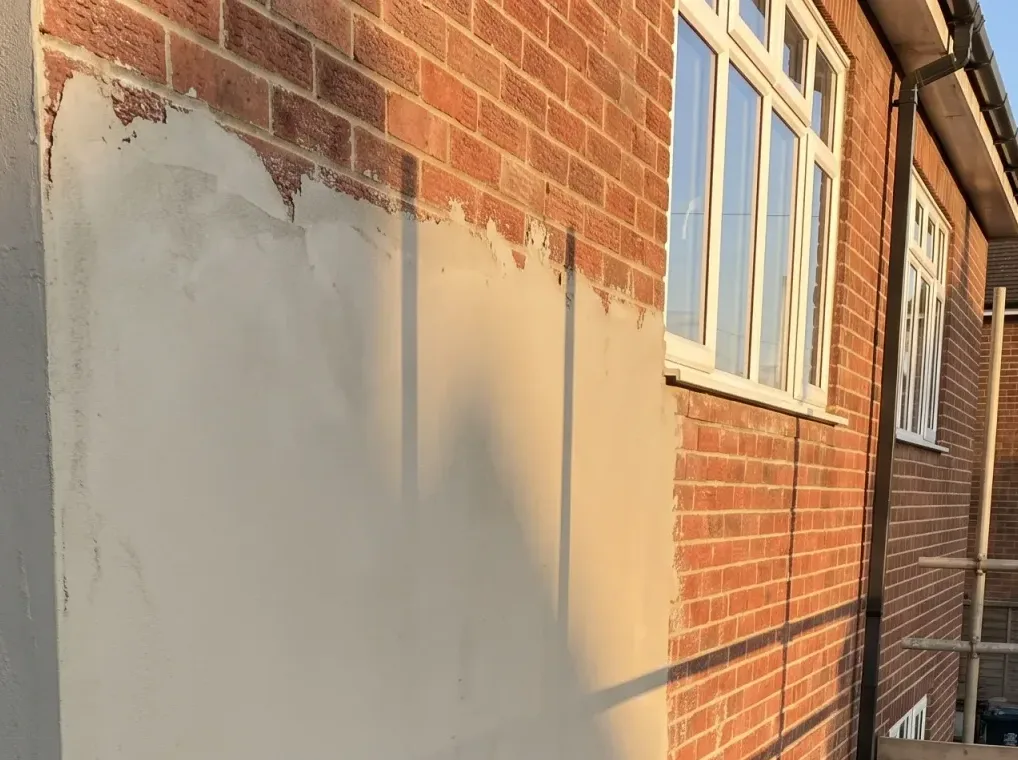
Getting the specification wrong is the most common reason a lime finish fails - not poor workmanship. Before anything is mixed, an experienced plasterer must read the wall: its composition, softness, and how exposed it is to wind and rain. A hard, dense brick demands a different formulation than soft sandstone or crumbling historic rubble.
Match the Mix to the Masonry
Applying a strong hydraulic plaster lime to a soft, fragile substrate creates a mechanical mismatch. The harder finish resists movement while the masonry beneath yields, and cracking follows. Softer, putty-based mixes work with the wall rather than against it, accommodating minor movement without fracturing.
Exposure Changes Everything
A sheltered interior surface behaves nothing like a wind-driven gable end. Exposed elevations call for formulations with greater hydraulic strength; sheltered walls can rely on slower-setting, leaner mixes. Misjudging this single variable will cause failure no matter how carefully the material is applied.
Surface Preparation: The Foundation of a Lasting Plaster Lime Finish
Every skilled plasterer knows that the wall itself determines the outcome long before any material touches a trowel. With plaster lime, preparation is not a preliminary step - it is the process. A dusty, dry substrate acts like a sponge, pulling moisture from fresh render before carbonation can begin, weakening the bond from the very first coat.
Dampening: A Non-Negotiable Step
Wetting the surface thoroughly and evenly is essential. Without adequate moisture at the substrate, the chemical transformation that gives lime render its gradual, progressive strength simply cannot occur as it should.
Reading the Wall Before You Begin
Experienced applicators assess the substrate carefully before committing to application:
- Brush away all loose debris, dust, and organic matter before dampening.
- Apply water in stages rather than saturating the surface all at once.
- Allow the substrate to reach a consistently damp, not dripping, condition before work begins.
Getting this right means a plaster lime finish that endures for generations.
Carbonation Over Curing: How Plaster Lime Builds Its Strength
Unlike cement, which sets through rapid hydration, plaster lime builds strength by an entirely different mechanism. Carbonation - the gradual absorption of carbon dioxide from the air - slowly reconverts calcium hydroxide into calcium carbonate. There is no shortcut: this reaction unfolds over an extended period, and the material grows progressively stronger long after the work looks complete.
Why Each Coat Must Wait
Applying a fresh coat before the previous one has begun to carbonate traps moisture, weakens adhesion, and risks cracking. Patience here is structural, not decorative. The essentials:
- Allow each coat to firm fully before continuing.
- Keep the surface slightly damp during early curing to sustain the reaction.
- Shield fresh work from frost and direct sun, both of which disrupt carbonation.
Strength That Deepens With Time
The cured surface of plaster lime continues hardening for months - becoming more resilient, more tightly bonded, and ultimately more durable than any rushed alternative.

Why Older Buildings Perform Best with Plaster Lime
Historic buildings were not built to rigid modern standards. Their masonry is softer, their foundations shallower, and their walls have been settling and shifting for generations. Rather than a flaw, this inherent movement is simply a characteristic - one that plaster lime was developed to accommodate from the outset.
Movement Is Not the Enemy
Older structures experience minor, continuous movement as timbers breathe and stones adjust. A hard cement render fights this process, cracking under tension. Lime, by contrast, flexes with the building, absorbing subtle shifts without fracturing.
Masonry Needs a Sympathetic Partner
Softer historic masonry - whether rubble stone, handmade brick, or cob - cannot withstand the compressive force of modern cement. A correctly specified lime render works at a compatible hardness:
- allowing moisture to travel through the wall rather than becoming trapped
- bonding with the substrate without pulling it apart
- developing strength gradually, matching the pace the building was always designed to expect
This is not compromise; it is correct specification.
Applying Plaster Lime: Timing, Technique, and Climate Awareness
A correctly specified mix is only half the work. Applying plaster lime demands experienced judgement about on-site conditions at the moment of application. Frost, direct sun, driving wind, and humidity all interfere with carbonation in different ways. An experienced plasterer reads these signals and adapts; a novice follows the schedule regardless.
Coat Intervals Are Critical
Rushing subsequent coats is among the most common causes of failure. Each layer must reach the right stage of firmness before the next goes on. Apply too soon and the underlying coat loses integrity; wait too long and adhesion suffers. The substrate's dampness level at each stage is equally decisive.
Climate Can Undermine Any Mix
Cold or windy conditions accelerate moisture loss before carbonation can establish. Direct summer heat without shading invites surface crazing. Knowing when to delay a coat, shade a wall, or call off work entirely - that experienced judgement is what separates a lasting finish from an expensive failure.
How Plaster Lime Accommodates Structural Movement Without Cracking
Older buildings move. Foundations settle, masonry shifts with seasonal temperature changes, and timber frames flex imperceptibly over decades. A rigid finish cannot follow these movements - it simply fractures, leaving characteristic map cracking spreading across the surface.
Flexibility Built Into the Material
The key lies in how plaster lime cures through gradual carbonation rather than rapid chemical hardening. This produces a finish that remains subtly yielding under stress, absorbing the minor movement that historic structures experience as a matter of course. Where cement render resists and eventually cracks, lime accommodates and holds.
What This Means in Practice
- Minor structural settling is absorbed without surface fractures appearing
- The finish moves with the wall rather than fighting against it
- Long-term durability increases because stress is distributed, not concentrated at weak points
The result is a surface that ages gracefully alongside the building it protects, rather than declaring war on the very structure beneath it.
The Environmental Logic of Plaster Lime on Traditional Masonry
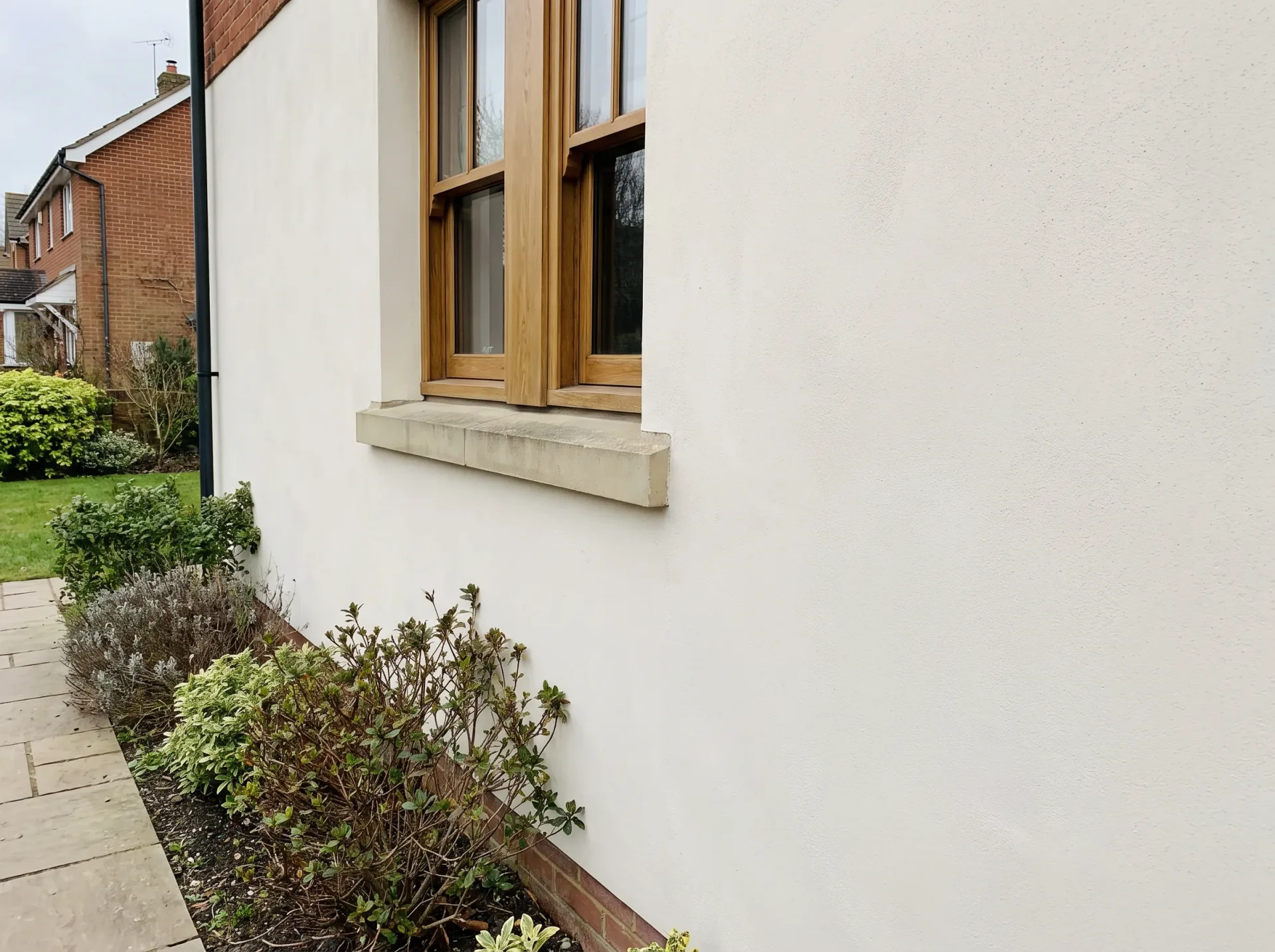
Traditional masonry - brick, stone, rubble - is porous by nature. It absorbs and releases moisture with every change in season, and any finish applied to it must respect that rhythm or work against it, often to destructive effect.
The Problem With Sealing Walls
When an impermeable cement render is applied to old masonry, moisture that enters through cracks or capillary action has nowhere to go. It accumulates behind the surface, corroding mortar joints and weakening the very substrate it was meant to protect. Plaster lime takes the opposite approach: its open, carbonated matrix allows vapour to move freely, relieving pressure before damage can take hold.
Why Breathing Means Lasting
This sympathetic relationship is precisely why lime finishes on historic buildings typically outlast modern alternatives. A render that accommodates minor structural movement without cracking, and that lets the wall manage its own moisture, is not fighting the building - it is working as part of it.
Common Mistakes That Undermine a Plaster Lime Application
Even a correctly sourced plaster lime can fail spectacularly when the fundamentals are ignored. The most damaging errors rarely involve the material itself - they stem from rushed decisions made before the first coat ever touches the wall.
Preparation Shortcuts That Cost Later
Applying lime to a dry substrate, skipping the dampening stage, or neglecting to remove incompatible cement patches all but guarantees poor adhesion. Equally damaging is selecting the wrong lime specification for the wall's exposure level or masonry type - a mismatch that no amount of skill can fully compensate for.
Timing and Application Errors
The interval between coats is not a suggestion - it is a structural requirement. Common failures include:
- Applying subsequent coats before the previous layer has adequately carbonated and set
- Rushing through multiple coats in a single session to reduce labour time
- Ignoring weather conditions during curing, allowing frost or rapid drying to disrupt the process
Each shortcut exchanges short-term convenience for premature cracking, detachment, and costly remediation work.
What to Look for in a Qualified Plaster Lime Specialist
Choosing the wrong applicator can undermine even the finest plaster lime specification. The material demands more than technical knowledge - it demands judgment developed through extensive site experience. A qualified specialist knows that no two walls behave identically, and they approach each substrate with genuine curiosity rather than a fixed routine.
Reading Walls, Not Just Instructions
Look for someone who assesses the substrate before mixing a single batch. The ability to read wall conditions - moisture levels, masonry composition, surface porosity - and adjust technique accordingly separates a true craftsperson from someone following a generic recipe. This skill cannot be taught in a classroom; it comes from years of varied site work.
Methodology Over Speed
Be wary of applicators who rush the process. Correct coat intervals, proper surface dampening, and patience during curing are non-negotiable. A specialist committed to proper methodology will never sacrifice these steps to cut costs or meet an unrealistic schedule.